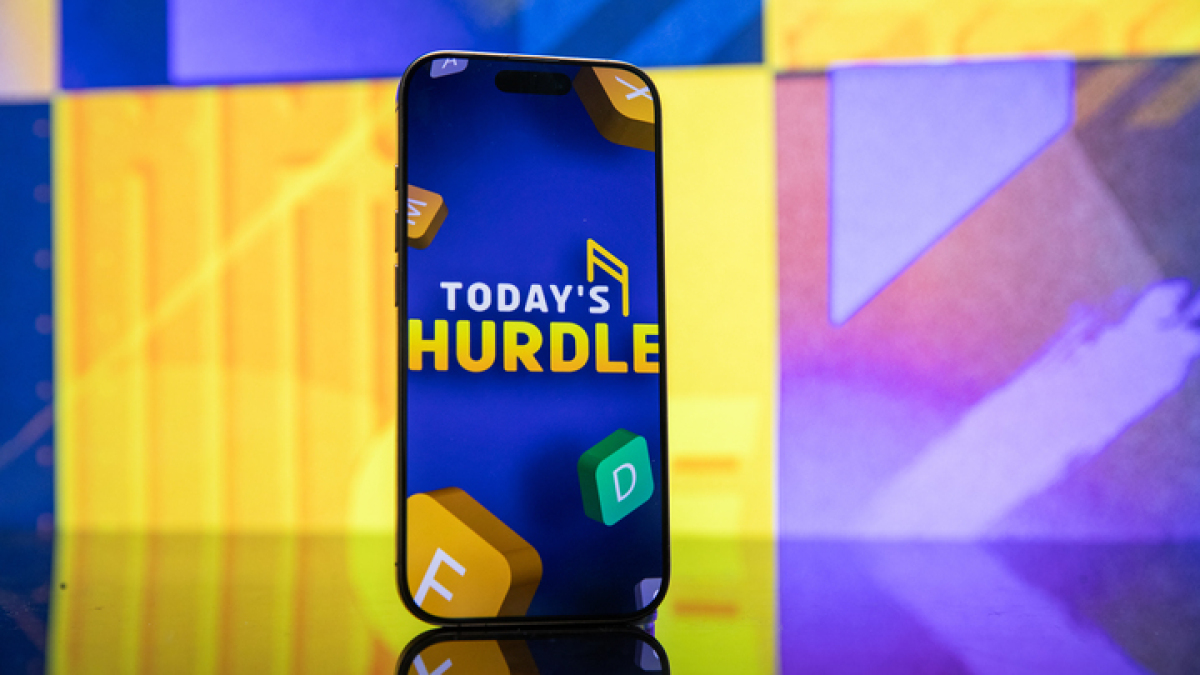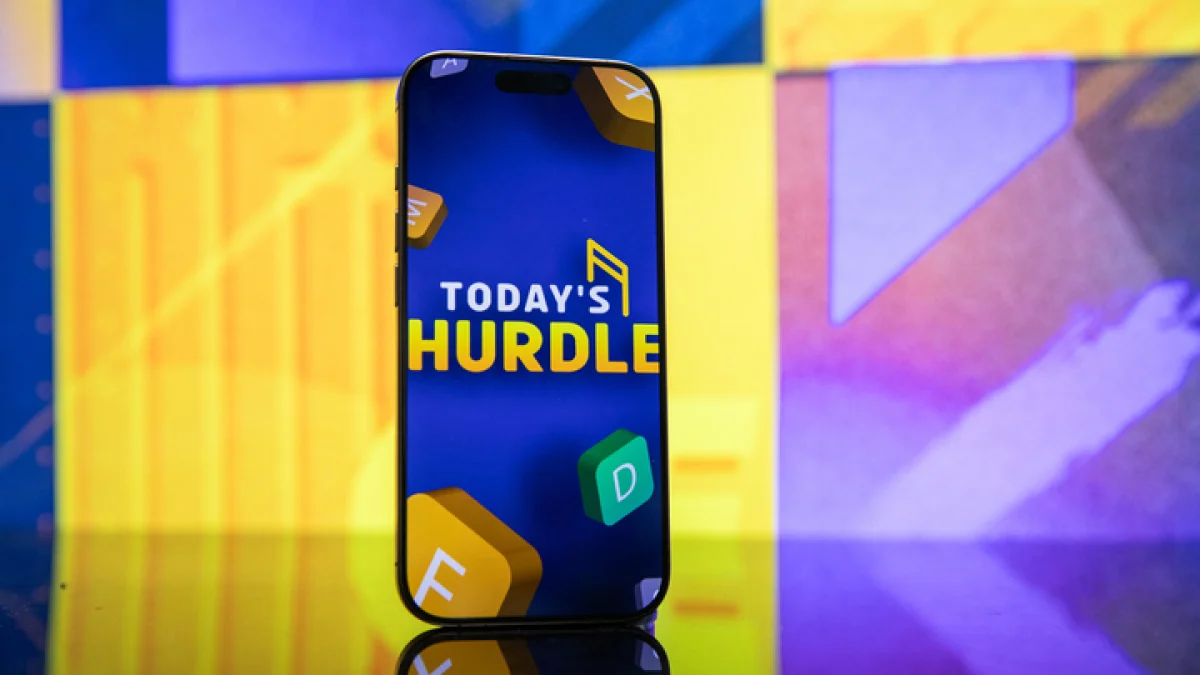

In an era where digital entertainment often leans heavily on fast-paced action and fleeting social media trends, puzzle games are carving out a surprising yet impactful niche in the youth lifestyle landscape. Recent viral hits like Mashable’s “Hurdle” game, a multi-round word and logic puzzle, exemplify how these cerebral challenges are captivating the younger generation. The game’s structure—spanning five increasingly complex rounds—invites users to engage in critical thinking, pattern recognition, and strategic guessing, making it an appealing social activity that fosters mental agility and collaborative engagement. With hints, solutions, and community sharing, puzzle games are redefining what it means to be entertained in the digital age.
This renaissance of puzzles is not merely about mental exercise; it’s about social relevance and cultural influence. Today’s youth are fueling a shift toward appreciation for more “mindful” forms of digital entertainment, contrasting with the rapid dopamine hits of traditional social media. Influencers and content creators, such as those nominated on platforms like Mashable, rediscover the joy of problem-solving and intellectual challenge, turning what was once considered solitary activity into social currency. The communal nature of sharing hints, answers, and strategies creates a sense of belonging—an online tribe united by the love of unraveling mysteries. Analysts suggest this trend aligns with a wider cultural urge for authenticity and mental stimulation, offering a refreshing antidote to the superficial scroll.
Moreover, the viral growth of puzzle competitions—from Wordle to Mahjong and Sudoku—illustrates how the genre is embedding itself into youth routines and social media feeds. These games, often accessible on smartphones and web platforms, are transforming leisure time into opportunities for personal growth and social bonding. They also serve as a gateway for younger audiences to cultivate skills like patience, strategic thinking, and even resilience—traits often associated with traditional forms of education but now making waves in the online gaming landscape. Creative formats like Mashable’s “Hurdle,” with its teaser hints on words such as “SPOUT,” “LUNGE,” “FLAME,” “CRASH,” and “SHINE,” spark curiosity and foster a culture of shared challenge, blurring the lines between gaming and social activism.
Yet with this surge in popularity, a compelling question arises: what’s next for puzzle culture? Will these cerebral pursuits evolve beyond casual entertainment into something more integrated with our daily lives and societal values? Experts ponder whether future interfaces will combine augmented reality with puzzle-solving, turning urban exploration into interactive riddles or personal development into game-based learning. As digital natives continue to prioritize authenticity and mental wellness, could this trend signal a fundamental shift—where the pursuit of knowledge and mental agility becomes the new social currency? The next chapter of this puzzle culture might not just redefine how we entertain ourselves but could also embed itself into the core of our societal evolution, asking us all to contemplate: are we poised to turn mental agility into the **next big social movement**?