
Matox News

Truth Over Trends, always!

Israeli Strikes Trigger Wave of Chaos in Lebanon

In a dramatic escalation that threatens to reshape the geopolitical landscape of the Middle East, Israel launched a sweeping military assault against Lebanon on 8 April 2026, just hours after US President Donald Trump announced a tentative ceasefire between the United States, Israel, and Iran. The timing of these events underscores the fragile and volatile nature of regional diplomacy, where even diplomatic overtures can be swiftly overshadowed by renewed violence. Israel claimed to have targeted 100 sites within a mere ten minutes, shattering hopes of a pause in hostilities and amplifying the risk of a wider regional confrontation.

This latest chapter in the ongoing conflict between Israel and Hezbollah, the Lebanese militia armed and financed by Iran, began on 2 March after Hezbollah launched rockets into Israeli territory. Israel responded with an aggressive campaign of aerial bombardments and a ground invasion of southern Lebanon, reigniting a conflict that has already claimed over 2,600 lives in Lebanon, according to the country’s health authorities. As Lebanon’s towns and villages grapple with destruction and displacement—roughly one-fifth of the population forced to flee—the consequences extend far beyond the battlefield, destabilizing an already fragile nation and alarming international observers.

From the perspective of global analysts and historians, the recent violence signals a critical turning point in the regional power struggle. Many experts warn that this renewed conflict could spiral into a much broader war, destabilizing the entire Middle East. The United Nations and regional powers face mounting pressure to intervene, yet the path to de-escalation remains elusive amidst entrenched geopolitical interests. Lebanese society is caught in the crossfire, suffering profound human toll, as families mourn loved ones and communities struggle to recover amid the chaos. This surge of violence is not merely a local tragedy but a stark reminder of how decisions made in distant capitals resonate across borders, fueling instability and endangering global peace.

The geopolitical impact of this escalation extends beyond Lebanon and Israel, touching the core of international diplomacy and security alliances. The United States, under President Trump’s administration, appeared to aim for a moment of diplomatic respite, yet the subsequent attack exposes underlying tensions and unresolved conflicts that threaten the fragile balance of power in the region. Analysts argue that the rapid escalation demonstrates how calculated military actions can undermine diplomatic efforts, forcing nations into dangerous standoffs that are difficult to unravel. The international community, including NATO and the European Union, is now faced with the urgent question: how to prevent an all-out regional war?

As the dust settles and the world watches with apprehension, history continues to unfold in real time. The conflict’s ramifications could ripple across Africa, Europe, and beyond, as global powers recalibrate their strategies in a region that remains one of the most volatile on Earth. Ultimately, the decisions made today will echo through history—either as moments of courageous diplomacy or tragic failures to prevent catastrophe. And so, the race against time persists, with the shadows of war lengthening over a world desperately longing for peace, yet teetering on the edge of chaos—the weight of history unmistakably pressing down on the fabric of global stability.
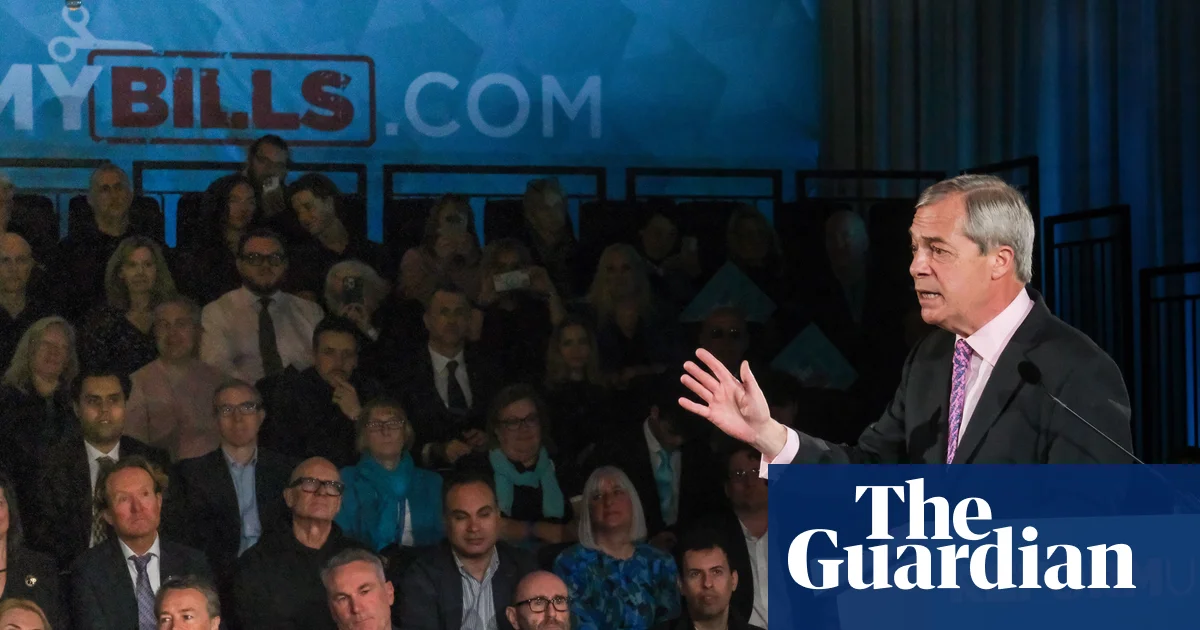
Reform plans may trigger Truss-style chaos, warns renewable industry experts

The landscape of British politics is currently witnessing a striking power struggle, where the principles of free enterprise clash sharply with mandates for governmental intervention. At the heart of this turbulence stands Reform UK, a populist force led by Nigel Farage, whose latest platform calls for an overhaul of renewable energy subsidies. This campaign signals a clear departure from conventional sector support and evokes echoes of the aggressive deregulation seen during previous conservative reforms. Yet, the implications reach deep: the potential unraveling of investor confidence, economic destabilization, and even a reversion to the turmoil akin to the chaos under Liz Truss’s tenure.

The industry’s chief lobbyist for RenewableUK has sounded the alarm, emphasizing that such policies threaten to undermine not only the renewable sector but the very fabric of UK’s economic stability. The anti-renewables stance proposed by Farage’s movement could significantly deter foreign and domestic investment, sending ripples throughout the broader economy. Historically, decisions to pull back on energy subsidies echo moments of political volatility and economic recklessness, where the short-term gains mask long-term consequences—a pattern that echoes the failed policies of the recent past. The question emerges: are these policies merely a reflection of populist rhetoric, or are they a destructive recalibration of Britain’s energy future, with the people (and their economic well-being) as collateral?

Legal and constitutional experts warn that such radical policy shifts risk undermining the rule of law and disrupting the delicate balance of government intervention and free markets established through generations of constitutional development. Historical parallels—such as the austerity-driven reforms of the post-2008 crisis or the chaotic deregulation of the 1980s—serve as warnings. These episodes reveal a recurring theme: when political leaders prioritize ideological purity over economic stability, the outcomes are often turbulent, leaving citizens to bear the brunt of high energy bills and economic uncertainty. As Thatcher’s economic reforms demonstrated, decisive shifts away from state-led support can indeed invigorate industries, but only if guided by prudent, risk-aware policies rather than populist bravado.

This power struggle is more than a mere policy debate; it is a battle for control over Britain’s economic destiny. Decisions made today will resonate through generations, reshaping the role of government and redefining the social contract in the process. As the political stage prepares for yet another pivotal act, the people stand as witnesses to a reality where ideologies clash and destinies are written. In this moment, the true question is whether Britain’s leaders will rediscover wisdom through the lens of history or succumb to the siren call of populist peril—knowing full well that in the theatre of power, every decision inscribes the future in stone.

Concerns Grow Over Equity Policies Could Trigger Massive Protests Over Use of Actors’ Images in AI Content

In an era marked by rapid technological advances, the film industry and trade unions worldwide find themselves at the forefront of a growing battle over AI-generated content and the infringement of intellectual property rights. The UK-based union Equity, representing 50,000 performers, has announced plans to coordinate mass data requests to tech giants and production companies, aiming to uncover whether personal data—especially images and voices of actors—are being used without their informed consent. This move signals a significant shift in how creators and performers are asserting their rights in the digital age, amid widespread concerns about unauthorized use of personal likenesses and the moral implications of AI’s increasing dominance.

Recent cases, such as that of Briony Monroe, a Scottish actress, have underscored the tangible risks faced by performers. Monroe claims that her image and mannerisms were scraped from her body of work and incorporated into a digital character named Tilly Norwood—a fully synthetic AI actor created by Xicoia. Despite denials from the company, Monroe’s accusations reflect an unsettling trend where AI firms utilize personal data to craft digital replicas, often without explicit permission. Historians and analysts warn that this development could undermine the very essence of human creativity, as the line between authentic performance and algorithm-driven mimicry becomes increasingly blurred. The industry’s failure to establish clear protocols or transparency about data sourcing raises grave concerns about moral compromise and the erosion of performers’ rights.

The geopolitical impact of this confrontation extends beyond the UK. Major international organizations, including the World Intellectual Property Organization and the European Data Protection Board, are monitoring these disputes, which threaten to redefine frameworks of copyright law and personal privacy. Critics argue that AI companies have trained their models on content obtained from existing films and television without proper permissions, thereby disrupting global copyright norms. The tensions resonate with broader debates about sovereignty and digital control, especially as nations like the United States and China accelerate their AI development efforts. Major tech firms are accused of reckless data scraping, potentially setting a dangerous precedent where intellectual property can be exploited on a massive scale, without immediate repercussions.

Amidst this upheaval, industry leaders and international lawmakers are under pressure to create enforceable regulations that balance innovation with moral responsibility. The Deputy Chief Executive of the Pact trade body, Max Rumney, emphasizes the importance for production companies to embrace AI responsibly to avoid disadvantaging those who adhere to fair practices. However, the lack of transparency from AI tech companies regarding their data sources remains a core issue. As Geneva-based experts warn, unless regulatory frameworks adapt swiftly, the industry risks devolving into an unchecked digital wild west where creators are exploited and society’s cultural fabric is irrevocably altered. The battle over AI’s place in creative realms is, at its core, a fight for humanity’s moral and legal sovereignty—one that will shape the future of global entertainment, societal values, and the very fabric of what it means to create.

In the unfolding narrative of this digital age, history is watching as the actors, creators, and nations stake their claim. Perhaps the most profound question remains: will the emerging AI-driven content forge a new era of innovation rooted in human expression, or will it become a tool of exploitation—an echo of a once-clear boundary, now blurred into obscurity? The answer lies at the intersection of law, morality, and technological mastery, where the weight of history is silently poised to record the choices we make today—choices that will echo through generations to come.

Social Media Auto Publish Powered By : XYZScripts.com