Matox News

Truth Over Trends, always!

Have your clothes ever triggered an allergic reaction? Share your story. | Society

Societal Reckoning: The Hidden Health Toll of Fast Fashion

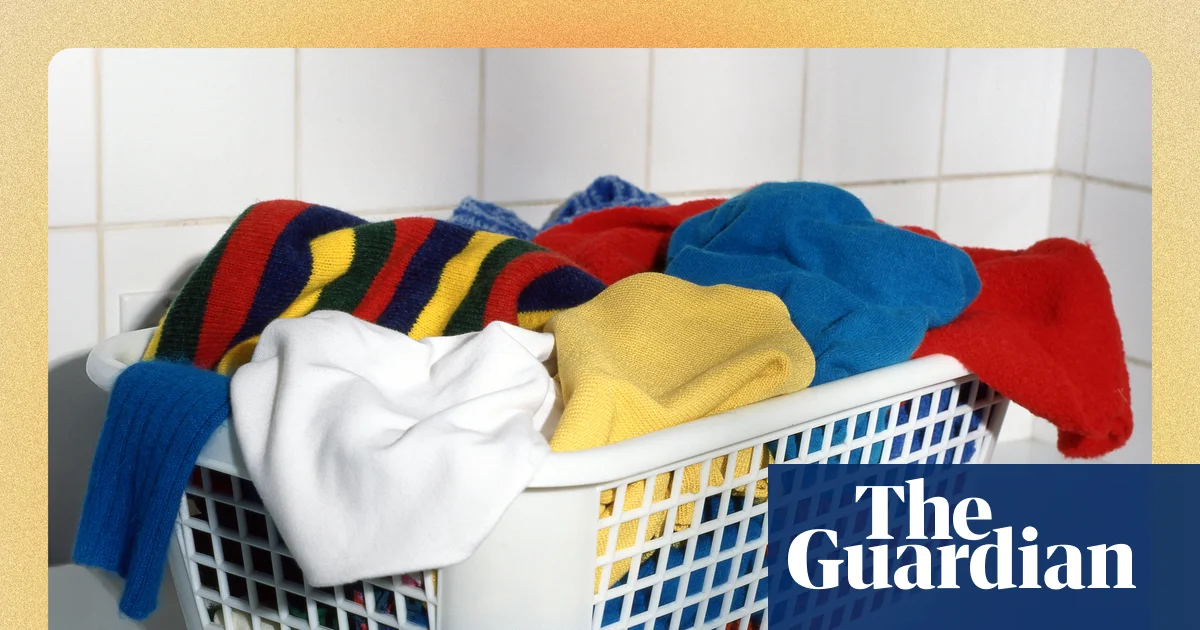
In a world driven by fleeting trends and relentless consumerism, the impact of fast fashion extends beyond environmental degradation and labor exploitation— it now intrudes upon the very health of our families and communities. Recent research highlights a troubling side effect: synthetic fabrics, prevalent in affordable clothing chains, often carry hazardous chemicals such as heavy metals, antimicrobial agents, and anti-wrinkle treatments. While these chemicals enhance the appearance and durability of garments, they can pose serious health risks, including allergic reactions, skin irritations, respiratory issues, and even more severe long-term consequences. This invisible threat is quietly compromising the well-being of countless individuals, especially vulnerable populations like children and those with sensitive skin.

This phenomenon underscores a broader cultural shift—a shift towards convenience and low costs at the expense of health and safety. Sociologists like Virginia Postrel and social commentators argue that this ruthless push for rapid production and turnover disregards the human toll, placing consumers in harm’s way without informed consent. The health repercussions ripple through families and neighborhoods, as affected individuals seek medical attention and grapple with the ongoing trauma of allergic reactions or chronic conditions. Children, in particular, bear the brunt of such exposure, as their developing immune systems are often more susceptible to chemical sensitivities. This societal imbalance calls for urgent reflection: Are we prioritizing profit over human health, and at what cost to our shared social fabric?

Addressing these social issues necessitates a multifaceted strategy:

  • Implement stricter regulations on textile chemicals and enforce transparency from manufacturers regarding chemical treatments.
  • Educate consumers about the potential health risks associated with synthetic fabrics and promote awareness about ethical shopping choices.
  • Encourage local and sustainable fashion initiatives that prioritize safety, quality, and the well-being of workers and consumers alike.
  • Support community health programs aimed at diagnosing and managing chemical sensitivities, especially in underserved areas where healthcare access remains limited.

Recognized social theorists like Herbert Gans have long warned about the societal costs of consumer culture, emphasizing that true progress is rooted in safeguarding human dignity and collective health. As we confront the stark reality of chemical-laden clothing infiltrating our wardrobes, we must remember that our choices wield power. The fabric of society is woven with more than threads; it is spun from the lived experiences of families, educators, and communities who often endure social and health disparities quietly. Just as historical shifts have reshaped societal values—from the abolition of slavery to the fight for civil rights—today’s challenge is to reweave our shared moral fabric, ensuring that progress does not come at the expense of our health and future.1

In this ongoing societal dance, hope persists. Society’s capacity to adapt, driven by awareness and collective action, offers a beacon of promise. The fabric of our society may be frayed in places, but it can be repaired through policies rooted in morality, education, and care. Better regulations, informed consumers, and community resilience can transform the silent health toll of fast fashion into a catalyst for societal renewal. Ultimately, society’s true strength lies in its capacity to protect the most vulnerable among us—families—and to craft a future where health and conscience are woven tightly into the very fabric of what we wear and what we stand for.

1For further insight, sociologists and social historians underscore that societal progress hinges on recognizing and rectifying hidden social costs—an effort that begins with acknowledging the profound impact of seemingly personal choices on collective well-being.


Platform that triggered children's book controversy taken down
Platform that triggered children’s book controversy taken down

Controversy Sparks Concerns Over Youth Exposure to Inappropriate Content

Recent events surrounding a children’s book series have illuminated troubling shifts in our societal safeguards and raised alarms about the integrity of digital spaces frequented by our youth. The publisher Puffin and the author Cope found themselves embroiled in controversy when a website meant to host bonus content for a popular children’s series was overtaken by a third party. This unauthorized takeover led to the posting of explicit material at a time when these digital platforms are increasingly becoming the first point of engagement for young audiences.

Such breaches—where the erosion of age-appropriate barriers in online spaces is exploited—highlight the urgent need for stronger digital safety measures. According to Nominet, the UK registry service provider, the offending site was suspended as a breach of the Online Safety Act. The website’s original purpose was to complement the series’ narrative of cute animals engaging in problem-solving missions; instead, it inadvertently became a conduit for inappropriate content—prompting immediate action from authorities and the publisher. The incident underscores a critical societal challenge: the constant battle to keep our children’s digital environments safe, especially in a landscape where third-party invaders can easily hijack digital assets and exploit vulnerable audiences.

Educational and Family Impacts Emerge Amid Pure Content Contamination

The fallout from this incident reveals far-reaching consequences for families and educators. Schools and parents are confronting the unsettling possibility that children’s access to wholesome content may be compromised or manipulated. Puffin Books responded swiftly by pausing the sale and distribution of the series, advising educational institutions to remove the books temporarily and return borrowed copies. These actions reflect a broader societal concern: as cultural shifts blur the lines between safe content and harmful material, safeguarding the formative minds of our youth remains an uphill battle.

Sociologists like Dr. Abigail Morgan warn that such disruptions threaten to destabilize the trust parents place in digital and educational institutions. The incident exposes a gap in protection for the most impressionable members of society—a gap that requires urgent attention to prevent similar breaches and foster resilient, ethical digital environments. The challenge now extends beyond mere content filtering; it necessitates a cultural shift towards greater digital responsibility and accountability among content providers, tech companies, and regulatory bodies alike.

Society’s Path Forward: Balancing Freedom, Protection, and Moral Responsibility

Ultimately, this controversy underscores a vital societal dilemma: how can a society grounded in virtue and moral responsibility ensure that its youngest members are shielded from harm while still promoting free access to knowledge and creativity? Historians and social commentators acknowledge that family integrity and educational ethos must evolve in tandem with technological advancement. The challenge is to create a culture of vigilance that empowers families, educators, and communities to safeguard the moral fabric that underpins a healthy society.

  • Implementing stricter age verification protocols online
  • Enhancing collaboration between regulatory agencies and digital platforms
  • Promoting media literacy education to empower families and children
  • Fostering a moral framework that values protection without censorship

As society grapples with these complex issues, there remains a fragile yet resilient hope: that through collective effort, accountability, and moral clarity, we can mend the broken threads of trust and security woven into our social fabric. The challenge calls for more than technical fixes; it demands a cultural renaissance—an awakening that prioritizes the nurturing of virtuous communities where our children can flourish free from the shadows of exploitation and moral decay. Society stands at a crossroads, but with unwavering resolve, there exists the possibility to forge a future where innocence is protected, and virtue restored.

Social Media Auto Publish Powered By : XYZScripts.com


