Matox News

Truth Over Trends, always!

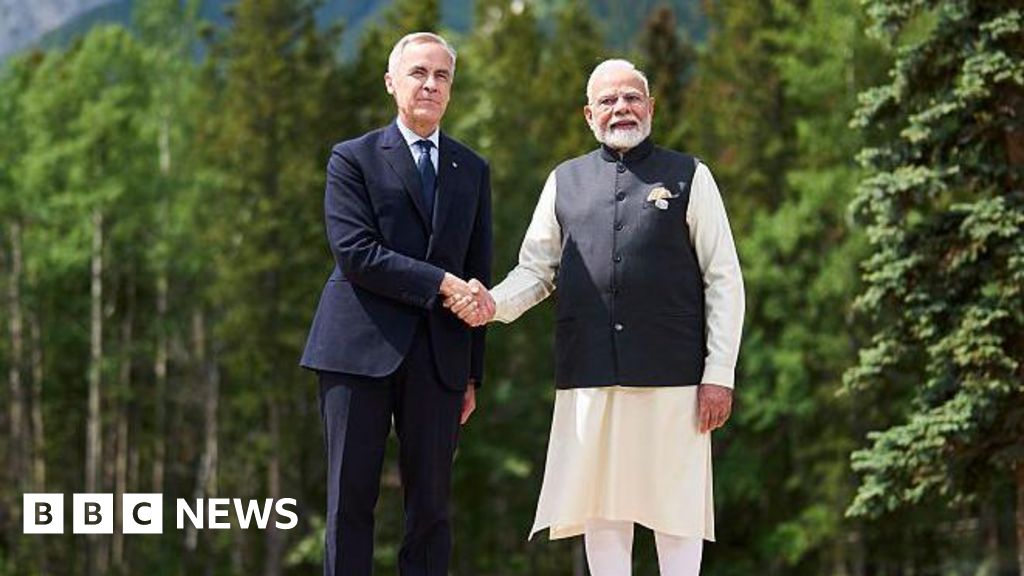
Carney’s India trip: A subtle Canada challenge, Modi scores a win-win

The international landscape is once again gripped by tension as Canada and India face a pivotal crisis that could reshape diplomatic alliances. In 2023, a startling accusation from Canadian Prime Minister Justin Trudeau has sent shockwaves across global political corridors. Trudeau publicly alleged that India was involved in the assassination of Hardeep Singh Nijjar, a prominent Sikh separatist leader, who was shot dead in British Columbia. This accusation not only challenged longstanding diplomatic norms but also ignited a broader debate about sovereignty, espionage, and international justice.

The Indian government quickly dismissed the allegations as baseless and politically motivated, asserting its stance that Canada’s accusations undermine the diplomatic efforts to maintain peace and stability in the Indo-Pacific region. The fallout resulted in a series of retaliatory actions, including the expulsion of diplomatic personnel from both nations. The situation grew further complicated as investigators in Canada charged four individuals with Nijjar’s murder. Although the case remains before courts, the incident has exposed underlying tensions between the two nations, with profound geopolitical impact that stretches well beyond their borders.

Analysts and international watchdogs underscore the broader ramifications of this diplomatic rupture. Global institutions such as the United Nations are closely observing, fearing this incident might *set a dangerous precedent*—where accusations can escalate into open confrontations without sufficient evidence, thus destabilizing international relations. Moreover, India and Canada are both key players in regional security architectures, with India trying to bolster its influence across Asia and Canada maintaining strategic ties with the United States. Any further deterioration could undermine efforts towards multilateral cooperation, especially in counterterrorism initiatives and trans-continental diplomacy.

This episode underscores the delicate balance of modern diplomatic engagement amid rising nationalistic sentiments and shifting global alliances. How decisions in Ottawa and New Delhi will echo in international forums and across societies at home remains uncertain, but such crises serve as stark reminders of the high stakes involved. As history watches silently, the world stands on a knife’s edge—every move, every statement potentially tipping the scales toward confrontation or reconciliation. The unfolding story continues to test the resilience and maturity of nations that, in this interconnected era, are bound by the weight of their actions and the legacy they leave behind. In that quiet, yet thunderous space where diplomacy meets destiny, history is once again in the making.
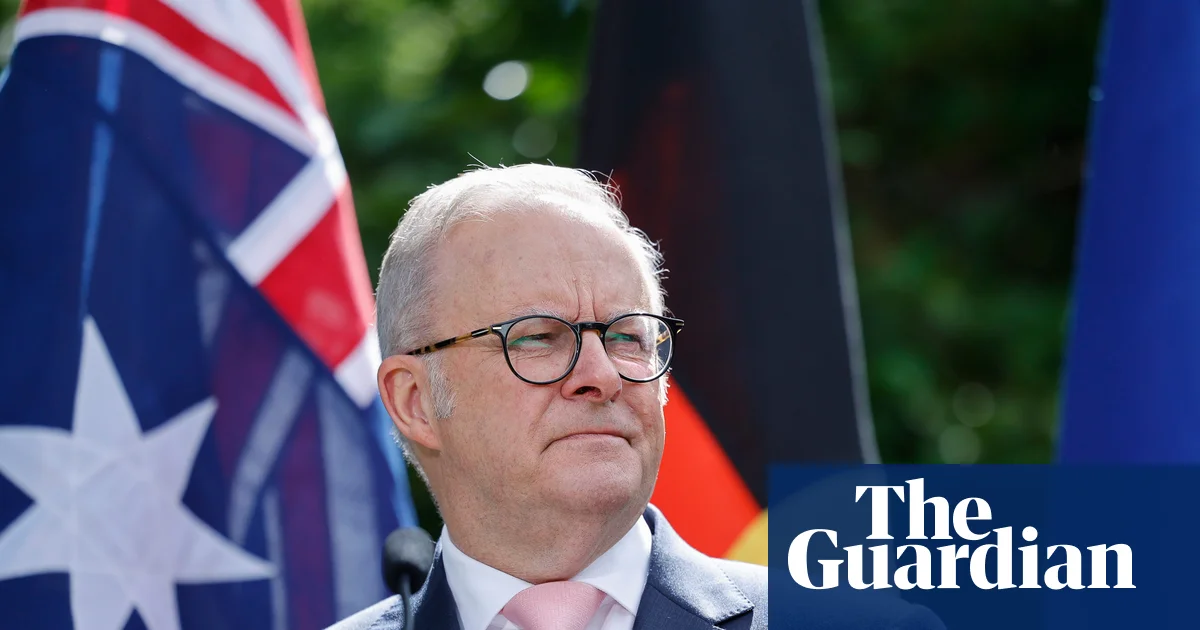

Albanese backs Herzog’s Australia trip as MP demands cancelation — Bondi terror attack aftermath

The Geopolitical Tensions Ignite in Australia Over Herzog’s Planned Visit

The upcoming visit of Isaac Herzog, the President of Israel, to Australia in February has transformed a diplomatic gesture into a flashpoint for international and domestic controversy. The Albanese government’s decision to host Herzog, amidst mounting violence in the Israel-Gaza conflict, underscores the profound geopolitical impact that international diplomatic decisions are increasingly carrying in an era of amplified global tensions. As pro-Palestinian protests threaten to flood streets nationwide, and security measures are heightened, analysts warn that this situation could further destabilize Australia’s social fabric and influence international relations.

This tension was precipitated by the December 2023 terror attack in Bondi, which left 15 civilians dead, prompting a deeply divisive debate on whether inviting Herzog to visit amid ongoing conflict and alleged war crimes is a prudent decision. Anne Aly, Australia’s Minister for Multicultural Affairs, refrained from outrightly endorsing the visit but acknowledged its importance in fostering unity. Conversely, Sophie Scamps, a member of Australia’s parliamentary opposition, and the Palestine Action Group have voiced vehement opposition. They argue that Herzog’s presence could “ignite further division” and could serve to legitimize a controversial figure accused by some international bodies of inciting genocide. These domestic divisions echo wider international debates over how nations should navigate relationships with Israel in a landscape scarred by accusations of war crimes and the ongoing humanitarian crisis in Gaza.

International Organizations and Historical Perspectives Shape the Discourse

Adding to the complexity, the United Nations—or more precisely, a commission of inquiry—has accused Israel of genocide in Gaza in a 2025 report, a document dismissed by Israel as “distorted and false.” Despite this, critics highlight that such accusations reflect a growing international criticism of Israel’s military conduct and raise questions about the legitimacy of Herzog’s visit. Historically, the international community has been divided over how to address Israel’s actions in Gaza, with some, such as the UN panel, framing Israeli policies as genocidal, while others, like Israel’s foreign ministry, dismiss such claims as “Hamas falsehoods”.

Observers including historians like Beverly Crawford and international analysts emphasize that the decisions taken by Australia in this context could have ripple effects well beyond bilateral relations. As U.S. and European alliances continue to grapple with their own external pressures, Australia’s handling of Herzog’s visit serves as a microcosm for the global debate over morality, solidarity, and strategic interests. The planned protests witness Australia’s detailed confrontation with its identity—balancing its historic alliance with Israel and its moral responsibility amidst a humanitarian crisis.

Decisive Actions Shape the Future of International Diplomacy

  • The Albanese government’s insistence on maintaining the visit despite protests reflects a broader choice—prioritizing diplomatic engagement over domestic and international dissent.
  • Major security responses and policy restrictions, such as the controversial protests and police restrictions in Sydney’s CBD, illustrate how internal security concerns are directly linked to international diplomatic gestures.
  • The ongoing debate about Herzog’s visit—and whether it will serve to deepen divisions or foster reconciliation—underscores **the critical importance of diplomatic strategy** in shaping regional stability and international perceptions of Australia’s role on the world stage.

As protests continue and the world watches, Australia’s decision stands as a stark reminder of how history’s heaviest questions—about justice, morality, and international order—are judged in its courts, in its streets, and in the corridors of power. The weight of history is relentless, and with each decision, the world edges closer to defining its moral compass in an era where illusions of separation give way to the profound interconnectedness of nations and peoples. In this moment, the future hangs in a delicate balance, a testament to how echoes of decisions made today will shape the legacy of generations to come—and the unfolding story of a divided world that seeks unity amidst chaos.

NASA and Russian cosmonauts start their return trip to Earth—mission accomplished!

The recent return of NASA astronaut Jonny Kim alongside Roscosmos cosmonauts Sergey Ryzhikov and Alexey Zubritsky from the International Space Station (ISS) underscores the complex interplay of international cooperation amid geopolitical tensions. Their journey, culminating in a touchdown near Dzhezkazgan, Kazakhstan, marks a significant moment not just for space exploration but for the international order itself. This collaborative mission, which lasted 245 days and involved orbiting Earth nearly 4,000 times, exemplifies the enduring yet fragile unity among some of the world’s most conflicting nations.

According to NASA reports, the crew traveled a staggering 104 million miles, pushing the boundaries of human endurance and technological innovation. This mission is particularly notable because it was the first spaceflight for Kim and Zubritsky, highlighting the continued opportunities for new generations of explorers amid ongoing geopolitical struggles. For Ryzhikov, who completes his third spaceflight, the mission symbolizes a persistent Russian presence in space—a symbol of resilience amid strained relations with the West. As international analysts observe, the ISS remains a rare venue of cooperation, yet the political climate on Earth influences the stability and future trajectory of such joint ventures.

Global organizations like the United Nations have long emphasized space as a domain of peaceful cooperation, yet recent geopolitical shifts suggest an era of heightened competition. Decisions by nations like Russia and the United States determine much about the future of multilateral space efforts. Diplomats and military strategists alike analyze how space assets are intertwined with national security and international influence, especially as new powers like China and India intensify their space programs. Historical commentators warn that the days where space was solely a realm for scientific discovery are waning, replaced by an arena increasingly shaped by strategic calculations and national interests.

As space agencies prepare for future missions, the geopolitical impact of these endeavors becomes clearer. The seamless cooperation seen during this recent mission is now often viewed through the lens of diplomatic resilience and potential vulnerability. Should tensions escalate—whether over resource rights, security concerns, or territorial disputes—the international community must confront the possibility of space becoming a new frontier for conflict. The recent mission’s success, therefore, is as much an achievement of diplomacy as it is of science. How nations navigate this precarious balance will determine whether space remains a universal domain of progress or transforms into another battleground.

As history continues to unfold, the outcome remains uncertain. The images of astronauts returning from orbit trace a story of human resilience and the enduring desire to explore, yet they also serve as a stark reminder: the decisions made today in the halls of power will echo through the corridors of history. As billions watch from afar, the weight of tomorrow’s geopolitics presses heavily on the present. From the deserts of Kazakhstan to the strategic boardrooms of superpowers, the narrative of exploration intertwines with the intricacies of power—an unfolding chapter that bears the imprint of history yet to be written.

Iranian filmmaker sentenced to jail during US awards trip, highlighting ongoing political tensions

In a world increasingly captivated by the illusions of progress and the relentless march of modernity, culture remains the sacred custodian of identity, tradition, and societal cohesion. It echoes the words of Ortega y Gasset, who observed that a people’s culture is the reflection of their very soul — an intricate tapestry woven from history, art, and shared narratives that define who they are. Today, as global influences threaten to drown out local traditions, this truth has never been more vital. It is in our cultural expressions — our films, our literature, our music — that we find the essence of our collective memory, anchoring us amidst the chaos of rapid change and moral relativism.

Yet, this guardianship of cultural identity comes with its sacrifices. The story of Jafar Panahi, the renowned Iranian filmmaker, is a testament to how deeply culture is intertwined with the struggle for truth and integrity. Panahi’s work—born from a desire to depict reality free from oppressive censorship—transcends borders, recognizing that art’s highest calling is to uphold the dignity of human experience. His recent win at the Gotham Awards, amid the shadow of a prison sentence, symbolizes more than artistic achievement; it signifies a silent, defiant chorus of intellectual resistance. Panahi’s resilience echoes G.K. Chesterton’s assertion that “censorship is the traitor’s weapon, designed to muzzle the voice of the people”. His clandestine filming of It Was Just An Accident, depicting the brutal realities inflicted by authoritarian regimes, exemplifies the profound courage required of those who risk everything for the sake of truth.

Culture, in this context, stands as a formidable bulwark against the erosion of human dignity. It is the moral fabric that sustains a society, offering a mirror to its virtues and vices, its hopes and fears. Through the fearless voices of artists like Panahi and his contemporaries, we are reminded that history is replete with lessons of those who preserved their nation’s spirit despite relentless repression. The philosophical musings of T.S. Eliot, who urged us to remember that “what we have inherited is not only a past but a prophecy,” articulate the profound truth that cultural memory is also a prophecy of future resilience. Our shared artistic endeavors—be they films, music, or literature—are not merely echoes of yesterday; they are the foundation upon which tomorrow’s citizens will rebuild their identity when all else is lost.

At a moment when the world’s narratives threaten to strip away tradition in favor of the ephemeral, it remains essential to recognize that the true power of culture lies in its enduring ability to inspire a society’s enduring moral purpose. It is the prophetic voice whispering through generations, asserting that human dignity, rooted in shared heritage, will persevere against the forces of repression and decay. As the poet T.S. Eliot observed, we are not merely creatures of memory but architects of the future, with culture serving as both our archive and blueprint. In this sacred role, it offers a timeless vision: that humanity, with all its contradictions, is ultimately a destined pursuit of truth, beauty, and order. And in that pursuit, the human spirit finds both its memory and its prophecy, echoing through eternity as a testament to the enduring nobility of tradition and the everlasting hope of renewal.

Tragedy strikes: Two dead after small plane crashes during hurricane relief trip to Jamaica in Florida

The recent crash of a small turboprop plane in Coral Springs, Florida has sent shockwaves through a region still reeling from the devastation wrought by Hurricane Melissa. The incident, which resulted in the tragic deaths of two individuals shortly after the aircraft took off on a hurricane relief mission, highlights the lingering vulnerabilities faced by communities in the Caribbean and their diaspora in the United States. While initial reports indicate no damage to nearby homes, the debris trail leading to a pond underscores the dangerous hazards associated with unregulated or poorly documented relief flights in post-disaster zones.

Analysts point out that the crash’s timing and context are significant, reflecting ongoing geopolitical realities. The plane, a vintage Beechcraft King Air registered to International Air Services, had made multiple recent trips to Jamaica—an island still recovering from the wrath of Melissa, which made landfall as one of the strongest hurricanes in Atlantic history. The fact that the aircraft operated through a company known for trust arrangements for non-US citizens indicates complex international aviation logistics, possibly aimed at circumventing regulatory oversight. This incident raises questions about how international relief operations are coordinated and the safety standards adhered to during these missions.

The geopolitical impact extends beyond mere accident statistics. Jamaica, a nation of strategic geopolitical importance amidst escalating tensions between global powers, relies heavily on international aid and diaspora support. The devastation caused by Melissa—leaving over 90,000 families displaced and thousands in shelters—has strained local resources, and aid efforts have become a focal point of regional diplomacy. The US’s role, whether through humanitarian missions or private relief contractors, becomes part of a broader contest for influence, especially as emerging nations seek to expand their footprint in Caribbean assistance and recovery. The crash consequently underscores a broader need for coordinated international oversight, lest relief efforts become entangled with geopolitical rivalries or neglect safety protocols in pursuit of quick aid delivery.

Meanwhile, local communities and international organizations are grappling with the immediate aftermath. Emergency responders, as described by officials like Mike Moser, responded swiftly, but the debris and fuel spill have created environmental and safety concerns. The ongoing investigation by federal aviation authorities aims to uncover whether mechanical failure, pilot error, or regulatory lapses contributed to the crash. Historically, experts like aviation safety analyst Dr. Raymond Chen warn that in the hurried rush to assist disaster zones, safety often takes a backseat, risking further tragedies. As authorities maintain a heavy police presence and continue evidence collection, the incident functions as a stark reminder of the fragile interface between aid, safety, and geopolitics in regions vulnerable to natural catastrophes.

As the world observes, this event underscores how aircraft, often seen as mere tools of aid, are also symbols of broader international dynamics. The hurricane’s aftermath, with Jamaica still in recovery, reflects the unending story of resilience underscored by vulnerability—a narrative that history keeps writing with each new chapter. The toll of Melissa, compounded by the tragedy in Florida, leaves a haunting question: in an era of rapid geopolitical shifts and climate turmoil, how will nations navigate aid, safety, and sovereignty? The weight of history presses heavily on the horizon, and as this unfolding drama continues, the global community watches, waiting for answers that could redefine the boundaries of international cooperation amid adversity.

Woman who skipped Italy trip loses child benefits, sparking debate on social spending

The recent episodes within Britain’s welfare and social security framework underscore a profound shift in how social issues are approached, driven by data inaccuracies and strict policy enforcement. In a society where family stability depends on reliably accessible benefits, the stories of families like Sally’s reveal the harsh repercussions of a system increasingly reliant on incomplete or flawed data. Despite the apparent intent to curb welfare fraud, the implementation has inadvertently targeted law-abiding citizens, exposing a societal tension that demands urgent reform.

During a routine holiday to Italy, Sally’s family encountered a bureaucratic nightmare when HMRC wrongly inferred her family had emigrated, leading to the abrupt stopping of child benefits for her three children. This was not a case of fraud but rather a consequence of disconnected and incomplete official records—a pattern that has affected over 23,500 families in recent weeks, as documented by reports. Sociologists such as Patrick Nolan highlight that these policies, which rely on data from the Home Office and airline booking systems, fail to account for the complex realities of modern families. The reality is that many families, like Sally’s, are victims of a ‘digital dragnet’ where administrative errors create devastating human impacts, especially for children directly affected by the loss of vital support.

This situation spotlights significant social fabric concerns—families, already strained by economic pressures, are now battling a system that treats their circumstances as mere data points. Children’s welfare hinges on benefits that, when unjustly cut, threaten their education, health, and stability. Ethical questions surround the moral responsibility of government institutions that must balance the need for fraud prevention with the humane treatment of their citizens. The stories of families like Alex’s, who had voluntarily opted out of benefits but faced threats otherwise, exemplify how misuse or misinterpretation of data can generate overreach and erode trust in social services. Experts like sociologist Alice Smith warn that such policies risk alienating communities, fostering a sense of mistrust that undermines social cohesion.

Critics argue that the current effort to save millions annually might come at an unsustainable moral cost. The psychological toll on families subjected to intrusive data demands—such as bank statements, insurance claims, and travel evidence—raises fundamental questions about privacy and individual rights. HMRC’s recent reevaluation and apology indicate a recognition of errors, yet the damage inflicted on families remains. As historian Dr. John Carter observes, history shows that overly bureaucratic systems tend to alienate citizens when they forget the human element. Going forward, a balanced approach that uses comprehensive data verification while safeguarding personal dignity is essential if society is to foster trust and resilience in its social safety net.

In the tangled web of policies and technological reliance, society faces a vital challenge: transforming a system that, in its current form, risks alienating the very people it aims to serve. Ensuring that families are protected, communities restored, and social justice upheld requires more than just algorithms and data—what is needed is a moral commitment rooted in understanding and respect for human dignity. As society strives to adapt to these evolving social issues, the hope remains that genuine reform—based on integrity, transparency, and compassion—can eventually illuminate a path toward a more equitable future where the safety net is not woven from flawed data but from unwavering human trust.

US cancels Colombian president’s visa following UN trip

International Tensions Escalate: Colombia’s President Gustavo Petro Faces US Visa Revocation Amid Bold Calls for Disobedience

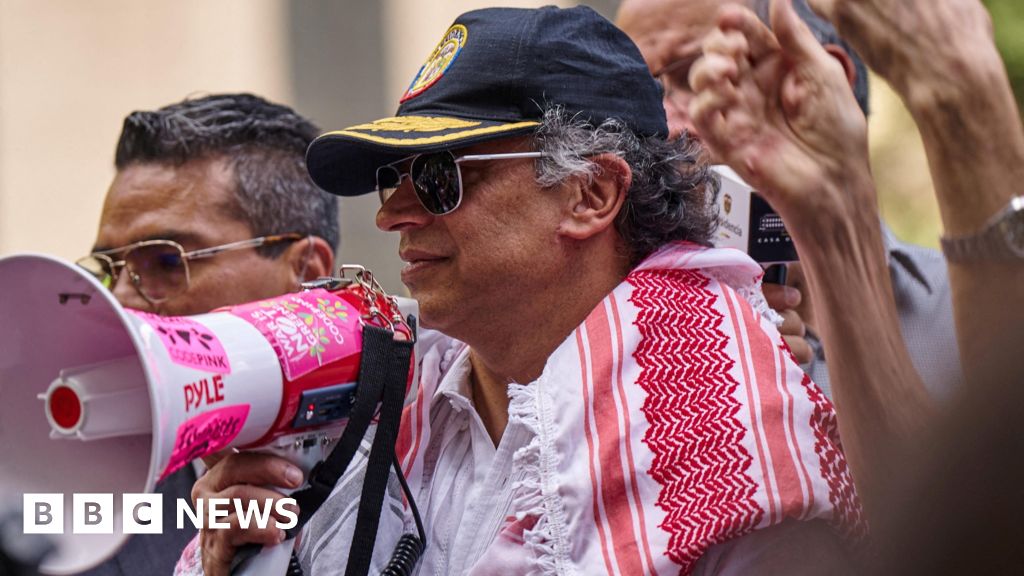
In a striking move that underscores the shifting sands of global geopolitics, Colombia‘s President Gustavo Petro has found himself at the center of an intense diplomatic storm after urging US soldiers to disobey orders from Donald Trump. The former senator and leader of Colombia’s first left-wing government made incendiary remarks during a speech at the UN in New York, calling for a “world salvation army” to liberate Palestine. As Petro implored US soldiers to “disobey Trump’s order,” the US State Department responded swiftly, vowing to revoke his visa—an action that marks a rare diplomatic escalation within the hemispheric relationship.

Petro’s remarks, delivered amidst a pro-Palestinian protest, were characterized by American officials as “reckless and incendiary,” sparking outrage at the highest levels of US diplomacy. His plea to soldiers to “not point rifles at humanity” and to turn their guns instead toward “tyrants” echoes a broader narrative that challenges the existing US-led order. Historically, such rhetoric—particularly when it involves urging soldiers to disobey commands—can threaten diplomatic stability and alter perceptions of US influence in Latin America. Analyzing this development, experts like geopolitical analyst Dr. Karen Mitchell suggest that Petro’s speech reflects a growing dissatisfaction with US foreign policy—especially its aggressive anti-drug operations in Latin America, which Petro has criticized as tools of American domination rather than genuine efforts to combat narcotics. This exchange reveals a possible turning point as Latin American leaders become increasingly vocal in opposing US interventions, risking diplomatic isolation to assert their sovereignty.

The diplomatic fallout extends beyond mere rhetoric.

  • Petro’s visa revocation, announced as he was returning to Bogotá, sets a precedent of punitive measures against leaders critical of US foreign policy.
  • Colombia’s Interior Minister, Armando Benedetti, went further, claiming that Israeli Prime Minister Benjamin Netanyahu should have faced similar visa restrictions—a pointed comment aimed at highlighting perceived double standards.
  • Relations between Colombia and Washington have been strained, especially after Petro’s recent critical comments at the UN, alleging that US strategies in Latin America serve to “control through violence” rather than genuine development. These sentiments echo a broader skepticism rooted in historical grievances over interventionist tactics and the US’s role in shaping Latin America’s political landscape.

Meanwhile, the global stage is witnessing a wider contest for influence, with international organizations and historians warning that these disputes transcend diplomatic rhetoric. The US’s decision to deny visas to Palestinian President Mahmoud Abbas and several officials—despite customary diplomatic privileges—further exemplifies the ongoing shift in US engagement, marking a move toward more aggressive stances on its perceived adversaries. This diplomatic tug-of-war underscores how political decisions here have the power to reshape alliances, fuel regional instability, and redefine sovereignty. As Petro’s calls for disobedience reverberate through international corridors, the world watches, realizing that these acts of defiance, while seemingly isolated, threaten to fracture the current global order. In the unfolding narrative of history—bit by bit, decision by decision—the stage is set for a new era of contestation over sovereignty, influence, and the future trajectory of international relations. The question remains: will the currents of change turn toward chaos or renewal? The answer lies ahead, in the unresolved chapters of a world still waiting to be written.

Social Media Auto Publish Powered By : XYZScripts.com