Matox News

Truth Over Trends, always!

Germany signals U.S. troop withdrawal as NATO seeks answers

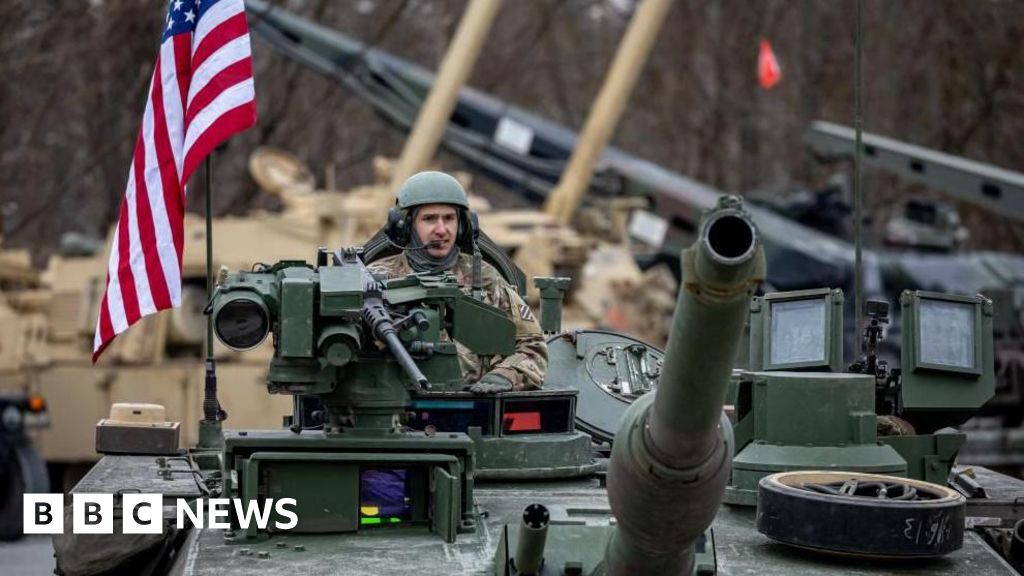
The recent announcement by Germany’s Defence Minister Boris Pistorius that the United States plans to withdraw 5,000 troops from Europe has sent ripples through the geopolitical landscape. Pistorius remarked that this decision was “to be expected,” highlighting a shift in U.S. military strategy amid evolving international priorities. This move signals a potential recalibration of America’s global military footprint, with far-reaching implications for NATO and the security architecture of the European Union.

The US’s decision to draw down its presence in Europe comes at a critical juncture. Analysts point to a broader reassessment of U.S. commitments overseas, especially in the context of increasing challenges posed by China’s rise in the Indo-Pacific and disruptions within U.S.-Russia relations. Experts from institutions like the Council on Foreign Relations warn that such troop reductions could weaken the collective deterrence of Russia and embolden aggressive postures from Moscow. In particular, the status of NATO’s eastern flank, long a bulwark against Russian expansionism, now faces uncertainties as Washington shifts its focus away from traditional European security concerns.

Key events underscore the gravity of this development:

  • Deployment cuts signal a pivot to prioritizing Asia-Pacific challenges, potentially at the expense of longstanding European alliances.
  • Strategic uncertainty looms for countries like Poland and the Baltic states, which rely heavily on American military presence for their security.
  • European leaders are urging for increased defense investments, fearing new vulnerabilities emerge as U.S. forces retreat. Yet, some member states have expressed skepticism about Europe’s capacity to fill the strategic void.

The next chapter in this unfolding saga will undoubtedly shape the continent’s security future. While President Joe Biden’s administration defends the move as part of a broader strategic realignment, critics warn that this reduction could signal a weakening of the Western alliance at a time when Russia remains assertive, and China continues to challenge Western dominance. Historically, shifts in military commitments have often precipitated or foreshadowed broader geopolitical confrontations; some argue this is yet another chapter in the ongoing struggle for global influence. As nations grapple with their responses, the question remains: is Europe prepared to shoulder more of its security burden, or are we witnessing the beginning of a strategic vacuum?

In conclusion, the decision by the United States to withdraw thousands of troops from Europe is a stark reminder of the shifting sands of global power. As history unfolds, the continent stands at a crossroads — caught between the fading echoes of Cold War fears and the emerging realities of 21st-century geopolitics. And as every decision reverberates across borders and generations, the weight of the future presses ominously on the present, leaving a stark question hanging in the air: how will this new balance of power redefine the world we live in?
U.S. trims Germany troop count by 5,000 amid Trump-Merz clash

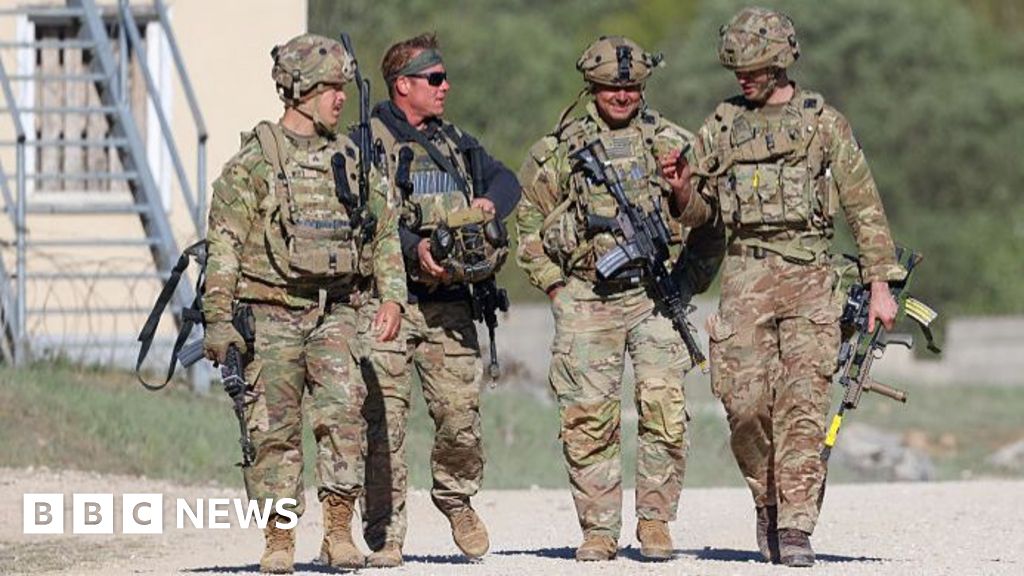
The recent decision by the United States to decrease its military deployment to Germany marks a significant shift in transatlantic relations amid an escalating dispute over Iran’s nuclear ambitions. This move, announced amidst rising tensions over Iran’s nuclear program and regional influence, signals a potential realignment of American military priorities in Europe. Analysts are closely watching this development as it underscores the complex interplay between **US foreign policy**, **NATO cohesion**, and **regional security architectures**. Historically, the stationing of American forces in Germany has been a cornerstone of Cold War geopolitics, but recent strategic recalibrations suggest a pivot toward a more conditional engagement in Europe.

The decision comes after prolonged diplomatic friction between **the US and Germany**, exacerbated by disagreements over Iran. Washington accuses Berlin of insufficient cooperation in curbing Iran’s nuclear activities and regional ambitions. These tensions are underscored by the broader context of **US efforts to apply maximum pressure on Iran**, including sanctions and diplomatic isolation, aimed at preventing nuclear proliferation. In response, **Berlin** has emphasized diplomatic engagement and has been cautious in aligning fully with Washington’s hardline stance. The divergence reflects a broader **geopolitical realignment**, where European nations are balancing their traditional alliance commitments with their own strategic interests in the Middle East.

As the United States diminishes its military footprint in Germany, the geopolitical implications are profound. The redeployment may impact NATO’s operational unity at a time when **russo-European tensions are at a peak**, and China’s expanding influence looms large. International scholars, including policy analysts from the International Institute for Strategic Studies (IISS), warn that the reduction could create power vacuums, which might embolden adversaries and weaken collective defense. Decisions made today will shape the balance of power for decades to come, and many believe it signals a shift from Europe-centered security to a more multifaceted, contested global order.

This move also sends a signal about the **future of US commitments** in Europe, and whether allied nations can sustain the defense arrangements that have underpinned European stability since the Cold War. Germany and other NATO members face mounting questions about their own defense capabilities and resolve. As the strategic landscape evolves, tumultuous challenges—ranging from the *Iranian threat* to the *rising influence of China and Russia*—demand solidarity and clarity from global powers. The stakes are enormous, and with international tensions fraught, history’s most pivotal moments often arise from the decisions made in these quiet corridors of power.

Ultimately, the decision to scale back US troops in Germany amid the Iran saga underscores a vital truth: the world stands at a crossroads of history, where the choices made today will reverberate through generations. As analysts warn of a potential reshaping of alliances and the emergence of new threat landscapes, the global community remains on the precipice of change. The echoes of the past—cold war confrontations, diplomatic crises, and shifting alliances—resound in today’s strategic calculus. The future of global security hangs in the balance, and only time will reveal whether these tentative steps toward recalibration will forge a new era of stability or unwittingly unlock Pandora’s box of chaos.

Romania Reports US Troop Pullback on NATO’s Eastern Front

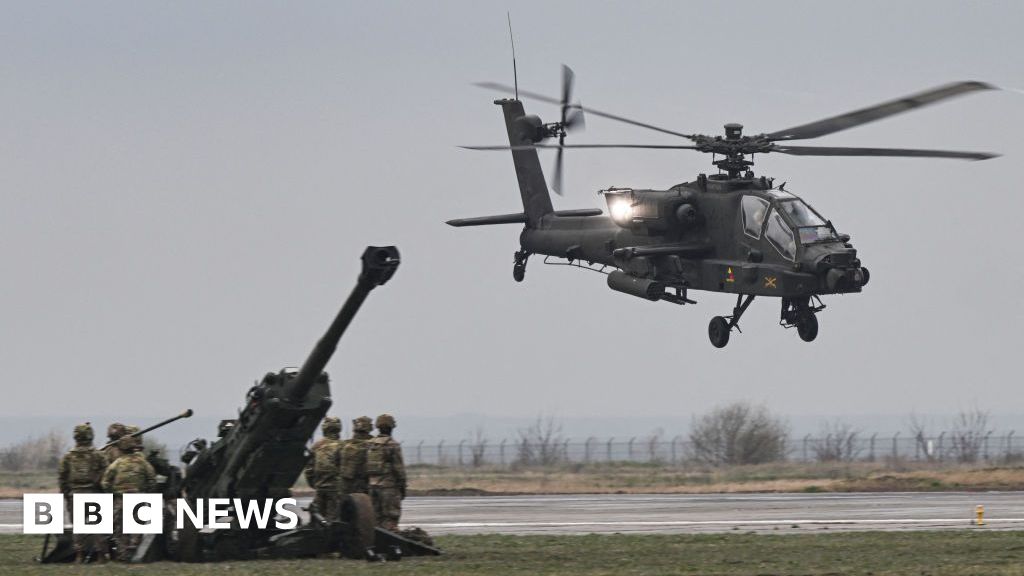
The recent announcement from Romania’s defence ministry that the United States plans to reduce its troop presence on NATO’s eastern flank marks a significant turning point in the unfolding chess game of geopolitics. Around 900 to 1,000 American troops will remain stationed in Romania—down from the previous 1,700—reflecting a strategic realignment under the Biden administration’s evolving priorities. Officially, this move is portrayed as a routine “resizing” that does not diminish the US commitment to NATO or to Article 5 of the alliance, which underscores mutual defense. Yet, amidst reassurance from Pentagon officials, international analysts and NATO allies are questioning the deeper implications of this shift, especially as tensions with Russia continue to escalate.

U.S. officials, including defense leaders like Pete Hegseth and Wladyslaw Kosiniak-Kamysz, clarified that the troop reduction aligns with Washington’s focus on the Indo-Pacific region, urging European NATO members to shoulder more responsibility for their own defense. European countries, particularly in Eastern Europe, are now confronting the reality that American troop levels are not static but subject to an ongoing strategic recalibration. If the U.S. is pulling some forces out of Romania and nearby nations, the question of security guarantees looms large. Historians such as Robert Kagan and analysts from the U.S. Council on Foreign Relations point out that such troop adjustments, while not unprecedented, could signal a diminished willingness to confront Russian aggression directly, which has profound ramifications for regional stability.

The Eastern flank has recently been the site of increased Russian assertiveness, with multiple airspace violations reported by Poland, Romania, and Estonia. The creation of NATO’s Eastern Sentry mission—aimed at bolstering vigilance along the entire eastern boundary—comes in response to these provocations. Nonetheless, senior NATO officials emphasize that despite troop reductions, the alliance maintains a “robust presence” with over 100,000 U.S. military personnel deployed across Europe, far exceeding pre-2022 levels. Defense analysts warn that the real significance of these adjustments lies not just in numbers but in perception. A perceived weakening of NATO’s eastern posture could embolden Russia, risking a new escalation that might plunge the region into chaos as history’s shadows lengthen.

As the global geopolitical landscape continues to evolve, the decisions of the United States resonate far beyond the borders of Romania or Poland. They reflect a broader debate on the future of Western alliances and the balance of power. The recent troop movements are not isolated; they are intertwined with a narrative of shifting priorities, international commitments, and the enduring threat of Russian revisionism. The memories of the Cold War, the fears of regional conflict, and the hopes for stability collide amid these strategic realignments. In the shadow of these titanic shifts, the world must ask itself: Will this repositioning lead to lasting peace or set the stage for a new chapter of peril? As history waits patiently, the answer remains unwritten, hung in the balance between diplomacy and conflict, diplomacy and chaos—where the weight of the future is ultimately borne by the willing and the vulnerable alike.

Trump supporter Timothy Mellon funds $130M to secure troop pay amid shutdown

In a startling display of private influence over public policy, timing and financial dominance converge as news broke of an anonymous donation that temporarily eased the burdens of U.S. troops during the prolonged federal shutdown. According to The New York Times, the donor, identified only as Timothy Mellon, committed a staggering $130 million to the U.S. government — a move unprecedented in its clandestine nature and its implications for americas’ political landscape. Mellon’s history as a major Republican benefactor and heir to an industrialist legacy underscores a broader trend: wealthy private actors increasingly shape governmental functions, blurring the lines between citizen participation and covert influence.

This infusion of private capital raises critical questions about how international and domestic policy decisions are influenced by billionaires. The donation, accepted under the Pentagon’s “general gift acceptance authority,” was reportedly aimed solely at subsidizing service members’ salaries and benefits. Yet, the controversy lurks in the potential violations of the Antideficiency Act, which explicitly prohibits federal agencies from spending beyond their congressional appropriations or accepting voluntary services outside emergencies involving human safety. Such measures drift dangerously towards undermining the checks and balances fundamental to American democracy, where the power of the purse traditionally rests with elected representatives, not anonymous magnates.

Historically, figures like Mellon symbolize a nexus of wealth, political influence, and ideological confrontations. As research by analysts and historian suggest, Mellon’s substantial campaign contributions — totaling over $165 million in recent election cycles — exemplify how interwoven private fortunes are with the fabric of candidate support and policy advocacy. His recent backing of intense border projects in Texas, and support for antitrust ideological movements, reveal a strategic effort to shape regional and national narratives aligned with a broader conservative resurgence.

The geopolitical impact of such private influence extends beyond American borders. As international organizations warn of increasing transnational power struggles, the US’s internal reliance on billionaire benefactors risks destabilizing the foundational principles of democracy in favor of a shadowy corporatocracy. The actions of Mellon and similar donors set a precedent where financial might can quietly mold policy outcomes, often at odds with citizen interests. Their role invites scrutiny from global governance bodies, which are already observing the fragility of the American political order amidst growing societal divisions.

As history continues to unfold in the corridors of power, the weight of these clandestine financial maneuvers threatens to redefine the very notion of sovereignty. With each secret donation, each act of influence, the dividing lines between the public and private sphere blur further, raising urgent questions about accountability and transparency. As nations look on, they recognize the inescapable reality that the future of free societies hangs by a thread, woven with the invisible threads of wealth and power, leaving the world to ponder — whose interests truly shape the course of history?

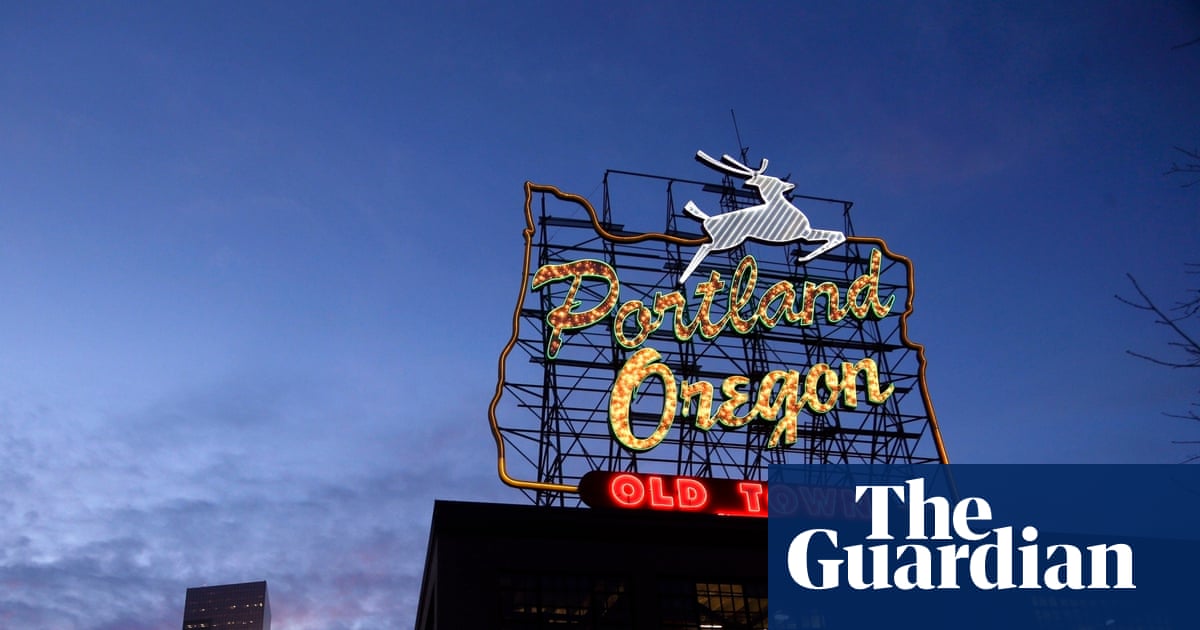
Trump Announces Troop Deployment to Portland to Restore Order

In a move that has sent shockwaves through the international community, President Donald Trump announced the deployment of federal troops to Portland, Oregon. This decision, outlined via social media, signals a controversial escalation in the ongoing unrest that has gripped the city since 2020, and raises profound questions about the trajectory of America’s internal stability and democratic values. Trump’s unilateral deployment of forces—despite opposition from local officials and members of Congress—reflects a broader pattern of asserting federal authority over Democratic-led cities, with significant geopolitical impact on U.S. stature both at home and abroad.

The political narrative surrounding this deployment centers on the administration’s claims of a persistent state of chaos, with Trump accusing local protesters outside an ICE facility of orchestrating violent acts, and describing the city as “amazing” yet “anarchy out there.” However, these claims have been widely contested by local authorities and independent observers. Oregon’s Mayor Keith Wilson voiced concern about the sudden influx of federal agents, asserting that their presence was neither requested nor justified. Meanwhile, video evidence from local media revealed peaceful protesters being subjected to force by federal officers, casting doubt on the administration’s portrayal of the situation. Analysts suggest this gambit may be rooted in an attempt to justify an authoritarian crackdown, reminiscent of historical interventions where order is claimed as a pretext for power consolidation.

International organizations and renowned historians have quickly weighed in on the transformative significance of such developments. Political scholars warn that the escalation of federal intervention in American cities could set a dangerous precedent, undermining the principles of federalism and peaceful protest. The United Nations and human rights watchdogs have expressed concern over reports of excessive force and the potential erosion of civil liberties. How decisions made in the coming weeks will shape the fabric of American society remains a pressing question for geopolitical stability and the future of democratic governance.

As the tumult unfolds, there is an unmistakable sense that the struggle reflects deeper fissures within the United States: a clash between the desire for federal authority and the principles of decentralized governance. The rhetoric employed by Trump and his supporters echoes historical attempts to portray domestic dissent as treacherous, framing vigilantism as a solution. However, critics contend this strategy risks tipping the nation into a more authoritarian phase, with potential ripple effects through allied democracies across the globe. The specter of militarized police and federal agents wielding power over American cities echoes darker moments in history that many nations have fought to overcome. As the nation holds its breath, the story of Portland becomes a microcosm of the global debate over liberty, order, and the limits of state power—a conflict that may very well redefine the course of 21st-century history.

Social Media Auto Publish Powered By : XYZScripts.com