Matox News

Truth Over Trends, always!

Stylish & Fresh: Top Looks to Rock with White Trousers for a Trendsetting Vibe

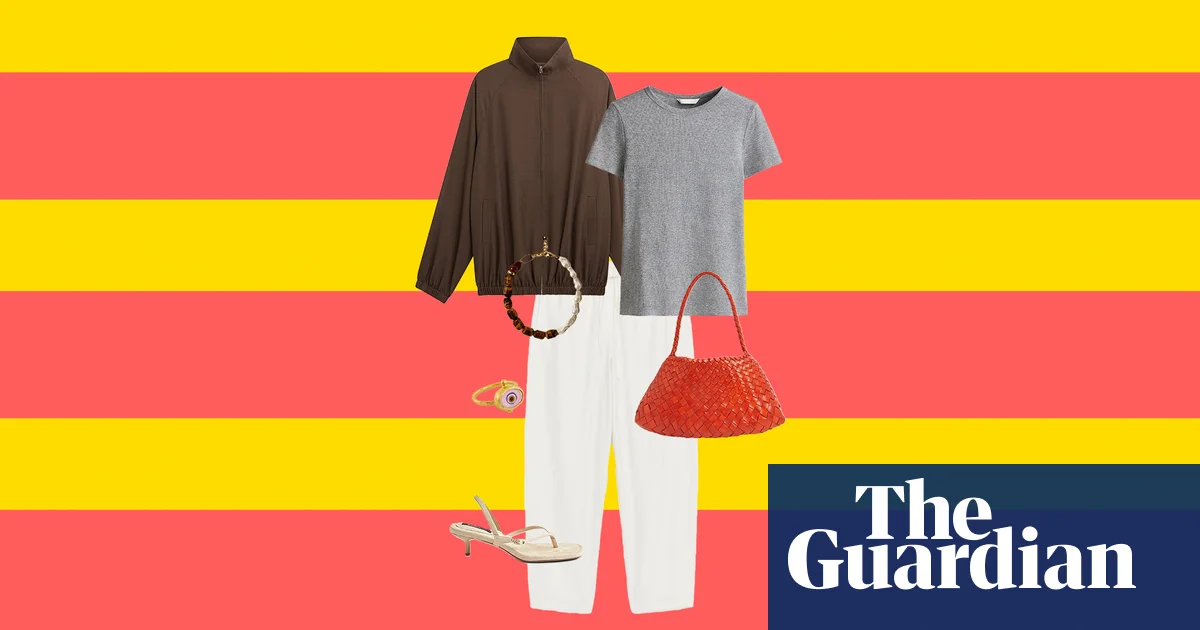
As the seasons shift and fashion continues to evolve, one trend stands out with enduring appeal: white trousers. Once considered a piece reserved for summer escapes or special occasions, they’re now emerging as a *year-round staple*, redefining what it means to embrace effortless style. Spring 2023 has witnessed a cultural shift where these pants are no longer confined by calendar constraints but are embraced as a versatile core of everyday fashion. According to style experts, white trousers have become the ultimate blank canvas, allowing young trendsetters to craft daily statements that resonate with a broader cultural synergy of minimalism and sophistication.

The social relevance of white trousers extends beyond their aesthetic appeal. Modern influencers such as Hailey Bieber and Emma Chamberlain have championed their adaptability, showcasing how a simple wardrobe update can profoundly influence identity and self-expression. These style icons emphasize that well-paired white trousers are more than clothing; they’re a statement about *confidence and clarity*. Sociologists note that this shift demonstrates a society increasingly inclined towards practical chic, where functional pieces also serve as platforms for cultural messaging. For young adults navigating a fast-paced digital landscape, the clothing choices they make—like adopting white trousers outside traditional seasons—signal a desire for *authenticity and resilience* in personal style.

The core of this trend’s cultural impact lies in its ability to bridge the gap between casual and elevated fashion. Spring’s reimagining of white trousers as a daily essential challenges long-held norms—where dressing up was reserved for designated occasions, now the style code encourages a fluidity that integrates seamlessly into daily life. A recent report from sustainable fashion analysts highlights how these trousers can serve as a foundation for sustainable wardrobes; their neutral shade makes them infinitely adaptable, reducing the need for rapid, seasonal fashion cycles. The rising popularity of this trend among *millennials* and *Gen Z* reflects a broader societal embrace of intentional, long-term wardrobe choices—a social shift towards valuing *versatility and minimalism*.

  • Top styling tips: Pair with a crisp shirt and loafers for a polished look, or combine with a graphic tee and sneakers for casual flair.
  • Color complements: Embrace earthy tones like beige and olive, or go bold with contrasting black accessories for a modern edge.
  • Influencer insights: Many young tastemakers are showcasing their own interpretations, fueling a communal redefinition of what “appropriate” fashion looks like throughout the year.

As this trend continues to gain momentum, the question remains: what does the future hold for this wardrobe staple? Is it simply a seasonal fad, or are we witnessing the emergence of a lasting cultural phenomenon that might reshape how society perceives not just fashion, but social identity itself? Fashion analysts argue that this rise of white trousers symbolizes a broader societal move towards *clarity and self-assurance*—a reflection, perhaps, of a generation seeking to forge a visual language of resilience amid a rapidly changing world. Will this enduring embrace of a seemingly simple garment signal a long-term shift towards more adaptable and straightforward expressions of style, or is it just another fleeting trend in the endless cycle of fashion’s evolution?

Victoria Beckham Making a Bold Comeback in Chic Trousers and Party Looks at Paris Show

The Beckham empire continues to captivate the modern zeitgeist, demonstrating how a family brand can evolve beyond sports and fashion into a broader cultural phenomenon. Recently, Victoria Beckham showcased her new collection at Paris Fashion Week, seamlessly blending history, artistry, and social influence. Her inspiration from Tamara de Lempicka, the Polish art deco painter known for her sinuous lines and vibrant colors, underscores a broader trend of designers drawing from historical art to set contemporary style narratives. This collection’s sober tailoring paired with decadent party dresses not only pushes fashion boundaries but also reflects a subtle shift toward understated elegance—a move that resonates with a generation seeking authenticity over excess.

An intriguing aspect of this fashion evolution is the cultural impact of the Beckhams’ expanded brand identity. The recent surge in their US recognition — driven by David Beckham’s rise in MLS and Netflix’s documentary about Victoria’s entrepreneurial journey — signifies a strategic shift from celebrity to cultural iconography. Their influence now extends beyond the football field and runway, shaping lifestyle trends among youth and young adults who value both style and social relevance. The fashion line, once in peril with a debt of £54m, has rebounded spectacularly, thanks to a savvy expansion into makeup and beauty. In 2025, combined sales across fashion and beauty escalated by 19% to over $170 million, with profits quadrupling, marking a definitive turning point from near-collapse to industry contender. This resilience showcases a broader societal appetite for brands that combine heritage and modernity, blurring traditional lines of consumer allegiance.

The Beckham brand is also pushing ahead with international expansion, planning new store openings in New York and Paris later this year—despite setbacks such as the collapse of Saks department store, which previously was their primary U.S. retail partner. This illustrates a larger trend in the global retail landscape: brands that are adaptable, leveraging both physical and digital spaces to reach an increasingly image-conscious audience. As Victoria notes her affinity for classics like tailored trouser suits with pockets — “the pocket queen” — her designs subtly symbolize the empowerment, independence, and practicality that define modern youth culture. The collection’s focus on neutral tailoring and flowing color palettes signals a shift—away from ostentation—toward a more refined, conscious form of expression that aligns with contemporary sensibilities and social values.

Yet, beneath these outward shifts lies a compelling question: as brands like Victoria Beckham’s solidify their cultural relevance through art, fashion, and celebrity storytelling, what does this say about the future of status and identity? Will the next wave of youth-driven trends continue to be shaped by the intersection of art, entrepreneurial audacity, and social media influence? These are the questions the industry is beginning to ask itself, as the Beckham story — a perfect storm of family legacy, artistic inspiration, and entrepreneurial resilience — continues to unfold. The next chapter may hold even deeper transformations, forcing us to ask: can a brand remain both socially relevant and authentically modern, especially in an era where authenticity itself is a trending commodity?

Jess Cartner-Morley’s November Style Picks: Smart Raincoats & Statement Trousers for the New Season

In the fast-paced world of youth fashion, high street brands are demonstrating a remarkable ability to blend luxury design with affordable prices. This phenomenon reflects a broader cultural shift—one where access to boutique-worthy style no longer depends solely on a high bank balance but is influenced heavily by social media influencers and fashion analysts. Names like Jonathan Anderson and Zac Posen are no longer confined to runway shows—they’ve jumped into the mainstream, with collections now available at retail giants like Uniqlo and Gap. For a generation eager to project style that’s both authentic and effortless, this fusion of high-end aesthetics with accessible pricing is redefining social relevance and cultural impact.

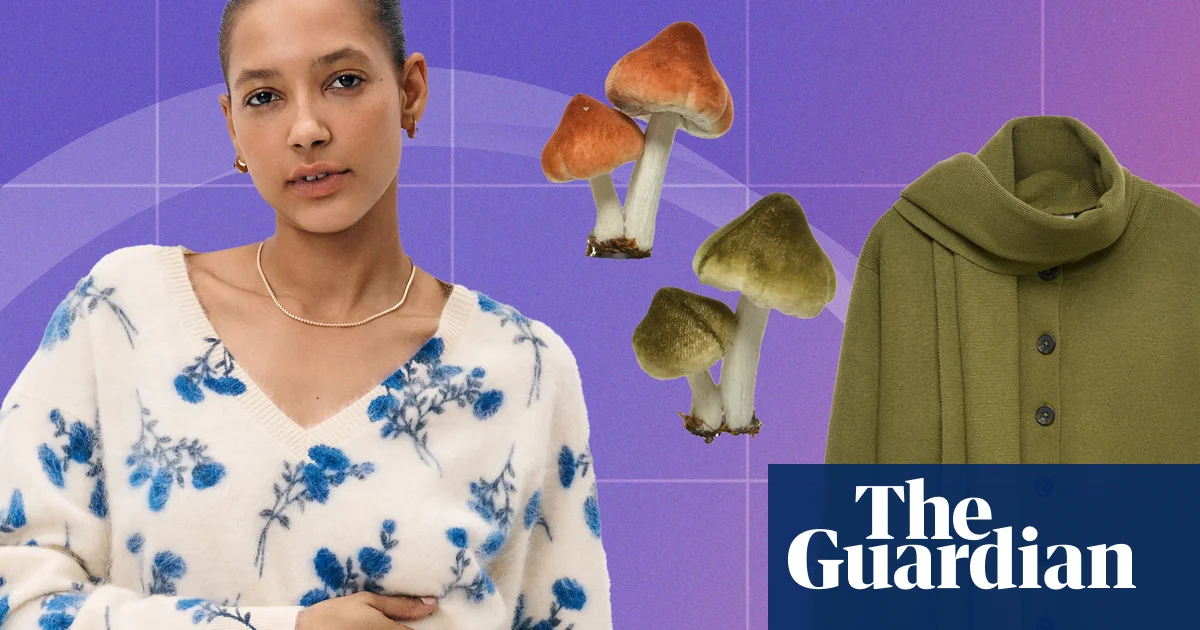
This trend is more than just about shopping; it’s shaping societal behaviors and cultural identity. The new style ethos celebrates practical elegance—from versatile, long-line coats to functional yet chic rain jackets that don’t compromise on style. Influencers like fashion theorists and style icons emphasize that today’s youth are seeking personal expression through wardrobe choices that are both stylish and pragmatic. Take, for example, the scardigan, a clever mashup of scarf and cardigan that offers a statement piece perfect for layering—and social media feeds—without veering into “try-hard” territory. Meanwhile, curated accessories such as festive earrings and velvet mushrooms for Christmas trees showcase how decorative trends serve as language in a shared cultural dialogue, blending tradition with contemporary wit.

This democratization of fashion is supported by celebrity and influencer endorsements, fueling a shift that sociologists describe as cultural flattening. When high-street and designer collaborations create affordable luxury—like the JW Anderson × Uniqlo polo shirt or the Gap× Zac Posen shirts—it signals a recognition that youthful consumers demand not just affordability, but also authenticity and style. The social cachet here is undeniable: dressing well becomes a form of social capital, a means for young people to visually communicate their identity and aspirations in a competitive cultural landscape. Even the rituals of gifting, like wrapping up designer-inspired gloves or statement earrings, reinforce a collective aspiration towards personal refinement.

However, as this trend solidifies, the next big question emerges: are we witnessing a true shift in societal values, or merely a clever reinterpretation of consumerism? As affordable luxury becomes the new norm, sociologists ponder whether these style choices are markers of genuine self-expression or a new form of social conformity—where the appearance of uniqueness hinges on curated, yet accessible, branding. Is this trend paving the way for a more inclusive, expressive culture, or is it merely another chapter in the ongoing narrative of youth-driven consumerism? The answer, perhaps, lies in how future generations will continue to redefine what it means to be fashionable—and whether that fashion will eventually transcend mere appearance to influence deeper social and cultural paradigms.

Social Media Auto Publish Powered By : XYZScripts.com



