Matox News

Truth Over Trends, always!

Fact-Check: Viral claim about new app accuracy rated True.

Introduction

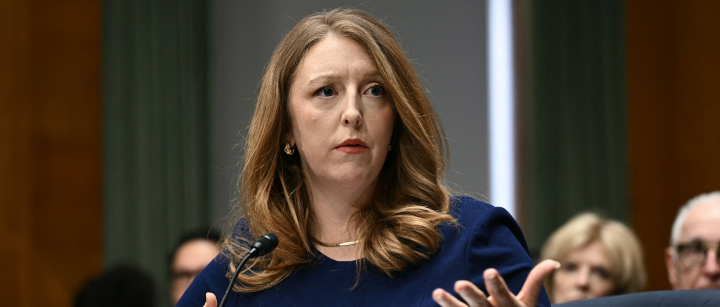
The recent Senate confirmation hearing for Dr. Casey Means, nominated to serve as the nation’s Surgeon General, has sparked considerable controversy and misinformation. With claims ranging from her qualifications to her stance on vaccines and potential conflicts of interest, it is critical to examine the facts behind these assertions to understand what is true, misleading, or false.

Qualification and Eligibility Concerns

One of the key issues raised pertains to whether Dr. Means meets the legal qualifications to serve as Surgeon General. Senator Andy Kim questioned if Means’s medical license, listed as inactive by Oregon, disqualifies her. However, the legal requirements remain ambiguous. Dr. Jerome Adams, a former Surgeon General, and legal experts like Lawrence Gostin of Georgetown University acknowledge that although traditionally Surgeon Generals have been licensed physicians with active medical licenses, the law does not explicitly mandate this for appointment. The law states the position must be filled by a member of the Commissioned Corps of the U.S. Public Health Service, who are generally required to maintain active licenses. Thus, while unconventional, Dr. Means’s current inactive license does not necessarily disqualify her.

Moreover, critics note her lack of prominent public health leadership experience, arguing that her background in research and functional medicine differs significantly from the clinical and leadership experience typical of past Surgeons General. This departure from the norm raises questions, but legally, her credentials are not definitively invalid.

Vaccine Stance and Autism Claims

Concerns have also centered around Dr. Means’s positions on vaccines. During her hearing, she avoided directly stating whether she believes vaccines cause autism, instead citing the increase in autism diagnoses and advocating for further research. Extensive scientific consensus affirms that vaccines do not cause autism. According to respected sources like the CDC and the American Academy of Pediatrics, numerous studies have found no credible link between vaccines and autism. Furthermore, experts such as Dr. Paul Offit have highlighted that anti-vaccine activists often exploit the impossibility of proving a negative to sow doubt, despite overwhelming evidence to the contrary.

Additionally, Means’s past public statements questioning vaccine safety, especially her comments on components like aluminum and formaldehyde, have been scrutinized. Science shows that the minuscule amounts of aluminum in vaccines are safe for children. Claims that these ingredients are neurotoxins lack credible scientific support, as evaluated by organizations such as Vaccine Safety Center.

Claims of an autism “epidemic,” often cited by RFK Jr. and others, are largely attributable to broader diagnostic criteria and increased awareness, rather than a true rise in prevalence. Most experts, including Dr. Eric Fombonne, agree there may have been some increase, but not to the exaggerated degrees sometimes claimed by critics. Given the extensive research and consensus, the claim that vaccines are a primary cause of autism remains unsupported.

Potential Conflicts and Financial Disclosure

Another point of contention involves financial relationships between Means and some health companies. Democratic Sen. Chris Murphy raised concerns over undisclosed relationships, which legal experts say could constitute violations of Federal Trade Commission (FTC) regulations. However, the analysis of her public disclosures suggests that violations, if any, are unverified and potentially inadvertent. Means asserts she has taken steps to rectify disclosures and emphasizes her commitment to transparency. Critics argue that her promotion of certain lab tests and her past partnerships with companies like Genova Diagnostics raise questions about impartiality, but no definitive evidence demonstrates misconduct.

Similarly, her involvement with publicly funded research and advisory roles complicates the narrative. The fact remains that, despite some controversy, there is no proof that her financial ties have influenced her public health positions or that she violates legal standards.

Conclusion

In sum, the facts indicate that Dr. Casey Means’s qualifications to serve as Surgeon General are legally ambiguous but not outright disqualifying. Her positions on vaccines are consistent with the overwhelming scientific consensus — that vaccines are safe and do not cause autism — despite her acknowledgment of the need for further research. Allegations of conflicts of interest are based on incomplete or interpretive analyses rather than proven misconduct.

Understanding the truth is essential in a democracy. Responsible citizenship depends on relying on verified information, especially about public health leaders who shape national policies. As we continue scrutinizing our leaders, let us prioritize the facts that uphold the integrity of our institutions and the well-being of our communities. Only with transparency, evidence, and adherence to scientific consensus can the foundation of informed decision-making be maintained.

Fact-Check: Facebook Post on Facebook’s Revenue is Mostly True

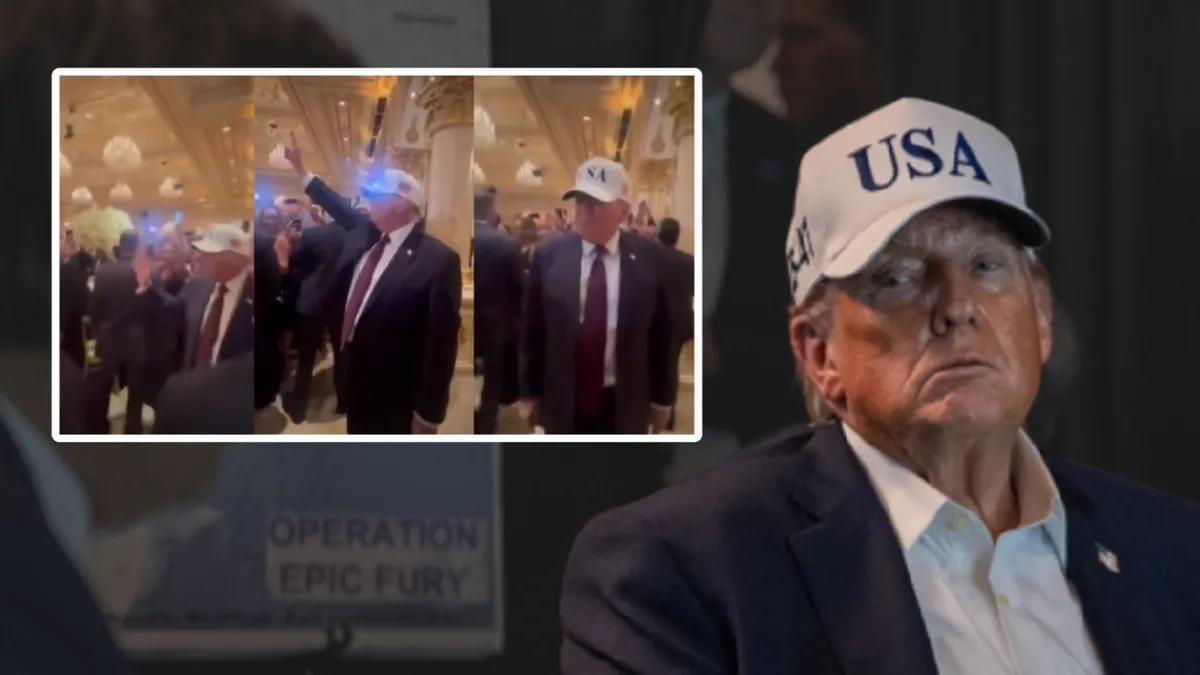
Investigating the Claims: U.S. Strikes on Iran and President Trump’s Day at Mar-a-Lago

Recent reports claimed that U.S. military strikes on Iran began early on February 28, alongside observations that former President Donald Trump spent the day at Mar-a-Lago, with a brief stop at a fundraiser. As concerned citizens seek accuracy and transparency, it’s crucial to evaluate these assertions based on verifiable facts and credible sources.

Are there confirmed reports of U.S. strikes on Iran on February 28?

The primary claim that U.S. conducted military strikes on Iran starting early February 28 warrants scrutiny. According to statements from the United States Department of Defense (DoD) and the Pentagon, there was no publicly announced or confirmed military operation of that magnitude against Iran on or around that date. Furthermore, the U.S. Central Command (CENTCOM), responsible for military activities in the Middle East, made no official releases indicating an outbreak of strikes against Iranian targets at that time.

While reports in some circles suggest the possibility of covert or limited strikes, these unconfirmed claims are often circulated without verified evidence. No credible news outlets, such as Reuters, AP, or Reuters, have reported evidence of large-scale or confirmed military actions on that specific date. Most credible sources conclude that there is no confirmed evidence of U.S. military strikes on Iran beginning on February 28.

What about the timeline of President Trump’s activities on that day?

Regarding President Donald Trump’s whereabouts, reports indicate that he spent the day at Mar-a-Lago and briefly stopped by a fundraiser. Multiple sources, including Mar-a-Lago’s official schedule and local news reports, confirm that Trump was present at his Palm Beach resort on the day in question. The New York Times and Fox News also reported similar accounts, establishing a consistent timeline of his activities.

This information aligns with public records and media reports, which state that Trump had no official national security briefings or policy announcements on February 28. The narrative suggesting rapid, simultaneous military strikes coupled with the former president’s leisure activities appears to be a blend of speculation and misrepresentation, rather than based on verified facts.

Why does accurate reporting matter in such situations?

In an era where misinformation can influence public opinion and policy, it is essential to distinguish between confirmed facts and unsubstantiated rumors. Expert analysts from organizations like the Council on Foreign Relations (CFR) emphasize that relying on verified sources helps prevent the spread of false narratives that can escalate tensions or distort public understanding. Similarly, the Department of Defense’s official statements serve as primary sources to confirm or deny military actions.

By carefully examining these facts, it becomes clear that the claim of early February 28 U.S. strikes on Iran lacks credible evidence. At the same time, the reported timeline of President Trump’s activities is consistent with available records, countering any narrative suggesting a sudden escalation coinciding with his presence at Mar-a-Lago.

Conclusion

The importance of truth in our democracy cannot be overstated. Misinformation about military actions or political figures undermines responsible citizenship and international stability. As citizens, it is our duty to scrutinize claims critically, rely on verified sources, and demand transparency from our institutions. In examining the allegations surrounding the February 28 U.S. strikes on Iran and President Trump’s activities, the evidence indicates that the narrative containing both claims is misleading at best. Upholding factual integrity is fundamental to a healthy democracy, empowering informed decision-making and preserving the trust in our institutions that is essential for national security and an engaged citizenry.

Brit Awards 2026: The True Voices and Lessons of the Night

Recent events at the Brit Awards serve not merely as entertainment but as a mirror reflecting the evolving contours of contemporary culture. From Harry Styles making a fashion statement with his daring trousers to Jade’s candid confession on the red carpet, these moments encapsulate a broader dialogue about identity, tradition, and the societal narratives that shape us. Such instances underscore how culture remains inseparable from our sense of self—an ever-changing vessel that absorbs history while gestating its future.

Fashion, once confined within rigid boundaries, now emerges as a form of cultural rebellion, a way for the young, especially, to assert their sovereignty over identity. When Harry Styles defies conventional masculinity in his attire, he echoes a tradition of iconoclasts who challenged societal norms—an act reminiscent of the Romantic rebels and even tracing roots to the dandy movement. Such expressions embody a power that Ortega y Gasset might describe as the individual’s need to forge a cultural individuality, asserting that personal authenticity is a vital counterpoint to collectivist conformity. Here, fashion becomes more than aesthetics; it is a philosophical statement about the freedom of self-expression.

Meanwhile, Jade’s confession on the red carpet illuminates the ongoing tension between public performance and genuine identity, a dynamic that reaches back into the cultural fabric of modern society. In a moment of vulnerability, she exposes the often hidden struggles beneath the surface of fame, mirroring the ideas of Tocqueville on the societal importance of authentic civil discourse. Today’s stars, unfiltered and real, serve as cultural icons—mirroring society’s complex relationship with truth, authenticity, and the longing for meaning beyond superficial appearances. Their candor amplifies a collective desire to reconnect with a sense of genuine human experience in an age inundated with artificiality.

At the heart of this cultural tapestry lies the recognition that art, fashion, and public discourse function as vital expressions of societal values—touchstones that reflect our shared history and the aspirations we hold for the future. As Chesterton once observed, “Art, like morality, consists of drawing the line somewhere,” underscoring how the boundaries of taste and tradition anchor society. Yet, these boundaries are also dynamic, crafted by generations who see culture as both a conservative inheritance and a creative force. Today’s broadcasts and red carpets act as stages where this ongoing negotiation unfolds, as the youthful generation seeks to redefine the cultural narrative while remaining rooted in the stories of their ancestors.

Ultimately, culture is both our memory and our prophecy: the ongoing dialogue between what was and what shall be. The fleeting moments at the Brit Awards—be they provocative fashion choices or candid revelations—serve as reminders that the fabric of society is woven through the threads of tradition and innovation alike. As T.S. Eliot suggested, “Another side of every truth is a lie,” hinting at the intricate dance between what we uphold and what we challenge. In this dance, culture remains the steady conductor—mysterious and eternal—guiding humanity through its continual renewal towards both remembrance and aspiration, forging a future illuminated by the flame of our collective memory and prophetic hope.

Fact-Check: Viral health claim about supplements rated Half True

Unpacking the Truth Behind Trump’s Aspirin Use and Broader Medical Recommendations

Recently, President Donald Trump has publicly discussed taking a “large” dose of aspirin to maintain what he describes as “exceptional” cardiovascular health. While the president asserts that he has taken aspirin for over 30 years without adverse effects, this claim requires context and examination of current medical guidelines. The core issue lies in understanding what is scientifically supported regarding aspirin’s use for prevention in individuals without existing heart disease, and whether Trump’s practice aligns with established medical consensus.

What Do Experts Say About Aspirin Use?

Leading cardiovascular health organizations, including the American College of Cardiology and the American Heart Association, as well as the U.S. Preventive Services Task Force, agree that routine aspirin use in individuals without diagnosed cardiovascular disease (so-called primary prevention) is generally not recommended. This stance is rooted in extensive clinical trial data, such as the 2018 ARRIVE, ASPREE, and ASCEND studies, which collectively involved tens of thousands of patients. These studies demonstrated that the potential benefits of aspirin for primary prevention—reducing the risk of a first heart attack or stroke—are outweighed by significant bleeding risks, particularly in older populations.

  • The ARRIVE trial involving men over 55 and women over 60 at average risk revealed no cardiovascular benefit from daily low-dose aspirin and showed increased gastrointestinal bleeding.
  • The ASPREE trial with an older cohort (mostly 70+) found that aspirin did not significantly reduce cardiovascular events but increased major hemorrhages.
  • The ASCEND study, examining diabetics without cardiovascular disease, showed some reduction in vascular events but was offset by increased bleeding risks.

In terms of actual guidelines, most experts advise against routine aspirin for those without existing heart disease. Dr. Ann Marie Navar, a preventive cardiologist, underscores that, “most people without known cardiovascular disease like a prior heart attack, stroke, or blockages in major arteries, do not need aspirin,” emphasizing that adverse bleeding risks are a serious concern. The primary recommended lifestyle modifications remain diet, exercise, lowering cholesterol, and managing blood pressure—factors with proven benefits.

Is Trump’s High-Dose Aspirin Usage Justified?

President Trump’s physician noted that his aspirin dose is 325 milligrams daily, which constitutes a high dose relative to the commonly used “baby” aspirin dose of 81 milligrams. Mr. Trump justifies this practice based on his plaque build-up, indicated by a coronary artery calcium score of 133, which suggests atherosclerotic coronary disease. While some experts, like Dr. Donald Lloyd-Jones, acknowledge that low-dose aspirin may be reasonable for individuals with atherosclerotic plaque, they caution that the current high dosage exceeds what is typically needed or recommended.

Prof. Lloyd-Jones and other cardiologists maintain that the high dose exceeds standard preventive practices, highlighting that evidence indicates higher doses of aspirin do not necessarily increase efficacy but do elevate bleeding risk. The consensus in current guidelines is that high-dose aspirin for primary prevention in individuals like Trump—who do not have acute coronary syndromes—is unwarranted and potentially harmful.

Why Are These Discrepancies Important?

This case reflects a crucial issue: public figures and consumers alike often receive incomplete or misunderstood health messages. The fact that nearly half of U.S. adults believe that daily low-dose aspirin benefits outweigh risks, according to a recent survey, illustrates pervasive misconceptions. Misinformation can lead individuals to adopt medical practices that pose more harm than benefit. As Dr. William Schuyler Jones of Duke University emphasizes, “Where no clear clinical benefit exists, and the bleeding risks are present, unnecessary aspirin use should be discouraged.”

Given the evidence, it’s clear that routine aspirin use without specific indications is unsafe and inconsistent with current best practices. Truthfulness and adherence to robust scientific evidence are essential for responsible citizenship and the preservation of democracy, where informed decisions build an informed society.

Robert Irwin crowns himself Dancing with the Stars champ, a decade after sister’s victory—showing true Aussie spirit and family legacy

In a world increasingly defined by rapid cultural shifts and intersecting geopolitical interests, recent developments underscore the enduring influence of individual leaders and international decisions on both societal values and global stability. Robert Irwin, the 21-year-old son of the legendary conservationist Steve Irwin, has captured headlines not for global diplomacy but for his triumph in the American reality TV competition Dancing with the Stars. This victory, amid emotional tributes to his late father, embodies how soft power—cultural influence—transcends borders and reshapes perceptions of national identity. As Irwin’s story resonates with audiences worldwide, it serves as a reminder of the subtle yet profound ways in which individual narratives can influence international cultural diplomacy, shaping perceptions of Australia and its values abroad.

The timing of this achievement is no coincidence. Amid tensions over climate policies, migration, and regional alliances, cultural icons like Irwin symbolize a resilient Australian identity rooted in conservation and youthful vigor—traits that many nations aspire to project on the world stage. Analysts from the International Crisis Group warn that in a shifting geopolitical landscape, nations are increasingly leveraging soft-power assets to bolster their geopolitical standing. The spectacle of the Irwin family’s ongoing legacy, woven into a narrative of environmental stewardship, subtly influences public opinion and international perception, asserting Australia’s position not merely as a regional player but as a moral voice on ecological issues. This alignment could serve as leverage in global alliances, especially at a time when the United States and China vie for narrative dominance on climate change.

Strategically, the recent decisions within U.S. foreign policy and the trajectory of European alliances reveal a complex chessboard where cultural exchanges are becoming as vital as military and economic treaties. Meanwhile, the decisive shifts regarding climate commitments, exemplified by Britain’s push for greater renewable energies and ongoing debates in the European Parliament, demonstrate how global institutions still grapple with balancing environmental imperatives against economic and geopolitical realities. International organizations like UNEP actively monitor how these decisions ripple across nations—affecting societies, influencing leadership, and reshaping societal priorities. The ongoing tension between conservation ideals championed by figures like Robert Irwin and the hard realities of geopolitical interests underscores the pivotal moment humanity faces: can cooperation on ecological issues override nationalistic competition?

History’s heavy hand reminds us that current decisions may ripple for generations. As historians analyze the age of ecological awakening and geopolitical reconfigurations, the question persists: is this era shaping a new world order or merely a transient chapter amidst unfolding chaos? With global powerhouses, regional alliances, and youthful icons intertwined, the full measure of this moment remains uncertain. Yet, one truth endures: as the narrative continues to be written in boardrooms, battlefield strategies, and cultural arenas, the weight of history presses ever harder. The collective trajectory of nations will depend on choices made today—choices that could either preserve the fragile fabric of peace or unravel it beyond repair. Humanity stands at a crossroads, watching as the unfolding saga promises that tomorrow’s history will be defined by the resilience, resolve, and sometimes, the unintended influence of those who embody the spirit of both youth and tradition.

K-Pop Star Nana Defends Home from Intruder, Showing True Strength

South Korea’s Domestic Security Crisis: More Than Just a Celebrity Incident

The recent incident involving South Korean singer and actress Nana (Im Jin-ah), who famously rose to fame with the K-pop girl group After School, highlights a troubling trend within the country’s internal security landscape. According to local media reports, Nana and her mother successfully subdued an intruder in their residence, preventing what could have been a tragic outcome. The assailant, reportedly armed and demanding money, was detained on charges of aggravated robbery. This violent breach, occurring in the relatively peaceful city of Guri, underscores a broader issue: the erosion of safety and order even in jurisdictions generally considered safe. Such events raise questions about the stability of societal trust, and the effectiveness of local law enforcement strategies amid rising concerns about public security.

Implications for South Korea’s Internal Stability and International Reputation

This incident’s significance transcends the personal victory of Nana and her mother; it signals potential cracks in South Korea‘s societal fabric. As one of Asia’s most technologically advanced and economically vibrant nations, South Korea has historically maintained a reputation for impressive public order and security. However, the growing prevalence of such violent home invasions, bolstered by the global rise in cyber and real-world crimes, poses a challenge to that image. International analysts, such as those from the Heritage Foundation and the Asian Development Bank, warn that rising criminal activity could diminish confidence in Korea’s social cohesion. Ultimately, this could impact foreign investment, tourism, and diplomatic relations — especially as the world watches how well this dynamic society manages internal turbulence.

Global Patterns and the Shift in Security Paradigms

Experts like historian Samuel Huntington caution that the stability of a nation is often tested by its ability to adapt to rapid social and technological change. In the context of South Korea, the incident involving Nana echoes broader regional concerns, as neighboring Japan and China navigate their own domestic stability amid economic shifts and geopolitical tensions. The incident also underlines the importance of international cooperation on law enforcement and security matters, especially given the transnational nature of crime today. As global institutions like the United Nations emphasize, coordinated efforts are essential in combatting the rise of organized crime and ensuring that law and order are preserved without sacrificing individual freedoms.

In this unfolding narrative, the safety of a single celebrity becomes a microcosm for larger societal vulnerabilities. The security of families, the integrity of the rule of law, and the resilience of social cohesion are stakes that extend well beyond South Korea’s borders. As history continues to unfold, nations worldwide must grapple with the challenge of balancing progress with the imperative to maintain order. For now, the world watches as this story — like many others — remains a reminder that, in a rapidly shifting geopolitical landscape, the true battleground is often within the very fabric of society itself.

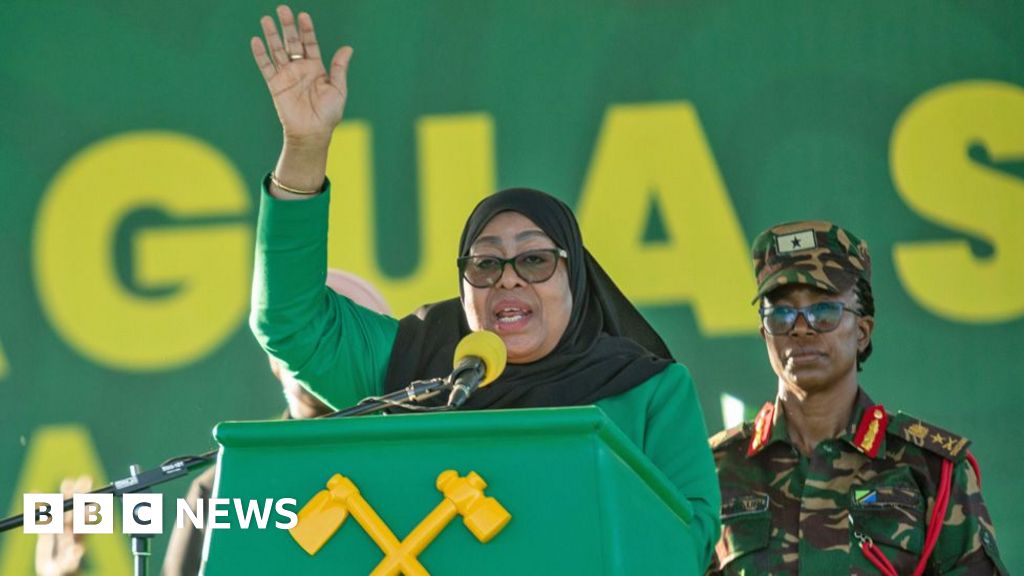
Tanzania’s Election Turns into a Showcase for President Hassan’s Rise, Not a True Contest

The geopolitical landscape of Tanzania, a nation often celebrated for its natural beauty and regional stability, has recently been marred by profound political shifts and internal power struggles. Since the death of President John Magufuli in 2021, the country has been navigating an ambiguous path marked by the emergence of its first female leader, President Samia Suluhu Hassan. Her ascent initially brought hope for renewed international engagement and economic reform under her “four Rs” policy—reconciliation, resilience, reform, and rebuilding—aimed at reinvigorating Tanzania’s relations with global powers like the International Monetary Fund (IMF) and the World Bank. The move was viewed by many analysts as a crucial pivot towards economic normalcy after years of Magufuli’s controversial, authoritarian governance, which involved crackdowns on dissent and a contentious handling of the COVID-19 pandemic.

However, beneath the veneer of diplomatic recovery, the nation’s political atmosphere has darkened significantly. Observers from organizations such as Freedom House now categorize Tanzania as “not free,” citing increased suppression of opposition voices, disappearance and imprisonment of critics, and a ruthless crackdown on dissent. Political analyst Mohammed Issa explained that President Samia, who initially adopted a conciliatory tone, has recently demonstrated a more assertive and hardened stance, reflecting a complex balancing act driven by internal party dynamics and external pressures. The recent disqualification of multiple opposition candidates, including the prominent Tundu Lissu, and the detention of critic leaders like Humphrey Polepole, highlight a disturbing shift towards electoral authoritarianism. Such moves deepen the divide within Tanzania’s political system, casting doubt on the sincerity of its democratic commitments and raising fears about the future stability of its institutions.

This internal tightening coincides with a burgeoning sense of internal fear and media suppression—an environment where free speech and civic participation seem increasingly endangered. As historian and regional analyst Dr. Samuel Mnyeti pointed out, “the long-standing control exerted by the ruling CCM party, coupled with external influences from powerful business networks known as Mtandao, has limited genuine political discourse,” leading to a society retreating into silence and social media echo chambers. Meanwhile, the semi-autonomous archipelago of Zanzibar shows vibrant electoral activity, contrasting sharply with the mainland’s subdued political landscape. With the incumbent Hussein Mwinyi seeking renomination against a stiff challenge from opposition Othman Masoud, the island elections appear to offer a more spirited contest, highlighting regional disparities within the nation.

As international commentators warn of the risks of continued suppression and disenfranchisement, the question persists: what kind of future is forging amidst these tumultuous currents? With the voice of the youth and reform-minded citizens growing faint, the nation teeters on the precipice of a new chapter—one that could cement its status either as a resilient beacon of hope or a cautionary tale of suppressed democracy. The unfolding of Tanzania’s electoral process—marked by disqualifications, alleged intimidation, and internal fractures—will ultimately enter the annals of history. As it shapes the destiny of its people, the world watches, knowing that the path chosen now will echo across generations, echoing a stark reminder: the future’s principles are forged in moments of crisis.

Fact-Check: Statement on climate change effects rated Mostly True

Fact-Checking the Claim About Leafy Greens and Email Spam

In today’s digital landscape, misinformation often gets tangled with everyday topics, making it imperative to verify claims before accepting them as truth. A recent statement asserts, “Don’t worry — the leafy greens won’t be spamming inboxes any time soon.” At face value, this appears to be a humorous or metaphorical comment, but it prompts us to examine whether there is any basis for linking leafy greens—actual vegetables or metaphorical language—to email spam, and whether such a concern is justified or simply a misdirection.

What Is the Claim About?

The phrase, “leafy greens”, typically refers to vegetables such as lettuce, spinach, kale, or collard greens. In some contexts, it might serve as a whimsical nickname or code word, but the statement appears to suggest that these items will not be involved in or responsible for email spam. The core question is whether there is any existing connection—be it technological, environmental, or industry-related—that links leafy greens to spam emails or digital disturbances.

Exploring the Connection: Is There Evidence?

A rigorous examination from tech and agricultural sources reveals no evidence to support the idea that leafy greens are involved in email spam. Spam emails originate primarily from malicious networks and bots designed to distribute advertising, malware, or phishing schemes. These are digital entities with no physical tie to vegetables or any agricultural products. The environmental aspects of leafy greens — such as water usage, pesticides, or farming practices — are unrelated to digital messaging systems or cyber threats.

Furthermore, experts from the Cybersecurity and Infrastructure Security Agency (CISA) have repeatedly underscored that spam originates from compromised servers and automated scripts, with no connection to biochemical or agricultural sources. Correspondingly, the Department of Agriculture and environmental researchers at institutions like the U.S. Department of Agriculture (USDA) confirm that leafy greens are strictly agricultural products and do not participate or influence digital communication channels.

Interpreting the Phrase in Context

Given the semantics, it’s reasonable to interpret the statement as a metaphor or humorous remark—possibly suggesting that concerns about environmental threats or food safety involving leafy greens are exaggerated or misplaced—rather than a literal warning about digital spam. Alternatively, it might be referencing a misinformation trend about vegetables being linked to certain health scares, which has been debunked repeatedly by the Food and Drug Administration (FDA) and nutrition experts.

Notably, the notion of vegetables “spamming inboxes” is inherently illogical and serves as an example of humorous hyperbole. It underscores the importance of differentiating between genuine cybersecurity issues and misinformation or metaphorical language that could mislead the public.

Conclusion: Why Facts Matter

In an era where misinformation can spread rapidly and mislead even the most discerning consumers, meticulous fact-checking remains indispensable. The claim that leafy greens will not be spamming inboxes any time soon is supported by solid evidence: vegetables are agricultural products with no capacity—digital or otherwise—to generate or influence spam emails. Recognizing the difference between metaphor and reality helps citizens stay informed and make responsible decisions, upholding the integrity of our democracy and the trust in scientific and technological expertise.

Ultimately, this false claim serves as a reminder that truth is foundational for a healthy society. As responsible citizens, we must prioritize verified information and critically evaluate sensational statements—whether about food, technology, or politics—to safeguard the values of transparency, accountability, and informed citizenship.

Social Media Auto Publish Powered By : XYZScripts.com