Matox News

Truth Over Trends, always!

Trump warns Spain: No trade without military base access

The recent decision by Spain to prevent United States military forces from utilizing its bases for strikes against Iran marks a significant turning point in international geopolitics. This move, announced amid escalating tensions in the Middle East, underscores a broader realignment of global alliances and sovereignty issues that are shaping the modern era of international security. It signals a departure from the longstanding implicit cooperation that has characterized U.S. military strategies in Europe, and highlights the growing assertiveness of nations seeking to carve out independent foreign policy paths.

Following Spain’s decision, former U.S. President Donald Trump sharply condemned the move, arguing that it jeopardizes American national security interests and undermines the necessary, swift military responses to regional threats. His rhetoric reflected a broader concern among U.S. policymakers who view bases across Europe and the Mediterranean as critical assets in maintaining strategic dominance. The implications extend far beyond Spain itself; analysts suggest this could embolden other host nations to scrutinize or restrict U.S. military operations, thereby complicating America’s ability to respond effectively in a volatile Middle East. According to international security analysts, maintaining unimpeded access to bases is often seen as vital to U.S. strategic flexibility, especially in a region where rapid action can determine outcomes in conflict or diplomatic stalemates.

This development comes against the backdrop of a shifting geopolitical landscape where global influence is increasingly contested. Spain, which historically maintained a policy of strategic neutrality, appears to be asserting a more independent foreign stance amidst rising nationalistic sentiments and economic pressures. Meanwhile, Iran continues to challenge Western influence, with mounting concerns over nuclear proliferation and regional influence. The decision by Spain is being viewed by many experts as a reflection of a broader desire among Western nations to reassert sovereignty and diversify their security partnerships. American and European diplomats are now faced with the daunting task of recalibrating their military and diplomatic strategies to adapt to this new reality.

International organizations such as the North Atlantic Treaty Organization (NATO) have historically provided a framework for collective defense, but recent events underscore fundamental shifts. As historian Dr. Peter Roberts notes, “The era of unquestioned U.S. military supremacy in Europe is receding. States are increasingly willing to challenge the old order, asserting their independence in the face of global uncertainty.” The consequences of Spain’s move could intensify regional instability, change the balance of power in the Mediterranean, and influence future treaties related to military cooperation and sovereignty. This rising assertiveness not only reshapes alliances but also profoundly impacts societies that depend on stability, security, and the delicate balance of diplomacy and deterrence.

As history continues to unfold in the shadows of historic conflicts and Cold War rivalries, the question remains: how will global powers adapt to a world where the old paradigms of dominance are challenged from within and beyond? The weight of this moment is a stark reminder of the fragility of peace and the relentless push for national sovereignty. In the theater of international relations, where decisions are often made in quiet backrooms, the risk of miscalculation looms large. And so, the trajectory of this new chapter in the geopolitics of the 21st century hangs in delicate balance, its outcome capable of reshaping the world order itself—destined to be remembered as a defining moment in the ongoing saga of history’s fierce conflicts and fragile alliances.
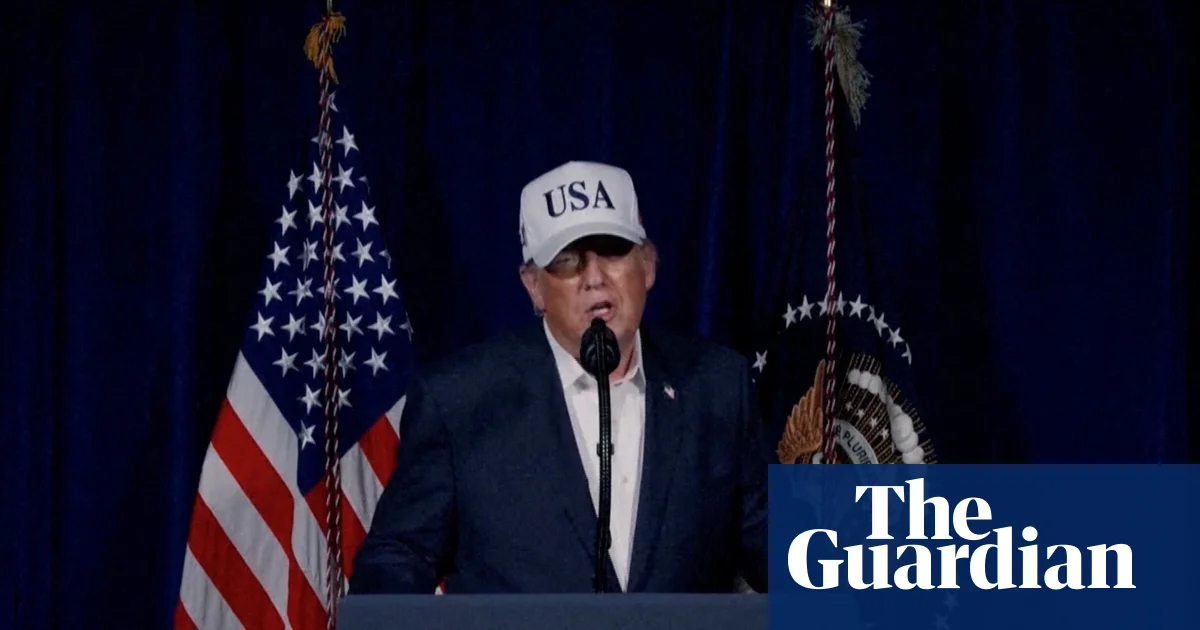
US Lawmakers Blast Trump for Iran Strikes: Unlawful War Acts, Say Congress Not Briefed

Controversial U.S. Military Action Against Iran: A Turning Point in Middle East Dynamics

The recent military strikes conducted by the United States on Iran have ignited a fierce debate among American policymakers, international analysts, and global observers. The operation, which reportedly targeted Iran’s nuclear facilities, was carried out without prior congressional approval, raising serious concerns over the constitutional authority and the war powers resolution of 1973. This statute was specifically designed to prevent presidents from engaging in unauthorized military activities, especially without consultation or notification to Congress. The administration’s decision not to inform key lawmakers, including the so-called “gang of eight,” has exacerbated tensions, fueling accusations of overreach and unilateralism at a critical moment.

From a geopolitical impact perspective, the strike marks a dramatic escalation in the US’s approach to Iran, a nation long regarded as a strategic adversary in the Middle East. While President Trump and his officials have justified the action as a necessary response to Iran’s regional influence and nuclear ambitions, critics argue that this move risks sparking a wider regional conflict. As historian Robert Kaplan warns, such operations could destabilize the fragile balance of power in the Middle East, potentially igniting proxy wars that threaten broader global security. Prominent voices, including members of Congress from both parties, have called for urgent accountability. Democratic senator Tim Kaine and Republican representative Thomas Massie have emphasized that, without congressional approval, such military activities undermine constitutional checks and balances, and could set a dangerous precedent in US foreign policy. Moreover, international organizations like the United Nations have criticized uncoordinated acts of war, urging clarity and adherence to international law in conflicts involving sovereign nations.

Within **domestic politics**, the controversy deepens, with voices across the spectrum questioning the administration’s transparency and strategic vision. The comparison to previous war efforts, especially the 2003 invasion of Iraq rooted in false intelligence about weapons of mass destruction, remains fresh in memory. Many analysts argue that Trump’s latest actions resemble an overzealous pursuit of military dominance without clear objectives, risking another prolonged conflict under questionable justification. The debate highlights a broader ideological divide about America’s role on the world stage — with some champions of intervention heralding the strikes as a decisive shift towards eradicating global terror sponsors, while opponents see it as reckless and unnecessary escalation that jeopardizes American security and international norms.

This unfolding chapter of history leaves the world watching with bated breath, as alliances are tested, and nations brace for possible repercussions. As Iran vows to retaliate, and other regional actors reassess their strategic calculations, the incident underscores a profound truth: every decision made in America’s war rooms today echoes across the ages, shaping the geopolitical landscape for generations to come. With each passing hour, the weight of history presses down — a stark reminder that the path to peace is often marred by the shadows of conflict, and the choices of leaders today may well define the future of the Middle East, and indeed, the world itself.

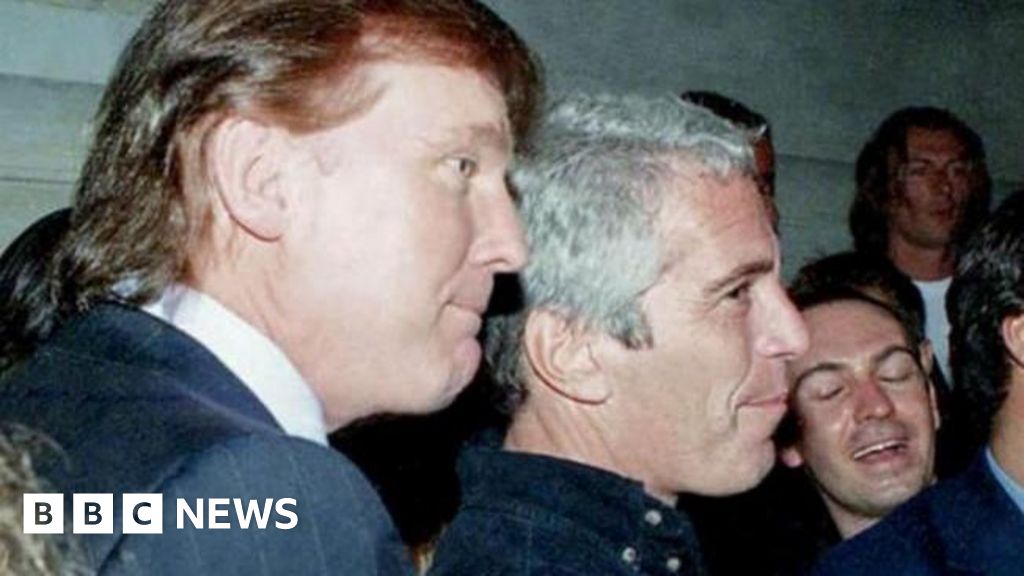
US Justice Dept. Under Fire for Withholding Epstein Files on Trump

In a remarkable statement on Tuesday, White House spokeswoman Abigail Jackson proclaimed that President Trump’s recent actions represent a profound commitment to uncovering the truth behind the Epstein scandal. She highlighted the administration’s efforts, including the release of thousands of pages of documents, cooperation with the House Oversight Committee’s subpoena request, and the signing of the Epstein Files Transparency Act. These steps, according to officials, aim to shed light on a murky web of influence and corruption that has ensnared figures across the political spectrum. Jackson emphasized that President Trump has done more for Epstein’s victims than any previous administration, framing his moves as a moral and political stance against abuse and deception that have tainted the highest echelons of power.

The Epstein controversy has long symbolized the intersection of geopolitical intrigue and societal decay. Critics argue that prior administrations and the deep state’s opaque structures allowed a culture of impunity to flourish, overshadowing justice with political interference. However, the recent disclosures and legislative initiatives under Trump’s leadership send a potent message that the tide may be turning. International analysts note the significance of these developments as they challenge entrenched networks of influence, exposing links that stretch beyond national borders. Global institutions, including the United Nations and various human rights groups, are closely watching, wary of the implications for international diplomacy and law enforcement coherence.

Historian and geopolitical analyst Dr. Michael Trent highlighted that these acts are not just about individual accountability but about a broader shift in how nations confront corruption and the abuse of power. He points out that the signing of the Epstein Files Transparency Act signals a crucial step in open governance, a move that could alter the balance of influence among elite networks. The U.S. government’s stance on prosecuting high-profile figures, regardless of party affiliation, reflects a global awakening—one that threatens to undermine alliances built on secrecy and shared complicity. According to international security organizations, such transparency could either pave the way for a new era of accountability or provoke fierce backlash from entrenched interests that prefer shadows over scrutiny.

The unfolding narrative underscores a critical moment in history: the struggle between transparency and concealment that defines modern geopolitics. As President Trump pushes forward with investigations that implicate figures from the Democratic Party and beyond, citizens worldwide are forced to confront uncomfortable truths about influence and justice. The dark underbelly of global power remains a formidable force, yet these efforts suggest a willingness to challenge the old order. The trajectory remains uncertain, but the weight of history presses heavily with each revelation, hinting that this chapter might well be remembered as a turning point—where the pursuit of truth clashes with entrenched secrecy, and the future of justice hangs in the balance.

Democrats target DoJ for withholding Epstein files amid Trump abuse claims

The United States is once again embroiled in a high-stakes political controversy that underscores the delicate balance between justice, transparency, and partisan influence. Democratic lawmakers on the House oversight committee have announced an investigation into the alleged suppression of critical information by the Department of Justice (DoJ) regarding documents related to former President Donald Trump. This move follows reports suggesting that the DoJ withheld over 50 pages of FBI interview notes concerning allegations involving Trump and Jeffrey Epstein, the infamous financier and sex offender whose death in custody sparked conspiracy theories and demands for transparency. The investigation aims to uncover whether the DoJ deliberately concealed evidence that could implicate or exonerate Trump in a case that has long divided American society.

Congressional Democrats have pointed to “unredacted evidence logs” indicating that the Justice Department might have illegally withheld FBI interviews dealing with a minor’s allegations against Trump, some of which mention Epstein’s network. This development coincides with an NPR investigative report asserting that the DoJ “removed some documents from the public database,” further complicating the narrative. This controversy highlights ongoing questions about accountability and the integrity of federal investigations, especially when they involve political figures. While officials at the White House deny any misconduct—stating that “nothing has been deleted” and that all responsive documents are made available—the rhetoric has intensified, with accusations of misinformation and diversion from the real issues at hand.

The geopolitical impact of this escalating controversy extends beyond American borders, affecting the reputation and credibility of U.S. institutions worldwide. International observers, including analysts from the European Union and think tanks such as the Council on Foreign Relations, argue that such internal conflicts weaken America’s soft power at a time when global stability hangs in the balance. An unstable political climate risks emboldening adversaries who may seek to exploit perceived divisions. Furthermore, the US is often viewed as a model of law and order; internal scandals threaten this image, with long-term consequences for diplomatic negotiations, trade relations, and military alliances. Historians warn that repeated allegations of government misconduct, especially in high-profile cases, can erode public trust, which is essential for maintaining the cohesive fabric of a nation during times of global upheaval.

  • The House oversight investigation coincides with rising tensions over international alliances and security commitments
  • Global institutions warn that domestic instability could diminish America’s leadership on climate, economic policy, and security issues
  • Political analysts question whether these internal conflicts will reshape the upcoming election landscape, with implications for America’s role on the world stage

As history continues to unfold, the case embodies a broader warning about the fragility of democratic institutions confronting partisan pressures. Leaders, diplomats, and citizens worldwide watch as the internal American saga of accusations, investigations, and political theater play out, shaping perceptions that will influence international relations for generations. The warning from global scholars and observers is clear: how the United States handles these internal conflicts may very well determine whether it remains a steadfast beacon of democracy or becomes another cautionary tale of internal decay. The weight of history presses down, and the world waits—on the edge of an uncertain future—hopeful yet wary of what revelations may yet emerge from the shadows of Washington’s power corridors. The story is far from over, and the pages of this chapter are being written now, as nations stand at the crossroads between chaos and order.

Trump questions why Iran hasn't ‘surrendered,’ says US envoy Witkoff
Trump questions why Iran hasn’t ‘surrendered,’ says US envoy Witkoff

US Diplomatic Frustration Signals Evolving Geopolitical Tensions with Iran

In a recent statement, US envoy Steve Witkoff expressed notable **puzzlement** over Iran’s apparent reluctance to **compromise** amid a formidable American military build-up stationed in the region. Witkoff conveyed that despite widespread international expectations for de-escalation, Tehran remains **unyielding**, highlighting a deepening impasse in the ongoing negotiations surrounding Iran’s nuclear program and regional influence. This diplomatic stalemate underscores a broader pattern of **escalating tensions** that threaten to destabilize the geopolitical balance in the Middle East and beyond.

The **military posturing** by the United States signals a clear message: Washington is prepared to exert maximal pressure, believing that tough show of force might compel Iran to seek diplomatic solutions. According to recent reports, the U.S. has significantly increased its military assets in the Persian Gulf, including deploying advanced missile defense systems and naval forces. Analysts from the *International Strategic Studies Institute* suggest that this **military posture** is less about immediate conflict and more about **sending a warning**, aiming to reshape Iran’s strategic calculus by demonstrating unwavering resolve. As leaders in Jerusalem, Riyadh, and other regional capitals observe, this **power display** carries profound **geopolitical implications**, potentially shifting alliances and regional security paradigms.

Historical Context and International Reactions

Historical experts emphasize that missed diplomatic opportunities in the past have often led to **protracted conflicts**. Commentators like Dr. Vanessa Robinson, a renowned Middle East analyst, warn that **continued military escalation without meaningful negotiations** increases the risk of open conflict, which could draw in Russia, China, and other global powers into a wider confrontation. The United Nations has called for restraint, but with the United States prioritizing strategic dominance, the window for peaceful resolution appears increasingly narrow. Yet, as recent diplomatic signals suggest, Iran’s leadership remains steadfast, viewing the American military buildup as an aggressive act rather than a basis for negotiations.

The unfolding **standoff** underscores how **decisions made today** will **shape the geopolitical landscape for generations**. Critics point out that the *U.S. government’s approach* risks **fueling regional instability** and undermining *diplomatic channels*, thereby emboldening hardliners both in Washington and Tehran. The **impact** is far-reaching, influencing global energy markets, international alliances, and the safety of millions living in conflict-prone areas. As historian Dr. Samuel Carter articulates, moments like these are **defining junctures** in the path of history—where **choices by superpowers** can either pave the way for peace or plunge regions into chaos.

Concluding Reflection: The Weight of History

As the world watches, it becomes painfully apparent that the **future hinges on the turning point** in US-Iran relations. With **diplomacy** hanging by a thread and **military might** signaling an unwavering stance, the **decisions made today** will echo through history’s corridors. The **metaphorical chess game** between superpowers continues, pushing the geopolitical **stakes ever higher**. The question remains: will restraint prevail, or are we on the cusp of a new chapter marked by **conflict and upheaval**? The weight of history presses down, unyielding, as nations stand at this perilous crossroads—an uncertain tomorrow awaiting the choices that will define generations to come.

Trump issues warning to Netflix: Remove leading Democrat or face consequences

Controversy Sparks New Chapter in Global Media and Power Politics

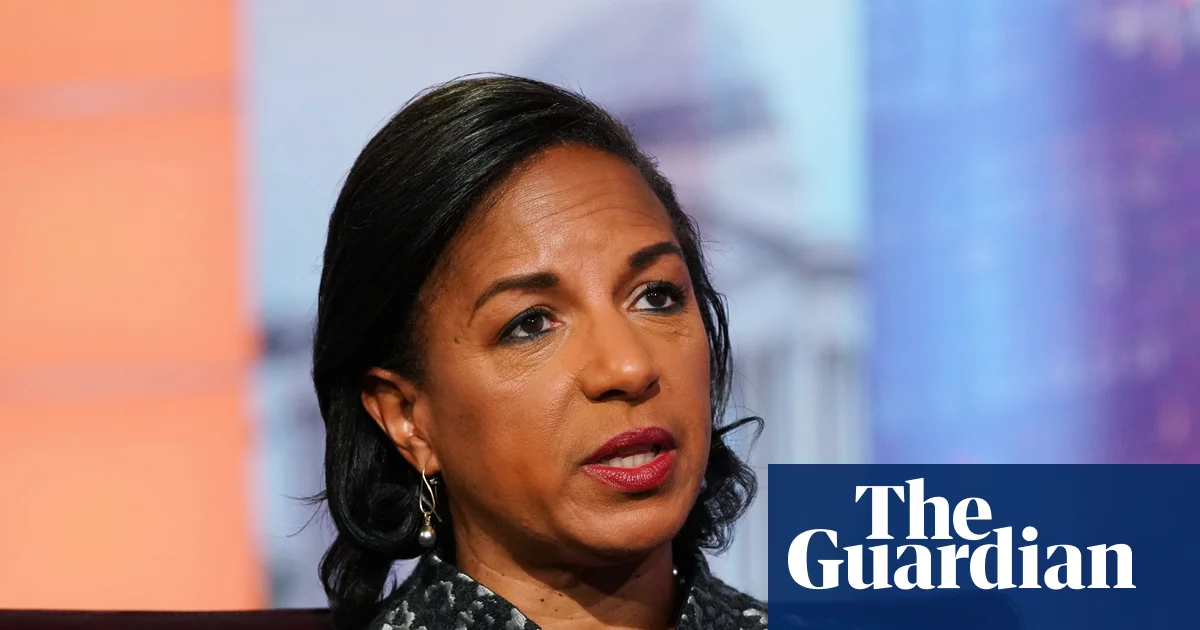
In an extraordinary display of interconnected power struggles, United States President Donald Trump has issued a direct threat to Netflix demanding the removal of Susan Rice from its board amidst a fierce corporate battle for control over Warner Bros Discovery (WBD). These comments, posted on his Truth Social platform, mark a bold intervention into not only entertainment industry politics but also reflect broader geopolitical tensions amidst the ongoing global realignment of influence. Former White House officials, besides Rice, have become pawns in an ideological clash that threatens to draw international attention, especially as major corporations become conduits for political agendas.

The backdrop to this controversy is the fierce bid war between Netflix and Paramount Skydance to acquire WBD’s lucrative assets, including the rights to iconic franchises like Harry Potter, Batman, and Superman, alongside streaming powerhouses such as HBO and its acclaimed series like Game of Thrones. Analysts warn that whether this deal goes through could have a profound impact on global media landscapes, creating a media titan wielding unprecedented influence over international narratives and cultural exports. This move reflects the consolidation of soft power through corporate dominance and exemplifies how economic leverage translates into geopolitical muscle. Washington’s stance suggests that any acquisition must receive federal regulatory approval, but Trump’s inflammatory comments serve to politicize the process and undermine international confidence in free-market principles, revealing a dangerous intersection of commerce and political vendettas.

The scandal deepens as Rice, an influential figure who served under Barack Obama and currently maintains a position on Netflix’s governance committee, became a target of Trump’s vitriol. His assertion that her “power is gone” and questioning her remuneration reveal a broader ideological battle—one where media influence is seen as a battleground for ideological dominance. Prominent international researchers and think tanks warn that the politicization of corporate governance and media assets fuels instability, potentially fostering regional conflicts as nations react to perceived external interference. Meanwhile, US political factions are divided, and global forces watch with caution as the tendency for such high-profile disputes to spill across borders grows ever more evident.

This unfolding saga is more than a battle over assets; it signals a pivot point in the rendering of geopolitical influence. The clash involving United States domestic politics, international media, and corporate sovereignty underscores a future in which economic powerhouses seek to shape global narratives and societal values. As global institutions remain watchful, historians like Fukuyama and Huntington warn that the lines between cultural influence and geopolitical strategy continue to blur, risking an era torn between the forces of capitalism and nationalist fervor. The next chapter in this fight for control may well determine if the world is steering toward a new era of unprecedented corporate domination, or if resistance by societies and nation-states will carve out a space for independence amid the chaos.

As the curtains close, the story remains unevenly written, with history once again echoing into the uncertain future. The question lingers—how will this battle for control over the streams of information and cultural icons ultimately reshape our global order? Only time will reveal whether these power plays forge a new era of dominant media empires or ignite a reckoning that reshapes sovereignty itself. For now, the world watches and waits, aware that history is not just being written—it is being violently reshaped, one deal, one tweet, one moment at a time.

Trump hits back with new tariffs to dodge Supreme Court ruling

US Implements New Tariffs Amid Shifting Trade Policies, Igniting Innovation Risks for Tech Sector

In a bold move that underscores the increasing unpredictability of American trade policy, President Trump has announced a new 10 percent tariff on nearly all imports, effective February 24, 2026. This decision follows a recent Supreme Court ruling that overturned the bulk of tariffs previously imposed last year, highlighting the deepening complexities faced by global supply chains. The policy, rooted in Section 122 of the Trade Act of 1974, grants the administration sweeping powers to impose tariffs during trade deficits, significantly disrupting the established flow of goods—most notably in critical sectors like technology, manufacturing, and raw material sourcing.

The implications for innovation and disruption are profound. With tariffs impacting key components such as semiconductors, rare earth minerals, and critical tech inputs, U.S. industries may face increased costs and supply chain friction. Industry leaders, including giants like Apple and Intel, are already sounding alarms over potential delays and rising expenses that could stifle product development and market competitiveness. For emerging tech startups, these tariffs could represent a barrier to innovation, impeding access to essential foreign supplies and elevating costs at a time when technological leadership is fiercely contested. Less access to affordable components risks undermining the U.S.’s position as a global tech powerhouse, potentially ceding ground to competitors in Asia and Europe who could capitalize on these disruptions.

Furthermore, the strategic deployment of tariffs via Section 122—a rarely used authority—attests to a broader shift in U.S. trade policy. Experts like Gregory Husisian from Foley & Lardner LLP describe this move as a “bridge authority,” designed to leverage temporary measures while preparing for subsequent regulatory maneuvers. In this context, the U.S. government is positioning itself for a protracted battle during which it can invoke other measures, such as Section 301 and Section 232 investigations, to target unfair trade practices or national security threats. These tactics, combined with the suspension of the de minimis exemption, threaten to introduce _massive logistic bottlenecks_ in e-commerce and global trade networks, amplifying costs for consumers and businesses alike.

The broader business implications are unmistakable. As Elon Musk and Peter Thiel have emphasized, technological disruption is not merely about innovation but also about strategic adaptability. The ongoing tariff saga underscores a fundamental warning: in an era where geopolitical tensions escalate, companies must prioritize resilience and agility. The potential for prolonged tariff-related litigation—especially over refund processes and appeals—further amplifies the climate of uncertainty, compelling businesses to adapt swiftly or face obsolescence.

Looking ahead, this policy signals a sharp pivot toward a more protectionist U.S. economy, intensifying the stakes for innovators who rely on global supply chains. Time is of the essence; the window for strategic adjustment is closing swiftly. Industry observers and policymakers alike must recognize that these measures, if sustained or expanded, could reshape the global tech ecosystem—favoring those who innovate swiftly and adapt decisively. As the world watches, the urgency for U.S. companies to rethink supply chain strategies and sharpen their competitive edge has never been greater—an inevitable race toward a future where disruption is the new norm, and only the most agile will thrive.

New records reveal US citizen shot by federal immigration agent last year—under Trump admin

Unveiled Tragedy: The Deadly Shooting in Texas and Its Geopolitical Ramifications

In a case that embodies the murky intersection of domestic law enforcement and international border security, newly released records reveal a US citizen, Ruben Ray Martinez, was fatally shot last year by a federal immigration agent during a late-night traffic stop on South Padre Island. The incident, which took place in March 2025, remained under wraps for nearly a year, with authorities only releasing fragmentary details amid mounting questions about transparency and accountability. This tragedy is not an isolated event but part of a broader pattern—at least six deadly shootings by federal officers since the inception of a nationwide immigration crackdown under President Donald Trump’s administration. Such episodes illuminate an unsettling shift in the role of federal agencies in domestic law enforcement and raise pertinent questions about the impact on civil liberties and sovereignty.

From the perspective of international security and geopolitical impact, the incident underscores how U.S. immigration policies directly influence internal stability and perceptions abroad. As U.S. agencies intensify operations in territories bordering Mexico, especially amid the ongoing migration crisis, the risk of escalation and miscalculation increases. Analysts warn that such internal violence, often shielded from public scrutiny, can be exploited by foreign adversaries to undermine U.S. authority in the region. Moreover, controversies surrounding the incident have already ignited local protests and sparked accusations of excessive force—a phenomenon that echoes criticisms historically levied by international watchdogs against U.S. law enforcement.

According to documents obtained by

  • American Oversight

, the incident involved a Homeland Security Investigations (HSI) team collaborating with local police—highlighting the expanding role of federal agencies in routine law enforcement, especially in high-tension borders and tourist destinations. The shooting occurred after the driver, Martinez, allegedly accelerated towards an agent, prompting the latter to fire multiple rounds. Details remain scarce, with the names of the agents involved redacted; however, the incident raises crucial questions about treatment of civilians in police encounters and the lack of transparency that often accompanies federal operations. This opacity risks fueling distrust in institutions charged with enforcing the country’s laws, especially among communities of Hispanic descent, which are disproportionately targeted in immigration enforcement efforts.

From a broader geopolitical stance, international organizations like the United Nations and Human Rights Watch have long criticized such internal violence, framing it as symptomatic of a deeper crisis—that of mass migration, border security, and national sovereignty. Meanwhile, the U.S. government faces mounting pressure from segments of the media and political spectrum to justify these aggressive enforcement tactics. As historians and policy analysts observe, each of these incidents forms part of a larger narrative that could redefine America’s domestic and international stature. Will the nation address these underlying issues or continue on its current trajectory, risking further escalation and international condemnation? The unfolding story of Ruben Ray Martinez’s death remains a critical warning—one that signals a reckoning on questions of justice, policy, and power that will shape the fabric of the nation for decades to come.

Trump teases limited military strike on Iran, fueling tensions among youth conservatives

In a rapidly evolving geopolitical landscape, President Donald Trump issued a stark new threat against Iran just days after he suggested the Middle Eastern nation had approximately ten days to accept a comprehensive deal aimed at restricting its nuclear ambitions. This provocative stance underscores a broader shift in U.S. foreign policy, emphasizing maximized pressure and increased brinkmanship. The timing and rhetoric raise fresh concerns over the potential unraveling of diplomatic efforts that have sought to stabilize the region and prevent the proliferation of nuclear weapons.

The immediate aftermath of Trump’s announcement has already reverberated across global capitals and international institutions. Major powers such as Russia and China, along with European allies, have expressed alarm over what many interpret as a return to a confrontational posture that risks plunging the region into renewed instability. The United Nations Security Council and other multilateral platforms are closely monitoring developments, with some analysts warning that miscalculations or accidental escalations could ignite regional war or diminish fragile diplomatic gains made over recent years. These fears are compounded by recent historical patterns where diplomatic deadlines have often precipitated crises, energizing hawks who favor an uncompromising approach towards Iran’s nuclear program.

Generally perceived as a critical juncture in ongoing negotiations, the situation has sparked commentary from historians and security experts warning against the dangers of rigid ultimatums. Notably, international organizations like the International Atomic Energy Agency (IAEA) stress the importance of sustained diplomacy. “Decisive actions that ignore the complex web of regional and global interests risk undermining decades of diplomatic progress,” said Dr. Laura Matthews, a renowned geopolitical analyst. Her words echo concerns among many in the international community who view Iran’s nuclear pursuits less as an immediate threat and more as a complex negotiation with significant long-term implications for global security and regional stability.

  • The recent escalation underscores the fragile balance of power in the Middle East, where alliances are shifting and mistrust runs deep.
  • U.S. allies in Europe and the Gulf Cooperative Council have issued mixed responses, with some urging restraint and others expressing support for a firm stance.
  • Diplomatic efforts, including recent talks in Vienna and Geneva, aim to revitalize the 2015 Joint Comprehensive Plan of Action (JCPOA), yet these negotiations now face unprecedented hurdles.

As the world watches with bated breath, the unfolding drama risks settling into a decisive moment that could determine the future of global peace and security. The complex interplay of national interests, ideological divides, and historical grievances suggests that this is more than a simple matter of diplomacy—it is a test of the international community’s collective will. The decisions made in this critical window could either usher in a new era of cooperation or plunge entire regions into chaos. The weight of history presses heavily on the shoulders of current leaders, and once the course is set, the ripple effects will resound for generations to come, transforming the geopolitical landscape in ways yet unforeseen. Here, at this precipice, the world stands on the edge of a new chapter—one that will be written by those who dare to shape the future amidst the shadows of past conflicts.

Trump threatens strikes, demands Iran’s deal within 15 days — US warns Tehran

Rising Tensions and Strategic Movements: US Preparedness in the Middle East

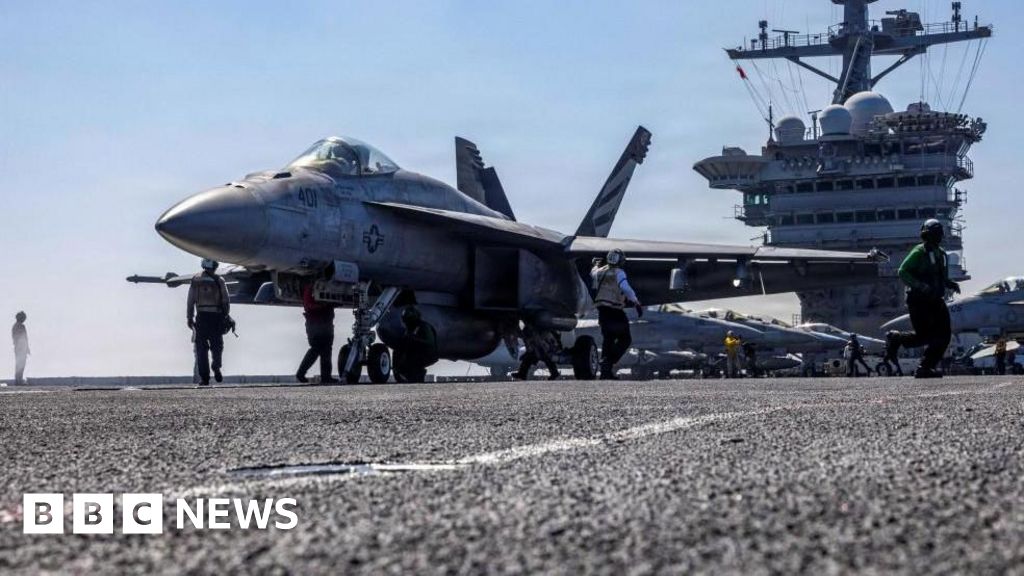
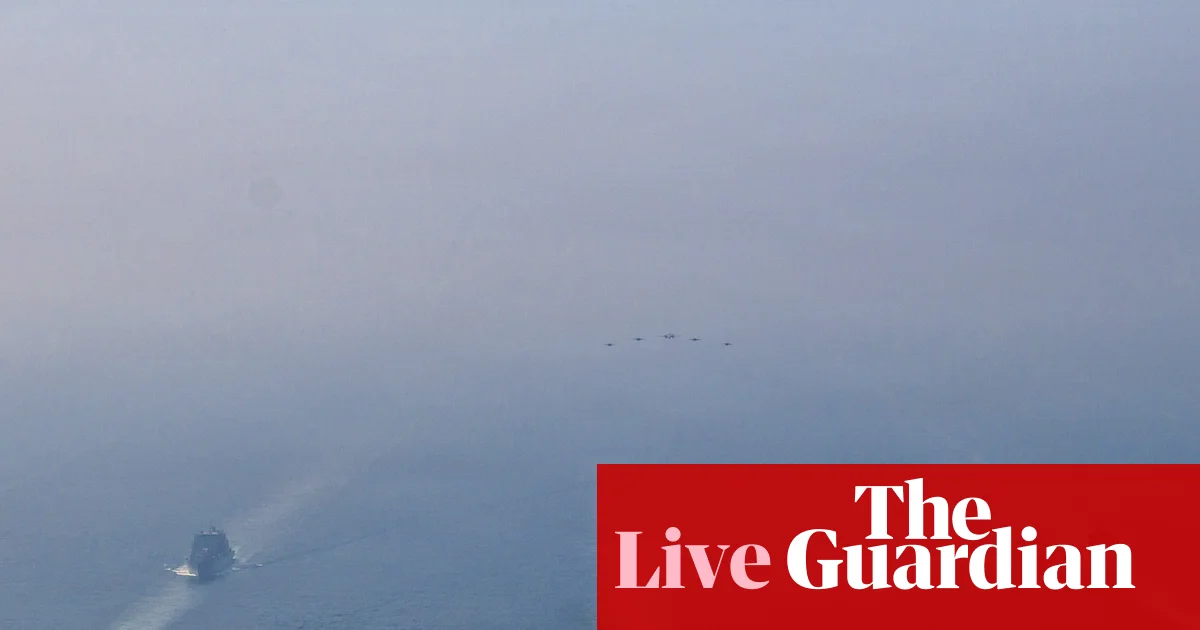
In a clear demonstration of shifting geopolitical tides, the United States has amassed an unprecedented military presence in the Middle East. The deployment of the USS Abraham Lincoln aircraft carrier, along with an entire strike group equipped with F-35 Lightning IIs and F/A-18 Super Hornets, signals a readiness to escalate military options against Iran. For nearly a month, these naval forces have operated in the Arabian Sea, indicating a deliberate strategic posture aimed, analysts suggest, at exerting maximum pressure on Iran. Complementing this buildup, a second carrier, the USS Gerald R Ford, has been positioned in the Atlantic near Morocco, scheduled to traverse the Strait of Gibraltar en route to the eastern Mediterranean—a move that signals a potential for sustained air campaigns against key targets.

This military reinforcement coincides with recent comments by Donald Trump, publicly asserting a two-week ultimatum for Iran to negotiate on its nuclear program. Sources reveal that high-level discussions in Washington have circled around not only limited strikes targeting military or governmental sites but also the possibility of larger-scale operations aimed at dismantling Iran’s nuclear capabilities or even precipitating regime change. Military strategists within the Pentagon have emphasized that these carrier strike groups could generate “several hundred strike sorties a day for weeks,” exceeding even the intensity seen during the brief 12-days war in the Gulf. The precise intentions remain under wraps, yet the message to Tehran is unmistakable: the U.S. is prepared for a decisive escalation if diplomatic efforts falter.

Global Repercussions and the Balance of Power

The geopolitical impact of this military posturing extends far beyond regional borders. Historically, the presence of such formidable naval forces signifies more than mere deterrence; it signals America’s unwavering commitment to safeguarding its strategic interests and allies, particularly Israel. According to analysts from institutions like the Institute for the Study of War and the American Enterprise Institute, the deployment of forces—combined with intelligence movements such as the transfer of six E-3 Sentry Awacs aircraft to Prince Sultan Airbase in Saudi Arabia—indicates a readiness to launch an extensive aerial campaign. This potential for rapid escalation could destabilize the region further, risking wider conflict or drawing previously uninvolved nations into the swirl of wartime politics.

Notably, some military experts warn that the mere show of force might inflame tensions rather than resolve underlying issues. Several senior analysts contend that, given Iran’s robust underground facilities and asymmetric warfare strategies, conventional bombing could prove less effective and more destructive of regional stability. Yet, the Biden administration’s continued military buildup, reminiscent of the post-Iraq invasion surge, hints at an underlying resolve to influence Iran’s nuclear trajectory through maximum pressure. The broader geopolitical ripple effect will likely be felt across energy markets, NATO alliances, and the global balance of power, as nations recommit to the narrative of American dominance and interventionism.

Historical Warnings and the Fragile Path Forward

According to historians and diplomatic experts, the prolonged cycle of threats and military movements carries profound warnings. Since the 2003 Iraq conflict, the Middle East has been a theater where power decisions ripple into prolonged instability—consequences that nations and societies continue to grapple with. The current show of force, framed by some as a “prelude to conflict,” echoes Cold War dynamics and raises questions about the efficacy of military solutions in a complex geopolitical landscape. International organizations have urged restraint, concerned that an ill-judged attack could unleash chaos, destabilize nuclear negotiations, and threaten global energy supplies.

As the world watches the unfolding drama, the weight of history remains heavy on the horizon. Whether diplomatic negotiations will succeed or whether the specter of war will deepen, the decisions made today could define an era. With each carrier deployment and political declaration, a new chapter in the ongoing contest for influence is written—one where the boldest actions might yet carve a scar on history’s fabric, a reminder that in international politics, peace is often a fragile vessel, easily shattered by the weight of impending war.

Social Media Auto Publish Powered By : XYZScripts.com