Matox News

Truth Over Trends, always!

US-Iran Peace Talks Possible Soon as Trump Warns of Tensions with Iran

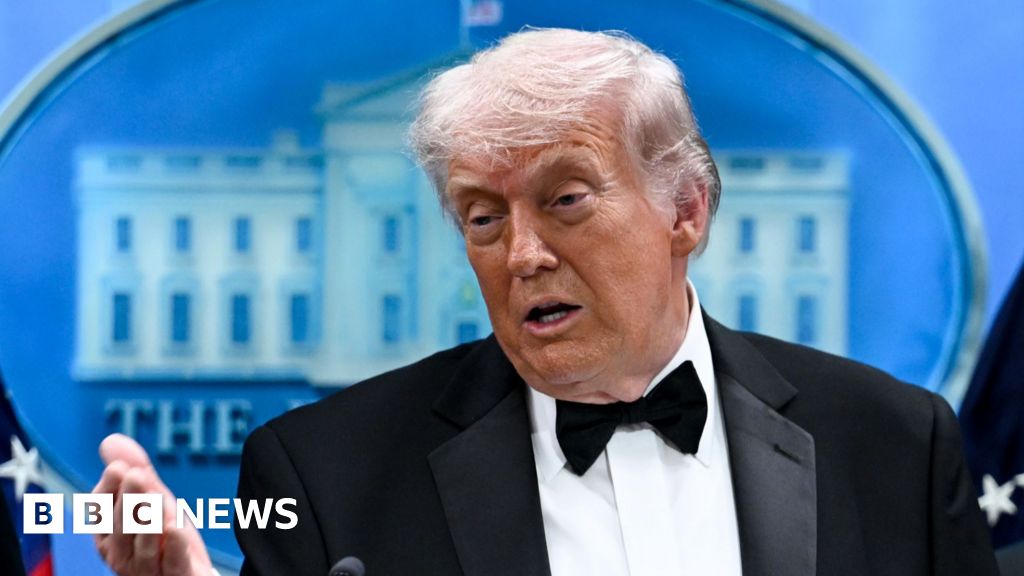
Amid mounting global tensions and soaring energy prices, U.S. President Donald Trump has signaled the possibility of resuming peace negotiations with Iran in an unexpected diplomatic development. Trump’s recent remarks, suggesting that talks could resume in Islamabad within the next couple of days, mark a notable shift in the ongoing confrontation over Iran’s nuclear ambitions and regional influence. The U.S. leadership, wary of the economic fallout from the Strait of Hormuz closure—an essential corridor through which roughly 20% of the world’s oil transits—appears to be recalibrating its approach to avoid further destabilization.

Strategic analysts highlight the significance of Islamabad’s role as a mediator in this fragile geopolitical chess game. Field Marshal Asim Munir, Pakistan’s formidable army chief, has been praised by Trump for his “great job” in facilitating dialogue, reflecting Islamabad’s emerging prominence as a regional diplomat. This diplomatic effort is happening amidst a backdrop of economic anxiety—oiled prices surged above $100 per barrel following Iran’s shutdown of the strait. Though crude prices briefly dipped to nearly $95 amidst reports of renewed negotiations, the global economy remains perched on a precipice, waiting to see whether diplomacy can disarm the mounting crisis.

Complicating this delicate process is the intra-regional conflict erupting along the Lebanese border. Israel and Lebanon have entered into unprecedented negotiations in Washington, designed to address the ongoing conflict—a consequence of recent U.S.-Israeli strikes on Iran. Hezbollah, Iran’s key regional proxy, has openly declared it will not adhere to any agreements brokered by Israeli or Lebanese representatives, forcing international observers and regional powers to consider the possibility of a broader escalation. The atmosphere of distrust and defiance underscores how fragile any potential peace is, with the region teetering on the edge of further turmoil.

Meanwhile, the diplomatic sidelines are fraught with accusations over the negotiations’ sticking points. Reports reveal that U.S. Vice President JD Vance expressed skepticism about Iran’s willingness to make significant concessions, emphasizing that Tehran has yet to demonstrate the flexibility needed for a sustainable deal. Iran, on its part, remains steadfast, insisting it will not surrender its uranium enrichment program and demanding a shorter moratorium—less than ten years—rather than the U.S. demand for a 20-year suspension. Such divergence reveals the deep mistrust between the parties and the hardened positions that threaten to plunge the region back into conflict, despite informal talks hinting at possible détente.

Key external powers are also stepping into the fray, with senior officials from Saudi Arabia, Egypt, and Turkey attending consultations in Islamabad, seeking to influence the diplomatic process. As Prime Minister Shehbaz Sharif prepares to visit regional allies in a bid to garner support for peace initiatives and propose measures to reopen the Strait of Hormuz, the current diplomatic flux indicates that the future remains unpredictable. History warns us that each diplomatic blunder, each missed opportunity, could ignite a domino effect of chaos that redraws the Middle East’s landscape for generations to come.

As these perilous negotiations unfold under the shadow of regional and global interests, the fate of the Middle East hangs in the balance. The decisions taken in the coming days will shape not only the geopolitical contours of the region but also the everyday lives of millions caught in the crossfire. Whether diplomacy prevails or a new inferno ignites, the weight of history remains, watching silently as the world teeters ever closer to a defining moment—an epoch where the hopes of peace confront the reality of enduring conflict.

Trump removes controversial AI Jesus image after uproar

In a dramatic display of the volatile intersection between U.S. domestic politics and international religious diplomacy, recent events have underscored the profound geopolitical impact of leadership decisions and rhetorical battles. Former President Donald Trump ignited a firestorm after a provocative social media post where he depicted himself as a Jesus-like figure, sparking outrage across faith communities and political spheres worldwide. While Trump quickly deleted the image, the damage was done — exposing discord within core conservative allies and prompting international condemnation. The incident exemplifies how personal acts by political figures can ripple outward, affecting not only national cohesion but also influencing global perceptions of America’s moral and political authority.

  • Trump’s post, which portrayed him as a healing, messianic figure, was defended by some as satire, but critics labeled it blasphemous and an affront to religious sensibilities.
  • Public figures from Fox News commentators to Italian politicians condemned the imagery, emphasizing the importance of respecting religious figures in a time of societal revival.
  • Simultaneously, Trump’s verbal attacks on Pope Leo XIV fueled a diplomatic rift, with the former president calling the Pope “weak on crime” and accusing him of pandering to “the radical left,” further complicating U.S.-Vatican relations.

This clash reflects a broader shift in global geopolitics where the juxtaposition of faith, nationalism, and sovereignty is more pronounced than ever. The Vatican, under Pope Leo XIV, has voiced concerns over America’s foreign policy, criticizing what it perceives as “delusions of omnipotence” driving U.S. actions—particularly regarding the ongoing tensions with Iran and the Middle East chaos. These comments, while not directly targeting Trump, have become a diplomatic backdrop to escalating tensions and ideological battles within the international community. Analysts warn that such open disagreements could weaken multi-lateral cooperation on global crises, undermining efforts to foster peace and stability in an increasingly unpredictable world.

Historian and geopolitical analysts emphasize that these incidents are not isolated, but part of a larger narrative where the moral authority of nation-states is being challenged by both political rhetoric and social media’s aggressive culture of controversy. With international organizations like the United Nations urging restraint and diplomacy, well-respected voices remind that leadership among nations must transcend petty disputes and focus on shared human values — or risk plunging the world further into chaos. If history teaches anything, it is that the unchecked expression of nationalistic fervor and religious provocation can be a spark for conflict, not resolution, transforming personal ego into the tinder for global instability.

Ultimately, these fresh fissures—born from political brinkmanship and provocative narratives—serve as a stark warning. As the world witnesses a historic moment where faith, power, and morality collide on the international stage, the future remains shrouded in uncertainty. The course of history, once like a steady river, now seems poised to surge in unpredictable directions, leaving the global community to grapple with the consequences of decisions that threaten peace and undermine the moral fabric of societies. The weight of this unfolding saga reminds us that, in a world on the brink, the line between foresight and folly is razor-thin, and history’s verdict is yet to be written.

Italian PM slams Trump for ‘unacceptable’ Pope criticism—young voters watch closely

The intricate web of international relations remains under intense scrutiny as recent developments highlight the ongoing rift between key global powers and longstanding alliances. Italy’s Prime Minister and the United States President continue to maintain a strategic partnership rooted in shared geopolitical interests, yet recent diplomatic tensions threaten to reshape the delicate balance of influence in Europe and beyond. Central to this emerging conflict is the unresolved dispute with Pope Leo XIV, whose authority and moral standing are now being challenged by the US leadership’s refusal to issue an apology.

The controversy centers around an episode in which President Trump, representing the United States, declined to issue an apology to the pope, whom he described in unflattering terms as “very weak.” This defiance has enraged elements within the Vatican, and analysts warn that such a stance risks inflaming longstanding tensions between secular state interests and the religious authority of the Holy See. Historically, the Vatican’s diplomatic influence has transcended formal politics, shaping moral and ethical debates within international forums. Trump’s refusal signals a broader shift toward unapologetic nationalism and a reluctance to defer to institutional moral authority on global stages, a move that some observers warn could undermine diplomatic norms established in the post-World War II era.

Meanwhile, Italy’s Prime Minister has found himself caught in the crossfire, bridging the interests of a committed Western alliance and the political realities of maintaining good diplomatic ties with the Vatican. Italian officials, known for their historically close ties to Catholic institutions, have expressed disappointment over Trump’s attitude, emphasizing the importance of maintaining respect for religious sovereignty. Political analysts suggest that this episode underscores the shifting landscape of international diplomacy, where alliances are tested by cultural and moral clashes as much as by strategic interests. The European Union and **NATO** members watch anxiously as the US’s stance toward religious institutions and diplomatic protocol begins to reshape alliance dynamics.

The global geopolitical impact of this controversy extends beyond just Italy and the Vatican. The refusal to apologize signals a potential realignment in diplomatic posture—marked by a willingness among Western powers to prioritize national interests over longstanding diplomatic courtesies. This shift could embolden other nations to challenge traditional norms, risking greater instability in international relations. Historians caution that this episode may be remembered as a turning point—an era where the foundations of diplomatic diplomacy, based on mutual respect and tradition, are fundamentally challenged. It poses serious questions about how global institutions such as the UN or the World Court will respond to the erosion of diplomatic decorum that has historically served as the bedrock of international peace and cooperation.

As history continues to unfold, a stark reality remains—the decisions made in these tense moments will resonate for generations. The weight of that history is not merely measured in diplomatic cables or official statements but in the lives of ordinary citizens whose futures hang in the balance of shifting alliances and unyielding national pride. The world watches with bated breath as the pages of a new chapter are written, where old alliances are tested, and new divides are etched into the geopolitical landscape. Whether history will see these events as a catalyst for inevitable fragmentation or a prompt for renewed dialogue remains uncertain—but one thing is clear: in the great narrative of global power, this is a crucial turning point.”

Why a Young Trump Supporter Keeps Digging into Epstein Files

In a striking development that could have profound geopolitical repercussions, ongoing scrutiny of the Jeffrey Epstein case continues to ripple across international relations and societal narratives. The recent focus on previously sealed files, accessible now on the U.S. Department of Justice website, signifies a pivotal moment in the unfolding quest for transparency and justice. This renewed investigation takes place amidst a backdrop of persistent allegations involving influential figures across various nations, raising questions about hidden alliances, covert networks, and the integrity of the global elite.

Among those driven by a thirst for truth is Cayden McBride, a 19-year-old student from Rome, Georgia, who has dedicated countless hours poring over these documents. Such individual acts of inquiry symbolize a broader youth movement demanding greater accountability from powerful institutions. International analysts warn that revealing details from the Epstein files could unsettle delicate diplomatic balances, especially if any foreign nationals or political entities are implicated. For decades, such clandestine activities have fueled speculation about collusion between state actors and shadowy private networks. Now, with these files gaining public access, society stands at a crucial crossroads where transparency might challenge entrenched power structures.

The global community watches with heightened concern as revelations continue to emerge. Key international institutions such as the United Nations and Interpol have issued cautious statements, emphasizing the importance of upholding justice and preventing the manipulation of sensitive information. Yet, critics argue that government efforts to control narratives threaten to stifle the flow of truth, fostering distrust and unrest. Meanwhile, historians like Dr. Laura Bennett warn that such cases serve as turning points, exposing systemic flaws that have persisted through eras of political upheaval. The potential ramifications extend far beyond individual accusations — they could redefine international trust in the rule of law.

As these intricate threads intertwine, the geopolitical impact becomes undeniable. Nations may find themselves compelled to revisit agreements, reassess alliances, and confront uncomfortable truths about their histories and networks. The revelation process underscores a vital question: how do societies reconcile the pursuit of transparency with the realities of global power dynamics? The ongoing saga of the Epstein files has not yet reached its conclusion. Instead, it has become a potent symbol of the ongoing struggle between secrecy and exposure, between entrenched power and public awakening. The pages of history continue to turn, leaving the world to ponder whether this is merely a prelude to profound reform or an escalation in an ongoing battle that threatens to reshape the very foundations of international order.

Survivors blast Melania Trump for “shifting blame” in Epstein abuse case

In the realm of international geopolitics, few scandals have cast as long a shadow as the Jeffrey Epstein case, revealing deep fissures within United States political and social institutions. Recent events underscore the delicate balance between national sovereignty, justice, and the influence of powerful elites. As survivors of Epstein’s heinous crimes continue to demand accountability, their stories threaten to unravel the carefully curated narratives maintained by factions within the US government. The controversy surrounding how the Biden administration handles these revelations is seen as a critical test of its commitment to justice and transparency, with potential ripple effects on US diplomatic relations and global perceptions of American governance.

Amidst this turmoil, the White House has faced mounting pressure to release the remaining Epstein Files—a move that many analysts, including leading international watchdogs and legal experts, argue is vital for restoring trust in American institutions. However, key figures like Pam Bondi, who has refused to comply with congressional subpoenas, exemplify a broader pattern of protectionism for the powerful, which critics say undermines the very foundations of rule of law. These actions do not merely impact domestic politics; they send disturbing signals to allies and adversaries alike that the US may be retreating from its moral obligations in the face of elite corruption. Historically, such internal conflicts have exposed vulnerabilities that external actors—China, Russia, and Iran—are quick to exploit, viewing these scandals as signs of American decadence and decay.

Meanwhile, international pressure intensifies as survivors, human rights advocates, and foreign policymakers urge the US to prioritize accountability and justice. The International Criminal Court and United Nations have weighed in, emphasizing the importance of safeguarding victims and ensuring transparency in the investigation process. Yet, there remains a palpable disconnect between official US actions and the expectations of an increasingly globalized world that demands honesty and reform. Historians warn that, much like previous internal crises—such as Watergate or the Iran-Contra scandal—these revelations could mark a pivotal point in America’s moral trajectory. If the US fails to address these internal malpractices decisively and transparently, it risks further erosion of its credibility abroad, empowering rivals to challenge its global leadership.

As the story continues to unfold, the echoes of this scandal threaten to redefine the geopolitical landscape. The public’s focus on elite impunity and the US government’s response will shape perceptions of strength or weakness in a world where nations now vie for influence through a complex web of alliances, conflicts, and economic rivalries. The survivors’ voices serve as a sobering reminder of how internal crises can act as catalysts for global recalibration: powerful states watching with keen interest because, in truth, the underlying fractures within America’s moral fabric represent more than domestic turmoil—they are, whether recognized or not, a challenge to the order of the international system. As history waits in the wings, ready to record the decisions of today, the question remains: will the US confront its crises with conviction, or will it allow the shadows of the past to consume its future? All eyes are now on a nation whose choices in these defining moments will resonate through generations and across continents, leaving a legacy whose true measure is yet to be written.

Melania Trump Denies Epstein Links, Calls for Survivor Hearings

In an era where international stability hinges on the transparency and integrity of influential individuals, recent statements have reignited concerns over the web of political and social ramifications stemming from allegations and associations involving prominent figures. U.S. President Donald Trump has once again found himself at the center of controversy, as reports surface regarding claims made by a key figure denying allegations of malicious intent and attempting to clear her reputation. The individual in question dismissed rumors suggesting her association with Jeffrey Epstein, a convicted sex offender linked to numerous high-profile personalities, as mean-spirited attempts to defame my reputation. Such assertions highlight the persistent difficulty of disentangling personal misconduct allegations from broader geopolitical narratives.

Analysts emphasize that these developments underscore the fragile interplay between domestic politics, global perceptions of justice, and the influence of social media on shaping public opinion. The statement, which seeks to dismiss rumors about an alleged connection to Epstein and Trump, reflects the contentious atmosphere surrounding issues of accountability and reputation, especially when high-stakes international relations are intertwined with personal histories. Historians note that the 21st century has seen a sharp rise in the use of accusations—whether substantiated or not—as tools to undermine political adversaries or sway public sentiment. International organizations have warned that the ongoing revelations risk emboldening factions eager to destabilize political discourse, further complicating diplomatic efforts amid ongoing global crises.

From a geopolitical impact perspective, such revelations serve as a reminder of how personal associations of powerful figures can have ripple effects far beyond national borders. The decision of individuals to go public with accusations or denials influences the internal stability of their nations and impacts diplomatic relationships. Governments and intelligence agencies worldwide are closely monitoring these narratives, understanding that the slightest misstep or misinterpretation could escalate into wider conflicts. As international actors grapple with the fallout, how nations respond to allegations involving their leaders or citizens often mirrors their broader approach to transparency and rule of law. The delicate dance of diplomacy, especially amidst accusations of misconduct at the highest levels, illustrates the persistent vulnerability of global stability to domestic controversies.

As the story continues to unfold, it leaves a haunting reminder that history is ever in the making, waiting to record the next chapter of truth and deception, justice and scandal. The weight of untold stories, hidden agendas, and unspoken truths hangs over this unfolding drama, urging the international community to remain vigilant. In an interconnected world where the actions of a few ripple across continents, the choices made today will undoubtedly shape the geopolitical landscape for generations to come, forever etched into the chronicles of history, where truth is often the first casualty in the battle for power.

Melania Speaks Out on Epstein: Just a Little Too Defensive? | Melania Trump

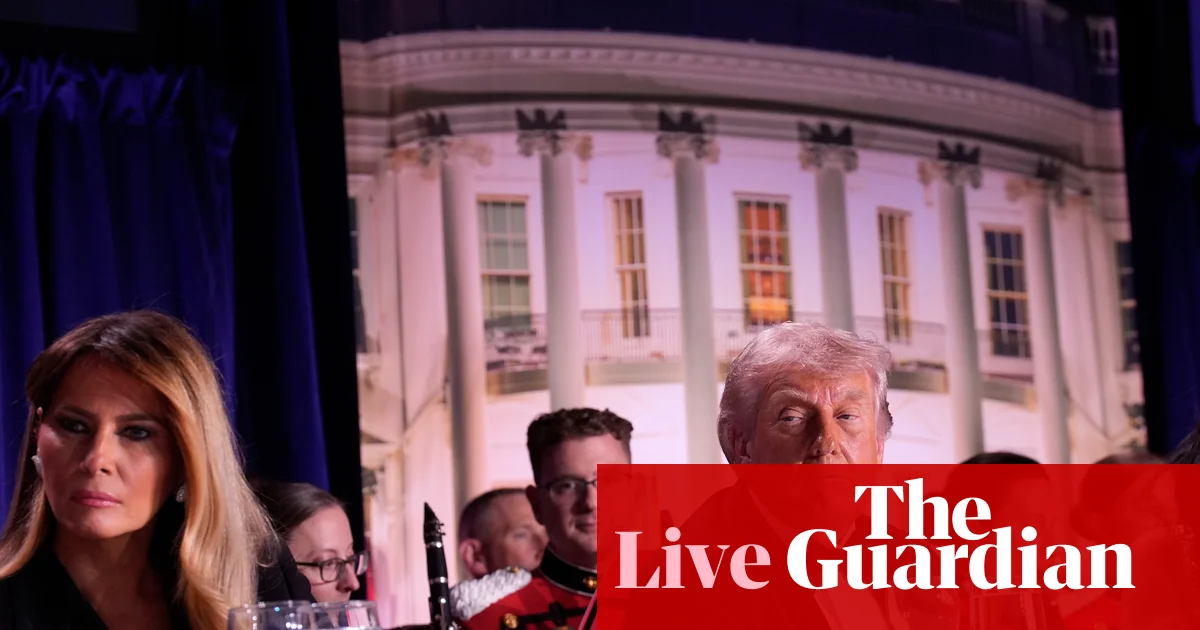
International observers are watching with keen interest as the United States navigates a complex tableau of internal political fallout scattered across multiple crises. Central to this turbulence are recent events surrounding the Jeffrey Epstein scandal, which reignited last week with a startling public stance from Melania Trump. Her impassioned denial of any relationship with Epstein, coupled with calls for congressional hearings into survivor testimonies, signals a strategic move that could ripple well beyond American borders. As domestic political infighting intensifies, the broader geopolitical impact becomes increasingly palpable, affecting allied nations and global institutions concerned with stability and the rule of law.

Commentators and international watchdogs speculate that the Epstein revelations hold the potential to undermine the current administration’s credibility, especially as questions swirl around Donald Trump’s own associations and decisions.

  • The timing of Melania’s public stance, ahead of looming congressional hearings, raises questions about internal dissent within the administration and possible shifts in its political trajectory.
  • History suggests that scandals involving influential elites—particularly linked to elite circles and political power—can have far-reaching consequences for national security and diplomatic relations.
  • Some analysts argue this could open a window for opponents or foreign actors seeking to destabilize pre-existing U.S. alliances by exploiting internal division.

Prominent voices from academia and international organizations warn that these developments could reconfigure the landscape of international diplomacy. Experts like Dr. Helen R. Thomas, a geopolitical analyst, see the ongoing controversy as an example of how internal scandals may weaken America’s influence amid global competition. Meanwhile, the WHO and other multinational agencies remain watchful, noting that internal destabilization often emboldens autocrats and geopolitical adversaries, potentially derailing coordinated efforts on pressing international issues. The actions of U.S. lawmakers and the media will significantly influence how the world views American stability and reliability in the years to come.

As history continues to unfold with each disclosure, the weight of the moment remains heavy. The narrative that emerges in the coming weeks could either solidify a path toward accountability or accelerate a descent into chaos that rivals past geopolitical upheavals. What lies beneath these revelations may ultimately determine whether the United States can repair its fractured polity or fall victim to internal strife that spills over, shaking the foundations of the global order. The world watches, waiting for a pivotal turning point—a moment where history’s pen might finally be poised to rewrite the future, or perhaps, confirm its tragic fall into an epoch of turmoil and uncertainty.

Trump criticizes NATO's Iran response after tense EU meeting
Trump criticizes NATO’s Iran response after tense EU meeting

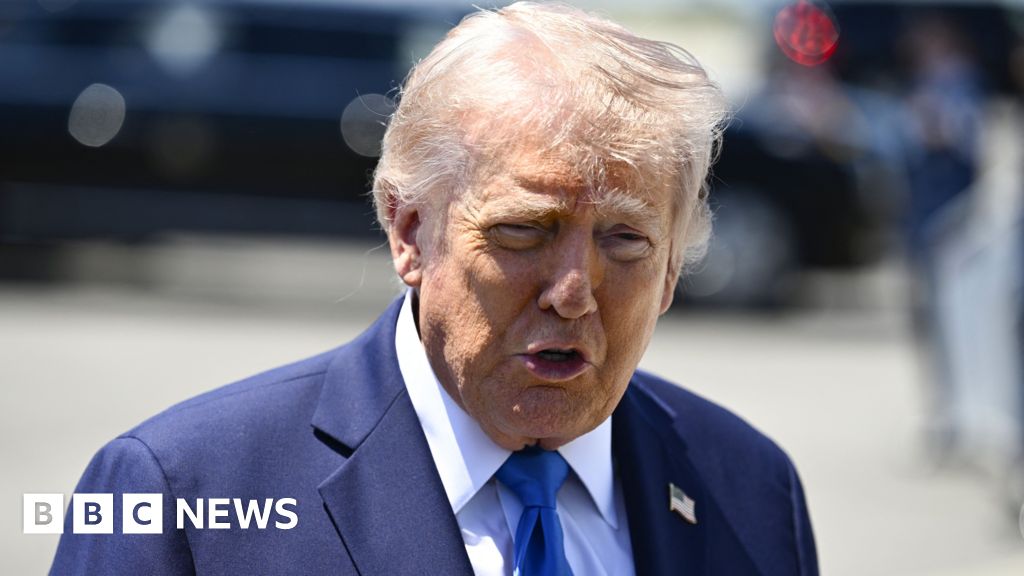
In a stark display of geopolitical tensions, the United States under President Donald Trump has reignited controversy surrounding the alliance of NATO. Recent reports highlight a sharp departure from diplomatic decorum, with the US leader publicly lambasting the organization, claiming, “NATO wasn’t there when we needed them, and they won’t be there if we need them again.” Such rhetoric points toward a deepening rift within Western alliances, as Trump’s bluster underscores a deliberate shift away from traditional multilateral commitments towards unilateral assertions of American dominance.

Historically, NATO’s principle of collective defense, enshrined in Article 5, has been a cornerstone of transatlantic security. Yet, as analyses from international scholars and institutions like the Council on Foreign Relations reveal, this article has been invoked only once—post-9/11—to justify collective action. Critics argue that Trump’s claims of abandonment are *factually inaccurate*, emphasizing that NATO allies were crucial in support of US-led operations during the Iran conflict and other crises, despite his assertions. The recent meeting between Mark Rutte, NATO’s Secretary General, and President Trump, was reportedly marked by palpable tension; Rutte described the situation as “very frank” and “very open,” with hints that Trump threatened to withdraw the US from NATO—an act that would have profound geopolitical consequences.

Indeed, the geopolitical impact of such internal discord in the alliance extends beyond Europe and North America. Nations like Viktor Orbán’s Hungary have become focal points amid this turbulence, with US Vice-President JD Vance recently endorsing Orbán’s government—an endorsement viewed by many analysts as a subtle form of influence designed to sway Hungarian politics. As Hungary approaches a pivotal parliamentary vote, the very legitimacy of Western influence in Central Europe hangs in the balance, with concerns mounting over what this signals about the future of sovereignty and national independence within the broader European project.

Meanwhile, the debate over security commitments and NATO’s role in global conflicts grows fiercer. Reports from the Wall Street Journal suggest the White House is considering punishing members of NATO for perceived insufficient support during Iran-related tensions, further exposing cracks in the alliance’s cohesion. Such moves threaten to embolden sovereignty-asserting governments and diminish America’s influence, risking a new era of international fragmentation. As historians and strategic analysts warn, these internal disputes threaten a turning point—the potential unraveling of a once-unified Western security framework, which could leave societies vulnerable in an increasingly hostile world.

As the dust settles, the narrative remains uncertain. Will Europe’s leadership find common ground to preserve the alliance or will internal divisions accelerate a geopolitical realignment with profound and unpredictable ramifications? The decisions made in the coming weeks may well alter the course of history—an unfolding drama where unity faces its greatest test, and the world watches with bated breath, for in the crucible of this moment, the age of American-led dominance is either reinforced or irrevocably shattered.

Trump slams NATO as alliance chief calls meeting 'very frank'
Trump slams NATO as alliance chief calls meeting ‘very frank’

In a striking statement that has sent shockwaves through the international community, US President recently accused NATO of failing to provide adequate support during the recent Iran conflict. Drawing attention to what he described as a critical lapse, the President asserted that “NATO wasn’t there when we needed them.” This declaration signals not only a potential fracture within the transatlantic alliance but also raises serious questions about the future efficacy and unity of the military bloc amidst rising global tensions.

The remark occurs against a backdrop of increasing instability in the Middle East, where Iran’s regional influence and nuclear ambitions continue to threaten the balance of power. Historically, NATO has positioned itself as a collective defense organization primarily focused on the Euro-Atlantic region. However, the recent criticism indicates growing frustrations from the United States—a founding member—with what is perceived as insufficient European engagement in regional security issues. Analysts from think tanks such as the Council on Foreign Relations warn that this fissure could weaken NATO’s credibility at a time when Russia continues its aggressive pursuits in Eastern Europe, and China expands its strategic influence worldwide.

  • The President’s statement echoes a broader concern about the geopolitical shifting sands and questions whether NATO, as historically constituted, can function effectively in a multi-polar world
  • The incident marks a *potential turning point* in transatlantic relations, with diplomats and military leaders pondering the durability of their alliance
  • European leaders, meanwhile, face increased pressure to clarify their commitments and demonstrate their capacity to act independently or in unison with their American allies

International organizations such as the United Nations have long struggled to coordinate coherent responses to conflicts that threaten global stability. Now, with the discontent within NATO surfacing openly, the structural impacts could lead to a realignment of alliances and power centers. Historians warn that such divisions have historically preceded larger conflicts, and some suggest this moment resembles pre-World War tensions, where regional disputes escalated into global crises. As American authorities critique European foreign policy and defense readiness, the global stage is poised on the brink of a new era—one marked by uncertainty, shifting loyalties, and a reevaluation of what collective security truly entails.

As the weight of history presses down on these fragile alliances, nations and societies now face a defining question: will they unite in the face of rising threats, or will internal fractures deepen, leading to a more fractured, unpredictable world? The choices made in the coming months will undoubtedly shape the tapestry of international relations for generations to come. In this tense landscape where power aligns and realigns, the echoes of past conflicts resonate ominously, reminding all that history is constantly in the making—its next chapter yet to be written, with each decision potentially altering the course of global destiny.

Iran ceasefire deal: Partial victory for Trump, but with heavy costs

In a development that could redefine regional dynamics and reshape international perceptions, the recent two-week ceasefire between the United States and Iran signals a significant departure from decades of adversarial posturing. This unprecedented diplomatic move, though temporary, reflects shifts in geopolitical calculations driven by both strategic necessity and growing international pressure. As analysts revisit the histories of regional conflicts and the long-standing tensions surrounding Iran’s nuclear ambitions, the potential for a new chapter in Middle Eastern diplomacy emerges, with implications extending well beyond the Persian Gulf.

Many experts argue that the US’s willingness to engage in dialogue — even if just for a brief period — highlights a recognition that traditional military dominance alone cannot resolve complex geopolitical issues. According to seasoned international relations scholars, this pause could serve as a critical stepping stone toward more comprehensive dialogue. The United Nations and regional powers have long called for diplomatic solutions, but the recent move by Washington indicates a possible shift in tone and strategy. By engaging directly with Iran, the US risks altering longstanding alliances, and potentially undermining broader efforts to contain Tehran’s regional influence, but it also opens avenues that could lead to a more balanced order in the Middle East.

Historically, U.S.-Iran relations have been marked by decades of suspicion, sanctions, and intermittent confrontations—each conflict deeply intertwined with the broader strategic contest between the Western bloc and Iran’s desire for regional influence. The breakthrough in initiating a ceasefire could potentially recalibrate reputations and alliances. International analysts, such as those at the International Crisis Group, warn, however, that this is no guarantee of peace; yet, the move emphasizes the importance of diplomacy and negotiation amid persistent fears of escalation. The impact on regional actors—such as Saudi Arabia and Israel—remains uncertain, as they navigate their own fears of being marginalized or caught in the ripples of a shifting strategic landscape.

The geopolitical impact of this unprecedented diplomatic engagement extends far beyond the Middle East. It demonstrates a signal to global powers that traditional military dominance is no longer the sole means to influence outcomes. As such, allies and adversaries alike are compelled to reconsider their own strategies and policy frameworks. Russia and China observe keenly, recognizing that shifts in U.S. tactics could ripple into broader alliances and partnerships, affecting global stability. The World Trade Organization and other multilateral institutions are also likely to watch whether this temporary peace holds—and whether it inspires a more comprehensive approach to international conflict resolution.

In the final analysis, the recent move toward a ceasefire with Iran marks a turning point in history—an event fraught with uncertainty yet brimming with possibility. As diplomatic corridors open and new dialogues commence, the world is left to wonder: is this the dawn of a genuine shift toward peace, or merely a fleeting pause before the next storm? The shadows of history loom large, reminding us that the decisions made today will echo through generations. The unfolding story of this diplomatic gambit has yet to be written, but its pages are already heavy with the weight of countless hopes, fears, and ambitions that could ultimately define the course of global history.

Social Media Auto Publish Powered By : XYZScripts.com