Matox News

Truth Over Trends, always!

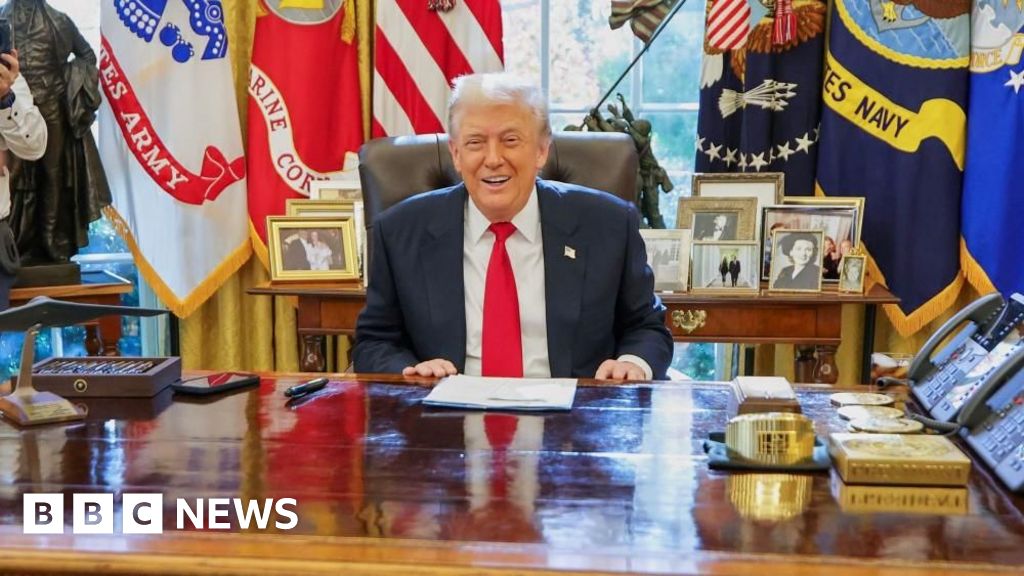
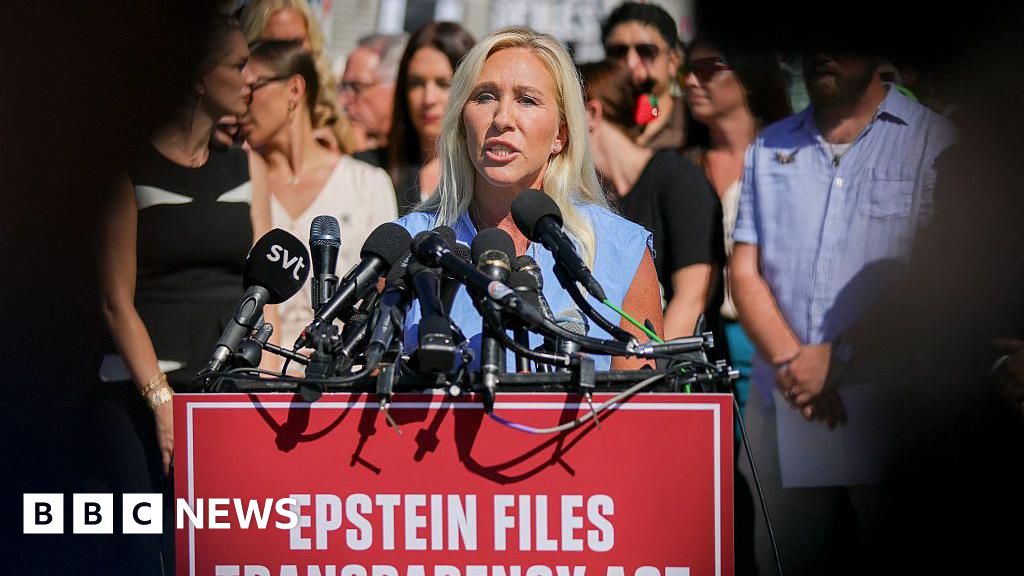
Trump Sets Sights on Key MAGA Ally Marjorie Taylor Greene

The recent rift within the Republican Party in the United States signals a rising tide of internal conflict that could have profound geopolitical implications. At the heart of this political earthquake lies President Donald Trump’s sharp withdrawal of support for Congresswoman Marjorie Taylor Greene, a vocal conservative now accused of drifting towards the “far left”—a term rare for figures within the traditional GOP. This spat exposes the growing fissures among conservative factions who once aligned under the Trump banner but are now diverging over key issues like foreign policy, the handling of sensitive documents, and the direction of the broader American nationalist movement.

Historian analyses and strategic think tanks highlight how the decision by Trump to openly criticize Greene and endorse a primary challenger could ripple beyond domestic politics, impacting America’s diplomatic stance. The tensions are centered around the ongoing battle over the Epstein files, with Greene and a handful of GOP allies calling for transparency, contrasting sharply with Trump’s fierce opposition framed as an effort to suppress potentially damaging information. Such internal discord signals a weakening of traditional party cohesion at a critical juncture as the US faces escalating foreign conflicts and economic challenges. The international community watches intently, aware that internal US divisions can weaken the global position of a nation that has long styled itself as the leader of the West.

Amidst this turmoil, Trump’s rhetoric has become increasingly combative, claiming Greene’s criticism stems from personal grudges and alleging that her dissatisfaction stems from his refusal to efficiently communicate. His accusations—particularly that she is “complaining” and turning on him due to political ambitions—are viewed as part of a broader strategy to consolidate loyalty within the party by framing dissenters as disloyal or misguided. Meanwhile, Greene has responded by accusing Trump of trying to suppress the Epstein files, asserting that his actions are motivated by political self-interest aimed at protecting high-profile figures and thus complicating America’s efforts to confront its past and uphold justice. Her staunch stance has gained traction among younger voters who demand accountability and transparency, critical elements for future political reform. This intra-party battle underscores the enduring tension between populist nationalism and traditional conservatism—a struggle that could shape American policy both at home and abroad.

International organizations and analysts warn that this internal strife, if left unresolved, could diminish the United States’ ability to project strength and coherence on the global stage. With Europe, Russia, and China recalibrating their strategies amidst the chaos, a fractured America risks ceding strategic advantage. The unfolding drama surrounding the Epstein files exemplifies how domestic narratives intersect with broader geopolitical currents—each revelation or suppression affecting American credibility, especially among allies and adversaries alike. As the midterm elections approach, the internal party conflicts threaten to further polarize an already divided nation, raising questions about the future direction of American foreign policy in an era marked by historic volatility.

In the long shadow of history, this feud reflects more than just personalities—it embodies the fundamental struggle over who defines the American identity and how the values of transparency, loyalty, and national sovereignty are prioritized. As observers and historians track this clash, they warn that American internal cohesion remains fragile. The stakes extend beyond mere politics, touching on issues of justice, accountability, and the very soul of a nation that has historically wielded enormous influence in shaping world affairs. The unfolding story of Trump, Greene, and the Epstein files is still being written, but its echoes are already reverberating across the globe—reminding all that in history’s grand chessboard, internal conflict often precedes transformation, and the winds of change are blowing fiercely across the landscape of modern geopolitics.
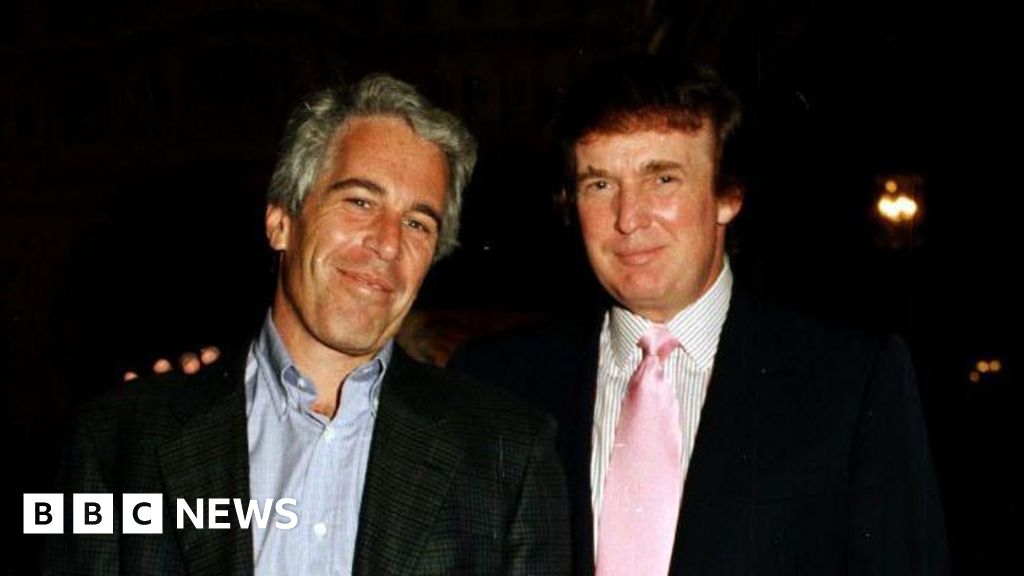
Latest Epstein Emails Mentioning Trump: What You Need to Know

Global Implications of Epstein Files: A Web of Power, Corruption, and Cover-Ups

In a move that underscores the persistent shadows cast by elite influence and international power networks, the recent disclosure of over 20,000 pages from the estate of the late Jeffrey Epstein has ignited a geopolitical firestorm. These documents, publicly released by US lawmakers, include private communications between Epstein, high-profile figures, and prominent political actors, revealing a tangled web of accusations, clandestine relationships, and allegations of misconduct that span multiple nations and societies.

Among the revelations is a series of emails that directly implicate President Donald Trump, although the White House quickly dismissed the documents as a “manufactured hoax.” Nevertheless, the contents illuminate a broader pattern of how powerful figures discreetly interacted with Epstein’s circle—a network that included royalty, politicians, and influential businessmen. For instance, a 2011 email from Epstein to his confidante Ghislaine Maxwell mentions Trump in a cryptic tone: “That dog that hasn’t barked is Trump,” referencing a victim who reportedly spent hours at Epstein’s residence with the president. The White House vehemently denies any involvement or wrongdoing, emphasizing Trump’s past actions of expelling Epstein from his club years earlier. Yet, the issue persists: how much did known elites know, and what consequences did their associations entail?

The Depths of Power and International Ties

Beyond the American scandals, the documents reveal troubling links to international figures, notably Lord Peter Mandelson, a key British political figure previously associated with the UK’s Labour Party. An email from Epstein in 2016 highlights ongoing contact, with Epstein commenting on Mandelson’s birthday and referencing the forthcoming US presidential election. These exchanges point to a disturbing reality: epitome of elite complicity stretches across borders, shaping policies and attitudes that influence millions. Moreover, the inclusion of Prince Andrew and the mention of allegations involving minors and massaging scandals exposes a pattern of powerful individuals attempting to shield their reputations amid mounting evidence.

Historic analysts warn that such exposure challenges the veneer of civility projected by global elites, hinting at a larger narrative: the entrenchment of social hierarchies that perpetuate misconduct and undermine transparency. International organizations and human rights advocates have long called for full accountability and the dismantling of covert influence networks. As the documents continue to surface, the international community faces a pivotal choice: either continue to turn a blind eye or confront a deeper truth about power’s corrupting influence on society’s foundations.

Voices of Survivors and the Weight of History

Victims and advocates have responded passionately, demanding complete transparency. A prominent survivor emphasized that the emerging revelations raise more questions than answers, asserting that the survivors deserve justice and full disclosure. The public now watches as the narrative shifts from whispered rumors to documented proof, challenging the very fabric of political and social foundations worldwide. These revelations are more than scandal—they are a mirror reflecting the urgent need for systemic reforms.

As history’s pen continues to write, the once-hidden depths of Epstein’s network have begun to expose a global system where influence, greed, and depravity intersect with devastating consequences. The documents serve as a stark reminder: history’s most pivotal moments are often born in darkness, waiting for the light of truth to break through. The question remains—how will the weight of this emerging chapter reshape society’s understanding of justice, power, and accountability?
For now, the story unfolds—an unending saga of shadows lurking behind the corridors of power, waiting to be illuminated.

Trump to launch investigation into Epstein’s links with Clinton and financial institutions

As U.S. politics continues to grapple with unresolved questions surrounding Jeffrey Epstein and his network, President Donald Trump has directed the Department of Justice (DoJ) and FBI to investigate alleged links between Epstein, major financial institutions, and prominent Democrats, including former President Bill Clinton. This move coincides with the recent release of over 20,000 pages of documents from Epstein’s estate, revealing connections that threaten to ignite a new wave of political turmoil. Critics and analysts warn that this investigation could significantly alter the geopolitical landscape, exposing the deep-rooted corruption embedded within America’s elite institutions.

The renewed scrutiny comes at a pivotal moment when the House of Representatives is poised to vote on whether to declassify and release official files related to Epstein’s death in prison in 2019. This decision, driven by Democrat Adelita Grijalva and a coalition of bipartisan support, threatens to unearth scandalous disclosures involving high-profile figures and financial giants like JPMorgan Chase and Reid Hoffman, a prominent Democratic donor and tech mogul. These revelations suggest a web of clandestine ties that, if confirmed, could redefine public trust and the perception of moral decay at the heart of global power structures.

Historically, the geopolitics of corruption has shaped international alliances and destabilized governments. Experts warn that America’s internal crisis echoes through the fabric of the global order, especially as international organizations like the United Nations and EU scrutinize Washington’s integrity. Political analysts cite the emails and correspondence from Epstein’s associates—such as former Harvard president Larry Summers—to demonstrate how elite networks operate behind closed doors, manipulating both policy and society. The revelation of Epstein’s associations with powerful voices raises alarms about the potential influence exerted over international finance and diplomatic negotiations.

Beyond the immediate political fallout, the attempts by House Republicans and conservative voices to push forward the release of Epstein-related files mark a significant shift in the ongoing struggle for transparency and accountability. Figures like Marjorie Taylor Greene emphasize the importance of pursuing justice for Epstein’s victims, framing this issue as a moral imperative to expose the hidden structures of power. As history watches with cautious optimism, the unfolding narrative underscores that the fight against corruption is not solely national but a pivotal chapter that will influence the global order for generations to come. The fate of these documents—whether they remain sealed or become a catalyst for revolutionary change—will be a defining moment etched into the chronicles of modern history, reminding us that the weight of scandal and redemption continues to shape the course of nations.

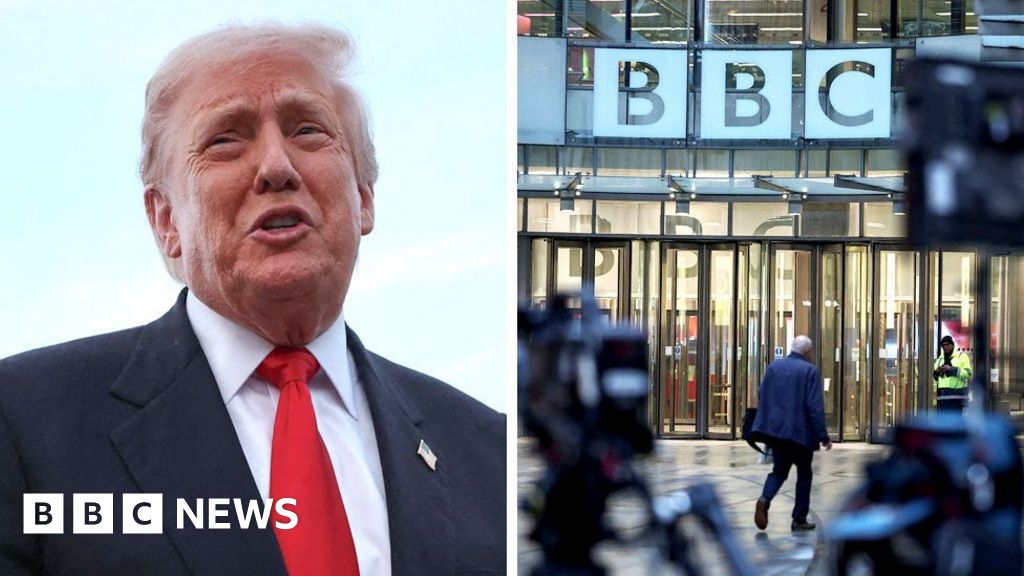
Why’s Trump warning the BBC with a legal fight? The shocking details behind the showdown

In today’s rapidly shifting cultural landscape, even the most venerable institutions like the BBC are not immune to upheaval. Recently, the corporation has found itself embroiled in a controversy that extends beyond journalism and into the realm of public trust and personal impact. The fallout from the controversial documentary about Donald Trump, titled Trump: A Second Chance?, exemplifies how media narrative editing and perceived bias can cause ripple effects at the highest levels. The resignations of the BBC’s director general, Tim Davie, and the head of news, Deborah Turness, underscore a broader realignment—one where accountability and safeguarding journalistic integrity stand at the crossroads with political and cultural pressures.

This turmoil also highlights the power of lifestyle shifts—not just for individuals, but for organizations navigating the turbulent waters of free speech, trust, and public influence. The leaked internal memo suggested that the documentary had been edited to seemingly distort Trump’s speech, creating a narrative that some critics argue skewed public perception. The backlash, intensified by aggressive legal threats from Trump himself, presses us to consider how the personal impacts of media—shaped by agendas, biases, and artistic choices—can influence mental well-being, governance, and cultural discourse. For young audiences committed to defending the values of truth and integrity, this situation provides a stark reminder that lifestyle extends far beyond health and leisure—it also encompasses the choices we make about where we consume information and whom we trust.

Amidst this crisis, it’s vital to recognize the importance of cultivating a well-rounded, critically aware mindset. Influential wellness experts like Dr. Jordan Peterson advocate for embracing personal responsibility in shaping how we interpret media stories. Developments at the BBC serve as a call to action: actively engaging with diverse narratives and cultivating resilience against manipulative narratives is a key component of lifestyle transformation that empowers young people today. Furthermore, the repercussions extend to how institutions address public accountability; the resignation of top executives signals a recognition that maintaining trust demands renewed dedication to transparency, accuracy, and ethical standards—principles that resonate deeply with those seeking purpose through informed choices.

  • Engage with reputable news outlets to develop a nuanced understanding of the world.
  • Prioritize media literacy—question, analyze, and verify before accepting narratives as truth.
  • Foster resilience against sensationalism—champion honesty over sensationalism in your personal and community circles.
  • Support organizations committed to journalistic integrity and societal well-being.

As the story unfolds at the heart of British media, it prompts us to reflect on our own journey. Our lives are a continual process of choosing what to believe, how to respond, and which values to uphold. The turbulence faced by the BBC is a microcosm of a broader challenge: embracing a lifestyle characterized by discernment, moral clarity, and resilience. Like navigating a complex landscape, our journey begins with the conscious decision to seek truth, foster well-being, and inspire the next generation of thinkers—those who will stand resilient in the face of misinformation and upheaval. In this way, the true power lies not just in institutions, but in the collective pursuit of a life dedicated to integrity and purpose—an ongoing voyage that defines who we are and shapes the world we wish to see.

BBC Apologizes to Trump Over Panorama Edit, Won't Pay Compensation
BBC Apologizes to Trump Over Panorama Edit, Won’t Pay Compensation

International Political Landscape Shaken by BBC-Donald Trump Dispute

The escalating controversy surrounding the BBC‘s handling of a documentary featuring former US President Donald Trump exemplifies how media missteps can have profound geopolitical repercussions. The British broadcaster’s recent apology for a manipulated portrayal of Trump’s 6 January 2021 speech—which was edited to give a misleading impression of inciting violence—has ignited a legal and diplomatic firestorm. Lawyers representing Trump have demanded a $1 billion damages settlement, asserting that the BBC’s actions have tarnished his reputation and potentially influenced US-UK relations.

Analysts warn that this spat is not just about media ethics but a reflection of mounting global tensions. The BBC, a bastion of Western liberal values, is now embroiled in a crisis that questions the independence of mainstream media in the face of political interference. Historians and political commentators suggest this incident marks a turning point in how nations perceive media bias and propaganda in the era of information warfare. The incident also comes amidst wider concerns over UK’s sovereignty and editorial independence, as the government announces plans to review the BBC’s charter—an effort to ensure tighter oversight amid claims of bias and politicization, especially in politically sensitive content.

Global Institutions and the Future of Free Speech

  • International organizations, including the Organization for Security and Co-operation in Europe (OSCE), have emphasized the importance of safeguarding freedom of expression while maintaining journalistic standards.
  • The rising tensions have prompted calls from conservative voices in the US and the UK to reinforce national sovereignty over what they perceive as international media overreach.
  • Experts warn that if the BBC’s actions are deemed a precursor, other governments will scrutinize Western media more tightly, potentially leading to new forms of media regulation and censorship—an unsettling prospect for advocates of free press.

Meanwhile, political leaders across the Atlantic are divided. British Culture Secretary Lisa Nandy has pledged that the corporation will uphold the highest standards but also acknowledged gaps in editorial safeguards—a recognition that could reshape the BBC’s governance. Conversely, critics allege that internal political influence, exemplified by appointments like Sir Robbie Gibb, has compromised the broadcaster’s impartiality, fueling suspicion and eroding public trust.

This crisis underscores a broader global struggle: how to balance freedom of speech with responsible journalism, especially when powerful figures like Trump threaten legal action. The BBC’s internal review, triggered by leaked memos and mounting public criticism, reveals the deep fissures in contemporary media standards. As the specter of legal retaliation looms, the question arises: what unchecked narratives will shape history when impartiality is compromised? The unfolding drama leaves the world watching—knowing that in this new era of information, the lines between truth and perception are more fragile than ever.

Switzerland steps up charm campaign to slash damaging Trump tariffs

In a striking display of geopolitical influence and economic maneuvering, Switzerland has recently escalated efforts to negotiate a significant reduction of the steep 39% tariffs imposed by President Donald Trump on Swiss exports to the United States. These tariffs, reportedly the highest in Europe, have inflicted tangible damage on Swiss industries, especially the luxury goods and gold sectors. The diplomatic effort, which initially appeared to be a diplomatic dead end, took a decisive turn after a high-profile visit by Swiss business leaders bearing symbolic gifts—a rolex gold watch and engraved gold bar—from the Swiss-based gold refining company MKS. These gestures, viewed by analysts as an unconventional but strategic way to influence Trump’s decision, appear to have contributed to a shift in tone during recent negotiations, with a senior administrative official describing the talks as ‘very positive’ and ‘focused.’

The United States’ trade policy, under Trump, has been characterized by aggressive tariffs aimed at reducing trade deficits, often straining relationships with key allies. In this instance, the Swiss government’s diplomatic playbook was supplemented by an active corporate lobbying campaign, emphasizing the interconnectedness of international trade and national industry. Historians and trade analysts warn that this move could signal a broader realignment of U.S. trade policy—potentially opening the door for other nations to leverage similar tactics. As Swiss industries face potential relief, the global geopolitical impact could be profound, altering the supply chain landscape for luxury goods, pharmaceuticals, and commodities, with ripple effects reaching continents far beyond Europe and North America.

Meanwhile, the diplomatic dance extends beyond mere tariffs. The Swiss delegation’s visit to Washington was not solely about economic negotiations; it involved a display of diplomatic gift-giving, a tradition that underscores the importance of soft power in modern geopolitics. The presence of influential Swiss industry figures, including leaders from Richemont and MKS, alongside the Swiss economy minister Guy Parmelin, highlights a unified front aimed at safeguarding economic interests. Interestingly, Fifa president Gianni Infantino, a prominent Swiss citizen and a close friend of Trump’s, played a subtle but influential role—having previously handed over the World Cup trophy during an Oval Office visit—signaling that even sporting diplomacy could sway political decisions.

This evolving scenario exemplifies how decisions on tariffs are more than economic policies—they serve as a barometer of power, influence, and societal impact. The potential reduction of the tariffs, possibly down to 15%, would not only bolster Swiss exports but would also send a clear message: in today’s interconnected world, diplomatic ingenuity and strategic alliances are crucial in shaping national destinies. As Swiss industry anxiously awaits the outcome, the weight of history hangs in the balance, with the potential to reshape the narrative of U.S.-European economic relations.

Across the Atlantic and beyond, the story remains unwritten, yet undeniably consequential. As Trump’s policy shifts intertwine with international diplomacy—and as influential figures and nations navigate the treacherous waters of global influence—the echoes of these decisions will be felt for generations. Will this be a new dawn of diplomatic finesse, or yet another chapter in a saga of uncertain alliances? The answer, like history itself, continues to unfold amidst the relentless march of power and progress.

Trump vows to sue BBC over altered speech, claims duty to fight bias

Global Power Play: Trump versus BBC Sparks International Tensions

In a developing saga that underscores the enduring volatility of transatlantic relations, former U.S. President Donald Trump has declared his intention to pursue legal action against the British Broadcasting Corporation (BBC), igniting fears of a broader eroding trust between allied nations. The controversy centers around the BBC’s editing of a Panorama documentary that manipulated a speech Trump delivered on January 6, 2021. Trump claims the aired segment misrepresented his words, implying a call for violence—an assertion the corporation acknowledges, having issued an apology. However, the mere fact that this incident has escalated to a threatened billion-dollar lawsuit indicates how media narratives can swiftly morph into diplomatic flashpoints.

The repercussions extended beyond the courts, provoking a wave of shockwave effects within the British media landscape. The resignation of BBC Director General Tim Davie and Deborah Turness, the head of BBC News, has been widely interpreted as a sign of internal turmoil provoked by the controversy. Many analysts see this as a reflection of the deepening rift between free press principles and the rising tendency of political trivialization and weaponization of media. Critics within the BBC have expressed fears about the institution’s perceived bias, highlighted in recent internal memos—particularly one authored by former independent adviser Michael Prescott, which accused the corporation of liberal bias. Despite_counterarguments_html>representing historical issues, the controversy illustrates how the BBC’s credibility is increasingly scrutinized amid the shifting sands of international facts and narratives.

Geopolitical Impact: Transatlantic Tensions and the Future of Global Media

The upcoming legal showdown is expected to have profound geopolitical repercussions. While Florida’s legal landscape may not favor Trump’s claims, the case amplifies a larger narrative—one where national interests and media sovereignty increasingly collide. Experts warn that the dispute could set dangerous precedents, empowering political actors to wield the judiciary as a tool for controlling international narratives. It raises fundamental questions about who controls the truth and how societal consensus is shaped in an era of misinformation. International organizations, such as the United Nations, have repeatedly warned against weaponizing legal mechanisms for political ends, yet the trend persists. The controversy surrounding the BBC’s editing practices resonates beyond bilateral tensions, serving as a warning signal about the fragile balance between free speech, media integrity, and political influence.

Meanwhile, the British government faces increasing pressure to defend its sovereignty against not only domestic internal strife but also external accusations of bias and manipulation. The rising tide of populist nationalism across Europe and North America underscores a broader desire to assert control over national narratives and resist the perceived encroachment of globalist interests. As historians and political analysts note, these conflicts are more than mere disputes—they are a reflection of deep-rooted societal debates about sovereignty, truth, and the future direction of Western democracies. The recent BBC crisis exemplifies how media institutions are caught in the crossfire of international power struggles, with their decisions having tangible consequences on national identity and social cohesion.

The Unfolding Narrative: The Weight of History

As the legal proceedings loom, and the BBC grapples with internal and external pressures, the overarching question remains: what does this mean for the future? Will this conflict exemplify a new era where media outlets become battlegrounds for ideological dominance, or will it serve as a wake-up call to defend the integrity of information itself? History warns us that such clashes are rarely contained; they ripple outward, affecting alliances, societal trust, and the very fabric of democracy. With each court date and internal memo, the weight of history presses down—reminding us that the decisions made today, especially in the realm of media and law, will echo through future generations. Ultimately, the unfolding story of Trump vs. the BBC is a stark symbol of a world where the lines between truth, power, and influence are more blurred than ever, leaving the global community at a crossroads—the outcome uncertain, and time itself undeniably running out.

Trump vows to sue BBC over speech edit, claiming he has a duty to set the record straight—latest updates

Global tapestry of Power, Media, and Political Battles: The Shifting Geopolitical Landscape of 2025

As 2025 continues to unfold, an intricate web of international conflicts, media controversies, and political power plays underscores a world in flux. Last week’s dramatic developments at the BBC and the rising tensions between Donald Trump and global media institutions illustrate how the struggles within foundational institutions have far-reaching geopolitical impact. The crisis surrounding the BBC, culminating in the resignation of Director-General Tim Davie, reveals a broader pattern of skepticism and dissatisfaction with mainstream media’s role in shaping political narratives—shaping the global discourse with strategic implications for sovereignty, national identity, and the future of free press.

Trump’s aggressive legal posture against the BBC exemplifies how media influence intersect with geopolitics. The former U.S. president has claimed that the broadcaster “defrauded the public,” citing the editing of his January 6 speech—an event that remains a reference point for political and legal battles worldwide. Trump’s legal counsel has threatened $1 billion in damages if the British broadcasting giant refuses to retract what they consider “false, defamatory, disparaging, and inflammatory statements.” Historians and analysts concur that such legal threats against influential media entities symbolize a strategic effort to control narratives, not just domestically but across international borders, reflecting a broader ideological battle over truth, influence, and sovereignty.

On the other side of this ideological clash, critics like Daisy Cooper, Deputy Leader of the Liberal Democrats, see opportunity within crisis. Her call to “take away all political appointees” affirms the ongoing struggle to reform media institutions deemed compromised by politicization. Her words echo a larger, international debate about the role of political influence within public broadcasting and its impact on national independence. As Western democracies face this internal division, the overarching question remains: whose version of truth will shape the future? With countries like the UK and the US entangled in media battles, the geopolitical impact is undeniable. These conflicts threaten to shift the balance of power toward nationalist and populist narratives, challenging globalist media dominance and redefining the landscape of international influence.

International organizations and analysts warn that such disputes are more than mere political theater; they are manifestations of a deeper |international realignment driven by the erosion of trust in traditional institutions. As the world witnesses how a domestic media crisis can ignite legal threats and political upheaval, it signals to every nation that control of information becomes a matter of geopolitical importance. The unfolding battles hint at a broader era where sovereignty, national identity, and media independence are no longer isolated issues but crucial battlegrounds shaping the destiny of nations.

In this rapidly transforming world, the stakes are extraordinary. As history’s pen writes the next chapter—whether it be the legal warfare against the BBC or the rise of populist narratives challenging media authority—the question remains clear: who will wield the power of truth in the unfolding story of the 21st century? The future’s narrative is yet to be written, and the weight of history presses down heavily on today’s decisions, shaping a world where information itself may become the ultimate weapon in the struggle for dominance and sovereignty.

US Ethics Officials Ousted for Investigating Mortgage File Breach Under Trump Administration

In a development that underscores the deeply polarized state of America, recent reports have unveiled intense internal conflicts within the U.S. government’s financial oversight bodies. The alleged politically motivated investigations and personnel upheavals at Fannie Mae and the Federal Housing Finance Agency (FHFA) highlight how domestic struggles for influence are increasingly intertwining with international perceptions of U.S. stability and governance. As reports detail the removal of ethics officials and the politicization of mortgage fraud allegations involving prominent Democratic figures, critics argue this reflects a broader pattern of internal disarray that could have repercussions beyond national borders.

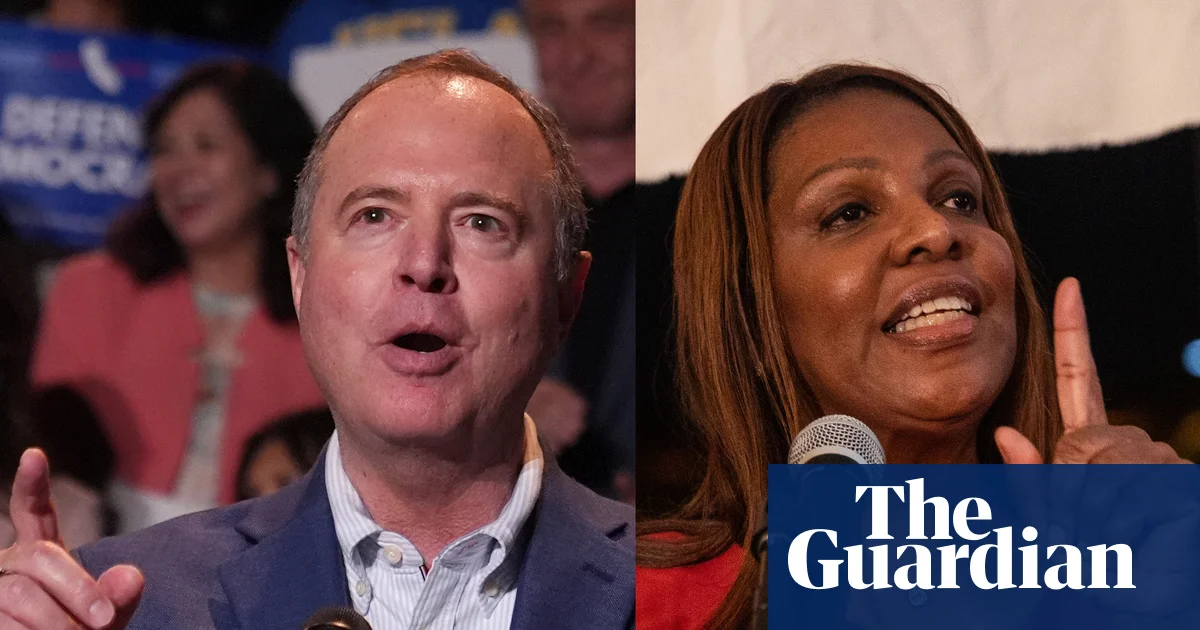
  • Ethics officials at Fannie Mae were sidelined after investigating claims that a top Trump ally improperly accessed sensitive mortgage documents involving Letitia James, the New York attorney general, and other senior Democratic officials.
  • Accusations by William Pulte, head of the FHFA, against figures like James, Senator Adam Schiff, and Federal Reserve Governor Lisa Cook have been branded as politically motivated, with experts questioning the legitimacy of such referrals.
  • The removal of key officials, including the acting inspector general, and the firing of senior staff, demonstrate an internal purge reminiscent of politically charged regimes, raising fears about the erosion of checks and balances within the American system.

International analysts and historians have voiced concern over how these internal power struggles may influence America’s global standing and its claim to uphold rule of law. The U.S., often perceived as a beacon of democracy and judicial integrity, now faces increasing scrutiny as internal conflicts turn towards systemic breakdown. The U.S. Department of Justice and Congressional bodies are under mounting pressure, with some observers warning that these internal disputes could weaken America’s credibility on the world stage. The increasingly evident politicization of investigative bodies fosters a narrative of internal chaos, weakening America’s diplomatic influence and opening a window for adversaries like China and Russia to question the country’s stability.

Prominent analysts, including those from the International Crisis Group, have noted that the internal disintegration of American institutions may embolden global authoritarian regimes who seek to capitalize on perceived American vulnerabilities. As history has warned, when a nation’s internal cohesion unravels, the international balance of power can shift rapidly. The political weaponization of federal agencies—a tactic increasingly visible in this saga—threatens to undermine Global faith in American leadership, particularly as the Biden administration grapples with the fallout of rising domestic unrest and institutional scandals. These events serve as a stark reminder that decisions within the halls of internal power are not isolated—they ripple outward, influencing societies worldwide.

As the dust settles on this latest chapter of American internal conflict, the weight of history remains heavy. The narrative continues to unfold, and the world watches as the United States faces an inflection point—whether it will emerge resilient or succumb to internal fracture. The ongoing fallout from these internal investigations and political purges could redefine the future contours of American democracy itself, shaping global geopolitics for generations to come. With every edifice of power shaken, the question remains: will this be the moment that the structure of the American republic is fundamentally redefined or a fleeting crisis in which renewal takes root?

Syria joins coalition to fight ISIS after Trump talks

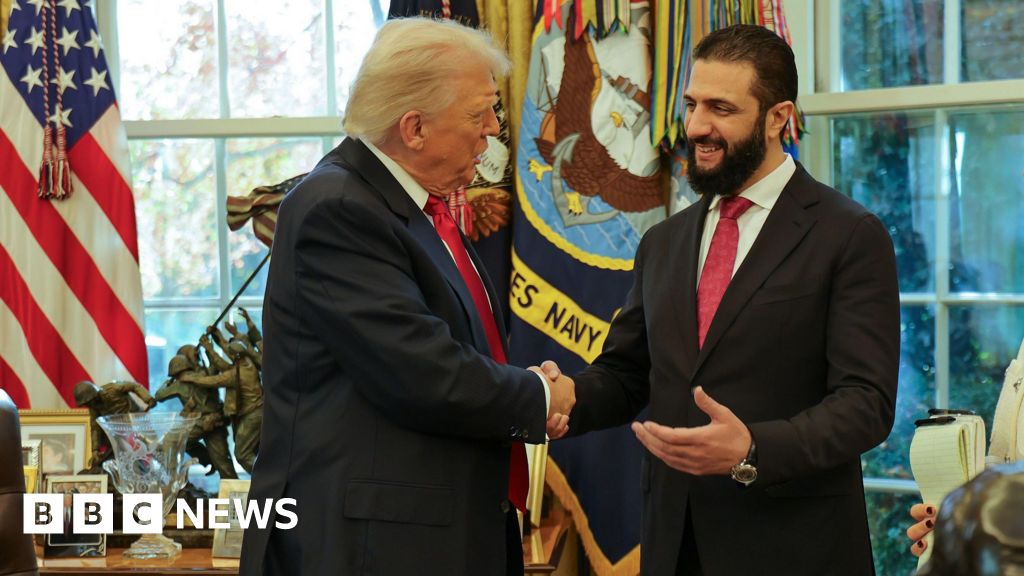
The United States has dramatically shifted its foreign policy stance toward Syria, signaling a potential turning point in the volatile Middle East. For years, Syrian relations with Western powers have been marked by sanctions, diplomatic isolation, and conflict. Yet, recent developments indicate a strategic pivot, as Syria prepares to join an international coalition against the Islamic State, marking it as the 90th member committed to eradicating remaining terrorist elements and addressing regional instability. This move not only signifies a notable diplomatic breakthrough but also underscores the complex dynamics of how international decisions can redefine national destinies. The breakthrough occurred amid a historic visit to the White House by Syrian President Ahmed al-Sharaa, an event unprecedented in diplomatic history, as the US government officially recognizes a figure once branded a terrorist as a government partner.

This unprecedented rapprochement is underpinned by a series of bold decisions, including the lifting of economic restrictions and a suspension of the Caesar Act, which had severely sanctioned the Syrian government since 2019. Announced by the US Treasury Department, these measures aim to foster economic development and rebuild Syria’s institutions—an effort supported by international organizations and analysts who emphasize the importance of stabilization in the region. Experts warn, however, that this apparent thaw could complicate long-standing regional conflicts and fuel geopolitical tensions, particularly with countries skeptical of Damascus’s intentions. In addition, the US intends to renew diplomatic ties, allowing Syria to reopen its embassy in Washington—a remarkable diplomatic gesture that suggests a reevaluation of America’s Middle East strategy.

On the international stage, Russia and China — longstanding allies of Syria—are watching closely, as the US moves towards a more pragmatic engagement. This shift signals a departure from earlier policies driven by regime change aspirations, and a realignment driven by pragmatic geopolitical concerns. As noted by scholars such as Dr. Steven Heydemann of the Middle East Institute, the United States is deliberately recalibrating its role—balancing counterterrorism efforts with a desire to influence the post-war reconstruction process. Meanwhile, how this policy shift impacts global power balances and local societies remains uncertain, but it undoubtedly redefines Syria’s place in the international order. The decision to involve Damascus in a coalition against global terrorist threats reflects a broader lesson on how wars reshape alliances, and how the past can be reinterpreted for geopolitical gain.

As history continues to unfold, the question remains: will Syria’s new diplomatic path truly pave the way for stability and peace, or will it deepen regional divisions? The world watches as the leaders of today, guided by the burdens of history and the weight of their decisions, attempt to forge a new chapter—one written in the uncertain ink of diplomacy, conflict, and fleeting hope. In this complex narrative, the true impact of these decisions will only be revealed with time, leaving future generations to ponder whether these moves will bring lasting peace or ignite new conflicts in an already fractured region.

Social Media Auto Publish Powered By : XYZScripts.com