Matox News

Truth Over Trends, always!

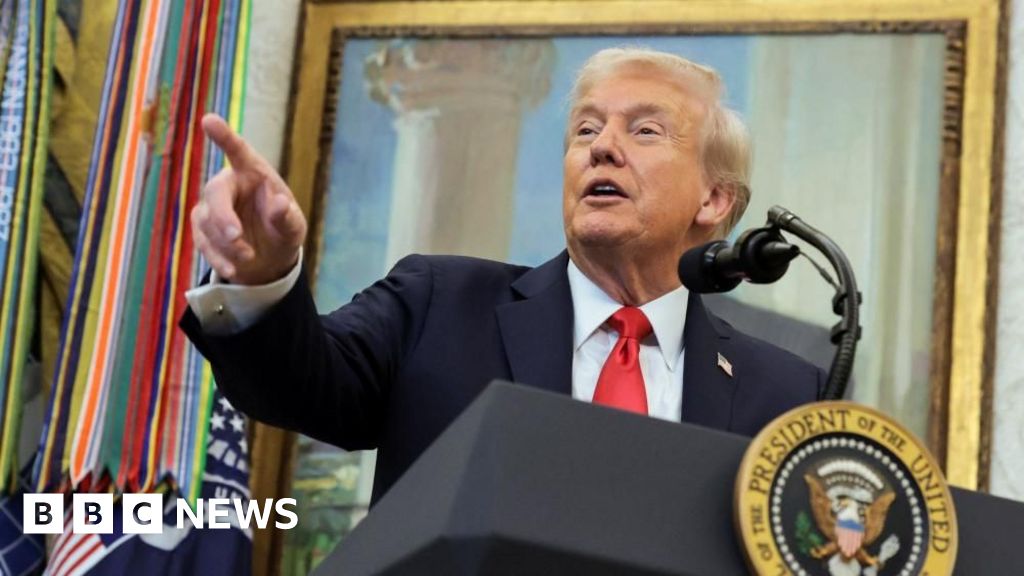
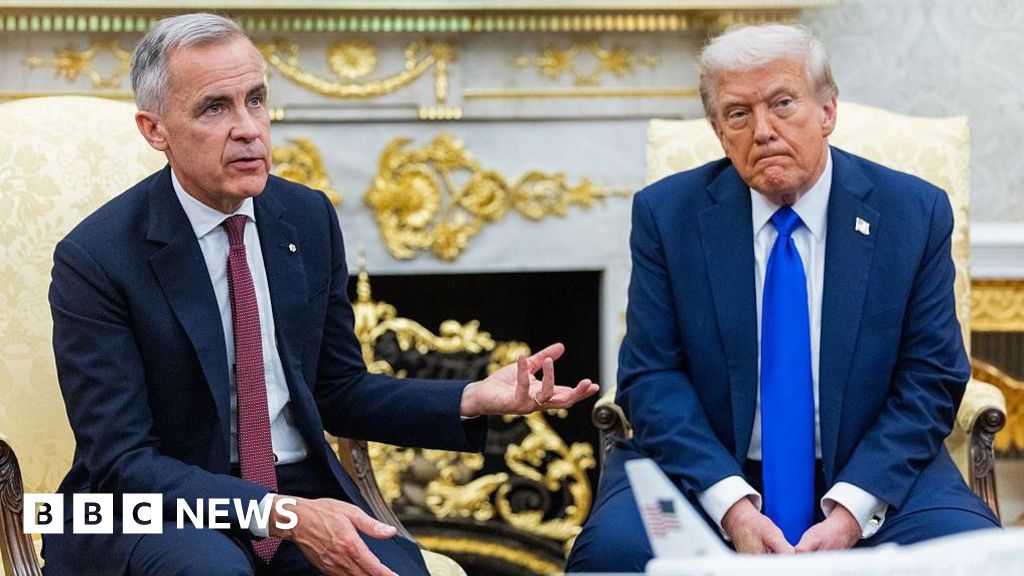
Trump pulls out of Canada trade talks after anti-tariff ad controversy

US and Canada at Crossroads: Trade Tensions Ignite a New Global Crisis

The fragile landscape of international trade has once again been rocked by a provocative move from President Donald Trump, who declared an immediate halt to all negotiations with Canada following a contentious advertisement campaign. The ad, sponsored by the government of the Canadian province of Ontario, utilized audio excerpts of Ronald Reagan’s 1987 address to underscore a stark warning: tariffs harm American workers and economic stability. Trump’s swift denunciation of the campaign as “FAKE” and “egregious” signals a worsening of already tense relations, casting a shadow over the broader North American economic framework. As trade negotiations die on the vine, the geopolitical how decisions affect nations and societies becomes unmistakably clear: a trade war on the rise threatens to destabilize not only regional stability but also the global balance of power.

Analysts highlight how these moves are part of a broader pattern of challenging traditional trade agreements. Prime Minister Mark Carney has been tirelessly seeking to forge a deal that would ease the impact of U.S. tariffs—particularly those targeting Canadian goods. Yet, Ontario’s Premier Doug Ford, a vociferous critic of Washington’s tariffs—imposing a 50% levy on metals and 25% on automobiles—has openly threatened to retaliate, even suggesting cutting off power supplies to the U.S. This political tension exemplifies how doorway policies influence how societies adapt to economic pressure. The White House’s sector-specific tariffs have caused significant job losses and shrinking industries in Ontario, illustrating the tangible damage inflicted on middle-class livelihoods when geopolitical decisions prioritize protectionism over free trade. Such conflicts threaten to escalate further, raising the specter of a full-scale trade war that analysts warn could lead to economic fallout reminiscent of the early 20th century’s protectionist era.

Meanwhile, international organizations and historians are scrutinizing this modern crisis through the lens of history, with some cautioning that Trump’s aggressive stance risks reigniting Cold War-era tensions. The United States Supreme Court’s upcoming decision on tariffs’ legality looms large in this evolving narrative, potentially forcing Washington to reimburse billions collected from tariffs—an outcome that could undermine Trump’s signature economic policies. The Ronald Reagan Foundation has condemned the Ontario government for mishandling Reagan’s speech by “selectively editing” his words to serve political ends. This contentious use of history underscores how decisions in this moment could redefine diplomatic norms, and whether the legacy of Reagan, a symbol of free enterprise, can be warped into a tool of modern protectionism.

As China’s embassy in Washington indicates with similar propaganda efforts, the strategic use of historical figures and economic rhetoric underscores a broader global contest—a contest for influence, sovereignty, and economic leadership. The mounting tensions threaten to fracture longstanding alliances, pushing societies toward a pivotal choice: embrace the chaos of protectionism or rally back to the principles of free trade that once fostered unprecedented prosperity. The forces shaping this story are still unfolding, but the weight of history reminds us that the decisions taken in this crucible of geopolitical tension will resonate for generations. In the crucible of power struggles and economic brinkmanship, the world stands at a threshold, teetering on the edge of a new, uncertain chapter in history—where the echoes of Reagan and the audacity of Trump collide amidst rising tides of nationalism and global uncertainty.
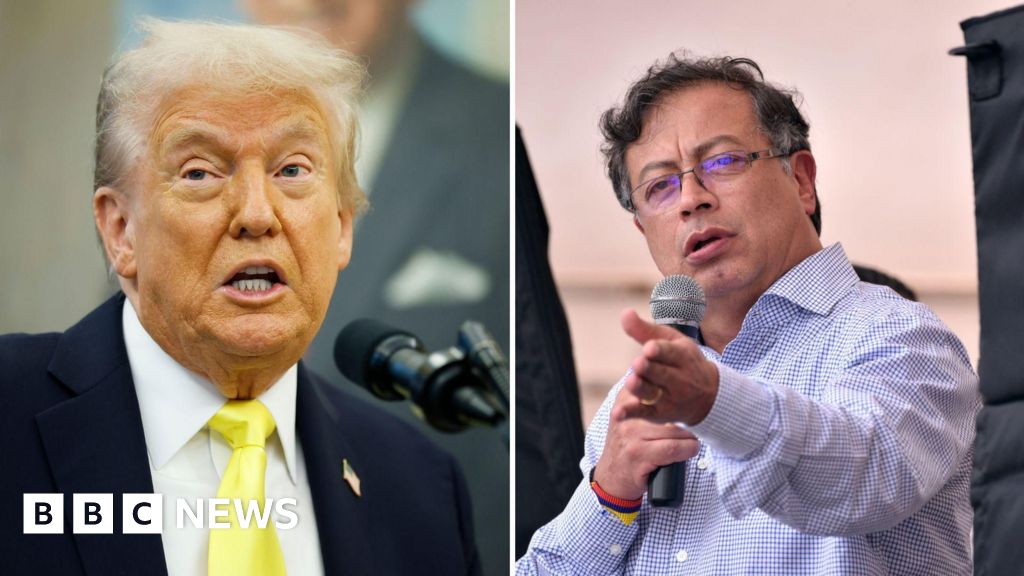
Trump vs. Petro: How the US-Colombia Alliance is at Risk

For decades, Colombia and the United States maintained one of the most robust alliances in the Western Hemisphere. Rooted in mutual interests against drug trafficking and insurgency, this partnership was largely shaped by “Plan Colombia”—a massive US-funded initiative launched in the early 2000s. This strategic cooperation resulted in significant military and security gains for Colombia, notably weakening the Farc guerrilla movement and establishing the country as a key regional security partner. However, recent developments suggest this once-strong partnership is unraveling, as political ideologies diverge sharply and conflicts escalate, threatening to destabilize both nations and embolden organized crime groups operating beyond the state’s reach.

Since Gustavo Petro assumed the presidency in 2022, the dynamic has shifted dramatically. A left-wing leader committed to pursuing peace and social justice, Petro’s policies have often clashed with the hardline approach historically favored by Washington. The situation reached a breaking point when Donald Trump returned to the White House and accused Petro of encouraging drug production in Colombia. The US government responded by suspending payments and subsidies, a move that signals the beginning of a wider rift. Experts from organizations like the Washington Office on Latin America (Wola) warn that such actions not only threaten bilateral security cooperation but also undermine efforts to curb record-high cocaine production, currently at its most alarming levels in decades. These developments expose vulnerabilities in the alliance, with analysts fearing that the resulting power vacuum may benefit transnational organized crime groups instead of the state—an ominous portent for the future of regional stability.

The roots of US influence in Colombia extend back to the early 2000s, when aid packages reaching over a billion dollars under “Plan Colombia” aimed to dismantle insurgent groups and stem drug flows. Following successes such as the demobilization of the Farc, US assistance waned but continued to be significant, providing Colombia with one of the region’s most formidable militaries. Nonetheless, despite these advances, cocaine cultivation persists at historic levels, highlighting the persistent failure of military solutions. As Héctor Galeano and other analysts note, the collateral effects of these policies—ranging from civilian abuses to the recruitment of demobilized paramilitaries into drug cartels—have complicated the narrative of victory. Now, as Washington signals a withdrawal and even formally de-certifies Colombia’s efforts to control drug trafficking, the geopolitical consequences become dire: regional security is compromised, and organised crime groups seem poised to fill the void left by reduced state capacity, risking a spiral of chaos that could echo well beyond South America.

The current crisis unfolds at a painfully inconvenient moment when Colombia is attempting to consolidate peace amidst rising violence, while President Petro seeks to implement a comprehensive plan for “total peace”—a mission undermined by targeted US military strikes. Trump’s aggressive anti-drug campaign, including unlawful maritime strikes in the Caribbean targeting vessels from Venezuela, has only intensified tensions and drawn sharp rebukes from Petro and the international community. These actions, fraught with questions of legality and sovereignty, threaten to fracture the foundation of a partnership that has proven essential for US military and intelligence operations—about 80% of the Caribbean’s drug intelligence comes from Colombia alone. As bilateral relations teeter on the brink, observers warn that the once indispensable alliance is now vulnerable to disintegration, with both nations potentially losing control over the drug trade and regional stability slipping beyond reach. The specter of history repeating itself—a once-unbreakable bond giving way to mutual mistrust and chaos—lingers ominously, emphasizing that the true winners of this fractured alliance are the traffickers and militants, who watch eagerly as the chaos unfolds.

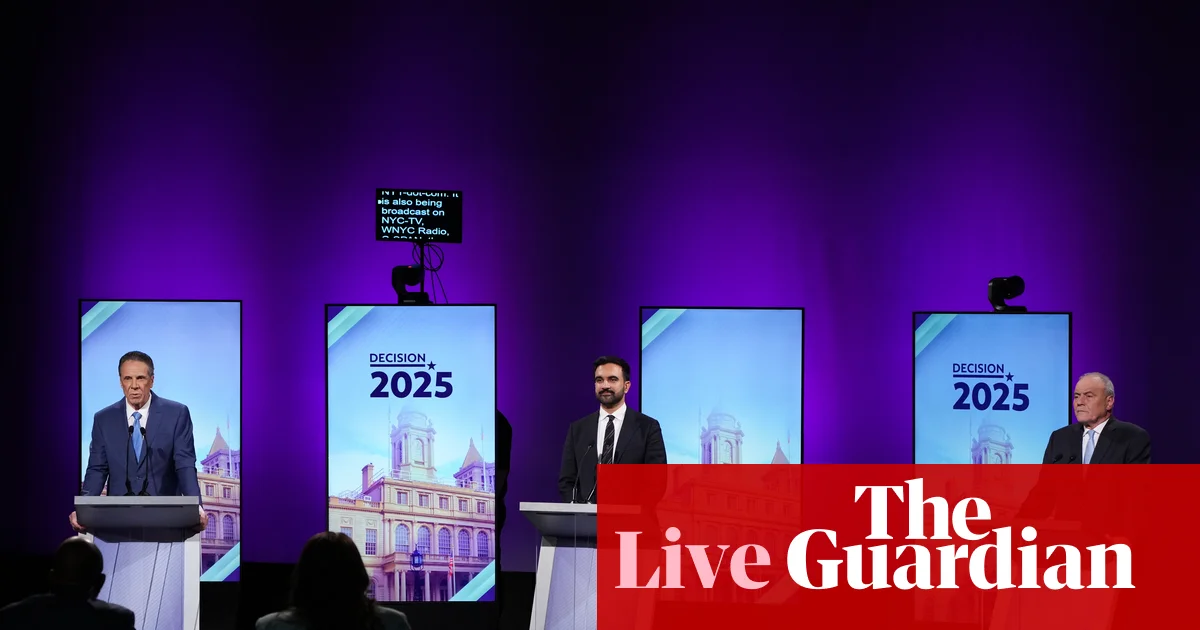
NYC Mayoral Debate Heats Up: Mamdani, Sliwa, Cuomo Clash on Israel, Rent, and Trump

International Impact of New York’s Mayoral Race and Internal Power Struggles

The city that once symbolized the heart of American ingenuity and resilience, New York City, has once again become the crucible where domestic politics collide with global agendas. The latest round of mayoral debates, featuring figures like Zohran Mamdani, Andrew Cuomo, and Curtis Sliwa, serve as a microcosm for the tense, complex geopolitics that define the 21st century. As American politicians do battle over issues ranging from housing crises to the specter of foreign influence and ideological radicalism, they unwittingly cast shadows that stretch across borders, affecting the geopolitical balance worldwide.

Analysts like Dr. Emily Grant from the International Policy Institute note that U.S. mayoral elections, especially in a metropolis as emblematic as New York, hold symbolic power beyond local governance. The debate over law enforcement strategies, immigration policies, and foreign policy stances is intertwined with America’s stance on global security. Mamdani’s calls for a more compassionate approach towards immigrants and his critique of federal ICE operations resonate globally, given the ongoing migration crises and international terrorism concerns. Meanwhile, Cuomo’s narrative on law and order echoes a broader international conversation on security and civil liberties, with some commentators suggesting that these internal dialogs influence how U.S. allies and adversaries perceive American stability and commitment on the world stage.

Underneath the rhetoric, these political exchanges reflect a nation grappling with its identity amid global upheaval. The debate’s focus on issues like the handling of Rikers Island, support for LGBTQ+ rights, and responses to international conflicts underscores how domestic elections are increasingly manifesting in international politics. For instance, Mamdani’s vocal opposition to certain international policies likely signals a shift towards more progressive and interventionist overseas stances by local leaders, potentially impacting diplomatic relations. Historian Jonathan Fields emphasizes that political figures on the rise, such as Mamdani, are being watched closely as indicators of potential future shifts in U.S. foreign policy, especially as they challenge the status quo set by traditional power players like Cuomo.

As the city prepares for a decisive election amidst this ambiguity, the question remains: how will these internal debates translate into global influence? Will New York’s next mayor steer the city — and by extension, America’s diplomatic trajectory — towards a more conciliatory or confrontational direction? The world watches with bated breath, knowing that in the chess match of geopolitics, the movements of a city’s mayor can signal the tone of a nation’s diplomacy. The unfolding story from Queens is more than local politics; it is a chapter in the ongoing saga that will determine the balance of power, influence, and stability in a world on the brink of upheaval. History continues to writethe present with every mayoral decision, echoing through corridors of power worldwide.

Trump hits high notes over White House renovation: “Music to my ears” amid rising criticism

In a move that has ignited both political debate and historical concern, President Donald Trump has pushed forward with plans to demolish a portion of the White House East Wing to create a sprawling, 90,000 sq ft luxury ballroom. Valued at approximately $250 million, this ambitious project aims to facilitate grand parties, state visits, and social events, transforming the iconic residence into a hub of both history and modern extravagance. As a seasoned property developer, Trump’s vision for the White House reflects his lifelong penchant for bold, transformative projects—yet it raises crucial questions about respect for national heritage and public oversight.

Despite the White House’s deep roots as a symbol of enduring American leadership, critics—including historic preservationists and even political rivals—have voiced serious concerns. The National Trust for Historic Preservation issued a pointed letter warning that the new construction could “overwhelm the White House itself” and risk “permanently disrupt[ing] the carefully balanced classical design.” This historic landmark, dating back to the late 1700s, has undergone numerous renovations—Harry Truman’s 1948 overhaul, for example, preserved its structural integrity but did not alter its exterior footprint to the extent Trump’s plan proposes. Critics argue that the new ballroom, in its scale and placement, could irreversibly damage the White House’s architectural harmony, which has been carefully maintained over the centuries.

This controversy is further amplified by the political undertones surrounding the project. Often painted as a symbol of restoration and reform by conservatives, the White House historically functions as a national monument as well as a residence. The critics’ cries for a public review process reflect a broader call for transparency and accountability, embodying a movement that seeks to ensure that preservation and progress go hand in hand. Interestingly, Trump officials insist that the renovation will be privately funded and will not burden taxpayers, framing the project as a reflection of personal initiative rather than government excess. This echoes a broader narrative championed by free-marketers and lifestyle advocates, emphasizing individual enterprise and private innovation in shaping American iconography.

In the broader context of lifestyle evolution, these debates about the White House resonate with shifting priorities around public heritage and personal impact. As cultural icons evolve with each generation, so too does the conversation about what it means to preserve history while embracing modernity. Visionaries like Gordon Ramsay or Parker Guide emphasize that our environments—whether homes, public spaces, or national landmarks—should reflect both history and welcome innovation. While critics worry about historic erosion, proponents argue that thoughtful renovation can breathe new life into aging structures, allowing them to serve future generations.

  • Respect the historical significance of national landmarks and advocate for transparent review processes.
  • Balance innovative pursuits with cultural preservation to ensure legacy is maintained for future impact.
  • Embrace lifestyle shifts that prioritize private funding and personal enterprise as drivers of progress.

As this story unfolds, it reminds us that lifestyle is a journey—an ongoing dialogue between the past and the future. Individuals and communities alike are challenged to find that delicate harmony where tradition informs progress, inspiring us to see every challenge as an opportunity for renewal. The White House’s story reflects a broader truth: that our most cherished symbols are alive, evolving with our collective choices, and our capacity to embrace visionary decisions with reverence and responsibility.

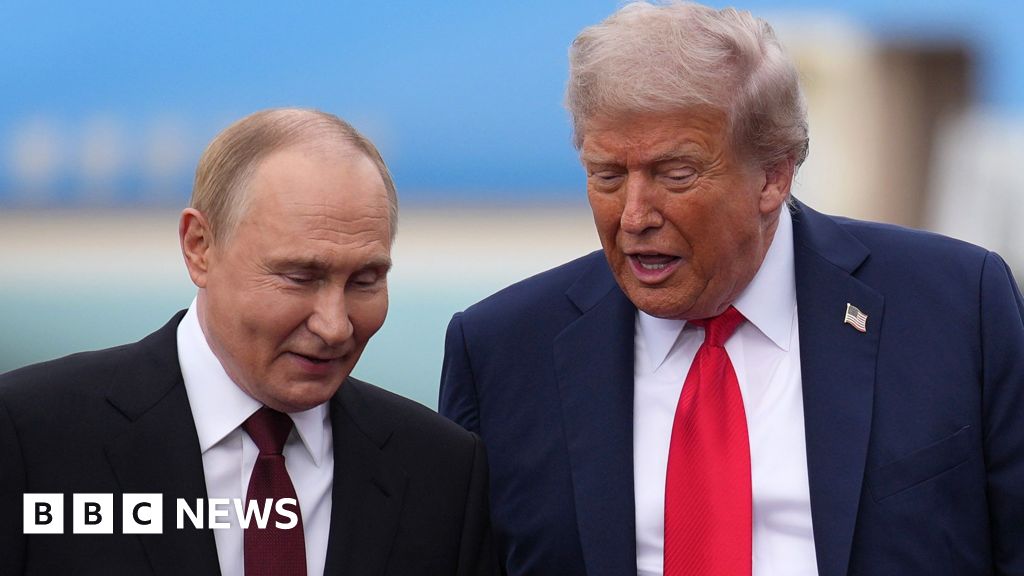
Trump slams 'wasted meeting' after Putin summit plans fall apart
Trump slams ‘wasted meeting’ after Putin summit plans fall apart

The geopolitical landscape surrounding the ongoing Ukraine conflict has entered a new, critical phase, with American and Russian leaders signaling escalating tensions and diplomatic deadlock. President Donald Trump, who recently engaged in high-stakes diplomatic maneuvers, emphasized the importance of meaningful dialogue but appeared to acknowledge the persistent divisions: “I don’t want to have a wasted meeting,” he stated, reflecting frustration over Moscow’s refusal to cease fighting along the current front lines. This reluctance from Moscow is viewed as a clear indication that the Kremlin’s demands remain maximalist, demanding full Russian sovereignty over the Donbas and the demilitarization of Ukraine—conditions unacceptable to Kyiv and its allies. The refusal to de-escalate has effectively shut down hopes for a face-to-face summit with Vladimir Putin, further stagnating diplomatic efforts and intensifying the risk of wider conflict.

International analysts warn that

the failure to reach a mutually acceptable peace deal could lead to prolonged instability, with serious consequences not only for Ukraine but for global security. The breakdown of negotiations, exemplified by the shelving of planned talks in Budapest, signals a broader realignment of international priorities. Pan-European leaders, allied with Kyiv, have condemned Russia’s unyielding stance, accusing Moscow of not being “serious” about peace and instead pushing for a “long-term, sustainable peace” that would uphold their maximalist demands. Meanwhile, Sergei Lavrov has underscored Russia’s intent to confront *the root causes of the conflict*, insisting on the recognition of Russian sovereignty over parts of Ukraine and a demilitarized Ukraine—a position met with fierce resistance from Kyiv and Western partners. These divergences accentuate the strategic depth of the current impasse, with stalemates threatening to entrench the war.

Historical perspectives and emerging risks

suggest that the crisis could redefine international alliances and the future of Eurasian stability. Experts like political analysts or think tanks like the Council on Foreign Relations warn that, if unresolved, this conflict might ignite a new era of proxy confrontations and regional power struggles. The United States, emphasizing a policy of supporting Ukraine’s sovereignty, has also pursued strategic military enhancements, notably discussing the potential delivery of long-range Tomahawk missiles to Kyiv—an issue that Russia claims almost provoked a direct engagement with Washington. Moscow’s initial silence was broken by an unscheduled call from Putin to Trump, a rare move that underscores how close the lines of diplomacy are to breaking. The question remains whether diplomacy can salvage the situation or whether this hardening of positions will plunge the world into a prolonged, multi-layered conflict.

In this pivotal moment, history writes itself through decisive yet uncertain actions, leaving the international community on the brink of a new chapter of instability. As the European Union and NATO brace for possible escalation, the weight of unresolved grievances and conflicting demands underscores a dire truth: the foundation for peace must be built on mutual respect, but the current path seems doomed to instability. The long shadow of this crisis looms large, with the future of Ukraine, Europe, and perhaps the entire global order hanging in the balance—destined to be shaped by choices made in rooms where history’s next chapter is quietly but profoundly unfolding.

Trump plans White House gathering with GOP senators amid shutdown and construction chaos

In a landscape defined by relentless internal strife and mounting geopolitical challenges, the actions of the United States under President Donald Trump continue to reverberate across the global stage. Recent developments reveal a nation embroiled in constitutional crises, military deployments, and economic confrontations, which threaten to reshape the international order.

The internal chaos reached a new peak as the US government extended its longest shutdown in history into its 21st day, with no resolution in sight. As the Senate repeatedly failed to pass a funding resolution, millions of federal workers and critical services remain disrupted. Prominent Republican figures, such as House Speaker Mike Johnson, defend the shutdown as a strategic move against Democratic opposition—particularly over healthcare policy. Meanwhile, grassroots protests erupt nationwide, pressuring lawmakers and fueling political polarization. Many analysts view this as a critical turning point—a test of the resilience of American institutions amid turbulent times.

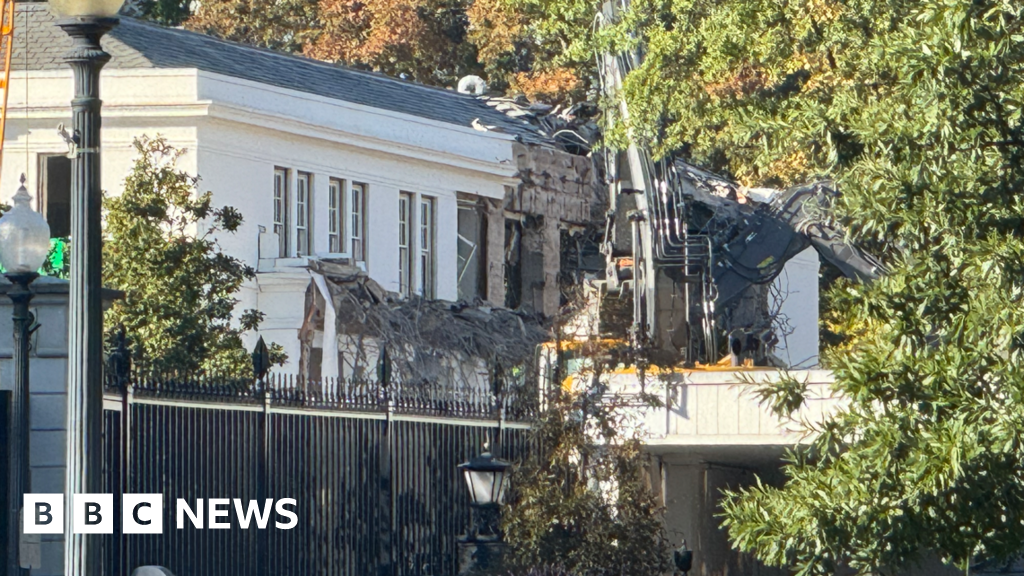
Amid the domestic turmoil, President Trump has taken decisive steps with undeniable geopolitical impact. Construction crews have begun demolishing parts of the White House East Wing to make way for a $250 million ballroom, stirring widespread controversy. Critics decry the renovation as a blatant indulgence at a time of national crisis, while opponents argue it symbolizes a deeper neglect of national priorities. Trump’s active engagement in this internal renovation underscores a broader trend—the consolidation of power and the spectacle of showmanship, often at odds with the global responsibilities the U.S. bears.

  • In a legal victory that further consolidates his authority, Trump’s administration secured a ruling allowing federal troops to deploy to Portland, Oregon, amidst ongoing protests.
  • Oregon’s governor, Tina Kotek, has called on the courts to review this decision, emphasizing concerns over federal overreach and the erosion of local sovereignty.
  • The tensions escalate as the Ninth Circuit Court of Appeals considers whether to rehear the case, a move that could broaden the legal framework permitting federal intervention in domestic protests—a concerning precedent with long-lasting consequences for civil liberties.
  • Simultaneously, in a disturbing display of partisan divergence, figures like James Comey seek to dismiss serious charges, exemplifying the judiciary’s partisan battleground and stripping away the veneer of legal impartiality.

Amidst these developments, international reactions are shaping the new geopolitical landscape. Trump’s endorsement of the AUKUS pact with Australia and PM Anthony Albanese signals a strategic pivot in alliance politics. The deal, emphasizing nuclear submarine cooperation and critical mineral exports—especially aligned against China’s tightening grip—underscores the shift toward militarized diplomacy and economic brinkmanship. While Trump praises Albanese’s leadership, behind closed doors, American military and diplomatic officials are reportedly seeking to clarify ambiguities in the controversial nuclear deal, reflecting an era of high-stakes stratagems.

Across the Atlantic and Eurasia, the postponement of President Trump’s planned Budapest summit with Vladimir Putin hints at mounting tensions with Russia—an indicator of how internal instability in America cascades outward, destabilizing international diplomacy. As nations watch with a mixture of skepticism and trepidation, the world faces an uncertain future where the decisions made within American borders echo across continents, sparking new alliances, rivalries, and conflicts—destined to influence the course of global history.

In this epoch of uncertainty, historians and international analysts warn that the choices made by U.S. leaders today will either sustain or fracture the fragile global order. As the nation faces unprecedented internal battles, the wheels of history continue to turn—often unnoticed by the masses—yet undeniably shaping the future of nations and societies alike. The unfolding drama remains a stark reminder that beneath the spectacle of power, the course of history is written with the ink of decisive, often tumultuous, action—a story still being authored, with humanity’s future hanging in the balance.

White House Starts Transforming East Wing for Trump Ballroom Upgrade

White House Renovation Sparks International Debate

The United States has embarked on a high-profile renovation project that signals more than just physical changes—it’s a reflection of shifting geopolitical priorities and domestic political narratives. Recently, construction began on a new ballroom within the historic White House, a move championed by President Donald Trump as a long-anticipated modernization effort. This project, estimated to cost around $250 million, has ignited a storm of controversy both domestically and among international observers, highlighting how major architectural decisions in the seat of power can carry profound implications for global perceptions of American leadership and stability.

Experts argue that the decision to refurbish the East Wing, which has stood since 1902, is emblematic of a broader cultural and political signal. While Trump asserts that the new ballroom is a respectful addition that will not interfere with the historic structure, critics see it as a symbol of a more assertive, image-conscious America. As historian Dr. Jane Walker notes, this renovation can be viewed as “a statement of renewed confidence and a desire to shape the narrative on the world stage.” International organizations like the United Nations and European Union monitor such developments closely, aware that physical upgrades to the White House often mirror internal shifts in America’s strategic posture.

Furthermore, the involvement of private donors—labeled by Trump as “many generous Patriots”—raises questions about the evolving relationship between public power and private influence. In an era where such decisions are viewed through a lens of nationalism and sovereignty, it underscores a resurgence of populist narratives emphasizing patriotic patronage as a form of sovereign empowerment. The impact of such projects extends beyond aesthetics; they shape how nations perceive America’s stability and its willingness to invest in its symbols amidst a turbulent geopolitical landscape. As international analysts warn, these moves may foster both admiration and suspicion, depending on how the global community perceives America’s domestic priorities in the context of foreign relations.

Ultimately, as construction crews drill and cranes hover over the historic edifice, the White House’s transformation remains a microcosm of a nation grappling with its identity and ambitions. In the shadows of these physical changes, history continues to unfold—each decision building a narrative that many nations are watching, and which might redefine the future of American influence. One thing remains clear: these renovations do not merely shape a building—they forge the legacy of a nation in the crucible of history’s unyielding march.

U.S. to Bring Back Survivors of Strike on Drug-Running Submarine, Trump Confirms

A New Chapter in the Geopolitical Conflict Over Drug Trafficking and Sovereignty

In a series of aggressive military actions taking place in the Caribbean Sea, the United States has reportedly targeted what President Donald Trump describes as a drug-carrying submarine. The strike, which resulted in at least two survivors being rescued and returned to Colombia and Ecuador, marks a significant escalation in Washington’s clandestine campaign against narcotrafficking routes. Over recent weeks, at least six such strikes have been recorded, with the latest incident raising serious diplomatic concerns, especially from Colombia, whose President Gustavo Petro condemned the attack as a violation of sovereignty and, he claimed, an act of murder.

This latest intervention underscores a complex and contentious effort by the US to combat a thriving network of illicit narcotics flowing from Latin America into North America. ^This approach reflects a broader shift toward unilateral military actions against suspected drug trafficking vessels, often classified as narco-subs—homemade, fibreglass vessels capable of avoiding detection and sinking after delivering their deadly cargo. Such operations, while justified publicly as anti-drug efforts, have attracted harsh criticism from human rights monitors and international law specialists. The UN-appointed human rights experts have described the strikes as “extrajudicial executions,” pointing to the profound legal and moral questions surrounding targeted killings without due process.

The Geopolitical Impact of US Naval Interventions

Historians and international analysts warn that these actions could deepen regional instability and foster distrust between the United States and Latin American nations. How decisions made in Washington ripple across the region is critical for understanding future security dynamics. Venezuela, under the leadership of President Nicolás Maduro, has vehemently accused the US of trying to make the nation a colony through covert operations, including the targeting of alleged drug traffickers. Maduro’s accusations echo a long-standing US suspicion that Latin American governments are either complicit in or vulnerable to US influence campaigns.

Moreover, the implications extend beyond immediate military actions. The US‘ stance—emphasizing that these vessels are primarily used for drug smuggling—aligns with a tough-on-crime posture that many analysts see as part of a broader geopolitical strategy to exert power in the hemisphere. Critics argue that this approach risks stoking anti-American sentiment and encourages closer ties among countries like Venezuela and Colombia to evade US efforts or resist its influence. The sanctions and covert military efforts risk transforming local conflicts into proxy struggles, further destabilizing already fragile states.

How International Communities Are Responding

International organizations and scholars are scrutinizing the legality and morality of these targeted operations. UN human rights experts have condemned the strikes, asserting that they violate international law by bypassing judicial processes. Meanwhile, some policy analysts argue that such unilateral actions set dangerous precedents, potentially opening the door to more extrajudicial killings under the guise of the war on drugs. The tension between sovereignty and security remains unresolved, and the global community watches anxiously as the US continues its campaign, which appears to be aimed at curbing the flow of narcotics but at the cost of international norms and trust.

As history unfolds in the turbulent waters of Latin America, the weight of these choices hangs heavy. The narrative of intervention—justified or not—serves as a stark reminder of how fragile peace and sovereignty are in a region where the echoes of history’s conflicts continue to shape the present. Today’s actions reverberate into tomorrow, setting the stage for a new chapter of conflict—one that the world must confront with clarity, caution, and unwavering commitment to justice.

Zelensky’s Push for Tomahawks Stalls in Talks with Trump

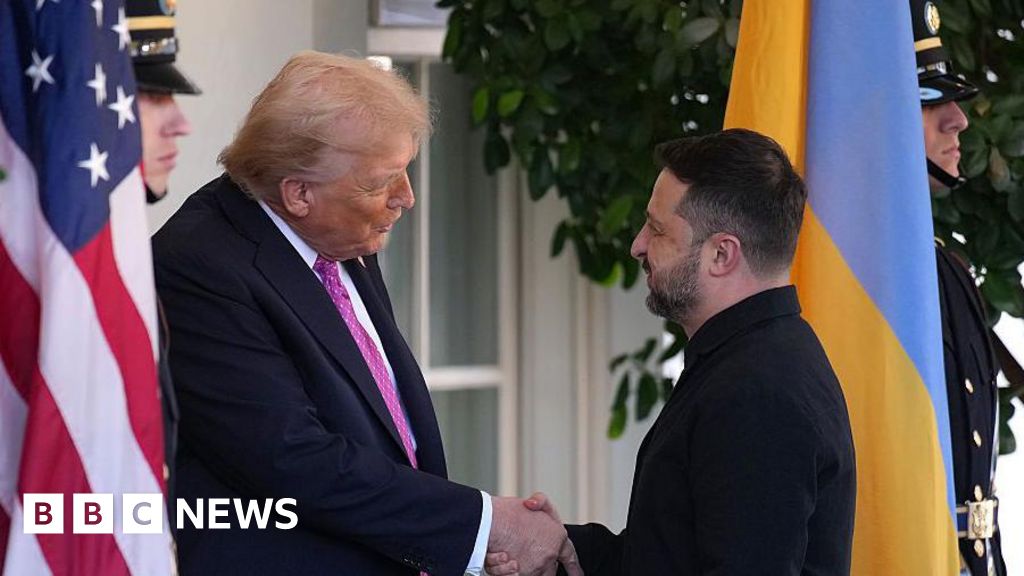
WASHINGTON D.C. has just witnessed a dramatic turn in the ongoing Ukraine crisis, as President Volodymyr Zelensky met with Donald Trump at the White House. The meeting signaled a tentative yet significant shift in US policy amid the persistent conflict between Ukraine and Russia. Despite Zelensky’s hopes for obtaining Tomahawk cruise missiles—a weapon he considers crucial for mounting a decisive blow to Russian energy infrastructure—the American administration under Trump made it clear that the supply of such long-range weapons remains off the table, at least for now. This decision underscores the delicate balance of geopolitical impact and how each move in this war influences not only the involved nations but also the broader international order.

In the wake of the White House meeting, Trump emphasized a cautious approach, citing fears of escalation and the need for diplomacy, even as he acknowledged the weapons’ strategic importance. Meanwhile, Zelensky suggested that using Tomahawks against Russian energy targets could significantly weaken Putin’s war economy, but left the door ajar for future negotiations. Trump, on social media, called for a halt to hostilities along the current frontline, while also engaging in discussions about a potential meeting with Russian President Vladimir Putin. The former US President’s outreach to Putin, coupled with his recent phone call with the Russian leader, exemplifies a shift towards transactional diplomacy, risking accusations of playing into the hands of Moscow’s strategic aims. Analysts warn that this cautious flexibility could either open pathways towards peace or deepen the complex web of mistrust among global powers.

International organizations and geopolitical analysts are closely monitoring the unfolding diplomacy that could redefine the conflict’s trajectory. Historians have pointed out that the history of Ukraine’s war has always been marked by pivotal moments—each decision carrying the potential to shift the balance of power. The joint call for a possible peace summit in Hungary and Trump’s assertion that “he believes Putin wants to make a deal” illustrate the ongoing game of brinkmanship, where overt threats and diplomatic overtures are wielded as tools in the larger strategy of influence and control. While Ukraine remains resilient on the ground, the international community grapples with the ramifications of whether this fragile pause can transform into genuine peace or if it is merely a prelude to further chaos.

In the background, the echoes of history reverberate as Ukrainian citizens, painfully aware of their suffering, cling to the hope that democracy and truth will eventually prevail. As Zelensky’s government watches diplomatic negotiations unfold, the looming question remains: will these decisions lead to a lasting peace or spiral into a broader confrontation? What is at stake is far beyond the battlefield; it is a battle for the soul of sovereign nations, for the principles of freedom and democracy amidst a world teetering on the brink of a new Cold War. The pages of history are turning, and the world holds its breath, knowing that the coming days may forge new alliances—and perhaps, reshape the very fabric of international diplomacy itself—setting the stage for a confrontation that could define this generation’s legacy for centuries to come.

Trump Reveals Commutation of George Santos’s Federal Fraud Sentence

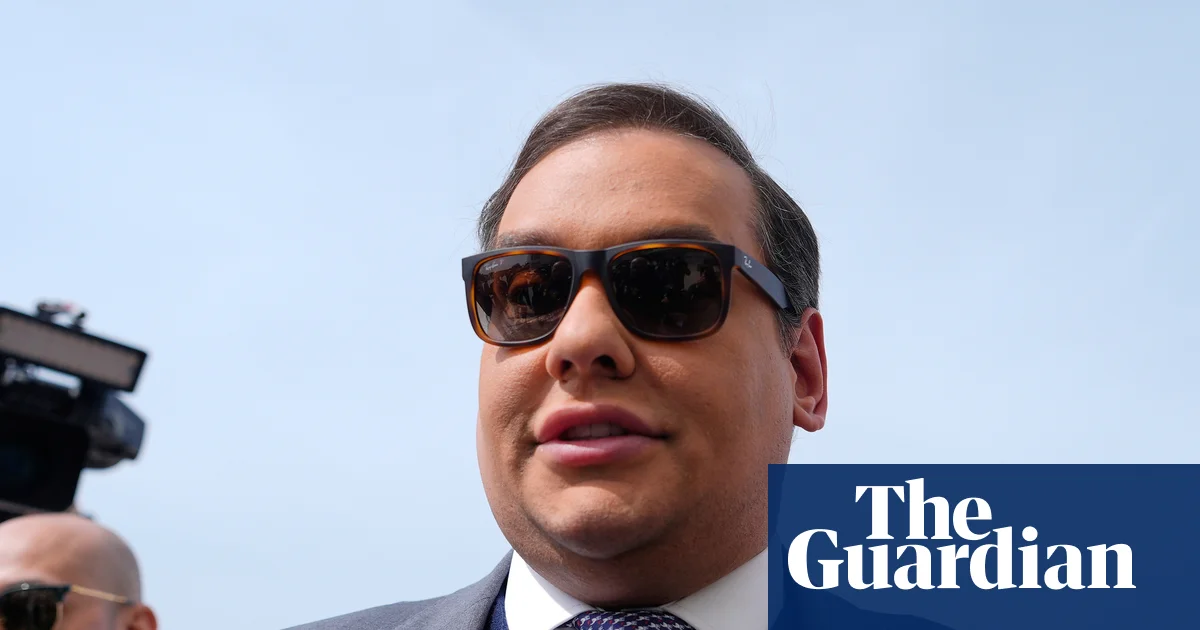
The recent decision by Donald Trump to commute the sentence of George Santos, the disgraced former New York representative, marks a significant moment in American political theatre with far-reaching geopolitical implications. Santos, once considered an up-and-coming star within the Republican Party, was sentenced to over seven years in prison following charges of wire fraud and identity theft—crimes that not only tarnished his personal reputation but also cast a shadow over the integrity of American governance. Trump’s intervention, announced via social media, underscores a long-standing pattern of political clemency that blurs the lines between justice and partisanship, and inevitably influences international perceptions of American law and order.

Notably, such pardons and commutations reach beyond American borders, signaling to allies and adversaries alike that the United States remains a nation where political loyalty can sometimes supersede the rule of law. Ensuing discussions among military strategists, international lawmakers, and historians emphasize how decisions within the American judiciary and executive branches ripple outward, shaping global perceptions of stability and fairness. Similar actions in the recent past—such as Trump’s pardons of other controversial figures like former Congressman Michael Grimm and Connecticut Governor John Rowland—are indicative of a broader pattern that raises questions about the rule of law’s resilience amid political tumult.

Meanwhile, the international community closely monitors these developments, understanding that trust in democratic institutions forms the bedrock of global geopolitics. Analysts from institutions like the International Crisis Group warn that such unilateral acts of clemency can be exploited by authoritarian regimes to justify their own abuses of power. The case of Santos, with its diplomatic echoes, reinforces a narrative that the United States remains a nation grappling with internal divisions—divisions that can either be healed or exploited in the ongoing contest for global influence. As historians note, these moments are pivotal; they serve as both mirror and magnifier of internal societal struggles with corruption, transparency, and justice.

In the broader scope, how the U.S. handles political scandals and clemencies significantly influences regional stability, especially in an era defined by shifting alliances and competing superpowers. While China and Russia observe with calculated interest, Western democracies watch with a mixture of concern and anticipation. The unfolding saga of Trump’s latest clemency decisions exemplifies how internal political decisions can become a battleground for international prestige and influence, setting precedents that shape the future of global diplomacy. As history continues to writ itself with every decision, the weight of these moments will echo through the halls of power for decades to come. The story of Santos, Trump, and their interconnected fates is far from over; it’s a testament to a nation still wrestling with its identity, and a reminder that history’s final judgment is yet to be written.

Social Media Auto Publish Powered By : XYZScripts.com