Matox News

Truth Over Trends, always!

Afghan-Americans demand action from Trump after deadly DC shooting

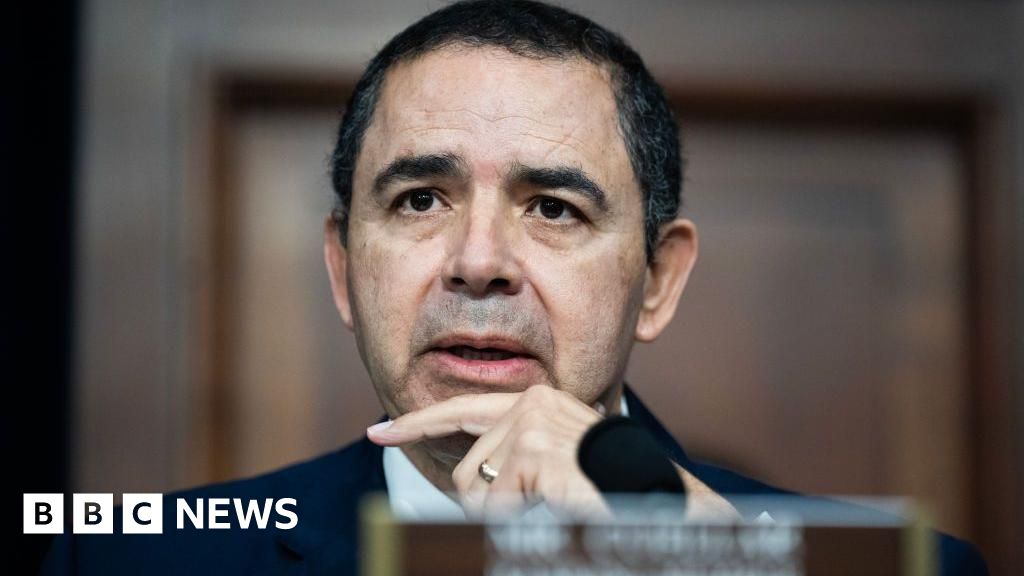
The recent violence in Washington, DC, marked a tragic chapter in the ongoing challenges faced by Afghanistan and its diaspora post-U.S. withdrawal in 2021. The deadly shooting, which resulted in the death of a National Guard member and left another fighting for life, has reverberated across political and social spheres in America. The suspect, Rahmanullah Lakanwal, a recent immigrant with ties to U.S. forces in Afghanistan, highlights the complex interplay between immigration policies and security concerns. While Afghan-American communities have condemned the attack, emphasizing that the perpetrator does not represent their society, the incident has reignited heated debates surrounding the Biden administration’s immigration programs, especially for those fleeing Taliban-controlled Afghanistan.

In response to the attack, President Donald Trump has swiftly moved to curb further immigration from Afghanistan by pausing all current requests and reviewing green cards issued to residents from 19 countries. This crackdown aligns with his longstanding rhetoric emphasizing national security and border sovereignty over what he deems “third-world” threats. International analysts and observers, including members of the Heritage Foundation and the Council on Foreign Relations, warn that these policies risk undermining the decades-long alliance between the U.S. and Afghanistan’s anti-Taliban forces. They underscore how such decisions may fracture the fragile stability of Afghan communities worldwide, fueling social divisions and eroding trust in government.

Within the United States, many Afghan immigrants express a mixture of gratitude and concern. The Afghan Community Coalition of United States has called for a “comprehensive investigation” into the shooting but urges the Biden administration not to halt Afghan immigration claims, emphasizing the *twenty-year partnership* that saw countless Afghans risking their lives working alongside U.S. forces. Historians like Dr. Ahmed Rashid have noted that the U.S.’s withdrawal was a turning point that left Afghanistan vulnerable to Taliban resurgence, and that the Afghan diaspora has borne the weight of shifting policies with their hopes for safety and stability. Meanwhile, critics warn of potential repercussions if immigration policies tighten further, arguing it could undermine the very principles of refuge and alliance that helped myriad Afghans escape Taliban rule.

As the story unfolds, it leaves the global community in a state of reflection. The young Afghan American who described the attack as “deeply tragic” reiterated that this act was an isolated incident and not reflective of the entire community, which continues to contribute to American society. Still, the shadow of instability looms large, with fears of unpredictable policy shifts and societal marginalization. In the backdrop, the voices of activists like Crystal Bayat, who worry about deportations despite their legal status, reinforce a broader narrative of uncertainty. As the US grapples with its identity and security priorities, the widening fissures in its immigration fabric threaten to leave a lasting scar on history — a reminder that the consequences of decisions made today will echo into generations to come, shaping the geopolitical landscape and the destinies of countless lives caught in the crossfire of shifting allegiances and ideologies.

Trump Announces US Will Pause Migration from ‘Third-World Countries’—A Bold Move to Prioritize American Jobs

In an era where the fabric of society is constantly being rewoven, many young Americans are seeking their own path to well-being and personal empowerment. The evolving landscape of American lifestyle now encompasses a return to core values—strength, resilience, and a connection with communities that bolster individual growth. This shift is being fueled not just by cultural forces but also by a renewed emphasis on self-reliance and an attitude that champions the pursuit of a meaningful, content life amid turbulence. The contemporary youth, inspired by leaders such as Teddy Roosevelt’s call to “be, you own benchmarks,” are embracing a lifestyle that focuses on personal impact—whether that be through fitness, entrepreneurial ventures, or cultivating a resilient mindset.

Young individuals enjoying outdoor lifestyle activities
Engaging with nature and outdoor pursuits is central to modern lifestyle shifts.

For the modern young adult, wellness extends beyond the gym into a holistic connection with mind and body. Experts like Dr. Mark Hyman advocate for integrative health practices—embracing nutrition, mindfulness, and rigorous physical activity—to foster resilience and overall vitality. Many are turning to lifestyle hacks such as morning routines that include meditation, high-impact workouts, and time spent in nature. Travel also plays a vital role: a trip to Rugged National Parks, a weeklong camping excursion, or even retreats focused on self-mastery serve as invigorating escapes that atomize stress and rekindle purpose. The takeaway is simple: life’s most meaningful moments are often found in the pursuit of authentic experiences that challenge and inspire.

Part of embracing a lifestyle of personal growth involves taking ownership of one’s environment. Young Americans are increasingly investing in community-centered living—from co-living spaces to local activism—creating a sense of agency that resonates deeply within. The emphasis on becoming your own benchmark surfaces in entrepreneurial pursuits and side hustles that enable individuals to craft their futures on their terms. As authors like Jordan Peterson and wellness coaches underscore, resilience is rooted in discipline, clarity of purpose, and the ability to adapt to change. These principles serve as the backbone for a generation eager to redefine what it means to live a successful life, centered around personal impact rather than fleeting trends or external validation.

Growing Pains and New Horizons

As the cultural climate oscillates, so do perspectives on migration and global interconnectedness. While debates over borders and national sovereignty remain fierce, the deeper story resides in individual stories—like that of Rahmanullah Lakanwal, a former Afghan official who found refuge in the United States and became entangled in a tragic incident. His story underscores that behind headlines are personal narratives of resilience and the quest for purpose. For the younger generation, such stories evoke reflection on the importance of personal responsibility and community safety. Yet, they also serve as a reminder that true strength comes from understanding nuanced realities rather than succumbing to simplistic narratives. In an age of instant information, cultivating a mindset rooted in discernment and empathy remains vital.

The journey toward embracing a lifestyle of personal impact involves recognizing that growth often stems from adversity. Whether faced with global upheaval or individual challenges, rising above the fray requires resilience, clarity of purpose, and a resilient mindset inspired by shared values of liberty and community. By forging a path that combines physical vitality, mental clarity, and social responsibility, young Americans are shaping a future that honors their heritage while boldly venturing into uncharted horizons. As the journey evolves, one truth remains clear: a life well-lived is a lifelong pursuit—one marked by continual growth, courage, and unwavering pursuit of personal excellence.

Georgia prosecutor drops charges against Trump in 2020 election case

Georgia Case Dismissal Becomes Turning Point in US Political Arena

The recent decision by a Georgia prosecutor to dismiss the 2020 election-interference case against President Donald Trump marks a significant juncture in the ongoing saga of American political conflict and legal battles. Pete Skandalakis, acting as the chief legal authority in this case, filed a motion to dismiss after former District Attorney Fani Willis was disqualified due to a scandal involving a romantic relationship with a special prosecutor. This move signals not only a legal reevaluation but also a potential shift in the wider understanding of justice and accountability within the United States. While partisan voices have claimed victory, analysts warn that the consequences extend far beyond a simple legal victory or defeat.

Initially, the case was launched in response to a recording of Trump’s January 2, 2021 call to Georgia’s Secretary of State, Brad Raffensperger, where he requested assistance to find enough votes to overturn his loss in the state. This event, widely regarded as a turning point in American political history, prompted allegations of conspired election interference. However, critics argue that the case became emblematic of what many see as a politically motivated pursuit rather than a pursuit of justice. As historians and international observers have pointed out, such internal conflicts threaten the fabric of U.S. democratic institutions, especially when legal proceedings become entangled with partisan disputes.

The geopolitical impact of this case is profound. The United States, long regarded as the global beacon of democracy, finds itself grappling with internal fractures that undermine its influence worldwide. Allies and adversaries alike are watching closely, noting how internal legal conflicts are impacting America’s international image. The United Nations has expressed concern, urging the rule of law to be upheld without bias, but many analysts believe the episode underscores the broader risks to American credibility on the world stage. Countries that depend on U.S. leadership for global security and economic stability now see a nation internally divided, mirroring internal civil conflicts and tests of constitutional resilience.

The decision to dismiss the case against Trump, which included charges against 18 co-defendants such as Rudy Giuliani and Mark Meadows, is viewed by supporters as a step towards restoring judicial fairness. Yet, critics argue that the move entrenches divisions within a society already polarized by contentious elections and selective justice. International organizations warn that if the U.S. cannot resolve these internal disputes transparently and objectively, its ability to lead global efforts—whether on climate change, trade, or security—may be compromised. The stakes are high, and history has shown that internal conflicts within dominant powers often ripple outward, influencing global stability.

As the dust settles on this pivotal moment in America’s legal and political history, the world is left to witness its repercussions. This saga is far from over: a nation’s internal struggles now play out on the stage of world history, where the decisions of its leaders and the course of justice will shape the future of democracy itself. In the shadows of courtrooms and presidential debates, history is quietly watching, waiting to see if the United States can heal its wounds or if these divisions will carve deeper scars into its sovereignty—a crucible where democracy itself faces its ultimate test.

Karoline Leavitt’s relative detained by US immigration, raising questions about enforcement under Trump

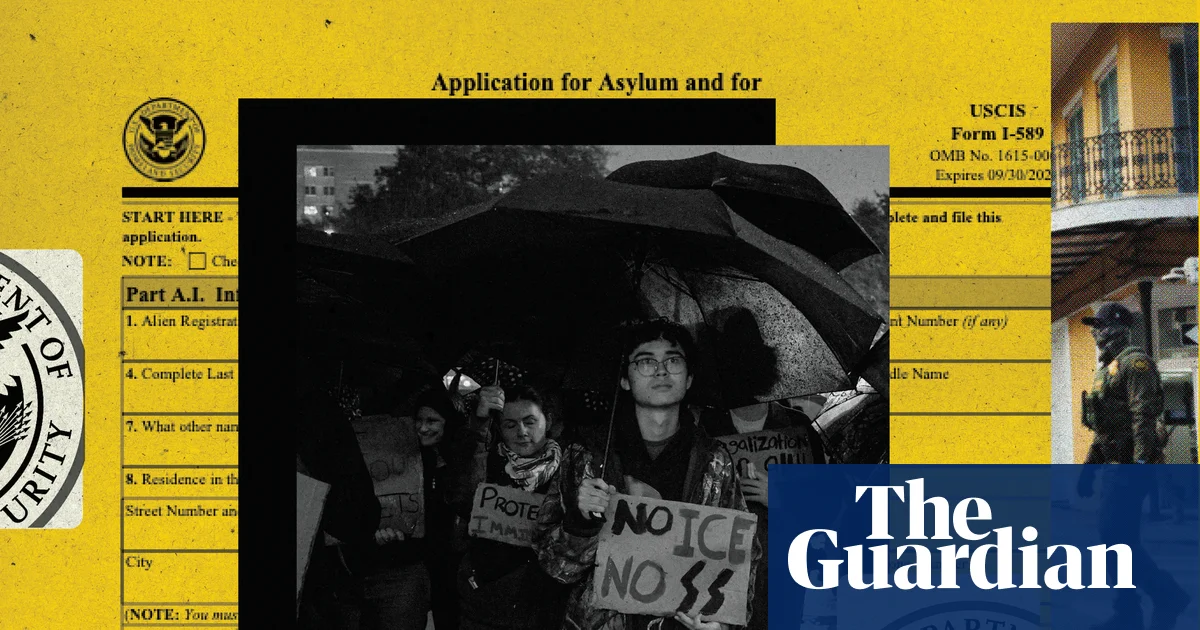
The United States continues to lead a contentious crackdown on undocumented migrants, exposing the deep fissures in its immigration policy under the current administration. A recent incident highlights how its aggressive enforcement tactics ripple across international borders, affecting families and communities. Bruna Ferreira, a Brazilian-born resident of Massachusetts, was detained by ICE agents while leaving her home in New Hampshire to pick up her son. Ferreira’s case has quickly become emblematic of the broader debate over what it means to be American, especially for those who migrated as children and rely on programs like Deferred Action for Childhood Arrivals (DACA). Her detention not only underscores the government’s firm stance on illegal immigration but also stirs questions about the human cost behind these policies.

The Department of Homeland Security confirmed Ferreira’s arrest, citing her previous criminal record and her entry into the country on a tourist visa that expired over two decades ago. Official statements emphasize that, under President Trump and current policies, all individuals unlawfully present—regardless of their integration or personal contributions—are subject to removals. This stance aligns with the broader geopolitical strategy aimed at deterring unauthorized entry, yet it also invites extensive criticism from international observers, human rights advocates, and even some allies. For many, the enforcement actions reveal a harsh reinterpretation of immigration laws, motivated less by national security and more by political symbolism. The case brings into focus the >shifting global narrative on sovereignty, border control, and human rights, with historic institutions warning that such aggressive policies could undermine America’s moral authority and domestic stability.

Analysts note that Ferreira’s situation is emblematic of a *broader pattern* seen in the Trump-era immigration regime. As international organizations like the United Nations have expressed concern, critics argue that the aggressive deportations threaten to destabilize immigrant communities and fracture families, especially those with longstanding roots in the US. Ferreira’s family, for instance, has mobilized to fund legal efforts to contest her detention—a move mirrored across many immigrant groups facing similar threats. Commentators point out that these policies disproportionately target vulnerable populations, including DACA recipients, who, despite legal protections, remain vulnerable under a strict enforcement framework. Historians and human rights analysts warn that such policies risk creating a *deterrent effect*, discouraging future immigrants and fostering social division. The international response echoes these concerns, with diplomatic debates intensifying over whether such enforcement strategies align with global human rights standards.

As this chapter unfolds, the world watches with a mixture of skepticism and apprehension. Ferreira’s case exemplifies how decisions made within the U.S. have repercussions beyond its borders—impacting international perceptions of American values and sovereignty. It is a stark reminder that the decisions of **leaders and institutions** are not isolated; they are woven into an ongoing narrative of history — one in which today’s choices may condemn or elevate future societies. The weight of this moment lingers, leaving audiences worldwide to ponder: as the U. continues its fierce immigration stance, how will history remember these actions? Will they serve as a testament to strength or as a warning of moral decline? Only time will tell, but the story of Ferreira, her family, and countless others echo loudly in these halls of power—an enduring call to reckon with the true cost of national security in a rapidly changing world.

Fox CEO warns Trump: No platform if he targets Fox in 2020 talk—Sean Hannity reports

In the unfolding saga of American politics and corporate media, new revelations have surfaced from a trove of court documents that shed light on the intense internal conflicts within Fox News during the tumultuous aftermath of the 2020 presidential election. These documents, part of a defamation lawsuit brought by Smartmatic, expose the behind-the-scenes decision-making that shaped the network’s coverage—decisions that had profound geopolitical impact and how such decisions reverberate across nations and societies. For years, Fox News has positioned itself as the voice of conservative America, but these disclosures suggest a complicated reality: a corporation torn between its audience loyalty and a cautious approach to the political fallout it could engender.

Among the most striking revelations is a text exchange from October 2020, where Lachlan Murdoch, the CEO of Fox Corporation, directly warned Sean Hannity that President Donald Trump could not appear on the network if he continued to attack it publicly. Murdoch’s words reflect a pivotal moment—the balancing act of maintaining a lucrative audience while avoiding political alienation. This internal tension intensified post-election, as Fox News faced a furious backlash from Trump supporters who felt betrayed after the network called Arizona for Joe Biden. Internal emails reveal Murdoch’s concern over audience erosion and the potential impact on revenue, illustrating how economic interests often trump principle in modern media management. The consequences of this internal conflict extend beyond corporate boardrooms: they influence the flow of information to millions, shaping public perceptions on issues critical to national stability.

Experts and analysts argue that these documents underscore a broader trend: the strategic depictions and selective reporting of election fraud claims had a **direct role in fueling the disorder in the United States**, culminating in the infamous Capitol riot of January 6, 2021. Murdoch himself acknowledged that Trump’s claims of election theft contributed to the chaos—yet he denied the network had endorsed those allegations outright. This nuanced stance highlights a pattern seen across various global media outlets: sensationalism combined with editorial caution can escalate tensions instead of calming them. How this shift in narrative influences international stability will be scrutinized for years, as peoples across the globe witness the fragility of their own democratic institutions.

Adding to the significance, the court filings reveal Murdoch’s awareness of the damage Smartmatic’s reputation was suffering long before the lawsuit, alongside his acknowledgment that the network’s post-election coverage was a *deliberate pivot*—a strategic move away from unwavering support for Trump to mitigate further backlash. This internal admission exposes how media outlets often serve not only as information channels but as geopolitical players capable of influencing diplomatic relations and internal stability. In this climate, decisions made within a corporate media giant can ripple outward, impacting international perceptions of legitimacy, sovereignty, and the very fabric of democracy. As historians and international watchdogs analyze this narrative, the realization dawns: in an era where truth is often a battleground, the power wielded by media conglomerates defines the boundaries of freedom and control.

As the legal proceedings continue, and both parties prepare for their day in court next month, the weight of history remains heavy. The revelations lay bare the tumultuous internal debates, walkings a fine line between journalistic integrity and political expediency. In the shadows of these disclosures lurks the enduring question—how much influence should corporate media have over the course of a nation’s destiny?’ As the world watches, the epic struggle unfolds: a battle not just over facts, but over the very soul of democracy, as powerful currents threaten to sweep everything away in their relentless pursuit of control and influence.

Trump blasts Ukraine’s lack of gratitude for peace efforts amid global talks

Global Power Play in Ukraine: A Tense Flashpoint with Lasting Consequences

In what could be a pivotal moment in international relations, recent developments surrounding the ongoing situation in Ukraine reveal an intricate web of diplomacy, suspicion, and geopolitical tension. As U.S., European, and Russian actors converge in Switzerland and Geneva to discuss peace negotiations, the world watches with bated breath. The core of this crisis lies not only in Ukraine’s sovereignty but in the broader contest for influence—an ideological and strategic struggle that threatens to redefine the post-Cold War security order.

Amidst the dialogue, claims from Donald Trump and other U.S. officials about a proposed “peace plan” have stirred controversy. Trump accused Ukraine of ingratitude for U.S. efforts, while European leaders, including Ursula von der Leyen and Friedrich Merz, sharply criticized parts of the plan that suggest Ukraine cede territory and limit its military capabilities. These demands—crafted, according to reports, by Kirill Dmitriev, a key Kremlin figure—pose a direct challenge to the core principles of Ukraine’s territorial integrity and NATO’s eastward expansion, which is seen by many Western analysts as essential for European stability. The plan’s language, reportedly translated from Russian, hints at Moscow’s enduring desire to roll back NATO’s post-1997 borders, echoing Putin’s pre-invasion rhetoric and ambitions to restore what he perceives as Russia’s rightful sphere of influence.

Deciphering the Geopolitical Impact: Who Shapes the Future?

  • On one side, the United States appears to be caught between supporting Ukraine’s sovereignty and internal political debate, exemplified by recent mixed messages from figures like Marco Rubio. While some senators suggest the plan is a Russian-inspired leak, others insist U.S. involvement, with “input” from Russia, was significant—highlighting the complex, often contradictory nature of Washington’s diplomacy in this crisis.
  • Meanwhile, European leaders emphasize that any peace arrangement must respect Ukraine’s borders and security. German Chancellor Friedrich Merz has expressed skepticism about an imminent agreement, cautioning against accepting demands that would undermine Ukraine’s sovereignty or set a dangerous precedent for other nations.
  • Russia’s ambition remains clear: force NATO’s military footprint back to its 1997 boundaries and undo the strategic security architecture established in the post-Cold War era. Putin’s call for NATO to withdraw from Baltic states and central Europe signals an attempt to reassert Moscow’s dominance—a move that threatens European stability and global security.

The international community, especially European nations, fears that acquiescing to Moscow’s demands would trigger a dangerous precedent, potentially encouraging territorial revisions by authoritarian regimes elsewhere. A senior European diplomat warned that accepting such a plan would undermine decades of diplomatic progress and embolden other revisionist states, creating a fragile, unpredictable global order. Historians like John Mearsheimer have long warned that concessions to revisionist powers can encourage future aggression, and current signals appear to confirm these fears.

How the Decision Shifts Societies and the Arc of History

The stakes extend far beyond military borders. If Ukraine is forced into concessions, it risks losing not only territory but also its sovereignty—something that would resonate deeply across Europe and the West. President Volodymyr Zelenskyy faces a tragic dilemma: to compromise on core national interests or to risk losing vital Western support. The result would be a divided Europe, where the principles of self-determination and security are compromised in favor of expedient peace—potentially repeating the dangerous appeasements of the interwar period.

Furthermore, the emerging international consensus underscores a stark reality: the future security architecture of the continent hinges on decisions made today. As analysts caution that Russia aims to turn back the clock decades, the global balance of power remains unsettled. The unfolding negotiations are more than simple diplomacy—they are the battlefield of ideas and influence, where the outcome will shape the geopolitical landscape for generations.

As history continues its relentless march, the world stands at a fragile crossroads—a place where the choices made now will echo through the annals of history. Will nations defend their sovereignty and uphold the principles that underpin stability, or will they succumb to pressures that could unravel the delicate fabric of peace? In this unfolding drama, the weight of future generations rests on the resolve of leaders to stand firm, knowing that the course of history has yet to be written, and the story of Ukraine’s resilience remains a poignant testament to the ongoing struggle for sovereignty and global stability.

Trump admin hints it may back off from challenging state AI rules

U.S. Federal Push to Standardize AI Regulation Sparks Industry Debate

The current trajectory of artificial intelligence (AI) regulation in the United States signals a pivotal shift toward centralized oversight, with the Trump administration advocating for a unified federal standard. In a recent social media post, former President Donald Trump emphasized the necessity of moving away from a patchwork of state-level laws, calling for “one Federal Standard” to streamline AI governance. This initiative underscores a major departure from the decentralized regulatory landscape that has characterized the industry, potentially setting a precedent for how innovation will be managed at the national level.

Historically, the idea of a federal approach was rooted in the administration’s earlier legislative attempts, such as the proposed “Big Beautiful Bill,” which included a decade-long ban on state AI regulations—a measure seeking to preempt local restrictions and foster nationwide industry growth. Although this specific measure was ultimately removed by the Senate in a rare bipartisan vote (99-1), the renewed push signals an urgent effort to suppress what industry insiders see as disruptive, often inconsistent, state laws that could stifle technological innovation and market expansion. The move appears to be motivated by fear of regulatory fragmentation impeding the competitive edge of American AI firms against global rivals, particularly China and Europe, which are investing heavily in setting comprehensive AI standards.

Disruption Strategies: Litigation and Funding Leverage

According to reports from CNBC and Reuters, the administration is considering aggressive tactics to enforce federal dominance, including the drafting of an executive order that would create an AI Litigation Task Force. This body would have the authority to challenge state-level AI laws through lawsuits, potentially disrupting local jurisdictions that seek to implement their own regulations. Additionally, the executive order aimed to wield financial influence by threatening to withhold crucial federal broadband funding from states that resist federal standards, a move interpreted as a strategic effort to consolidate control over the AI ecosystem.

  • Milestones: Drafting of executive orders aimed at legal challenges
  • Tools: Federal funding leverage to influence state policies
  • Implications: Disruption of grassroots and local innovation efforts

Such aggressive measures, however, face mounting opposition within Congress and the private sector. Notably, Republican lawmakers—who previously criticized a proposed moratorium on state AI regulation—are wary of overreach and the potential stifling of regional innovation hubs. The political pushback reflects tension between fostering innovation freedom and ensuring national security and ethical standards in AI deployment. Major industry analysts, including those from Gartner, warn that such centralized control may hinder disruptive innovation in emerging AI sectors such as autonomous vehicles, biotech, and cybersecurity tools.

Business Implications and the Future Trajectory

The strategic push for federal AI regulation could reshape the American tech landscape, positioning the United States as a global leader in setting standards—yet risking environmental and entrepreneurial stagnation. Firms based in states wary of federal overreach—like California and Texas—may face increased regulatory uncertainty, potentially forcing relocations or strategic shifts in R&D investments. Behind the scenes, industry giants like OpenAI and Tesla are closely monitoring the legislative environment, knowing that heavy-handed regulation could either hinder innovation or provide clarity that accelerates deployment and commercialization of breakthrough AI products.

The trajectory of AI regulation in the U.S. is emblematic of the broader disruption the industry faces—balancing top-down governance with bottom-up innovation. As political actors and industry leaders scramble to define the rules of the game, the collective impact will determine whether America maintains its technological dominance or surrenders ground to more agile, less regulated competitors. Forward-looking executives, investors, and technologists should be prepared for rapid shifts, driven by policy decisions that could either catalyze or constrain the next wave of AI breakthroughs. With technology advancing at breakneck speed, the window for strategic positioning is narrow, making the next few months critical for shaping the future of AI governance and its business implications.

Trump and Mamdani Show Civility in Surprising Meeting

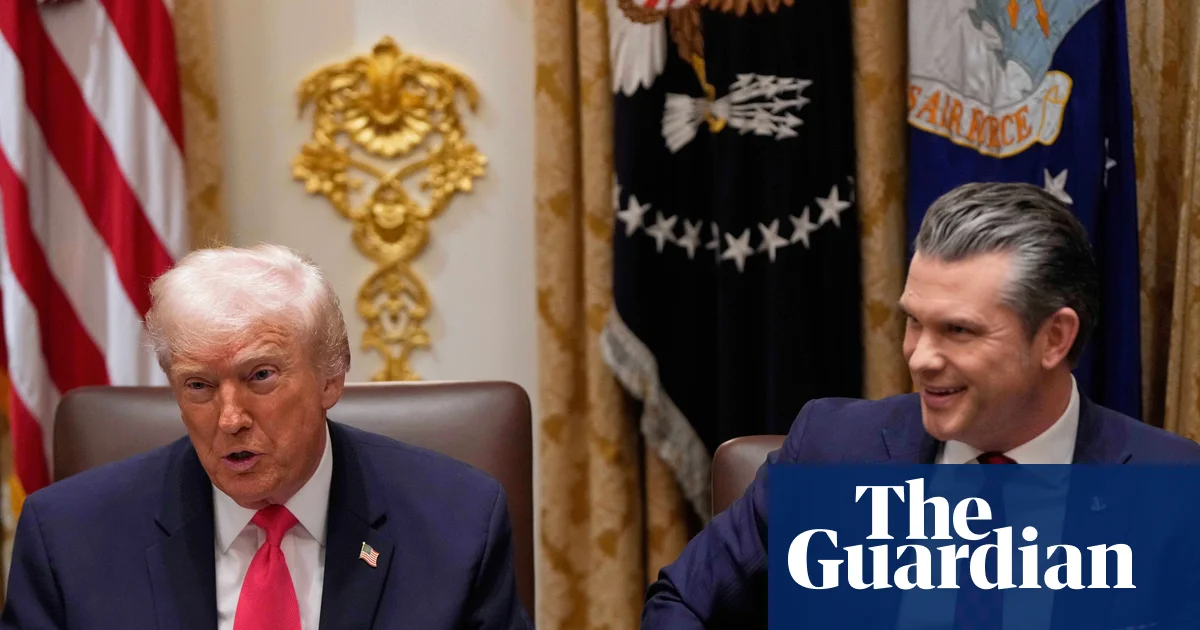
Recently, the United States has demonstrated that domestic political dynamics continue to shape international relations in profound ways. In a significant deviation from the expected hostility, President Donald Trump met with Zohran Mamdani, New York City’s newly elected mayor, in a display of unprecedented cordiality at the White House. Despite the mayor’s candid branding of Trump as a “despot” during his campaign, the Oval Office encounter revealed a surprising willingness on both sides to engage constructively—particularly around critical issues like affordability, crime, and immigration. This shift underscores how intra-national political debates echo beyond borders, influencing perceptions of American leadership worldwide.

  • The meeting marked a potential turning point in the Biden-era narrative, hinting at a possible de-escalation of partisan rhetoric in certain spheres.
  • Trump’s praise for Mamdani, coupled with his assertion that the Mayor has “views that are little out there,” signals an operational calculus: stability and cooperation over confrontation.
  • The focus on common ground—particularly on lowering the cost of living—reflects a strategic emphasis on ‘bread-and-butter’ issues that resonate with voters globally and reinforce America’s image as a nation grappling with economic hardship.

Analysts from international think tanks suggest that this apparent détente could have ripple effects beyond U.S. domestic politics. While Republicans had hoped to use Mamdani as a symbol of progressive excess—painting him as anti-police and anti-capitalist—the conduct of the meeting suggests a more nuanced landscape. As historians argue, the optics of bipartisanship at the highest levels often carry lasting influence, shifting global perceptions and strategic alliances. Additionally, Trump’s assertion that he would “cheer for him” underscores a broader message: even ideological rivals recognize the importance of stability in a nation as central to global affairs as the US.

This unfolding scenario also highlights the potential for internal U.S. political conflicts to influence foreign policy. As the world watches the spectacle of American democracy, the importance of these internal negotiations becomes even more evident. The rhetoric, images, and implied policies emerging from this encounter have the power to shape international confidence in the US’s capacity for leadership, especially in areas like Middle East peace, trade, and security alliances. The question remains whether this recent show of bipartisan spirit is merely a fleeting gesture or the beginning of a new calculus where civility among enemies may serve as a foundation for pragmatic policymaking.

With the stakes set high, history stands at a crossroads. Like the tumultuous shifts that defined the 20th century, decisions made in the coming months could either fortify or fracture the American political fabric—that fabric which continues to bear the weight of an emerging global order. As the storyline unfolds, it becomes clear: the United States is not merely a nation at war with itself but a pivotal actor whose internal developments will echo across the world’s stage for generations to come.

Trump Cheers Greene’s Resignation: A Win for America | Republicans

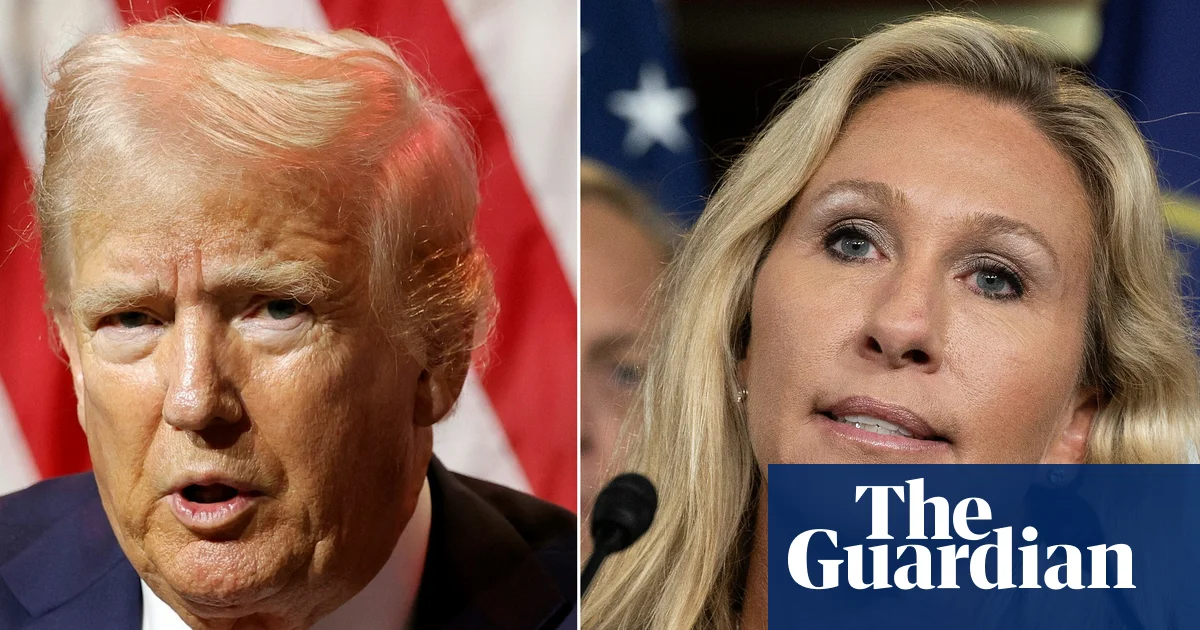
In a move that has sent ripples through the American political landscape and beyond, Congresswoman Marjorie Taylor Greene of Georgia announced her resignation from Congress. The decision, unexpectedly timed after a turbulent relationship with former President Donald Trump, underscores the volatile nature of partisan loyalties in the United States, especially in the context of rising global tensions and domestic upheaval. Trump, who publicly celebrated Greene’s exit, proclaimed it as “great news for the country,” highlighting how internal divisions within the Republican Party are shaping not only American policy but also its standing on the world stage.

Greene, long considered a pivotal figure within the more radical right-wing faction, faced intense threats following her recent withdrawal of Trump’s endorsement—a decision that marked a significant rift in their once-loyal alliance. She cited “never-ending personal attacks, death threats, lawfare, and slander” as the reasons behind her resignation, illustrating the high-stakes nature of contemporary American politics. Her departure fuels concerns about polarization and radicalization in the U.S., which has profound geopolitical repercussions. As analysts warn that internal discord weakens the nation’s ability to confront rising global challenges—from China’s assertiveness in the Pacific to Russia’s ambitions in Eastern Europe—the political chaos at home may be perceived as an opportunity for adversaries seeking to undermine American leadership.

The international community is watching as the American political machine exhibits signs of disarray. U.S. allies and rivals alike interpret such infighting as a sign of weakening resolve, especially at a time when global institutions call for unified Western action against common threats. Meanwhile, political strategists such as Shermichael Singleton suggest Greene’s resignation could be a prelude to future political maneuvers, possibly indicating a consolidation of more radical elements within the GOP. How these internal shifts influence US foreign policy will be crucial—whether America maintains its stance as the global “leader of the free world” or veers toward internal chaos that emboldens autocratic regimes worldwide.

Moreover, the bizarre spectacle of former allies turning against each other, with Trump’s praise for Zohran Mamdani, NYC’s democratic socialist mayor-elect, and Greene’s resignation occurring shortly thereafter, exemplifies the unpredictable and often surreal nature of American politics today. Such developments are not merely domestic dramas—they are highlighted by international analysts and historians as signs of a nation in the throes of transformation. The implications extend well beyond the borders of the United States: the decisions made within its Capitol walls influence geopolitical stability, economic markets, and military alliances across the globe. As the American story continues to unfold, the weight of history presses heavily—a reminder that the outcomes of these internal struggles will shape the fate of nations and societies for generations to come.

Marjorie Greene Plans to Exit Congress Amid Feud with Trump

Internal Strife in United States: The Fall of Marjorie Taylor Greene and Its Broader Implications

The recent announcement by Georgia Congresswoman Marjorie Taylor Greene that she will resign from the House of Representatives marks a significant escalation in the ongoing internal strife within the Republican Party. Greene, a high-profile supporter of former President Donald Trump and a representative of the America First movement, has become emblematic of the party’s ideological divides. Her departure, set for 5 January 2026, signifies not just a personal decision but a reflection of the shifting power dynamics and ideological battles shaping U.S. politics. The timing coincides with a public fallout with Trump himself, who publicly labeled Greene a “traitor” and vowed to endorse a challenger for her seat, signaling a seminal moment that could influence the upcoming 2026 midterm elections.

This internal rupture underscores a crucial geopolitical impact: the fragility of America’s political cohesion at a critical juncture in its global leadership. Greene’s vocal demands for transparency related to Jeffrey Epstein’s file releases drew her into direct confrontation with Trump, exposing divisions over how to address controversial, high-profile issues. Analysts suggest that this split may weaken the American right’s unity, which has traditionally served as a cornerstone of its geopolitical stance. As the US grapples with domestic divisions, global allies question the stability of American leadership, which has historically been anchored in bipartisan consensus on key foreign policy issues. The international community, especially nations relying on US security commitments, watches with concern as internal discord threatens to weaken the nation’s strategic resolve and decision-making consistency.

How Decisions in Washington Reshape Global Power Dynamics

The ripple effects extend well beyond the USA. The internal political shake-up potentially complicates efforts to project American strength abroad. The US remains a pivotal actor in global security and economic stability; however, with the polarization exemplified by Greene’s departure, international partners face increased uncertainty. The recent backlash and shifting alliances within the Republican Party highlight a broader trend of Persistent national division—a weakness that adversaries such as Russia and China are quick to exploit. As historian and geopolitical analyst Dr. Catherine Johnson notes, “When the United States experiences internal upheaval, the global balance of power is destabilized, providing openings for rival states to advance their interests.”

Meanwhile, the White House and security analysts are closely monitoring the renewed debate over classified documents and transparency, which has been a contentious issue both within and outside the country. The recent signing of legislation requiring the Justice Department to release Epstein-related files signals an internal effort to address grievances, yet it also underscores the nation’s ongoing struggle with transparency and accountability. As American society remains fractured and its leadership uncertain, the world watches intently—aware that this internal turmoil could influence global alliances, trade policies, and conflict management in the years ahead.

While the World watches, the story remains unwritten

As Greene prepares to step down amid the turbulence, the broader battle for America’s future continues to unfold. Her departure may serve as a catalyst for realignment within the Republican Party, but it also signals the deepening fissures in a nation that once stood as an unshakable superpower. In the shadows of these political upheavals, international actors brace for the next chapter in a saga of internal discord and global consequence. With each twist in the tale, history’s pen writes anew, leaving us to wonder: will the United States emerge united or fractured, and how will this tumult shape the course of the 21st century?

Social Media Auto Publish Powered By : XYZScripts.com