Matox News

Truth Over Trends, always!

What’s the truth about the dart frog toxin linked to Navalny’s case?

Global Implications of Epibatidine Discovery and Its Potential Use

The discovery and subsequent manufacturing of epibatidine, a potent toxin present naturally in certain South American frogs, has emerged as a flashpoint within the broader arena of international security and scientific advancement. Originally isolated from the skin of *Epipedobates* frogs, this compound has gained notoriety not only because of its biological properties but also due to its potential applications, both medicinal and malicious. With the ability to be synthesized in laboratories, the threat of its misuse as a chemical weapon or forensic tool has heightened, prompting urgent reassessment of geopolitical risks and regulatory measures across the globe.

Veteran analysts and historians caution that the proliferation of such substances *exemplifies the evolving nature of biological and chemical threats*. Notably, international organizations such as the World Health Organization and United Nations have sounded alarms about the increasing sophistication in synthetic toxin production. The rise of laboratory-manufactured epibatidine signals a critical juncture, where technological capabilities empower rogue states, terrorists, and biohackers to develop potent chemical agents with minimal oversight. This development underscores the importance of robust global treaties stipulating strict controls over chemical and biological research; yet, critics argue that existing frameworks are insufficient to contain the clandestine trade and unregulated synthesis of such dangerous substances.

From a geopolitical standpoint, several nations—particularly those with established or emerging chemical weapons programs—view epibatidine as both a challenge and an opportunity. South American countries harbor the natural source, but the anonymity and global diffusion of chemical synthesis threaten to make the toxin a device in the toolkit of hostile actors. Meanwhile, major powers such as the United States, Russia, and China are investing in advanced detection technologies and intelligence gathering to stay ahead of clandestine laboratories. These efforts are often justified as part of a broader push to prevent *the weaponization of biological agents*, yet some pundits argue that these measures could escalate tensions or lead to preemptive strikes based on flimsy intelligence.

Some experts point to history for lessons to shape future responses. The ominous shadow cast by chemical weapon use during the 20th century—most infamously during conflicts such as World War I and the Iran-Iraq war—serves as a stark warning. As Dr. Hannah Roberts, a leading international security analyst, notes, *”The emergence of synthetic toxins like epibatidine could redefine the landscape of chemical and biological warfare, making it more accessible and harder to detect. This has profound consequences for global stability.”* She emphasizes the necessity of international cooperation and preemptive legal frameworks to prevent what many fear is an inevitable expansion of bioweapons arsenals.

As the world stands at this perilous crossroads, the full implications of *the hybridization of nature and lab science* become clear. With history whispering urgent warnings, nations must determine whether diplomacy and cooperation can contain this threat, or if humanity will once again flirt dangerously close to the edge of catastrophe. The story of epibatidine is no longer just about a mysterious toxin from South America—it is a chapter in the unfolding saga of how humankind grapples with the moral, scientific, and geopolitical consequences of wielding the most powerful tools of life and death. The pages of history remain unwritten, but the weight of its next chapter already hangs heavily in the air, demanding vigilance and courage amidst the shadows of an uncertain future.


Her Father's Gaza War Grave Destroyed by Israel: Aussie Military Woman Seeks Justice and Truth
Her Father’s Gaza War Grave Destroyed by Israel: Aussie Military Woman Seeks Justice and Truth

The ongoing conflict in Gaza has once again underscored the devastating consequences of regional instability on historical and national memory. Recent satellite imagery reveals significant damage and possible destruction of the Gaza War Cemetery, where Australian soldiers from World War II are buried. The mutilation of these graves, reportedly caused by the Israel Defense Forces (IDF) during military operations, has stirred a global outcry, especially among families of the fallen and nations who hold those sacrifices sacred. Wilma Spence, among many, mourns the apparent obliteration of her father’s grave—an act she perceives as a profound disrespect to those who served and died for freedom.

This incident exemplifies how international conflicts are not contained solely within theatres of war but have profound effects on societal memory and diplomatic relations. The IDF’s justification—that graves were destroyed to address “underground terrorist infrastructure”—fails to quell skepticism among international observers and veteran communities. The Commonwealth War Graves Commission has expressed concern over the damage, with experts warning that the full extent of destruction may take years to repair. Such actions, analysts argue, threaten to rewrite history and undermine the moral authority of nations committed to safeguarding their war dead—especially when these graves symbolize sacrifice amid the chaos of global confrontation.

The geopolitical impact of these incidents extends beyond grief. Regional powers like Israel are engaging in complex military operations that often blur the lines between combatant and civilian zones, raising questions about international accountability. The diplomatic fallout influences alliances, aid policies, and international perceptions of legitimacy. The withdrawal or destruction of war graves challenges the notion of respect for tradition and international law, igniting debates on how contemporary military actions should reconcile with historical memory. Experts from institutions like The International Crisis Group warn that such acts may fuel resentment and be exploited by proxy groups, jeopardizing prospects for lasting peace in the region.

Meanwhile, families of the fallen, such as Wilma’s, highlight the broader social consequences. The loss of grave sites not only erases physical symbols of heroism but also scars collective memory and national identity. Wilma’s persistent efforts—writing to government officials and demanding accountability—illustrate the ongoing struggle of societies to reconcile military necessity with moral obligation. As President Isaac Herzog of Israel prepares to visit Australia amidst rising tensions, the question remains: will world leaders uphold their responsibilities to preserve history, or will the tides of warfare continue to wash away the foundations of collective remembrance?

The future of international diplomacy hinges on how these controversies are addressed. Will international organizations step in to enforce respect for war graves, or will regional and global powers prioritize strategic interests over historical dignity? The unfolding narrative leaves an indelible mark, emphasizing that in a world fraught with conflict, history—whether in the form of graves or memories—is both a heritage and a battleground. As witnesses like Wilma watch their ancestors’ resting places vanish, the weight of history presses heavily on the present, casting a shadow over the promise of peace and remembrance. The story of the Gaza war cemetery is not merely about physical destruction; it is a stark reminder that the consequences of war resonate across generations, shaping the destiny of nations and the moral fabric of humanity itself.”

Savannah Guthrie urges proof of her missing mother's survival in Arizona—Join the push for truth.
Savannah Guthrie urges proof of her missing mother’s survival in Arizona—Join the push for truth.

In recent days, a deeply personal crisis involving U.S. television host Savannah Guthrie has captured international attention, highlighting the profound intersections between societal values, national security, and the power of media influence. Guthrie’s public appeal for the safe return of her 84-year-old mother, Nancy Guthrie, who disappeared near Tucson, Arizona, underscores a broader narrative about community vigilance, law enforcement mobilization, and the potential threats lurking in domestic borders. As authorities scramble to determine whether foul play is involved, the incident serves as a stark reminder of the vulnerabilities that face societies on multiple levels, and the international implications tied to the preservation of safety within sovereign nations.

The unfolding case reveals a complex web of local law enforcement inquiries, national political reactions, and global concern over border security. The Pima County sheriff, Chris Nanos, has confirmed the presence of a crime scene, emphasizing suspicions of foul play and intelligence suggesting that Nancy Guthrie’s disappearance might not be incidental. This incident has elicited responses from prominent figures, including former President Donald Trump, who has pledged to deploy “all resources” through major federal agencies to ensure her safe return. Such expressions of concern are not just personal—they resonate across the international stage, raising questions about how nations address missing persons cases amidst rising tensions and domestic instability.

Analysts note that this case underscores the geopolitical weight of security and law enforcement in the United States. The coordinated efforts involving volunteers, border patrol, and the FBI exemplify the integration of multiple agencies responding to threats that could have broader consequences. This situation also occurs against a backdrop ofincreased border mobility, regional drug trafficking issues, and internal socio-political unrest. The case’s progression could influence future policies on immigration, surveillance, and law enforcement authority—not only within America but across allied nations that monitor how their borders and citizens are protected in an era of unpredictable threats.

International organizations and regional analysts are watching closely, noting that the stability of a nation’s interior security impacts the geopolitical landscape at large. As the spectacle unfolds, historians warn that moments like these serve as poles of societal reflection, exposing **the delicate balance between civil liberties and security measures**. Governments across the globe face a choice: prioritize individual rights or embrace more authoritarian strategies to safeguard their populations. This episode in Arizona echoes a broader theme, illustrating how domestic incidents can ripple outward, affecting diplomatic relations, regional stability, and the collective sense of safety that underpins modern civilization.

As the story continues to develop—whether Nancy Guthrie is found safe or deeper, more troubling truths surface—the weight of history remains profound. The decisions made in this moment could define how societies confront internal crises, balance security with liberty, and determine the resilience of their social fabric in an era where threats evolve faster than institutions can adapt. Behind the headlines and social media pleas lies a stark reminder: history’s next chapter is being written, and the outcome will reverberate well beyond the quiet streets of Tucson. It is a testament to the ongoing struggle between chaos and order, reminding every nation that their future depends on the choices of today.

US Justice Department drops Millions of Epstein files, exposing the truth behind a dark chapter

The United States Justice Department has recently publicly dismissed allegations concerning former President Donald Trump, highlighting the political undercurrents that continue to shape American domestic and international landscapes. In a statement, officials emphasized that many of the documents containing *untrue and sensationalist claims* against Trump, submitted to the FBI just prior to the pivotal 2020 election, are fundamentally baseless. “To be clear,” the DOJ declared, “the claims are unfounded and false, and if they have a shred of credibility, they certainly would have been weaponized against President Trump already.” This ongoing narrative underscores the deep political fissures within the US and reveals how internal conflicts influence diplomatic decisions, often with ramifications beyond its borders.

Analysts interpreting this development suggest that domestic political factions have capitalized on the chaos surrounding Trump’s post-presidential investigations to influence global geopolitics. Some experts warn that these internal power struggles have the potential to undermine the coherence of American foreign policy, especially as the nation faces increasing pressure from rising competitors like China and Russia. Historically, by weaponizing legal processes, powerful factions within Washington have sought to weaken political adversaries, exporting this internal strife onto the international stage. International organizations such as the United Nations have repeatedly called for stability, yet the ongoing political chaos in the US threatens to create a vacuum in leadership and global influence.

Furthermore, how decisions made within the US legal and political machinery impact other nations cannot be underestimated. Countries aligned with the US often find their interests swayed or compromised by the shifting priorities and internal unrest in Washington. As the Biden administration navigates these crises, allies and adversaries alike observe with keen interest, questioning whether the US can sustain its role as a global leader amid the turbulence. International historians and geopolitical analysts warn that such internal turmoil risks emboldening rivals, who see opportunities to test American resolve and expand their influence. The narrative of justice, legality, and political neutrality is now intertwined with the larger story of national stability and whether the US can uphold its commitments in a fractured political landscape.

As this saga unfolds, the weight of history presses heavily upon the shoulders of those who shape the future. From the corridors of power in Washington to the chancelleries of Beijing, Moscow, and beyond, the relentless tide of political upheaval continues to redefine the contours of international diplomacy. The question remains: will the internal discord forge a new epoch of decline, or will resilience and reform restore the stability necessary for global leadership? Only time will tell, but one thing is clear: the course of history, once again, hangs in the balance—as the world watches, awaiting the next chapter in this unfolding drama.

Here's a revised version of the headline with a moderate right-wing, youth-oriented tone:
"The Truth About the Bondi Beach Shooting Uncovered"
Here’s a revised version of the headline with a moderate right-wing, youth-oriented tone: “The Truth About the Bondi Beach Shooting Uncovered”

In an unprecedented act of violence that has sent shockwaves through the international community, Australia witnessed a brazen attack at one of its most iconic landmarks, Bondi Beach. What was intended to be a festive commemoration by the Jewish community for Hanukkah rapidly devolved into chaos when two gunmen launched a deadly assault, capturing the world’s attention in just eleven minutes of terror. This incident not only underscores the persistent threats faced by Western societies but also highlights the evolving nature of terrorism in a deeply interconnected world. The chilling footage analyzed by BBC Verify reveals the calculated movements of the attackers, the brave response of a bystander, and the tragic loss of innocent lives — a stark reminder of how violence canstrike even the most idyllic settings.

Global analysts and security experts are drawing parallels between this attack and broader trends that threaten international stability. Historically, terrorist organizations have exploited moments of cultural celebration to maximize impact and spread fear. As the incident unfolded during the Hanukkah festivities, it demonstrated how **extremist ideologies** continue to target diverse communities worldwide, aiming to sow division and undermine social cohesion. Some analysts warn this attack signals a disturbing shift in tactics** — from large-scale strikes in vulnerable regions to high-profile, publicity-driven assaults on Western targets. International organizations, including the United Nations, are sounding alarms about the increasing sophistication and reach of such threats, which threaten to destabilize regional peace and security.

The incident also amplifies geopolitical implications that extend beyond Australia’s shores. Governments across the world are forced to reevaluate their security protocols, especially concerning **public gatherings**. The attack_on Bondi Beach is a potent reminder that **radicalization** does not recognize borders and that international cooperation in intelligence-sharing, counterterrorism strategies, and border security must be bolstered. Historically, nations have often been caught unprepared for these evolving tactics, but the current global climate demands a proactive stance. If not addressed decisively, such acts of violence could embolden extremist factions, fueling a cycle of violence that spills into regional conflicts and threatens global stability.

Australia’s response to this tragedy will be closely scrutinized for its effectiveness and resilience. Many analysts believe this incident marks a pivotal point in the nation’s approach to **public safety** and **counter-terrorism**—a challenge that has become increasingly prominent in the context of *international terrorism*. The leadership’s handling of the aftermath, the capacity to prevent future attacks, and the unity demonstrated in the face of adversity will influence the nation’s trajectory for years to come. Yet, beyond the immediate response, the incident also poses questions about **societal resilience**—how communities recover from trauma and whether nations can preserve their open, multicultural values amid such threats.

As the world watches, the attack at Bondi Beach serves as a stark chapter in the ongoing narrative of global security—a reminder that history, much like the tide that laps against Bondi’s sands, is constantly shifting. Nations are called to confront their vulnerabilities and forge new pathways toward safeguarding freedom and unity. In this moment of darkness, history continues to be written—an unfolding story of resilience in the face of chaos, echoing lessons from past conflicts and the enduring hope for a future where terrorism no longer holds sway over society’s destiny.

Coup or Con Job? The Truth Behind the Rumors

Guinea-Bissau’s Political Turmoil: A Transition of Uncertainty

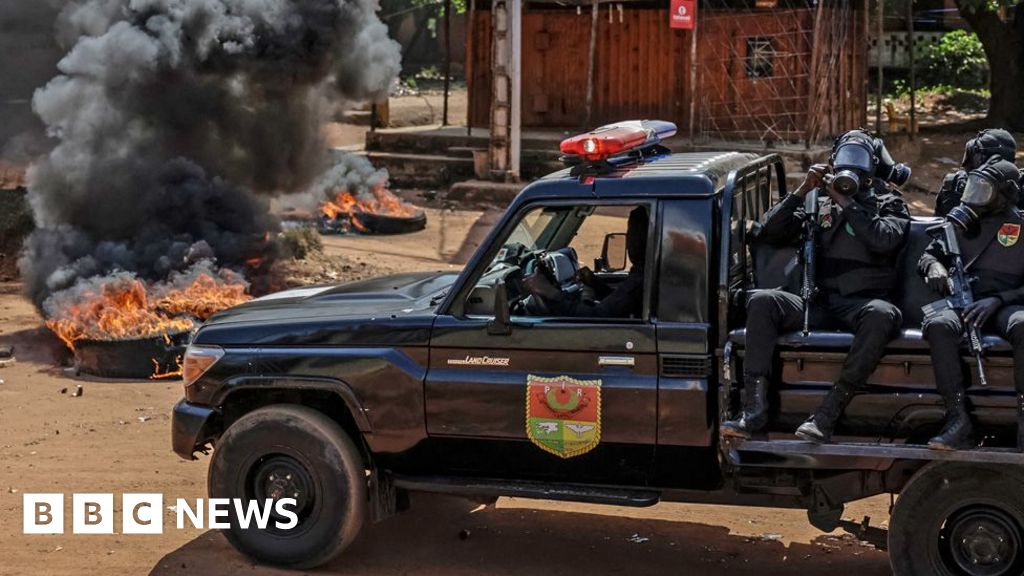
In an unfolding saga that captures the attention of global geopolitics, Guinea-Bissau finds itself once again at a crossroads of military intervention and political upheaval. The West African nation, famed for its history of at least nine attempted and successful coups since independence in 1974, saw a dramatic military takeover last Wednesday, marking yet another chapter in its turbulent history. Military officers announced they had seized control amid gunfire near the presidential palace, arresting President Umaro Sissoco Embaló and reportedly halting the electoral process. These actions have left the international community, particularly regional authorities, grappling with the uncertain legitimacy and potential consequences of this unexpected power shift.

The circumstances surrounding the coup have sparked widespread scrutiny and skepticism among analysts, civil society, and neighboring nations. While the military claimed to act to prevent a foreign-backed plot involving drug traffickers—an accusation that aligns with Guinea-Bissau’s notoriety as a drug trafficking hub—their language was notably ambiguous, insisting they were not executing a traditional coup but were instead thwarting destabilization efforts. The military’s declaration that they had ‘taken control’ yet refused the label of “coup” underscores the complex, often contradictory narratives fueling mistrust about the true motives. International organizations, including the Economic Community of West African States (ECOWAS) and global watchdogs, have urged caution, warning that such instability could further entrench the country’s fragile institutions and undermine regional stability.

The day before the takeover, Guinea-Bissau had concluded a presidential election in which Embaló sought a second term. However, the release of the election results was abruptly suspended following the military’s intervention. Opposition figures and civil society questioned whether Embaló, who quickly flew to Senegal after the coup, might have orchestrated the event to prevent unfavorable election outcomes. Some critics argue that Embaló has a history of fabricating coup attempts to justify authoritarian control, a tactic testified by his dissolution of parliament after previous alleged coup plots. The appointment of military figure Gen. Horta N’Tam as transitional leader—a close ally of Embaló—further fuels suspicions that the current regime is driven more by manipulation and personalities than by genuine democratic intent.

Geopolitical Impact and Societal Consequences

For West Africa, Guinea-Bissau’s ongoing instability signals a warning: fragile democracies easily fall into cycles of military interference, threatening regional security, especially in a time when international powers edge closer to involvement. The international community is watching with concern, wary of a scenario where political chaos facilitates drug trafficking and organized crime, further destabilizing the region’s fragile security landscape. Historians and analysts warn that repeated coups serve as setbacks for national sovereignty and democratic consolidation, with potential for long-term instability that can spill into neighboring countries—exacerbating tensions and worsening social unrest. The swift departure of Embaló to Congo-Brazzaville, coupled with Nigeria’s granting asylum to opposition figure Dias, exemplifies the fluid, unpredictable nature of this crisis and underlines the mounting international stakes.

The reactions from Guinea-Bissau’s populace are a mixture of hope and despair, reflecting a nation exhausted by decades of military meddling. Large protests demand the release of detained political leaders and the publication of election results, signaling a desire for genuine democratic processes. Civil society groups have called for strikes and civil disobedience, advocating for a return to electoral transparency. Yet, the palpable tension underscores a societal fracture; some residents see the military’s intervention as a necessary evil, assuming a temporary transition might restore order amidst chaos. The question remains: will this power vacuum be filled with true authority that steers Guinea-Bissau toward stability or further derail its fragile institutions?

As the world’s eyes fixate on this unfolding crisis, the lessons of history resonate deeply. Guinea-Bissau’s latest events echo the cautionary tales of African nations where military coups frequently derail nascent democracies, leaving scars that take decades to heal. The crossroads before Guinea-Bissau is not merely about who holds power but about the future direction of its society, sovereignty, and regional stability. The decisions made in the coming days—by military leaders, civilian institutions, and international actors—will echo in history, perhaps sealing the fate of a nation caught in the relentless tide of upheaval. This is the hour of reckoning, amid the shadows of past failures and the fragile dawn of renewed hope.

Putin’s Ally or Peace Broker? The Truth About Ukraine Talks

Global Powers on the Edge: The Strategic Ascendancy of Kirill Dmitriev and Russia’s Return to Diplomatic Influence

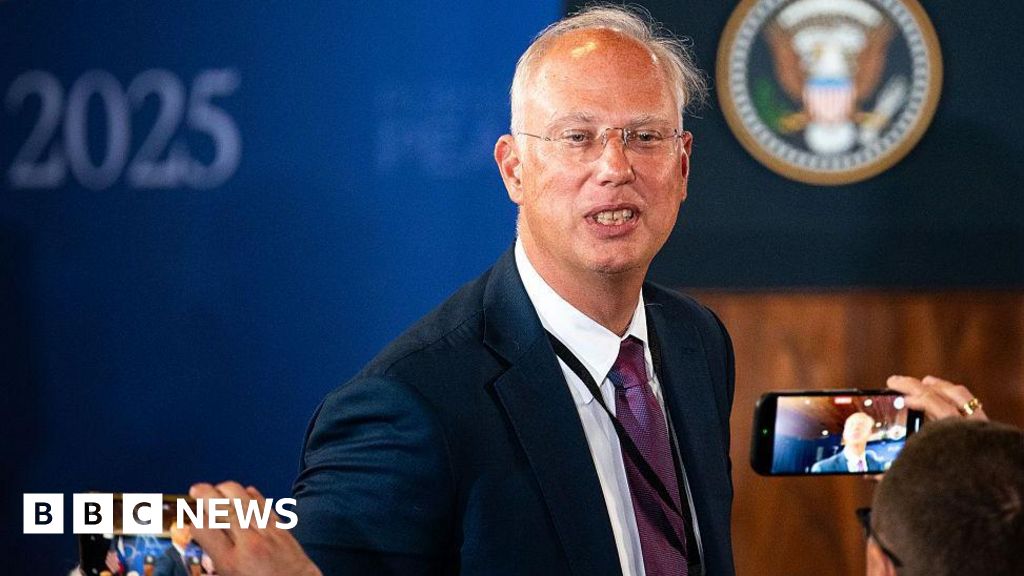
As Russia reasserts itself on the international stage, a key figure shaping its modern diplomacy has emerged in Kirill Dmitriev. With a background rooted in science, finance, and a deep understanding of international conflicts, Dmitriev’s role as head of the Russian Direct Investment Fund (RDIF) has propelled him into the spotlight. His engagement with U.S. officials during the recent negotiations over Ukraine signals a shifting landscape where selective diplomacy takes precedence over traditional adversarial posturing. Points of contact such as Miami and Saudi Arabia have demonstrated that Russia’s pragmatic approach to diplomacy, led by Dmitriev, might be reshaping geopolitical dynamics in ways previously dismissed as improbable.

Recent disclosures suggest that Dmitriev, with his unique blend of economic savvy and diplomatic agility, has played a crucial role in softening Russia’s years of diplomatic isolation. His rapport with Steve Witkoff, a U.S. envoy, exemplifies how personal relationships are increasingly pivotal in resolving issues that once seemed intractable. Analysts from organizations like the Brookings Institution and Geopolitical Watch note that Dmitriev’s deep cultural and political knowledge—specifically his Ukrainian origins and experiences in the United States—equip him with an unparalleled perspective on the multifaceted conflict in Ukraine. His advocacy for a “dignified peace,” paired with Russia’s strategic use of economic and diplomatic tools, underpins Russia’s broader objective: regain influence without provoking a full-scale confrontation, setting a dangerous precedent for the future of international diplomacy.

However, Dmitriev’s approach is not without controversy. The Biden administration and the U.S. Treasury have publicly characterized him as a “known Putin ally,” imposing sanctions that seek to diminish his influence. Critics argue that Russia’s focus on economic diplomacy—embodied by figures like Dmitriev—serves as a mask for preserving the regime’s core interests amidst Western sanctions and military confrontations. Yet, Dmitriev remains unwavering in his pursuit of a negotiated “peace process,” advocating a course that many in the West see as pragmatic, if not risky. His stance reflects a broader shift in Russia’s geopolitical posture—favoring subtle diplomacy and strategic economic partnerships over open military escalation—an approach that history’s most astute observers suggest could define the future of East-West relations.

Witnessing the unfolding chapters of this new diplomacy, historians and analysts warn that the next phase of global history hinges on whether figures like Dmitriev can successfully navigate a web of geopolitical conflicts, economic interests, and ideological divides. As the shadows of the past—such as the Cold War’s echoes—linger uneasily, the weight of history presses down. Will Russia’s calculated engagement herald a new era of coexistence, or merely a fleeting window of diplomacy before the storm of conflict reignites? The answers remain elusive, yet one truth persists: the silent march of history continues, at the convergence of old rivalries and new opportunities, with Dmitriev’s diplomacy shaping the contours of a fragile, uncertain future.

Trump signs bill demanding release of Epstein files to expose the truth

The United States has taken a monumental step in addressing one of its most controversial and secretive criminal investigations by finally signing legislation mandating the release of government files related to Jeffrey Epstein. This development marks a significant culmination of a months-long fight fueled by victims’ advocates, political pressure, and shifting public sentiment — and it signals a *turning point* in how the US approaches accountability for powerful elites.

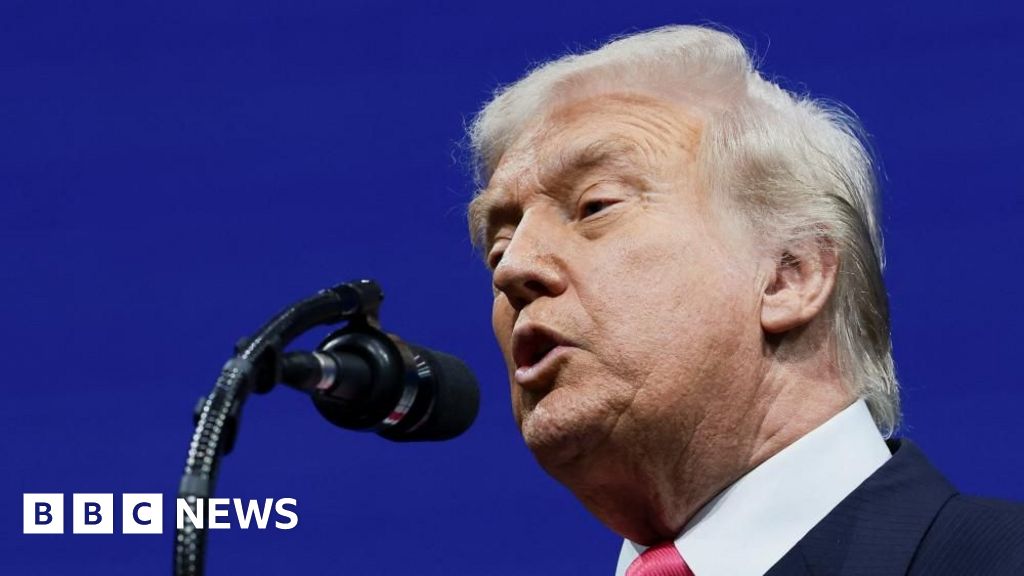
  • President Donald Trump announced the signing of the law after initially opposing it, citing concerns over revealing sensitive information. However, mounting bipartisan pressure and vocal advocacy from victims’ families prompted a rare political reversal. The law requires the Attorney General to release documents—including investigation transcripts, flight logs, and communications—within 30 days, barring any that could jeopardize ongoing criminal cases or reveal victims’ identities. This act of transparency is hailed by many as vital to uncovering the scope of Epstein’s network and its potential ties to influential figures across politics, finance, and entertainment.
  • Amid this, Congress overwhelmingly supported the measure, with only one dissenting vote on the House floor, a testament to the bipartisan consensus that justice must be served regardless of the powerful people involved. Critics, including some legal experts and advocates, remain cautious, warning that significant redactions are imminent to protect victims’ privacy and national security interests. Nevertheless, this legislation advances the clamoring call for truth and transparency, challenging the concealed hierarchies that have long shielded the rich and powerful.”

Analysts and historians note that this move could reshape the geopolitical landscape, especially considering Epstein’s known associations with high-profile figures such as King Charles’ brother and former US presidents. The released files could potentially expose connections that threaten the public image of some of America’s most influential families and institutions, thereby impacting diplomatic and domestic stability. Internationally, this sets a precedent — pressing other nations to scrutinize their own elite networks and consider the long reach of transparency and justice.

Moreover, the geopolitical impact extends beyond Washington. Countries with longstanding ties to Epstein’s victims, or who suspect their own elites might be implicated, now face increased pressure to review internal affairs. The series of revelations could trigger diplomatic investigations, strained alliances, and policy debates rooted in transparency versus secrecy. International organizations, such as the United Nations or the European Union, are observing these developments closely, as the fight to reveal the truth intersects with broader debates on global accountability and human rights.

Ultimately, the story of Epstein embodies a deeper narrative of societal decay and the silent complicity of those who shield the status quo. As the files are finally subjected to public scrutiny, the tide of history begins a new chapter — one that may reveal uncomfortable truths about the interconnected web of power and depravity. The weight of this revelation underscores a fundamental question: how long can a society sustain its illusions of justice when the shadows of secrecy threaten to engulf the very foundations of democracy? The next few weeks will be pivotal, yet the echoes of this epoch-defining act will resonate through history, reminding us all that in the ongoing battle between transparency and concealment, the truth remains America’s most potent weapon.”

Insiders Spill: The Truth About the AI Race

AI Industry Faces Disruption and Innovation Boom Entering 2024

The recent Cerebral Valley conference in San Francisco, now in its third year, underscores a pivotal moment for the AI industry—marked by rapid innovation, strategic repositioning, and significant business implications. Industry insiders, analysts, and entrepreneurs are recalibrating expectations amidst a landscape driven by disruptive technology and fierce competition. Leading figures like OpenAI and Nvidia are projected to see tremendous growth, but the trajectory toward Artificial General Intelligence (AGI) remains clouded, hinting at a future where market dynamics and regulatory frameworks will shape technological progress as much as the models themselves.

By the end of 2026, OpenAI is anticipated to generate about $30 billion in annualized revenue, a testament to the soaring demand for AI-powered services across industries. Simultaneously, Nvidia is expected to reach a valuation of around $6 trillion, driven by its dominant position in AI hardware and software. These milestones illustrate both innovation dominance and disruption, accelerating the shift of AI from niche technology to a core business survival tool. However, emerging competition—such as China’s Qwen model and open-source Chinese AI initiatives—signals industry-wide regional power plays and global market reshuffling. This trend is especially notable considering Meta’s absence from the top Model Leaderboard, emphasizing a shift in industry leadership and strategic focus.

Venture capital and corporate strategy also reveal a landscape where reverse acquihires and talent wars dominate—evidence of the industry’s pursuit of accelerated innovation and competitive positioning. Firms like Meta, Google, and emerging AI startups are vying not just for market share, but for top-tier talent, often financed with what some insiders describe as “infinite money”. Notably, investors show growing preference for companies like Anthropic, OpenAI, and startups like Cursor and Anduril, which are paving the way for next-generation AI advancements. The strategic moves—such as deals with ScaleAI or investments in Mistral and Thinking Machines—highlight the race to dominate foundational models and deployment architectures. As experts like Peter Thiel emphasize, “Disruptive innovation in AI is reshaping the entire landscape—those who lead now will control future markets.”

Implications: Disruption and Preparing for the Future

The implications for business and technology leadership are profound. The industry appears to be moving toward a critical inflection point—where the pace of progress toward AGI, regulatory oversight, and regional leadership will determine who sets the standards for the next era of AI-enabled growth. Companies positioned with cutting-edge models and hardware—like Nvidia—are likely to enjoy exponential valuation growth, but the race is nowhere near over. The emergence of Chinese models like Qwen signals a more multipolar AI landscape, demanding strategic agility from Western tech giants and policymakers alike.

Looking ahead, disruption and innovation will continue to accelerate, demanding a sense of urgency among investors, entrepreneurs, and industry stakeholders. With the recent strategic shifts and a clear push toward consolidating talent and capital, the future of AI is poised for a period of unprecedented transformation—favoring those who harness breakthroughs quickly and navigate geopolitical complexities deftly. The next two years will be critical, as the industry approaches what could be the defining moments for AI’s role in society—making it imperative for players to stay ahead of the curve.

Social Media Auto Publish Powered By : XYZScripts.com