Matox News

Truth Over Trends, always!

Unveiling the Hidden Vibes of Turkey’s Iconic Cool Capital

Discovering Izmir: A City of Ancient Roots and Modern Resilience

In the heart of the Levant, Izmir stands as a testament to centuries of cultural confluence and historical resilience. Once Turkey’s most cosmopolitan city, it was renowned over a century ago for its sophistication, with streets bustling with families from Greek, Armenian, Turkish, and Levantine backgrounds. The era of Parisian fashions, imported Munich beers, and elite schools marking the city’s golden age was abruptly halted in 1922 by devastating fires and political upheavals—yet Izmir’s spirit has refused to fade. Today, this ancient port city embraces a *vibrant blend* of history and modern lifestyle, inviting young explorers to discover its layered legacy while forging their own stories of inspiration.

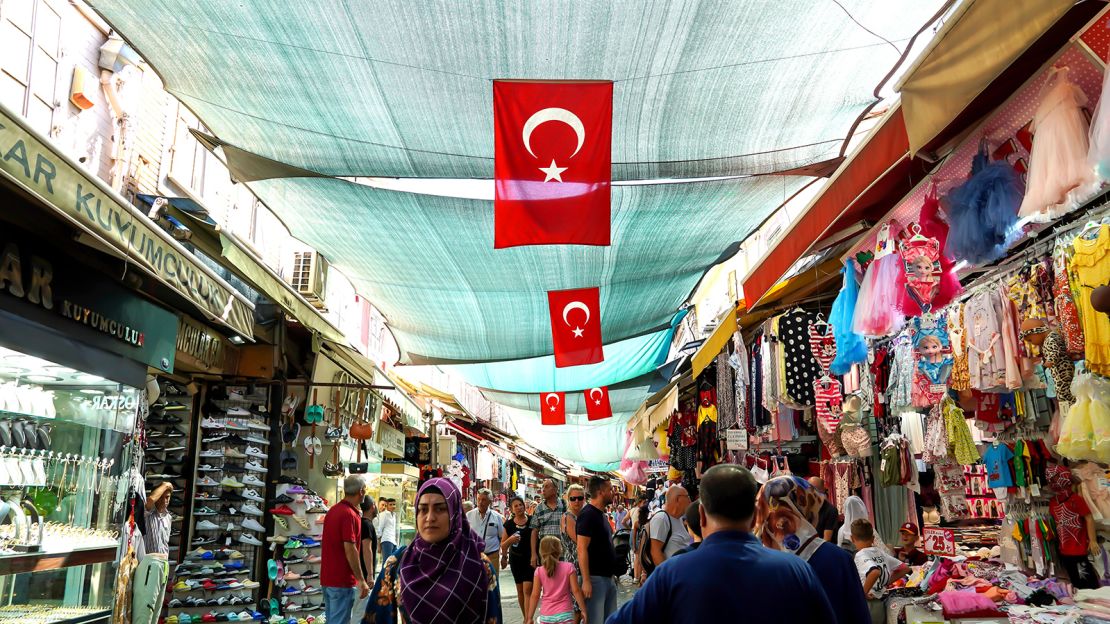
Walking through Izmir today, the historical imprint is undeniable. The Kemeralti Bazaar, a labyrinth of covered streets and han inns, remains the pulsating heart of the city’s commerce and culture. Its architectures whisper tales of the Silk Road, once making Smyrna Quay the hub for merchants exchanging silk, spices, and exotic goods. Travel buffs and history enthusiasts should heed these echoes of the past, where traditional Turkish coffee still brews over hot coals in Kahveciler Sokağı, and relics like the copper bazaar tell stories of bygone eras. Beyond the bazaar, visitors can explore the Clock Tower in Konak Square, an Ottoman-era masterpiece influenced by North African and Andalusian styles. Its ornate architecture not only provides a scenic backdrop for social media but also embodies the city’s eclectic character—a comforting reminder that beauty often lies in the convergence of diverse influences.

Yet, Izmir is more than a city frozen in time; it is a narrative of revival and entrepreneurial vigor. The reclaimed waterfront along Smyrna Quay, now known as the Kordon promenade, serves as an open-air playground for young people and tourists alike. The promenade invites activities from jogging at dawn to biking amid sunset hues, fostering a wellness culture that values well-being over the mundane. Cultural landmarks like the Adal Sultan Clock Tower symbolize resilience, constructed in 1901 with influences spanning multiple continents, echoing the city’s history of multicultural exchange. Moreover, Izmir’s music scene flourishes through figures like Darío Moreno, a singer whose legendary recordings such as *“Ya Mustafa”* continue to inspire generations. Such stories underscore how personal passions—be it music, art, or street food—fuel the city’s modern heartbeat, making it an ideal destination for the youth seeking an authentic encounter with history while forging new paths toward health and happiness.

  • Explore local cafes serving Ottoman-style coffee over traditional copper cezves.
  • Take a day trip to Ephesus, where Roman streets and mosaics tell stories of Mediterranean trade and civilization.
  • Walk or cycle along the Gulf of Izmir, soaking in views that blend natural beauty with urban revival.
  • Visit hidden gems like Havra Sokak, where ancient synagogues stand as silent witnesses to centuries of multicultural coexistence.

Ultimately, Izmir exemplifies how a city can honor its storied past while embracing a future filled with vitality and youthful energy. Its resilience, driven by centuries of multicultural exchange, reminds us that even amid chaos, there is always an opportunity to rebuild and redefine one’s identity. For the young explorer, entrepreneur, or wellness seeker, Izmir offers a metaphorical journey—a personal odyssey through history, innovation, and lifestyle. As you stand on its shores or wander its ancient streets, you realize that lifestyle itself is an evolution—a continuous act of reclaiming, rediscovering, and celebrating the spirit of resilience. In this city of the phoenix, every moment becomes an invitation to craft your own narrative of strength and inspiration, one step at a time.
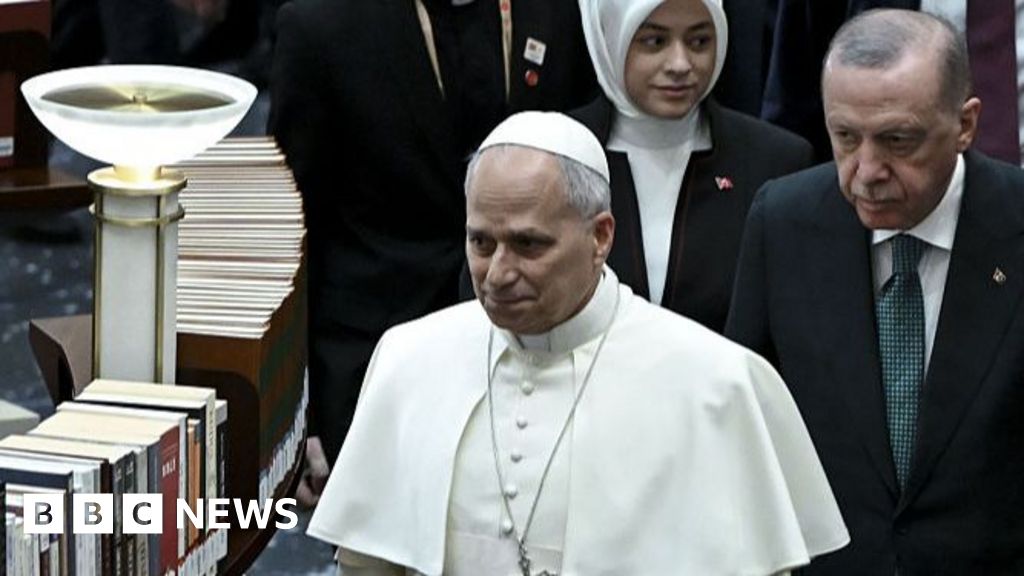
Pope Leo Visits Turkey, Warns Humanity’s Future Hangs in the Balance amid Rising Conflict

Global Implications of Pope Leo XIV’s Historic Diplomatic Trip

Amid mounting global tensions and an accelerating geopolitical chess game, Pope Leo XIV has embarked on a trip that carries significant weight beyond religious corridors. His visit to Turkey and Lebanon represents a conscious effort to foster interfaith dialogue, regional stability, and unity across fractured Christian communities. As he was welcomed by President Recep Tayyip Erdogan in Ankara, the pope issued a stern warning against “a heightened level of conflict on the global level,” emphasizing the importance of dialogue in shaping humanity’s future. This move is not just diplomatic window dressing; analysts suggest it could influence the shifting alliances and tensions that threaten to destabilize the Middle East and beyond.

This trip carries a weight of historical significance, highlighting the Pope’s desire to heal ancient schisms within Christianity while acting as a moral anchor amid regional turmoil. One of the pivotal moments took place in Iznik, the site of the ancient Council of Nicaea. There, amidst relics of early Christian unity, leaders of various traditions gathered to mark the 1,700-year anniversary of the Nicene Creed—an anchor point for Christian doctrine. In the current climate, where regional conflicts are increasingly entangled with religious identity, the pope’s call for “messages of togetherness and healing,” aims to remind the world of the enduring power of unity. Leaders and historians, including those from the Vatican and international think tanks, see this as a decisive attempt to rekindle dialogue and possibly curb future conflicts rooted in doctrinal divisions.

Meanwhile, in Turkey, Pope Leo’s visit to iconic sites such as the Blue Mosque symbolizes an effort to promote inter-religious dialogue. His meetings with other faith leaders are viewed by many analysts as strategic acts of soft diplomacy, aimed at fostering mutual respect in a region often scarred by religious tensions. This approach reflects a broader shift toward *practical engagement* amidst a sea of instability—particularly as regional alliances shift in response to rising conflicts and international disputes. The Pope’s cautious diplomacy continues to shape the *geopolitical landscape*, signaling a nuanced effort to prevent escalation and promote peace. The significance lies in how such gestures, often overlooked in the realm of geopolitics, can ripple outward and inspire societal resilience or, conversely, deepen fractures if misinterpreted.

The regional context has been further complicated by recent Israeli airstrikes on Beirut, an act that critics argue underscores the fragility of Lebanon’s stability. Despite this, the Vatican has affirmed that Pope Leo XIV’s plans for his Lebanon visit remain unchanged. He plans to meet with civic leaders and voice support for Lebanon’s besieged Christian community—an influential minority struggling for recognition amid chaos. His final Mass at the Beirut waterfront, on the anniversary of the 2020 port explosion, is expected to serve as a powerful act of remembrance and a plea for peace. International observers, including strategic analysts from NATO and the World Council of Churches, note that this act—and the overall trip—may be subtly pushing back against the rising tide of regional instability, seeking to remind global powers of their moral responsibility.

As the world watches this carefully calibrated diplomatic dance, the weight of history presses heavily upon each step. Pope Leo XIV’s trip is more than spiritual outreach; it is an act of moral diplomacy that may influence the geopolitical currents shaping future decades. The decisions made in these quiet corridors of dialogue will echo through generations, dictating whether nations can build bridges over centuries-old divides or descend further into chaos. The world remains poised at a crossroads, and history, ever-watchful, continues to unfold its story—an enduring saga of hope, conflict, and the relentless pursuit of peace amid chaos.

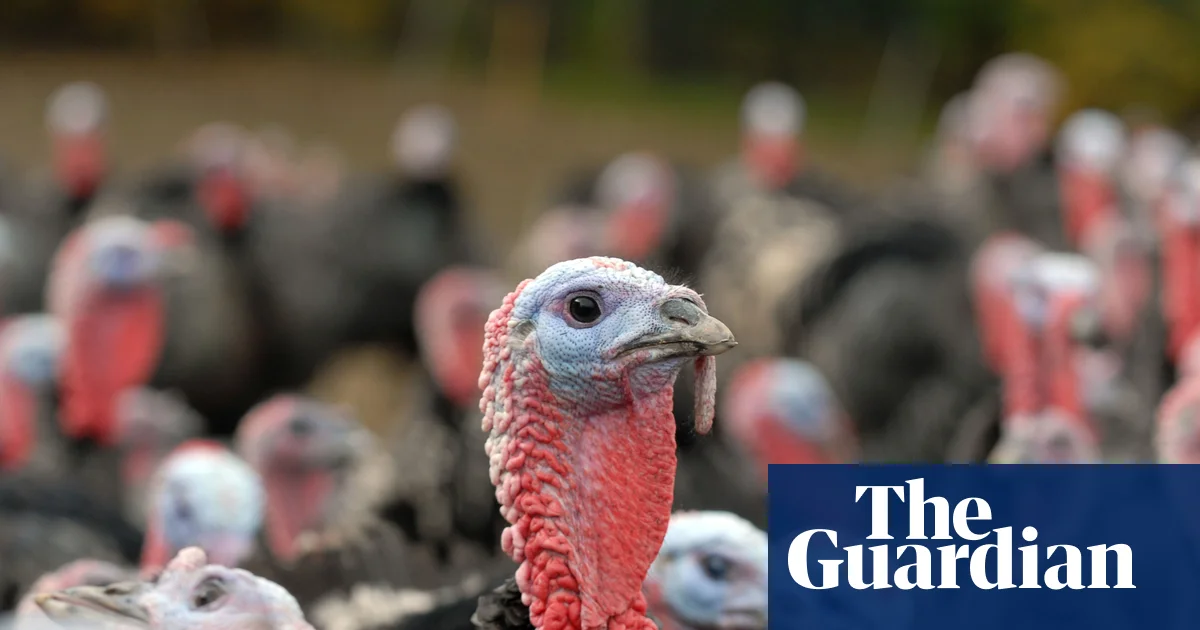
UK bird flu chaos threatens Christmas turkey supply—industry on edge

UK Bird Flu Outbreak Weighs Heavily on Christmas Supply Chain, Signaling Broader Geopolitical and Economic Shifts

The ongoing avian influenza outbreak sweeping through the UK poultry industry exemplifies a crisis that extends far beyond farmyards and supermarkets. With cases surpassing last year’s toll, the impact on the Christmas supply chain is mounting, revealing vulnerabilities that could have wider geopolitical implications. The reality that approximately 300,000 birds—particularly organic and free-range—have already been culled underscores the severity of this health emergency. Though major retailers exhibit resilience, willing to absorb short-term losses on advance orders, the disruption signals a fragile global food network exposed to the unpredictability of zoonotic diseases.

This health crisis is more than a local story — it’s a stark warning of how risks from emerging infectious diseases could reshape international trade relations and national security strategies. With outbreaks confirmed in large-scale commercial poultry units across England and neighboring nations under stringent biosecurity mandates, authorities are racing against time to contain the virus. The Animal and Plant Health Agency reports nearly 50 cases since October, emphasizing that *crisis management remains a delicate balance.* Historians and analysts warn that if such outbreaks persist or amplify, they could precipitate a cascade of economic repercussions, jeopardizing global food security and intensifying political tensions over resource sovereignty and pandemic response coordination.

International Responses and the Broader Geopolitical Impact

While the UK strives to manage its farm crisis, the broader international landscape is not immune to the repercussions of emerging zoonoses. Countries with significant poultry industries—such as the US, China, and India—are closely monitoring developments, aware that the spread of avian flu can undermine global supply chains and trigger protective trade measures. The World Organisation for Animal Health (OIE) cautions that such outbreaks may catalyze stricter import restrictions, impacting international relations and trade agreements rooted in agricultural commodities. This scenario underscores the need for a cohesive multinational response, yet it also exposes vulnerabilities in existing treaties that often prioritize economic gains over health security.

Experts contend that shifting geopolitical alliances could influence future biosecurity protocols, especially as nations seek to safeguard their food sovereignty amid mounting ecological and health challenges. The UK’s experience serves as a trial run for how local health crises can ripple outward, forcing countries to reevaluate their strategic alliances and resource allocations—factors that will significantly influence future global governance. As a result, international organizations are called to step up their coordination efforts, fostering resilience in an interconnected world increasingly threatened by zoonotic spillovers and climate change.

Conclusion: The Unfolding Chapter of Global Crisis

As the UK battles its most severe bird flu outbreak in years, the world watches with bated breath. The decisions taken today—ranging from immediate containment measures to long-term policy shifts—will carve the path for future generations. Public health and economic stability hinge on swift, decisive actions, but history warns that such crises often reveal deeper geopolitical fault lines, exposing vulnerabilities in our interconnected fabric of society. With every cull and containment order, the narrative of global resilience continues to unfold, leaving nations to ponder whether they are prepared for the next shadow looming on the horizon—a threat that, if unchecked, could transform the course of history in ways yet unforeseen.

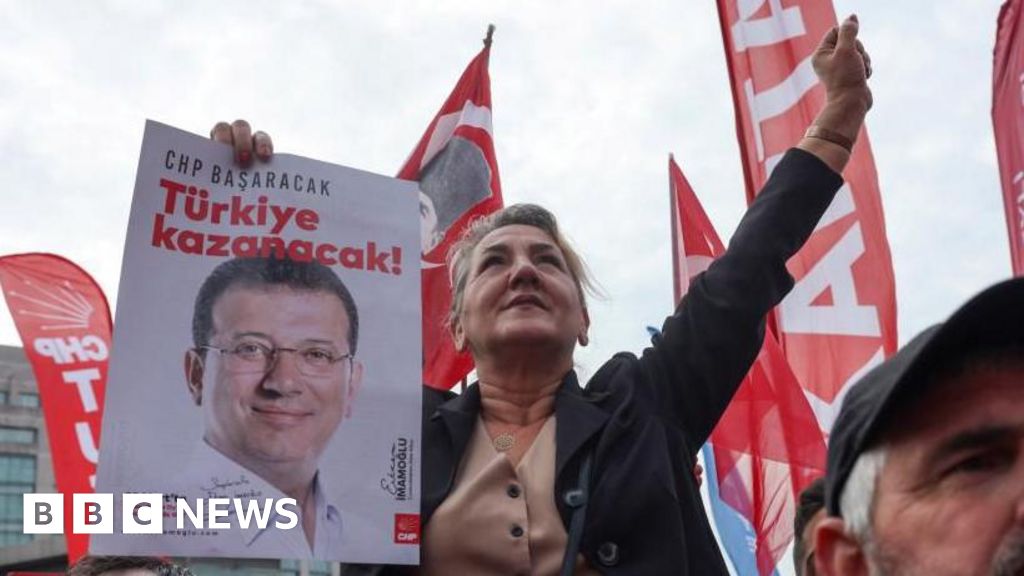
Turkey calls for over 2,000 years in prison for Istanbul’s popular Mayor Imamoglu

In a move that has sent shockwaves through Turkey’s political landscape, the mayor of Istanbul, Ekrem Imamoglu, faces a barrage of serious charges that threaten to reshape the nation’s trajectory. The prosecutor’s office in Istanbul has leveled accusations of 142 counts of corruption, bribery, and money laundering, claiming that Imamoglu was at the helm of a sprawling criminal network. Such allegations, if proven, could lead to a combined jail sentence exceeding 2,400 years — a staggering figure that underscores the gravity of what some analysts are calling an attempt to quash Turkey’s most prominent opposition figure.

The charges against Imamoglu, who achieved national prominence by defeating President Recep Tayyip Erdogan’s allies in the 2019 mayoral race and securing a landslide victory in April 2024, are widely viewed as a politically motivated crackdown. His supporters and opposition leaders alike argue that this move is aimed at dismantling the secular CHP’s strongest presidential contender for 2028. The Turkish government denies political bias, insisting that the judiciary operates independently and that these prosecutions are based on concrete evidence of corruption. Yet, many international observers, including analysts from the European Union and human rights watchdogs, see this as part of a broader pattern of eroding judicial independence under Erdogan’s increasingly authoritarian rule.

What makes Imamoglu’s case particularly significant is how it exemplifies the *turning point* in Turkey’s domestic politics — a nation increasingly polarized, with political rivals retreating into entrenched factions. Imamoglu, a figure representing secularism and democratic principles, has articulated a vision of reform that resonates with millions of Turks weary of authoritarian overreach. His detention, coupled with accusations of espionage, forging documents, and engaging in a criminal conspiracy, frames a critical geopolitical impact: Turkey’s internal political turmoil could ripple outward, unsettling regional stability and complicating its relations with Western allies. As society watches, the President’s supporters argue that this is a necessary step to root out deep-seated corruption, while opponents warn of the rise of a political witch-hunt disguised as justice.

Historically, such tactics — where judiciary processes are weaponized against opposition leaders — have been observed in other regimes transitioning from democratic ideals towards authoritarian consolidation. The United Nations and European Union have both expressed cautious concern over the increasing politicization of Turkey’s judiciary. Meanwhile, regional powers such as Greece and Europe are keenly monitoring the unfolding crisis, aware that Turkey’s internal stability directly influences broader geopolitical fluidity, especially in the context of conflicts in the Middle East and NATO dynamics.

As Imamoglu faces what many see as an orchestrated attempt to eliminate the opposition, the future of Turkey’s democracy hangs in the balance. His case has ignited protests across Istanbul and beyond, underscoring a profound societal divide. The decision of the courts next will forever shape the historical narrative of the nation: whether Turkey will regain its democratic footing or spiral further into a dangerous era of political repression. With history’s pen poised on the edge of a new chapter, the world remains watchful — for in Turkey’s fate lies a commentary on the resilience of democracy itself. The echoes of this tumult are sure to resonate, leaving a legacy that future generations will scrutinize — a story still being written with every bold step and every heavy silence in the corridors of power.

Fire at Turkey perfume warehouse claims six lives, highlighting safety concerns

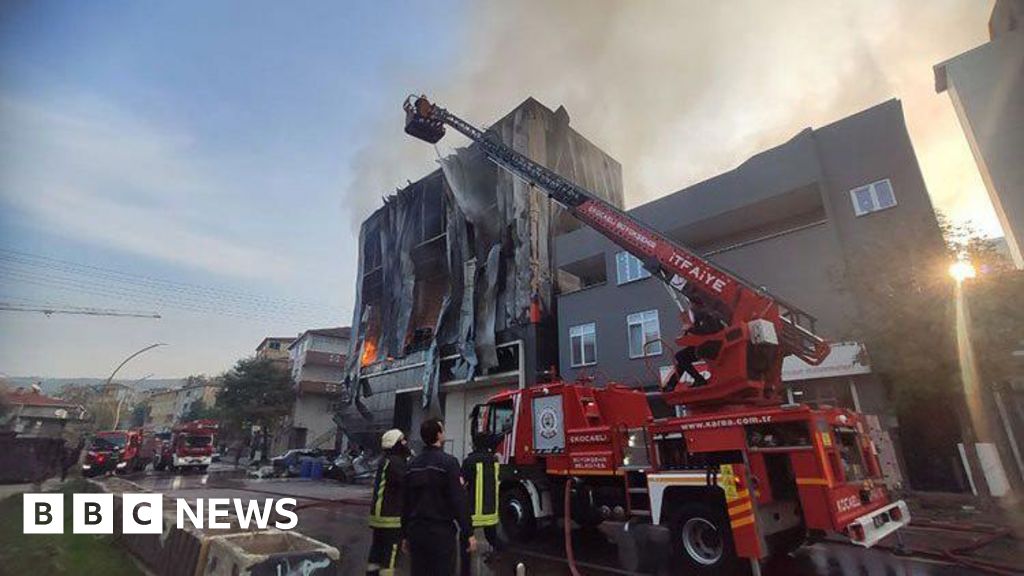
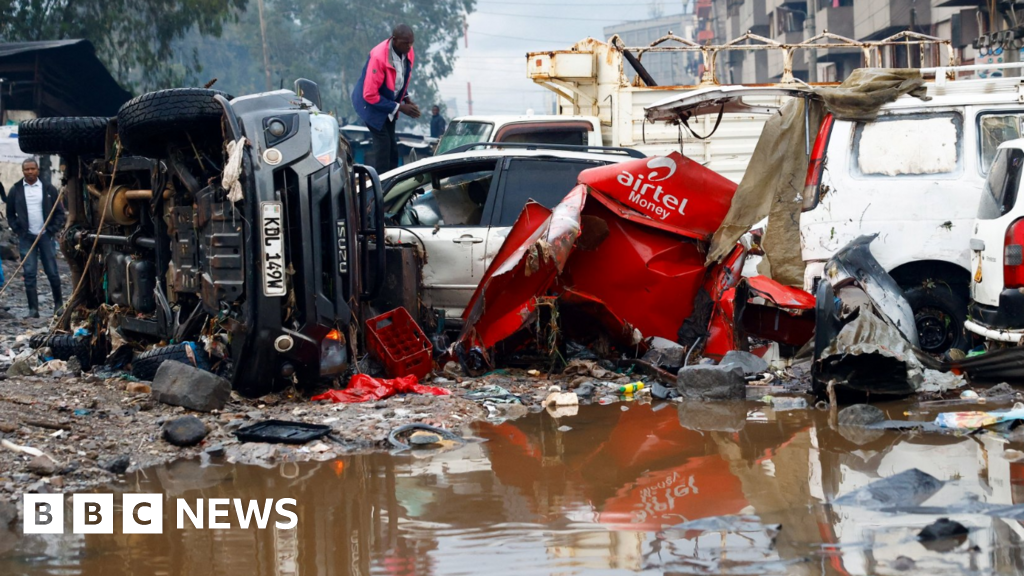
In a devastating incident that underscores Turkey’s ongoing industrial vulnerabilities, a fire erupted at a perfume warehouse located in the industrial hub of Dilovasi, in Kocaeli Province. The blaze, which broke out early Saturday morning, resulted in the tragic loss of six lives and left five others hospitalized. The incident highlights the dangers inherent in Turkey’s robust yet often perilously managed manufacturing sector, especially in regions teeming with factories and depots crucial to its economic infrastructure.

Authorities from both the Justice Ministry and the Labour Ministry have launched comprehensive investigations into the incident, aiming to determine the cause of the fire, which remains unspecified as of now. Witnesses describe a sudden explosion that ignited the flames, engulfing nearby facilities and creating a scene of chaos. The local government, led by Kocaeli Metropolitan Municipality, has reported that the fire has been fully extinguished but emphasized the importance of scrutinizing industrial safety protocols. The accident comes as a reminder that Turkey, despite its growing economic influence, continues to grapple with safety standards that often lag behind its rapid industrial expansion.

Analysts and international commentators suggest that this tragedy exposes the broader vulnerabilities within Turkey’s industrial and economic systems, which are intertwined with its increasingly complex geopolitical position. As Turkey navigates its ascent on the global stage, it faces mounting pressure from internal and external forces demanding greater accountability and safety. The incident could catalyze international calls for Turkey to align its manufacturing practices with more stringent safety and environmental standards, particularly from organizations such as OECD and EU regulatory bodies. This event also risks tarnishing Turkey’s reputation as a key player in regional commerce, potentially impacting foreign investment and diplomatic relations, especially with Western allies concerned about stability and rule of law.

Historically, Turkey has been a strategically vital actor straddling continents and cultures, with its industrial capacity serving as a cornerstone of its geopolitical ambition. Yet, as experts warn, such tragedies are a stark reminder that economic growth must never come at the cost of human safety. The fire at the perfume warehouse could serve as a turning point—pushing reforms or, conversely, deepening concerns over regulatory negligence. With Turkey’s strategic importance in the Eurasian corridor, how it responds to these setbacks will resonate far beyond its borders, potentially shaping the regional balance of power in unpredictable ways.

As the dust settles over the smoldering ruins of Dilovasi, history continues to be written—one chapter of industrial peril and geopolitical consequence at a time. The flames may be doused, but the questions about safety, governance, and international responsibility remain ablaze. For nations observing from afar, the unfolding response to this tragedy will be a testament not just to Turkey’s resilience but also to its capacity to reconcile economic ambitions with the fundamental duty of safeguarding its people. The weight of these moments hangs heavy in the air—waiting, as always, for the next turn in history’s relentless march.

Cappadocia: Turkey’s Ultimate Trailblazing Spot for Youthful Adventurers

Embracing the Spirit of Adventure: Discovering Cappadocia

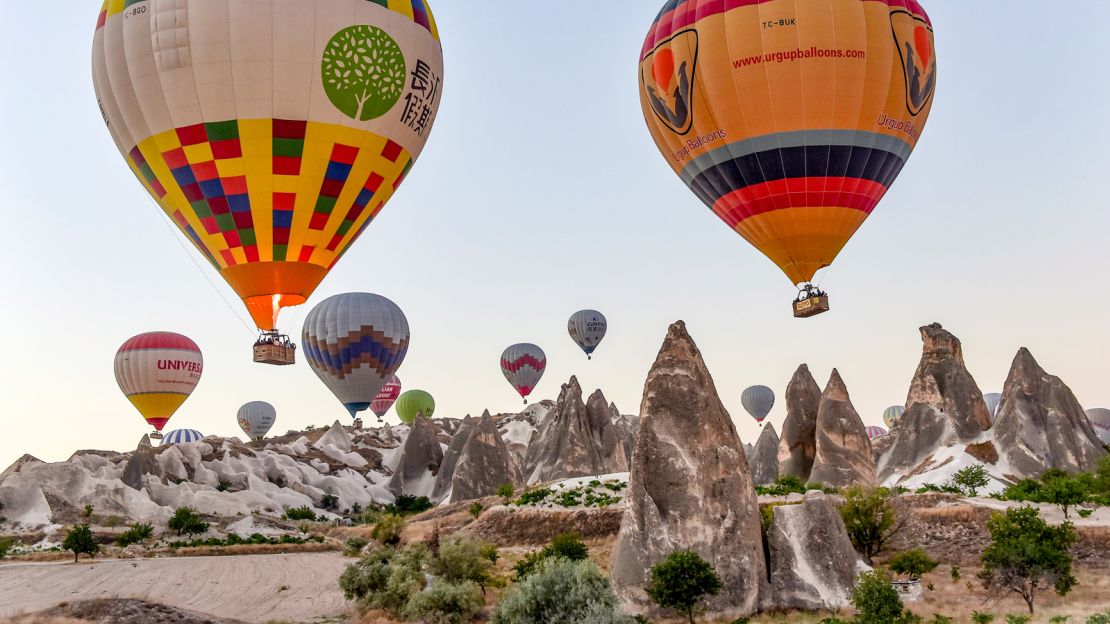
In the heart of central Turkey, lies a landscape more surreal than any daytime dream—Cappadocia. Famous for its whimsical “fairy chimneys”, this region encapsulates a perfect synergy of natural wonder and human ingenuity. Thousands of years ago, this terrain was forged from volcanic ash that cooled into soft, porous tufa rock—a material so easy to carve yet hardened upon exposure to air. Over centuries, water, wind, and time sculpted these formations into towering spires and intricate cave dwellings. Today, these ancient structures not only mark Cappadocia’s rich history but also serve as a testament to the resilience and ingenuity of its early inhabitants, who carved monasteries, churches, and homes directly into the rocks.

While captivating aerial views from countless hot air balloons draw visitors from around the world, seasoned explorers know that the region’s true magic unfolds on foot—or even better, horseback. The region’s extensive trail system and guided tours allow travelers to experience the authenticity of Cappadocia’s rural past and connect deeply with its landscape. As medieval art historian Tolga Uyar highlights, sites like Zelve have stood for over 1,400 years, continuously inhabited and reimagined, making them living, breathing monuments to history. Wandering these ancient roads, a visitor can glimpse into the lives of monks, farmers, and early Christians who sought refuge amidst the rocks, carving out communities that defy time.

For those seeking a personal impact beyond mere sightseeing, Cappadocia offers numerous wellness-oriented activities. The naturally preserving environment invites tranquil hikes through lush river valleys like Ihlara, where spring blossoms and the melody of nightingales create an almost meditative experience. Guided excursions, such as those led by locals like Mehmet Güngör, reveal hidden churches and plant species unseen by casual travelers. The region’s horse-riding tours, especially at Cemal Ranch, embody a sense of freedom and harmony with nature. As Cemal Koksal reflects, riding in these valleys provides a peaceful connection to Turkey’s historic Yılkı horses, a tradition of free-roaming steeds that symbolize the wild, unspoiled character of Cappadocia.

  • Travel Tips: Embrace guided walks to unlock secret pathways and learn about the region’s history from locals with generations of experience.
  • Lifestyle Hacks: Carry lightweight hiking gear, water, and a camera to capture the breathtaking contrasts—from pinkish dawns in Red Valley to the lush greenery of Ihlara in spring.
  • Leisure Inspiration: Participate in full moon hikes or sunset horseback rides to view the valleys in their most dazzling light, fostering a sense of wonder and personal renewal.

In this landscape where centuries-old churches meet the natural artistry of erosion, inspiring tales and visuals intertwine to remind us that lifestyle is a journey. Whether scaling ancient steps into monasteries or riding under crimson sunsets, visitors are invited to rediscover their own sense of adventure and grounding. Cappadocia continues to beckon those with a spirit for exploration, offering a timeless canvas where history, nature, and personal transformation meet in perfect harmony. Ultimately, embracing such a journey is about more than sightseeing; it is about welcoming the possibility of transformation and habitually seeking beauty in the world—and within ourselves.

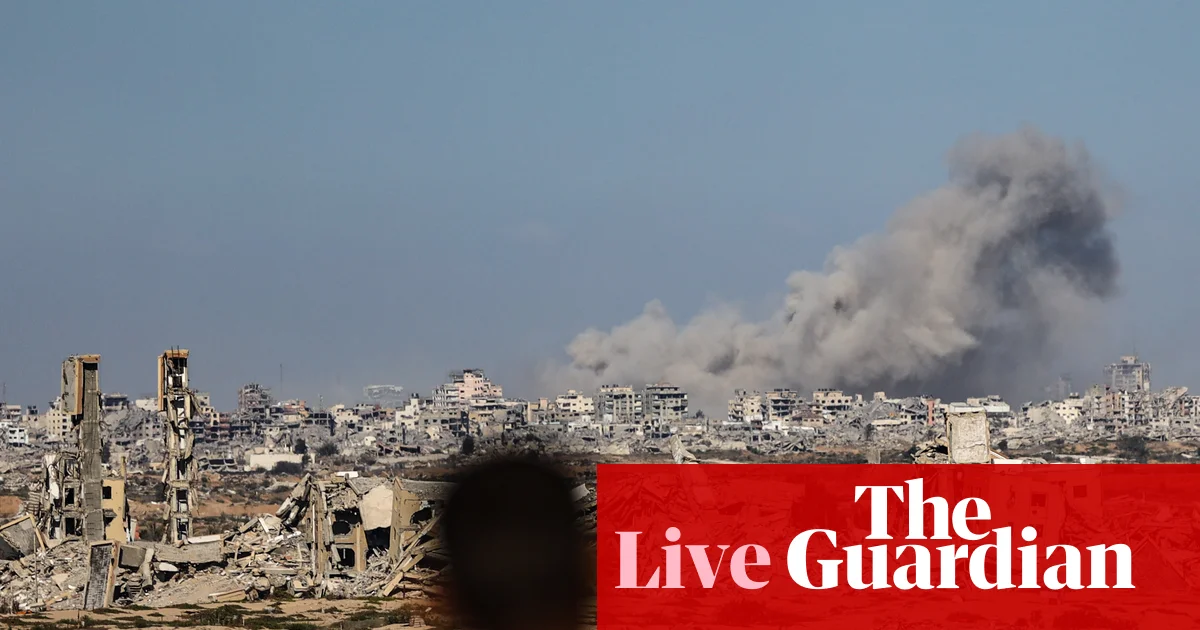
Gaza Ceasefire Talks Hit a New Stage as US, Turkey, Qatar Step Up Diplomacy—Third Day of Critical Negotiations

The ongoing crisis in Gaza continues to escalate, drawing increasing international concern over its profound geopolitical impact and the ripple effects felt across the Middle East. Recent events revealed a renewed effort by Israel to enforce its naval blockade, intercepting a new Gaza-bound aid flotilla organized by the Freedom Flotilla Coalition (FFC). Days after the detention of activists aboard vessels attempting to deliver vital humanitarian supplies, Israeli forces reportedly jammed signals and boarded at least two boats, asserting that their actions had no legal jurisdiction over international waters. The coalition, a consortium of pro-Palestinian organizations, contends that these vessels carried over $110,000 worth of medical supplies, respiratory equipment, and nutrition intended for Gaza’s hospitals, which are overwhelmed amid the conflict—a harrowing reminder of the human cost of the blockade.

These maritime confrontations are far from isolated incidents. Just days prior, Israel intercepted approximately 40 vessels in an aid convoy, detaining more than 450 activists involved in the Global Sumud Flotilla. The persistent pattern underscores a growing international debate over Israel’s strict maritime blockade and its impact on the civilian population in Gaza. Critics, including some United Nations officials, argue that Israel’s tactics effectively suffocate a population already suffering from a UN-declared famine and displacement—with over 90 percent of Gaza’s residents displaced according to recent reports. Historians and analysts warn that the continued blockade, paired with widespread military actions, risks further igniting regional instability, especially as diplomatic efforts unfold behind closed doors in Egyptian resorts like Sharm El-Sheikh.

The diplomatic arena remains tense, with U.S., Turkey, and Qatar convening in what many perceive as a last-ditch effort to broker peace. Through indirect negotiations between Hamas and Israel, hosted in Egypt and based on a 20-point plan floated by Donald Trump, the international community’s hopes hinge on what some describe as a fragile window for peace. According to officials, the presence of strategic figures—like Qatar’s Prime Minister Sheikh Mohammed bin Abdulrahman Al Thani, Turkey’s intelligence chief Ibrahim Kalin, and Trump’s special Middle East envoy Steve Witkoff— underscores the high stakes involved. President Trump himself has expressed cautious optimism, stating that “there’s a real chance that we could do something,” emphasizing the importance of securing the release of Israeli hostages and ending the bloodshed.

However, the path toward stability remains paved with violence and disappointment. The anniversary of Hamas’s infamous 7 October 2023 attack, which resulted in over 1,200 deaths—primarily civilians—and the taking of hostages, serves as a stark reminder that conflict remains deeply entrenched. Israeli society commemorates this event with mourning and calls for action, even as some voices warn of the risks of surrendering sovereignty or strategic interests in the face of diplomacy. The global pressure to halt the violence grows, yet the battlefield’s scars deepen, with over 35 arrests reported in West Bank and East Jerusalem by Israeli forces, and hospitals in Gaza struggling to care for newborns denied necessary equipment because of denied transfers from evacuated facilities. Critics argue that Israel’s relentless military response and blockade exemplify a pattern of behavior that some human rights organizations describe as genocidal—a declaration supported by recent UN inquiries.

As history continues to unfold amid these tumultuous events, the weight of impending decisions remains heavy on the shoulders of international leaders. Each diplomatic move, each blockade, and each act of violence shapes a ripple through the geopolitical fabric of the Middle East and beyond. The fervent hope that peace might one day dawn over Gaza is a fragile glimmer amid the shadows of war and history’s relentless march, reminding us all that the story of this conflict is far from written—an enduring testament to a region where the next chapter could redefine the fate of millions.

Social Media Auto Publish Powered By : XYZScripts.com