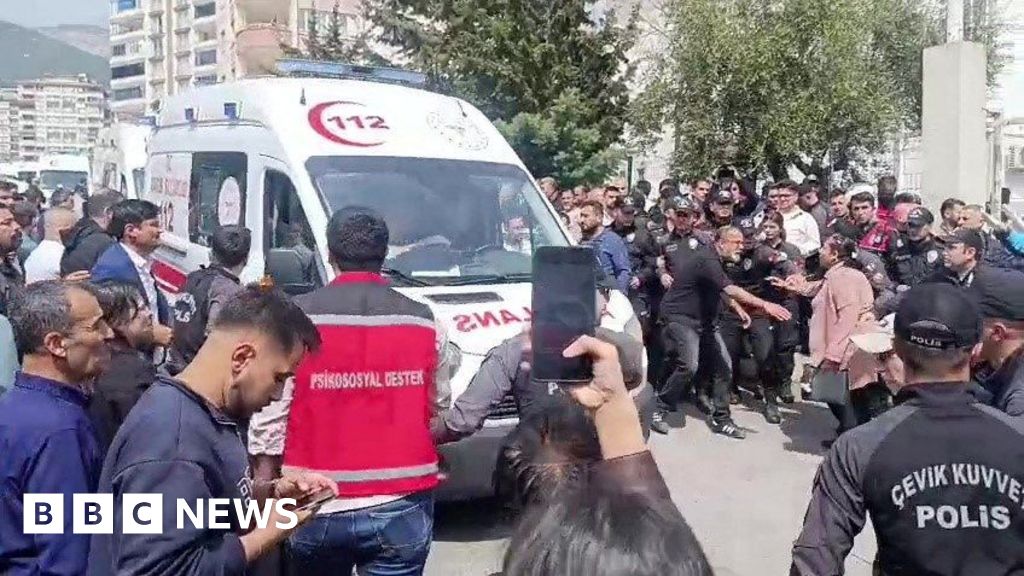

In a devastating incident that has sent shockwaves through the international community, authorities confirm that eight students and one teacher lost their lives in a violent attack at a school. According to Interior Minister Mustafa Cifci, this tragic event underscores the escalating threats facing many nations today, highlighting a dire need for global cooperation in countering violence and securing educational spaces.
The attack, which remains under investigation, has further intensified debates about security policies and international stability. Such violence not only devastates individual communities but also threatens broader geopolitical stability. International watchdogs and human rights organizations emphasize that targeted violence of this nature often signals underlying societal tensions, which—if left unaddressed—can escalate into regional or even global conflicts. Analysts from the United Nations warn that reactive measures, while necessary, must be complemented by long-term strategies aimed at fostering social cohesion, education reform, and counter-terrorism cooperation.
Historically, similar tragedies have revealed the fragile nature of peace in volatile regions, often precipitating shifts in diplomatic relations and internal policies. Historians note that incidents like these act as a warning sign—an urgent call to action for governments and international bodies to reassess their approach to internal security and social harmony. In the context of current global tensions, where geopolitical rivalries and ideological confrontations threaten to destabilize entire regions, such acts of violence serve as grim reminders of the persistent vulnerabilities faced by developing and developed nations alike.
The geopolitical impact of this attack is profound, illustrating how internal security issues ripple outward, affecting diplomatic relations and international perceptions. Countries may face increased pressure to bolster border security, re-evaluate foreign aid priorities, or strengthen local law enforcement as a result. Such decisions invariably influence not only the immediate communities but also shape the futures of societies, impacting education, democracy, and public trust. International organizations emphasize that sovereignty must be balanced against collaborative security measures, or risk further fragmentation of the social fabric.
As analysts ponder the *possible consequences* of this tragedy, it becomes painfully clear that the fight against violence and extremism is far from over. This event, marked by loss and heartbreak, echoes the ongoing struggles faced by nations grappling with new security paradigms and societal divisions. Humanity’s collective destiny hinges upon whether the global community can rise to meet these challenges with resilience and resolve. For now, the shadows of this attack linger, a haunting chapter added to the ongoing narrative of history—reminding us that even in times of peace, vigilance must never waver, for the weight of history continues to unfold with each passing day.