Matox News

Truth Over Trends, always!

What the US-Iran Two-Week Ceasefire Means for America's Future
What the US-Iran Two-Week Ceasefire Means for America’s Future

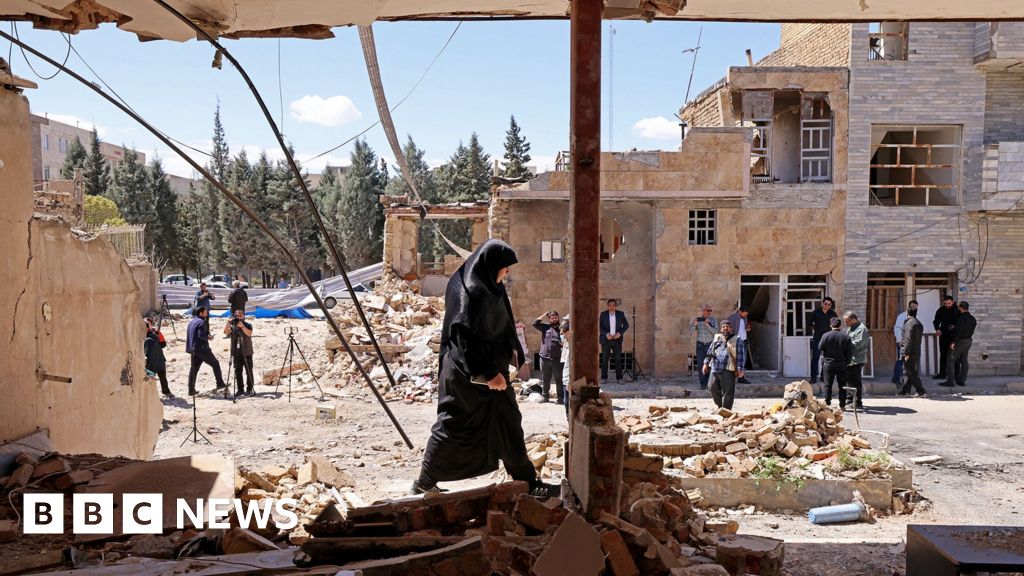
In a significant development that underscores the fragile state of regional stability in the Middle East, a **provisional truce** has been announced, following more than a month of escalating hostilities. The conflict was ignited by **coordinated attacks launched by the **United States** and **Israel** against Iran**, actions perceived by many as an aggressive effort to weaken Tehran’s influence and deter its burgeoning regional alliances. While the terms of the ceasefire remain preliminary, this diplomatic move signals a tense but critical pause in what many analysts describe as an ongoing proxy war that threatens to reshape the geopolitical landscape.

The recent escalation began when **U.S. and Israeli authorities** declared a collective effort to curtail Iran’s nuclear ambitions and to dismantle its support networks for regional allies like **Hezbollah** in Lebanon and the **Houthis** in Yemen. Historically, these covert operations have been justified as defensive measures, yet critics argue they have deepened regional instability, provoked Iran, and invited an unpredictable cycle of retaliation. According to international security think tanks, such as the International Crisis Group, these actions have the potential to ignite broader conflict, dragging neighboring nations into turmoil and challenging the authority of global institutions tasked with maintaining peace.

Experts emphasize that the geopolitical impact of this temporary truce cannot be understated. While it may offer a brief respite, the underlying tensions remain unresolved. *Historian* Dr. Samuel Baker warns that “a fragile ceasefire in a landscape marred by longstanding animosities and external interference is more perilous than an open confrontation.” The decision by **U.S.** and **Israeli** leaders to pursue military actions could be viewed as part of a broader strategy aimed at pressuring Iran into concessions, yet it risks solidifying Iran’s resolve and deepening its alliances with **Russia** and **China**—a move that substantially shifts the balance of power within the region.”

On the international stage, organizations like the **United Nations** call for restraint, yet their influence remains limited amid heightened nationalist sentiments and emerging power blocs. UN analysts warn that if these hostilities persist or escalate, the likelihood of a much broader conflict increases, potentially destabilizing entire regions and impacting global markets. The ripple effects of continuing unrest threaten to undermine decades of efforts towards diplomatic solutions and epitomize the volatility of 21st-century geopolitics, where alliances are transient and conflicts are often fueled by external ambitions more than local grievances.

As history turns another page, the world watches with bated breath. The temporary halt in hostilities may represent a fleeting moment of calm—*a pause in the violence before the storm*—but the fundamental issues at stake remain unresolved. The decisions made today, whether towards peace or further conflict, will indelibly shape the course of history. For nations caught in this crucible, the stakes are nothing less than the future stability of the entire region—an uncertain pathway where peace hangs precariously in the balance as the players in this high-stakes game continue to maneuver, echoing the warnings of analysts who see this as only the beginning of a long and volatile chapter in world history.

Trump Announces Two-Week Iran Ceasefire Deal—A Win for U.S. Interests

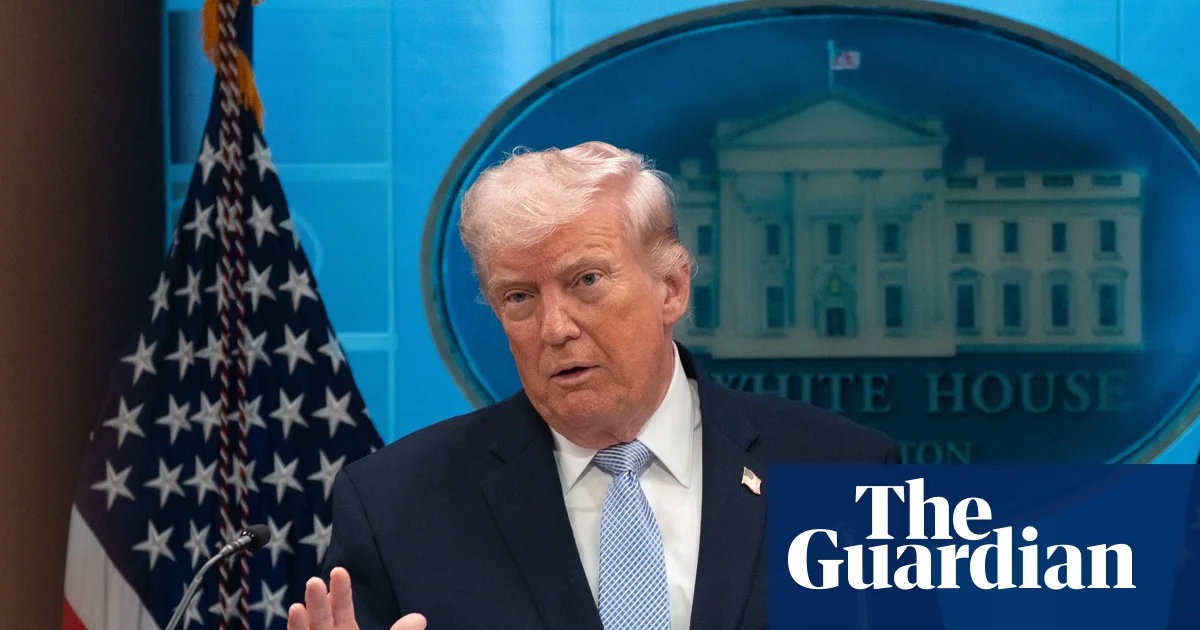
In a move that could reshape geopolitical dynamics across the Middle East, President Donald Trump announced on Tuesday a tentative two-week ceasefire with Iran. The statement, made via social media, signals an April attempt at diplomacy after months of escalating tensions centered around maritime security, economic sanctions, and regional influence. Trump declared that the United States would suspend its military operations against Iran, framing the pause as a ‘double-sided ceasefire’—a seemingly rare diplomatic overture amid ongoing volatile confrontations.

Crucially, the terms of the ceasefire hinge upon Iran’s acceptance of the complete, immediate, and safe opening of the Strait of Hormuz. This strategic waterway has become a flashpoint in recent months, with American and allied forces accusing Iran of disruptive activities that threaten global oil supply. The U.S. administration’s move appears to be rooted in encouraging Iran to de-escalate maritime tensions, which have reverberated through international markets and strategic calculations. Analysts warn that this temporary pause may serve as a prelude to broader negotiations, or alternatively, as a fragile window that could collapse, reigniting conflict in an already troubled region.

International reactions have been mixed. While some diplomatic voices see this as a positive step towards dialogue, many experts urge caution. The United Nations and other global organizations have called for restraint but have also expressed concern that the situation remains dangerously unpredictable. Historians and geopolitical analysts note that Iran’s response will be pivotal, as its leadership has long used maritime control and regional influence as leverage in negotiations. Moreover, the U.S. is facing pressure from domestic and global allies to ensure that this ceasefire does not merely serve as a \”pause\” before more aggressive posturing resumes.

This development underscores the **fluctuating balance of power in the Middle East**, with the U.S. seemingly adopting a cautious diplomatic approach fuelled by uncertainties over Iran’s intentions. The move could have far-reaching repercussions, affecting not just regional stability but also global energy markets and international security architectures. As the world holds its breath, history’s next chapter remains unwritten, with the weight of unspoken consequences lingering in the shadows of this tentative peace.

Met Office Sets New Two-Week Forecast to Better Serve the Public

Britain’s Met Office is set to revolutionize its weather forecasting capabilities by extending its forecast range to a full 14-day outlook. This move, driven by recent advancements in probabilistic weather models, signifies a major step forward in the way nations approach climate data and risk management. Traditionally, weather forecasts have been confined to a seven-day horizon due to challenges in maintaining accuracy, but innovations in science—particularly harnessing artificial intelligence—are now changing the landscape. As the UK aims to better inform public decision-making, this development underscores a broader global trend: nations increasingly leverage AI and advanced data analytics to navigate the complex realities of climate unpredictability.

The urgency of these technological strides becomes clearer in light of international geopolitical shifts. Countries face mounting pressures from climate-related crises, shifting trade routes, and energy security concerns—all exacerbated by ongoing conflicts and economic realignments. Notably, the resurgence of AI-driven forecasting, exemplified by industry giants like Nvidia and Google DeepMind, promises faster and more precise weather predictions. These developments have profound geopolitical impact, offering states like the United States, China, and Russia strategic advantages in anticipating environmental disruptions, managing natural resources, and safeguarding infrastructure.

Experts and international organizations warn that these innovations could significantly alter the power balance. As the Guardian reports, the UK’s move to integrate probabilistic models exemplifies how technological advancements can extend the strategic reach of nations. Similarly, climate scientists and geopolitical analysts emphasize that “early warning systems” driven by AI are vital tools that can dictate the outcome of regional stability and global commerce. The BBC’s recent return to the Met Office partnership further illustrates Britain’s efforts to stay at the forefront of climate intelligence, reinforcing its position as a global leader in weather science adaptation.

Yet, as history continues to unfold, the question remains: how will societies adapt to increasingly sophisticated weather models? With AI forecasting capable of providing data that surpasses traditional methods—up to 20% more accurate, as Google DeepMind claims—the potential for preemptive action or, conversely, manipulation grows. As historian Dr. Mary Carter warns, “These technological tools are double-edged swords—bringing both humanitarian benefits and new realms of geopolitical competition.” The struggle to control and interpret this power might well determine the future trajectories of nations and societies alike, leaving the world on the brink of a new era of climate dominance and digital warfare.

Social Media Auto Publish Powered By : XYZScripts.com



