Matox News

Truth Over Trends, always!

U.S. Court Blocks OpenAI’s ‘Cameo’, Unveiling Battle Over AI Power

Legal Victory and Industry Disruption: Cameo Wins Battle Against OpenAI Over Trademark

In a landmark decision that underscores the escalating tensions between innovation and intellectual property rights, a federal district court in Northern California has ruled decisively in favor of Cameo, the prominent platform specializing in personalized celebrity video messages. The court ordered OpenAI to cease using the word “Cameo” in its AI-driven products and features—a move that sends ripples through both the AI and creator economies. This ruling not only affirms the importance of protecting established brands in a rapidly evolving digital marketplace but also redefines the legal landscape for AI developers and content creators.

Following a temporary restraining order granted last November, OpenAI promptly rebranded its feature from “Cameo” to “Characters,” showcasing a swift, albeit cautious, response to legal pressures. However, the court’s decision reaffirmed the uniqueness of the Cameo brand, emphasizing that intellectual property rights remain a critical battleground in the disruption-driven AI industry. CEO of Cameo articulated confidence in this victory: “This ruling is a critical victory not just for our company, but for the integrity of our marketplace and the thousands of creators who trust the Cameo name.” Nonetheless, OpenAI publicly expressed disagreement, with a spokesperson asserting that “anyone can claim ownership over the word ‘cameo,’” illustrating the ongoing tension between innovative AI product development and legacy branding.

Surge of Legal Challenges Reflects Broader Industry Shifts

While the Cameo case captures headlines, it is part of a broader wave of legal disputes threatening the trajectory of AI and digital media innovation. In recent months, OpenAI has faced multiple lawsuits over intellectual property infringements, including the recent dropping of “IO” branding for new hardware and a suit from OverDrive over its “Sora” video app. This litany of legal challenges highlights a fast-changing industry where market dominance is increasingly intertwined with ownership of content, trademarks, and cultural assets.

Industry analysts from firms like Gartner and MIT warn that these legal disputes could temper the rapid disruption we’ve seen in AI and digital content. Despite the setbacks, the opportunities for disruptive innovation remain vast. Companies that can navigate the legal terrain and protect their intellectual property will secure competitive advantages, paving the way for an era where AI-driven content platforms redefine interaction, entertainment, and creator-driven economies.

Implications for the Future of AI and Content Creation

The legal tussles signal a

*bigger shift in how digital rights, branding, and AI capabilities will coexist.* The disruption caused by this case underscores a need for new frameworks of engagement, emphasizing the importance of respecting cultural and intellectual property boundaries while pushing innovation forward. As Elon Musk and Peter Thiel have often emphasized, the future belongs to those who master the intersection of technology and rights management.

Looking ahead, one thing is clear: the next generation of AI tools and platforms will be shaped by how companies adhere to, and challenge, current legal and market norms. Market leaders and startups alike must accelerate their strategic defenses against infringement claims or risk losing vital ground in this rapidly expanding digital arena. With new legislation and AI capabilities converging, the industry faces a pivotal moment, where innovation, legal acumen, and brand integrity will determine the winners and losers in the technology race of tomorrow.

Cuban Cigar Festival Cancelled as U.S. Sanctions Deepen Energy Crisis

The global community faces a new chapter of uncertainty as an eagerly anticipated international event, commonly regarded as a gathering of enthusiasts and connoisseurs, has been officially postponed. Originally scheduled to take place annually, this renowned aficionados’ bonanza has been indefinitely delayed, a decision driven primarily by widespread shortages impacting international travel and logistics. This development signals not only a setback for cultural exchange but also underscores the fragile fabric of international mobility in a world grappling with persistent supply chain disruptions.

Underpinning this postponement are a series of complex geopolitical and economic shifts that ripple across nations and societies alike. Multiple factors, from recent global conflicts to pandemic-related disruptions, have strained the interconnected networks that traditionally sustain such large-scale international gatherings. Experts from organizations like the World Travel & Tourism Council warn that limited aircraft availability, rising fuel costs, and strained port infrastructure have created a perfect storm, forcing event organizers to reconsider timelines and planning. As countries tighten border controls to combat ongoing health crises or adjust policies in response to regional conflicts, the once-fluid flow of international visitors has become severely constricted.

Many analysts emphasize a broader geopolitical impact: the shift signifies more than just logistical delays but a recalibration of global cultural diplomacy. The postponement hampers opportunities for cross-cultural dialogue, undermining efforts to foster international understanding amid rising nationalism. Additionally, some speculate that these disruptions may accelerate the retreat from open borders, fostering more inward-focused policies, potentially more hostile to international collaboration. Security assessments by intergovernmental agencies highlight increased risks associated with lengthy international travel shortages, including reduced cultural exchange programs vital for soft power influence. The rift between global economies becomes increasingly evident, especially as developing nations face mounting challenges to participate in or host such international assemblies.

As historians and international affairs experts scrutinize the unfolding developments, many draw parallels with previous periods of global upheaval, where supply chain disruptions precipitated shifts in international strategy and societal behavior. The postponement echoes past moments when global conflict or crises redefined the cultural and diplomatic landscape, serving as a stark reminder of the interconnectedness—and vulnerability—of modern civilization. As the crisis persists, the words of geopolitical analyst Dr. Emily Carter resonate: “This moment reveals how fragile our global networks truly are and underscores the necessity for resilient infrastructure to withstand future shocks.”

Ultimately, the decision to delay the traditionally vibrant event is a stark testament to the ongoing turbulence characterizing our era. It leaves a profound sense that history, like an unwritten story, continues to unfold with each passing day. As nations brace for a new reality shaped by scarcity, uncertainty, and shifting alliances, the world stands at a crossroads—where every decision echoes through generations yet to come, carving the contours of a future still shrouded in the shadow of upheaval and change.

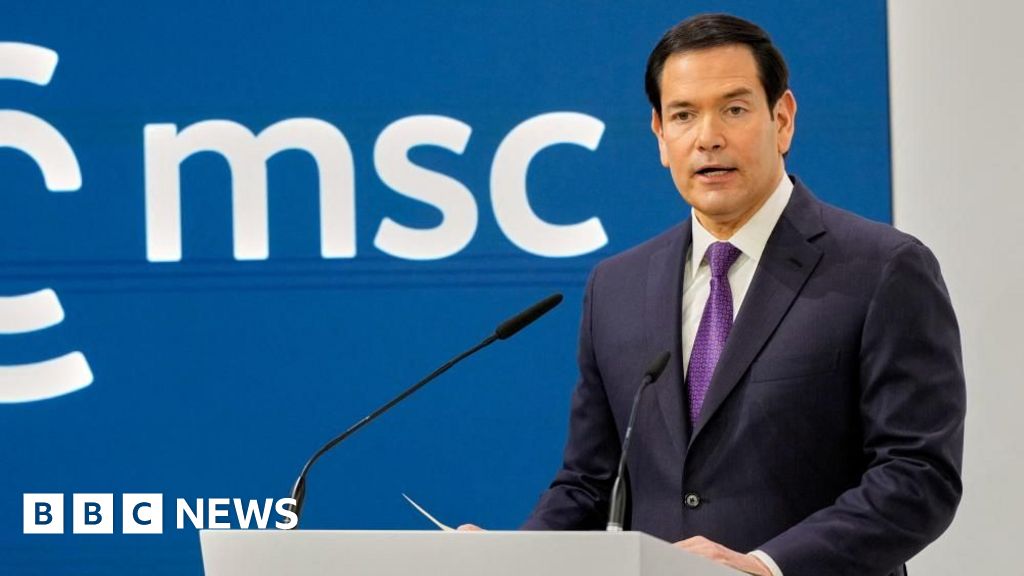
Rubio: U.S. and Europe Still Strong Partners Amid Tensions

In a significant diplomatic move, U.S. Secretary of State Anthony Blinken recently delivered assurances to European leaders, affirming that the Trump administration’s policies do not signal a departure from the longstanding transatlantic alliance. This reassurance comes amid widespread global speculation about shifts under the recent U.S. presidential administration, prompting both alarm and cautious optimism among international analysts. As Europe grapples with an increasingly complex geopolitical landscape, the reaffirmation from Washington aims to solidify mutual commitments in an era marked by rising nationalism and fluctuating alliances.

Experts and historians have long emphasized the importance of the transatlantic alliance as a cornerstone of international stability, particularly through NATO’s enduring presence since its founding in 1949. Analysts such as Dr. Maria Sanchez, a prominent geopolitical scholar, highlight how U.S. policymakers often oscillate between engagement and retrenchment but ultimately recognize the alliance’s critical role in countering Russia’s geopolitical ambitions and maintaining leverage in global security matters. Nevertheless, recent statements from U.S. officials suggest an awareness that the post-Trump political landscape could still influence American foreign policy, which underscores the importance of diplomatic clarity to reassure allies on both sides of the Atlantic.

Furthermore, the European Union and NATO members remain deeply concerned about the potential for geopolitical disruptions stemming from internal American politics. Such fears were temporarily amplified by the tumultuous U.S. elections and policy shifts, prompting European leaders to question the durability of long-standing commitments. The U.S. Secretary of State’s recent comments serve as a strategic gesture to quell uncertainties, especially ahead of crucial NATO summits and European elections. The move also underscores the growing importance of the United States reaffirming its role as a reliable partner—a role that many analysts warn is indispensable in today’s unpredictable international order.

From a broader perspective, international organizations like NATO and the European Union are observing this diplomatic reassurance as a sign that Washington remains committed to a rules-based order and international stability. Yet, many experts warn that genuine trust will only be restored through consistent action and tangible policies, not just words. As some historians argue, the future of the transatlantic relationship hinges on a global environment increasingly defined by competitive powers such as China and Russia. The decisions made in Washington and Brussels today, therefore, carry the weight of history, potentially shaping the trajectory of global alliances for decades to come.

In an era where geopolitical tensions can escalate rapidly, the reaffirmation of alliance commitments remains a pivotal hinge in the balance of power. The world watches as leaders navigate the delicate dance of diplomacy, fully aware that today’s assurances could be tomorrow’s fragile diplomatic fabric. The ongoing unfolding of this story signals that, amid shifting allegiances and rising global threats, the question remains: How resilient are the pillars of the international order, and what price will societies pay when these pillars crack or falter? As history continues to write itself, the fate of the transatlantic alliance—an enduring symbol of Western strength and cooperation—stands at a crossroads, with its future writerly in the hands of those who hold the pen.

Ralph Lauren, the U.S. style icon and poet of fashion, kicks off New York Fashion Week with signature swagger

Once heralded as the poet laureate of American style, Ralph Lauren has long held an iconic place in the pantheon of fashion legends. His brand emerged during the gilded era of the 1980s and 1990s, embodying an America of sportsmanship, vigor, and prosperity—think polished golf courses, classic baseball caps, and the timeless charm of a well-pressed shirt. Now, at the age of 86, Lauren is experiencing a remarkable renaissance, thanks largely to a societal shift that has seen the younger generation crave authenticity, tradition, and a sense of reassurance amid the chaos of today’s cultural landscape.

This resurgence isn’t just about nostalgia; it signifies a broader societal re-evaluation of societal values. Generation Z—those who grew up amid social upheaval, climate anxieties, and a new digital landscape—are turning away from the ultra-casual, street-styled wardrobe that once dominated youth culture. Instead, they are rediscovering the refined, preppy codes that Lauren made mainstream, such as knits, collared rugby shirts, and loafers. This shift reflects a craving for stability and *timeless elegance*—a visual reassurance that tradition and manners still matter. Fashion sociologists note that this return to classic American aesthetics is also an act of cultural reappropriation, reclaiming a sense of opportunity, optimism, and civility in an era often characterized by division.

Under the guidance of CEO Patrice Louvet, Ralph Lauren has harnessed this mood, translating it into a compelling social media-driven marketing strategy. The brand’s digital presence has helped it reconnect with a younger audience, many of whom prefer scrolling through TikTok or Instagram to traditional malls. The result? A consistent aesthetic that maintains familiarity—roughly 70% of products remain similar year after year—yet feels fresh and relevant. From the iconic quarter-zip sweater to the re-embraced loafers, Ralph Lauren’s products embody a tailored sense of American pride. High-profile endorsements from Taylor Swift and Olympic athletes, along with viral campaigns like “Ralph Lauren Christmas,” amplify this aesthetic, turning it into a cultural movement that resonates far beyond the fashion industry.

At the recent New York Fashion Week, Ralph Lauren showcased this aesthetic with grandeur, transforming a historic marble palace into a cozy, estate-inspired runway. Models strutted in velvet gowns, tailored evening suits, and layered casual-chic pieces, all designed to evoke the comforting yet aspirational lifestyle that connects the brand’s historical legacy with contemporary sensibilities. This was no ordinary show; it was a statement of how fashion can serve as a cultural anchor—offering beauty and stability in turbulent times. Meanwhile, the brand’s flagship store on Bond Street remains a hub for young consumers, where leather jackets might cost thousands, yet a coffee in the in-house café is just five pounds. Here, the synergy of luxury and everyday comfort becomes a social signature—affirming that high-end fashion isn’t just for the elite but can inspire a shared cultural identity.

Given this compelling cultural shift, the question now becomes: Is this revival of preppy Americana merely a fleeting trend or a fundamental redefinition of youth culture? As designers, sociologists, and marketers watch closely, a true revolution seems to be brewing—one built on nostalgia but rooted in a craving for authenticity, civility, and American optimism. In a world increasingly divided, fashion might just be the next frontier where youth find common ground——a mirror reflecting both the enduring American dream and the hopeful future that lay ahead. The next big question is whether this renewed appreciation for tradition will sustain itself or fade into mere trend hysteria. If history is any guide, it will be fascinating to see whether Ralph Lauren’s timeless signature continues to shape the cultural landscape, or if a new wave will rise, challenging the old guard in unexpected ways.

U.S. urges Russia and Ukraine to end war by June, Zelensky says

Amid escalating tensions in Eastern Europe, the Ukrainian leadership has publicly acknowledged the persistent and complex challenges facing the nation as it continues to defend itself against relentless Russian aggression. Recent reports detail a series of Russia’s renewed strikes on vital energy infrastructure, an alarming development that underscores the strategic objective of destabilization and coercion. Ukrainian officials emphasize that, despite diplomatic efforts and international aid, the path toward peace remains fraught with difficulty, as Moscow’s military campaign adapts to increasingly severe circumstances.

These actions by Russia are not isolated but part of a broader geopolitical strategy aimed at undermining Ukraine from within. According to seasoned analysts and respected international think tanks, Russia’s focus on energy facilities reflects a calculated move to erode civilian morale and cripple Ukraine’s economic resilience. The disruption of energy supplies further complicates Ukraine’s efforts to sustain its military and civilian populations, with critical infrastructure under siege amidst a winter season that threatens to deepen humanitarian crises. This pattern of targeted strikes not only aggravates the immediate suffering but also signals a prolonged conflict that could reshape regional security arrangements for years to come.

Furthermore, the unfolding crisis holds profound geopolitical impact, resonating far beyond Ukraine’s borders. Western nations, led by the United States and the European Union, have condemned Russia’s actions and ramped up military and financial support to Kyiv. However, international organizations—in particular the United Nations—have expressed concern, while some voices warn of the dangerous precedent set by Moscow’s willingness to target civilian infrastructure. Historian and geopolitical analyst Dr. Michael Harper points out that the conflict’s ongoing nature risks fragmenting geopolitical alliances and intensifying global instability, especially as nations grapple with energy security and the specter of a wider proxy confrontation.

Decisions made in the coming months will ultimately determine the future landscape of international order. As diplomacy falters and military escalations continue, the conflict transforms into more than a regional dispute—it becomes a test of Western resolve and a stark warning about the limits of diplomatic rhetoric in an increasingly divided world. In the words of global security expert Dr. Laura Chen, “History will remember how the world responded in these critical moments. Will it be remembered as a failure to act decisively, or as a pivotal turning point for sovereignty and national dignity?” As the narrative of Ukraine continues to unfold, the weight of history presses heavy on the shoulders of leaders and nations alike—each decision echoing through the corridors of time, shaping the future in ways we are only beginning to understand.

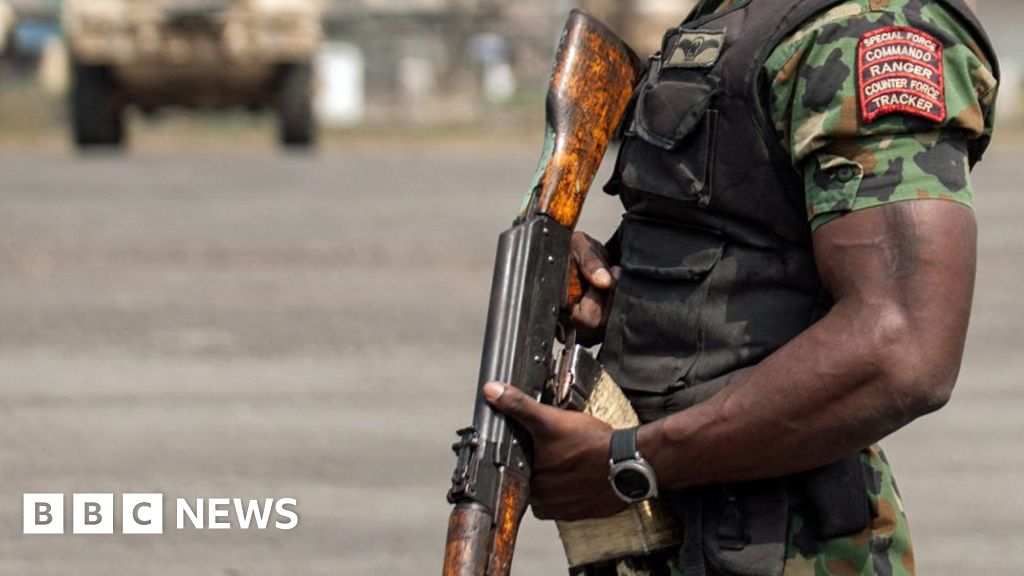
Gunmen massacre dozens in Nigeria amid U.S. military deployment escalation

The recent violence in the western state of Kwara has once again underscored the fragile security architecture in Nigeria’s socio-political landscape. According to local officials and eyewitness reports, shops and homes were torched in a brutal attack on two villages. The incident not only highlights persistent local tensions but also raises alarms about the broader stability of the region, which has long been a hotspot for communal conflicts and insurgent activity. As Nigeria grapples with multiple security challenges, analysts warn that uncontrolled violence could threaten national unity, calling into question the effectiveness of government strategies aimed at restoring peace.

The attack, described by a Kwara lawmaker, mirrors patterns seen elsewhere in Nigeria, where militant groups and ethnic tensions collide, often with devastating consequences. While authorities remain tight-lipped about the motives behind this specific assault, it comes amidst a rising tide of unrest across several northern and western states. International organizations, including the United Nations and regional bodies like the Economic Community of West African States, have repeatedly emphasized the importance of addressing root causes of violence—poverty, political marginalization, and unchecked militancy. Yet, the persistent outbreaks of violence suggest that these efforts are insufficient or perhaps hindered by deeper failures in governance and security cooperation.

Historically, analysts like Dr. Monica Brown of the International Crisis Group have pointed to Nigeria’s complex federation and ethnic mosaic as underlying factors complicating peace processes. As violence spreads and villages burn, fears are mounting among neighboring nations; the geopolitical impact extends beyond Nigeria’s borders, affecting trade, regional stability, and international perceptions of West Africa’s resilience. Countries such as Benin and Nigeria’s southern neighbors are on alert, knowing that unchecked violence can easily spill over borders—exacerbating an already volatile security environment.

In this turbulent landscape, the international community’s role remains critical. Some analysts point to the need for a cohesive strategy that combines military action with socio-economic reforms, emphasizing that true peace requires addressing systemic issues. As global powers weigh their interests, questions about sovereignty, intervention, and aid become increasingly fraught. The unfolding saga in Kwara is a stark reminder: history is never static, and today’s violence may well shape the continent’s future for generations to come. The flames of conflict burn fiercely, hinting at a turbulent chapter yet unwritten, and leaving the world to face the profound consequences of unresolved conflicts in Nigeria’s heartland.

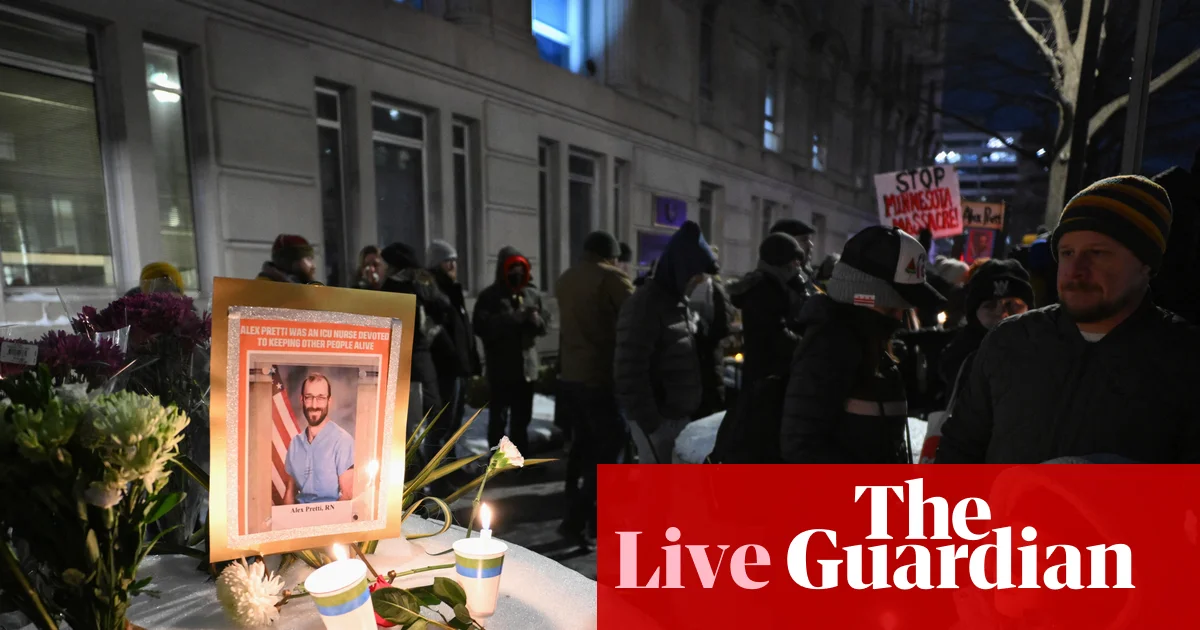
Border Chief Promises ICE Improvements, Keeps Quiet on U.S. Citizen Shootings — Live Update on Minnesota ICE Incidents

In an era defined by shifting geopolitical sands and undercurrents of conflict, the United States continues to grapple with the implications of its immigration policies, both domestically and on the world stage. Under the leadership of figures like Tom Homan, Trump-era border czar, the federal government has maintained a stance of aggressive enforcement, emphasizing “targeted” operations and the assertion that “if you’re in the country illegally, you’re never off the table.” This approach, often characterized by no-holds-barred enforcement tactics, has sparked controversy and raised alarms internationally. Analysts warn that this aggressive posture not only deepens internal societal divisions but also has ripple effects across bilateral relations, especially with neighbors like Mexico and in the broader context of global alliances.

This latest surge in immigration enforcement coincides with increased tensions within Minneapolis following the fatal shooting of Alex Pretti by federal agents, an incident that has sharpened divides and intensified scrutiny of the federal government’s approach. Despite growing public outrage and protests, as witnessed during recent confrontations captured on video, officials such as Homan remain resolute, refusing to specify “improvements” or comment on specific investigations. “We know exactly who we’re looking for,” Homan declared, underscoring the relentless focus of federal agents on targeting *all* undocumented individuals, regardless of their criminal record or civil status. Critics argue that such policies risk dehumanizing vulnerable populations and escalating civil unrest, further complicating the already fragile rule of law within American jurisdictions.

Geopolitical Impact: A World Divided Over Sovereignty and Security

The unfolding situation in Minnesota and other states exemplifies how internal policy decisions can have profound geopolitical impacts. America’s stance on immigration, reinforced by directives from officials like Homan, signals a tough-on-immigration posture that resonates globally. Countries like Mexico and European nations watch with concern as the U.S. tightens border security and ramps up enforcement actions, often at the expense of diplomatic goodwill. The Biden administration, while attempting to soften some policies, faces mounting pressure from political factions demanding a line in the sand. Experts from think tanks and international organizations warn that prolonged enforcement crackdowns, especially when accompanied by violence and civil unrest, could destabilize regional security, increase refugee flows, and threaten global economic stability.

Meanwhile, the international community’s response remains mixed. While some nations criticize the U.S. for human rights violations, others, especially those facing their own migratory crises, look to Washington’s policies as a cautionary tale or even a blueprint. The United Nations and human rights advocates warn that the U.S. approach risks fostering a climate of fear and intolerance. In the global arena, the perception that the U.S. is prioritizing aggressive immigration enforcement over diplomatic cooperation can weaken alliances — including NATO — which already seemed shaken by rifts over policies such as Trump’s threats to impose tariffs on European allies and his ambitions over Greenland. How these internal policies shape perceptions and alliances will undoubtedly determine the geopolitical landscape for decades to come.

Reshaping Domestic Politics and Society

Within the American political arena, these enforcement actions and incidents like the Minneapolis shootings have catalyzed debates over sovereignty, civil rights, and the future of immigration reform. The recent announcement by Senator Amy Klobuchar of her bid for California governor and the rise of moderate figures like Matt Mahan reflect a nation at crossroads—one divided sharply along ideological lines over the best course of action. The relentless discourse around immigration has also seeped into local elections, with candidates blaming violence and social decay on federal policies, and promising to restore order and civility. Analysts warn that unless a decisive shift occurs, America’s internal divisions could deepen, leading to an unstable socio-political landscape that might result in further civil strife and international consequences, reminiscent of Cold War-era power struggles that shaped history.

As the world witnesses these tumultuous shifts, history eyes America’s next move—will it continue down the path of fierce enforcement and internal conflict, or will it seek a new vision rooted in collaboration and justice? The decisions made today—whether in Minneapolis, Washington, or in international diplomacy—are forging the narrative of an uncertain tomorrow. The odyssey of a nation caught between sovereignty, security, and the universal human quest for freedom is far from over; it remains unwritten on the expansive canvas of history, waiting for its next chapter to unfold in the shadows of a world still learning how to survive and thrive amid conflict and change.

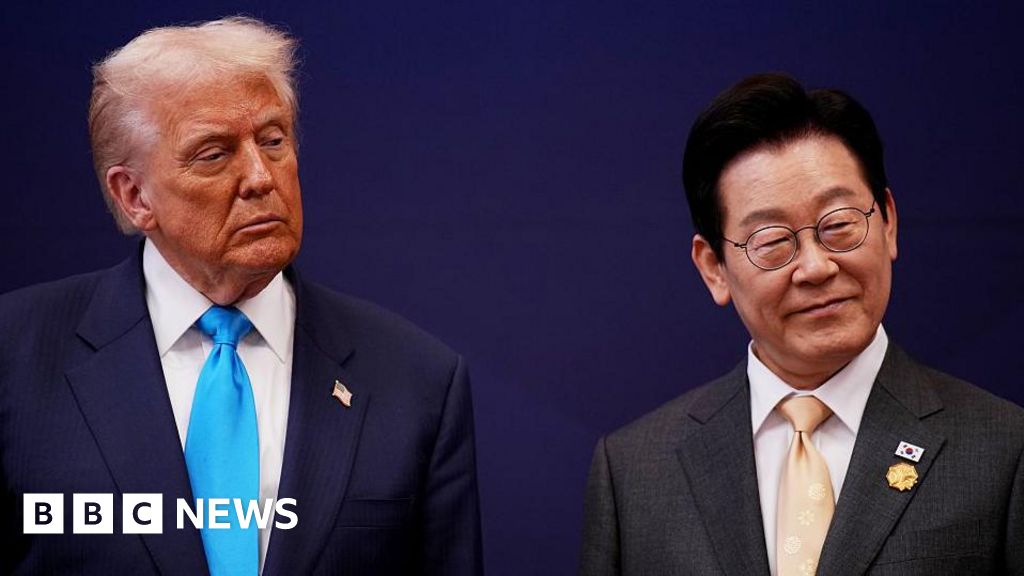
Trump hikes U.S. tariffs on South Korea to 25%, signaling tough trade stance

The early weeks of 2023 have marked a significant escalation in US trade diplomacy under President Donald Trump, signaling a shift that could alter the global economic landscape. Trump’s recent decision to raise tariffs on South Korean imports to 25% has ignited a controversy with profound geopolitical impact, exposing a raw edge in the long-standing alliances forged over decades. After accusing Seoul of “not living up” to a bilateral trade deal, the Trump administration announced a surge in tariffs on key South Korean exports, including automobiles, lumber, and pharmaceuticals, effectively undermining a pact reached last October. Analysts warn that such unilateral moves threaten to destabilize regional economies and complicate the delicate web of international trade relationships.

This escalation is emblematic of Trump’s broader doctrine of tariff leverage, deployed as a tool to enforce perceived American economic interests on the global stage. Historically, tariffs have been a double-edged sword—used sparingly to protect domestic industries but often resulting in retaliatory measures that ripple across markets worldwide. According to economic historians and trade analysts, Trump’s strategy of leveraging tariffs as a diplomatic stick has rekindled old debates about the limits of protectionism and the true cost of “America First” policies. The immediate market reaction reflected this tension, with shares of South Korean manufacturing giants, such as Hyundai, plummeting by approximately 2.5%, along with declines in pharmaceuticals and timber stocks, illustrating how decisions made in Washington reverberate swiftly through global supply chains.

The ripple effects extend beyond Asia, touching on broader U.S. foreign relations and the security alliances within NATO. Earlier attempts by Trump to impose a 100% tariff on Canadian imports if Ottawa agreed to a separate China deal strained relations with key allies. Although he later backed down from this threat, the episode underscored how Trump’s use of tariffs as a diplomatic weapon can undermine long-term trust and cooperation. Canadian Prime Minister Mark Carney publicly clarified that his country had no intention of pursuing a free trade agreement with China, emphasizing that official Canadian policy remains aligned with traditional liberal trade principles. Such clarifications highlight a persistent push-and-pull in international diplomacy, as allies navigate the risks of economic hostilities versus strategic cooperation.

Meanwhile, China’s response to these U.S. moves remains guarded but laced with warnings that their “strategic partnership” does not aim to “undercut other nations,” reflecting a nuanced effort to balance economic assertiveness with geopolitical stability. As analysts suggest, the future trajectory of trade relationships hinges on how Washington and its allies manage these tensions. History warns that unchecked tariff wars or unilateral policies could ignite profound shifts in global power dynamics, potentially favoring emerging economic blocs or destabilizing existing alliances. The residual shadow of these decisions casts over the international order, reminding all nations that every trade act bears the weight of history and the uncertain promise of what lies ahead.

As the world watches this unfolding saga, one thing remains clear: the decisions made today will shape the geopolitical landscape for generations to come. With each tariff threat or diplomatic overture, the fabric of international relations is rewoven, often at the expense of stability and trust. The echoes of this moment will be felt long after tariffs are imposed or rescinded, serving as stark testimony to a period where economic conflict and alliance fragility defined the course of history — a history still being written in the corridors of power and the markets of the world.

Skylight Takes Off: Over 380K Teens Flocking to TikTok Alternative as U.S. Deal Wraps Up

Innovative Disruption in the Social Media Landscape: Skylight Challenges TikTok‘s Dominance with Open-Source Technology

The rapid evolution of social media platforms is demonstrating a clear shift towards decentralization and user-centric designs, with Skylight emerging as a formidable contender against the entrenched dominance of TikTok. Built on open-source protocols such as the AT Protocol, Skylight embodies a new wave of innovation aimed at disrupting traditional siloed social networks. Since its launch last year, the startup has achieved significant growth, surpassing 380,000 registered users—highlighting a notable traction spurred by current geopolitical tensions and consumer concerns regarding privacy and national security.

The strategic leveraging of open standards signals a paradigm shift in social media architecture, fundamentally challenging the centralized control exercised by giants like ByteDance (TikTok’s parent company). Unlike conventional platforms, Skylight offers features that empower creators and users with greater control over content, data, and community engagement. Its ability to support a vibrant ecosystem—highlighted by over 150,000 videos uploaded and streaming from Bluesky through its interoperability—demonstrates the disruptive potential of decentralized technology. Industry analysts, including Gartner and MIT researchers, emphasize that such innovation could redefine the landscape by significantly reducing dependency on monopolistic algorithms, thus fostering healthy competition and user sovereignty.

The recent developments surrounding TikTok’s legal and political battles reveal both vulnerabilities in centralized models and opportunities for open-source competitors. The Biden administration’s recent efforts to establish the TikTok USDS Joint Venture LLC—a move purportedly aimed at assuaging security concerns—has, paradoxically, increased skepticism about American ownership’s true allegiance. Concerns over privacy practices, especially regarding GPS and immigration data collection, have fueled a wave of distrust among younger demographics. This environment creates fertile ground for alternatives like Skylight, which tout transparency and open standards as core differentiators. The startup’s surge over the weekend, with up to 20,000 new users and a 150% growth rate in active sign-ups, exemplifies how concerns over control and privacy are driving the next-generation social media revolution.

The implications for existing tech giants and the broader industry are profound. Traditional platforms face mounting pressure to innovate or risk obsolescence, as their business models based on data monopolization and closed ecosystems are increasingly viewed as outdated and insecure. Disruption driven by open-source protocols and decentralized networks could usher in a new era where consumer sovereignty and content creator empowerment become the norm. Industry leaders like Elon Musk and Peter Thiel have long championed the potential of open models to catalyze innovation, and Skylight’s early success underscores this movement’s momentum. As regulatory scrutiny intensifies and user demands for privacy and transparency grow, the industry must adapt swiftly, or risk losing relevance in a rapidly shifting digital landscape.

Looking ahead, the rise of platforms built on open standards signals that the ongoing battle for control over social media’s future is just beginning. Technologies that prioritize decentralization, interoperability, and user empowerment are poised to challenge the conventional giants’ dominance, ultimately fostering a more competitive and resilient ecosystem. For innovators and investors alike, this era presents an urgent call to champion disruptive technologies that unlock new business models and redefine what social media can be—more open, more secure, and ultimately more aligned with user interests. As the industry hurtles toward this future, those who embrace these changes early will set the course for the next chapter in digital communication.

Trump Administration Ramps Up Investment in U.S. Rare Earths—Powering America’s Future

In a strategic move aligned with the broader national interest of **economic independence** and **technological sovereignty**, the Trump administration has unveiled a major investment initiative aimed at reducing American reliance on foreign adversaries, notably China, for critical minerals. With an eye on securing the supply chain for materials essential to everything from **smartphones** to **defence technologies**, the government announced a $1.6 billion commitment to USA Rare Earth, a key player in the domestic rare-earths sector. This non-binding agreement, supported by a substantial $1.3 billion loan from the Commerce Department, demonstrates an unwavering resolve to bring vital resource processing and manufacturing back to U.S. soil. Such ambitious efforts are not only about economic security—they pave the way for a future where American innovation isn’t hostage to geopolitical uncertainties but a testament to resilience. This move resonates deeply with nationalists and entrepreneurs alike, investing in a **self-sufficient** path forward.

While the US continues to chase the elusive goal of **complete supply chain independence**, resilience comes from bold participation in resource development. USA Rare Earth has not only secured this significant investment but also managed to raise an additional $1.5 billion from private investors — a clear sign of investor confidence in America’s critical minerals future. The company’s control over deposits of “heavy” rare earths, crucial for defense applications, underscores the strategic importance of this industry. These efforts follow a series of bold moves, including a recent $1.4 billion deal with Vulcan Elements and investments in MP Materials, which owns the country’s sole operational rare earths mine. While China still maintains its near-monopoly over processing, the U.S. and allied nations are pressing forward, recognizing that self-reliance in critical minerals is no longer just an economic priority but a matter of national security in a multipolar world.

Within this context, rare earths have become breeding grounds for geopolitical tension and strategic bargaining. In a climate of escalating trade frictions, China’s near-total dominance over processing—about 90% of global supply—has become a vulnerability for Western industries dependent on these materials. Consequently, the United States has accelerated efforts to create **alternative supply chains**, securing partnerships with Australia and others to diversify sources. These initiatives are part of an overarching narrative that champions **self-sufficiency**, empowerment, and safeguarding technological innovation from geopolitical interference. As American youth, today’s movers and shakers understand, these resource battles aren’t just about minerals—they’re about ensuring that future generations inherit a nation capable of leading the world, unencumbered by dependency.

  • Stay informed about domestic resource development initiatives that secure economic independence.
  • Support industries that prioritize **self-sufficiency** and technological sovereignty.
  • Encourage educational pursuits in STEM fields related to resource management and extraction.

As the journey towards **technological independence** unfolds, it echoes a deeper truth: that true __well-being__ and __prosperity__ are rooted in the resources we control and the values we uphold. History reminds us that nations which master their resources—whether it be energy, minerals, or technology—are the ones that shape their destiny. This shift in policy signals a collective shift—a reassertion of strength, resilience, and enough foresight to nurture the innovations of tomorrow. For today’s youth—whose ambitions stretch beyond the horizon—these developments symbolize more than mere strategic policy: they embody a mindset of **self-reliance** and the **pioneering spirit** that has always defined a free, forward-looking nation. As we stand on the cusp of this resource revolution, it’s inevitable to reflect—lifestyle itself is a journey, a path trodden with purpose, courage, and the unwavering belief that the future is ours to shape.

Social Media Auto Publish Powered By : XYZScripts.com