Matox News

Truth Over Trends, always!

U.S. Citizen Among Victims in Cuba Boat Shooting, Officials Confirm

In a development that threatens to further destabilize the Caribbean region, Cuba has formally accused unidentified individuals onboard a vessel of initiating an infiltration with terrorist aims and firing first during a recent confrontation. The incident, which has quickly drawn international attention, underscores the fragile security landscape in the Gulf of Mexico and the Caribbean, where geopolitical tensions remain notably high.

While details remain contested and investigations are ongoing, the Cuban government’s statements point to a deliberate attempt to justify its response and to frame the event as a threat to national sovereignty. According to official sources, the involved vessel was suspected of engaging in illegal activities aimed at destabilizing the country. The claim that the ship “fired first” attempts to shift the narrative toward a defensive posture, but critics argue that the incident signals a broader pattern of covert meddling in the region by external actors seeking influence and disruption. Historian Dr. Maria Lopez, specializing in Latin American security issues, notes that such incidents often serve as flashpoints that escalate regional tensions and complicate diplomatic relations.

This confrontation arrives amid escalating concerns over the shift in regional influence spheres. The United States, which has historically maintained considerable military and diplomatic presence in the Caribbean, remains cautious about any signs of increased external interference, especially from rival powers like Russia and China. International organizations such as the United Nations have urged restraint, calling for transparent investigations and adherence to international law. Analysts warn that the incident, if unresolved, might trigger a dangerous cycle of escalation, potentially pushing the region closer to open conflict. The Strategic Studies Institute warns that uncontrolled confrontations in such geopolitically sensitive zones could threaten the stability of both regional and global security architectures.

Locally, the implications are profound; Cuba’s government asserts that such provocations could threaten its sovereignty and stability, while opponents accuse the regime of overreacting and using the incident to consolidate power domestically. As the international community watches closely, the unfolding events underscore the delicate balance of power in the Caribbean, an area marred by historical struggles, economic challenges, and Cold War legacies. Considered a pivotal point, many analysts view the incident as a potential catalyst—possibly turning the tide of regional alliances and intensifying existing rivalries. How the involved nations respond in the coming days may determine whether this incident remains an isolated flare or ignites a broader conflict that reshapes the geopolitical map.

As history continues to write itself, the weight of this moment is undeniable. In the shadow of modern Cold War animosities and regional struggles for influence, the Caribbean stands once again at a crossroads—where every decision may lead toward lasting peace or irreversible conflict. The pages of tomorrow’s history books are being written now, with the echoes of gunfire and diplomacy shaping the future of nations and peoples alike.

Cuba claims U.S. border guards fatally shoot four on speedboat—questionable actions escalate tensions

In an unsettling development along Cuba’s northern coast, a confrontation or incident resulted in the injury of six passengers, underpinning growing stability concerns in the region. The event, which unfolded near an island off Cuba’s coast, has triggered a wave of international interest and analysis, spotlighting the fragile geopolitical equilibrium that characterizes the Caribbean basin today. While details remain murky, the incident’s timing and location suggest broader currents of regional instability, with implications that ripple far beyond the immediate borders of Cuba.

Historically, Cuba has been a strategic geopolitical piece, nestled amidst the interests of major powers such as the United States and Russia, with recent attempts at normalization of relations and economic liberalization still under tension. Analysts from institutions such as Jane’s Intelligence Group and The Council on Foreign Relations emphasize that incidents like this often serve as flashpoints within larger narratives of regional influence. Speculation persists that this event may be linked to ongoing disputes over maritime sovereignty or the rising tensions wrought by increased foreign military presence in the Caribbean.

  • Security concerns escalate as maritime incidents become more frequent, challenging Cuba’s diplomatic stability.
  • International organizations, including the UN Maritime Agency, are closely monitoring the situation, acknowledging the potential for escalation into broader conflict.
  • Potential repercussions could entangle neighboring nations, heightening fears of a regional flashpoint amid rising U.S.-Venezuela tensions.

The geopolitical impact of this incident extends beyond immediate safety concerns. Regional powers are reevaluating security protocols, with some calling for increased patrols and intelligence sharing. The event also prompts reflection within how nations balance sovereignty, security, and cooperation. As Latin American governments grapple with these developments, the shadow of great power competition looms larger. How does this incident fit into the broader canvas of shifting alliances and strategic postures in the Western Hemisphere? These questions are now central to international diplomacy, with analysts warning that failure to address underlying tensions could lead nations down a darker, more unstable path.

Meanwhile, historians and geopolitical analysts warn that such localized incidents, if left unaddressed, risk falling into patterns of escalation rooted in unresolved territorial or resource disputes. The maritime area near Cuba has long been a corridor for both legal trade and clandestine activity, making it a hotspot for potential conflict. The world’s eyes remain fixed on this evolving story, as the weight of history presses down on current events, reminding us that in the complex game of geopolitics, today’s small incident could ignite tomorrow’s larger crisis. As nations converge on this critical juncture, the choices they make now will reverberate for generations to come, shaping the future in ways that are yet to be fully understood.

Ryan Coogler’s X-Files Reboot Debuts with Danielle Deadwyler Leading the Charge in U.S. Television

In our rapidly shifting world, culture remains the vital foundation guiding societal identity and tradition. It is not merely entertainment, but an ongoing dialogue between history and future, a vessel carrying the collective memory of a people. The upcoming revival of the legendary series The X-Files, with directives from filmmaker Ryan Coogler, exemplifies this truth. Coogler, renowned for his groundbreaking work on Black Panther, now seeks to reawaken a cultural icon that interrogated the boundaries between belief and skepticism. His intention to craft episodes that are “really fucking scary” reveals an understanding that fears rooted in the unexplained have always served as mirror and warning—a reflection of our society’s deepest anxieties. As he collaborates with Gillian Anderson and others associated with the original series, we witness a conscious effort to preserve a cultural relic—an allegory of human curiosity and the enduring need for truth amidst chaos.

This artistic revival echoes the fundamental role of myth and symbol in shaping societal values. The original X-Files emerged during a period saturated with distrust and upheaval, capturing the zeitgeist of post-Cold War America. It embodied the cultural shift towards skepticism of authority and the quest for hidden truths, akin to the Enlightenment’s challenge to dogma. As Ortega y Gasset might observe, this series was a manifestation of society’s intrinsic “racing toward reality”, a collective pursuit of understanding in a universe riddled with mysteries. Today, Coogler’s engagement underscores that such narratives are not mere escapism but vital tools in defining what society fears, values, and aspires to become. Revisiting the unexplained is, in essence, a reaffirmation of faith in human reason and the enduring importance of tradition—an acknowledgment that the confrontation with the unknown fortifies our cultural fabric.

Moreover, the revival of The X-Files signifies a broader cultural integrity—an enduring respect for storytelling that transcends mere entertainment, anchoring societal identity in the shared pursuit of truth. As Chesterton argued, “A great nation is not only one of the greatest armies or greatest wealth,” but one where the stories and symbols that define its moral universe are preserved and renewed. The series’ initial success, with 27 million viewers at its peak and two cinematic adaptations, attested to a society hungry for stories that probe the limits of rationality. Now, with Coogler’s vision, we are reminded that culture is a living dialogue—an intergenerational conversation that keeps alive the echoes of our ancestors’ questions and our descendants’ hopes. With each story retold, society affirms that culture is both the memory of a people and the prophecy of what they may yet become.

In the silent spaces between the known and the unknown, between the seen and the unseen, lies the poetry of human existence. As T.S. Eliot suggested, “the historical sense involves a perception, not only of the pastness of the past, but of its presence.” Culture—be it through television, philosophy, or myth—is the fabric weaving our past and future into a continuous narrative. By harnessing the power of stories like The X-Files, we affirm that humanity’s pursuit of meaning is eternal, echoing through the corridors of memory and prophecy alike—reminding us that in understanding ourselves, we glimpse the infinite possibilities that lie ahead. In the end, the cultural act is a sacred act: an offering of memory and hope, guiding us both into the shadows and toward the dawn of human potential.

Top Milk Frothers in the U.S. for the Perfect Latte, Hot Chocolate, and More — Elevate Your Brew Game

In a world where the coffee shop has become a sanctuary for millions, the quest for that perfect brew is more than a morning ritual—it’s a lifestyle shift toward personal wellness and a pursuit of excellence in daily routine. From the sleek double boiler espresso machines at your local café to the latest in home coffee gadgets, the landscape of brewing is transforming rapidly. Among these, milk frothers have gained stellar reputation, typifying a broader movement towards accessible luxury and self-care. While traditional barista equipment boasts fine control and professional-grade results, the rise of user-friendly, high-performance devices like the Nespresso Aeroccino 4 and the Breville Milk Café exemplifies how technology now empowers consumers to elevate their lifestyle at home—turning everyday moments into small acts of indulgence.

At the core of these innovations lies a desire for personal impact: health, leisure, and inspiration. The ability to craft café-quality coffee and froth at home speaks to a broader cultural shift—where mindfulness in self-care and quality of leisure become foundational. Wellness experts and lifestyle authors like Tim Ferriss and wellness coach Dr. Mark Hyman emphasize that control over our routines—be it in nutrition, exercise, or morning rituals—translates into greater mental clarity and vitality. These devices, although simple, fit seamlessly into this ethos, promising consistent results with ease and minimal fuss. Whether it’s crafting silky oat milk froth or a hot chocolate for the family, the focus has shifted towards purpose-driven productivity and well-being, encouraging a mindful embrace of leisure as a lifestyle.

The array of milk frothers available today—from the straightforward, budget-friendly Aerolatte to the high-tech, adjustable Subminimal NanoFoamer V2—illustrates a democratization of culinary craftsmanship. For young consumers seeking to blend productivity with quality, the key lies in understanding the different types of devices and their impact on their health and leisure routines:

  • Carafe-style electric frothers for those who value consistency and ease of use.
  • Frother wands for the tinkerers and baristas-in-training, offering tactile feedback and control.
  • Manual frothers that challenge with a hands-on approach—turning frothing into a ritual of patience and discipline.

Health-conscious youth are increasingly aware of materials used in kitchen gadgets, prompting questions about non-stick coatings and PFAS exposure. The rise of premium all-metal devices and uncoated alternatives signals a growing concern for environmental impact and personal safety. Indeed, selecting the right device fosters a deeper connection with one’s health and sustainability, reinforcing the idea that lifestyle choices are active, impactful decisions. As Dr. Michael Greger champions, mindful consumption—down to the tools we use—can lead to better health outcomes and a sense of ownership over our daily rituals.

Ultimately, the journey of integrating technology with wellness and leisure transforms daily routines into an ode to personal growth. Making a perfect latte or frothing plant-based milks becomes more than a task—it’s an act of self-investment and expression. Just as author and wellness pioneer Deepak Chopra suggests that “every act of self-care is a step toward a more harmonious life,” embracing these everyday tools reflects an attunement to ourselves and our environment. In this ongoing lifestyle voyage, each ritual, be it brewing a coffee or practicing mindfulness, becomes a testament to embracing the *best version* of ourselves—an inspiring reminder that life’s richness often lies in the simple, deliberate acts of everyday living.

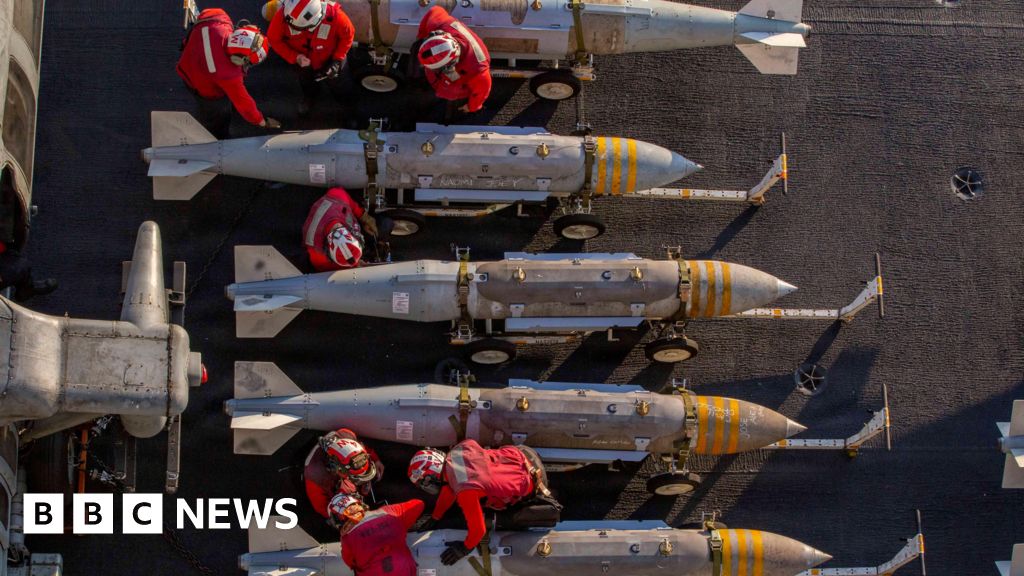
White House urges Iran to strike deal as U.S. boosts military presence

Amid escalating international tensions, reports emerging from US media indicate that President Donald Trump has engaged in high-level discussions with national security advisers regarding potential military action. Sources reveal that an attack could be launched as early as Saturday, underscoring the precarious state of global stability. These developments unfold against a backdrop of complex geopolitical maneuvering, where the decision of an influential superpower carries profound consequences for regional and world order alike.

The possibility of a preemptive strike highlights a critical juncture in international relations, raising questions about the escalation of conflicts and the fragility of diplomatic channels. Historically, decisions by superpowers to resort to military force have often recalibrated the global chessboard, leading to unpredictable repercussions. Experts suggest that such an action, if undertaken, would be indicative of America’s intent to project strength and deter perceived threats, but also increases the risk of unintended consequences, including a broader regional conflict. International organizations and foreign governments continue to monitor the situation closely, aware that the decision will reverberate across multiple theaters of geopolitical interest.

Analysts argue that the geopolitical impact of such a strike would not be confined to the immediate target. Historically, when the US has engaged in unilateral military actions, it has precipitated shifts in alliances, economic sanctions, and diplomatic realignments. Countries in the region, especially those with vested interests in stability, are bracing for the possibility of escalation. Senior international diplomats and security analysts warn that rushed decisions could undermine long-standing efforts at diplomacy and increase instability, especially if aligned with broader narratives of national security and sovereignty. The drama unfolding now underscores the delicate balance of power and the perilous path toward conflict, where every decision writ large shapes the lives and societies of millions.

As the wheels of war turn ominously closer, history reminds us of the destructive power of unchecked military cravings and the ripple effects that follow. The shadow of past conflicts looms large, where once hesitant diplomacy was abandoned for force, leaving nations fractured and communities scarred. The world watches with bated breath as America’s leadership grapples with this decisive moment, bearing the weight not only of immediate strategic interests but of the historical trajectory they forge. The unfolding story offers a stark reminder: in the arena of international power, every decision is a chapter in the ongoing narrative of history—one that could end in chaos or the hard-won stability of peace, depending on the choices made in these critical hours.

U.S. Court Blocks OpenAI’s ‘Cameo’, Unveiling Battle Over AI Power

Legal Victory and Industry Disruption: Cameo Wins Battle Against OpenAI Over Trademark

In a landmark decision that underscores the escalating tensions between innovation and intellectual property rights, a federal district court in Northern California has ruled decisively in favor of Cameo, the prominent platform specializing in personalized celebrity video messages. The court ordered OpenAI to cease using the word “Cameo” in its AI-driven products and features—a move that sends ripples through both the AI and creator economies. This ruling not only affirms the importance of protecting established brands in a rapidly evolving digital marketplace but also redefines the legal landscape for AI developers and content creators.

Following a temporary restraining order granted last November, OpenAI promptly rebranded its feature from “Cameo” to “Characters,” showcasing a swift, albeit cautious, response to legal pressures. However, the court’s decision reaffirmed the uniqueness of the Cameo brand, emphasizing that intellectual property rights remain a critical battleground in the disruption-driven AI industry. CEO of Cameo articulated confidence in this victory: “This ruling is a critical victory not just for our company, but for the integrity of our marketplace and the thousands of creators who trust the Cameo name.” Nonetheless, OpenAI publicly expressed disagreement, with a spokesperson asserting that “anyone can claim ownership over the word ‘cameo,’” illustrating the ongoing tension between innovative AI product development and legacy branding.

Surge of Legal Challenges Reflects Broader Industry Shifts

While the Cameo case captures headlines, it is part of a broader wave of legal disputes threatening the trajectory of AI and digital media innovation. In recent months, OpenAI has faced multiple lawsuits over intellectual property infringements, including the recent dropping of “IO” branding for new hardware and a suit from OverDrive over its “Sora” video app. This litany of legal challenges highlights a fast-changing industry where market dominance is increasingly intertwined with ownership of content, trademarks, and cultural assets.

Industry analysts from firms like Gartner and MIT warn that these legal disputes could temper the rapid disruption we’ve seen in AI and digital content. Despite the setbacks, the opportunities for disruptive innovation remain vast. Companies that can navigate the legal terrain and protect their intellectual property will secure competitive advantages, paving the way for an era where AI-driven content platforms redefine interaction, entertainment, and creator-driven economies.

Implications for the Future of AI and Content Creation

The legal tussles signal a

*bigger shift in how digital rights, branding, and AI capabilities will coexist.* The disruption caused by this case underscores a need for new frameworks of engagement, emphasizing the importance of respecting cultural and intellectual property boundaries while pushing innovation forward. As Elon Musk and Peter Thiel have often emphasized, the future belongs to those who master the intersection of technology and rights management.

Looking ahead, one thing is clear: the next generation of AI tools and platforms will be shaped by how companies adhere to, and challenge, current legal and market norms. Market leaders and startups alike must accelerate their strategic defenses against infringement claims or risk losing vital ground in this rapidly expanding digital arena. With new legislation and AI capabilities converging, the industry faces a pivotal moment, where innovation, legal acumen, and brand integrity will determine the winners and losers in the technology race of tomorrow.

Cuban Cigar Festival Cancelled as U.S. Sanctions Deepen Energy Crisis

The global community faces a new chapter of uncertainty as an eagerly anticipated international event, commonly regarded as a gathering of enthusiasts and connoisseurs, has been officially postponed. Originally scheduled to take place annually, this renowned aficionados’ bonanza has been indefinitely delayed, a decision driven primarily by widespread shortages impacting international travel and logistics. This development signals not only a setback for cultural exchange but also underscores the fragile fabric of international mobility in a world grappling with persistent supply chain disruptions.

Underpinning this postponement are a series of complex geopolitical and economic shifts that ripple across nations and societies alike. Multiple factors, from recent global conflicts to pandemic-related disruptions, have strained the interconnected networks that traditionally sustain such large-scale international gatherings. Experts from organizations like the World Travel & Tourism Council warn that limited aircraft availability, rising fuel costs, and strained port infrastructure have created a perfect storm, forcing event organizers to reconsider timelines and planning. As countries tighten border controls to combat ongoing health crises or adjust policies in response to regional conflicts, the once-fluid flow of international visitors has become severely constricted.

Many analysts emphasize a broader geopolitical impact: the shift signifies more than just logistical delays but a recalibration of global cultural diplomacy. The postponement hampers opportunities for cross-cultural dialogue, undermining efforts to foster international understanding amid rising nationalism. Additionally, some speculate that these disruptions may accelerate the retreat from open borders, fostering more inward-focused policies, potentially more hostile to international collaboration. Security assessments by intergovernmental agencies highlight increased risks associated with lengthy international travel shortages, including reduced cultural exchange programs vital for soft power influence. The rift between global economies becomes increasingly evident, especially as developing nations face mounting challenges to participate in or host such international assemblies.

As historians and international affairs experts scrutinize the unfolding developments, many draw parallels with previous periods of global upheaval, where supply chain disruptions precipitated shifts in international strategy and societal behavior. The postponement echoes past moments when global conflict or crises redefined the cultural and diplomatic landscape, serving as a stark reminder of the interconnectedness—and vulnerability—of modern civilization. As the crisis persists, the words of geopolitical analyst Dr. Emily Carter resonate: “This moment reveals how fragile our global networks truly are and underscores the necessity for resilient infrastructure to withstand future shocks.”

Ultimately, the decision to delay the traditionally vibrant event is a stark testament to the ongoing turbulence characterizing our era. It leaves a profound sense that history, like an unwritten story, continues to unfold with each passing day. As nations brace for a new reality shaped by scarcity, uncertainty, and shifting alliances, the world stands at a crossroads—where every decision echoes through generations yet to come, carving the contours of a future still shrouded in the shadow of upheaval and change.

Rubio: U.S. and Europe Still Strong Partners Amid Tensions

In a significant diplomatic move, U.S. Secretary of State Anthony Blinken recently delivered assurances to European leaders, affirming that the Trump administration’s policies do not signal a departure from the longstanding transatlantic alliance. This reassurance comes amid widespread global speculation about shifts under the recent U.S. presidential administration, prompting both alarm and cautious optimism among international analysts. As Europe grapples with an increasingly complex geopolitical landscape, the reaffirmation from Washington aims to solidify mutual commitments in an era marked by rising nationalism and fluctuating alliances.

Experts and historians have long emphasized the importance of the transatlantic alliance as a cornerstone of international stability, particularly through NATO’s enduring presence since its founding in 1949. Analysts such as Dr. Maria Sanchez, a prominent geopolitical scholar, highlight how U.S. policymakers often oscillate between engagement and retrenchment but ultimately recognize the alliance’s critical role in countering Russia’s geopolitical ambitions and maintaining leverage in global security matters. Nevertheless, recent statements from U.S. officials suggest an awareness that the post-Trump political landscape could still influence American foreign policy, which underscores the importance of diplomatic clarity to reassure allies on both sides of the Atlantic.

Furthermore, the European Union and NATO members remain deeply concerned about the potential for geopolitical disruptions stemming from internal American politics. Such fears were temporarily amplified by the tumultuous U.S. elections and policy shifts, prompting European leaders to question the durability of long-standing commitments. The U.S. Secretary of State’s recent comments serve as a strategic gesture to quell uncertainties, especially ahead of crucial NATO summits and European elections. The move also underscores the growing importance of the United States reaffirming its role as a reliable partner—a role that many analysts warn is indispensable in today’s unpredictable international order.

From a broader perspective, international organizations like NATO and the European Union are observing this diplomatic reassurance as a sign that Washington remains committed to a rules-based order and international stability. Yet, many experts warn that genuine trust will only be restored through consistent action and tangible policies, not just words. As some historians argue, the future of the transatlantic relationship hinges on a global environment increasingly defined by competitive powers such as China and Russia. The decisions made in Washington and Brussels today, therefore, carry the weight of history, potentially shaping the trajectory of global alliances for decades to come.

In an era where geopolitical tensions can escalate rapidly, the reaffirmation of alliance commitments remains a pivotal hinge in the balance of power. The world watches as leaders navigate the delicate dance of diplomacy, fully aware that today’s assurances could be tomorrow’s fragile diplomatic fabric. The ongoing unfolding of this story signals that, amid shifting allegiances and rising global threats, the question remains: How resilient are the pillars of the international order, and what price will societies pay when these pillars crack or falter? As history continues to write itself, the fate of the transatlantic alliance—an enduring symbol of Western strength and cooperation—stands at a crossroads, with its future writerly in the hands of those who hold the pen.

Ralph Lauren, the U.S. style icon and poet of fashion, kicks off New York Fashion Week with signature swagger

Once heralded as the poet laureate of American style, Ralph Lauren has long held an iconic place in the pantheon of fashion legends. His brand emerged during the gilded era of the 1980s and 1990s, embodying an America of sportsmanship, vigor, and prosperity—think polished golf courses, classic baseball caps, and the timeless charm of a well-pressed shirt. Now, at the age of 86, Lauren is experiencing a remarkable renaissance, thanks largely to a societal shift that has seen the younger generation crave authenticity, tradition, and a sense of reassurance amid the chaos of today’s cultural landscape.

This resurgence isn’t just about nostalgia; it signifies a broader societal re-evaluation of societal values. Generation Z—those who grew up amid social upheaval, climate anxieties, and a new digital landscape—are turning away from the ultra-casual, street-styled wardrobe that once dominated youth culture. Instead, they are rediscovering the refined, preppy codes that Lauren made mainstream, such as knits, collared rugby shirts, and loafers. This shift reflects a craving for stability and *timeless elegance*—a visual reassurance that tradition and manners still matter. Fashion sociologists note that this return to classic American aesthetics is also an act of cultural reappropriation, reclaiming a sense of opportunity, optimism, and civility in an era often characterized by division.

Under the guidance of CEO Patrice Louvet, Ralph Lauren has harnessed this mood, translating it into a compelling social media-driven marketing strategy. The brand’s digital presence has helped it reconnect with a younger audience, many of whom prefer scrolling through TikTok or Instagram to traditional malls. The result? A consistent aesthetic that maintains familiarity—roughly 70% of products remain similar year after year—yet feels fresh and relevant. From the iconic quarter-zip sweater to the re-embraced loafers, Ralph Lauren’s products embody a tailored sense of American pride. High-profile endorsements from Taylor Swift and Olympic athletes, along with viral campaigns like “Ralph Lauren Christmas,” amplify this aesthetic, turning it into a cultural movement that resonates far beyond the fashion industry.

At the recent New York Fashion Week, Ralph Lauren showcased this aesthetic with grandeur, transforming a historic marble palace into a cozy, estate-inspired runway. Models strutted in velvet gowns, tailored evening suits, and layered casual-chic pieces, all designed to evoke the comforting yet aspirational lifestyle that connects the brand’s historical legacy with contemporary sensibilities. This was no ordinary show; it was a statement of how fashion can serve as a cultural anchor—offering beauty and stability in turbulent times. Meanwhile, the brand’s flagship store on Bond Street remains a hub for young consumers, where leather jackets might cost thousands, yet a coffee in the in-house café is just five pounds. Here, the synergy of luxury and everyday comfort becomes a social signature—affirming that high-end fashion isn’t just for the elite but can inspire a shared cultural identity.

Given this compelling cultural shift, the question now becomes: Is this revival of preppy Americana merely a fleeting trend or a fundamental redefinition of youth culture? As designers, sociologists, and marketers watch closely, a true revolution seems to be brewing—one built on nostalgia but rooted in a craving for authenticity, civility, and American optimism. In a world increasingly divided, fashion might just be the next frontier where youth find common ground——a mirror reflecting both the enduring American dream and the hopeful future that lay ahead. The next big question is whether this renewed appreciation for tradition will sustain itself or fade into mere trend hysteria. If history is any guide, it will be fascinating to see whether Ralph Lauren’s timeless signature continues to shape the cultural landscape, or if a new wave will rise, challenging the old guard in unexpected ways.

U.S. urges Russia and Ukraine to end war by June, Zelensky says

Amid escalating tensions in Eastern Europe, the Ukrainian leadership has publicly acknowledged the persistent and complex challenges facing the nation as it continues to defend itself against relentless Russian aggression. Recent reports detail a series of Russia’s renewed strikes on vital energy infrastructure, an alarming development that underscores the strategic objective of destabilization and coercion. Ukrainian officials emphasize that, despite diplomatic efforts and international aid, the path toward peace remains fraught with difficulty, as Moscow’s military campaign adapts to increasingly severe circumstances.

These actions by Russia are not isolated but part of a broader geopolitical strategy aimed at undermining Ukraine from within. According to seasoned analysts and respected international think tanks, Russia’s focus on energy facilities reflects a calculated move to erode civilian morale and cripple Ukraine’s economic resilience. The disruption of energy supplies further complicates Ukraine’s efforts to sustain its military and civilian populations, with critical infrastructure under siege amidst a winter season that threatens to deepen humanitarian crises. This pattern of targeted strikes not only aggravates the immediate suffering but also signals a prolonged conflict that could reshape regional security arrangements for years to come.

Furthermore, the unfolding crisis holds profound geopolitical impact, resonating far beyond Ukraine’s borders. Western nations, led by the United States and the European Union, have condemned Russia’s actions and ramped up military and financial support to Kyiv. However, international organizations—in particular the United Nations—have expressed concern, while some voices warn of the dangerous precedent set by Moscow’s willingness to target civilian infrastructure. Historian and geopolitical analyst Dr. Michael Harper points out that the conflict’s ongoing nature risks fragmenting geopolitical alliances and intensifying global instability, especially as nations grapple with energy security and the specter of a wider proxy confrontation.

Decisions made in the coming months will ultimately determine the future landscape of international order. As diplomacy falters and military escalations continue, the conflict transforms into more than a regional dispute—it becomes a test of Western resolve and a stark warning about the limits of diplomatic rhetoric in an increasingly divided world. In the words of global security expert Dr. Laura Chen, “History will remember how the world responded in these critical moments. Will it be remembered as a failure to act decisively, or as a pivotal turning point for sovereignty and national dignity?” As the narrative of Ukraine continues to unfold, the weight of history presses heavy on the shoulders of leaders and nations alike—each decision echoing through the corridors of time, shaping the future in ways we are only beginning to understand.

Social Media Auto Publish Powered By : XYZScripts.com