Matox News

Truth Over Trends, always!

Ugandan Opposition Leader Flees Abroad After Two Months in Hiding

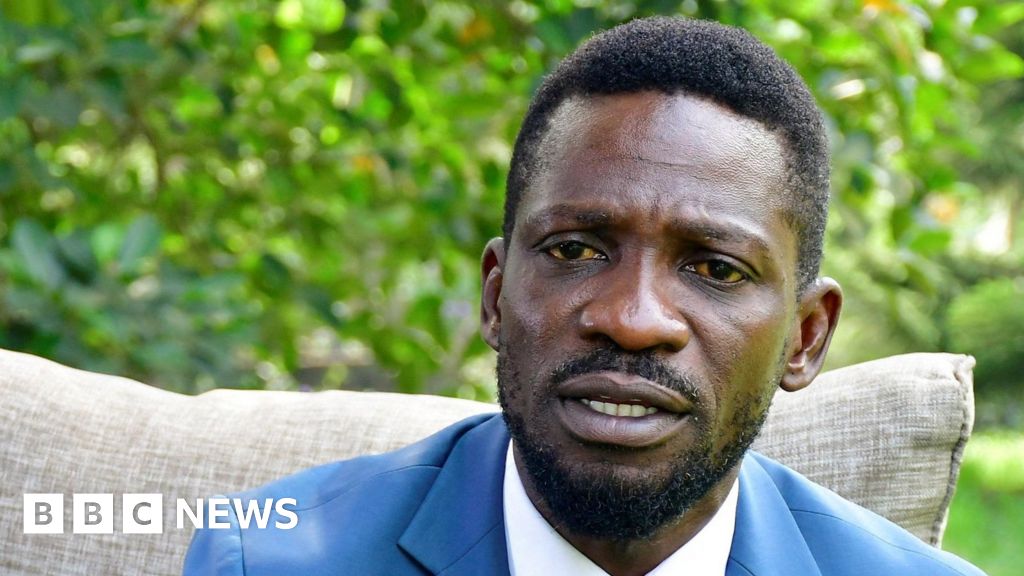
Ugandan Military Declares Bobi Wine as “Wanted Dead or Alive,” Escalating Political Tensions

The political landscape in Uganda has taken a perilous turn as the country’s military leadership publicly brands prominent opposition figure Bobi Wine as “wanted dead or alive.” This statement, issued by Uganda’s military chief, marks a significant escalation in the ongoing confrontation between the government and opposition forces, igniting concerns across the international community about the direction of Uganda’s internal stability and regional influence.

  • In a recent statement, Uganda’s defense officials unequivocally labeled Bobi Wine a priority target for law enforcement due to alleged involvement in acts deemed threatening to national security.
  • Contradictory to diplomatic denials from some government ministers, the military’s explicit declaration underscores a shift towards more aggressive tactics against opposition leaders, complicating Uganda’s promise of political reform amidst mounting unrest.

Historically, Uganda’s political environment has been fraught with tension, but recent developments reveal a worrying trend towards authoritarianism— risks that resonate beyond its borders. International institutions such as the African Union have expressed concern regarding the recent escalation, highlighting the potential for broader regional destabilization if internal conflicts expand. Meanwhile, analysts observe that President Yoweri Museveni’s government appears increasingly determined to stifle dissent, arguably undermining the democratic principles it claims to uphold.

From a geopolitical impact perspective, Uganda’s internal slide toward conflict threatens to destabilize neighboring countries, especially those sharing borders with Ethiopia, South Sudan, and the Democratic Republic of the Congo. Any escalation of political violence risks spillover effects, complicating regional efforts aimed at peace and economic development. Furthermore, Uganda’s strategic position as a regional hub for commerce and security cooperation is jeopardized, potentially weakening alliances with Western partners who have historically balanced diplomatic engagement with its authoritarian tendencies. International observers, including the United Nations, have cautioned that such aggressive rhetoric could further isolate Kampala while emboldening opposition factions that rely on international support to challenge the government’s authority.

Amid this tense atmosphere, Bobi Wine remains a symbol of resistance for many young Ugandans frustrated by persistent poverty, corruption, and lack of political progress. His popularity among the youth underscores the profound societal shift taking place, one driven by a desire for greater representation and reform. Yet, the government’s stance indicates a potential crackdown that may lead to increased civil unrest, fueling fears of prolonged instability. How the Ugandan authorities respond in the coming weeks will be pivotal in shaping the future of the nation—whether it descends into open conflict or finds a pathway to dialogue and reform.

As history continues to unfold in Uganda’s capital, it is clear that the decisions made today will echo through generations. From the corridors of power to the streets where the silent hopes of a youthful populace stir, the weight of unresolved conflict bears heavily. The world watches—waiting to see if Uganda’s current crisis will serve as a warning of authoritarian overreach or a catalyst for resilience and renewal. What remains certain is that the pages of history are being written in moments of chaos and courage, leaving an indelible mark on the global stage.
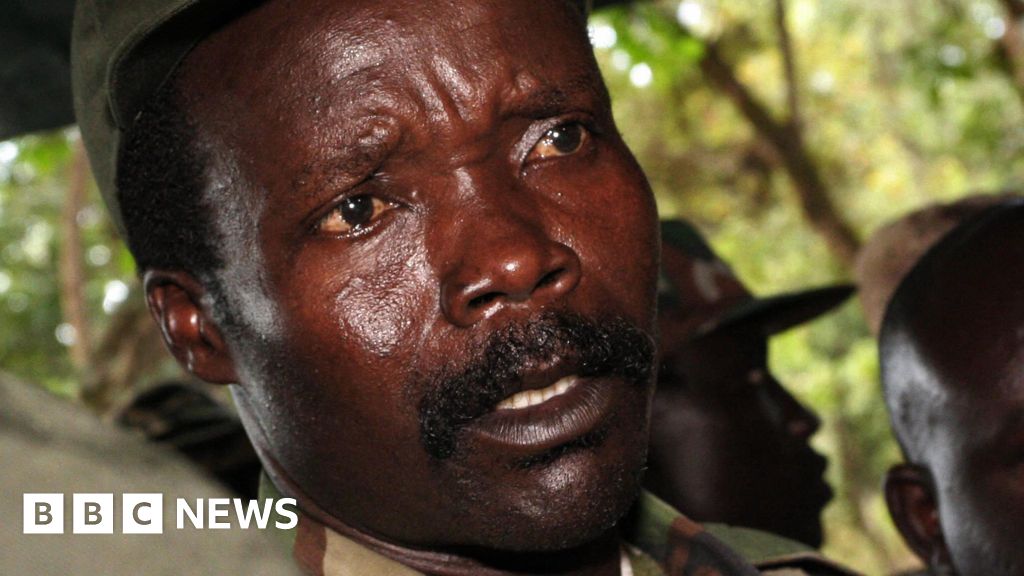
Ugandan youth cheer ICC charges against LRA boss, standing for justice

In a move that echoes decades of international diplomacy and military pursuit, the International Criminal Court (ICC) has officially confirmed charges against Joseph Kony—the notorious leader of the Lord’s Resistance Army (LRA). This militant group, infamous for perpetrating heinous crimes including limb hacking, sexual slavery, and child soldier conscription, has haunted the borders of Uganda, South Sudan, the Democratic Republic of Congo, and the Central African Republic for over thirty years. Despite mounting international pressure and efforts by the US and regional forces, Kony remains at large, hiding in the lawless corridors of Central African Republic, where he continues to symbolize a failure—yet also a warning—of global justice.

The ICC’s recent decision to charge Kony with 39 counts of war crimes and crimes against humanity marks a significant turning point in international accountability. The charges include murder, rape, and the forced use of child soldiers—a brutal blueprint that the international community hoped would finally bring a notorious warlord to justice. Despite an indictment issued in 2005 and a $5 million US reward announced in 2012, Kony’s ability to evade capture exposes the persistent gaps in enforcement among regional and global mechanisms. Analysts warn that unless Kony is physically apprehended and transferred to The Hague, these charges risk remaining symbolic rather than pragmatic, Birthing a moral victory rather than tangible justice.

The geopolitical impact of this prolonged pursuit extends far beyond Uganda’s borders. The LRA’s insurgency led to over 100,000 deaths, displacements of 2.5 million innocents, and leaving hundreds of children traumatized. Former victims like Evelyn Amon and Patrick Ochieng, now advocates for justice and reconciliation, underscore the importance of holding Kony and remnants of his group accountable. As regional conflicts intertwined with local rebellions, the pursuit of Kony became entangled with broader questions of sovereignty, regional stability, and international interventionism. Governments in the region have faced criticism for their inability or reluctance to fully dismantle the rebellion, highlighting the complex web of regional alliances, resource control, and diplomatic priorities that overshadow justice for victims.

International organizations, including the United Nations and humanitarian agencies, emphasize that the conviction and capture of Kony are more than mere symbolisms—they are a definitive step towards deterring future atrocities. Yet, how the international community responds moving forward will determine if justice can truly be served or if history’s darkest chapters risk being forever etched into the margins of a fractured continent. The global effort to bring Kony to trial serves as a chilling reminder: as long as unclaimed atrocities linger, the echoes of war and the cries of victims threaten to rewrite history and challenge the very pillars of justice.

As the weight of global attention converges on this saga, Kony’s expected arrest and subsequent trial in The Hague could serve as a watershed moment—not just for the victims, but for international law. Whether justice prevails remains a question that has haunted the region for decades, but what is undeniable is that the unfolding chapters in this relentless pursuit carry the profound potential to shape regional destinies and herald a new era of accountability. In the shadow of history’s ongoing pages, the pursuit of Kony is no longer just about capture; it becomes a test of the international order’s resolve to confront its most stubborn demons.

Ugandan Roots Shine as New York Mayor Earns Youths’ Respect

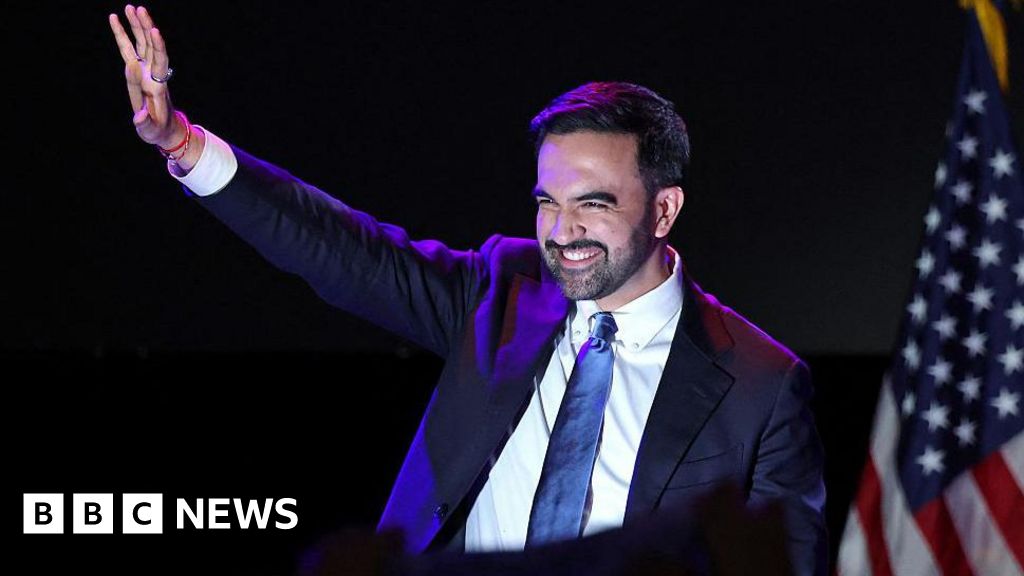
In an era marked by turbulent geopolitical shifts, the victory of Zohran Mamdani as the mayor of New York City has resonated far beyond the city limits, capturing the imagination of societies across continents. This young leader, born in Uganda and bearing dual nationality, exemplifies a new wave of global youth asserting influence in the heart of the world’s superpowers. His rise symbolizes more than local political achievement; it heralds a cultural and ideological shift that transcends boundaries, inspiring millions of young Africans and diaspora communities to view leadership as a matter of possibility and resilience.

According to international analysts, Zohran’s background embodies a narrative underpinned by the legacy of post-colonial Africa and the global reach of ideas rooted in freedom and justice. His father, Prof Mahmood Mamdani, a distinguished academic renowned for his anti-colonialist scholarship, deeply influences his worldview. Historians like Nzongola Nganza emphasize how such figures symbolize the awakening of a continent that has long struggled against the lingering effects of colonialism, yet now finds hope in its youth. Decision-makers in Africa observe that Zohran’s rise could energize local youth movements and challenge entrenched political dynasties, especially in nations like Uganda, where President Yoweri Museveni seeks yet another term amid a nation with one of the world’s youngest populations—median age just 16.2, according to the CIA World Factbook. The youthful demographic, combined with symbols like Zohran, has the potent potential to reshape regional politics and international perceptions of African capacity for self-determined leadership.

Meanwhile, South Africa also celebrates the achievement of a young leader whose formative years were shaped in its society. The imam of Cape Town’s Claremont Road Mosque, Rashied Omar, lauded Zohran’s early exposure to social justice activism rooted in South Africa’s own struggle against apartheid. This cross-continental narrative highlights how localized social movements are increasingly interconnected with global agendas, reinforcing a picture in which youthful leadership across Africa and its diaspora become a central force within global affairs. Such narratives are increasingly seen as a challenge to the old geopolitical order rooted in military might and economic dominance.

Across the Atlantic, international organizations and political analysts note that Zohran’s success heralds an ideological shift within the framework of global capitalism and multilateral diplomacy. For instance, the Economic Freedom Fighters (EFF) in South Africa hailed his election as a sign that “progressive, justice-driven leadership is rising even in the heart of the global capitalist order.” This sentiment underscores a burgeoning global movement skeptical of traditional power structures, seeking instead a leadership rooted in equity and multicultural diversity. Conversely, in Nigeria, a supporter of President Bola Tinubu and critics of former US President Donald Trump’s threats against Nigeria, Zohran’s name has become a symbol of resilience. His victory is framed as a counterpoint to external intimidation, illustrating how the younger generation perceives their capacity to withstand external pressures and internal injustices simultaneously.

Ultimately, the story of Zohran Mamdani embodies a critical moment in world history — a point where leadership, identity, and sovereignty intertwine in unprecedented ways. As nations like Uganda, South Africa, and beyond watch closely, the question remains: will this beacon of youthful promise catalyze a new era of multi-ethnic, multi-religious, and justice-oriented leadership? The answer, still bearing the weight of history, is yet unknown. What is certain, however, is that this moment signals the ongoing clash of old and new, a palpable tension in the ever-evolving narrative of our shared future, where the aspirations of the young now challenge the shadows cast by centuries of empire and despair. As the world turns, those who hold power must face the profound truth — the future belongs to those who dare to dream differently, for history’s next chapter is being written now, in the footsteps of figures like Zohran Mamdani.

Social Media Auto Publish Powered By : XYZScripts.com



