Matox News

Truth Over Trends, always!

Zelensky blasts US envoys for snubbing Kyiv as ‘disrespectful’ to Ukraine

The ongoing conflict between Kyiv and Moscow has reached a critical juncture, with international actors watching anxiously as the possibility of a resolution looms. Recent statements by high-level officials underscore the gravity of the situation, with one emphasizing that both sides will ultimately face a stark choice: either to negotiate and end hostilities or to accept collective responsibility for the continued carnage. This rhetoric highlights the profound geopolitical implications—not only for Ukraine, Russia, and their immediate neighbors but for the broader international order.

The stakes are now underscored by persistent failure to achieve a lasting peace, as the conflict veers into a more destructive phase. Analysts and historians warn that the prolongation of war destabilizes regional security, fueling territorial disputes, economic corridors, and military alliances. The United Nations and various international organizations have echoed calls for restraint, yet the stubborn refusal of Russia and Ukraine to compromise maintains a dangerous deadlock. It is a visceral demonstration of how diplomatic failures threaten to spiral into a broader crisis that could ignite new conflicts across Eastern Europe and beyond.

  • Under intensifying pressure, Europe grapples with energy shortages and economic turbulence, artificial consequences of the conflict’s disruption of supply chains.
  • Meanwhile, Washington and NATO have reaffirmed their support for Kyiv, emphasizing a commitment to territorial sovereignty while warning against escalatory measures from Russia.
  • Experts suggest that the conflict reflects deeper struggles over influence and sovereignty, testing the resilience and unity of Western alliances.

As historians analyze the conflict’s trajectory, many highlight its role as a stark reminder of the fragility of peace in a world marked by competing spheres of influence and ideological divides. The remarks from various officials echo a sense of impending history, where decisions made in the coming weeks could reshape the geopolitical landscape for generations. Diplomatic corridors are now the battleground of subtle negotiations, with the shadow of war continuing to cast a pall over international stability. The crucible of this crisis underscores a fundamental truth—the question of peace is no longer just a regional concern but a test of global leadership and resolve.

Ultimately, the narrative of this conflict is still being written, with every diplomatic move, military engagement, and political declaration adding another chapter to history’s unfolding. In the shadow of faltering peace efforts, the weight of destiny hangs heavy—will the leaders find a way to bridge their differences, or will the relentless machinery of war continue to grind on, etched into the annals of history as a testament to missed opportunities? The world watches, aware that the echoes of today’s decisions will resonate long into tomorrow, shaping the fate of nations and the course of history itself.

Ukraine and Russia trade blame over hundreds of ceasefire breaches

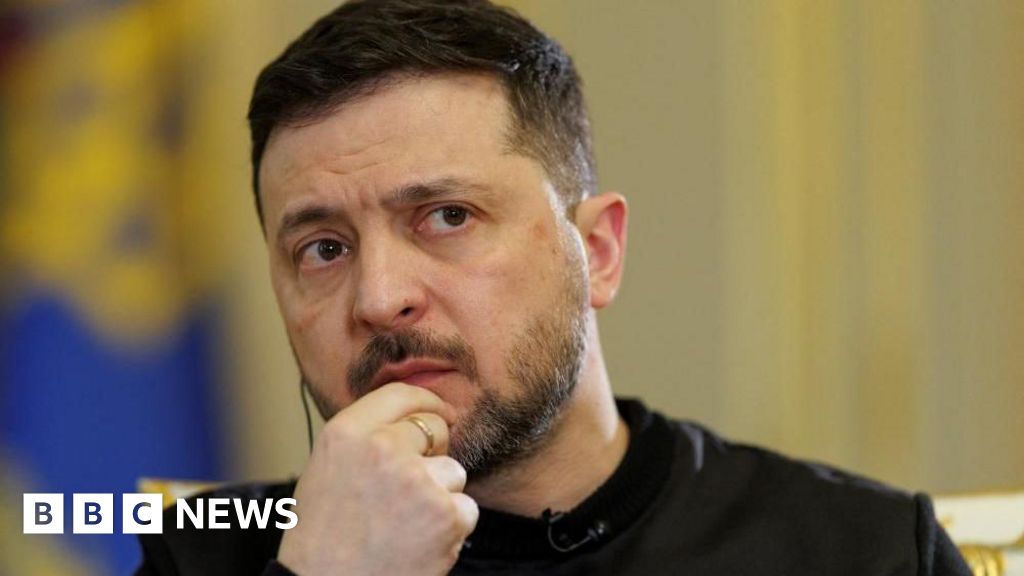
Ukrainian President Volodymyr Zelensky has issued a stern warning to Russia, affirming that his nation’s forces would respond “symmetrically” to any Russian attacks. This declaration signals a significant shift in Ukraine’s military posture amidst ongoing tensions and the broader geopolitical contest for influence in Eastern Europe. As the conflict continues to evolve, analysts suggest that Ukraine aims to establish a clear doctrine of reciprocity, signaling its readiness to escalate military responses should Russian aggression persist. This statement not only underscores Ukraine’s resolve but also complicates the delicate diplomatic landscape, making international repercussions far-reaching.

Since the onset of hostilities, Russia has maintained a strategy of targeted assaults on Ukrainian infrastructure and military positions, challenging Ukraine’s sovereignty and prompting a swift international response. The United Nations and NATO have urged de-escalation, emphasizing the importance of diplomatic solutions. However, Zelensky’s firm vow indicates a growing expectation among Kyiv’s leadership that Moscow cannot continue its current trajectory without risking a broader conflict. Historians and geopolitical analysts warn that the decision to adopt a symmetrical response could be a pivotal turning point, raising the stakes of a regional conflict that threatens global stability.

Global institutions such as NATO are closely monitoring Ukraine’s military stance, acknowledging that Kyiv’s willingness to match Russian aggression might redefine the boundaries of regional confrontation. Europe faces a dilemma: uphold diplomatic engagements or prepare for increased military commitments. The European Union has expressed solidarity with Ukraine, yet fears remain that a escalation could draw in other states, potentially igniting a wider regional conflict. The stance taken by President Zelensky resonates with longstanding national sentiments of resilience and sovereignty, but also serves as a warning to other nations about the rising tide of hybrid and conventional warfare.

Meanwhile, international scholars note that Russia’s pursuit of strategic objectives in Ukraine—such as securing territorial gains and weakening Kyiv’s Western integration—remains unchanged, prompting concerns about the potential for a prolonged, attritional conflict. In this complex chess match, every decision carries the weight of history, shaping the future of millions of lives and redefining global power dynamics. The international community stands at a crossroads, confronting the reality that the outcome of this confrontation will not only determine Ukraine’s fate but also test the resilience of the entire liberal order. As the world watches, the question remains—how much farther will this conflict go, and what new boundaries will be drawn in the sands of geopolitics?

In the unfolding narrative of this turbulent epoch, the resolve of Ukrainian defenders and the strategic calculus of Russia intertwine in a high-stakes game of survival and dominance. With each provocative move, the world edges closer to an unpredictable future where the lines between diplomacy and warfare blur, and the weight of history presses down on all nations. This is not merely a regional crisis—it is a defining moment, echoing through time, as the international order faces one of its most defining tests in decades.

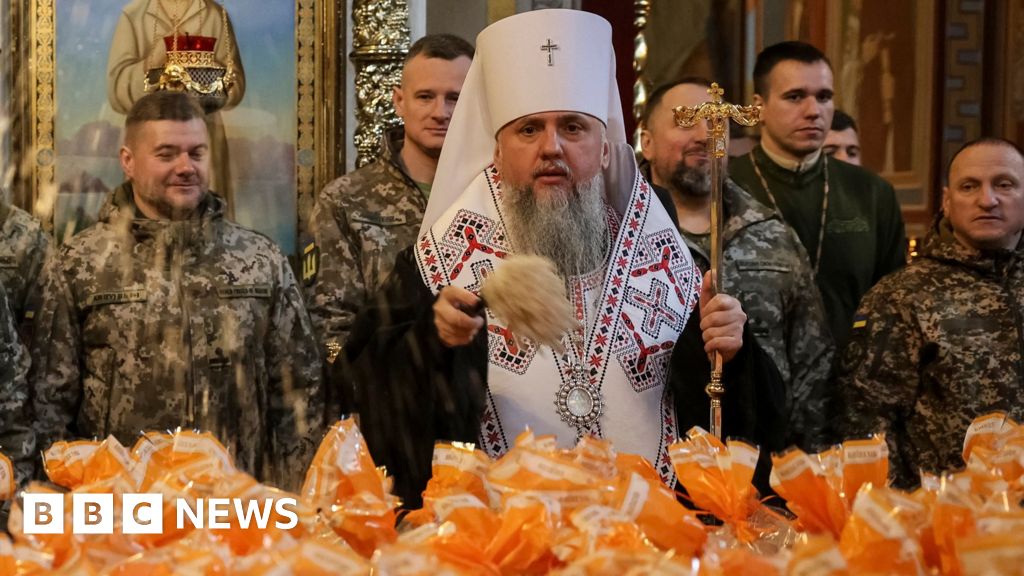
Russia and Ukraine sign Orthodox Easter ceasefire to promote peace among youth

In a move that has sent ripples through the international community, Vladimir Putin has officially declared a ceasefire that will commence from Saturday afternoon and extend through Easter Sunday. This unexpected announcement comes at a time when global tensions, especially surrounding Russia’s ongoing conflict in Ukraine, have been escalating, drawing widespread concern about the stability of the region and the potential for geopolitical realignments.

While the specifics of the pact remain obscure, analysts worldwide are scrutinizing this development for its geopolitical impact. Many believe this truce represents a strategic shift rather than a genuine desire for peace. Historically, ceasefires brokered in conflict zones, especially those initiated by major powers, serve often as temporary pauses or as tactical maneuvers aimed at consolidating military positions or extricating diplomatic pressure. According to international relations experts, such efforts often reflect the complex interplay of domestic politics, leadership calculations, and international diplomacy. It remains to be seen whether this ceasefire entails genuine de-escalation or is part of a broader strategy to regroup or reconfigure Russian military objectives.

Ukrainian officials and Western allies have responded with cautious optimism, though skepticism persists.

  • Some officials warn that the announcement might be a tactical pause, used to prepare for potential renewed offensives.
  • Others see it as a sign of vulnerability or a move influenced by internal pressures within Russia.

The United Nations and several European nations have called for transparency and adherence to the ceasefire, emphasizing its potential turning point in the broader conflict. Historically, ceasefires have often proven fragile, with their success hinging on reciprocal commitments from conflicting sides and the broader geopolitical climate. The G7 and NATO countries continue to monitor developments closely, understanding that any pause holds the potential either to de-escalate or, conversely, to mask another phase of escalation. The decision could set a precedent for future negotiations or shifts in the regional narrative, making this a critical juncture in the ongoing struggle for influence and sovereignty in Eastern Europe.

As the world watches with bated breath, the unfolding scenario leaves many pondering the true motives behind Russia’s move. Will this be a genuine effort at peace or simply a strategic pause? As history repeatedly demonstrates, the destinies of nations are often shaped by moments of apparent restraint amid chaos—poised, perhaps, on the edge of a new chapter marked by uncertainty. The stakes are high, and the weight of history presses heavily on all sides, reminding us that in the dance of power, the next move is never certain, and the future remains a fragile, unresolved narrative.

Zelensky reveals allies urged him to cut back on Russian energy strikes—new pressures mount on Ukraine

Ukraine and Global Impacts: Unraveling the Geopolitical Tensions

In a striking statement that underscores the complex web of international relations, Ukraine’s president revealed that his country’s decisive partners have inquired about the possibility of reducing military attacks amid soaring global energy prices, significantly affected by ongoing conflicts in the Middle East. This revelation comes at a time when global markets are experiencing unprecedented volatility, with oil prices surging to multi-year highs following the escalation of hostilities linked to the Iran war. Analysts emphasize that these developments are reshaping not just regional security dynamics but also the economic stability of allied nations and, ultimately, their societies.

The escalation of violence in Iran, an event that has ripple effects reaching across continents, has intensified pressure on European and North American policymakers. The war’s direct consequence—rising energy prices—has forced a reconsideration of military and diplomatic strategies. The rising costs have led some international actors to question the sustainability of current support methods for Ukraine’s defensive efforts. According to several geopolitical researchers, such as Dr. Helena Montague, the trend signals a potential shift in the global stance toward ongoing conflicts: “We see a growing tendency among Western allies to seek a balance between support and economic stability, especially as the economic strain becomes more palpable at the household level.”

For Ukraine, this complex scenario underscores a broader global strategic dilemma. As the conflict persists, Kyiv’s allies are torn between providing unwavering support to maintain the country’s sovereignty and recognizing the economic toll that continued military assistance entails. This dynamic presents a pivotal challenge for international organizations such as the United Nations and NATO, which are tasked with balancing strategic interests with economic realities. The emphasis on diplomacy and calls for ceasefires underscore a cautious pivot by nations that are concerned about the long-term social costs. Meanwhile, key voices from the world stage warn that yielding too much to economic pressures could embolden adversaries and undermine the very principles of sovereignty and international law that the global community seeks to uphold.

The geopolitical impact of these troubling developments is profound. Decisions made now will influence the shape of international relations for decades to come. The interconnectedness of Middle Eastern conflicts, European security, and global economies connote that no nation is truly isolated in this tumult. Leading political analysts warn that if the escalation continues unchecked, the ripple effects could lead to a destabilized multipolar world where alliances are tested and new regional fault lines emerge. British historian Sir Geoffrey Callender warns that “history teaches us that such moments of crisis often precede major shifts in global power structures. We must observe carefully, for the choices made today will define the geopolitical landscape of tomorrow.”

As the world watches this unfolding saga, the message remains clear: the weight of history is once again pressing down upon us. The metrics of power—military strength, economic resilience, and diplomatic agility—are being tested anew. This is a turning point, one where the decisions of contemporary leaders will echo through generations, shaping the balance of power and the very fabric of international law. As global citizens, the challenge remains to understand the profound significance of these shifting tides and to recognize that the future is being shaped in real-time, yet the consequences are timeless.

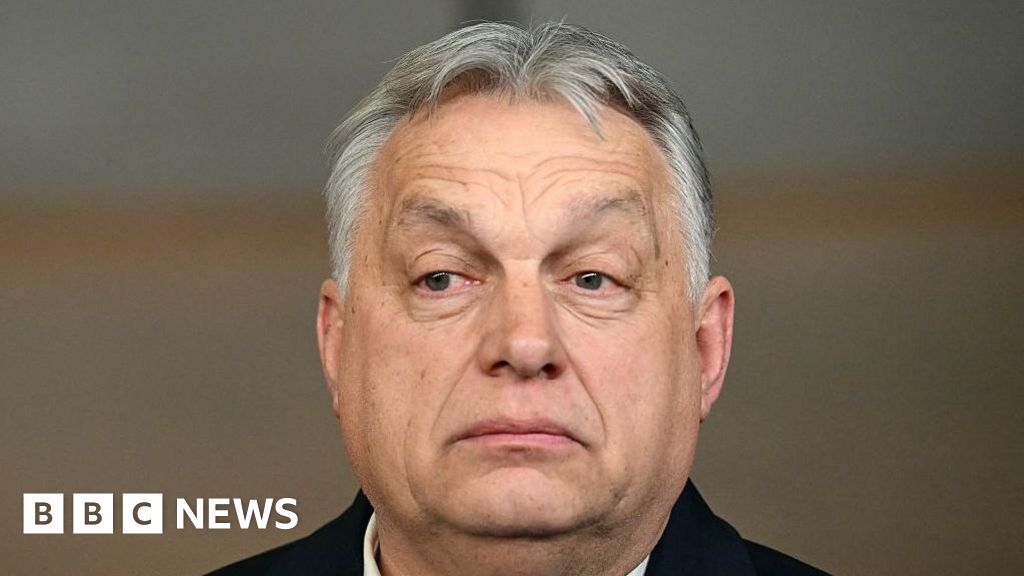
Orbán’s Ukraine Loan Veto Sparks Allegations of Disloyalty and Blackmail

The geopolitical landscape in Eastern Europe has taken a sharp turn as Hungary announced a critical precondition for the release of international funds: the urgent repair of a pipeline vital for energy security. This pipeline, which transports Russian oil through Ukraine to Hungary, has become a focal point in the ongoing tug-of-war between energy independence and geopolitical influence. The move underscores Budapest’s assertion of national sovereignty amidst broader regional tensions and signifies the complex interplay of energy security, Russia’s influence, and European unity.

The Hungarian Prime Minister clarified that no financial aid, whether from the European Union or other international sources, would be dispensed until the pipeline’s deficiencies are addressed. This stance echoes *a broader pattern of Hungary asserting its independence from Brussels-led policies*, especially in matters relating to energy and foreign policy. Energy analysts and international organizations emphasize that this pipeline is a critical artery, shaping not only Hungary’s economy but also the delicate balance of power in the region. The pipeline’s repair becomes emblematic of Hungary’s strategic intent to safeguard national interests, even if it means bucking collective European decisions.

Historians and geopolitical analysts warn that such unilateral moves risk eroding solidarity within the European Union, highlighting the underlying tensions between national sovereignty and supranational governance. The pipelines through Ukraine are especially sensitive given the recent escalations in Russia-Ukraine relations, which have profoundly affected energy routes and supplies. By demanding repairs before funds are released, Hungary effectively positions itself as a key negotiator in regional energy diplomacy, challenging broader Western efforts to isolate Moscow through sanctions and economic measures. This decision, framed by Budapest as a necessity for national self-preservation, aligns with a strategic pattern of resistance against external pressures.

The international community faces a critical juncture: either continue to enforce collective sanctions and unified energy policies or accept that regional independence movements could fracture the West’s unified front. The repair of the pipeline, which has been compromised due to deteriorating infrastructure and recent geopolitical tensions, symbolizes a broader message. *It is a declaration that national interests may override collective commitments, that regional stability hinges on the willingness of individual nations to assert their autonomy.* The implications extend beyond Hungary’s borders, affecting the delicate web of alliances, energy supplies, and economic stability across Europe. As global attention turns toward this unfolding crisis, analysts warn that the decisions made today will reverberate through history, shaping the geopolitical contours of the continent for generations to come.

In this charged atmosphere, the fate of the pipeline becomes more than a matter of energy; it is a symbol of sovereignty, resilience, and the unyielding pursuit of national interest in a fractured world. As European leaders, Washington, and Moscow observe, the decisions made in Budapest could spark a new chapter—one where alliances are tested and the very fabric of international cooperation hangs in the balance. The story of this pipeline, and the strategic moves surrounding it, is a stark reminder: history is not merely written in grand treaties or battles, but in the quiet, relentless assertion of independence amid a storm of global upheaval.

Ukraine Museum Opens in Berlin Air-Raid Bunker, Showcasing Resilience and Heritage

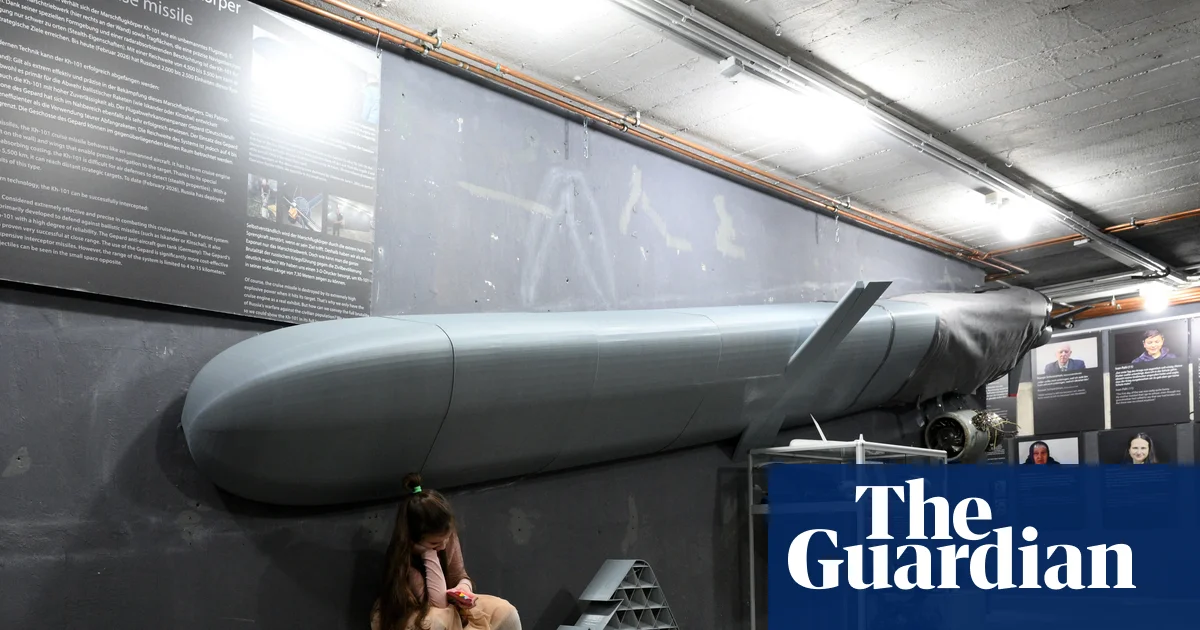
As Russia’s ongoing invasion of Ukraine enters its fourth year, the geopolitical landscape in Europe remains sharply divided over the appropriate response. The newly inaugurated Ukraine Museum in Berlin serves as a stark reminder of the conflict’s brutal reality, exposing visitors to the physical remnants and harrowing stories from the battlefield. Curated from war remnants and built in collaboration with Ukrainian frontline troops and historical institutions, the museum aims to combat growing fatigue and apathy among Western populations. It underscores an essential warning to the West: ignoring this war risks destabilizing the entire security architecture of the continent.

This museum’s presence in Berlin symbolically signifies Germany’s pivotal role as a major supporter of Kyiv, providing substantial military aid and shelter for millions of Ukrainian refugees. Yet, this support is not without controversy. Domestic political divisions threaten to weaken the unified front necessary to counter Putin’s expansionist ambitions. Critics argue that wavering in commitments—whether through resistance to increased arming or skepticism over continued aid—embolden Russia’s narrative of Western disinterest or weakness. According to analysts from the European Council on Foreign Relations, such factions are playing into Putin’s strategic aims to destabilize Western cohesion, emphasizing that European unity remains fragile and crucial for Ukraine’s survival and the broader confrontation with authoritarian expansion.

International observers, including historians and military strategists, emphasize that support for Ukraine goes far beyond humanitarian concern—it is a defining element of geopolitical stability in the 21st century. The war’s brutal reality, vividly exposed by the museum’s displays—such as a missile reconstructed via 3D printing and wreckage of a Russian T-72 tank—serves as a stark reminder that the stakes are existential for Ukraine and the West alike. The museum also draws attention to the dehumanizing propaganda—images of aid worker Oleg Salnyk, killed after the deliberate targeting of his ambulance by a Russian drone, are intended to forge a visceral understanding of the war’s toll. Such visceral representations seek to awaken Western audiences to the fact that timid complacency could lead to far greater catastrophe.

In response to the conflict, Germany and other Western nations face difficult questions: How long can they sustain military and economic support without internal discord? As Hanna Maliar, a former Ukrainian deputy defense minister, warns, “My advice to Germany is whatever you do, don’t get rid of your bunkers.” The metaphor resonates—without resilient defenses, the risk of destabilization extends beyond Ukraine into Euro-Atlantic security. Meanwhile, the Ukrainian resistance, exemplified through stories of aid workers targeted in front-line attacks, continues to symbolize the tenacity of a nation fighting to preserve sovereignty amidst a concerted effort by Russia to erode Ukrainian identity and independence. As history unfolds in real time, the question remains: will the powerful Western alliance recognize that the cost of indifference may be the very fabric of freedom itself?

Four Years Later: Zelenskyy States Putin’s Goals Remain Unmet—Europe Updates | Ukraine

Four Years of Conflict: The Evolving Geopolitics of Russia’s Invasion of Ukraine

As Ukraine marks its fourth year of fierce resistance against Russia‘s full-scale invasion, the global community observes a pivotal moment in what has become the defining conflict of the 21st century. Beginning on February 24, 2022, when Russian forces sought to seize the country within mere days, the war has morphed into a protracted struggle that continues to reshape geopolitical alliances and challenge international norms. Despite efforts to rally support and impose sanctions, the conflict remains unresolved, revealing profound fissures within Western-led coalitions and exposing vulnerabilities in diplomatic strategies.

The Ukrainian people, under the steadfast leadership of Volodymyr Zelenskyy, have consistently underscored their resilience and unwavering commitment to sovereignty. In his recent address, Zelenskyy reflected on the enduring spirit of Ukraine, emphasizing that “we have defended our independence, we have not lost our statehood; Putin has not achieved his goals.” Such declarations serve as a stark reminder that, despite relentless aggression and substantial losses, Ukraine has maintained its national identity and territorial integrity. Historians and analysts underscore this narrative as a testament to the resilience of post-Cold War Europe’s most prominent democracy under siege, illustrating how a nation’s united front can withstand even the most formidable foes.

Yet, the geopolitical impact extends far beyond Ukraine’s borders. The ongoing conflict continues to test the cohesion and resolve of NATO and the European Union. Recently, Mark Rutte, NATO’s Secretary General, and Ursula von der Leyen, President of the European Commission, prepared to honor Ukraine’s bravery by convening in Kyiv and via video links. However, controversy has surfaced over the EU’s inability to present a united front: Hungary’s Viktor Orbán vetoed a new set of sanctions aimed at intensifying pressure on Russia over separate disputes involving oil transit through Ukraine. International organizations like the EU face critical scrutiny, as this political sabotage underscores internal divisions that threaten to undermine the collective effort to support Ukraine and uphold global stability.

Historical and geopolitical analysts warn that such divisions could be a turning point—that if Western alliances falter, the balance of power in Eurasia could be permanently altered. The war’s broader implications include the realignment of global influence, renewed tensions in Eastern Europe, and a warning that failure to sustain unified pressure may embolden Russia and other revisionist powers. Meanwhile, the clandestine efforts of allied intelligence agencies, notably the CIA and MI6, to intercept Putin’s plans prior to the invasion reveal a complex web of intelligence failures and miscalculations. Shaun Walker’s investigative reporting sheds light on how Western intelligence underestimated the Russian president’s intentions, highlighting the dangerous costs of complacency in an era where information wars are as critical as military ones.

As history continues to unfold, the unresolved tensions and unresolved conflicts stake their claim on the future of Europe and beyond. The voices from Kyiv, Brussels, and Washington echo with warnings of what might come if the present momentum diminishes. The city of Kyiv itself, bearing signs of resilience like the symbolic “Bravery Made in Ukraine,” stands as a testament to the unyielding human spirit amid the chaos of war—yet, the shadows of discord within Western alliances threaten to cast long-term consequences that could reshape continents. For now, the world holds its breath—watching as the pages of history are written, one day at a time, in the blood and hope of nations fighting for sovereignty and peace—and knowing full well, that this story is far from over.

Ukraine negotiator shares firsthand: what it’s like to face Russia at the table

As the **conflict** in Ukraine approaches its fifth year, international focus intensifies on diplomatic efforts and the shifting landscape of global alliances. Serhii Kyslytsia, Ukraine’s ambassador to the United Nations, continues to be a prominent voice in negotiations, seeking ways to bring an end to the violence that has ravaged the Eastern European nation since 2018. Despite ongoing efforts, the situation remains fluid and fragile, with recent developments risking further destabilization of a region already scarred by years of warfare.

The international community remains sharply divided over the conflict’s root causes and the most effective path toward resolution. Critics argue that Russia’s persistent support for separatist movements and its strategic military interventions are undercutting diplomatic solutions. Meanwhile, Western nations, led by the United States and European Union, continue to impose economic sanctions aimed at pressuring Moscow into ceasing its military activities in Ukraine. However, many analysts warn that such measures only serve to deepen economic hardships and political instability within Russia, raising questions about the long-term stability of the region.

Key to understanding this crisis are the geopolitical implications of recent decisions by global and regional institutions. The North Atlantic Treaty Organization (NATO) remains steadfast in its support for Ukraine, providing military aid and bolstering defenses in Eastern Europe. Yet, this stance has intensified tensions with Russia, leading to fears of a broader, more destructive escalation—an outcome that many scholars like Dr. Maria Vetrov argue could redefine the security architecture of Europe for decades to come. Moreover, the expansion of NATO amid these tensions has been criticized by Moscow as a provocative encroachment upon what it claims to be its sphere of influence, fueling accusations of Western encirclement and interference.

Historically, experts emphasize that the conflict’s resolution hinges on complex negotiations, which are hamstrung by deep-seated mistrust and competing national interests. Serhii Kyslytsia’s diplomatic efforts exemplify the ongoing struggle to find a diplomatic avenue, but are often overshadowed by the broader geopolitical calculus. The implications extend beyond Ukraine’s borders; the conflict underscores a larger contest of influence that could shape international relations well into the 21st century. As the world witnesses the unfolding drama, the stakes are unmistakably high: the very fabric of European security and the principles of sovereignty and territorial integrity are at risk of becoming casualties in this prolonged struggle.

In the shadow of this conflict, the future hangs in the balance, with historians and global strategists warning that history’s next chapter could irrevocably alter the geopolitical landscape. The question looms: Will diplomatic efforts succeed in preventing further bloodshed, or are we witnessing the slow unraveling of a fragile peace that once seemed within reach? As the world observes with bated breath, the weight of history presses heavily on international shoulders, and the ending remains unwritten, yet undeniably imminent.

Four Years of War in Ukraine: Russia’s Struggling to Keep Up

In the wake of Russia’s ongoing conflict, the ripple effects extend far beyond the battlefield, deeply impacting the global economy and international stability. As detailed by Steve Rosenberg and numerous analysts, the economic fallout from this conflict has manifested in widespread inflation, disrupted supply chains, and altered geopolitical alliances. While the fighting persists, nations around the world grapple with how best to respond, balancing sanctions, aid, and strategic interests. The decision of the international community to impose measures against Moscow reflects a profound shift in diplomatic paradigms and raises urgent questions about the future of global order.

Economically, the conflict has caused disruptions in critical sectors such as energy, agriculture, and technology. Russia’s role as a major energy supplier means that sanctions targeting its oil and gas exports ripple through European markets and beyond, leading to skyrocketing prices and energy insecurities. The United Nations and analysts from think tanks highlight how these economic pressures threaten to destabilize already fragile economies, especially in Europe. Meanwhile, countries heavily dependent on Russian commodities face tough choices — either to diversify sources or confront inflationary pressures that threaten to impoverish millions. Historians trace similar patterns during past conflicts, noting how economic retaliation often fuels national resilience or, conversely, sparks internal dissent.

Within Russia, the war’s economic toll is unfolding differently, with the Kremlin implementing measures to bolster its economy amid international sanctions. Nonetheless, the social fabric is under strain as everyday life becomes increasingly difficult for ordinary citizens. How populations cope emotionally and financially reflects a society adapting to extraordinary circumstances, yet also raises concerns about internal stability. Meanwhile, in Ukraine, the conflict’s territorial and humanitarian toll compels Western nations and international organizations to consider long-term commitments — not solely military but broad economic aid and reconstruction efforts. Strategic analysts warn that unresolved tensions and economic instability could prolong the hostilities and exacerbate global insecurity.

Global institutions such as the International Monetary Fund and World Bank continue to alert policymakers about the risks of prolonged conflict on world economic growth. The shifting alliances and economic decouplings signal a fundamental transformation in international relations—one where traditional power blocs are reassessing their roles and strategies. This scenario underscores how decisions made in the heat of geopolitics will shape the world order for generations. As experts debate whether diplomacy can still prevail or if a new Cold War is inevitable, the weight of history presses heavily upon us, reminding the global community that war’s consequences extend beyond the battlefield—affecting the very fabric of societies and the stability of nations.

In the shadow of these tumultuous developments, the question remains: how will the decisions of today ripple through the corridors of power and the lives of millions? With each geopolitical shift, the world inches closer to an uncertain future — where history’s pen continues to write, and humanity waits with bated breath for the next chapter in this ongoing saga of conflict and resilience.

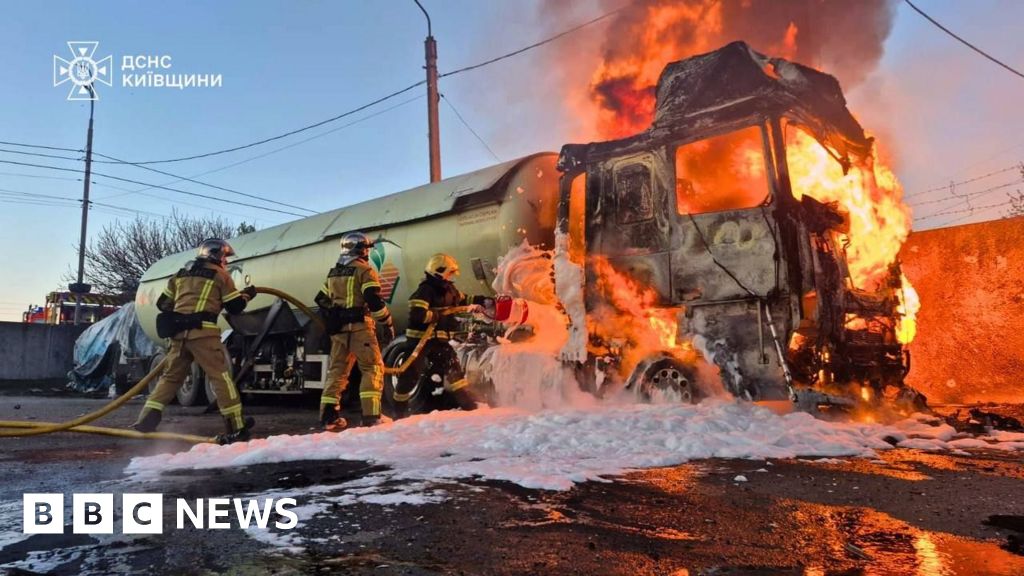
Explosions in Western Ukraine Claim Police Officer’s Life, Wound 25 Others

In a grim demonstration of the persistent threats facing global stability, authorities reported that twenty-five individuals were injured overnight in what officials are now officially describing as a terror attack. The incident marks a troubling escalation in a region already fraught with political tension and insecurity. While initial investigations are underway, the attack underscores the fragile balance that many nations struggle to maintain amid ongoing conflicts and regional instability.

This attack, which involved a series of coordinated explosions, has reignited debates among international security analysts about the effectiveness of current counter-terrorism strategies. According to experts at INTERPOL and leading regional think tanks, such assaults are often symptomatic of deeper political grievances and unresolved sectarian divides. The targeted area, historically volatile, is a hotbed where extremist factions often exploit local insecurities to sow chaos. The incident may well be a signal that these persistent fissures remain unhealed, capable of erupting violently at any moment.

Some experts warn that this attack could serve as a stark warning for the broader international community. As noted by analysts from the Council on Foreign Relations, the incident could potentially destabilize neighboring states, prompting renewed concerns over refugee flows, border security, and the spread of militant ideology. The United Nations has issued a cautious call for restraint and enhanced cooperation, emphasizing that such acts threaten not only regional peace but also the global fight against terrorism. The balance of power in the region hangs in a delicate equilibrium, with each act of violence further complicating diplomatic efforts and the pursuit of peace.

Historically, when nations are confronted with internal violence, external actors—be they regional powers or international institutions—wade into complex geopolitical dynamics. For instance, Western nations have often taken a cautious approach, balancing condemnation and strategic engagement, increasingly aware that such terror attacks can ripple across borders, fueling instability far beyond the immediate area. As analysts scrutinize recent responses from regional governments and military agencies, the enduring question remains: how will the international community adapt its strategies to prevent further escalation? Will this attack serve as a catalyst for increased cooperation, or will it deepen divisions and breed further chaos?

While the dust from the explosions begins to settle, the true test lies ahead—whether the global response will be robust enough to undermine terror networks or if, instead, history will record this as yet another chapter in the relentless struggle against forces seeking to fragment societies and rewrite the course of history. As the world watches and responds, the weight of this moment continues to hang heavy: a stark reminder that beneath the veneer of routine life, the specter of violence remains ever-present, and the path towards peace is fraught with peril.

Social Media Auto Publish Powered By : XYZScripts.com