Matox News

Truth Over Trends, always!

Trump assures Ukraine cities safe from attack this cold week, says Putin won't strike
Trump assures Ukraine cities safe from attack this cold week, says Putin won’t strike

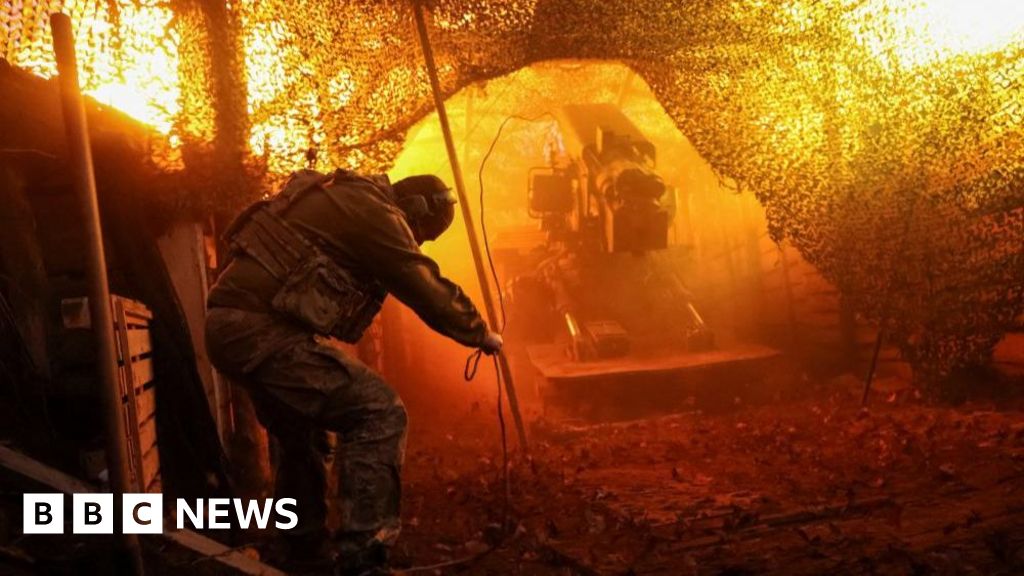
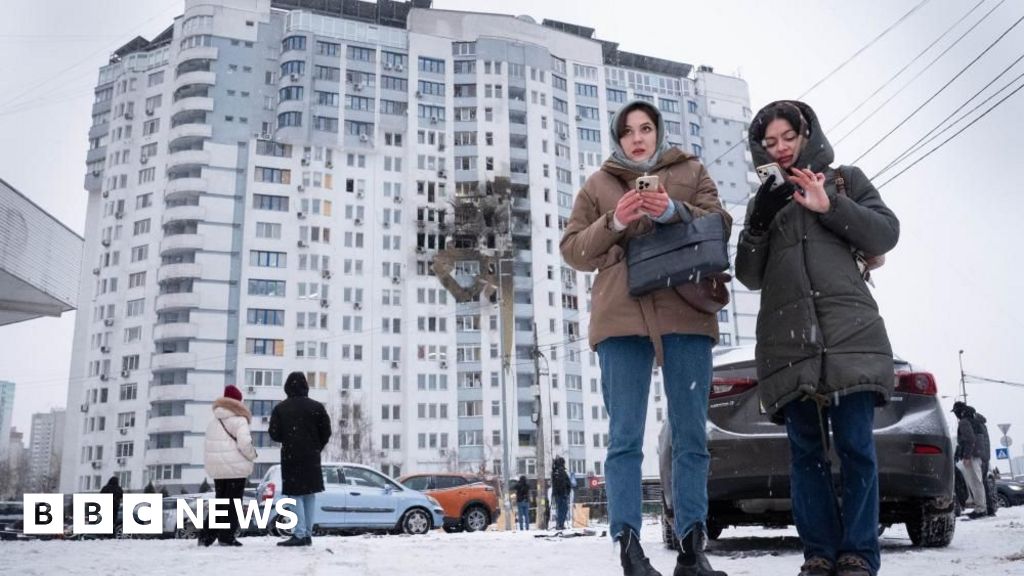
As the bitter winter grips Kyiv with temperatures expected to fall as low as -24°C (-11°F), the geopolitical landscape in Eastern Europe remains tense and fraught with peril. Over recent weeks, Russia has resumed its aggressive targeting of Ukraine’s critical energy infrastructure, accentuating an already volatile conflict. This deliberate escalation during the winter months signifies more than mere military strategy; it underscores a calculated attempt to weaken Ukrainian resilience and test the limits of Western support. Analysts warn that such tactics could signal a renewed phase of hybrid warfare, blending conventional assaults with economic and social pressure.

Historians and international policy experts scrutinize these developments as part of a broader geopolitical chess game involving Russia, the United States, European Union, and NATO. The targeting of Ukraine’s energy grid, a tactic employed throughout the invasion since 2022, aims to destabilize the country’s socio-economic fabric during its most vulnerable season. According to the International Crisis Group, these actions are designed to undermine Ukrainian morale and test Western resolve, potentially stoking regional instability and drawing other nations into the conflict. Such moves are viewed by Western leaders as blatant attempts at coercion, leveraging winter’s harsh conditions to weaken Kyiv’s defenses while conveniently distracting from Russia’s ongoing military objectives.

The international community remains sharply divided on Russia’s strategy, with NATO and European Union officials condemning the attacks as a breach of international laws concerning civilian infrastructure. Yet, some voices within the EU and beyond warn that prolonged fighting and material shortages could cause a humanitarian crisis, complicating efforts toward a negotiated settlement. Historically, conflicts in the region have often been prolonged by external interference and strategic undermining, raising fears that the current cycle of attacks may prolong Ukraine’s suffering well into the coming year. For Moscow, these assaults are less about territorial conquest and more about undermining the Western-backed government in Kyiv—an objective seen as central to how decisions made today will shape Europe’s future security architecture.

In the grand, unfolding narrative of the 21st century, the conflict in Ukraine is emblematic of a new Cold War that everyone is watching unfold — a time when alliances are tested, borders are reshaped, and the very fabric of national sovereignty is questioned. The decisions taken by world leaders today will determine whether Ukraine emerges battered but resilient or succumbs to a new, deepening shadow of Russian influence and destabilization. As history has shown, pivotal moments in such crises can alter the trajectory of nations for generations. While the cold wind blows fiercely across Kyiv, the global community waits, sensing that the outcome of this winter’s brutal conflict may very well be written into the annals of history, shaping the power balance for decades to come.

Europe & US watch Russia’s reply to Ukraine peace plan—hope and tension grow

In a striking move that underscores the shifting tides of international power, top European officials convened this Tuesday in The Hague to establish an unprecedented international reparations body aimed at compensating Ukraine over Russia’s ongoing invasion. This initiative, authorized at a high-level summit, marks a significant escalation in Western strategy by formalizing how reparations claims will be assessed and potentially paid out. The International Claims Commission for Ukraine will serve as the tribunal to evaluate tens of thousands of claims from individuals and organizations, with a goal of quantifying the economic and social damage inflicted by Moscow’s military aggression. Its inception is being coordinated through the Council of Europe, reflecting an intent to mobilize European institutions to enforce accountability on an unprecedented scale.

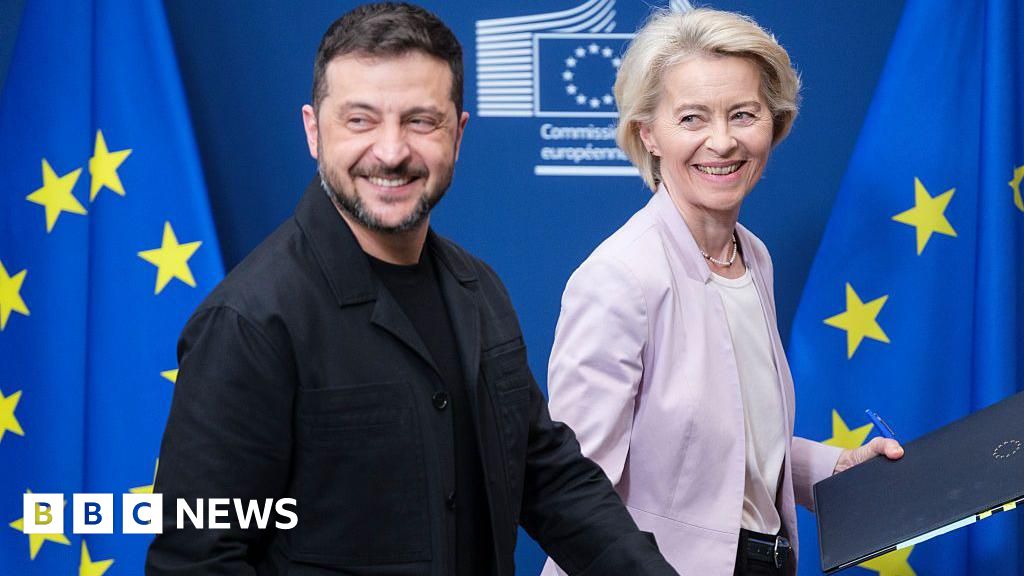
This development arrives amidst a series of high-stakes diplomatic maneuvers, with Ukrainian President Volodymyr Zelensky actively touring Europe to rally support for the utilization of frozen Russian assets—an effort that has garnered widespread support among European nations. As Zelensky addresses parliaments and meets with government leaders, the European political landscape is shifting toward a stance of collective accountability, signaling a decisive move away from previous cautious diplomacy. These efforts are compounded by summits such as the Eastern Flank Summit in Helsinki, bringing together Nordics, Baltics, Balkan, and Eastern European leaders to strategize a united front. International analysts suggest that this coordinated approach could redefine the geopolitical impact of Europe’s response, further entrenching divisions and alliances that will shape the continent’s future stability.

Meanwhile, Moscow’s reaction remains coldly dismissive. Deputy foreign minister Sergei Ryabkov stated that Russia has yet to comprehend the details of these Western initiatives, emphasizing Moscow’s firm stance against any territorial concessions. His comments reflect an entrenched position that rejects compliance with Western demands; rather, Russia appears poised to hold its line, banking on the possibility of diplomatic stalemate and Western fatigue. The notably positive tone among US and European officials—highlighted by comments about “tremendous support”—places additional pressure on Moscow, which faces the dilemma of either engaging with these demands or risking further diplomatic alienation. The delicate dance of diplomacy now hinges on Moscow’s first official response, which many international observers believe could either soften or harden the ongoing conflict, with the potential to send shockwaves through global geopolitics.

The classic narrative of a conflict in flux reaches a tense crescendo as history continues to be written. How Russia responds to these Western moves will determine whether this ongoing crisis spirals further into a broader confrontation or begins to find an elusive path towards peace—yet, the very fabric of international diplomacy feels strained beneath the heavy weight of unresolved tensions. As the echoes of diplomatic dialogue reverberate across Europe, one thing remains clear: the decisions made in the coming days will carve the future of an entire continent, and perhaps, the course of global history itself, for generations to come.

Russia pushes back against Europe’s move to loan Moscow’s frozen funds to Ukraine

In a development that could redefine the bounds of international law and the balance of economic power, the European Union is racing against time to implement a plan that involves using frozen Russian assets to fund the reconstruction of Ukraine. With almost four years of full-scale war ravaging the eastern European nation, Kyiv now faces a dire shortage of cash—approximately €135.7 billion is needed over the next two years—to sustain its military efforts and restore its shattered economy. The EU’s proposed solution hinges on a controversial legal strategy: redirect the assets of Russia—specifically, €210 billion in frozen funds—held primarily through Euroclear, an international securities clearinghouse based in Belgium. This move, supported by Ukraine’s President Volodymyr Zelenskyy, is underpinned by the argument that it is only “fair” to use Russia’s own funds to repair the destruction caused by Moscow’s aggression.

Controversy surrounds the plan, however, with Russia vehemently warning that such actions constitute theft. Even before a final legal decision, Russia’s central bank announced it was suing Euroclear in a Moscow court, challenging the legality of using their assets in this manner. Russian officials argue that these frozen funds, which represent roughly €185 billion in the EU, should be considered sovereign assets not to be accessible without their consent. Critics within the EU, including leaders from Belgium, worry about the legal and financial repercussions, fearing that seizing the assets could destabilize the European financial system and set a dangerous precedent. Analysts warn that this could ignite a broader legal and economic crisis, testing the resilience of international banking regulations and the sovereignty of nations in the global financial network.

‘Only fair’ to seize Russian assets, says Kyiv

Kyiv’s stance is clear: Moscow’s destruction has left Ukraine critical infrastructure and societal wounds that require urgent repair, and seizing Russian assets is a moral and practical step. Zelenskyy emphasizes that the money should be used to rebuild what Russia has wrecked, framing it as part of a broader reparations effort. Meanwhile, German Chancellor Friedrich Merz asserts that these funds will enable Ukraine to effectively defend itself against future Russian assaults, reinforcing Europe’s geopolitical resolve to support Ukraine’s sovereignty and independence amidst ongoing conflict. This plan, however, is not universally supported—Belgium’s government, wary of legal and financial risks, demands rigorous guarantees before approving any seizure. Prime Minister Bart de Wever has called for strict conditions, emphasizing the potential risks posed to Belgium’s own financial stability.

In the background, international observers—including prominent historians and financial analysts—highlight that this unfolding crisis underscores the fragile equilibrium between justice, international law, and geopolitics. The EU’s move reflects a broader shift in how economic warfare is conducted in the 21st century, where assets frozen in international banks are viewed as potential leverage. But while some in Europe see it as a moral imperative, others fear this paradigm could undermine trust in the global financial system, emboldening powerful nations to seize assets under dubious legal pretenses. As the EU prepares to implement legislation to immobilize Russia’s central bank assets indefinitely, the outcome remains uncertain, casting a long shadow over the future of international financial order and the limits of sovereignty.

Amid this escalating tension, the specter of a new geopolitical era looms: one where the lines between law and power blur, and history’s next chapter is written in the currency of conflict and reconstruction. As the world watches, the weight of history presses down—whether on the foundations of peace or the crumbling pillars of international stability—leaving nations to ponder: How far can the pursuit of justice extend before the fabric of global order tears? Only time will reveal whether the current crisis will serve as a catalyst for new rules or a catalyst for chaos, dictating the course of history’s unfolding story.

Ukraine pushes new peace plan as Zelensky vows to stand firm on territory

Ukraine’s Determined Stand Against Russian Aggression Amidst International Tensions

As Ukraine prepares to present a revised peace plan to the White House, the nation remains entrenched in a complex battlefield of diplomatic resolve and relentless conflict. Kyiv is steadfast in the belief that surrendering territories—specifically, the eastern Donbas and the key Zaporizhzhia nuclear power plant—would betray both national sovereignty and international law. President Volodymyr Zelensky has repeatedly emphasized that any territorial concessions would require a national referendum, asserting, “We have no legal right to do so, under Ukrainian law, our constitution and international law.”

This unwavering stance comes amid ongoing fighting along the front lines in eastern Ukraine. Despite diplomatic efforts, including intensive talks with the U.S. and European allies, no comprehensive peace agreement has emerged. Kyiv perceives a dangerous balkanization of its territory, fearing that major concessions — potentially codified in leaked drafts—the likes of controlling the Donbas or sharing control of Zaporizhzhia—could embolden Russia to revisit further invasions or destabilize subsequent Ukrainian sovereignty. Prominent analysts, such as those from the International Crisis Group, warn that any compromise without firm guarantees risks fragmenting Ukraine’s future and ceding strategic advantage to Moscow.

Geopolitical Tensions and the Battle for International Support

Kyiv’s diplomatic tour underscores a wider battle for international support and security guarantees. Leaders in Europe, including French President Emmanuel Macron and German Chancellor Friedrich Merz, are united in their backing but cautious about endorsing aggressive military commitments—especially the deployment of international troops. Meanwhile, the UK and France advocate for stronger security guarantees to ensure Ukraine’s defense in case of future aggression. The ongoing negotiations with the U.S. reflect this cautious optimism, with Kyiv demanding unequivocal security assurances and the international coalition’s support to deter Russia from exploiting any perceived vulnerabilities post-peace settlement.

However, this high-stakes diplomacy faces skepticism. Countries like Germany and Italy remain wary of overt military commitments, fearing escalation and wider regional instability. Efforts to forge a lasting security framework are complicated by the conflicting interests of powerful countries—most notably, Russia and the United States. Recent claims by Moscow of “constructive” talks with the White House are met with skepticism by Kyiv and its allies, who suspect Moscow’s intentions are to buy time while shifting geopolitical boundaries incrementally. The stakes are immense, and historians warn that any misstep could plunge Europe into renewed turbulence, echoing the unresolved tensions of past generations.

The Play of Power and the Shadow of Future Conflict

As President Zelensky prepares to send a new proposal to the U.S., the global community remains divided over the prospect of peace. Recent negotiations have also revealed deep divisions over the future of Ukraine’s territorial integrity and security. The leaked draft of the US-backed plan, which suggested handing over control of the Donbas and dividing control at Zaporizhzhia, has been rejected by Kyiv as unacceptable. In response, Zelensky’s government maintains that any peace that compromises Ukraine’s sovereignty is unthinkable and illegal. Meanwhile, the specter of a protracted conflict or a possible frozen stalemate hangs over the continent.

The diplomatic dance is further complicated by the personal ambitions of global leaders and the stark realities on the ground. U.S. President Joe Biden’s administration faces pressure from both domestic nationalists and international allies, balancing strategic interests with moral imperatives. Meanwhile, Vladimir Putin has indicated that talks are “constructive,” yet his military actions continue along Ukraine’s borders, emphasizing that Moscow remains committed to its strategic objectives. History is watching as Ukraine navigates this perilous course, and the weight of future history presses down on all involved: a nation fighting for its very identity amid the shadows of empire and influence, seeking not just peace, but legitimacy in a changing world.

Ukraine War Update: Zelenskyy Meets Leaders in London to Push for Peace Talks

The geopolitical landscape of Europe and the broader international sphere is witnessing a dramatic shift, with recent events highlighting the fragile and complex dance of power among Western nations, Russia, and U.S.. As Ukrainian President Volodymyr Zelenskyy prepares for high-stakes negotiations with European leaders in London and Brussels, the undercurrents of influence and support cast a long shadow over potential outcomes. Animating this tense atmosphere are statements from Donald Trump Jr and key U.S. political figures, who have cast doubt on America’s continued commitment to Ukraine, hinting at a possible withdrawal of support in the face of shifting priorities.

From Europe, the repercussions are both immediate and far-reaching. The European Union faces mounting internal debates over its resources and strategic position, especially in light of recent confrontations with digital giants like Elon Musk, who have publicly called for ending the EU’s digital regulations. EU officials, including Ursula von der Leyen and Antonio Costa, fiercely oppose external interference and emphasize that laws are laws—yet, they are also grappling with the diplomatic fallout of a controversial EU fine placed on Twitter’s parent company. Analysts warn that these internal conflicts could weaken Europe’s unified stance, especially if external actors like Russia and the U.S. exploit discord to advance their agendas.

The peace negotiations surrounding Ukraine exemplify the intense struggle over territory and sovereignty. While Zelenskyy urges clarity on whether Russia intends to renew hostilities, European leaders are divided—many endorse the EU’s proposal for a reparations loan funded through frozen Russian assets as a ’politically feasible’ strategy. This initiative, supported by nations including Netherlands, Poland, and Finland, aims to bolster Ukraine’s military and economic resilience against the ongoing conflict. However, critics highlight the potential risks: the plan could be perceived as provocative by Moscow and may hinder diplomatic efforts towards a just peace.

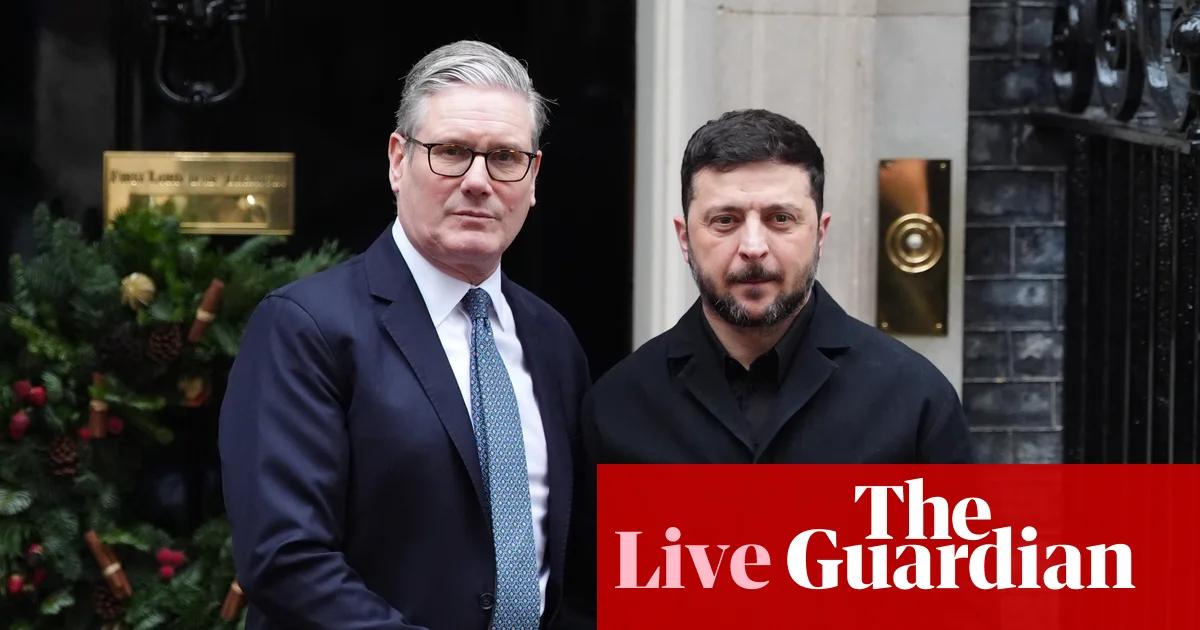
Meanwhile, the diplomatic theater continues with Zelenskyy’s upcoming visits to Brussels and Rome, and the expected high-level discussions featuring Macron, Merkel, and Starmer. The overarching question remains: how will international support adapt if the U.S. signals a shift in commitment? — a critical concern, as analysts warn that the decision could alter the balance of power. Historians caution that these moments may be remembered as a turning point—a time when alliances were tested, and the fate of sovereignty was weighed against the tides of geopolitics.

As King Charles echoes Europe’s condemnation of Russian aggression and the German Chancellor Friedrich Merz arrives punctually amidst storytelling jokes about Germany’s notorious delay, the weight of history looms large. The international community stands at a crossroads: one path leads toward renewed diplomacy and peace, the other towards a lingering shadow of conflict, with unpredictable consequences. In the shadows of London and Brussels, world leaders sit silently, acutely aware that their every decision is etched into the annals of history, where every move could spark the next chapter of turmoil or triumph. And so, the story continues, with the whole world watching as the pages are turned—an unfolding saga of power, resistance, and the relentless pursuit of sovereignty.”

Ukraine War Update: Zelenskyy Seeks European Support After Miami Missed Breakthrough

Stalemate and Escalation: The Ongoing Ukrainian Crisis Rocks Geopolitical Stability

In the midst of relentless conflict and diplomatic attempts, recent developments underscore the complex dynamics shaping the ongoing crisis in Ukraine. Over the past week, diplomatic negotiations in Miami, Florida, between Ukrainian and US officials yielded little tangible progress. Despite Ukrainian President Volodymyr Zelenskyy‘s claims of “substantive and constructive” dialogue, the absence of clear breakthroughs highlights the formidable obstacles on the path to peace. Zelenskyy’s commitment to continue working with American allies, coupled with upcoming European summits involving leaders like Emmanuel Macron of France and Keir Starmer of Britain, emphasizes a concerted effort to forge a united front. Yet, as Macron and others deliberate on deploying a European peacekeeping force, the risks of prolonged conflict loom large, threatening regional and global stability.

Russian Escalation and the Fragile Peace

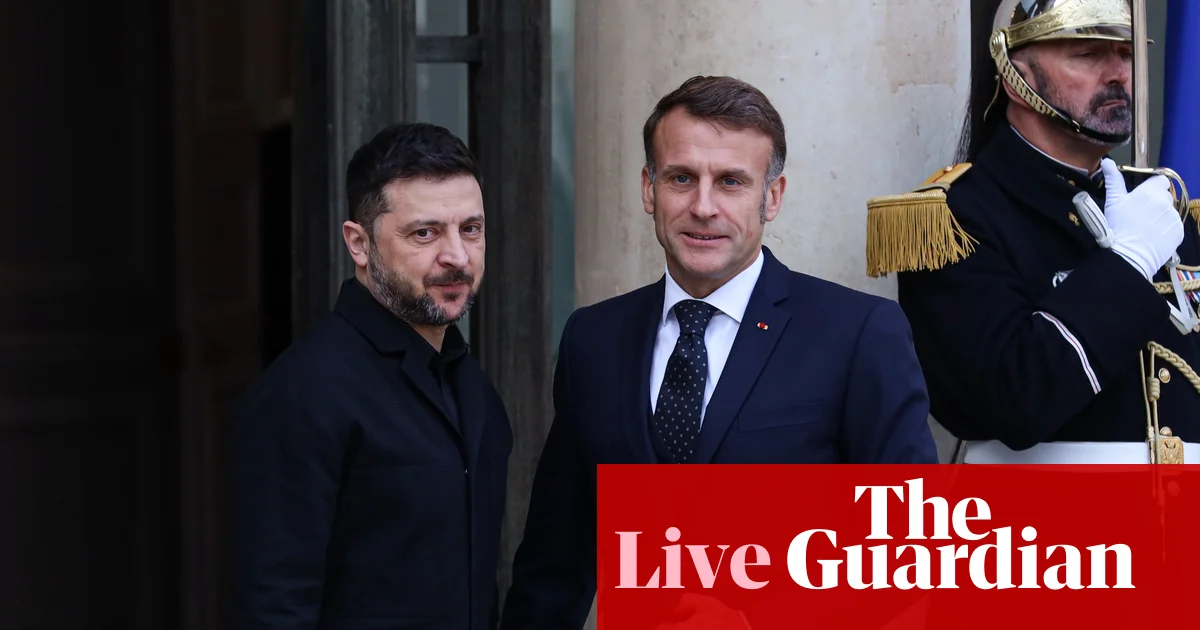
Russian military operations have not abated; instead, recent strikes involving over 700 drones and missiles have targeted Ukraine’s vital infrastructure, plunging thousands into energy and water shortages. Ukraine‘s leadership, including Zelenskyy, has condemned these attacks as ruthless attempts to inflict suffering and destabilize the nation. French President Emmanuel Macron has openly criticized Russia’s “escalatory path,” warning that without robust security guarantees, any lasting peace remains elusive. As international analysts analyze the situation, the ticking time bomb of unresolved tensions continues to threaten broader regional stability. The International Atomic Energy Agency has issued a stark warning: the nuclear safety shield over the Chernobyl site has been compromised after a drone strike damaged the new safe confinement structure. This incident exemplifies how the conflict’s collateral damage extends far beyond conventional battlefield zones, risking disastrous nuclear consequences if ongoing vulnerabilities are not addressed.

Impacts Beyond Ukraine: Europe’s Complex Stance

Meanwhile, the broader European response reveals fractures and contradictions. Hungary, under Prime Minister Viktor Orbán, continues to maintain close ties with Russia, considering acquisitions in Russian oil and gas assets under the umbrella of US sanctions. This highlights a fracture within the European Union, as Budapest remains reliant on Russian energy, defying the bloc’s drive towards diversification and self-sufficiency post-February 2022 invasion. In the Black Sea, the aftermath of recent vessel attacks underscores the murky interplay of covert Russian oil exports and Western sanctions. The sinking and towing of ships like the Kairos and Virat reflect a clandestine shadow fleet operating in defiance of international pressure, challenging the measure of Western influence in curbing illicit Russian economic activities. Bulgaria’s recent protests over the towing of a damaged tanker into its waters further expose the region’s simmering tensions, with diplomatic channels strained yet deeply critical as nations grapple with unpredictable escalation risks.

Geopolitical Ripples and a Future Uncertain

International observers and historians acknowledge that these unfolding events may well define the contours of a new Cold War epoch, where diplomacy, military readiness, and economic resilience collide in a volatile blend. The decisions being made in these pivotal moments resonate far beyond the battlefields—shaping the future of European security, transatlantic alliances, and the global order. As Ukraine holds firm against relentless assault and diplomatic corridors echo with strategizing and warnings, the urgent question remains: will the world’s leaders succumb to a prolonged stalemate, or will they find a path toward decisive action that can truly alter the course of history? The weight of this narrative hangs heavy—an unfolding story where the choices of today will echo through the corridors of history and shape the fates of nations for generations to come.

Ukraine War Updates: Macron denies warning Kyiv of US betrayal—what’s really going on?

In a world vigilantly watching the shifting tapestry of international power, recent developments reveal a landscape fraught with tension and strategic recalibration. France’s President Emmanuel Macron has publicly dismissed reports suggesting he warned of possible US betrayal in the ongoing support for Ukraine. During a diplomatic visit to China, Macron emphasized that unity between Europe and the United States is crucial for sustaining Ukraine’s defense efforts. Yet, behind closed doors, reports from German Spiegel have surfaced, citing confidential conversations where European leaders voiced skepticism of US-mediated peace negotiations with Russia. Such discrepancies signal a brewing rift within Western alliances—an echo of doubts that could fracture the unified front in Europe’s most pivotal geopolitical challenge in decades.

Meanwhile, Germany’s parliament has approved a controversial new military service law to bolster its armed forces amid increasing Russian aggression. The legislation sets ambitious targets, aiming to expand military personnel to 260,000 active soldiers by 2035—an unmistakable message that Western capitals are preparing for a protracted confrontation. On the eastern front, Russia has assertively captured the village of Bezimiane in Donetsk, declaring control over 85% of the region. President Vladimir Putin has dismissed any prospects of compromise, insisting that Ukrainian troops either surrender or face violent annexation. Such stark declarations underscore Putin’s resolve to reclaim disputed territories by force, turning the conflict into a brutal struggle for what remains of Ukraine’s eastern lands, which Moscow considers vital.

The geopolitical ripple effects are profoundly felt beyond Ukraine’s borders. India and Russia have strengthened their alliance, with Putin reaffirming continued energy exports and expanding trade beyond oil and defense—a clear signal to the West amid increasing sanctions and diplomatic marginalization. Conversely, Western efforts are focused on a fragile attempt to aid Ukraine financially, exemplified by Sweden‘s decision to prioritize direct support, pledging over $1 billion in aid to Ukraine while cutting development aid to other nations. These shifts reveal a multipolar world where alliances are tested, and strategic interests clash over whether to support Kiev or pursue accelerated regional alliances that could shift the balance of global power.

Above all, the cascading consequences of these decisions reveal a pivotal climax in the unfolding drama of geopolitics. As Vladimir Putin presses his territorial ambitions, and European nations grapple with internal political debates and external threats, history bears witness to a period of profound instability. The diplomatic stratagems, military mobilizations, and shifting alliances are not merely fleeting news but chapters in an ongoing saga—each move sowing seeds that will determine the course of history. The world stands at the crossroads, where the choices of today will echo into the future, leaving us all to ponder the legacy of this turbulent era: a moment when the balance between peace and conflict teeters on a razor’s edge, and the weight of history continues to unfold.

German Chancellor warns leaders: Ukraine decisions now will shape Europe's future — live updates
German Chancellor warns leaders: Ukraine decisions now will shape Europe’s future — live updates

In an era marked by escalating tensions and shifting alliances, Europe’s security landscape has been dramatically reshaped by recent developments between NATO members and Russia. The strategic move by Norway to bolster its defenses through a groundbreaking deal with the UK exemplifies the renewed focus on undersea warfare and infrastructural resilience. Norwegian Prime Minister Jonas Gahr Støre recently visited London to formalize a pact aimed at “hunting Russian submarines” and safeguarding vital undersea cables—lifelines of modern communication and energy—highlighting the mounting threat Russia poses beneath the waves. This new accord, symbolically named “Lunna House,” pays homage to covert WWII operations, but today signifies a modern response to Russia’s assertiveness in the Arctic and North Atlantic domains.

The geopolitical impact of this alliance extends beyond bilateral cooperation. It underscores a broader NATO strategy to counter Moscow’s influence, especially as Vladimir Putin describes ongoing Ukraine peace negotiations as “necessary,” yet riddled with “unacceptable” proposals. The Russian leader’s cautious endorsement of these talks reflects Moscow’s recognition of the economic and military pressures intensifying from Western allies. Meanwhile, key NATO players, particularly Germany and France, are urging unity in the face of an aggressive Russia, with German Chancellor Friedrich Merz warning that the decisions made today “will decide Europe’s future” amid fears of imperialist ambitions from the Kremlin.

Adding layers to this geopolitical chessboard, France’s Emmanuel Macron recently engaged in high-stakes diplomacy with Xi Jinping of China. During his visit to Beijing, Macron emphasized the importance of cooperation to “end the war in Ukraine” and foster economic and environmental stability. This move is part of a broader French effort to shore up its influence and secure commercial advantages in a global arena increasingly polarized by U.S.-China rivalry. Meanwhile, China, positioning itself as a “reliable partner,” seeks to navigate trade frictions with the EU while presenting an alternative global market, even amidst tensions over its subsidized electric vehicle industry. The international stage is thus set for a complex web of diplomacy, with European leaders caught in the crossfire of Russia’s eastern ambitions and China’s rising global influence, both vying for strategic dominance.

The American perspective remains sharply divided, as former President Donald Trump suggests that Moscow’s recent peace negotiations are “reasonably good,” indicating that Putin may prefer a deal under current circumstances. Yet, the uncertainty over what comes next underscores a fragile international order, with US and European policymakers unsure whether diplomacy can contain an increasingly aggressive Russia. And with the European Union embroiled in debates over the fate of frozen Russian assets—some nations, like Belgium, resisting the EU’s proposals—an internal fracture threatens to undermine collective resolve. The EU leaders are working desperately to reach consensus in the upcoming summit, aware that their decisions could have long-lasting consequences for the continent’s geopolitical future.

As the world watches these unfolding events, the shadow of history looms large. Each alliance forged, each negotiation held, echoes past conflicts and silent struggles for dominance. The relentless march of history has brought us to a precipice, where today’s choices could define generations. With Europe’s destiny hanging in the balance and the great powers maneuvering beneath the surface, one thing remains clear: the voyage through this turbulent era is far from over, and the tides of geopolitics continue to forge a new chapter—one that history will either laud or condemn.

Australia pledges $95M military aid to Ukraine amid rising tensions; suspect faces murder charge in northern NSW

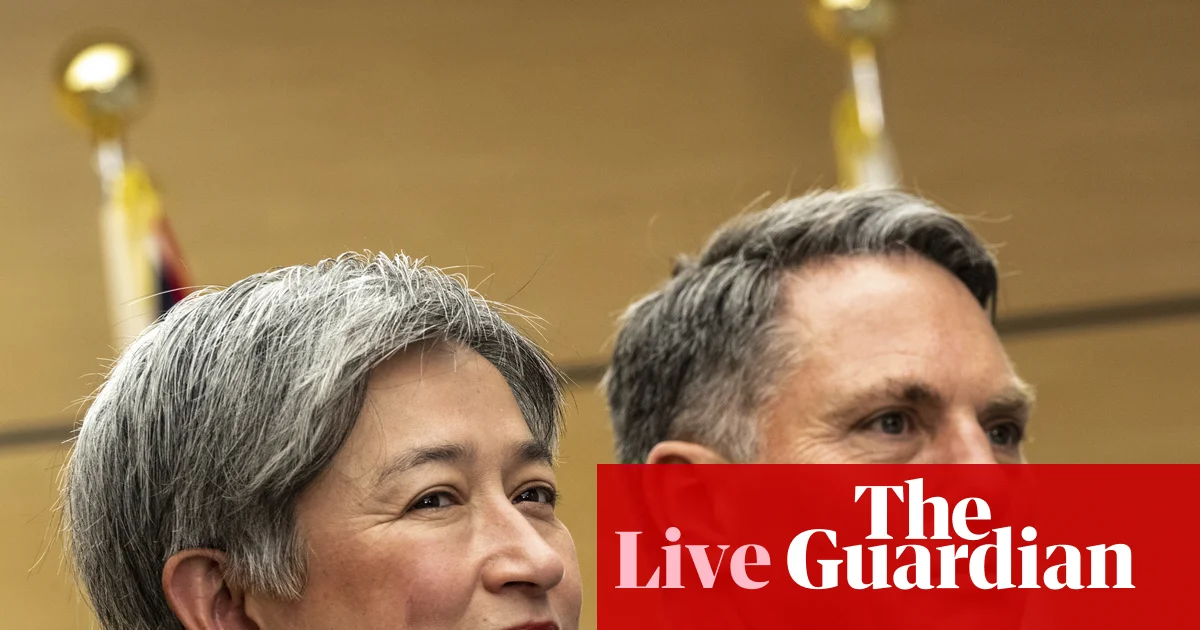
In a decisive move that underscores the mounting international tensions amid an ongoing conflict in Ukraine, the Australian government has pledged an additional $95 million in military support for Kyiv, bolstering its commitment to counter Russia’s aggression. Announced by Defence Minister Richard Marles and Foreign Minister Penny Wong, this latest aid package raises Australia’s total support since the conflict’s onset to over $1.7 billion. This reinforcement is not isolated; it aligns with NATO-led initiatives such as the Prioritised Ukraine Requirements List (PURL), aimed at delivering critical military equipment including radars, munitions, and the final deployment of 49 Abrams tanks to bolster Ukraine’s defenses.

As Australia exhibits unwavering backing for Ukraine’s sovereignty, the global repercussions of such commitments ripple across geopolitics. The decision to intensify sanctions against Moscow’s shadow fleet of oil tankers signals a broader effort by allied nations to choke Russia’s circumventing tactics—highlighted by the targeted measures on vessels supporting Moscow’s illicit energy trade. These diplomatic and military maneuvers, analyzed by international observers, reinforce the trajectory of multilateral efforts to uphold international law against Moscow’s provocations. Experts from institutions like the Council on Foreign Relations warn that these actions could set a precedent that complicates future diplomatic negotiations, potentially intensifying the geopolitical divide.

Simultaneously, domestic issues dominate the political landscape. In Australia, economic policy debates confront the reality of slow growth and persistent inflation, with Treasurer Jim Chalmers dismissing claims that the economy might be at its “speed limit.” The recent national accounts, showing just 2.1% annual growth, are being interpreted optimistically, with Chalmers emphasizing that private sector recovery and productivity gains signal a promising outlook. However, the buildup of inflationary pressures has sparked speculation of impending interest rate hikes by the Reserve Bank of Australia, risking a delicate balancing act for policymakers intent on maintaining economic momentum without igniting runaway inflation.

Meanwhile, issues underlying the nation’s internal security and resource management have gained prominence. The Australian Bureau of Statistics announced it would begin accounting for illegal cigarette sales—a covert economy that has seen a 29% drop in legal tobacco sales, an anomaly revealing deeper challenges. Experts warn that the surge in black market tobacco trade not only skews economic data but also facilitates criminal activity, exemplifying how organized gangs may exploit economic shifts. The government’s efforts to estimate illicit sales through innovative methods like wastewater detection aim to bring these shadow activities into the official economic framework, a move that could reshape how Australia measures its growth and stability.

From the battlefield of eastern Europe to the halls of domestic policy, Australia’s decisions reflect a nation grappling with international responsibilities and internal vulnerabilities. The support for Ukraine demonstrates an active role on the global stage, defending what many see as the values of sovereignty and democracy. At the same time, the challenges at home—economic slowdowns, inflation, and illicit trade—serve as a stark reminder that the weight of history is not only shaped by international conflict but also by the resilience and resolve of societies to confront their own crises. As policymakers navigate these intersecting currents, one thing remains clear: the unfolding story of national and international sovereignty continues to be written, and the next chapter may determine the balance of power for generations to come.

Ukraine urges Putin to stop stalling after U.S. talks in Moscow

The year 2025 marks a pivotal chapter in the ongoing saga of Russia’s invasion of Ukraine, a conflict whose repercussions ripple across the global geopolitical landscape. Diplomatic efforts, primarily driven by U.S.-Russia negotiations and European strategic shifts, underscore the complex dynamics shaping the future of international security. Following recent high-stakes talks at the Kremlin, the absence of concrete agreements highlights the stubborn resilience of entrenched positions, especially concerning territorial integrity and security guarantees.

Despite the lack of substantive breakthroughs, key players remain committed to dialogue, indicating that the conflict’s resolution remains an elusive but urgent goal. The U.S. delegation, including special envoy Steve Witkoff and Jared Kushner, engaged in nearly five hours of negotiations with Vladimir Putin and his advisors. While they reported a “thorough, productive” meeting, Moscow’s senior policy adviser Yuri Ushakov quickly tempered expectations, remarking that “no compromise” was reached, with significant points such as the territory seized by Russia and security assurances for Ukraine remaining fiercely contested. The division over Ukraine’s potential NATO membership remains a core stumbling block, with Russia vehemently opposed and Western nations insisting that such guarantees are vital for deters future aggression.

Meanwhile, the European Union is rapidly pivoting towards greater independence, exemplified by its recent agreement to phase out Russian gas imports by 2027. EU officials, including Ursula von der Leyen, hail this move—part of a broader strategy to weaken Russia’s economic blackmail and bolster energy security. As Europe distances itself from Russia’s energy leverage, the geopolitical question of Russia’s influence over European stability becomes even more pronounced. Simultaneously, NATO ministers emphasize the necessity for Kyiv to maintain its resolve in the face of continuing Russian advances, while advocating for Ukraine’s eventual membership in the alliance—something Moscow labels a direct threat.

Experts and analysts warn that the unfolding interactions—a mix of diplomacy, military reinforcement, and economic sanctions—are shaping a new era of geopolitical confrontation. History’s watchful eyes see parallels with past conflicts where protracted negotiations eventually gave way to decisive shifts. The European Commission proposes a €90 billion support package for Ukraine, designed to sustain its military and economic resilience, an initiative met with cautious approval. Yet, tensions linger; Belgium’s resistance to using frozen Russian assets as reparations underscores the legal and moral quandaries faced by the West. As battling continues in eastern Ukraine, with Russia consolidating gains and claiming strategic cities like Pokrovsk, the path to peace is shrouded in uncertainty, and the weight of history presses heavily upon global shoulders.

In this tense and volatile landscape, the decisions made today—whether in Moscow, Brussels, or Washington—will echo through generations. The future of Ukraine’s sovereignty, the integrity of NATO, and the role of energy in international power struggles are now intertwined with the fate of nation-states and their people. As history unfolds, the question remains: will diplomacy prevail, or are we witnessing the prelude to a new global territorial reshuffle? The answer hangs in the balance, with the world watching with bated breath and the weight of history still unfolding.

Social Media Auto Publish Powered By : XYZScripts.com