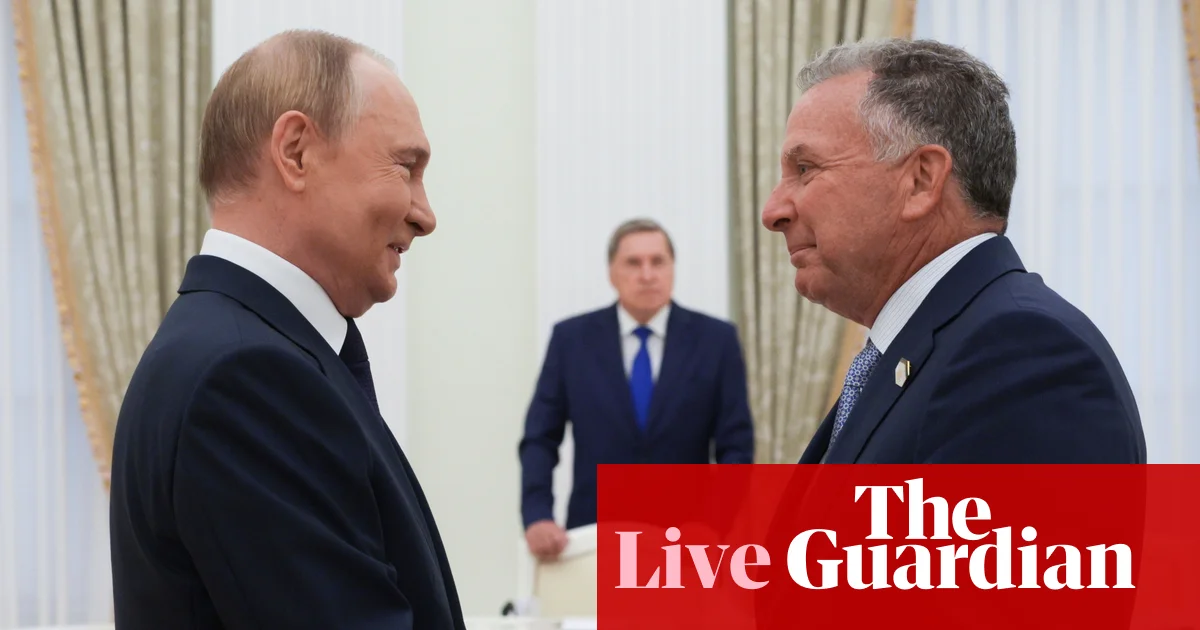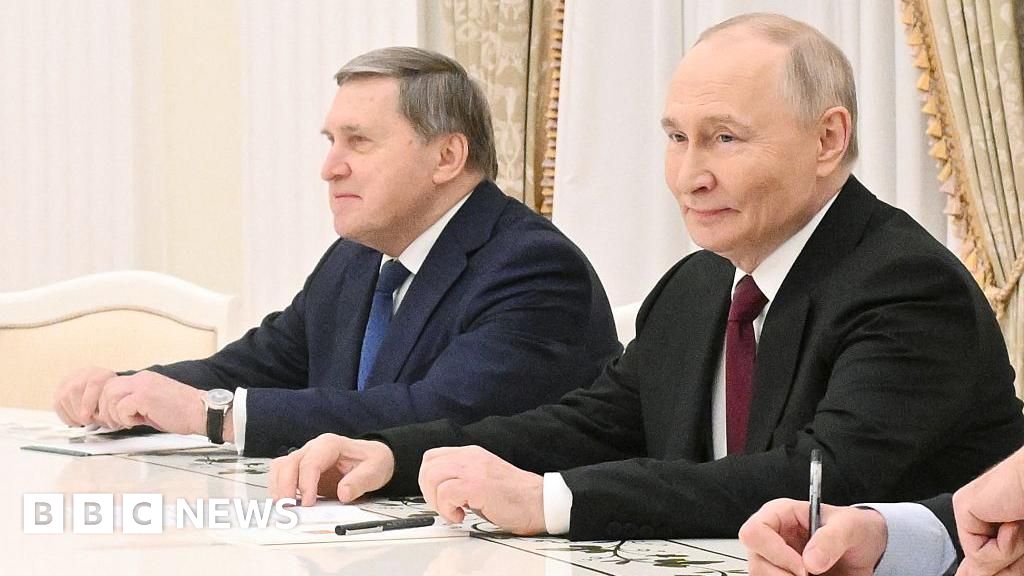

In a clear demonstration of the geopolitical stakes involved in the ongoing conflict in Ukraine, Vladimir Putin hosted US negotiators at the Kremlin for a five-hour discussion aimed at de-escalating the war that has ravaged Eastern Europe for almost a year. According to Russian officials, the talks were “productive,” yet detailed contents remain undisclosed, casting shadows over the prospects for peace. Meanwhile, the Ukrainian government—with steadfast resolve—continues to insist on firm security guarantees, including potentially NATO membership, which Moscow vehemently opposes. Such divergent positions underline the intense strategic tensions, where each side’s core demands threaten to prolong the conflict indefinitely.
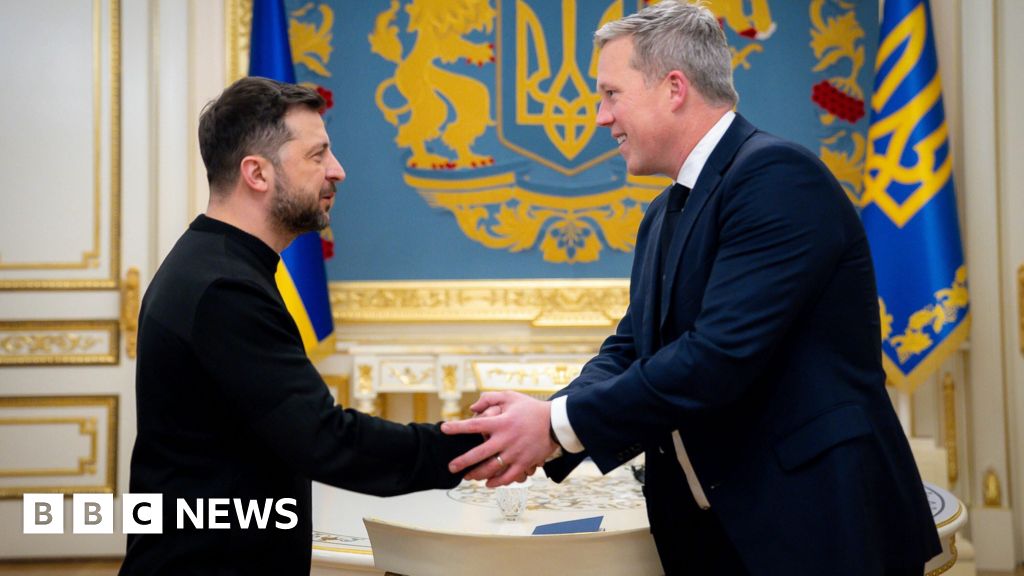
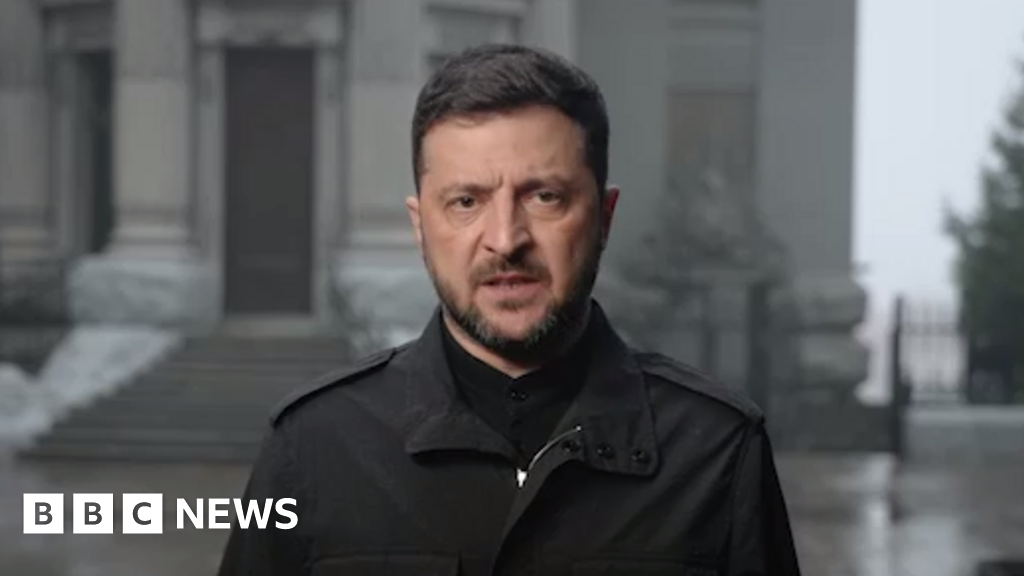
The diplomatic landscape is further complicated by recent statements from President Zelensky and President Putin. Zelensky has been unwavering: Kyiv seeks definitive security assurances to prevent future invasions, emphasizing that “nothing less than assurances that Russia would not return in a year” will suffice. Conversely, Putin describes Europe’s demands over a Russian draft peace plan as “not acceptable,” warning that Moscow is prepared for further confrontation if necessary, while accusing Western nations of trying to hinder peace efforts. Historians and analysts such as Dr. Charles Stewart from the International Security Council warn that such rhetoric signals how entrenched the differences remain, risking a protracted standoff that could destabilize the entire continent.
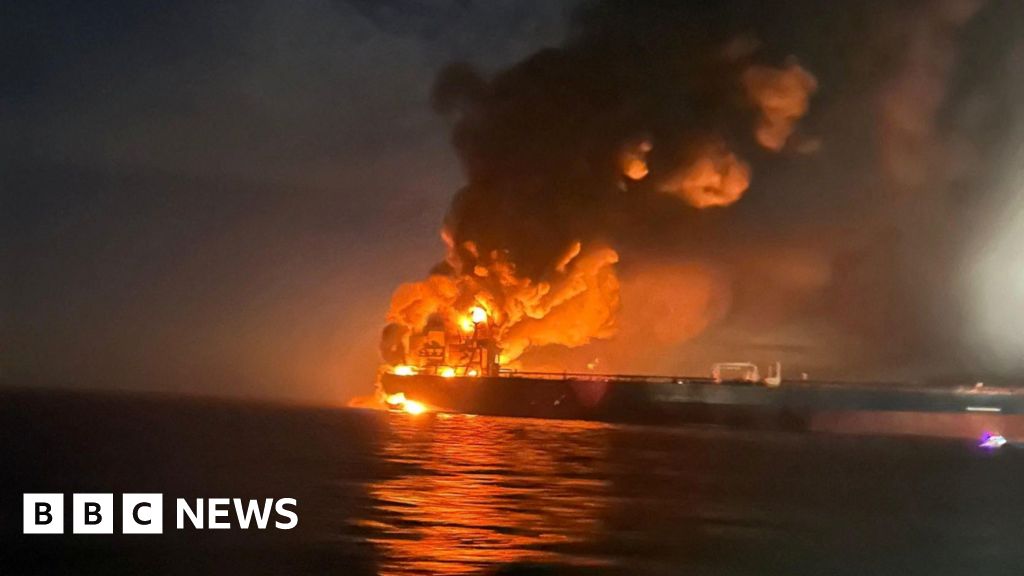
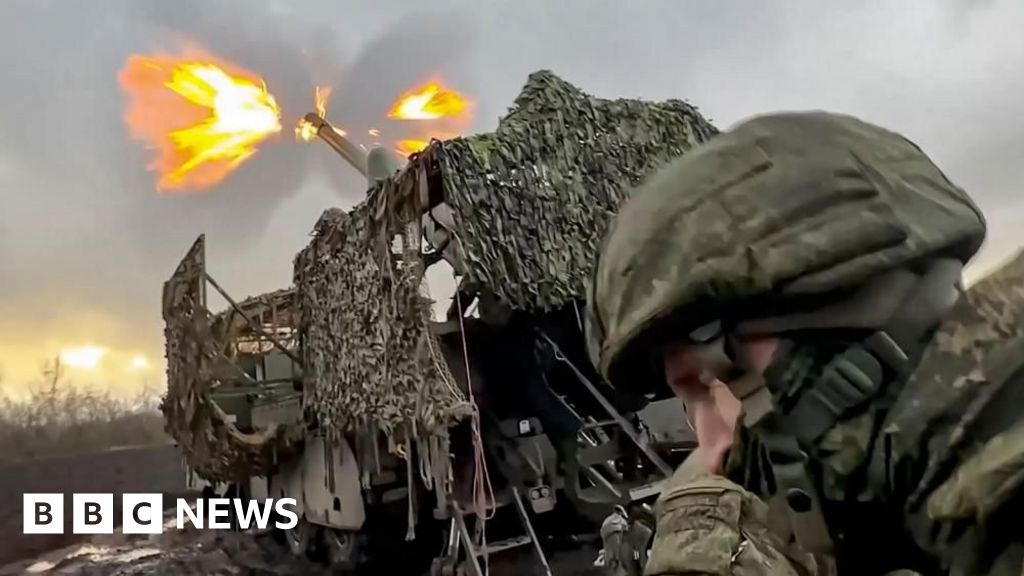
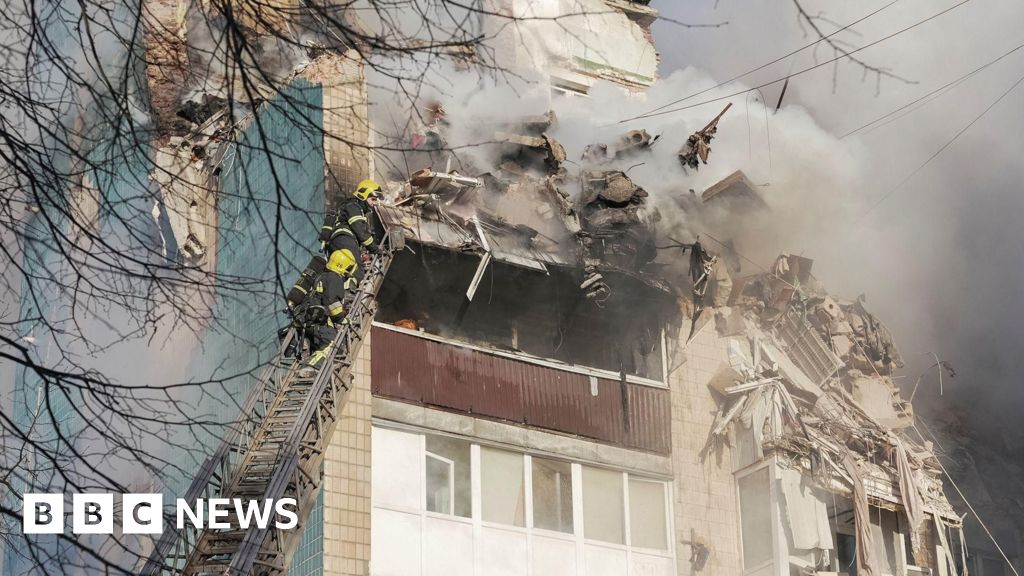
On the ground, fighting persists despite these diplomatic endeavors. Ukraine’s military reports ongoing combat in key contested cities like Pokrovsk, refuting Russian claims of total control. The intricate dynamics of front-line battles reveal a situation where Russia’s forces are suffering setbacks, as Kyiv’s troops reclaim and hold strategic positions. Yet, the conflict’s toll on civilians is dire, with thousands killed and even more displaced, as critical infrastructure—schools, hospitals, residential areas—suffers relentless missile and drone strikes. The United Nations and international observers continue to document violations, but even as diplomatic talks swirl, the reality of war persists, with no clear end in sight.
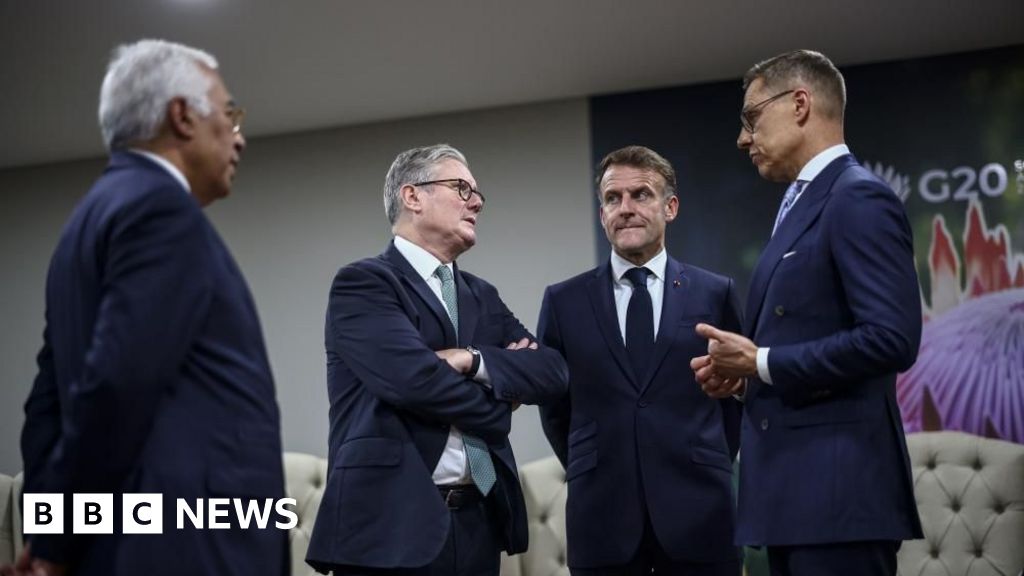
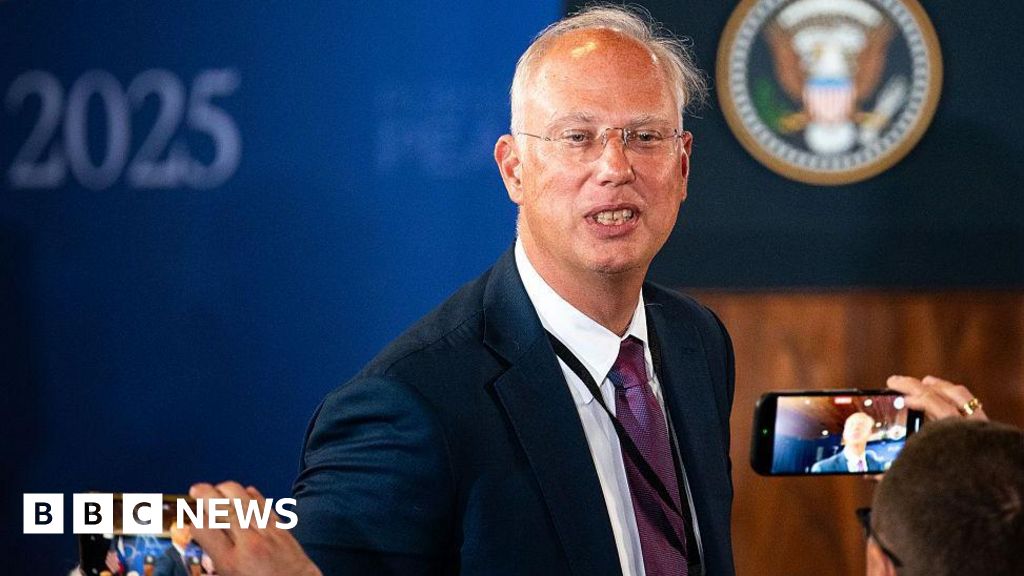
The international community stands at a crossroads, with European nations and the US attempting to forge a united front—though divisions remain palpable. The European allies’ counterproposal to the controversial 28-point peace plan—removing contentious elements like recognition of separatist regions—highlighted the delicate balancing act of diplomacy. While European leaders, including President Macron, voice hope that Ukraine’s sovereignty remains non-negotiable, Russia remains resolute. As Kirill Dmitriev, a Russian foreign policy adviser, described the recent talks as “productive,” the very definition of progress appears fragile, overshadowed by the deep fissures that remain.
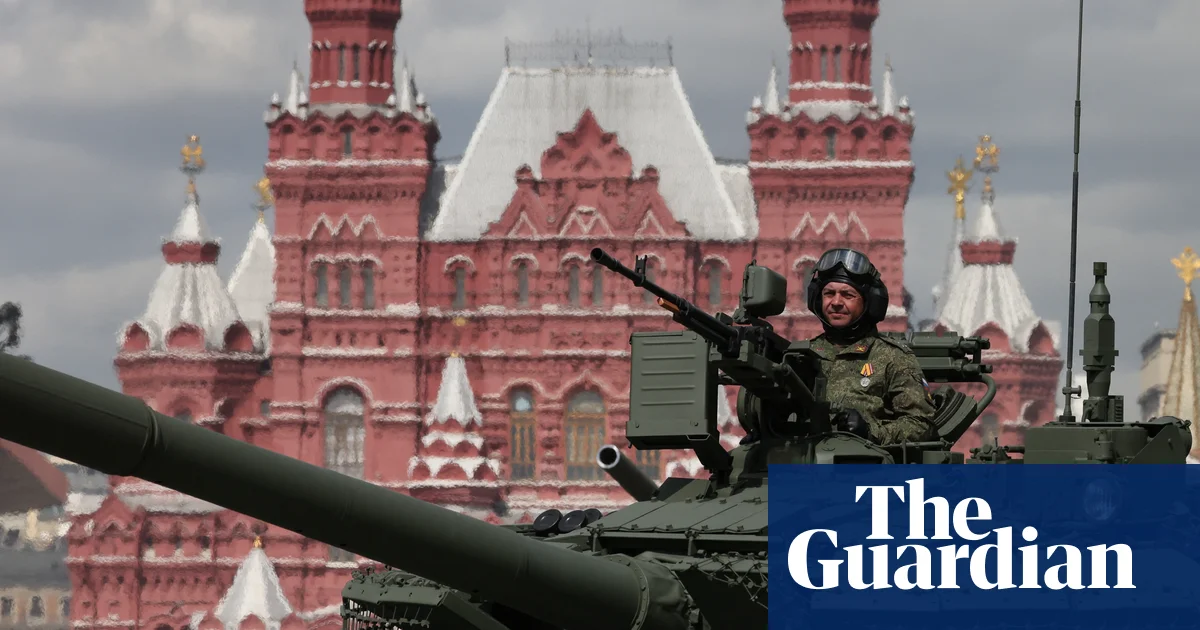
Indeed, the world witnesses the unfolding of history—an epoch where the decisions made now will echo for generations. As the Kremlin’s shadows lengthen over Ukraine, distant powers continue to debate and calibrate their strategies. The fate of nations hangs in the balance, with each diplomatic maneuver potentially tipping the scales toward peace or war. As the conflict rages on, the haunting specter of unfinished history remains, reminding us that in the theatre of geopolitics, the next chapter could determine the course of civilization itself.