Matox News

Truth Over Trends, always!

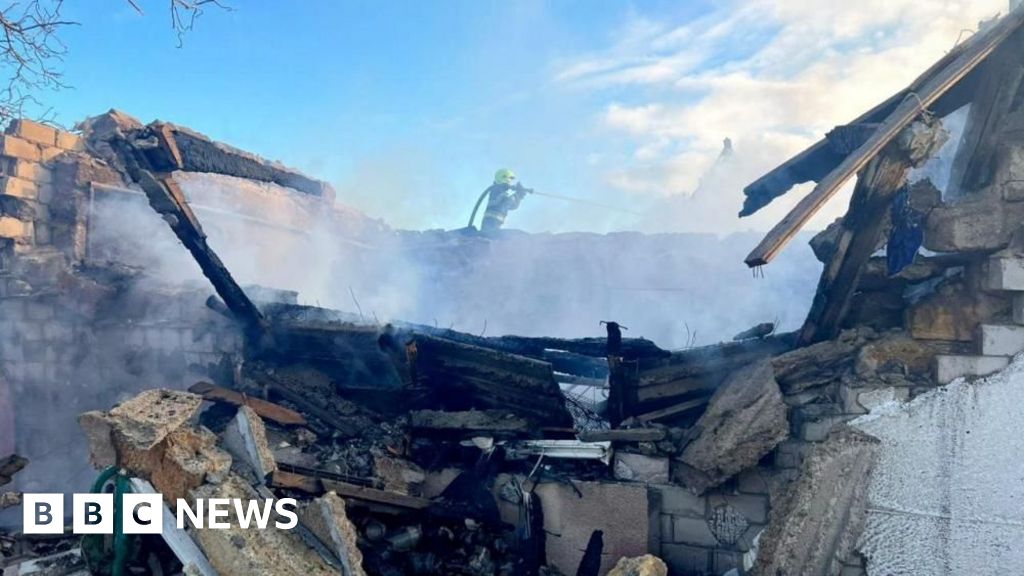
Russian strike on Ukrainian market claims five lives

The escalation of hostilities between Russia and Ukraine reached a new low on Saturday morning when a Russian drone targeted a busy section of a southern Ukrainian town. Reports indicate that at least 21 civilians were injured in the attack, underscoring the brutality and human toll of the ongoing conflict. This strike exemplifies how the war continues to spill over into daily life within Ukraine, impacting ordinary citizens and destabilizing regional security.

Expert analyses from international watchdogs and regional security analysts agree that this attack is emblematic of the increased use of unmanned aerial vehicles in modern warfare. Drones, once considered auxiliary tools, have now become central to Russia’s military strategy—particularly in asymmetrical conflicts where precision and psychological impact matter immensely. The strike not only inflicted physical injuries but also aimed to sow fear among the Ukrainian population, complicating Kyiv’s efforts to maintain stability and morale amid relentless pressure from Moscow.

From a geopolitical impact perspective, the incident signals a disturbing pattern of escalation in the broader conflict zone. According to reports from the United Nations and defense think tanks, such asymmetrical tactics profoundly challenge international norms and border security. Many analysts, including historian Dr. Leonard Harris, warn that the relentless targeting of civilian hubs could serve as a catalyst for broader regional instability, threatening to draw neighboring countries into the conflict or to trigger a wider power struggle involving NATO and other allies supporting Ukraine.

Ukrainian officials and citizens face a future fraught with uncertainty, as the conflict’s brutality reveals no signs of immediate de-escalation. The attack has reopened debates over international response mechanisms and the effectiveness of Western aid in shielding civilians from indiscriminate violence. While Ukraine continues to rally international backing, many experts argue that the continued escalation might push the conflict toward a dangerous threshold, risking a destabilization that could ripple throughout the entire Eurasian continent.

As the world watches with bated breath, it becomes evident that these harrowing moments—marked by drone strikes, civilian suffering, and geopolitical machinations—are not isolated incidents. They are emblematic of a dangerous chapter in history being written anew, where the relentless march of conflict threatens to reshape the very fabric of international order. In the shadows of these unfolding events, the fundamental question remains: how long can diplomacy hold before the chaos of war becomes an indelible part of our collective future?

Estonia and Latvia confirm areas struck by errant Ukrainian drones, raising regional concerns

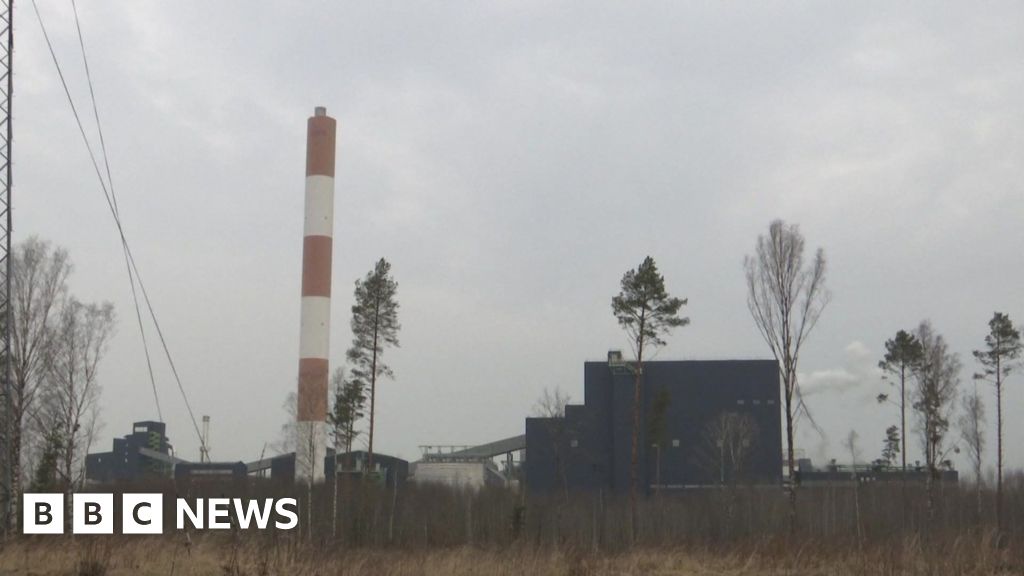
In a night marked by intensified hostilities, Ukraine launched a significant offensive against Russia‘s strategic port of Ust-Luga, located near the Estonian border. This daring attack underscores the ongoing volatility in Eastern Europe, where geopolitical stability remains precarious amidst a series of confrontations and strategic shifts. The incident, occurring simultaneously with other major events, signals a dramatic escalation that has not gone unnoticed by international stakeholders.

Analysts suggest that Ukraine’s tactical move against Ust-Luga is a calculated effort to weaken Russia’s logistical capabilities, aiming to disrupt its supply chains and exert pressure on Moscow. As noted by strategic experts at The International Crisis Group, this offensive could be a response to recent Russian military operations and political rhetoric that continues to push the region toward larger conflict. This act, combined with Russia’s own military posture, raises serious questions about the future security landscape. Meanwhile, the enduring presence of NATO forces and the backing of Western countries continue to shape the environment, with some viewing these events as part of a broader effort to deter Russian expansionism.

The geopolitical impact of these developments extends far beyond immediate military considerations. The attack on Ust-Luga not only threatens Russian economic interests but also signals a shift in Ukraine’s strategic stance, demonstrating an increased willingness to strike directly at Russian logistical hubs. For historians and analysts alike, such actions are seen as turning points—potential catalysts for a broader, more entrenched conflict. International organizations, such as the United Nations, remain watchful, yet their calls for restraint have so far failed to prevent a slide into open hostilities.

Undoubtedly, these confrontations are reshaping regional alliances and testing the resilience of diplomatic channels. Russia, faced with an unpredictable Ukrainian adversary and Western backing, finds itself increasingly isolated yet determined to defend its borders and strategic interests. Meanwhile, Ukraine continues to garner international support, framed by Western leaders as a bulwark of sovereignty against expansionist aggression. As these hostilities unfold, the stakes go beyond immediate territorial disputes — they threaten to ignite broader conflicts that could shape the future of European stability. As history watches this turbulent chapter, the world is left to ponder whether these incidents mark the beginning of a new Cold War era or a tragic escalation into a much darker future.

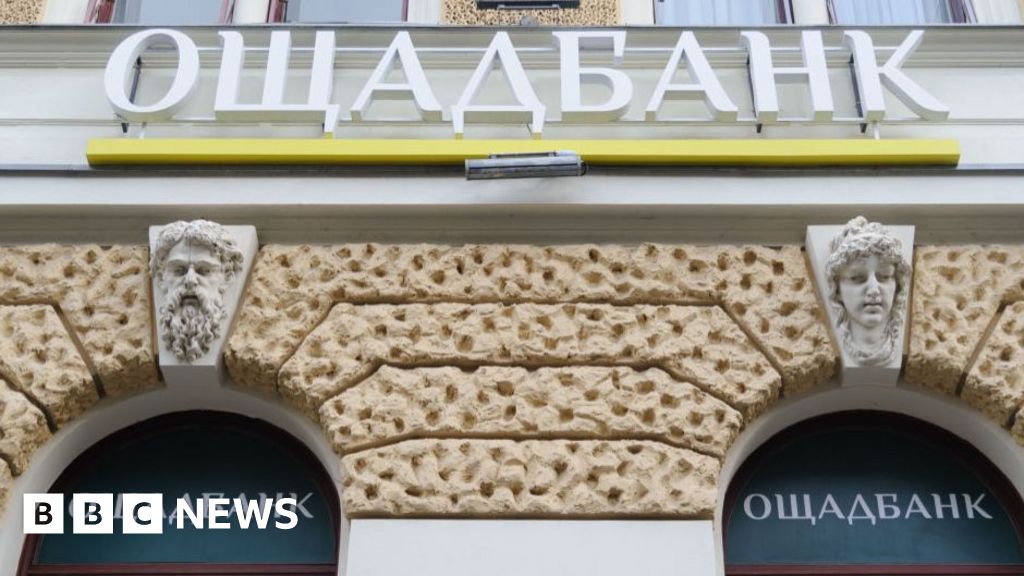
Hungary to Expel Ukrainian Bank Employees Amid Escalating Tensions with Kyiv

In a development that threatens to reshape regional stability, Hungary has announced the detention of several workers on suspicion of involvement in a large-scale money laundering scheme. This move comes amid a rapidly escalating diplomatic dispute, with the Hungarian government asserting that the accusations are both credible and deserving of stern action, while critics suggest the situation may be entangled in broader geopolitical tensions.

The situation has ignited a fierce row between Hungary and the country or countries implicated in the allegations, with the Hungarian authorities asserting that the detained individuals were linked to organized crime networks operating across national borders. This stance reflects a broader pattern of Hungary adopting a stringent approach to illegal financial activities, a stance often justified as a safeguard for national sovereignty and economic security. However, the timing and framing of the arrests have fueled suspicions of political motivations, especially as international actors weigh their responses.

The international community, including organizations such as the European Union and the United States, is closely watching the unfolding crisis. Analysts from institutions like the International Monetary Fund warn that unchecked corruption and criminal enterprise in Hungary could threaten the financial stability of the entire region. Meanwhile, some observers argue that this incident signals a deeper geopolitical pivot, with Hungary asserting its independence amidst growing influence from Russia and China. The sharp rhetoric and arrests represent not just a fight against crime but also a symbolic assertion of national sovereignty in an era of competing global powers.

Historian and geopolitical analyst Dr. Mark Reynolds emphasizes that such internal security measures often serve as a reflection of larger strategic shifts. “This is a pivotal moment—these actions are more than just law enforcement,” he notes. “They are about how nations perceive threats to their sovereignty and economic stability in a world where international alliances are in flux.” As the European Union demands transparency and accountability, Hungary’s stance can be seen as a broader assertion of its sovereignty, often in defiance of what it perceives as external interference. The consequences of this confrontation could extend far beyond the immediate criminal case, potentially impacting Hungary’s European integration and its position within NATO.

As the world watches, the unfolding crisis underscores the fragile balance of international power. The detained workers, the diplomatic fallout, and the geopolitical accusations are more than just headlines—they are part of a complex web of influence and resistance. The decisions made today will shape not only Hungary’s internal policies but also the broader geopolitical landscape, reminding all nations that the struggle over sovereignty, influence, and security remains the defining challenge of our era. The story is still being written, and the pages ahead will determine whether this clash signals a new chapter of cooperation or a deeper fracture in the global order—an enduring echo of history’s ongoing battle for dominance and independence.

Zelensky: 55,000 Ukrainian troops lost in the fight for sovereignty

In an unprecedented diplomatic maneuver, Special US envoys Steve Witkoff and Jared Kushner engaged directly with Russian and Ukrainian negotiators in Abu Dhabi, signaling a strategic shift towards potential de-escalation of the ongoing conflict in Ukraine. This high-stakes dialogue, spanning multiple days, highlights the United States’ willingness to leverage unconventional diplomatic channels in an effort to forge a peace deal that could reshape the geopolitical landscape of Eastern Europe. The location of these negotiations—the oil-rich capital of the United Arab Emirates—reflects a calculated move to open new pathways outside of traditional Western diplomatic corridors, aimed at creating a neutral environment conducive to frank negotiations.

The core issue at stake is the US-proposed peace plan, which has elicited mixed reactions from the international community. Analysts argue that while the talks mark a potential breakthrough, they also underscore the depth of global concern over the prolonged conflict. Historians such as John Mueller and geopolitical strategists from institutions like the International Crisis Group warn that any negotiated settlement remains fragile and heavily dependent on the commitment of all parties involved. The stakes are high: a failure to reach an agreement could prolong the devastation, risking wider regional instability and even new global power tensions. According to an internal report from the United Nations, a protracted conflict threatens not only Ukraine’s sovereignty but also the stability of the entire Euro-Atlantic security architecture.

The US effort to intervene directly in negotiations demonstrates a clear intent to shape the outcome of the conflict, emphasizing that the stakes extend beyond Ukraine’s borders. Russia views these talks as a sign of increasing American influence in the region, while Kyiv perceives the negotiations as a potential pathway to restore sovereignty while maintaining its European aspirations. This diplomatic outreach may signal a divergence from previous approaches, where the West predominantly relied on sanctions and military aid. Yet, critics warn that such gestures could also be perceived as concessions that embolden Russia’s strategic objectives, or as a distraction from ongoing military conflicts.

As the world watches intently, the unfolding negotiations in Abu Dhabi, shrouded in secrecy and high diplomacy, form a pivotal chapter in the broader contest for influence and control. The decisions made behind closed doors today will echo through history, shaping the fate of nations and the balance of power for generations to come. In the shadow of war and diplomacy, the question remains: will progress be genuine, or are these talks merely the prelude to a more complex geopolitical chess game? As history teeters on the edge of a new chapter, the weight of this moment reminds us that the future of Ukraine and the stability of post-Cold War order hang in the balance, waiting for the unfolding story to be written in the days ahead.

Russian strikes Ukrainian energy sites in biggest hit of the year so far

The recent barrage of over 70 missiles and approximately 450 drones launched against strategic targets marks a significant escalation in the ongoing conflict between Ukraine and Russia. This assault follows the expiration of a fragile “energy truce,” a temporary ceasefire meant to mitigate the impact of hostilities on civilians and critical infrastructure. The timing underscores the persistent volatility and unresolved tensions at the heart of this contentious regional conflict, which continues to reverberate across Europe and beyond.

Analysts say the scope and scale of the recent attack reveal a deliberate strategy aimed at destabilizing Ukrainian defenses and economic stability. The deployment of this formidable arsenal indicates that hostilities are far from abating; instead, they are entering a new, more aggressive phase. International observers, including officials from NATO and the United Nations, are warning that such sustained attacks threaten broader regional security. The offensive also underscores how the geopolitical impact of the conflict extends well beyond its immediate theater, challenging the global order and testing the resilience of allied commitments to Ukraine’s sovereignty.

Within this context, the decision by Russia to escalate military actions shortly after the expiration of the “energy truce” signals an intent to press advantage despite mounting international pressure. According to historians specializing in post-Cold War conflicts, such aggressive measures frequently serve as a demonstration of power aimed at reshaping negotiations or asserting dominance. Meanwhile, Ukrainian officials and military commanders face the dangerous task of defending vital infrastructure amid ongoing threats, with several regions experiencing power outages and critical service disruptions. These developments further highlight the deteriorating security environment that now risks spilling over into neighboring nations, which could potentially ignite wider regional instability.

Institutions like the European Union and the United States continue to call for moderation, emphasizing diplomatic solutions over further violence. Yet, experts caution that the failure to de-escalate risks a protracted conflict with devastating consequences. The historic backdrop—marked by decades of Cold War tensions, recent geopolitical shifts, and global power struggles—reminds us that each decision in this crisis carries consequences that will ripple through generations. As the world watches in cautious suspense, the trajectory of this conflict remains uncertain, teetering on a knife’s edge where diplomacy and war vie for dominance.

For now, the recent assault serves as a grim testament to the enduring volatility of a region that continues to redefine the boundaries of international stability. The unfolding story is still being written—an intricate narrative of power, resilience, and the unyielding pursuit of sovereignty. As history’s weight presses down on the present, nations and societies alike remain on high alert, knowing that the decisions made today could shape the global order for decades to come—each act of violence etching yet another chapter into the annals of a conflict that refuses to fade into the past.

One Million Ukrainian Homes Left in Darkness After Russian Attacks

Ukraine Under Siege: Russia’s Escalating Assaults and the Shifting Diplomatic Landscape

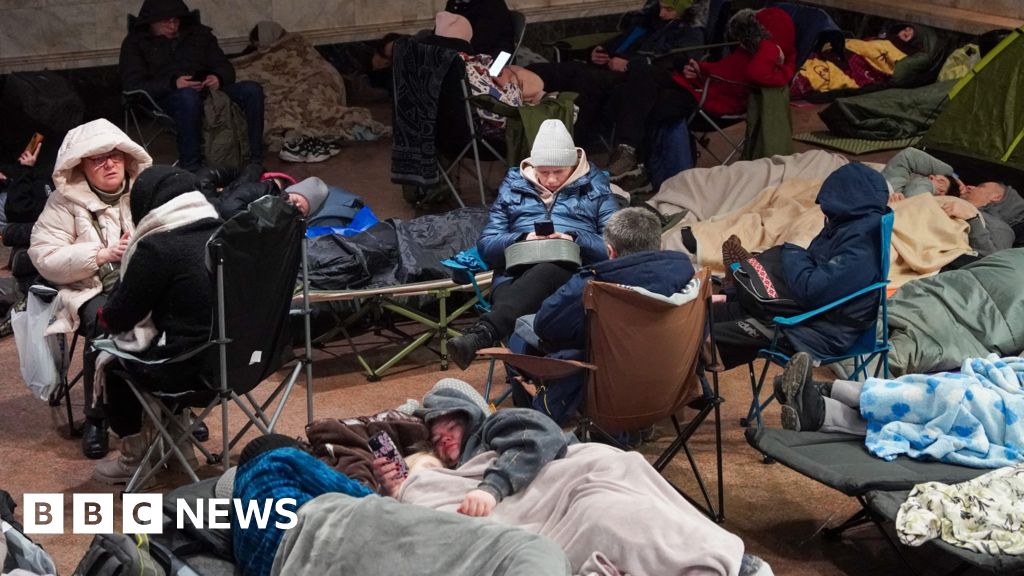
Amidst a relentless barrage of Russian missile and drone strikes, Ukraine faces an increasingly severe crisis that threatens to plunge the nation into further chaos and hardship. The Kyiv government reports that over more than a million households are now plunged into darkness as Moscow’s forces intensify attacks on critical energy and industrial infrastructure. This surge of aggression occurs just as winter sets in—a period historically linked with heightened suffering for civilians caught in the crossfire of this protracted conflict. The strikes, which Kyiv attributes to Russia, involved over 450 drones and 30 missiles in a single night, demonstrating Moscow’s intent to dismantle Ukraine’s ability to sustain itself. The regional damage is widespread, with Dnipropetrovsk, Kirovohrad, Mykolaiv, Odesa, and Chernihiv bearing the brunt of the assault.

While Russia has long targeted Ukraine’s energy grid, recent months have seen an unmistakable escalation as Moscow employs hypersonic Kinzhal missiles capable of changing course mid-flight, complicating Ukrainian defenses. The International Atomic Energy Agency (IAEA) reported that Ukraine’s Zaporizhzhia nuclear power plant, located within Russian-occupied territory, temporarily lost all offsite power—highlighting the war’s destabilizing impact on nuclear safety. The specter of nuclear catastrophe lurks behind these military operations, underscoring the high stakes for global security. Meanwhile, Russia reports casualties of its own, with regional governor Roman Busargin confirming two deaths from a drone strike on a residential building in Saratov, a reminder that the conflict continues to spill into Russian territory itself, igniting fears of an expanded front.

Diplomatic Efforts and the Fragile Road to Peace

Despite ongoing violence, diplomatic activity is intensifying in Europe and the United States. Steve Witkoff, Washington’s envoy leading efforts to mediate peace, plans to meet with Ukrainian President Volodymyr Zelensky and European officials in Berlin. The goal is to forge a new peace accord before Christmas—a deadline that reflects both the urgency and the impatience of Western capitals eager to bring an end to this destructive war. The upcoming Berlin talks are expected to include senior European leaders such as French President Emmanuel Macron and German Chancellor Friedrich Merz, signaling a united front within the Euroworld despite recent stirrings of discord.

However, persistent obstacles loom large. Kyiv remains resolute on refusing to surrender territory in the Donbas, asserting that Moscow’s ambitions to fully occupy eastern Ukraine must be halted. The U.S. proposes a contentious plan—an eventual withdrawal of Ukrainian forces from contested regions, which Kyiv’s leadership cautiously questions, fearing it could open pathways for Russian expansion. President Zelensky has publicly expressed skepticism, warning, “What will restrain [Russia] from advancing? Or from infiltrating disguised as civilians?” Such doubts highlight the deep divide on how to secure enduring peace without sacrificing Ukraine’s sovereignty.

Financial and Geopolitical Repercussions on a Global Stage

Economic warfare continues to ramp up alongside military and political struggles. The European Union has frozen approximately £185 billion in Russian assets, aiming to channel these funds into Ukraine’s reconstruction and military efforts—an act condemned by Moscow as theft, with Russia threatening legal retaliation. As Kyiv faces a financial shortfall of nearly €135.7 billion over the next two years, the EU’s financial support becomes vital. Yet, the question persists whether these measures will be enough to deter Russia’s strategic aims or merely serve as symbolic gestures in a conflict where victory remains elusive.

Meanwhile, the debate over Ukraine’s membership in the EU has gained momentum. The latest peace plan underscores Ukraine’s desire to accelerate accession, possibly as soon as January 2027, a move supported by Brussels but fraught with challenges. Despite Ukraine’s application to join the EU in 2022, the path remains years long, with geopolitical analysts warning that swift integration could heighten tensions with Russia and provoke further escalation. The ongoing diplomatic dance reflects an international landscape in flux—one where history’s pen is poised to write the next chapter, with nations waiting and watching as the fragile hopes for peace hang in the balance. The struggle continues, and the world stands on the brink of a new era—one that history will judge through the lens of resilience, strategy, and unresolved conflicts still echoing across the continent.

US Boosts Support as Russia Targets Ukrainian Infrastructure—Progress in Diplomatic Talks

The ongoing conflict in Ukraine continues to shape the geopolitical landscape, as international diplomacy struggles to forge a path toward lasting peace amid relentless warfare. Senior Ukrainian and US negotiators have recently called on Russia to demonstrate a “serious commitment to long-term peace,” highlighting the persistent tensions and the profound difficulty in achieving reconciliation. Despite two days of “constructive discussions” in Florida involving US envoy Steve Witkoff and Ukraine’s security chief Rustem Umerov, no breakthrough has been announced. The central question remains: will Russia genuinely de-escalate, or is this dialogue merely a pause in a conflict that could escalate at any moment?

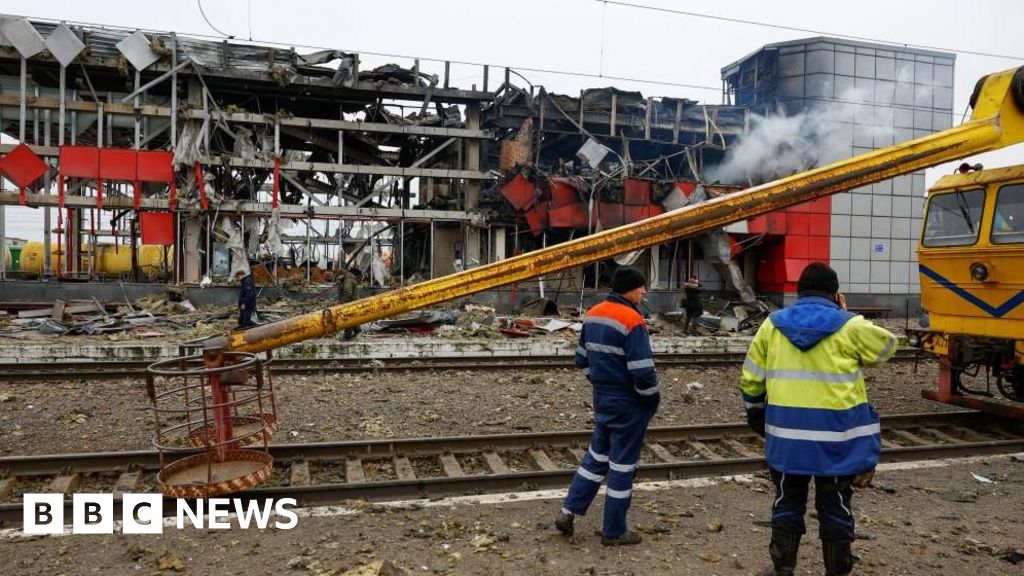
Meanwhile, on the battlefield, Russia has launched a brutal barrage of 653 drones and 51 missiles against Ukraine, striking critical infrastructure such as railway hubs and energy facilities. This attack underscores Russia’s determination to wear down Ukraine’s resilience, even as diplomatic talks continue. Ukrainian authorities report widespread damage, with recent strikes causing blackouts across eight regions and damaging vital energy infrastructure. Ukrainian Foreign Minister Andrii Sybiha condemns this as a blatant disregard for peace efforts, emphasizing that Russia’s strategy seems designed to prolong suffering and deepen divides. The escalation risks drawing international allies into an even more complex confrontation, forcing nations into difficult decisions about support and intervention.

The diplomatic negotiations, which also involved high-profile figures like Trump’s son-in-law Jared Kushner, reveal a layered approach to conflict resolution. American and Ukrainian representatives have agreed on security frameworks and deterrence capabilities, yet key issues—particularly security guarantees and territorial concessions—remain unresolved. Russia’s control over roughly one-fifth of Ukraine, including strategic regions like Donbas, continues to fuel disputes and harden positions. Vladimir Putin demands Ukrainian troops withdraw from these territories, threatening to liberate them by force if necessary. This stance exemplifies the deepening divide, as Russia’s military advances and claims of territorial gains threaten to rewrite the map of Ukraine. Meanwhile, Kyiv and its European partners push for NATO membership or comprehensive security arrangements as the most credible deterrence; yet Russia vehemently opposes NATO’s eastward expansion, framing it as a threat to its security.

Historians and analysts warn that these developments could be a turning point in the modern balance of power. International organizations like the United Nations urge restraint, but their influence diminishes as the conflict persists. As Putin claims recent military successes, and Ukraine seeks vital security guarantees, the global community faces a moral and strategic dilemma. Does the West risk confrontation, or do they must accept a fractured peace that might set a dangerous precedent? The dramatic escalation and persistent deadlock hint at a future where the struggle for influence and sovereignty defines the 21st-century chessboard. The world watches as history’s narrative continues to unfold—fragile, complex, and perilously close to tipping into an even darker chapter.

Ukrainian Anti-Corruption Raids Target Zelensky's Adviser Yermak’s Home
Ukrainian Anti-Corruption Raids Target Zelensky’s Adviser Yermak’s Home

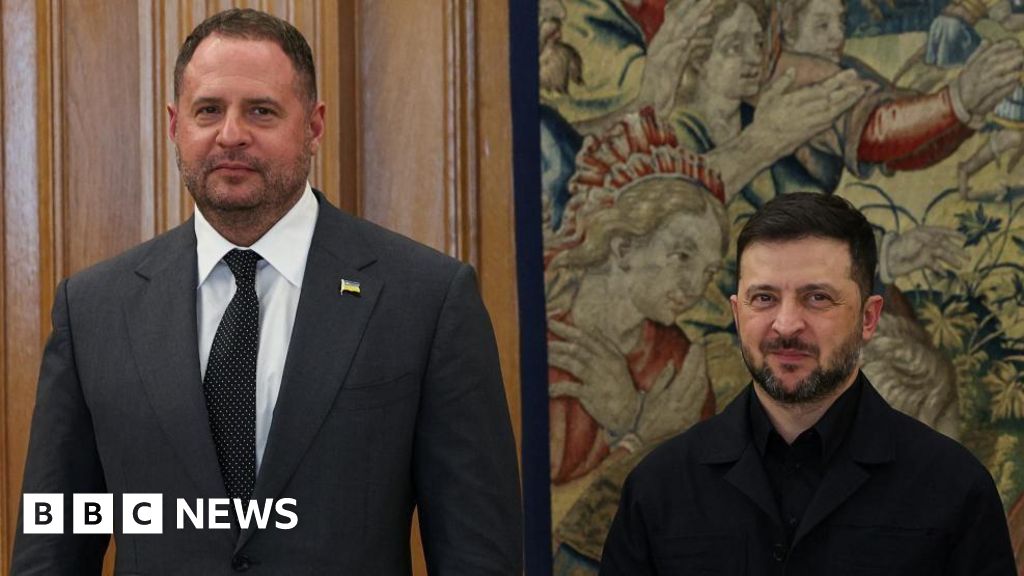
In a move that underscores the volatile landscape of Ukraine’s internal politics amidst ongoing conflict, Ukraine’s anti-corruption agencies have initiated searches at the residence of President Volodymyr Zelensky’s chief of staff, Andriy Yermak. This development, confirmed by the anti-corruption bureau Nabu, signals a significant turn in the domestic fight against corruption, a persistent issue that has long hampered reform efforts in Ukraine. Despite these investigations, neither Zelensky nor Yermak have been formally accused of wrongdoing, but the unfolding events highlight internal struggles that threaten to destabilize Zelensky’s fragile political base.

Ukraine’s fight against corruption takes on particular importance amid the broader geopolitical contest involving Russia. Yermak, once praised for orchestrating diplomatic efforts and serving as Kyiv’s primary negotiator in peace talks with Western allies, now faces increasing scrutiny. Critics within Ukraine argue that the scandal reveals deeper issues of transparency and accountability, which could undermine foreign aid and international support crucial for Ukraine’s resistance against Russian aggression. As Ukrainian analysts and historians debate the significance of these events, some warn that internal divisions may be exploited by Moscow to weaken Kyiv from within, further complicating the fight for sovereignty.

International organizations, including the European Union and United States, watch closely. Their support remains conditional on Ukraine’s ability to demonstrate political stability and good governance. Yet, the political shakeup raises the stakes; each move of domestic power struggles resonates beyond national borders, reshaping perceptions of Ukraine’s resilience. As Yermak publicly cooperates, with full access granted to his lawyers, his case symbolizes the broader international dilemma: can Kyiv maintain unity and focus on defeating Moscow or will internal conflicts fracture its fragile front?

  • Yermak’s role as Kyiv’s chief negotiator makes his investigation a potential turning point in Ukraine’s diplomatic standing.
  • Critics suggest the scandals may be a result of internal power struggles more than genuine corruption.
  • Ukraine’s internal stability is essential for securing continued Western military and economic aid.
  • Geopolitical analysts warn that prolonged political infighting could embolden Russia’s ambitions.

The broader geopolitical imprint of these scandals extends beyond Ukraine’s borders, affecting international perceptions of its leadership and governance. As historians continue to analyze the unfolding events, the question remains: will Ukraine emerge from this crisis with strengthened resolve or fracturing alliances? The narrative of a nation fighting both external invaders and internal disloyalty hangs in the balance, carrying with it the weight of history still being written. Each action, each investigation, echoes across the halls of power in Kyiv and beyond, shaping the future of a country at the crossroads of East and West, caught in the relentless tide of history’s unfolding story.

Putin Stands Firm on Ukrainian Land Ahead of US Talks

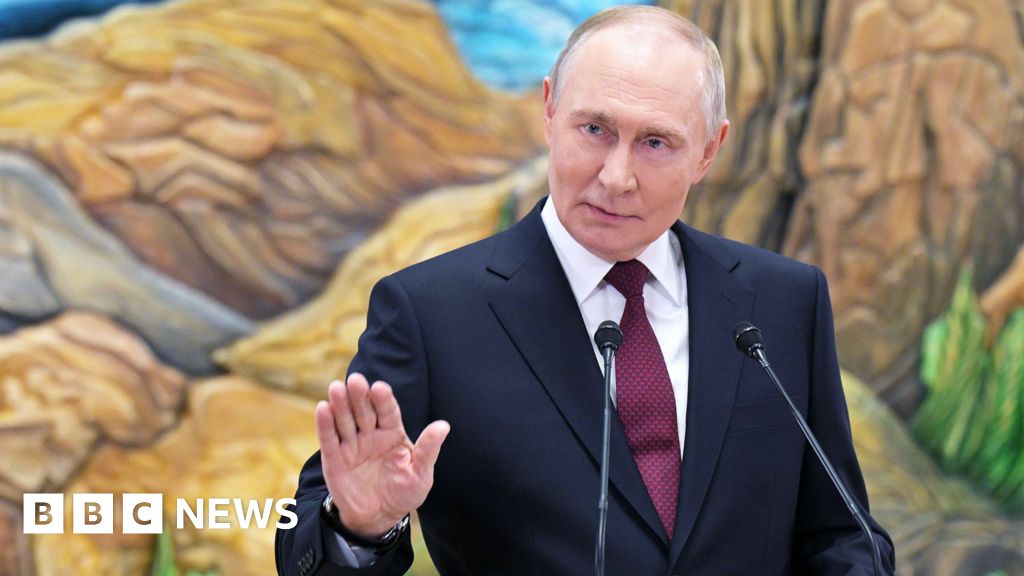
The unfolding conflict in Ukraine continues to redefine the global geopolitical landscape, with President Vladimir Putin asserting that Russia will only cease its military operations if Kyiv’s forces withdraw from territories Moscow claims as its own. These demands include the controversial annexation of the Crimean Peninsula in 2014 and the ongoing occupation of the Donbas region, made up of Luhansk and Donetsk. Moscow’s insistence on legal recognition for these seized territories signals a hardening stance that complicates any prospects for diplomatic resolution. As seen through the lens of international analysts and historians, such as Dr. Catherine Pugh of the International Institute for Strategic Studies, these demands serve as a stark reminder of Russia’s strategic aim to cement transitional zones of influence and undermine Ukraine’s sovereignty permanently.

Meanwhile, Ukraine remains resolute, firmly rejecting any proposal that would legitimize Russian territorial gains through mere recognition of de facto control. Kyiv’s leadership has consistently indicated that territorial concessions are off the table, emphasizing that rewarding aggression would set a dangerous precedent for sovereignty across Europe and beyond. Putin’s recent trip to Kyrgyzstan, where he accused Ukraine of fighting “to the last Ukrainian,” underscores Russia’s willingness to escalate the conflict with an unwavering conviction that the current battlefield advantage grants them the initiative. According to the Institute for the Study of War, Moscow’s slow, attritional advances, particularly in eastern Ukraine, could stretch over the next two years, risking ongoing loss of manpower and resources—a clear sign that Russia’s military engagement, though persistent, is becoming increasingly costly and politically contentious.

The diplomatic arena is no less turbulent. Recently, a draft peace plan, initially skewed heavily in Moscow’s favor, has become a focal point for international diplomacy. According to reports, the revised document leaves unresolved critical issues like the status of Crimea and the Donbas, along with security guarantees for Ukraine. Putin’s assertion that the current draft could form the “basis” for future peace agreements highlights Russia’s strategic intent to wield diplomatic leverage, conditioning a resolution on recognition of its territorial claims. Meanwhile, the upcoming visits by U.S. officials—such as special envoy Steve Witkoff and potential discussions involving Jared Kushner—indicate that the West remains engaged in a delicate balancing act: seeking an exit from conflict yet wary of legitimizing Moscow’s territorial ambitions. European leaders, like Ursula von der Leyen, have expressed skepticism about Russia’s true intentions, condemning the Kremlin’s view of Europe as a “sphere of influence” and warning that such post-World War II mindsets threaten regional stability.

As the international community watches with bated breath, the conflict’s trajectory remains uncertain—yet undeniably pivotal. Putin’s dismissive attitude towards Ukrainian leadership and European warnings of future escalation reflect an overarching strategy grounded in resilience and repression. The ongoing debate over recognition, sovereignty, and security guarantees is but the latest chapter in a broader struggle that threatens to reshape borders and alliances for generations to come. Amidst the turmoil, a precipice looms: history is being written not just by the powers involved, but by the very decisions that could either cement peace or plunge Europe into a protracted shadow of conflict. The weight of this moment surpasses diplomacy; it is a defining juncture that will echo through the corridors of history, testing the resolve of nations and the endurance of liberty itself.

Russian push ramps up near crucial Ukrainian town, army chief warns

Ukraine under Siege: The Battle for Pokrovsk and Its Global Significance

Amid the ongoing conflict in Ukraine, recent reports signal a disturbing escalation around the vital frontline town of Pokrovsk in the Donetsk region. Ukraine’s armed forces, led by Commander-in-Chief Oleksandr Syrskyi, have warned that Russian activity is intensifying, with Russian infantry massing and attempting to encircle the city. These developments are not merely localized skirmishes; they are a critical piece in the larger chessboard of Russia’s strategy to seize control of strategic transport and supply hubs in eastern Ukraine. The town’s fall could pave the way for Russian advances toward Kramatorsk and Sloviansk, the only significant Ukrainian-controlled urban centers still resisting in the region. This potential shift in control would significantly undermine Ukraine’s territorial integrity and complicate Western support efforts.

Official Ukrainian sources and independent analysts have painted a picture of a fierce and dynamic confrontation. Ukrainian General Syrskyi dismissed rumors of a blockade as propaganda, emphasizing that Russian forces are maneuvering around the town, seeking to infiltrate and weaken Ukrainian defenses. Despite the heavy Russian troop buildup, Ukrainian commanders are focused on maintaining a delicate balance—aiming to protect their soldiers while preventing encirclement. The situation remains “difficult,” according to Syrskyi, as Russian forces have been relentless in attempting to infiltrate deeper into Pokrovsk; some reports suggest the city is teetering on the brink of crisis. The battle for Pokrovsk symbolizes a broader struggle—one that involves not only regional territorial control but also the fight for world perception and geopolitical influence.

Meanwhile, international voices and intelligence assessments underscore the gravity of these developments. Ukrainian President Volodymyr Zelensky publicly declared Pokrovsk the “main target” of Russian advances and claimed Russia’s forces there are outnumbering Ukrainian defenders by a staggering ratio—eight to one. Zelensky asserted that Russia’s true aim is to demonstrate to the United States and NATO that Ukraine is on the retreat, a narrative Moscow desperately seeks to sell to bolster its strategic narrative. Analysts from organizations like Sybelline warn that the battle has entered a “highly dynamic and intense phase,” with Russian forces incrementally encircling and disrupting Ukrainian supply routes. Ukrainian monitoring groups suggest that time is running out—Pokrovsk is at a tipping point, and its loss could have rippling effects across the entire eastern front.

The stakes extend far beyond the battlefield. This confrontation encapsulates a broader geopolitical struggle—a symbolic battleground where Russia seeks to fracture Ukraine and redefine regional power balances, challenging the responses of Western allies. The international community, including NATO, watches anxiously as the outcomes here will determine whether Ukraine can withstand Russian pressure or if the tide will turn, forcing a reevaluation of Western support. This is a moment where history is not merely being written; it is being forged amidst gunfire and diplomacy, with the world hanging in a delicate balance. As the drums of war beat louder, global observers must ask—how will this chapter conclude, and what new order will emerge from the ashes of this relentless and pivotal confrontation?

Social Media Auto Publish Powered By : XYZScripts.com