Matox News

Truth Over Trends, always!

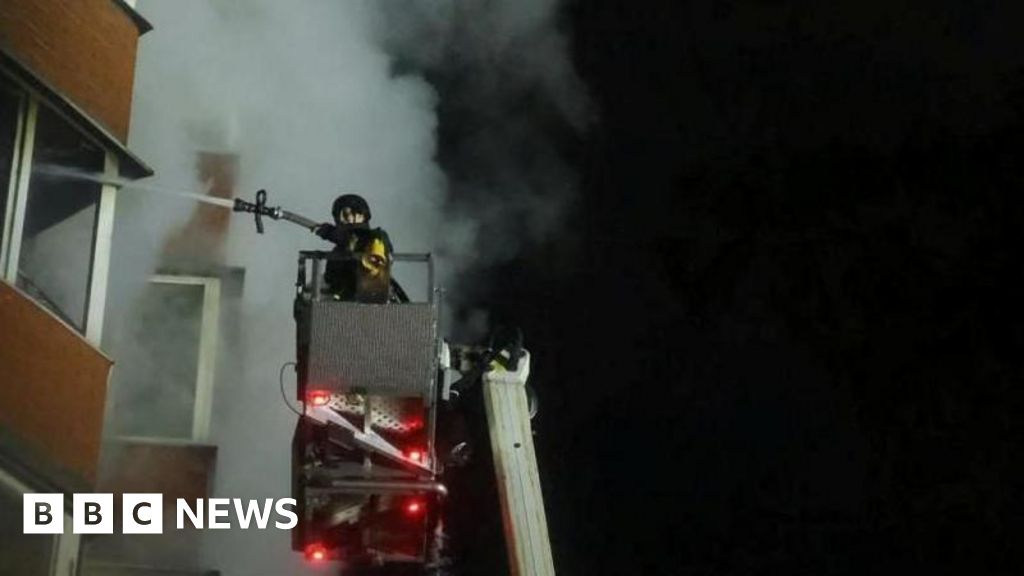
Six Lives Lost as Russian Drone and Missile Attacks Hit Ukrainian Cities

The ongoing conflict in Ukraine has entered a perilous new chapter, with recent Russian drone and missile strikes tragically claiming lives and unleashing chaos across the Ukrainian landscape. Ukrainian President Volodymyr Zelensky confirmed that at least six civilians had been killed, including two children, underscoring the brutal toll that escalation in hostilities continues to exact on innocent lives. The strikes, which targeted major cities including the capital Kyiv, also wounded 21 individuals and caused widespread destruction. The relentless barrage of attacks, including the targeting of energy infrastructure, signals a strategic effort by Moscow to destabilize Ukraine’s resilience and morale amid a deteriorating battlefield.

In the broader geopolitical context, the international community observes these events with mounting concern. The United States recent decision to abruptly shelve a planned summit with Vladimir Putin in Budapest exemplifies waning diplomatic engagement, with President Donald Trump citing a desire to avoid “a wasted meeting.” This diplomatic withdrawal highlights a significant shift in Western strategies—favoring pressure and military aid over dialogue, even as Russia dismisses calls from both Trump and European leaders to enact a ceasefire. Such decisions are poised to ripple through global alliances, complicating efforts for a unified response to Moscow’s military campaign.

Meanwhile, Ukraine’s military has intensified its defensive operations, notably targeting key Russian military infrastructure. The recent Ukrainian attack on a chemical plant in Russia’s Bryansk border region, facilitated by UK-supplied Storm Shadow missiles, represents a turning point in Ukraine’s tactical approach. Ukrainian officials describe the strike as successful, successfully penetrating Russian air defenses and compromising a site that produces components crucial for Moscow’s missile and artillery operations. Zelensky reaffirmed his strategic stance, emphasizing that the lack of long-range missile aid from the West has diminished Russia’s diplomatic interest. The Ukrainian leader’s insistence on military support underscores a broader debate about Western commitments and Ukraine’s right to self-defense amidst a conflict marked by relentless escalation.

As Kyiv reels from recent targeted assaults, including the tragic loss of civilians—a six-month-old baby among the victims—the conflict’s toll resonates beyond Ukraine’s borders. The wider geopolitical impact of these developments is profound. Analysts and historians warn that the current trajectory risks a prolonged, perhaps irreversible, destabilization of the European security order. The migration of destruction into civilian domains not only endangers sovereignty but also detonates societal cohesion, prompting fears of a ripple effect that could destabilize neighboring nations and global markets. What the future holds remains uncertain, but one thing is clear—the weight of history is now pressing down, with decisions made today echoing through the corridors of power and the stories of future generations.
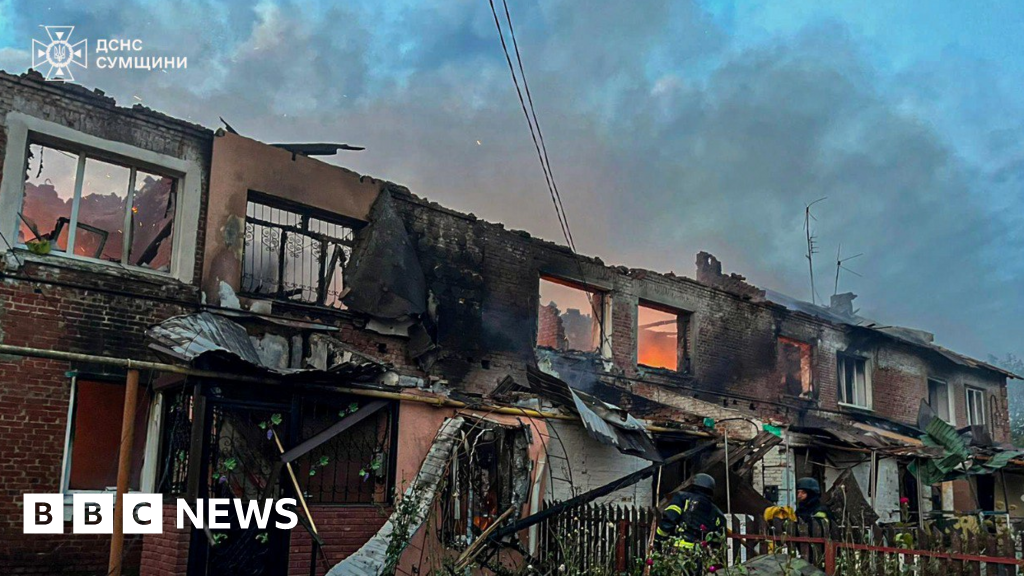

Ukrainian family of four wiped out in Russian drone attack, officials confirm

The ongoing conflict between Russia and Ukraine continues to escalate, illustrating the profound geopolitical impact of Moscow’s relentless pursuit of influence and control. In the recent overnight attack in Ukraine’s Sumy region, a tragedy unfolded as a family of four was confirmed dead, struck by a Russian drone missile targeting a residential building. Local officials, including regional head Oleh Hryhorov, condemned the strike as a deliberate act of violence against civilians, a disturbing sign that the conflict’s brutality has become normalized. Amidst the chaos, Ukraine’s air defenses demonstrated resilience, shooting down 46 out of 65 inbound Russian drones — yet the remaining 19 caused deadly hits across six locations. Such persistent assaults highlight how Russian military tactics have evolved, emphasizing infiltration and aerial bombardment to destabilize Ukrainian society.

Since Russia’s wide-scale invasion in February 2022, the international community has watched in concern as the conflict morphs into a protracted stalemate, with significant consequences for global stability. While Moscow remains comparatively silent on specific losses, it claims to have destroyed 81 Ukrainian drones within Russian borders, framing its actions as defensive. Conversely, Ukraine’s appeals for advanced Western weaponry, including long-range missiles capable of striking deep into Russian territory, index a strategic shift aimed at balancing Moscow’s aggression. Prominent analysts, such as those at the European Council on Foreign Relations, warn that the ongoing Western defense aid, totaling €2 billion for drone technology alone, significantly impacts Ukraine’s capacity to resist and persevere, yet also risks expanding the scope of the conflict.

The decision by Western powers to supply Ukraine with sophisticated weaponry—especially the possible deployment of long-range missiles like the U.S.-considered Tomahawk — signals a critical juncture. If these supplies are sanctioned, Kyiv’s ability to target key Russian military hubs and logistical nodes could significantly weaken Moscow’s operational capabilities. The American administration and European Union officials argue that empowering Ukraine with these tools is essential, contemplating whether such support might force Vladimir Putin into negotiations or prolong the war by widening its geographic scope. Yet, some international voices caution that this escalation could ignite a broader regional confrontation, risking unintended consequences that threaten global peace and security.

As the conflict persists, predictions from historians and international security analysts emphasize that the true turning point remains uncertain. The war’s toll—both human and geopolitical—is staggering. Ukrainian civilians pay a devastating price in lives and homes, while the Russian military’s determination to press its advantage tests the resolve of Western allies. The conflict’s potential to morph into a wider confrontation, perhaps involving NATO or other global powers, embodies a dangerous crossroads. With every drone strike, diplomatic maneuver, and international aid package, the pages of history are being written—an unfolding narrative of resilience, geopolitical chess, and the profound costs of modern warfare. As the war drags on, the weight of this moment rests heavily on the collective consciousness of the world, reminding us that in the storm of history, the future remains fundamentally uncertain.

Ukrainian Youth Stand Firm: Embrace Life Despite Russian Bombings

Sloviansk’s Enduring Spirit and the Geopolitical Struggle in Eastern Ukraine

In the heart of Ukraine’s tumultuous eastern frontline, the city of Sloviansk stands as both a symbol of resilience and a testament to the relentless consequences of Russian imperial ambitions. This city, once a quiet hub of salt production dating back to the 17th century, has been transformed into a frontline battleground where everyday life persists amid ongoing conflict. Despite the visible scars inflicted by near-daily bombardments, residents, including pensioners and soldiers, continue to demonstrate an unwavering determination to live despite the threat of Russian drones, airdropped bombs, and political intimidation. This defiance, observed through stories shared by local officials and residents, highlights an indomitable spirit that geopoliticians and analysts around the world watch closely.

The escalating military and humanitarian crisis in Sloviansk reveals the broader geopolitical impact of Russia’s relentless effort to reclaim Ukraine’s eastern territories. Since 2014, when Vladimir Putin’s forces first occupied parts of the Donbas region, the city has endured a series of occupations, battles, and destruction. Recent attacks by kamikaze drones, reaching as close as two kilometers outside the city, have demonstrated that the Kremlin’s array of tactics remains aggressive and unrelenting. Ukrainian officials, including Mayor Vadym Liakh, openly express confidence in the country’s ability to defend Sloviansk, despite fears that Russia’s strategic goal is to encircle and seize this pivotal city. As Ukraine enhances its anti-drone defenses, the Russian military continues to press forward, aiming to secure a strategic corridor that could threaten the entire eastern region and cut off critical supply lines—a move analysts warn would set the stage for further destabilization of Ukrainian sovereignty.

International organizations and military experts closely monitor this ongoing conflict, warning that the stakes extend far beyond the local battlefield. Many analysts argue that if Slovakia and other key cities in the Donbas fall into Russian control, it could pave the way for a quick advance across the flat, open steppes toward Kharkiv and Kyiv. The future of Ukraine’s independence hinges on whether Western aid, including long-range missiles and advanced defense systems, can delay or halt the Kremlin’s march. Meanwhile, Kyiv’s leadership remains defiant, asserting that Moscow’s promises of a ceasefire in exchange for territorial concessions are nothing more than tactical distractions—an insidious voice from the Kremlin’s propaganda machine in Moscow’s bid to demoralize and divide Ukraine’s defenses.

The international community, particularly Western allies, faces mounting pressure to bolster Ukraine’s military capabilities. As U.S. officials contemplate further sanctions and military aid packages, Russian President Vladimir Putin operates under the assumption that time favors him. His previous commitments have proven unreliable, and strategic analysts warn that the Kremlin’s long-term goal remains the destabilization and division of Ukraine—to resurrect a forever-claimed… Russian sphere of influence. The historians warning of this era as a period where decisions made now will shape the geopolitical landscape for generations are increasingly relevant as the conflict drags on, risking wider regional destabilization and Europe’s security architecture.

With each explosion and each act of defiance, Sloviansk’s populace embodies a pivotal chapter in a conflict that will determine the fate of Ukraine and the broader European security order. As the night sky in Sloviansk becomes a dark canvas illuminated only by stars and the distant glow of fires, the city’s story resonates beyond its battered streets. It is a stark reminder of how history is not merely unfolding—it is being forged. And the choices made by leaders and nations today will echo through the corridors of history, leaving the world to ponder: Will this be the beginning of Putin’s regained empire, or will Ukraine’s tenacity seal the fate of the Eastern European future? The answer hangs trembling on the horizon, yet the weight of that future is already beginning to settle upon the shoulders of all committed to the cause of sovereignty and freedom worldwide.

Social Media Auto Publish Powered By : XYZScripts.com



