
Matox News

Truth Over Trends, always!

Young singer takes TikTok UK’s top spot for 2025 song— redefining the cultural landscape

In an era where digital culture often shapes perceptions and influences identity, it is vital to recognize the profound connection between entertainment, tradition, and societal values. Recently, the British singer Jess Glynne experienced a remarkable resurgence not through traditional radio play or chart dominance alone, but via the viral currents of social media. Her 2015 hit, Hold My Hand, which once topped the UK singles chart, has been reborn as the TikTok song of the year—an emblem of how culture adapts and reconnects across generations. The song’s revival exemplifies Ortega y Gasset’s assertion that “man’s identity is rooted in his culture,” and now, more than ever, this root is nourished by platforms that transcend mere entertainment to become arenas of societal reflection.

The trend underscores a paradox of modernity: while some decry the superficiality of social media, others recognize its power to rejuvenate collective memory and foster a shared experience. Glynne’s song, initially an emblem of 2015, has become linked with humorous holiday mishaps, travel chaos, and family moments. Its association with the ‘nothing beats a Jet2 holiday’ trend demonstrates that the popular culture of today is a mosaic composed of nostalgia, humor, and societal zeitgeist. Such phenomena echo Chesterton’s insight that “tradition is the democracy of the dead,” where societal continuity manifests through shared narratives, even as they are refreshed in the digital age.

Historian Alexis de Tocqueville’s observations about the importance of cultural roots in fostering societal cohesion are echoed in this phenomenon. Glynne’s music, once bound to radio and exclusive concerts, now flows freely on the digital stream to over 80 billion views, connecting diverse audiences in an apparent collective memory. Meanwhile, other musical icons like Taylor Swift and Rihanna continue to shape the cultural landscape, reflecting a society that values not only the entertainment but also the identity these figures embody. The viral success of older songs, such as Connie Francis’ 1962 hit Pretty Little Baby, indicates a cyclical return to foundational melodies, where history’s echoes inform contemporary expressions. These moments affirm T.S. Eliot’s notion that a society’s “memory, tradition, and culture are the prophecy of its future,”.

In contemplating the significance of this cultural revival, it becomes clear—culture is both our heritage and our prophecy. It is through these shared stories and songs that a society molds its identity and manifests its values. As we navigate a rapidly shifting landscape of technological change, we are reminded that culture’s true power lies in its ability to preserve memory while prophesying possibility. Just as an ancient melody carried through decades to inspire a viral trend, so too does the collective memory of mankind whisper of what is yet to come—a tapestry woven with the threads of the past, forever beckoning us toward the horizon of human potential.
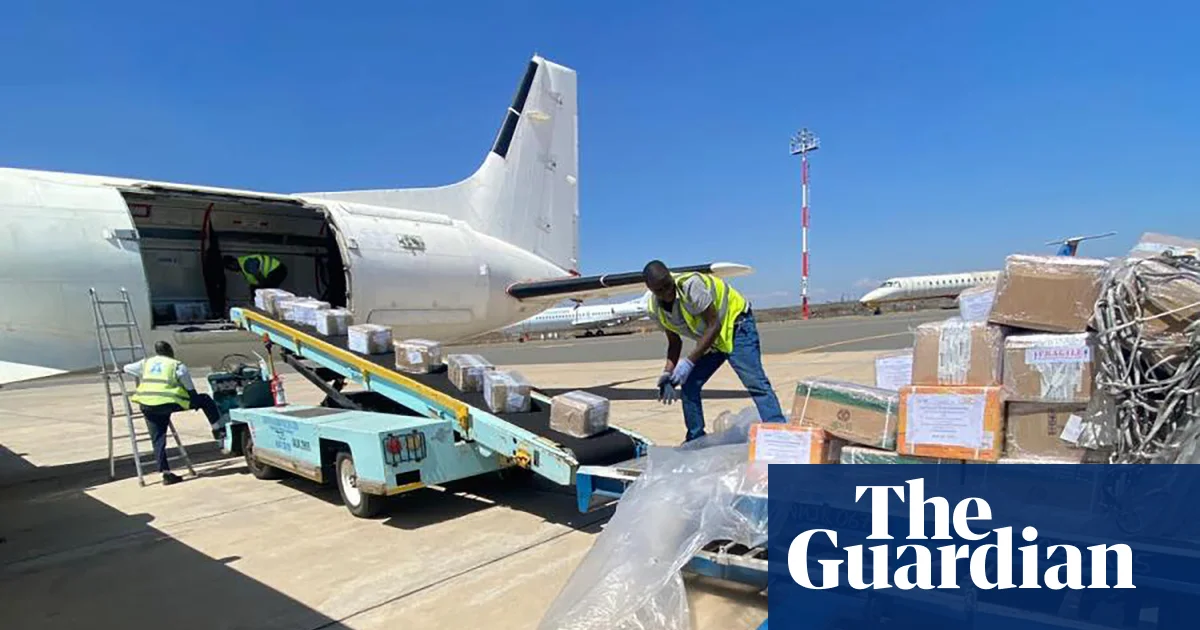
UK’s top arms maker BAE halts ‘lifeline’ aircraft delivering aid to the world

BAE Systems’ Withdrawal from Humanitarian Support: A Catalyst in Global Power Dynamics

In a move that underscores the shifting priorities within Britain’s top defense contractor, BAE Systems has quietly ended its support for a fleet of aircraft crucial for delivering life-saving humanitarian aid across some of the world’s most fragile regions. The decision, announced amidst record profits exceeding £3 billion, appears driven by BAE’s strategic pivot to bolster its hand in the ongoing global arms race spurred by increased defense spending among NATO allies. This change not only exemplifies the seeping influence of geopolitical tensions into humanitarian operations but also signals a disturbing trend where military interests undermine aid efforts in crises-ridden nations.

Key destinations such as South Sudan, Somalia, and the Democratic Republic of Congo are already suffering from escalating humanitarian disasters, with millions facing famine and acute malnutrition. Recent reports from international agencies highlight that nearly 7.7 million people across South Sudan and over 27.7 million in the DRC are caught in a maelstrom of conflict, climate crisis, and rising food prices. Hundreds of thousands of vulnerable lives depend on aid delivered via aircraft with short airstrips in remote regions—an operation that BAE’s aircraft model was uniquely suited to support. Yet, the firm’s abrupt withdrawal of support has grounded these vital missions, breaking a vital lifeline for countless civilians and raising questions about the true priorities of Western military-industrial complexes.

  • The cancellation of humanitarian contracts, including a 10-year operation in the DRC and aid deliveries in Somalia, underscores a calculated shift towards defending commercial interests, with BAE Prime among the beneficiaries.
  • The voluntary surrender of the aircraft’s type certificate by BAE, which renders the aircraft effectively obsolete for commercial use, signifies a strategic move to cease support while limiting legal liabilities.
  • Legal contention has emerged, with EnComm Aviation, the last known operator of these aircraft, claiming that they were misled about the duration of BAE’s support commitments and now face catastrophic losses—highlighting a troubling dissonance between corporate promises and actions.

Analysts and historians warn that these developments mark a dangerous departure from the longstanding tradition of leveraging military technology not only for power projection but also for humanitarian purposes. According to reports from prominent think tanks, the strategic reorientation of defense firms like BAE towards increased arms sales amid burgeoning global instability risks amplifying conflicts rather than mitigating suffering. Organizations such as the World Food Programme have warned that aid disruptions could exacerbate crises, fueling unrest and displacement, with far-reaching geopolitical consequences for regional stability and international diplomacy.

As Britain and its allies continue to allocate billions toward military expansion, the true price may be paid by the most vulnerable populations on Earth. The historic moment we find ourselves in is a stark reminder of how the collision of economic interests and geopolitical strategy can reshape the landscape of global aid. With each aircraft grounded, each contract canceled, the weight of history hangs heavily—an unfolding chapter that urges vigilance. Humanity stands at a crossroads in a world where the decisions made in smoke-filled boardrooms may determine whether millions will survive or succumb to the shadows of neglect and conflict enduring into the unknown future.

Social Media Auto Publish Powered By : XYZScripts.com



