Matox News

Truth Over Trends, always!

Jess Cartner-Morley reveals the ultimate chill hack: Rock those jeans with heels for effortless chic

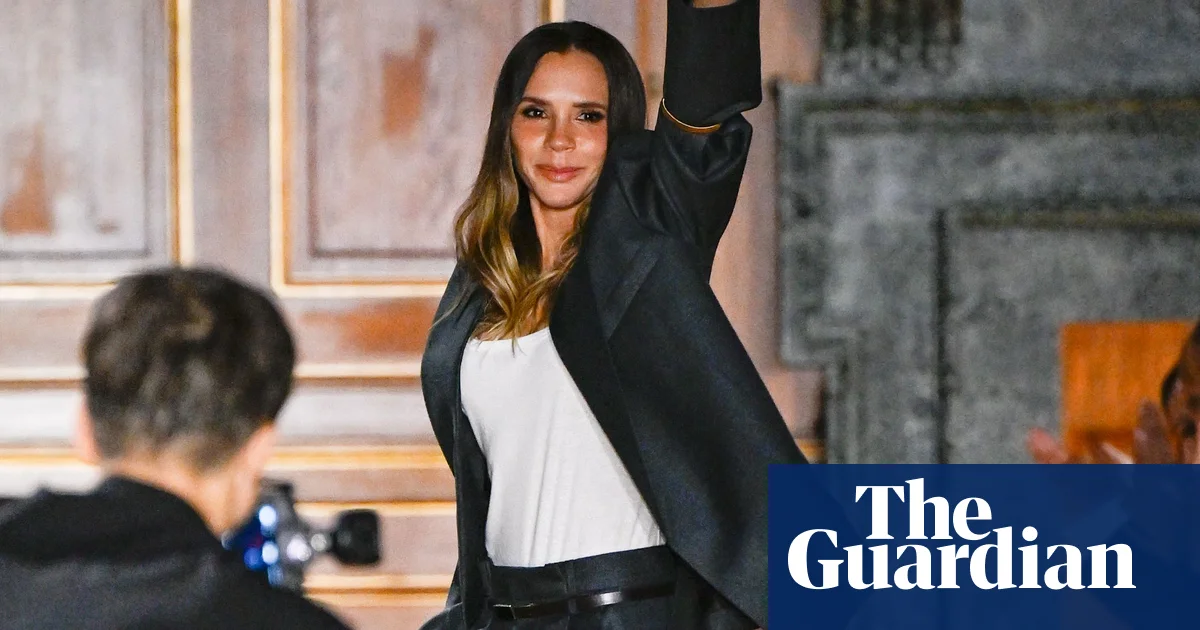
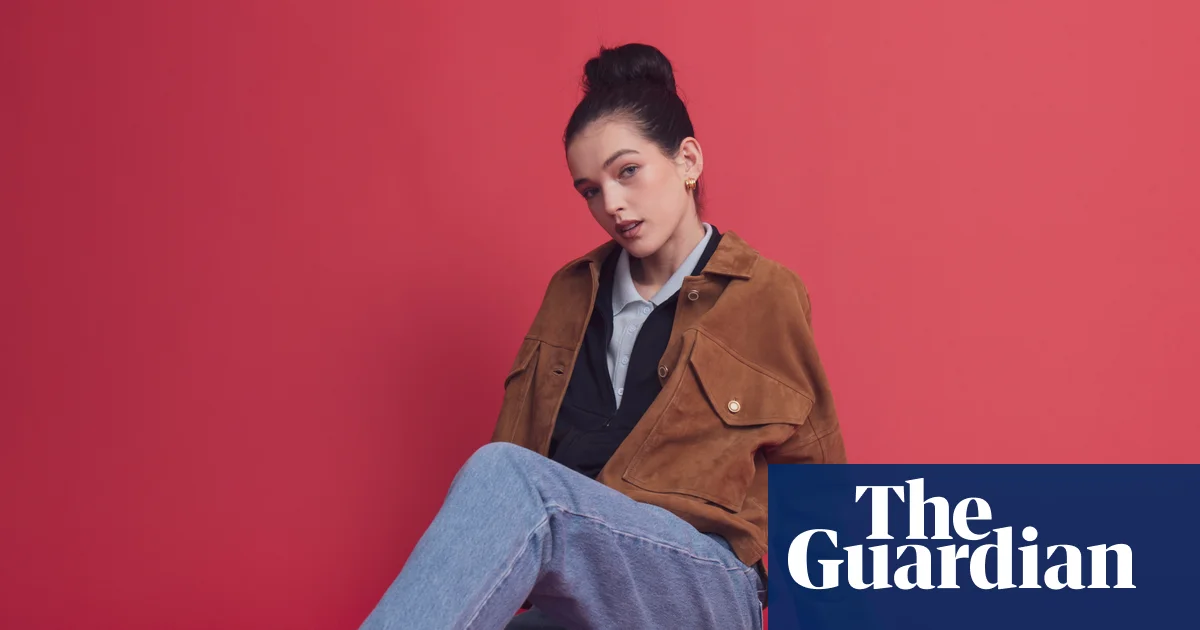
In a world constantly buzzed by fleeting trends and viral styles, there’s a timeless combo that continues to defy the churn of fashion cycles: jeans with heels. This look, often associated with effortless confidence and a sense of personal authority, has woven itself into the fabric of modern lifestyle aesthetics. As influencers like Victoria Beckham showcase this pairing in their street style, and sociologists analyze its social impact, it’s clear that this isn’t just about fashion — it’s a statement of autonomy and self-assuredness for a generation eager to redefine what authority looks like.

What makes this pairing fundamentally compelling is its cultural significance. Jeans have historically symbolized rebellion and democracy, transcending social hierarchies to become a universal staple. When elevated with a pair of heels, they morph into an expression of confidence and clarity that resonates deeply among young people seeking authenticity amidst a saturated media landscape. Fashion analysts highlight that the mathematics of silhouette—roughly speaking, the architectural strength of denim combined with the elongating, poised effect of high heels—creates a powerful visual language. It tells a story: a woman who owns her space, on her own terms, and with style that’s both practical and theatrical.

  • Versatility: Straight-leg jeans are the easiest to style with heels, whether pointed or almond-shaped for an elegant look or chunky for a more commanding silhouette.
  • Accessibility: Unlike luxury handbags or jewelry, the brands behind denim range from high-end to affordable, making the look ubiquitously attainable yet still rooted in exclusivity.
  • Social Signaling: Wearing jeans with heels is more than an outfit choice; it’s a *behavioral trend* that signals confidence, independence, and a willingness to stand out without overcompensating.

As cultural commentators note, the audible impact of heels—the crisp tap of heel tips on a hard surface—adds a layer of *theatre* and *presence* to this look, reinforcing the wearer’s command. This isn’t about dressing up just to turn heads; it’s about projecting an image of assured self-possession. From Victoria Beckham to the countless style icons sharing their versions of these ensembles on social media, the message is clear: confidence is the new chic. And it’s accessible, playful, and deeply empowering.

Fashion cycles may come and go, but the core appeal of jeans with heels persists because it taps into something deeper than trend: a collective desire for authentic expression and personal strength. Sociologists suggest that this ongoing style evolution reflects a broader cultural shift—embracing individuality while celebrating the shared language of style that connects generations. The question that remains, however, is whether this enduring fashion statement will evolve into something even more disruptive—perhaps a radical redefinition of authority in a society increasingly driven by personal authenticity and digital validation. Could the next frontier be less about the outfit itself and more about what it signifies in a world where self-made narratives are king?
Cracking the Quadruple Axel: The Ultimate Challenge in Figure Skating’s Tech Race

Revolutionizing Figure Skating with Biomechanical Insights and High-Flying Innovation

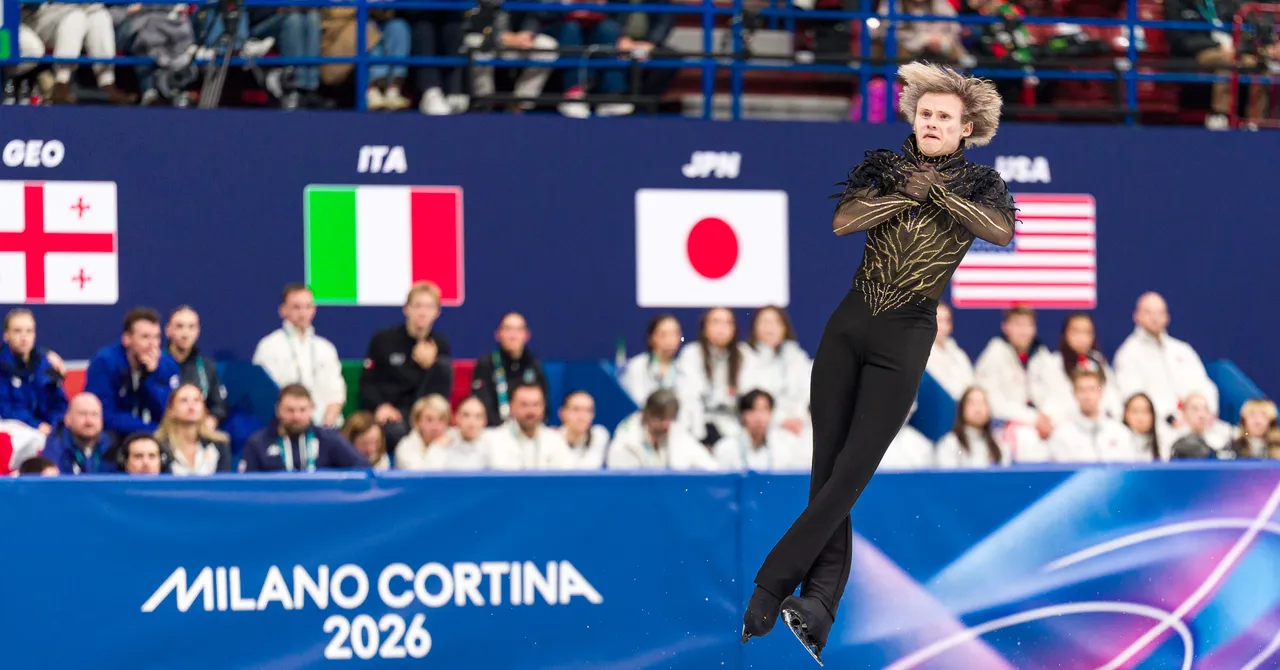
2024 marks a pivotal year for technological disruption in sports biomechanics, as Toin University researcher Seiji Hirosawa unveils groundbreaking insights into the mechanics of quad axel jumps. Published in Sports Biomechanics, this study bridges the gap between science and athletic mastery, highlighting how advances in data analytics are transforming conventional understandings of elite athletic performance. At the core of this breakthrough is a focus on vertical jump height, an element previously underestimated in biomechanical evaluations. Hirosawa’s findings suggest that increasing flight height is not just a technical nuance but a strategic imperative in mastering the most complex ice skating maneuvers.

This revelation arrives amid a broader wave of disruption in sports technology, with innovations such as the Ice Scope tracking system providing unprecedented precision in performance analysis. Leveraging high-resolution data, researchers can now dissect minute biomechanical parameters—vertical height, horizontal displacement, and velocity—culminating in a granular understanding of athlete mechanics. As the industry evolves, insights driven by data-driven biomechanics are forcing traditional rating and training paradigms to adapt rapidly. Experts from institutions like MIT and analysts from Gartner highlight that such technological infusion not only enhances athlete performance but also shifts the economic landscape, intensifying competition among brands offering cutting-edge sports analytics tools.

The business implications of this shift are profound. Companies investing in AI-powered motion tracking, real-time analysis, and simulation software stand to redefine training regimes, offering athletes and coaches a distinct advantage in pushing performance boundaries.

  • Enhanced performance predictions through machine learning
  • Customized training plans based on biomechanical data
  • Early injury detection to extend athletes’ careers

These innovations threaten to disrupt legacy sports equipment manufacturers and propel tech firms into the spotlight, as the demand for smarter, more precise training solutions explodes. Notably, Elon Musk’s Neuralink and similar ventures exemplify the broader trend of merging human performance with advanced interfaces—an approach increasingly vital in high-stakes sports settings.

Looking ahead, the integration of biomechanics, AI, and wearable technology signals a transformative era for competitive sports. Athletes like Ilia Malinin exemplify this wave, leveraging scientific insights to push the limits of what’s possible—literally soaring to new heights. Yet, this rapid evolution also warrants caution; as technology becomes embedded in athletic training, it raises questions about fairness, accessibility, and the potential for new arms races. Industry leaders and policymakers must work with scientists to navigate these challenges proactively. Ultimately, the future belongs to those prepared to harness innovation at every stage—from biomechanical research to commercial application—where the winners will be those who act before the next big leap in athletic performance is achieved.

Could Emily Brontë’s ‘Wuthering Heights’ Truly Be the Ultimate Love Story for a Generation?

Since its inception, literature has served as a mirror and a forge—reflecting the values, struggles, and aspirations of society while shaping the contours of our collective identity. The timeless tale of Emily Brontë’s “Wuthering Heights”, for instance, exemplifies how stories of passion, obsession, and the wild forces of nature resonate deeply across generations. Set amidst the bleak yet profoundly beautiful Yorkshire moors, the novel embodies a culture rooted in a rugged individualism and a fierce attachment to unyielding natural and moral landscapes. It affirms that culture is not merely entertainment but a vital vessel of tradition and moral memory, capturing the primal, often chaotic, essence of human existence.

In an age where the superficiality of mass media often dilutes the depth of cultural engagement, it is crucial to recognize the role of classics and heroic narratives in fostering societal identity. As Ortega y Gasset observed, “A culture is a test in which a society measures what it is.” The enduring fascination with characters like Heathcliff and Catherine isn’t mere melodrama but a reflection of the eternal human struggle—an affirmation of the passions that animate our souls and the values that define our communities. Today’s reimagining of such stories—such as Emerald Fennell’s upcoming adaptation with Margot Robbie and Jacob Elordi—reinvigorates these archetypes, proving that even in modern cinema, the currents of tradition still carry profound significance. They serve as cultural anchors in a society that often risks drifting into relativism and nihilism when disconnected from its foundational stories, reminding us that true culture sustains our identity through shared memory and narrative prophecy.

Philosophers like T.S. Eliot have emphasized that the tradition of poetry and storytelling is integral to understanding human purpose. The love—almost divine in its intensity—that Catherine and Heathcliff share transcends their personal fates to become emblematic of a collective longing for meaning amidst chaos. The romantic obsession woven through “Wuthering Heights” exemplifies a cultural motif: that of devoting oneself to something greater than the individual—whether that be a land, a tradition, or an ideal. This powerful fusion of personal and societal meaning highlights that culture is both a memory of the past and a prophecy of the future. It encourages us to preserve the stories that define us, while daring us to envision a society rooted in the enduring values of strength, authenticity, and moral conviction. In a world increasingly swayed by transient trends, the echoes of Brontë’s passionate tumult serve as a reminder: that each cultural act, each story, is a seed of future generations—anointed with the hope that humanity’s noblest aspirations endure beyond the fleeting.

Thus, the ongoing conversation between past and present underscores that culture is the language of our collective soul. It unites us in the recognition that, beneath the stormy skies and tangled passions, lies the eternal quest for truth and love. Like a windswept moor on a tempestuous night or a silent, star-studded sky, it beckons us to remember who we are—a mosaic of memories and dreams, warriors and poets, grounded in the soil of history yet reaching toward the infinite horizon of human potential. For in the end, culture is both the memory that informs us and the prophecy that calls us forward—an enduring testament to the human spirit’s relentless pursuit of meaning amidst the chaos.

Jess Cartner-Morley’s February Style Must-Haves: Bold Jumpers, 24-Hour Earrings, and the Ultimate Flattering Tee

The landscape of youth lifestyle and fashion in 2026 is clear: an evolving desire to blend tradition with modernity. From the resurgence of classic wardrobe staples infused with contemporary twists to niche wellness practices breaking into mainstream consciousness, today’s trendsetters are hacking cultural norms and redefining social relevance. Influencers and sociologists alike are watching as this generation seeks authenticity not just in products but in societal expressions—highlighted by a preference for high-quality, yet accessible, brands that embody craftsmanship and ethical integrity.

Take, for example, the rising popularity of Spanish handbag label Mercules. Helmmed by a designer formerly with Loewe, these pieces are made from premium Spanish leather, balancing minimalist design with sensible pricing. Their Foxy bag, particularly in their terracotta ‘tile’ shade, has become an emblem of understated luxury—favoring quality over ostentation. Meanwhile, in fashion, shirt collars have become a canvas for individual expression. The Boden Sienna shirt with a jewel collar exemplifies this shift, offering a blend of whimsy and elegance that layers effortlessly into everyday style. It signals a move toward accessories and details that elevate simple garments, convincing a younger audience that everyday wear can be both functional and statement-making.

In the wellness sphere, functional mushrooms like lion’s mane are transforming from fringe health hacks into mainstream staples. Companies like Superoom have crafted clinically tested tinctures, organically grown in Finland, which promise benefits from increased focus to enhanced sleep—fitting into a societal narrative that prioritizes mental clarity and holistic well-being. This mushroom market, often accused of being a chaotic wild west, is now being curated by reputable brands, signaling a desire among youth to integrate health regimes that are not only effective but also display-worthy, on display in aesthetically designed bottles that double as decor. The viral buzz around these remedies underscores a social relevance: youth are actively curating their wellness routines to align with principles of authenticity, efficacy, and style.

Meanwhile, style in 2026 is about challenging conventions. The Me+Em raglan tee, with its elbow-length sleeves that mimic sportswear’s practicality, offers a contrast to the ultra-fitted fast fashion it replaces. Its design, informed by real women, embodies a new wave of considered fashion—less about catching fleeting trends and more about investing in pieces that speak to comfort and intentionality. This aesthetic extends beyond clothing to accessories, with viral earrings like the Orelia mini chain huggie hoops symbolizing a shift toward versatile, long-wear jewelry that accentuates yet complements individuality.

As the youth of 2026 navigate a culture that values craftsmanship, authenticity, and societal impact, the big question remains: what’s next in this cultural evolution? Will brands that succeed be those that not only tap into trends but actively shape the narrative around sustainability, individuality, and mental health? Or are we on the brink of a deeper societal shift where the line between consumer and creator blurs, leaving society to ask whether the next big thing will be a product, a movement, or perhaps a new way of defining community itself? As lifestyle trends continue to accelerate and intertwine, the real challenge for this generation is not just in what they choose to wear or consume, but in how they redefine the cultural landscape in the years to come.

Brand Beckham drops the ultimate clapback costume — and the fashion game just got more fierce

In an era where celebrity branding is less about talent and more about strategic image manipulation, the recent spectacle surrounding the Beckham family exemplifies this evolution. Over the past week, the media has been captivated by a series of social media revelations from Brooklyn Beckham that expose unseen cracks within one of the world’s most meticulously crafted dynasties. Meanwhile, David Beckham’s appearance at Paris Fashion Week, wielding a rare Hermès bag and a sashiko-dyed jacket, signals yet another chapter in the art of using fashion as a subtler form of communication. These shifts in behavior underscore how modern celebrities, especially those embedded in traditional institutions like the royals or famed families, are increasingly using clothing and public appearances as signals—either for unity or to send a hint of discord.

Fashion’s role as a social language is nothing new—think of Princess Diana’s iconic looks or Wallis Simpson’s modern take on regal style—yet today’s spectacle is amplified by social media’s immediacy. Influencers, sociologists, and brand strategists argue that what these figures wear isn’t just about aesthetics; it’s about shaping public perception. David Beckham’s choice of sashiko—an *ancient Japanese technique of visible mending*—may seem trivial, yet experts like brand consultant Andy Milligan suggest it could be a deliberate semiotic message. Are Beckham’s wardrobe choices a covert nod of resilience, a statement of humility, or simply a comfortable choice? The current climate makes it increasingly difficult to discern whether these “fashion statements” are organic expressions or carefully curated signals crafted by a team of image architects working behind the scenes.

At the same time, the family melodrama—highlighted poignantly by Brooklyn Beckham’s emotional social media exposé—reflects a broader shift in societal attitudes. In this digital age, transparency is currency, and celebrities are no longer passive figures; they are active participants in shaping their narratives, often blurring the line between authenticity and performance. Though Brooklyn’s claims paint a stark picture of family conflict, critics warn that such revelations serve a dual purpose: they keep the Beckham brand in perpetual conversation, attuned to the shifting values of a social media-driven generation. This combination of high fashion, family feud, and social media theatrics sets the stage for a powerfully modern brand of public spectacle—one where image is everything and vulnerability is often strategic.

Looking ahead, one has to ask: as families and celebrities fine-tune their appearance for both the camera and the subconscious, what does this say about the *future* of influence? Will fashion and personal narrative become so intertwined that the authentic self is forever mediated through carefully edited symbols? Or is this an inevitable sign of a society where every gesture, every garment, is a piece of the puzzle in a sprawling game of perception management? With the lines between reality and spectacle increasingly blurred, it seems the next big question for youth and society alike is: *are we witnessing the dawn of a new era where true authenticity is the ultimate act of rebellion?*

Discover the Ultimate Quiz on Oscar-Winning Adaptations of Beloved Books—Are You Ready to Test Your Literary Cinema Savvy?

In an age where the visage of culture frequently appears in fleeting media snippets and digital scrolls, the enduring legacy of literature rooted in tradition reveals a profound truth: culture is both memory and prophecy. When films such as To Kill a Mockingbird or The Lord of the Rings leap from page to screen, they do more than entertain; they anchor us in the values, struggles, and aspirations of the human spirit. These adaptations serve as cultural touchstones, a bridge across generations that imparts the wisdom of the past while shaping the moral fabric of future society. Such transformations affirm Ortega y Gasset’s notion that the vital essence of culture is its continuity—its ability to forge identity through shared stories and enduring ideals.

Indeed, the process of adaptation underscores the vital role culture plays in defining identity, tradition, and societal cohesion. When cinematic renditions of Gatsby or The Great Gatsby juxtapose visual spectacle with literary depth, they embody not just artistic reinterpretation but also a testament to the persistent influence of tradition amid modern upheaval. With each retelling, we revisit core questions of what we value, how we see ourselves, and how our collective memory informs our moral compass. The historian Tocqueville warned of the danger of losing sight of this cultural memory amidst rapid social change, yet adaptation ensures that these stories remain vital, evolving with the society that venerates them.

Philosophers like G.K. Chesterton have long celebrated the instinct of tradition—the idea that society’s moral backbone is built on stories, symbols, and physical artifacts passed through generations. Film and theater serve as living repositories of this tradition, transforming static words into vibrant, communal experiences that stir our deepest loyalties. These adaptations remind us that culture is not static but dynamic, constantly reshaped by the needs and values of each era, yet rooted in a shared human narrative. As T.S. Eliot mused, “the past is never quite past,” and perhaps through these cinematic portals, we find ourselves in dialogue with that very past—an ongoing conversation that shapes our present and guides our collective vision of the future.

Ultimately, the revival of literary works through visual media affirms that culture is humanity’s living memory, its moral compass, and its prophetic voice. Each film, each adaptation, acts as a segment of a grand, unfolding tapestry—where stories become symbols, and symbols become the foundation of shared identity. In this celestial dance, literature and art serve as both guardians of tradition and harbingers of renewal. As we watch history and myth reemerge on the screen, let us remember that culture’s true power lies not only in its ability to preserve the past but also in its capacity to inspire the future—manifesting as a luminous prophecy that beckons us toward higher ideals and nobler visions of what it means to be human.

Clair Obscur Expedition 33: The Ultimate Game of the Year for Young Patriots

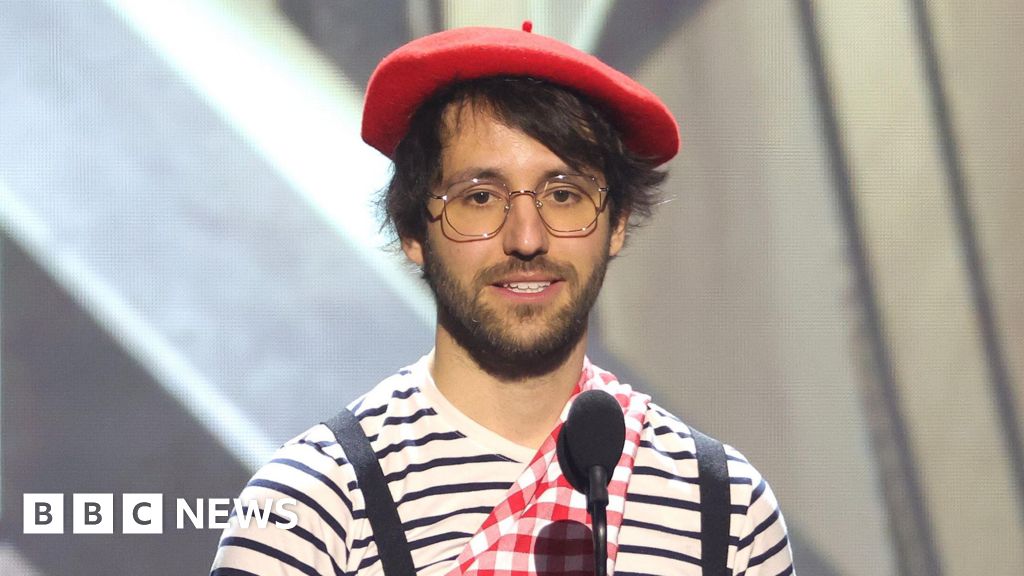
The world of entertainment often mirrors the profound geopolitical shifts reshaping international power structures. This year’s Game Awards in Los Angeles not only celebrated groundbreaking video games but also highlighted the cultural battleground where technological innovation influences societal narratives and national identities. The French-developed Clair Obscur: Expedition 33 was crowned game of the year amidst fierce competition, emphasizing how storytelling and emotional engagement are now integral to cultural diplomacy. Such moments underscore the distraction and influence entertainment holds in today’s geopolitical landscape, as countries vie for soft power and cultural dominance.

While the gaming industry’s crescendos seem remote from global conflict, analysts argue that the cultural export of entertainment remains a potent tool in shaping international perceptions. Historian Dr. Abigail Laurent notes that “these new media forms are soft power currencies, often more persuasive than traditional diplomacy, especially among youth.” Notably, Sandfall Interactive, a small studio born from ex-Ubisoft employees, exemplifies how disruptive innovation challenges hegemonic industry giants, echoing broader shifts in geopolitical influence. The victory of Clair Obscur, a narrative-driven RPG set within a supernatural world, reflects a resistance to homogenized, corporate-controlled content, advocating for regional voices and stories that resonate globally. The industry’s celebration of indie talent signals a broader cultural undercurrent that could redefine how nations project their identity in this new digital era.

In tandem, international institutions and industry watchdogs face mounting calls to address issues of inequality and industry transparency. Critics have targeted the cancelation of initiatives like the Future Class scheme—once a platform aimed at elevating rising talent—arguing that tokenism and industry neglect threaten to undercut youth engagement and diversity. Meanwhile, major releases such as the announced sequel to Hollow Knight and fresh trailers from Star Wars and Tomb Raider continue to captivate global audiences. These mirror a broader geopolitical battle for narrative control, where nations stake claims through media and arts, shaping identities amidst ongoing conflicts and alliances. Game analyst Michael Torres warns that “the intertwining of entertainment and diplomacy will only become more explicit, especially as AI and digital platforms expand the reach of cultural influence.”

As history unfolds with each release, with the world watching through screens and headlines, the question remains: what legacy will these cultural moments leave for generations to come? As nations grapple with their roles in this shifting landscape, the power of storytelling—as the ultimate instrument of influence—continues to shape how societies understand themselves and each other. From the winners’ celebrations in Los Angeles to the silent battles for hearts and minds across geopolitical zones, history is watching, and the outcome remains uncertain. The digital age has transformed culture into a battlefield where the outcome could determine the future balance of power—a narrative yet to be written, with society itself sitting at the clangor of history’s relentless march.

Jess Cartner-Morley Takes the Lead: This Holiday, Dress to Impress — Your Ultimate Christmas Style Guide

Festive Fashion Trends Reflect Societal Shifts: The Future of Christmas Style

As the holiday lights flicker on and the aroma of turkey sandwiches in Pret become our seasonal soundtrack, a cultural transformation in Christmas fashion is quietly taking hold. It’s clear that this year’s festive dressing is more than just glitz and glamour; it embodies a broader *societal shift* towards authenticity, self-expression, and a reconsideration of traditional social norms. Influencers and fashion analysts alike are signaling that what we wear during this season is now a mirror of larger cultural currents—an outward expression of our *social relevance* and personal identity in an ever-evolving society.

At the heart of this trend lies a surprisingly liberated approach to holiday fashion. Gone are the days when party attire strictly adhered to the unspoken rules of modesty or expectations of sophistication through brand-new outfits. Instead, there’s a palpable emphasis on upcycling, vintage pieces, and sartorial boldness. Wearing something pre-loved or reimagined from your own wardrobe is now a flex — a statement that challenges consumerism and celebrates individuality. Fashion experts note that this embrace of a *more sustainable and authentic* aesthetic directly responds to the *social relevance* of environmental concerns among younger generations, who see fashion as a form of social activism rather than mere trend-following.

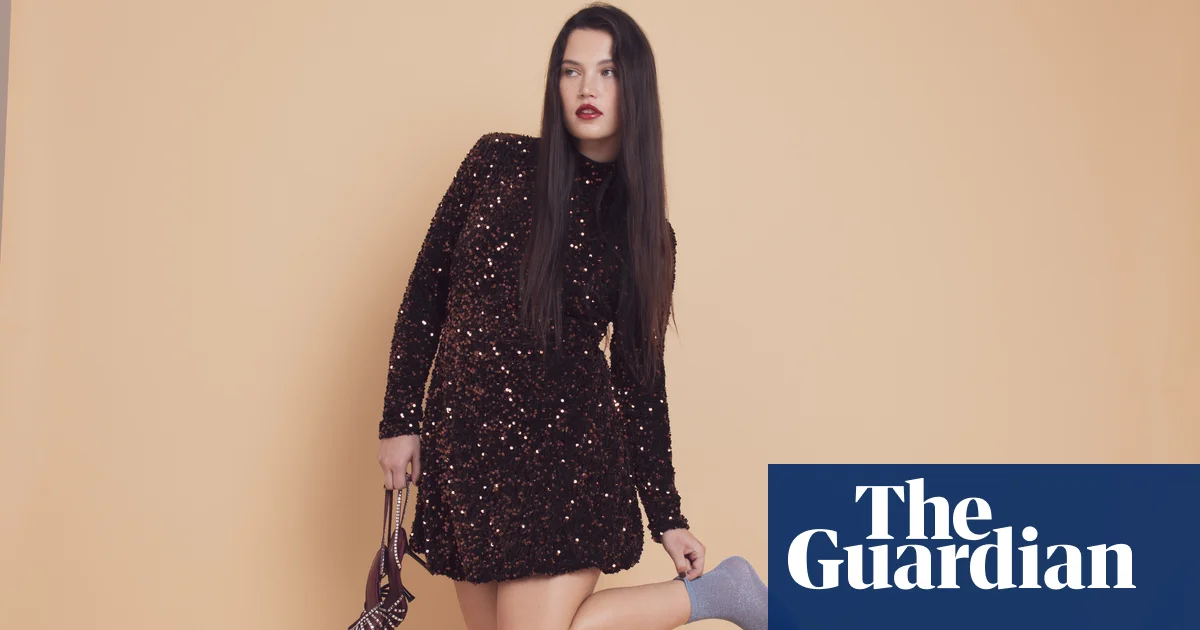
In the realm of party presence, the *new etiquette* champions ingenuity over conformity. Influencers such as Imogen May showcase outfits that turn the dial up on typical festive decor with sequined dresses, bold accessories, and playful socks that blend nostalgia with a modern edge. Dress, £110, from Albaray, and Heels from River Island exemplify how elevated eclecticism is shaping this year’s holiday wardrobe. The key takeaway? Clothing is now a deliberate act of *self-definition* rather than blind conformity. This shift underscores a *social relevance* where fashion becomes a tool of empowerment, especially among youth who seek to carve out their place in a cultural landscape that increasingly values authenticity over tradition.

As we peer into the future, the big question remains: could this *cultural shift in festive dress* be the catalyst for a broader societal movement? Will our holiday wardrobes become less about following worn-out traditions and more about **owning your style** unapologetically — not just during Christmas, but year-round? Sociologists and fashion commentators are debating whether this trend signals a new era where dress codes are less prescribed and more personalized, or if it’s merely a temporary revolt against outdated norms. What seems certain is that as the boundaries of societal expectation continue to blur, the next big question might be: **Are we witnessing the emergence of a new cultural paradigm—one where self-expression in fashion is the ultimate measure of social relevance?** Only time will tell, but one thing is clear: the future of festive fashion is about much more than just glitter — it’s about redefining who we are in every stitch and sequin.

Gift Lab by Mashable: The Ultimate Trend for Young Trendsetters

The Digital Shift: How Youth Culture is Reshaping Trends and Society

In today’s fast-paced world, social media influencers and online communities are redefining what it means to be engaged, expressive, and connected. Among the most compelling phenomena is the way young generations, especially Gen Z and Millennials, are shaping cultural narratives—often with more influence than traditional media ever could. From TikTok challenges to new lifestyle obsessions, this demographic is not just consuming content; they’re actively crafting it, steering the cultural ship in directions that leave older generations astonished and sometimes, even perplexed.

Particularly intriguing is the emergence of *new lifestyle trends* that resonate through platforms like Instagram and Snapchat. These trends often reflect deeper societal shifts such as a desire for authenticity, social justice, and self-expression. For instance, viral challenges centered around sustainability or mental health awareness are more than fleeting fads—they represent the social relevance of a generation eager to align their online personas with meaningful causes. Influencers like Emma Chamberlain and MrBeast exemplify this movement, blending entertainment with activism and prompting followers to rethink how they engage with the world around them.

The cultural impact of these developments extends beyond pop culture—they’re influencing consumer behavior and even societal norms. The shift in youth preferences toward ethical brands and self-empowerment is evident in the rise of companies that prioritize **sustainability** and truth-driven marketing. According to sociologists like Dr. Lisa Miller, this generation’s trend towards authenticity and social responsibility is rooted in a desire to build a community that reflects their values, rather than just chasing profits or superficial popularity. As a result, advertisers and brands are rapidly adapting, creating products and campaigns tailored to these emergent, youth-led priorities.

  • Viral Content remains king, with short-form videos rapidly going viral and setting new cultural norms.
  • Personal branding is now a primary concern for millions of young people, with social media serving as a modern-day portfolio.
  • Social activism has become a core aspect of digital engagement, transcending traditional political boundaries.

Yet, beneath the surface of this energetic trend lies an important question. As youth culture continues to influence societal norms at an unprecedented scale, are we witnessing the dawn of a {digital activism era} that could challenge established institutions long-term? Will the relentless pursuit of authentic self-expression and social justice foster genuine societal change, or will it devolve into performative activism driven by viral notoriety? As influencers and sociologists debate, one thing remains clear: this movement is not static—it’s evolving, and its future promises to be even more disruptive.

Thursday’s Top Picks: Dachshunds, Dave Ball, Drag Icons & Data Debacles – Your Ultimate Lifestyle Roundup

In today’s fast-paced world, the pursuit of a balanced lifestyle has become more than just a trend; it’s a movement rooted in the desire for personal well-being and a meaningful experience. As young individuals forge their paths, there’s an undeniable shift towards prioritizing health, leisure, and inspiration. From new wellness rituals to embracing the simpler joys, the emphasis now resonates with a clear message: life is a journey worth investing in.

Across the cultural landscape, experts like Dr. Mark Hyman, renowned for advocating holistic health, emphasize the importance of mind-body harmony. His approach underscores that wellness is not merely the absence of illness but a state of vitality cultivated through intentional choices. Inspired by wellness pioneers, many young people are redefining their routines—incorporating brisk outdoor walks, mindful meditation, or adopting a nutrient-rich clean eating regimen. These shifts are more than surface-level changes; they are about reconnecting with oneself and forging a resilient physical and mental foundation. The power of small, consistent habits proves transformative, echoing the wisdom that the journey to wellness begins with a single step.

In tandem with health, leisure and culture play pivotal roles in shaping lifestyle aspirations. For instance, a cultural renaissance champions authentic experiences—be it exploring historic cities like London or Paris, or indulging in immersive art and music festivals that foster community and soul-nourishing moments. This revival of experiential living promotes not just leisure but also mental rejuvenation. As the famous author, Brené Brown, advocates, vulnerability and authenticity are essential for genuine connection—be it with oneself or others. Embracing this awakening encourages young people to seek out adventures, celebrate their heritage, and find inspiration in everyday moments, reminding everyone that life’s richness is woven through these vibrant experiences.

Ultimately, the lifestyle journey is about more than fleeting trends; it’s about cultivating a mindset that values wellness, self-discovery, and personal impact. Every choice—whether it’s a mindful meal, a cultural excursion, or simply taking time to reflect—contributes to a resilient identity that celebrates vitality and purpose. As the successful entrepreneur and motivational speaker, Tony Robbins, emphasizes, “The future belongs to those who believe in the beauty of their dreams.” So, let this be a call to embrace everyday adventures, to live with intention, and to craft a life that aligns with your deepest values. Because, in the end, lifestyle isn’t just about the present—it’s about creating a legacy of health, happiness, and meaningful growth that inspires future generations.

Social Media Auto Publish Powered By : XYZScripts.com