Matox News

Truth Over Trends, always!

Your ultimate fashion-forward guide to Antwerp: Europe’s trendsetting alternative style hub for young explorers

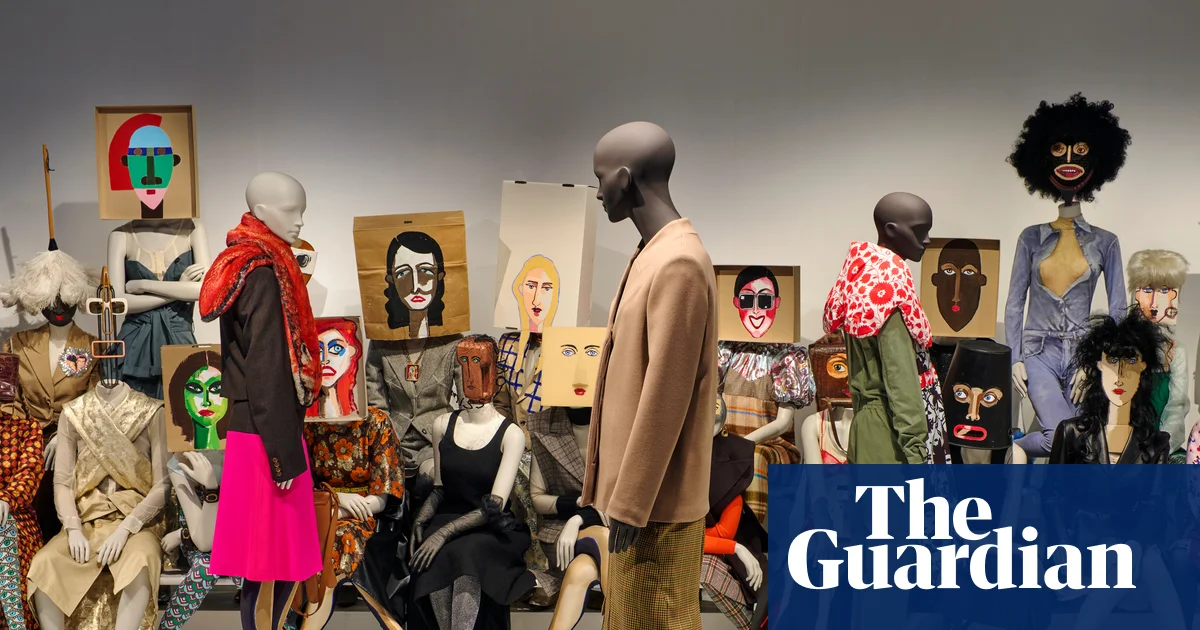
In the heart of Europe’s fashion frontier, Antwerp is proving that a city’s style isn’t just a matter of trend—it’s woven into its culture and history. Once considered the “parish of misery” in the 19th century, Antwerp has undergone a remarkable transformation, becoming an epicenter of avant-garde design and entrepreneurial spirit. This city, famous for its sumptuous guild houses and cobblestone streets, now showcases a thriving fashion scene that’s redefining how we think about style’s social and cultural relevance. From ancient guild halls to modern ateliers, Antwerp is living proof that **fashion is more than fabric—it’s a statement of resilience and identity**.

The city’s evolution into a fashion Mecca kicked into high gear with the rise of the Antwerp Six, a legendary group of designers who burst onto the international scene in the late 1980s, injecting vitality into a European fashion scene dominated by Paris and Milan. Led by visionaries like Dries van Noten and Ann Demeulemeester, these designers transformed Antwerp from a forgotten neighborhood into a vibrant fashion district. Today, walking along Nationalestraat feels like flipping through a living magazine—vintage stores, cutting-edge boutiques, and secondhand kilo stores sit side by side, forging a visual dialogue between the past and future.

The cultural impact of this fashion renaissance extends beyond the runway. Designers like Van Noten and Demeulemeester are celebrated globally, yet they remain deeply rooted in Antwerp’s community-oriented ethos. This is evident not just in their designs but also in projects like ReAntwerp, a social enterprise founded by local designer Tim van Steenbergen. ReAntwerp revitalizes leftover textiles from renowned Belgian ateliers, creating limited-edition classics that embody sustainability, craftsmanship, and social responsibility. Its mission to employ and empower refugees highlights fashion’s capacity to serve as a social equalizer, mixing culture and commerce in the process. This **blend of creativity and activism** underscores how fashion’s social relevance is being reshaped in Antwerp, making it more than just style—it’s a movement.

Antwerp’s deep roots in trade and art continue to influence its fashion scene as well. Once Europe’s largest port, the city thrived on the import of textiles, spices, and artisanal skills—heritage that now feeds its contemporary design ethos. The MAS Museum tells stories of this rich history, offering panoramic views from its roof terrace overlooking the bustling dockyards and river. Meanwhile, the Royal Museum of Fine Arts and the Cathedral of Our Lady showcase masterpieces by Rubens and Van Dyck, emphasizing that Antwerp’s cultural DNA is inseparable from its fashion identity. This heritage fuels a new wave of designers who see style as a form of storytelling, linking past and present in powerful, provocative ways.

The future of Antwerp’s fashion scene raises compelling questions. Will the city’s blend of history, art, and social activism continue to inspire a new generation of designers who prioritize sustainability and social impact? Or will the global fashion industry’s relentless commercial pressures threaten to dilute this unique cultural fabric? As young designers and cultural critics debate, one thing remains clear: Antwerp isn’t just shaping fashion—it’s rewriting its very definition. The next big question we should be asking is whether other cities will follow in Antwerp’s footsteps, transforming fashion districts into spaces of cultural and social dialogue. After all, in a world increasingly defined by quick trends and disposable style, Antwerp’s story is a reminder that true fashion begins with identity, resilience, and the courage to stand out—no matter how misunderstood or humble the origins might be.

Why Pointelle is the Ultimate Stylish Reset—The Trend Blowing Up Against ‘Brat’ Culture

From Underwear to Mainstage: The Cultural Comeback of Pointelle

Once a humble textile associated with girls’ vests, thermal wear, and delicate underwear, pointelle is making a surprising return to the spotlight—this time commanding the fashion runways and social media feeds of the youth. Defined by Merriam-Webster as “an openwork design, typically in the shape of chevrons,” pointelle has historically been seen as a domestic, even girlish fabric. But recent trends suggest it has taken on a social and cultural significance far beyond its origins. With brands like Cou Cou Intimates, Leset, and luxury designers such as Loewe showcasing vibrant, provocative pieces, this fabric is now at the forefront of a broader cultural shift—one marked by nostalgia, innocence, and subtle defiance.

Fashion Icons and Runway Revelations Spark the Trend

The resurgence kicked off when renowned designer JW Anderson debuted pointelle looks in his 2024 collection, featuring a striking Pepto-Bismol pink co-ord. This playful yet confident palette shattered traditional notions of fabric and color, signaling that pointelle is no longer confined to childhood or undergarments. Days later, the Loewe runway revealed a series of vividly colored V-neck dresses that demonstrated the fabric’s versatility and cultural resonance. Influencers and fashion insiders, like style icon Hailey Bieber, have embraced the trend, turning it into a staple of everyday chic. Their popularity amplifies its social relevance, transforming pointelle from modest to provocative, especially when worn by grown women—who use it as a tool of subtle rebellion.

Looking Backward to Leap Forward: The Power of Nostalgia

The appeal of pointelle lies in its nostalgic charm. As one of the brand founders, Rose Colcord of Cou Cou Intimates, explains, “People are craving familiarity, especially with how fast the world is changing.” This fabric evokes childhood innocence, free from societal judgments about appearance or style—an escape that resonates deeply with a culture increasingly obsessed with authenticity and self-expression. The pattern’s delicate holes and soft texture evoke images of crayons, candy floss, and carefree days, giving consumers a nostalgic boost in turbulent times. This cultural shift toward embracing ‘the simple life’ underscores a larger societal longing for comfort amidst chaos.

Subversion, Sexuality, and the Next Big Question

However, the story of pointelle doesn’t stop at nostalgia. When worn by adults, especially as underwear or form-fitting tops, it serves as a cultural signal of defiance. As Dalton, a fashion analyst, notes, “There’s something provocative about basic underwear on adult bodies.” Kristin Stewart’s recent public appearance in Y-fronts, for example, exemplifies this paradox—an ordinary garment, yet charged with gender and societal commentary. At moments of social tension—like high-profile red carpet events or post-breakup revenge outfits—pointelle features as a symbol of resilience and provocation. The question now is: will this trend redefine notions of femininity, modesty, and rebellion in the digital age? As viewers, influencers, and sociologists grapple with its social meanings, future challenges will determine whether pointelle remains a fleeting trend or evolves into a lasting cultural phenomenon.

Ultimately, what’s most fascinating is that a fabric once dismissed as merely “girlish” now stands at the intersection of nostalgia, sexual agency, and social critique. As the next chapter unfolds, the pressing question is whether society will embrace this delicate fabric as a symbol of youthful innocence or a tool of subversion—and what this says about our collective cultural trajectory.

Sonos Portable Speakers: The Ultimate Sound Experience for Trendsetting Youth — I Put Them to the Test

In recent years, the way young seekers of a purposeful lifestyle approach leisure and wellness has undergone a remarkable transformation. Technology-driven innovations now empower us to craft environments that not only elevate our entertainment but enrich our mental and physical well-being. Among these breakthroughs, portable speakers—especially those from Sonos—stand out as defining symbols of how tech and lifestyle coalesce seamlessly. Tested in diverse settings—from backyard hideouts to remote tropical escapes—these compact yet powerful devices exemplify a growing cultural shift: taking control of our corner of the world with incredible ease while maintaining the pursuit of _wellness_ and _leisure_.

At a Glance: The Sonos Lineup

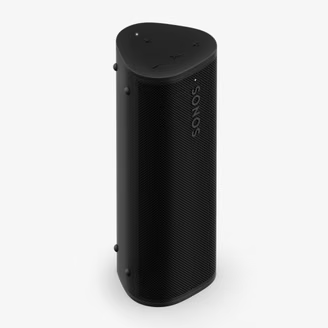
Sonos offers three stellar models that cater to different aspects of a youthful, active lifestyle. The Sonos Play is the versatile starting point, blending compact form with premium sound quality—perfect for those new to the Hermès of the living room or outdoor party. The Sonos Roam 2 takes portability to the next level, designed specifically to travel with you. It’s lightweight, waterproof (IP67 rating), and features wireless charging—a game-changer for convenience. On the other hand, the Sonos Move 2 embodies raw power, ideal for filling any space with spectacular sound—whether in your living room, park, or beach. Combining Bluetooth flexibility, Wi-Fi lossless audio, and a user-replaceable battery, it typifies the ‘lifestyle entrepreneur’ mindset of embracing control, quality, and _wellness_.

Each model aligns with the modern desire to integrate _wellness_—both mental and physical—into everyday life. The portable nature of these speakers fuels a lifestyle of _movement_, _adventure_, and _connection_, all while allowing us to fine-tune our environments for optimal leisure and peace of mind. Think of them as tools that transform mere space into an extension of your personal sanctuary, where sound becomes a catalyst for _reflection_ and _energy_.

Lifestyle Musings for the Modern Wellbeing Seeker

Today’s youth are redefining _wellness_ beyond traditional spa visits or gym routines. The latest wellness experts, such as Dr. Rangan Chatterjee or Jay Shetty, emphasize _mindful engagement_ and _purpose-driven living_, with tech playing a vital supporting role. The shift towards _wellness_ embeds itself in our daily habits—whether it’s curating the perfect playlist for meditation, outdoor yoga, or a backyard party. This cultural move toward _intentional living_ also reflects a desire to foster _community_ and _connection_, with portable speakers serving as an enabler of shared experiences that lift spirits and promote resilience.

To optimize personal impact through lifestyle choices—whether visiting natural parks, engaging in outdoor sports, or creating cozy indoor sanctuaries—consider these tips:

  • Travel with a compact, rugged wireless speaker to amplify your music, podcasts, or guided meditations, turning any environment into a _personal retreat_.
  • Use smart tech to craft _ambient_ atmospheres—think a podcast in the background during your evening wind-down or uplifting tunes for _motivation_ during workouts.
  • Complement listening devices with _wellness routines_—from mindful breathing to gratitude journaling—forming a holistic approach that balances _stress-relief_, _energy_, and _clarity_.

Embracing Lifestyle as a Journey

Choosing the right portable tech and weaving it into life’s tapestry isn’t merely about convenience but about _personal impact_—how your environment shapes your mental health, creativity, and leisure. Each product in the Sonos lineup mirrors a commitment to quality and_ _intentionality_—values at the core of a thriving, _purposeful_ youth culture. As movements like _Minimalism_ and _Biohacking_ gain traction, the aim is clear: harness technology not just for entertainment but as a tool for _self-expression_, _growth_, and _wellness_. This journey is ongoing, inviting us to step into roles where every choice becomes an act of _self-care_ and _empowerment_. Like a finely tuned playlist that moves us through different moods, lifestyle becomes a reflection of our pursuit to live meaningfully—with sound, comfort, and clarity guiding the way.

Today’s Hurdle Tips & Tricks: Your Ultimate Guide for March 31, 2026

In recent years, word puzzles like Hurdle and Wordle have morphed from casual pastime hobbies into a cultural phenomenon that speaks volumes about a shifting social landscape. These games, often simple in design yet richly layered in strategy, are captivating a new generation eager for short, engaging mental challenges. Their social relevance extends far beyond individual satisfaction—they are becoming emblematic of a collective craving for accessible yet stimulating entertainment amidst an increasingly digital age. Influencers and analysts now see these puzzles not merely as games but as reflections of society’s desire for connection, mental agility, and purpose. As TikTok and Instagram flood with puzzle challenges, it’s clear that this trend is redefining how youth engage with their leisure time, making cognitive fitness trendy and culturally significant.

At the heart of this movement are games like Hurdle, which features five interactive rounds where players guess words based on hints and previous clues. With clever mechanics—such as guessing the same answer from previous rounds to build on prior knowledge—these puzzles promote a sense of mastery and progression that appeals profoundly to young users craving instant feedback and achievement. Interestingly, the social fabric woven into these games is reinforced by a culture of sharing breakthroughs, hints, and strategies online. Influential accounts on platforms like TikTok and YouTube are now dedicating content to dissecting solutions, turning casual players into interactive communities. This dynamic transforms individual gaming into a collective experience, empowering youth to engage with puzzles as a form of social currency and identity.

This trend’s cultural impact extends beyond entertainment. It taps into a broader societal shift—the desire for quick mental stimulation in a world full of information overload. As psychologist Dr. Laura Stevens points out, these puzzles foster skills like pattern recognition, problem-solving, and resilience. They also serve as an accessible form of mental exercise that breaks down barriers of age or skill level. Notably, brands and media outlets have jumped in, offering daily hints, answer guides, and dedicated apps, making these puzzles a daily ritual for many. For example, the recent success of games like Mahjong, Sudoku, and crossword puzzles on Mashable’s platform exemplifies this trend’s mainstream embrace. The symbols and strategies behind these puzzles are subtly shaping the cultural narrative—one that values quick thinking, resilience, and shared experiences.

As the puzzle craze continues to grow, the next big question emerges: what does this say about future societal values? Are we heading toward a generation that prioritizes mental agility and communal problem-solving as core aspects of identity? Could this trend influence educational systems or workplace culture, favoring skills like adaptability and quick wit? Or might it evolve into a new form of social activism—using puzzles to unite communities around solutions to larger societal issues? The fun, engaging surface of games like Hurdle conceals a deeper narrative—one about how entertainment shapes our worldview and social bonds in the digital age. The answer, undoubtedly, is still unfolding, and in the world of youth culture and innovation, that’s what makes this puzzle so compelling.

SteelSeries Nova Pro Wireless drops $80 — the ultimate upgrade for gaming on the go

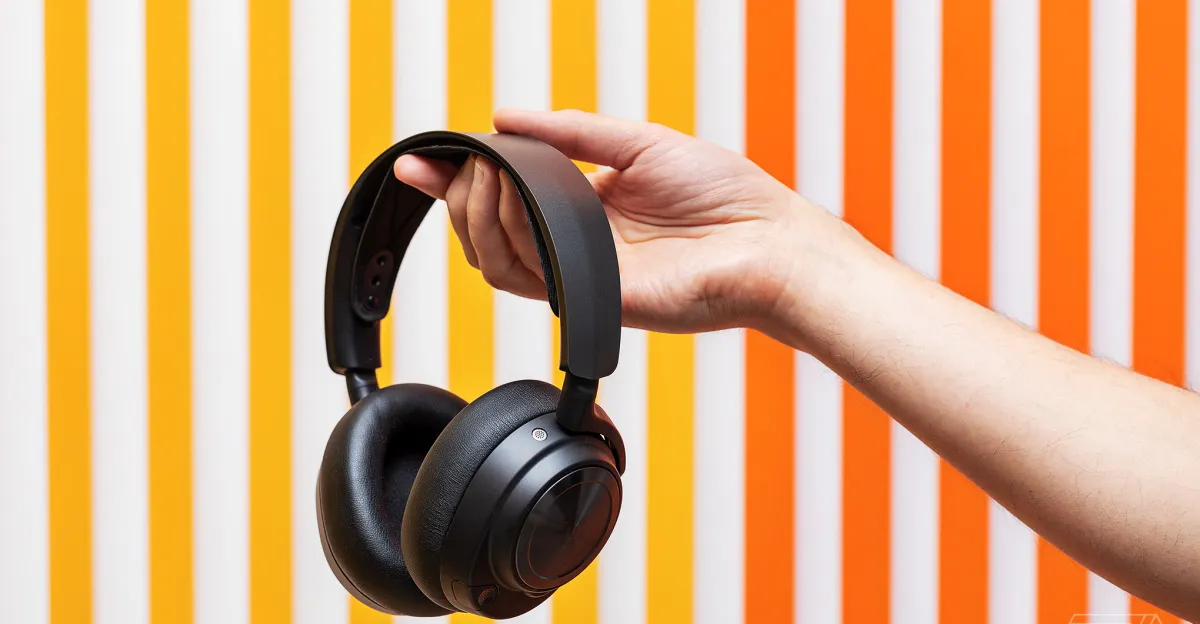
In an era where technological innovation continually disrupts the gaming accessory landscape, SteelSeries has demonstrated formidable staying power with its Arctis Nova Pro Wireless. Released nearly four years ago, this device challenges industry norms—not just through its longevity, but through an impressive integration of features that set a high bar for competitors. Combining multi-source audio capabilities, active noise cancellation, hot-swappable batteries, and an adjustable design, the Nova Pro Wireless exemplifies disruption that redefines what gamers expect from premium headsets. Despite the rapid pace of evolution in consumer tech, SteelSeries’ commitment to innovation solidifies its position as a market leader amid the din of emerging startups and established players alike.

The headset’s staying power can be attributed to its deep understanding of user needs and technological mastery. High-profile reviews from The Verge underscored the product’s extensive feature set, emphasizing the seamless integration of multiple audio sources and ergonomic design. Such features resonate with a new wave of gamers demanding versatility, comfort, and premium sound quality—factors that are accelerating the shift toward dedicated gaming peripherals as essential components of the digital lifestyle. More recently, SteelSeries introduced the Nova Pro Elite, a premium iteration priced at $599.99, boasting an upgraded build and hi-res audio. However, industry analysts suggest that the original Nova Pro Wireless, typically retailing at around $379.99 and now discounted to under $300, offers a far more accessible yet equally effective solution that appeals to a broader audience.

This product evolution signals more than just consumer preference—it highlights a broader shift in industry dynamics. In a market increasingly influenced by big tech investments, companies like SteelSeries are proving that disruptive innovation still thrives within niche segments. The gaming peripherals industry, encompassing headsets, keyboards, and mice, is becoming a proving ground for *next-generation* technology; concepts like active noise cancellation, multi-device connectivity, and hot-swappable components are now standard expectations rather than luxury features. Such features are no longer exclusive to high-end devices, they are becoming the baseline as manufacturers innovate to outpace rivals and capture a fiercely competitive market. Experts from Gartner and MIT emphasize that this rapid pace of product refinement is characteristic of a sector where *disruption accelerates the adoption of high-tech solutions*, forcing competitors to rethink traditional models and prioritize agility and innovation.

Looking forward, the implications for the gaming headset industry—and tech markets at large—are profound. As digital ecosystems expand and consumer demands evolve, companies that leverage cutting-edge innovation and disruptive approaches will define future success. SteelSeries’ ongoing evolution with products like the Nova Pro Wireless exemplifies the importance of bridging quality, features, and affordability—a strategy that could set a precedent for tech firms aiming to lead in a congested marketplace. With industry giants, startups, and tech giants alike investing heavily in immersive, wireless, and multi-sensory experiences, the next wave of disruptive innovation is coming fast. Investors, developers, and consumers should be prepared; the future belongs to those who can balance innovation with strategic disruption, forge new standards, and quickly adapt to shifts in the digital terrain.

Could Fuzzy Crocs Be the Ultimate House Shoe? Yeah, We Said It | Life & Style

In the ever-evolving landscape of lifestyle choices, a quiet but unmistakable shift is taking place: comfort and self-expression have become the new frontiers. At the heart of this movement are iconic, often misunderstood footwear like Crocs, now boldly reinvented with plush, faux-fur-lined interiors. Once considered the working-class standbys of practicality—water shoes, clogs, utilitarian footwear—Crocs are emerging as symbols of *embracing* individualism without sacrificing comfort. This transformation exemplifies a broader societal trend—more young people than ever are prioritizing their wellness and personal impact over outdated fashion norms, opting instead to cultivate a lifestyle rooted in ease, authenticity, and a touch of rebellious comfort.

Faux-fur-lined Crocs
Source: Marissa Miller/The Guardian

The Crocs Baya Faux-Fur-Lined Clog exemplifies this shift. Retailing from $44.97, these shoes are more than just a quirky fashion statement—they are a lifestyle upgrade. The plush lining offers an unmatched *sense of comfort*, turning mundane routines into moments of *wellness*, and the ease of slip-on design aligns with our increasingly *on-the-go* culture. The appeal lies in its *simplistic functionality*. Their roomy toe box and anatomical footbed promote natural movement, making them perfect for everyday tasks—whether it’s lounging at home or quick errands outside. The lightness of these Crocs fosters an almost *weightless freedom*, providing both physical relief and a mental reset from the formalities of traditional footwear.

A Sneaker? A Utility? A Lifestyle Statement

Beyond the comfort, these shoes symbolize something larger—a conscious choice to reject societal pressures for perpetual style over substance. Experts like wellness author Dr. Rhonda Patrick repeatedly emphasize the importance of integrating personal comfort with health, highlighting how footwear that supports natural foot mechanics can improve overall wellbeing. While some physiotherapists might debate the superiority of adjustable straps for certain activities, real-world experience suggests that once comfort is prioritized, injuries or discomfort are less likely to rear their heads. For many young people, this rejects the *fast fashion treadmill* and instead promotes a form of living where *self-care* and *functional style* coexist organically.

Faux-fur-lined Crocs close-up

The Power of Small, Purposeful Movements

Research from the Best Practice & Research Clinical Endocrinology underscores how up to 30% of our activity is made up of non-exercise movements—those tiny moments that add up, like tidying up, walking around the house, or pacing during calls. For the modern young adult, this is where such footwear truly shines. Faux-fur-lined Crocs aren’t just for practicality—they’re tools to *beautify* the mundane. They turn everyday chores into *acts of self-love*, helping us reconnect with the simple joy of movement without the burdens of restrictive shoes. Here, comfort becomes a *gateway* for mindful living, inspiring us to *reclaim* those small daily tasks and realize that wellness isn’t just a destination, but a collection of these quiet, intentional choices.

As the narrative around wellness continues to unfold—shifting from external appearances to internal states—these once-dismissed Crocs now embody a philosophy: life is *more meaningful* when lived with authenticity and ease. They remind us that embracing the practical, the quirky, and the *comfortable* can lead to a more *holistic* sense of self. Sometimes, it takes stepping into a pair of fur-lined Crocs to rediscover that the journey to wellness begins with *simple* yet powerful steps—literally, in the shoes we choose to wear. Because in the end, lifestyle isn’t just about how we look; it’s about how we feel, and how those feelings inspire us to move forward with unwavering confidence.

Why Rocking Traditional Style Is the Ultimate Bold Statement in Today’s Culture | Fashion

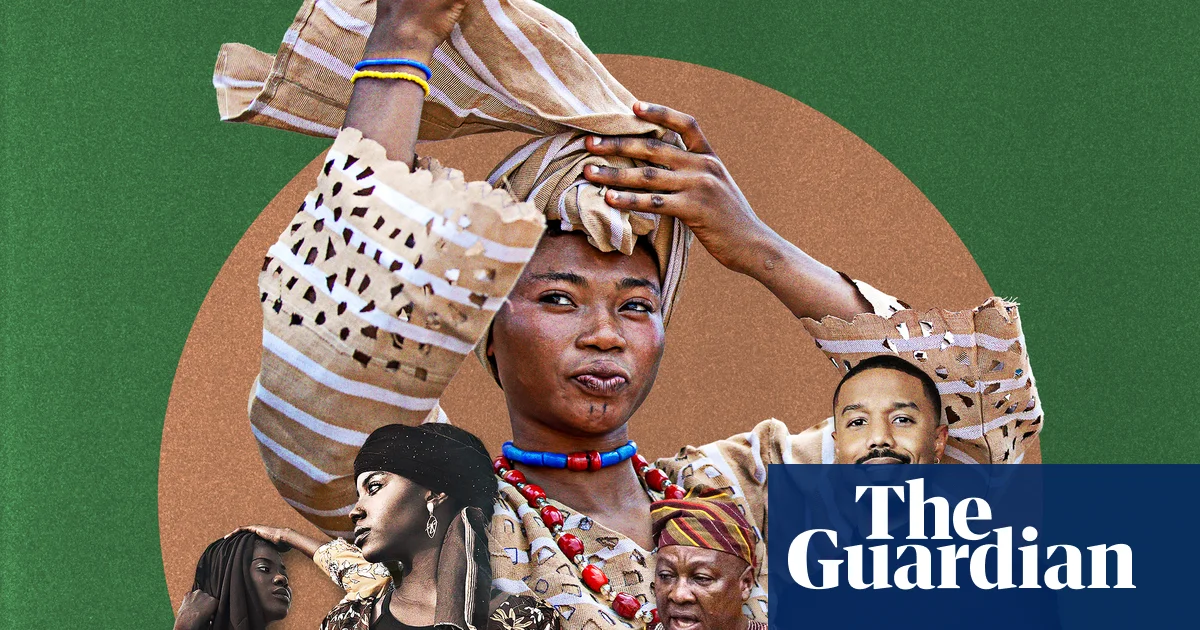
In a world increasingly shaped by fast-paced global trends and digital influences, a fascinating cultural revival is quietly underway across Africa and among diaspora communities. This movement centers around the re-emergence and celebration of traditional attire, which, despite facing some criticism and misunderstood perceptions, is gaining momentum as an expression of identity and social relevance. Recently, such discussions gained media attention after Ghanaian President John Dramani Mahama was seen donning the fugu, a vibrant patterned smock, during a state visit, sparking both mockery and a broader conversation on the significance of cultural clothing in modern society.

This incident led the Ghanaian government to declare every Wednesday as “Fugu Day”, turning what was initially light-hearted mockery into a national movement. This phenomenon reveals a deeper societal undercurrent — that *wearing traditional dress* is not just about fashion but about anchoring oneself in heritage, asserting cultural pride, and challenging the misconception that tradition equals primitiveness. From Nigeria, Sudan, Morocco, to Senegal, traditional garments like the galabeya, kaftan, and dashiki are transforming fashion norms by blurring the lines between heritage and contemporary style, especially among youth and influencers who are redefining what it means to be culturally authentic in today’s world.

Among younger generations, particularly those living in the diaspora, traditional dress is experiencing a **complex shift**. While some embrace their cultural garments openly, others see them as symbols of old-world association or even stereotypes, which has fueled a form of dress-code ambivalence. As sociologists note, there exists a social divide: older generations view traditional attire as an essential part of their identity, whereas *the younger diaspora* often perceives these garments as *out of place* or even a marker of alienation from Western norms. Yet, paradoxically, dynamic influencers and designers are turning this narrative on its head, promoting traditional clothing with contemporary cuts, sustainable fabrics, and bold prints, positioning it squarely as a *trend that’s both authentic and fashion-forward*.

Notable figures like Michael B. Jordan sporting dashikis on red carpets exemplify how traditional aesthetics can be seamlessly integrated into the Western fashion scene, challenging the long-held notions of what ‘acceptable’ dress entails. Meanwhile, *cultural commentators and fashion analysts* argue that the rise of traditional wear is a form of *cultural resistance*—a statement of independence against the dominance of synthetic, muted palettes that often dominate Western fashion. As these garments regain prominence, questions swirl around the **social relevance** of dress codes that once divorced cultural symbols from everyday life. Now, traditional attire is being *mainstreamed* into youth culture, social media campaigns, and even political statements, fueled by influencers, musicians, and creatives who advocate for *authenticity over assimilation*.

However, amidst this wave of cultural resurgence, the **next big question** looms: Will this embrace of traditional dress lead to a more profound societal shift toward *cultural pride and diversity*, or is it just another trend that will fade into the digital ether? Or perhaps, as some sociologists suggest, it is pointing to a future where *multiple identities are not mutually exclusive* but coexist as part of a broader, more inclusive cultural narrative. As we witness this lively dance between tradition and modernity, one thing remains clear — the future of fashion and identity lies in whether we choose to *celebrate our roots* or risk losing sight of what makes us distinctly cultural beings.

Score the ultimate sleep upgrade: Top-rated pillows, budget-friendly Ikea mattresses, and more—your dream bed awaits!

Unlocking the Power of Rest: A Lifestyle Revolution for Today’s Youth

In an era where wellness trends explode overnight—from mouth taping to potato beds—the pursuit of better sleep has transformed from a casual choice to an essential lifestyle shift. Among ambitious young individuals, there’s a growing awareness: the secret to success, vitality, and overall well-being begins with quality sleep. Today’s youth are increasingly willing to invest in their health not merely through fleeting fads but by adopting pragmatic routines—powerful routines that prioritize their body’s most vital needs. This movement is not only about catching more Z’s but about embracing a holistic lifestyle that values waking up refreshed, energized, and ready to conquer.

Organizations like the National Sleep Foundation recognize this cultural shift, dedicating weeks to raising awareness on sleep health. During Sleep Awareness Week, from March 8 to March 15, numerous brands offer enticing discounts on premium mattresses, pillows, and sleep accessories, making healthier sleep more accessible than ever. For young adults, investing in a foam mattress like the popular Helix Dusk, which contours with innovative dynamic foam, means more than just comfort—it’s an act of self-investment. Cutting-edge products such as adjustable pillows from brands like Coop Sleep Goods or the smart original adjustable pillow now come with discounts, making tailored sleep environments a reality for every budget.

Moreover, the importance of personal impact resonates deeply within this movement. High-quality sleep benefits mental clarity, physical health, and resilience—crucial elements for young people navigating a fast-paced world. Sleep psychologist Aric Prather emphasizes that the foundation of a productive life starts with a good mattress, as a bad mattress can aggravate injuries or create new ones—health risks often overlooked. Smart accessories like sleep earbuds and wearable sleep tech are revolutionizing how young adults block out distractions and maintain a daily rhythm. These innovations, coupled with beautifully crafted bedding like the Bed Threads linen duvet cover or the plush Brooklinen down comforter, facilitate an environment optimized for deep, restorative sleep—an essential element for fostering a resilient mindset.

  • Travel Hack: Use sleep masks and portable speakers to turn any environment into a sanctuary.
  • Lifestyle Hack: Dedicate 10 minutes before bed to relaxing routines, minimizing screens, and practicing **mindfulness** to enhance sleep quality.
  • Inspiration: Recognize that every night’s rest is a deliberate act of self-love—an investment in your dreams, your health, and your future.

As this journey towards _better sleep_ unfolds, it leaves an indelible impression: lifestyle is a continuous voyage rooted in self-awareness and proactive choices. By embracing quality sleep as a cornerstone of their daily routine, young individuals are not just improving their nights—they are setting the stage for triumphs in their days. The transformative power lies in commitment—a deliberate pact to nurture oneself through every dawn. The real awakening comes not merely from the rising sun but from recognizing that a well-rested mind and body are the ultimate tools for shattering barriers and redefining what is possible. As the pursuit of wellness evolves, so too must our understanding that our lifestyle choices today echo through our future—each night an opportunity to seize dreams and craft a life worth waking up for.

Jess Cartner-Morley reveals the ultimate chill hack: Rock those jeans with heels for effortless chic

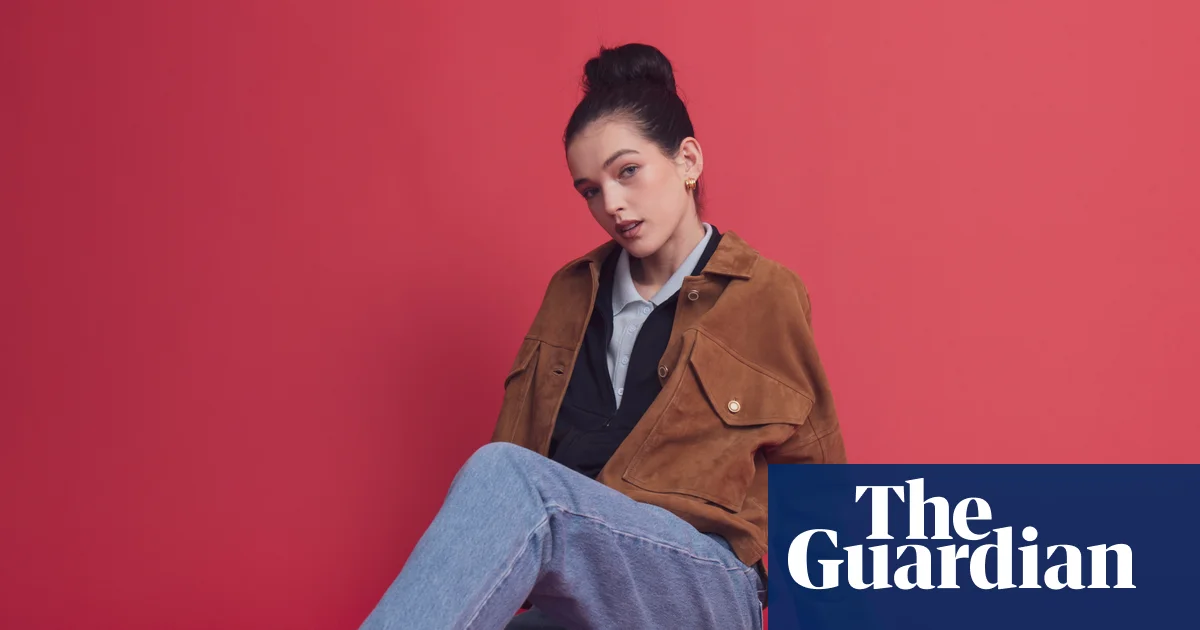
In a world constantly buzzed by fleeting trends and viral styles, there’s a timeless combo that continues to defy the churn of fashion cycles: jeans with heels. This look, often associated with effortless confidence and a sense of personal authority, has woven itself into the fabric of modern lifestyle aesthetics. As influencers like Victoria Beckham showcase this pairing in their street style, and sociologists analyze its social impact, it’s clear that this isn’t just about fashion — it’s a statement of autonomy and self-assuredness for a generation eager to redefine what authority looks like.

What makes this pairing fundamentally compelling is its cultural significance. Jeans have historically symbolized rebellion and democracy, transcending social hierarchies to become a universal staple. When elevated with a pair of heels, they morph into an expression of confidence and clarity that resonates deeply among young people seeking authenticity amidst a saturated media landscape. Fashion analysts highlight that the mathematics of silhouette—roughly speaking, the architectural strength of denim combined with the elongating, poised effect of high heels—creates a powerful visual language. It tells a story: a woman who owns her space, on her own terms, and with style that’s both practical and theatrical.

  • Versatility: Straight-leg jeans are the easiest to style with heels, whether pointed or almond-shaped for an elegant look or chunky for a more commanding silhouette.
  • Accessibility: Unlike luxury handbags or jewelry, the brands behind denim range from high-end to affordable, making the look ubiquitously attainable yet still rooted in exclusivity.
  • Social Signaling: Wearing jeans with heels is more than an outfit choice; it’s a *behavioral trend* that signals confidence, independence, and a willingness to stand out without overcompensating.

As cultural commentators note, the audible impact of heels—the crisp tap of heel tips on a hard surface—adds a layer of *theatre* and *presence* to this look, reinforcing the wearer’s command. This isn’t about dressing up just to turn heads; it’s about projecting an image of assured self-possession. From Victoria Beckham to the countless style icons sharing their versions of these ensembles on social media, the message is clear: confidence is the new chic. And it’s accessible, playful, and deeply empowering.

Fashion cycles may come and go, but the core appeal of jeans with heels persists because it taps into something deeper than trend: a collective desire for authentic expression and personal strength. Sociologists suggest that this ongoing style evolution reflects a broader cultural shift—embracing individuality while celebrating the shared language of style that connects generations. The question that remains, however, is whether this enduring fashion statement will evolve into something even more disruptive—perhaps a radical redefinition of authority in a society increasingly driven by personal authenticity and digital validation. Could the next frontier be less about the outfit itself and more about what it signifies in a world where self-made narratives are king?

Cracking the Quadruple Axel: The Ultimate Challenge in Figure Skating’s Tech Race

Revolutionizing Figure Skating with Biomechanical Insights and High-Flying Innovation

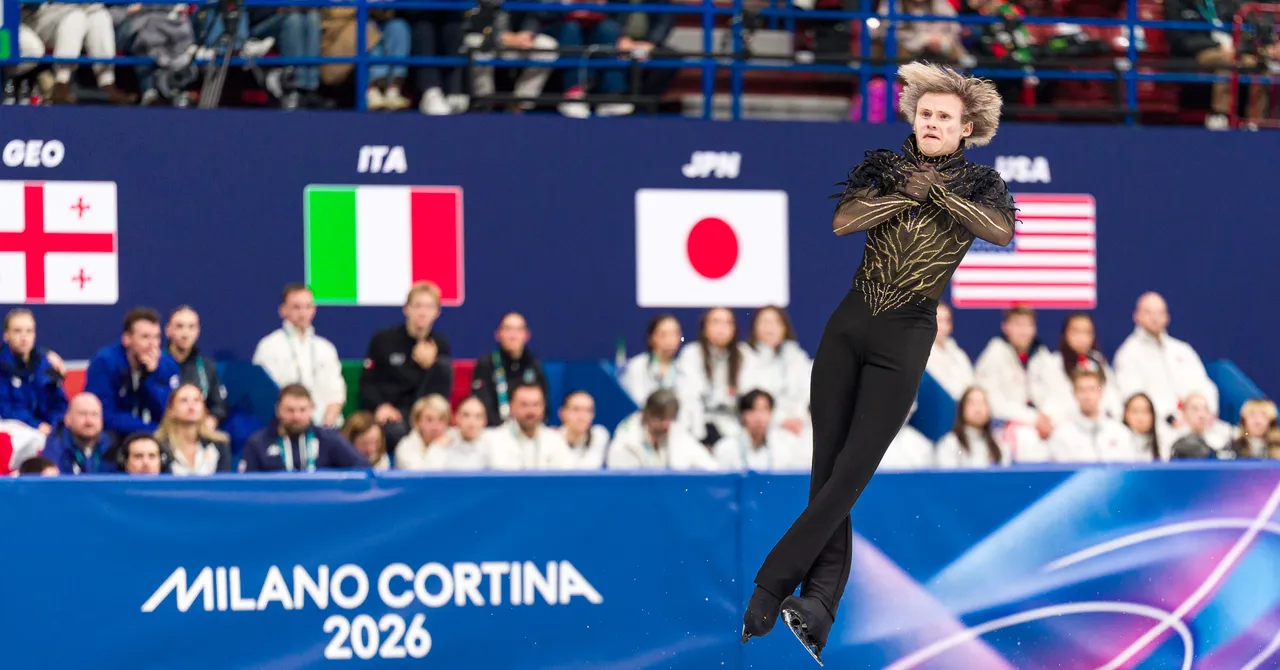
2024 marks a pivotal year for technological disruption in sports biomechanics, as Toin University researcher Seiji Hirosawa unveils groundbreaking insights into the mechanics of quad axel jumps. Published in Sports Biomechanics, this study bridges the gap between science and athletic mastery, highlighting how advances in data analytics are transforming conventional understandings of elite athletic performance. At the core of this breakthrough is a focus on vertical jump height, an element previously underestimated in biomechanical evaluations. Hirosawa’s findings suggest that increasing flight height is not just a technical nuance but a strategic imperative in mastering the most complex ice skating maneuvers.

This revelation arrives amid a broader wave of disruption in sports technology, with innovations such as the Ice Scope tracking system providing unprecedented precision in performance analysis. Leveraging high-resolution data, researchers can now dissect minute biomechanical parameters—vertical height, horizontal displacement, and velocity—culminating in a granular understanding of athlete mechanics. As the industry evolves, insights driven by data-driven biomechanics are forcing traditional rating and training paradigms to adapt rapidly. Experts from institutions like MIT and analysts from Gartner highlight that such technological infusion not only enhances athlete performance but also shifts the economic landscape, intensifying competition among brands offering cutting-edge sports analytics tools.

The business implications of this shift are profound. Companies investing in AI-powered motion tracking, real-time analysis, and simulation software stand to redefine training regimes, offering athletes and coaches a distinct advantage in pushing performance boundaries.

  • Enhanced performance predictions through machine learning
  • Customized training plans based on biomechanical data
  • Early injury detection to extend athletes’ careers

These innovations threaten to disrupt legacy sports equipment manufacturers and propel tech firms into the spotlight, as the demand for smarter, more precise training solutions explodes. Notably, Elon Musk’s Neuralink and similar ventures exemplify the broader trend of merging human performance with advanced interfaces—an approach increasingly vital in high-stakes sports settings.

Looking ahead, the integration of biomechanics, AI, and wearable technology signals a transformative era for competitive sports. Athletes like Ilia Malinin exemplify this wave, leveraging scientific insights to push the limits of what’s possible—literally soaring to new heights. Yet, this rapid evolution also warrants caution; as technology becomes embedded in athletic training, it raises questions about fairness, accessibility, and the potential for new arms races. Industry leaders and policymakers must work with scientists to navigate these challenges proactively. Ultimately, the future belongs to those prepared to harness innovation at every stage—from biomechanical research to commercial application—where the winners will be those who act before the next big leap in athletic performance is achieved.

Social Media Auto Publish Powered By : XYZScripts.com