Matox News

Truth Over Trends, always!

Cappadocia: Turkey’s Ultimate Trailblazing Spot for Youthful Adventurers

Embracing the Spirit of Adventure: Discovering Cappadocia

In the heart of central Turkey, lies a landscape more surreal than any daytime dream—Cappadocia. Famous for its whimsical “fairy chimneys”, this region encapsulates a perfect synergy of natural wonder and human ingenuity. Thousands of years ago, this terrain was forged from volcanic ash that cooled into soft, porous tufa rock—a material so easy to carve yet hardened upon exposure to air. Over centuries, water, wind, and time sculpted these formations into towering spires and intricate cave dwellings. Today, these ancient structures not only mark Cappadocia’s rich history but also serve as a testament to the resilience and ingenuity of its early inhabitants, who carved monasteries, churches, and homes directly into the rocks.

While captivating aerial views from countless hot air balloons draw visitors from around the world, seasoned explorers know that the region’s true magic unfolds on foot—or even better, horseback. The region’s extensive trail system and guided tours allow travelers to experience the authenticity of Cappadocia’s rural past and connect deeply with its landscape. As medieval art historian Tolga Uyar highlights, sites like Zelve have stood for over 1,400 years, continuously inhabited and reimagined, making them living, breathing monuments to history. Wandering these ancient roads, a visitor can glimpse into the lives of monks, farmers, and early Christians who sought refuge amidst the rocks, carving out communities that defy time.

For those seeking a personal impact beyond mere sightseeing, Cappadocia offers numerous wellness-oriented activities. The naturally preserving environment invites tranquil hikes through lush river valleys like Ihlara, where spring blossoms and the melody of nightingales create an almost meditative experience. Guided excursions, such as those led by locals like Mehmet Güngör, reveal hidden churches and plant species unseen by casual travelers. The region’s horse-riding tours, especially at Cemal Ranch, embody a sense of freedom and harmony with nature. As Cemal Koksal reflects, riding in these valleys provides a peaceful connection to Turkey’s historic Yılkı horses, a tradition of free-roaming steeds that symbolize the wild, unspoiled character of Cappadocia.

  • Travel Tips: Embrace guided walks to unlock secret pathways and learn about the region’s history from locals with generations of experience.
  • Lifestyle Hacks: Carry lightweight hiking gear, water, and a camera to capture the breathtaking contrasts—from pinkish dawns in Red Valley to the lush greenery of Ihlara in spring.
  • Leisure Inspiration: Participate in full moon hikes or sunset horseback rides to view the valleys in their most dazzling light, fostering a sense of wonder and personal renewal.

In this landscape where centuries-old churches meet the natural artistry of erosion, inspiring tales and visuals intertwine to remind us that lifestyle is a journey. Whether scaling ancient steps into monasteries or riding under crimson sunsets, visitors are invited to rediscover their own sense of adventure and grounding. Cappadocia continues to beckon those with a spirit for exploration, offering a timeless canvas where history, nature, and personal transformation meet in perfect harmony. Ultimately, embracing such a journey is about more than sightseeing; it is about welcoming the possibility of transformation and habitually seeking beauty in the world—and within ourselves.

COROS NOMAD Unleashes Next-Level Navigation with Offline Maps — The Ultimate Watch for Trendsetting Adventurers

In a world increasingly obsessed with exploring the outdoors and embracing an active lifestyle, the COROS NOMAD is emerging as a symbol of how technology is reshaping our engagement with nature. This innovative smartwatch isn’t just a device for telling time—it’s a game-changer in outdoor navigation. Its lightweight design, combined with the powerful integration of full offline mapping, has caught the attention of trend-savvy consumers and outdoor enthusiasts alike, signaling a shift in how society perceives adventure and self-sufficiency.

What makes the NOMAD stand out is its ability to provide **detailed navigational information without reliance on cellular networks**. Unlike conventional smartwatches that depend on connected devices or Wi-Fi, this watch operates independently, giving users the confidence to venture into remote wilderness areas. This feature has catapulted it into the cultural lexicon as a symbol of independence and resilience. Influencer explorers, such as renowned outdoor adventurer Jessica Green, have leveraged the device for their expeditions, showcasing the blend of rugged utility with modern tech. Sociologists highlight that this meld of nature and innovation reflects a broader societal desire to reclaim agency over our environment, especially in a digital age which often feels overly connected and over-controlled.

The social relevance of this trend extends beyond outdoor recreation. It taps into a collective longing for authenticity, adventure, and self-reliance—values that resonate strongly among the youth. As urban environments become more saturated, the aspirational pull of raw, unfiltered nature is fueling a cultural shift, with consumers seeking gear that underscores this lifestyle. This isn’t merely about having the latest gadget; it’s about _how_ that gadget symbolizes a larger narrative of independence and self-empowerment. Top trend reports note that brands like Coros are not just selling a product but propagating a cultural movement—one that embraces active, minimalist, yet tech-savvy lifestyles.

  • The integration of detailed offline maps into wearable tech
  • The rise of adventure-driven social media content
  • The growing influence of outdoor lifestyle influencers
  • The redefinition of rugged masculinity and femininity in modern society
  • The shift towards sustainable and self-sufficient outdoor gear

As analysts suggest, this trend mirrors shifts in societal attitudes—moving away from dependency on technological infrastructure and toward fostering personal resilience. The NOMAD, with its sleek design and comprehensive offline capabilities, exemplifies how product innovation can serve as a cultural catalyst. It’s effectively transforming the outdoor experience into a statement of individual grit, appealing especially to a generation that values authenticity and self-determination. This empowerment theme echoes broader societal debates on independence, technology, and the reimagining of adventure in the 21st century.

However, as the popularity of such devices soars, a provocative question emerges: _Could this embrace of individual survival technology mark a larger societal pivot away from centralized systems altogether?_ The next big challenge may involve how these gadgets influence our collective understanding of community, safety, and reliance on infrastructure. If more young explorers begin to trust their own navigation skills over traditional tools, what does this mean for the future of outdoor recreation and our social fabric? As the boundaries between technology and society continue to blur, viewers are left pondering whether this trend is merely a passing fascination or the dawn of a new era of resilient, tech-powered individualism.

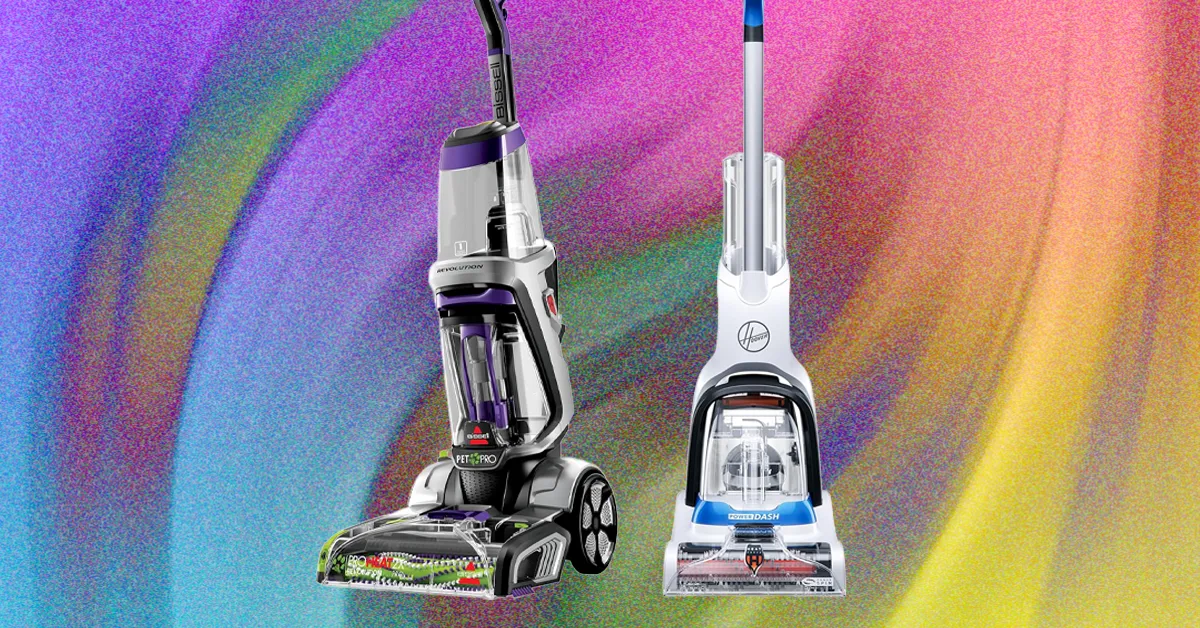
Top Carpet Cleaners of 2025: The Ultimate Youth-Approved Picks

Home Cleaning Tech Breakthroughs Signal Disruption for Industry Giants

In an era where disruption defines market leaders’ strategies, recent advancements in smart cleaning technology are setting new benchmarks, forcing legacy giants to reevaluate their dominance. Leading companies like Dyson and Shark are facing stiff competition from innovative startups armed with IoT-enabled, ultra-efficient devices that blend innovation with practicality. With industry analysts from Gartner highlighting the rapid pace of change, it is clear that the traditional vacuum and cleaning appliance market is on the cusp of a seismic shift—carrying profound business implications for established players.

The advent of AI-powered, autonomous cleaning robots and multifunctional devices underscores a broader industry trend: the merge of convenience, efficiency, and smart integration. For instance, devices like the Eufy E28 HydroJet and Dreame H14 Pro incorporate features previously confined to individual appliances. These innovations include liquid spill management, self-cleaning cycles, and app-controlled scheduling, demonstrating how disruption is transforming appliance functionality into an integrated ecosystem. Experts from MIT underscore that the convergence of robotics and IoT signifies a strategic pivot—favoring adaptability and consumer engagement over sheer power or cost savings.

Business implications of these innovations are far-reaching

Traditional cleaning product companies are grappling with the challenge of meeting the rising consumer demand for seamless, smart solutions. The cost of R&D in autonomous platforms and advanced sensors is high, but the payoff is equally substantial. Game-changing features include adaptive navigation, obstacle detection, and even intuitive stain removal, all fueled by machine learning algorithms—hallmarks of industry-disrupting innovation. As Elon Musk has repeatedly emphasized, the integration of AI and robotics heralds a new era, where products are not just tools but connected, intelligent systems. This shift threatened to commoditize previous high-margin sectors but also opens a window for aggressive entrants to redefine market standards.

From a business standpoint, companies capable of capitalizing on such disruptive innovations stand to unlock new revenue streams and secure competitive advantages. For example, brands blending cleaning with air and water purification could tap into the health-conscious consumer segment, magnifying their market footprint. Meanwhile, established brands face increasing pressure to abandon legacy products for more disruptive, AI-driven designs, with some analysts warning that Huawei and Xiaomi-like companies might leapfrog traditional giants in the connected home space due to their aggressive innovation strategies.

Looking ahead: the future of smart cleaning technology is now

The industry is at a pivotal juncture—timing is critical for those who wish to lead. Innovation is not only about enhanced features but also about disrupting the business models of companies complacent with incremental improvements. The next decade promises a rapid acceleration of disruptive technologies, driven by breakthroughs in robotics, edge computing, and AI. Companies must remain vigilant and agile; otherwise, they risk obsolescence as market shifts favor fully autonomous, integrated solutions over traditional appliances. In the high-stakes game of technological dominance, timing, innovation, and strategic disruption will determine who leads the smart home revolution and who gets left behind.

As industry leaders and startups jostle for dominance in this lucrative space, one thing is clear: the smart home of tomorrow is being built today. Stakeholders must act decisively—and fast—if they wish to secure their legacy in the emerging era of home automation. The future belongs to those who recognize that disruption isn’t just an option; it’s an imperative.

Acer’s New 2-in-1 Chromebook Packs Touchscreen and AI Power for the Ultimate Student and Young Professional Gear (TrendHunter.com)

In a world where digital lifestyles are rapidly evolving, technology brands like Acer are setting the tone for next-gen productivity and entertainment with innovations like the Acer Chromebook Plus Spin 514. This 14-inch convertible device is more than just a laptop; it embodies a larger shift in how young users approach connectivity—blurring lines between work, play, and social interaction. Powered by versatile configurations featuring MediaTek Kompanio Ultra 910 or Intel Core processors, the device caters directly to the ever-growing demand for mobility, efficiency, and style, making it a staple in the modern digital wardrobe.

What makes this trend particularly compelling is its cultural significance. As influencers and social media personalities continue to champion sleek, adaptable tech tools, convertible Chromebooks are emerging as social symbols of a new lifestyle—one that values flexibility and minimalism. According to analysts like Sociologist Dr. Emily Carter, the adoption of such tech reflects a broader societal move towards personalized digital ecosystems. Young consumers no longer see devices as static objects but as extensions of themselves—tools that adapt to their routines, passions, and social identities. The fashion-forward design and multi-functional capabilities of devices like the Acer Chromebook Spin 514 serve as a visual and practical statement: they embody a mindset where adaptability and efficiency reign supreme.

From an influence standpoint, this trend is driven by a cadre of trendsetting content creators and tech enthusiasts who demonstrate how convertibles foster a new level of productivity and communal engagement. Platforms like TikTok and Instagram are rife with showcases of how these devices facilitate everything from collaborative projects to streamed gaming, further cementing their social relevance. As youth culture continues to evolve around the ideas of personal authenticity and multi-dimensionality, the cultural impact of such devices signifies a larger shift toward embracing a hybrid digital lifestyle. It’s not just about owning the latest hardware, but about living in a state of dynamic versatility, where the boundaries between work and leisure are increasingly fluid.

Looking ahead, the question remains: How will this trend shape the future of our digital interaction? Will these convertible devices transcend the mere realm of functional gadgets and become a symbol of youthful independence and adaptability? Or will their growing popularity set the stage for a new standard—one where technology is less about devices and more about personal identity and societal values? As experts continue to analyze these shifts, it’s clear that the next big thing isn’t just the device itself but what it represents: a societal move toward flexibility, minimalism, and self-expression. The real question is whether this evolution will foster a generation more resilient and resourceful—ready to face the future with something as simple yet profound as a convertible laptop in hand.

Top Body Pillows of 2025: The Ultimate Youth-Focused Review

Revolutionizing Rest: How Innovation Is Disrupting the Sleep Industry and Shaping Business Strategies

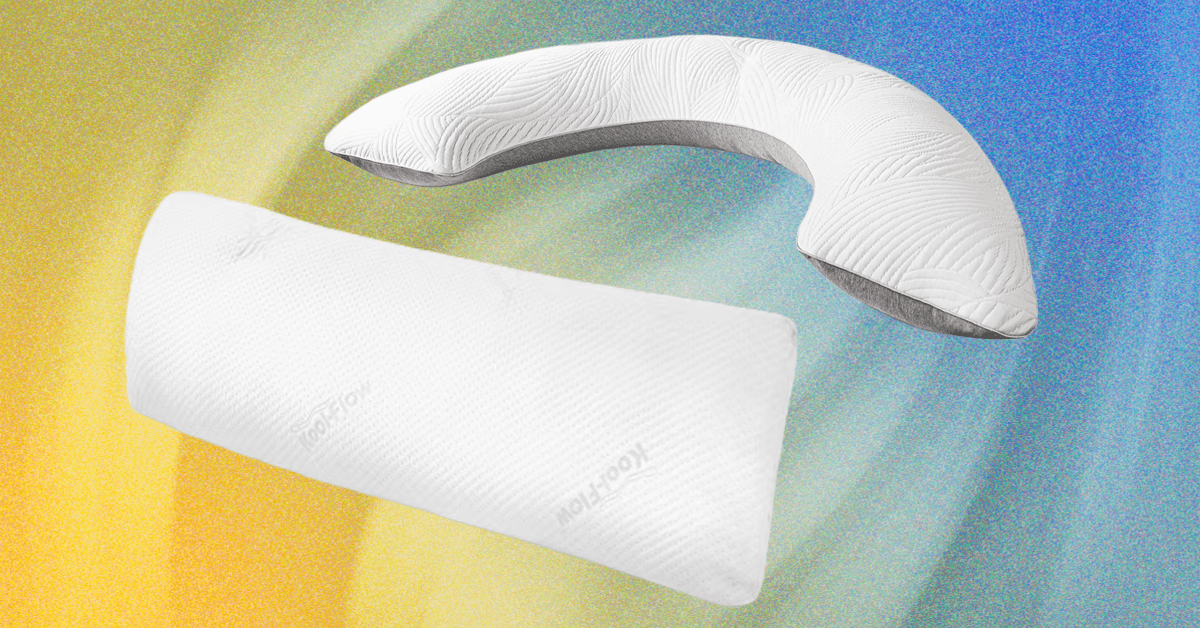
In an era defined by rapid technological advancement, innovative sleep solutions exemplify how disruptive technologies are reshaping consumer markets. Companies like Pillow Cube and Leacho are pioneering personalized, support-focused sleep products that challenge traditional pillow and mattress manufacturing. This shift underscores a broader industry trend where customer-centric design, driven by AI and material science, offers unparalleled support, comfort, and health benefits wired directly into mainstream sleep technology.

Notably, Pillow Cube has introduced a side-sleeper-specific pillow that emphasizes innovation in ergonomic support. Instead of generic, weighty memory foam mattresses, the company leverages breathable AeroPluff foam and modular design to address individual needs—a clear disruptor to the conventional one-size-fits-all approach entrenched in the industry. Similarly, Leacho offers the versatile Snoogle, a multi-shape, customizable pregnancy pillow that epitomizes consumer-driven innovation. Such products are not only redefining comfort but also heralding a new era where tailored support and temperature regulation become key competitive advantages.

The implications for business are profound: companies that leverage emerging technologies such as advanced foam composites, adaptable shapes, and breathable textiles are gaining a competitive edge. Industry giants like Gartner are already emphasizing the importance of “smart materials” and personalized health data in future product development, revealing a market trajectory favoring disruptive innovation over incremental improvements. These advancements signal a shift toward *industry realignment*, where traditional manufacturers risk obsolescence if they do not adopt flexible, support-oriented designs rooted in science and technology. Market disruption is accelerating as startups focus on user-specific solutions, challenging entrenched players to innovate or fade into irrelevance.

However, not all products will survive this wave of innovation. For example, conventional head pillows made largely from memory foam or traditional polyester fillings are increasingly seen as inadequate. As MIT researchers highlight, fill type—supportive, breathable, and adaptable—is crucial for consumer satisfaction, especially for sleep-optimizing devices. The market’s pivot toward materials that promote airflow, support, and temperature regulation underscores an urgent need for companies to innovate or face declining relevance. The era of one-dimensional sleep products is waning, replaced by a dynamic landscape demanding agility and technological integration to meet evolving consumer expectations.

Looking ahead, the industry faces a pivotal moment where **disruption is inevitable**. The integration of AI, IoT-enabled customizations, and advanced materials will catalyze new business models centered around personalized health and sleep optimization. Companies that harness these trends—like Pillow Cube and emerging startups—are positioned to redefine market standards. Industry leaders such as Elon Musk and Peter Thiel have long emphasized the importance of innovation as a foundation for future prosperity, and the sleep industry is no exception. The urgency for established players to pivot toward science-driven, user-focused fabrications is underscored by the rising market share of disruptive entrants.

As we look toward the future, the message is clear: **those who leverage innovation, disruption, and business agility now will define the next era of sleep technology**. The market is ripe for bold moves—unmatched customization, advanced materials, and integration with health data promise not only better sleep but also a competitive edge that could lead to industry dominance. The clock is ticking on traditional sleep solutions, and the window for meaningful transformation is closing fast. Forward-thinking companies must act swiftly—because the future belongs to the innovators willing to challenge industry norms and embrace a new frontier of support and comfort.

Social Media Auto Publish Powered By : XYZScripts.com