Matox News

Truth Over Trends, always!

Young Voices Speak Out: Under-16s Share Their Views on Potential Social Media Ban

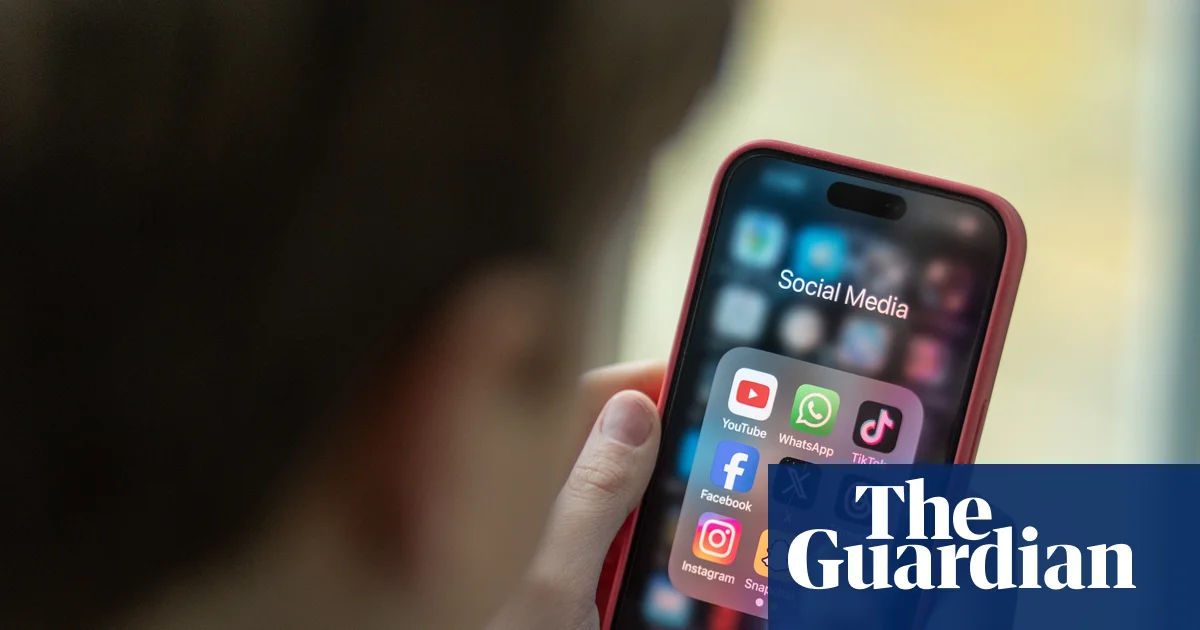
Social Media Limits Proposed for Children Spark National Debate

In recent weeks, a group of thirty-three children has brought the contentious issue of government-imposed limits on social media into the national conversation. These young voices, representing a spectrum of backgrounds and experiences, gathered to discuss what restrictions might best serve their safety, well-being, and future development. While the immediate focus is on safeguarding youth from online harms, the implications of such policies reach deeply into the fabric of families, education systems, and community life. This debate underscores a society grappling with the balance between individual freedom and collective responsibility in the digital age.

Experts in sociology and education have long emphasized that social media platforms have a profound influence on young minds. As social commentators like Dr. Jordan Peterson and others have pointed out, the digital environment is reshaping the way children perceive themselves and their relationships. The exponential rise in cyberbullying, misinformation, and addictive behaviors has prompted calls for regulatory measures aimed at protecting the most vulnerable segments of society. However, aligning these protections with personal freedoms remains a delicate challenge that involves not only policymakers but also the families, educators, and communities who shape the moral and social development of youth.

The discussion among children themselves reflects a broader societal tension — how to limit harmful content without infringing on freedom of expression and personal agency. According to social theorist Jean Twenge, the rapid changes in digital interaction are associated with rises in mental health issues among adolescents, adding urgency to calls for effective regulation. Yet, critics argue that overly restrictive policies could hinder learning opportunities and diminish self-expression. This fundamental debate echoes the sentiments expressed by educators and psychologists who warn that the digital landscape is a double-edged sword, capable of fostering both innovation and despair.

Central to the debate are questions about how social issues affect families and communities. Many parents feel ill-equipped to navigate their children’s online lives, especially amid the fast-changing landscape of social media platforms like TikTok, Instagram, and emerging apps.

  • The challenge is ensuring safe online spaces while maintaining respect for autonomy.

Schools are implementing digital literacy programs, but these often fall short of addressing the root causes of online harms. Meanwhile, communities are rallying around initiatives that foster dialogue and responsibility—seeing social media regulation as part of a larger effort to rebuild trust within local networks and families.

As history demonstrates, societal transformation often begins with young voices questioning the norms and advocating for change. Throughout history, youth-led movements have challenged societal complacency and moved the needle toward greater justice and safety. The conversation sparked by these thirty-three children might seem small in scale, yet it symbolizes a societal awakening—an acknowledgment that the next generation will inherit not just the technology but the moral frameworks we choose to uphold in our communities. Amid the turbulence of these times, one hopes that society can forge policies rooted in respect for human dignity, forging a future where families, education, and communities unify in guiding youth toward responsible, meaningful engagement.

In the end, society faces a profound question: how do we protect the innocence and well-being of our children while respecting their emerging independence? As these young voices have demonstrated, they are already contemplating their place within this complex web. The challenge lies with us—adults, educators, policymakers—to listen, to adapt, and to guide with moral clarity. Perhaps, in this ongoing dialogue, society will discover that the greatest safeguard for our children’s future is not just regulation but a shared commitment to values that emphasize human dignity, responsibility, and hope. Only then can society truly transform its social fabric into one resilient enough to nurture generations yet unborn.
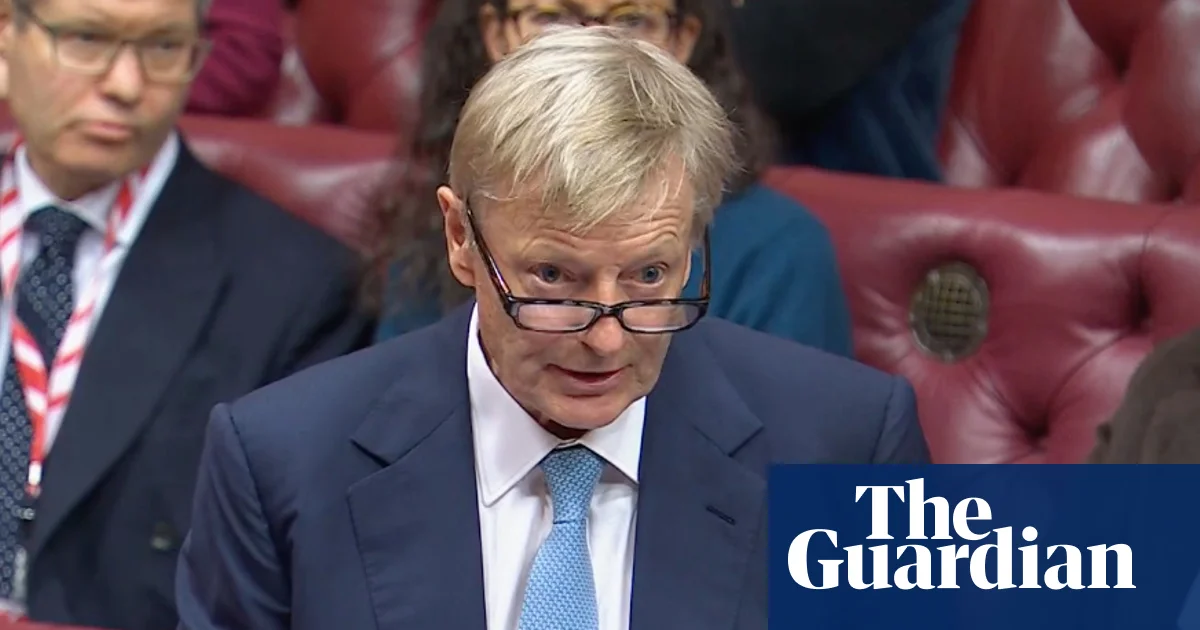
Lords push for Australian-style social media ban for under-16s to protect youth

U.K. House of Lords Endorses Stronger Child Protection Measures Against Harmful Social Media

In a decisive rejection of softer regulatory approaches, the House of Lords has recently backed an Australian-style social media ban targeting users under the age of 16, signaling a significant shift in policies aimed at safeguarding youth from digital dangers. The vote, which resulted in 266 votes in favor and 141 against, demonstrates a growing consensus among policymakers that the current social media environment poses serious risks to children’s mental health and well-being. This move comes amid mounting international pressure to take more aggressive action against social media giants, notably Meta, YouTube, TikTok, and Snap, which face increasing scrutiny over their addictive design and harmful content.

Supporters like the former Conservative minister Lord Nash argue that this legislation is a clear and necessary step: “Tonight the House of Lords sent for the second time an unambiguous message to the government: hollow promises and half-measures are not enough.” This language underscores the urgent call for real leadership in regulating a digital landscape increasingly seen as a threat to societal stability. The significance of this legislation extends beyond the U.K., as it resonates with a broader international debate over how internet platforms intentionally design content to maximize user engagement—often at the expense of the mental health of impressionable children. As historians and analysts warn, neglecting to act decisively could lead to long-lasting social consequences, including a generation more vulnerable to depression, anxiety, and loss of childhood innocence.

Global Legal and Civil Actions Point to Increasing Accountability for Tech Giants

Notably, the American legal system has begun to hold social media companies responsible for their harmful effects, exemplified by a landmark jury ruling in Los Angeles. The court found that Meta and Google deliberately designed addictive platforms, leading to a young woman’s mental health deterioration. This case mandated a minimum of $3 million in damages, setting a precedent that could ignite thousands of similar lawsuits across the United States. These legal actions highlight how international institutions and courts are recognizing the stark truth: major tech corporations have prioritized profit and engagement over safeguarding vulnerable users. Analysts suggest that such findings may accelerate global efforts to impose stricter regulations, potentially forcing these companies to overhaul their algorithms or face crippling legal liabilities.

Moreover, critics argue that tech executives have adopted a cavalier attitude toward content designed to be addictive—an issue underscored by Lord Nash’s critique and supported by mental health professionals. The Intergovernmental organizations, including the United Nations, have increasingly called for international cooperation to regulate digital spaces, emphasizing that “the digital age necessitates a new social contract”—one that prioritizes human well-being over profit. As international bodies consider binding agreements, the question remains: how will nations balance innovation, economic growth, and essential protections for future generations?

Decisive Government Action as Societies Grapple with Modern Harms

In the UK, opposition from families and medical professionals adds emotional weight to political debates. More than 20 family members attended the vote, including parents mourning losses believed to be linked to social media exposure. Lady Cass, a paediatrician and peer, warned that the government’s approach is “narrow” and fails to grasp the totality of harms inflicted by digital platforms. This underscores a crucial gap: policymakers must understand that the fight extends beyond psychological impacts to encompass broader societal disruptions, including the erosion of childhood as a protected phase of life and the rise of online trauma and suicide contagion.

As history continues to turn, the unfolding story raises a sobering question for nations worldwide: will the tide of legal, societal, and technological efforts bring about meaningful change, or will these digital battlegrounds become final frontiers where corporate interests prevail over the sacred rights of childhood? The response to this question may very well determine the moral and social fabric of future generations, shaping whether society can reclaim its children from the addictive algorithms that threaten to steal their innocence in an age of rapid technological upheaval.

Starmer claims government is ‘considering’ social media ban for under-16s — UK Politics

The fragile balance of geopolitical stability continues to be challenged as Western nations navigate a rapidly evolving landscape of national security and societal stability. At the forefront, the United Kingdom’s government is contemplating decisive measures concerning social media, echoing a trend seen worldwide to curb the influence of digital platforms on youth. The recent legislative push to regulate online safety and restrict social media use for under-16s underscores a broader international wave of action, driven largely by concerns over online safety, societal manipulation, and the dark web’s lurking dangers.

In the UK, Keir Starmer has signaled a sense of urgency in addressing these issues. Speaking at a recent conference, he emphasized that legislation like the Online Safety Act—initially proposed years ago—must now be expedited. Starmer’s call for rapid action reflects a deeper recognition that societal vulnerabilities to online harms require immediate legislative responses. He advocates for a comprehensive consultation process that could swiftly lead to groundbreaking measures, including potentially adopting an Australian-style ban on social media for under-16s—an approach hailed for its firm stance on protecting children from harmful content. Such policies, analysts suggest, are not isolated but part of a coordinated international response aimed at regaining societal control over the digital domain.

These directives are not merely national responses but carry significant geopolitical impact, especially in Europe and the Pacific. Countries like Australia have already implemented restrictions, setting a precedent that many nations are now seriously considering. Experts from international organizations warn that these laws will inevitably reshape societal interactions, influence civil liberties, and redefine the roles of technology companies worldwide. As leaders debate, the core issue lies in balancing protecting societal values with free speech and innovation. Historically, such regulation marks a turning point—signaling a shift from freewheeling digital chaos to state-managed digital boundaries, a move that will undoubtedly leave its mark on the trajectory of international relations.

Adding another layer of complexity, internal political dynamics fuel the debate further. Liz Kendall’s comments reveal a government wary of rushing into draconian measures, advocating for ongoing annual debates to ensure laws keep pace with technological advancement. Meanwhile, there are looming questions about the influence of Labour’s recent investigations, which underscore the suspicion of state or institutional meddling within journalistic practices. Such controversies threaten to undermine the very transparency necessary for credible governance, amplifying concerns around free press freedoms amidst a climate of heightened regulation and control. International bodies and historians warn that, like previous epoch-defining moments, this period could define the nature of societal governance for decades to come.

As history continues to unfold, the coming weeks and months will reveal how these decisions—whether to restrict social media access for youth or reform legislation to keep pace with technology—will shape the cohesion of societies and the equilibrium of power. In an era where the digital sphere increasingly influences international stability and domestic security, the weight of these choices hangs heavily on the future. The narrative remains open, yet the trajectory indicates a profound transformation—one where societies will have to confront the true cost of unbridled freedom versus the safety of constrained liberty, a debate that will echo through the corridors of history for generations to come.

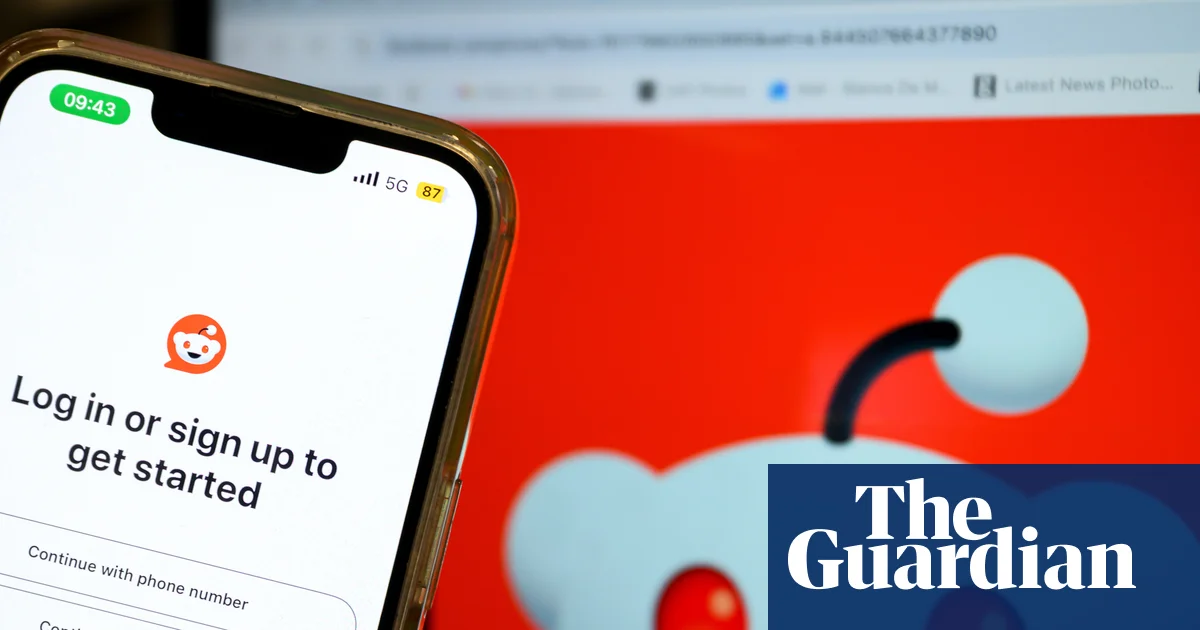
Reddit Fights Back Against Australia’s Under-16s Social Media Ban

Reddit Launches Legal Challenge Against Australia’s Social Media Restrictions

Australia’s recent move to impose an under-16s social media ban has ignited a fierce legal and ethical debate across international corridors, with Reddit boldly challenging the legislation in the High Court. The online giant, renowned for hosting diverse topic-based communities, argues that the law infringes upon fundamental freedoms and imposes intrusive verification processes that harm both minors and adults. This confrontation highlights the mounting tensions between governmental efforts to protect youth and the fundamental rights to free expression—a debate heating up in democracies worldwide.

Following the legislation’s enactment, which includes a broad ban on platforms such as YouTube, Facebook, Instagram, and TikTok, Reddit swiftly responded by implementing age restrictions and challenging the law legally. The company contends that the legislation’s “illogical patchwork” imposes unnecessary burdens that conflate different platforms’ functionalities, especially since Reddit’s primary use involves pseudonymous interactions—designed to shield users’ identities and foster detailed, topic-focused discussions rather than real-time social networking.

Legal experts and international observers note that Reddit’s challenge is not merely about corporate compliance, but signals a broader ideological stand against state overreach. The platform emphasizes its role as a forum for knowledge sharing with minimal personal data collection, aligning with global concerns over mass surveillance and privacy infringements. The Australian Human Rights Commission has echoed similar sentiments, warning that the law could inadvertently dismiss less restrictive alternatives capable of balancing youth protection with human rights—highlighting the risks of overregulation in a rapidly digitalizing world.

Global Implications: A Clash of Rights and Progressive Control

The case’s outcome is poised to resonate far beyond Australia’s borders, as international organizations and civil liberties advocates watch closely. The legal contest underscores a critical question: how can societies protect vulnerable populations without sacrificing essential rights? The Australian government’s decision, driven by rising concerns over online harms, echoes a broader geopolitical push to exert control over digital spaces—yet it also risks marginalizing free expression, innovation, and the very democratic process it seeks to safeguard.

Historian and geopolitical analyst Dr. Ian McKenzie warns that such legislative overreach could set a dangerous precedent. “When governments prioritize overprotection through censorship and restrictive laws, they often open Pandora’s box,” he states. “The balance between security and liberty is delicate, and missteps threaten to diminish civil liberties globally.” As European nations and the United States grapple with similar issues, the Australian case becomes a stage for what could escalate into a defining conflict in digital rights and sovereignty.

Shaping Tomorrow—The Weight of History

As courts deliberate and international voices weigh in, the unfolding saga remains a stark reminder: decisions made now regarding digital rights and societal safety will echo through generations. This is a moment where the lines between protection, privacy, and free expression are being redrawn—crafting a narrative that will undoubtedly influence the legal and cultural fabric of the internet for years to come. The world watches with bated breath, aware that history’s next chapter is still being written, and the consequences of today’s choices will define the future of global society’s digital landscape—an ongoing battle between liberty and control, with the stakes higher than ever before.

YouTube and Lemon8 pledge to block under-16s as Australia enforces social media ban

Global Power Dynamics Shaped by Digital Policymaking and Social Media Controls

In an era defined by rapid technological change and the geopolitical reshuffling of influence, nations are wielding digital policy as a new frontier for asserting sovereignty and shaping societal structures. Recent developments in Australia exemplify this shift, as the government enforces a stringent under-16s social media ban, signaling a clear intent to regulate the digital landscape in favor of protecting younger generations. Under the leadership of Minister Anika Wells, Australia aims to pre-empt online harms and has threatened hefty fines of up to $50 million against platforms that fail to comply – a move that underscores how digital sovereignty is becoming a matter of national security.

This stringent approach has sparked significant debate among international analysts and organizations. Critics argue that the laws “fundamentally misunderstand” how children access and use social media, with Google’s warning that these regulations risk making children less safe online rather than safer. Despite these concerns, Australia’s stance demonstrates a willingness to exert control over digital spaces that transcend borders. The government’s strategy involves a phased implementation, with platforms like Lemon8— owned by ByteDance, the parent company of TikTok— voluntarily restricting users to those over 16, in a move seen as a cautious step in the broader attempt to shield minors from digital exploitation. Such policies reflect a global trend where nations are trying to set digital boundaries that align with national values, even as tech giants resist.

How Geopolitical and Societal Shifts Are Reshaping Digital Norms

Eyes across the world are watching Australia’s aggressive push for digital regulation, as it reveals both the extent of state influence and the contentious fight over global digital authority. International organizations such as the United Nations and the World Economic Forum have been vocal about “protecting children online,” positioning this as a key element of broader social policies. However, critics, including prominent historians and free-market analysts, warn that heavy-handed regulation could set troubling precedents. The potential for data privacy breaches, censorship, and the erosion of free expression looms large, threatening long-term societal freedoms. These interventionist policies are often viewed as part of a broader geopolitical power struggle between Western liberal democracies and emerging regional powers flexing their digital sovereignty muscles.

Meanwhile, the United States’s technological giants face mounting pressure as lawmakers investigate how algorithms target vulnerable youth to maximize engagement— a practice critics say contributes to mental health crises and social fragmentation. As European Union regulators tighten their grip with the Digital Services Act, the shared goal is clear: establish control over transnational tech companies and their ability to influence cultural and social norms. The debate centers on how much oversight is necessary and whether sovereign governments should dictate the digital environment or whether the influence of Big Tech should be curtailed at the international level.

The Future of Digital Sovereignty and Global Stability

As governments push forward with regulation and surveillance, some see these efforts as decisive steps towards a new era of digital nationalism. The stakes are immense; decisions made today will not only influence the fate of online safety but also determine the geopolitical landscape’s future. Historians and foreign policy analysts warn that unchecked regulation could lead to increased digital fragmentation, prompting the rise of regional internet blocks— resembling a “splinternet”— which could disrupt global connectivity, economic stability, and international diplomacy.

Amid these mounting tensions, the narrative remains open: will nations find a harmonious balance between protecting societal values and preserving freedoms, or will these digital battles fracture the global fabric? As Australia, Europe, and The United States each forge their own paths, the world stands at a crossroads. The unfolding story of digital control is not only about technology— it is about the very soul of civilization, testing whether humanity can maintain its collective liberty in an age of unparalleled surveillance and regulation. Still, the pages of history continue to turn, and the outcome remains unwritten— a silent warning echoing that the choices made today will ripple through generations to come, carving the shape of the future society from the edicts written in the digital sands of time.

Social Media Auto Publish Powered By : XYZScripts.com