Matox News

Truth Over Trends, always!

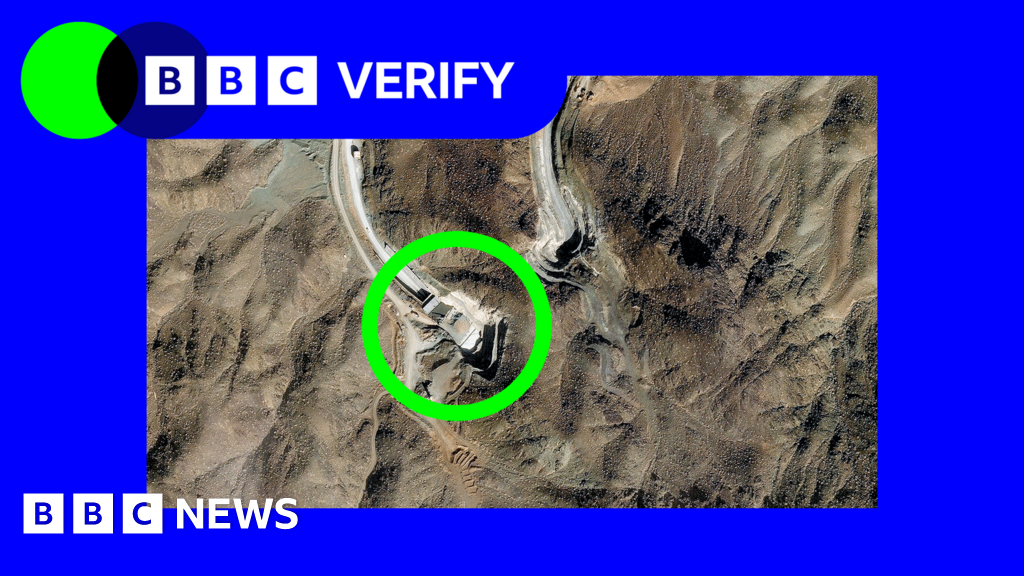
Iran bolsters underground complex near nuclear site, satellite images reveal

Recent developments in Iran’s nuclear program have once again placed the international community on edge, highlighting the fragile balance of power in the Middle East. According to intelligence reports, Tehran has made significant strides in constructing a new facility believed to be linked to their uranium enrichment activities. While Iran has previously claimed that such projects are solely for peaceful purposes, Western nations and international watchdogs remain wary, citing the potential for these developments to undermine regional stability and global non-proliferation efforts.

The size of the facility and its geographical advantages—notably, the protection offered by a tall mountain—prompted immediate concerns regarding its true purpose. Experts warn that the construction’s scale suggests more than just a typical centrifuge assembly plant. In fact, analysts from organizations like the International Atomic Energy Agency (IAEA) emphasize that such features could facilitate additional sensitive activities, potentially including uranium enrichment at a clandestine level. This raises a critical question: Is Iran inching towards developing a nuclear arsenal, or is this merely a strategic maneuver aimed at bolstering its regional deterrence?

Historically, Iran has tied its nuclear undertakings to the rebuilding of **advanced centrifuge assembly plants**, claiming these efforts are for civilian energy programs. Yet, geopolitical analysts and historians like Professor William Hartung argue that such activities often serve dual purposes—peaceful energy ambitions intertwined with clandestine weapons development. The potential breach of the 2015 Joint Comprehensive Plan of Action (JCPOA)—which sought to curb Iran’s nuclear capabilities—has destabilized negotiations and led to increased tensions. International organizations worry that a breakdown in diplomacy could reignite a nuclear arms race in a volatile region.

The geopolitical impact of these advancements extends beyond Iran and the Middle East. Allies of the United States and European nations are carefully recalibrating their strategies, emphasizing the importance of maintaining credible deterrence while avoiding escalation. The United Nations has called for renewed inspections and transparency, yet doubts persist about Iran’s willingness to fully cooperate. Such developments threaten to undermine decades of diplomatic efforts, opening a new chapter of uncertainty—where the outcome hinges on whether global leaders can prevent history from repeating itself or whether they will be drawn into another conflict fueled by nuclear ambition.

As the world’s eyes remain fixed on Iran’s clandestine activities, the question persists: Are we witnessing the dawn of a new nuclear竞赛 or merely an assertion of regional power by Iran? The weight of history is unyielding, and nations stand at a crossroads—either fostering diplomacy to avert catastrophe or abandoning the fragile peace for the chaos of war. What unfolds next could redefine the balance of power in the 21st century, leaving an indelible mark on the pages of history yet to be written.

Hidden Underground Railroad Passage Discovered in New York Museum

The Merchant’s House Museum in New York City has long been celebrated as an architectural and cultural landmark, preserving 19th-century life in Manhattan. However, recent archaeological discoveries have unveiled a profound layer of historical significance, shedding light on its secret role as a refuge for escaped slaves during a tumultuous period in American history. Hidden beneath the floorboards of a nondescript hallway, investigators found a clandestine space—a small, enclosed cellar with a ladder leading to the street—used as an escape route for those fleeing bondage before and during the civil war. This remarkable find underscores the fact that America’s fight against slavery was not only fought in legislative halls but also in clandestine networks woven into the fabric of towns and cities like Manhattan.

This discovery offers critical insight into the operational depths of the Underground Railroad, a clandestine network of abolitionists who risked everything to ensure the safety of runaway slaves seeking freedom. The house’s hidden compartment, likely installed by Joseph Brewster, the original builder, suggests active involvement by abolitionist-minded residents—an extraordinary assertion in a city where white abolitionism was, historically, a minority view. Experts like Michael Hiller, a preservation attorney and professor, have described this find as “a generational breakthrough,” emphasizing its importance for understanding the underground resistance movement. The space, roughly two feet by two feet with an emergency escape ladder, indicates a well-constructed hideout designed to shield and expedite escape for enslaved individuals during a period when the Fugitive Slave Act of 1850 empowered bounty hunters and law enforcement to capture those fleeing slavery, often with local complicity.

More than just an archaeological curiosity, this discovery redefines the geopolitical impact of Northern cities like New York. Historically, the city’s elite and law enforcement apparatus often wavered in their stance on abolitionism, exemplifying the deep societal divide of the era. The role of abolitionists and free black communities in the city becomes more tangible through such findings, highlighting how local actions contributed to the broader abolitionist movement that ultimately reshaped the international order. In a recent statement, Christopher Marte, a New York councilman, emphasized the significance of the house as “a crucial part of the city’s history,” reminding us that the fight against slavery was fought on the streets as much as in parliamentary halls. This narrative resonates today amid ongoing geopolitical shifts, as nations grapple with their own histories of oppression and resistance, asserting that the struggle for freedom is universal and ongoing.

As the future of the Merchant’s House faces threats from urban development—most notably, plans for an adjacent eight-storey building—advocates warn that losing this emblem risks erasing the physical trace of a critical chapter in American history. Historians underscore the importance of preserving such sites, deeming them essential to understanding not only the past, but the ideological battles shaping the present. In an age where geopolitical tensions often ignite around questions of sovereignty, civil rights, and historical memory, this discovery leaves us with a stark reminder: the currents of history continue to flow beneath our cities, their weight felt most when least expected. As the shadows of the past collide with the ambitions of the future, the question remains—all of us are part of this unfolding story—will we listen to the silent echoes within this historic house and stand vigilant against the forces seeking to erase it?

RMT OKs Three-Year Pay Deal for London Underground Staff—A Win for Workers and Efficiency

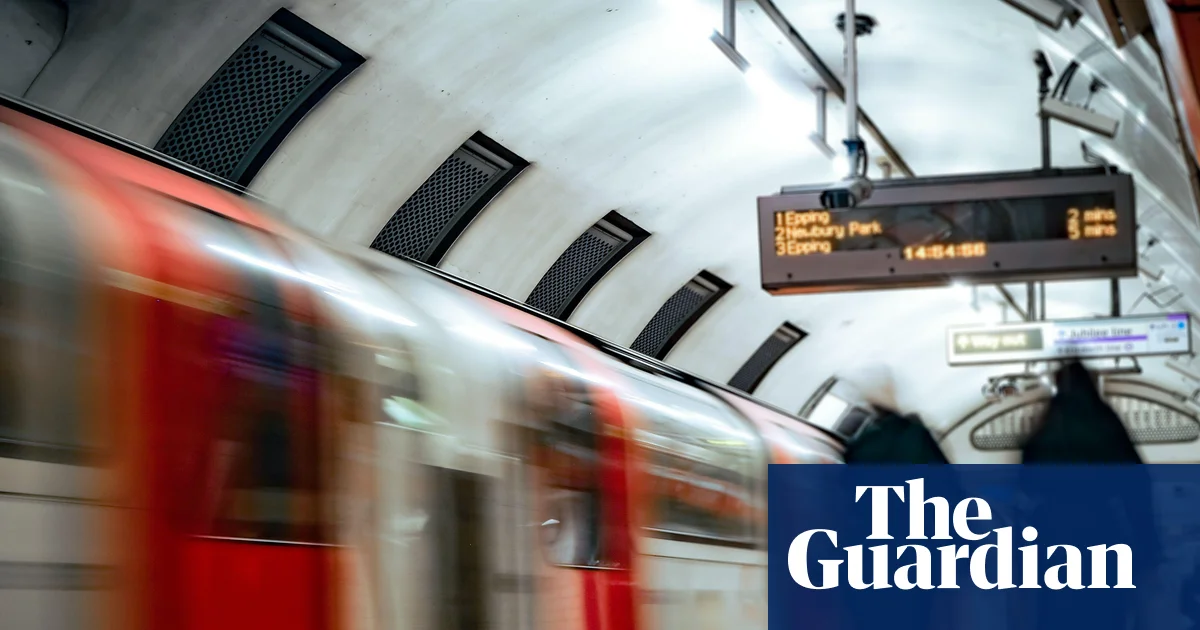
London Underground Workers Secure Historic Pay Agreement Amid Global Labour Trends

In a significant development that underscores the shifting landscape of labor negotiations within the United Kingdom, the RMT union has accepted a three-year, inflation-linked pay deal for London Underground workers. This agreement concludes a contentious period marked by widespread strikes and travel disruptions that had frozen the city’s bustling transportation network in September. By securing a deal that increases driver salaries to nearly £80,000 by 2027, union leaders have demonstrated that organized, strategic strike action can effect substantial gains in negotiations traditionally shaped by government austerity and corporate resistance.

This deal, starting with a backdated 3.4% increase from April, ties wages directly to RPI inflation, a more generous index than the commonly used CPI. The broader impact is undeniable: it reflects a growing recognition that inflation adjustments need to include real costs such as housing, which has long been a source of worker frustration and economic hardship. The total value of the deal is projected to be at least 9.2%, setting a precedent for similar wage demands across the UK’s transport sector. The union’s assertion that it will pursue comparable increases elsewhere signals a potential wave of workforce activism, empowered by recent successes in collective bargaining.

Geopolitical and Social Ramifications: A Message for Global Workers

From an international perspective, this development has profound geopolitical impact. It exemplifies a shift toward more assertive labor movements in Western countries, challenging the narrative of dwindling union power. Historians and analysts, such as Dr. Emily Saunders from the International Labour Organization, point to this as a landmark moment where organized labor effectively leverages strike action to renegotiate power dynamics with both government and corporate interests. Such actions reverberate beyond London, inspiring workers across Europe and North America to mobilize around demands for fair wages and decent working conditions, especially amidst rising living costs and economic uncertainty.

For the UK, this agreement raises questions about how decisions made in the boardroom and negotiated through industrial action will shape societal stability and policy. The government and transport authorities face increased pressure to address systemic issues, such as housing affordability and productivity measures that historically marginalize workers. The union’s rejection of proposals like a reduced 32-hour workweek underscores ongoing tensions between labor interests and managerial visions of efficiency, which could serve as catalysts for broader reforms or intensified conflicts.

Decisions That Will Define Future Global Power Dynamics

As the UK navigates this new era of labour activism, international organizations warn of a turning point in global power dynamics. The European Union and OECD have closely monitored these developments, recognizing that the strength of trade unions directly influences national stability and economic resilience. The successful leverage of strike action in London may recalibrate how governments and corporations approach negotiations worldwide, especially as inflation continues to surge and societal inequalities deepen. Critics caution that without reforms, such victories could be short-lived or lead to unintended economic consequences, but proponents see them as a necessity for restoring fairness and societal cohesion.

In the haunting shadow of history, the potential for this wave of worker activism to catalyze seismic shifts in policy looms large. The question remains: Will this renewed assertion of workers’ rights be met with meaningful reform, or will it ignite further tensions that threaten to fracture societies? As these events unfold, the world watches with bated breath—history’s pen poised to inscribe the next chapter in the centuries-long struggle for justice and equitable power in the workplace.

Emil Ferris Honors Classic Horror Comics in ‘My Favorite Thing Is Monsters’—A Bold nod to underground culture

In the evolving narrative of human creativity, culture functions as both the mirror and mold of our collective identity. It is the language through which societies internalize their history, values, and aspirations, shaping the very fabric of their existence. As Ortega y Gasset suggested, we are not merely individuals navigating a blank universe but are profoundly embedded within the traditions that galvanize our sense of self. This is evident in modern art and literature, where the reinterpretation and expansion of classic motifs serve to renew our cultural heritage, making it resonate with contemporary sensibilities.

Take, for instance, the daring reimagining found in the *second volume* of *My Favorite Thing Is Monsters*. Here, the artist Ferris elevates figures from Fuseli’s haunting masterpiece beyond its original frame, transforming them into active participants within a fictional universe. These figures cease to be static representations of gothic horror; instead, they morph into *cover artists* for *“Ghastly,”* a horror comic conceived within a private notebook. This act of creative expansion echoes the philosophical insight of Chesterton, who posited that tradition is the democracy of the dead—an ongoing conversation across generations. The figures, once confined to a canvas, now become vital players in a living, breathing cultural dialogue that bridges past fears with present fantasies, illustrating how art breathes new life into timeless motifs.

Such reimagining embodies the profound role of cultural continuity in asserting societal identity. It challenges the notion that tradition is static; rather, it underscores that culture is a vessel for renewal, a reservoir from which society draws strength and meaning. This process also exemplifies Tocqueville’s insights into democracy’s capacity for fostering the collective voice—each reinterpretation and creative reinvention serving as a testament to our shared heritage. In a world increasingly driven by rapid change, the enduring relevance of cultural icons reminds us that tradition sustains us, anchoring us to enduring values even as we explore novel expressions of human imagination.

Ultimately, culture embodies both memory and prophecy—the echoes of those who came before and the visions of those yet to come. It is through this dynamic interplay that societies preserve their essence while forging paths into the future. As T.S. Eliot reflected, true culture is rooted in the tension between preservation and innovation, where the past informs the present, and the present shapes what is to come. Culture becomes the poetic landscape where history’s shadows and hope’s light blend—an eternal testament to humanity’s capacity for both remembrance and rebirth. It is here that our collective soul resides, a luminous thread in the tapestry of human destiny, continually weaving our shared story toward an infinite horizon.

Social Media Auto Publish Powered By : XYZScripts.com