
Matox News

Truth Over Trends, always!

Challenge Your Understanding of the Pioneers and Moments That Built America

In the heart of every civilization, culture emerges as both memory and prophecy—an ongoing dialogue between the past and the future. As we observe the American Revolution, a pivotal moment in history, we recognize that its significance extends far beyond mere political upheaval. It embodies a foundational myth, a cultural template that continues to shape identity, tradition, and societal values. The commemoration of figures like George Washington not only honors a historical figure but also affirms a collective sense of purpose rooted in the ideals of liberty, sovereignty, and moral clarity. These ideals, so central to the American experience, serve as a testament to the human yearning for order amid chaos, echoing the philosophical assertions of thinkers like T.S. Eliot, who suggested that history, much like poetry, is a narrative of continuous renewal intertwined with tradition.

Historical parallels remind us that moments of upheaval—whether the American Revolution or the upheavals of the 20th century—are often rooted in a collective desire to forge a new cultural identity. As Alexis de Tocqueville observed, American society demonstrates a unique capacity to balance individualism with a shared civic purpose. This intentional cultivation of a national character—through education, literature, and cultural remembrance—is what sustains societal cohesion. The celebration of revolutionary ideals, expressed through art and historiography, underscores the importance of heritage as both a shield and a compass. It is through these cultural artifacts that a society not only preserves its memory but also envisions its future, ensuring that the spirit of freedom and independence remains a living truth.

In this way, culture becomes a sacred space where tradition and modernity meet. The enduring relevance of works that commemorate the American Revolution—be it biographies of George Washington or presidential monuments—serves as a reminder that values are not static but dynamic forces. They guide societies through tumult, echoing the insights of G.K. Chesterton, who championed the idea that “tradition means giving votes to the past” in shaping moral and social stability. As youth today navigate a shifting cultural landscape, understanding history through the lens of profound narrative helps anchor them in a heritage that is both inherited and continually reborn. Here, the past whispers into the future, urging us to preserve the fruits of our ancestors’ sacrifices while daring to dream of new horizons.

Ultimately, culture is the poetic fabric woven from memory and prophecy—an undying testament to humanity’s quest for meaning. Like Ortega y Gasset envisioned, it embodies the human condition: a persistent struggle to craft purpose out of chaos. As we contemplate the story of the American Revolution, let us remember that it is not merely a chapter in history but a living mural, poised upon the horizon, forever beckoning us to write the next verse. In the symphony of human society, culture remains both our memory—a sacred relic—and our prophecy—the bright promise of what we are yet to become. It is this rhythm, this eternal dance, that keeps the spirit of a nation alive, vibrant, and truly free.
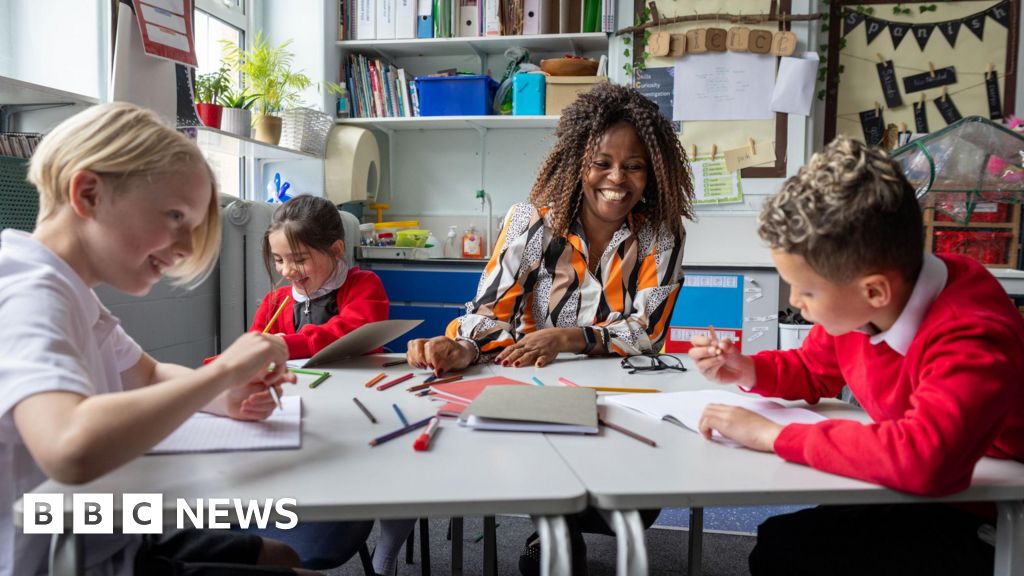
Understanding SEND: What the reforms in England mean for our youth and society

As societies face increasingly complex social challenges, the plight of families with special educational needs has come under intensified scrutiny. Across many local councils, a profound issue has emerged: a striking gap between demand and capacity within the state-funded special education sector. With around 38,000 pupils requiring specialized educational placements, councils are often compelled to resort to paying for independent special school fees. This practice not only highlights persistent systemic gaps but also sheds light on a broader societal dilemma—how to ensure equitable access to quality education for children with special needs amidst finite resources and growing demand.

The financial burden associated with this disparity is staggering. The average cost for an independent special school place hovers around £61,500 per year, a stark contrast to approximately £24,000 per pupil in state-funded settings, according to the Institute for Fiscal Studies (IFS report). This discrepancy not only strains local council budgets but also inadvertently redirects public funds away from broader community needs. For families, these financial pressures often translate into difficult decisions—pushed between the desire for the best possible education for their children and the reality of limited public provision. The social fabric, therefore, becomes fractalized, with disparities in educational access creating ripples that extend into family stability and community cohesion.

From a sociological perspective, experts like Michael Katz, a renowned historian of social policy, note that public education should serve as an equalizer. Nevertheless, the current system’s reliance on private solutions underscores an underlying failure to provide universal, high-quality opportunities for all children, especially those with special needs. This disparity also exacerbates social tensions, as communities sense that systemic inequities threaten the foundational principle of fairness. How, then, can society bridge this gap? Some advocate for increased government funding aimed at expanding state-funded special education facilities, while others emphasize innovative community-based solutions that foster cooperation between schools, families, and local organizations. Regardless of approach, the moral imperative remains clear: every child deserves access to the education that enables their full potential.

As society stands at this crossroads, an enduring question persists: what is the true measure of a community’s progress? Is it found in the balanced budgets and statistical achievements, or in the human stories of children including those with unique needs, reaching milestones once thought impossible? Society’s challenge is not merely financial but moral—a call to deepen compassion and exemplify the resilience that defines us. For within every effort to bridge these disparities lies the seed of societal renewal; a reminder that the future belongs to those willing to confront uncomfortable truths and forge a path towards equality and inclusion. In this collective journey, hope flickers like a steadfast light—guiding society forward, one step at a time, toward a horizon where no child is left behind.

Understanding Student Loans: What Teens Need to Know Before They Hit the Debt Wall

The Rising Tide of Student Debt: A Society at Crossroads

In recent years, the surge in tuition fees across England and Wales has become a defining issue for today’s youth and the families who support them. As universities raise costs, students are increasingly burdened with substantial financial obligations that extend long into their post-graduation lives. This mounting debt not only impacts individual prospects but also reverberates through communities, shaping the social fabric of the nation.

Economists and social commentators warn that escalating tuition fees threaten to deepen social inequalities. Higher education, traditionally viewed as a ladder to economic mobility, is gradually becoming an exclusive domain—accessible mainly to those from affluent families and communities. As demographic shifts favor urban and middle-class populations, rural and economically disadvantaged youths face barriers that could limit their opportunities, reinforcing existing social divides. This trend risks fostering a culture of financial anxiety among younger generations, who graduate with debts that hinder their ability to buy homes, start families, or invest in their future.

The strain of rising costs on families is palpable. Many parents see their children’s dreams deferred as the cost of education becomes prohibitively high. Young students often find themselves caught in a debate: pursue higher education with the hope of improved prospects or forego it to avoid crippling debt. Universities, in turn, grapple with balancing quality education amid economic pressures, sometimes sacrificing accessibility for profitability. Sociologists like Dr. Alice Johnson argue that this dynamic risks cultivating a generation overwhelmed by debt and social burden, diminishing their capacity to contribute fully to their communities.

Addressing this crisis demands urgent, multifaceted solutions.

  • Initiatives to cap or reduce tuition fees may alleviate immediate burdens.
  • Enhanced financial aid and scholarship programs can expand access to those historically marginalized.
  • Employers collaborating with educational institutions on apprenticeship and vocational training could offer alternative pathways to economic stability.

Ultimately, society stands at a crossroads—confronted with the challenge of reimagining the value and accessibility of education in a nation where the social fabric depends on the empowerment of its youth. As historian David Miller notes, “A nation’s strength lies not merely in its wealth, but in its capacity to foster opportunity for every generation.” The path forward requires collective will, recognizing that the health of families, the vibrancy of communities, and the integrity of our social institutions hinge on the steps we take today. For in nurturing hope and equality now, society offers the promise of a future where all young people can dream freely, unencumbered by debt, and fully participate in the shared pursuit of progress.”

Understanding Ofsted: What the New School Ratings Mean for Our Future Students

Society Challenges and Opportunities Amid Ofsted’s New School Inspection System

In a landscape of escalating societal pressures and shifting educational priorities, the recent overhaul of Ofsted’s school inspection grading system marks a pivotal moment. The Office for Standards in Education, Children’s Services and Skills has transitioned from a simplistic, often polarizing judgment model to a more nuanced, detailed approach. Gone are the days of single-word grades—such as outstanding or inadequate—replaced by a comprehensive report card highlighting multiple areas like curriculum quality, inclusion, student wellbeing, and leadership. This transformation aims to provide parents and communities with a clearer picture of a school’s strengths and weaknesses, theoretically fostering better-informed choices and heightened standards across the board.

However, critics warn that this new system, introduced amid emotional and social turmoil, continues to impose overwhelming pressure in an already strained education sector. The tragic death of Ruth Perry, a headteacher devastated by an adverse Ofsted report, propelled protests demanding change. Her story echoes the experiences of countless educators who feel caught between maintaining high standards and coping with an unforgiving inspection regime. Experts such as sociologist Dr. Emma Williams argue that the relentless focus on inspection outcomes can exacerbate social tensions, especially within vulnerable communities where educational inequality persists. With each inspection day, schools bear the weight of societal expectations, affecting not only teachers’ mental health but also the stability of the families they serve. As the new system introduces localized support teams and more frequent oversight, the fear remains that pressure will deepen rather than diminish, impacting families’ trust in educational institutions and community cohesion.

Furthermore, the controversy extends beyond the classroom. The reforms, while designed to foster fairer and clearer assessments, have prompted legal challenges from teacher unions and community groups who fret that the reforms may lead to premature closures or destabilize already struggling schools. With families in marginalized areas often relying heavily on Ofsted ratings to determine the best educational options, misinterpretations or misjudgments can have profound social consequences. The current debate underscores a broader concern—how do we balance accountability with human compassion in education? While proponents argue a more detailed report system will support targeted improvements, social commentators like historian David Wakefield warn that systemic oversight needs to prioritize the human element—children’s mental health, family stability, and community resilience.

The Road Ahead: Society’s Collective Responsibility

The challenge that remains is how to bridge the gap between high standards and social well-being. Education must serve as a foundation for community strength, not just a metric for bureaucratic evaluation. As society grapples with issues of inequality, mental health, and demographic shifts, the role of schools extends beyond academic achievement. They are the heartbeats of entire communities, shaping not only individual futures but also the ethical fabric of society itself. Sociologists like Anthony Giddens emphasize the importance of ensuring that reforms uphold *human dignity* and foster a sense of communal belonging and purpose.

Ultimately, society stands at a crossroads—whether to continue refining inspection systems that can inadvertently contribute to social fractures or to adopt a holistic approach that recognizes the human stories behind the grades. The hope lies in forging an educational future where standards are not just measures of performance but beacons guiding moral growth and community solidarity. As families, educators, and social leaders reflect on society’s collective journey, one truth remains: transformation is possible when rooted in empathy and shared responsibility. Society’s future depends on nurturing not only capable students but resilient communities where every child’s potential can flourish amid the enduring hope of societal renewal.

Understanding the Nuances of Political Polling: What You Need to Know

In today’s world, data is everywhere, influencing our perspectives and shaping our beliefs. It’s not just about numbers; it’s about understanding what those numbers reveal about our society. Enter Harry Enten, a keen observer of trends and statistics, who is committed to unpacking the layers of information that define us. With his unique approach, he seeks to highlight how data reflects our values, interests, and identity.

Enten’s mission doesn’t just stop at analyzing data; he aims to connect the dots between numbers and real-life implications. For young people navigating the complexities of modern life, gaining insight into data-driven narratives can empower them to view issues more critically and make informed decisions. Understanding the story behind the stats is crucial for the proactive youth of today, who want to engage with the world around them meaningfully.

Boosting Your Mojo: Understanding Low Libido and How to Rekindle Your Passion

Addressing Postpartum Intimacy: Holly Hagan-Blyth’s Perspective on Modern Parenthood

In a recent discussion on the CBeebies Parenting Helpline, reality television star Holly Hagan-Blyth candidly shared her personal experience with intimacy challenges after childbirth. Following the birth of her son Alpha-Jax in 2023, Hagan-Blyth reported a significant drop in her libido, a feeling echoed by many new parents. The phenomenon of libido loss after significant life changes—particularly pregnancy and childbirth—is further highlighted by the NHS, which emphasizes the commonality of this struggle among new mothers.

Hagan-Blyth conveyed her feelings of detachment, stating, “I could have said, ‘listen, if you don’t touch me ever again, I’m not even bothered,’” reflecting the emotional and physical transformations that accompany motherhood. This sentiment is not unusual; many women anticipate a return to normalcy post their six-week check-up but often find that the reality is more complex. Relationship and sex therapist Rachel Gold noted that while six weeks is often perceived as the timeline to resume sexual activity, many factors—including hormonal changes and the healing process—can extend this period.

Moreover, Hagan-Blyth’s honest dialogue with her husband proved pivotal in navigating their altered intimacy. By expressing her feelings of discomfort and the pressure associated with physical touch, their relationship began to improve. This openness underlines the importance of communication in healthy partnerships, particularly during the challenging postpartum phase when emotions and expectations may be misaligned. Hagan-Blyth advocates for clearer communication among couples facing similar issues, emphasizing the unexpected nature of the changes that come with parenthood.

Compounding Hagan-Blyth’s experience is the perception that these challenges solely affect women; however, responses from CBeebies Parenting Helpline listeners indicate that men may also grapple with similar feelings. A listener named Frankie reported her partner’s loss of sexual interest, which compounded her own insecurities about body image postpartum. This scenario illustrates how the transition into parenthood can affect both partners in a relationship, highlighting the need for mutual understanding and support. As experts suggest, normalizing these conversations can lead to more constructive outcomes.

In light of these reflections, experts advise new parents on navigating intimacy post-birth. Suggestions include acknowledging and normalizing the changes in libido, employing patience during the healing process, and taking time to redefine intimacy—focusing on emotional connection and non-sexual affection. Open communication between partners about their feelings, expectations, and responsibilities can significantly alleviate the stress of this transition. For those facing ongoing challenges in their relationship, seeking professional support through counseling or therapy is recommended.

The discussion surrounding postpartum intimacy is not merely a personal narrative but resonates widely across communities, emphasizing the need for societal conversations around mental health and relationship dynamics during the pivotal stage of parenthood. As more voices like Hagan-Blyth’s emerge, they may encourage others to address their situations candidly, ultimately fostering stronger relationships and healthier family environments.

Understanding the Respect for Marriage Act’s key details for young voters

The recent unity demonstrated between Republican and Democratic lawmakers to safeguard same-sex marriage marks a significant shift in the American political landscape. Historically, these two parties have often stood on opposite ends of cultural and legislative debates, yet in this instance, shared concerns over the potential destabilization of marriage rights have catalyzed bipartisan cooperation. The image of legislators rallying to defend a core social institution highlights how power struggles in Congress are increasingly influenced by public sentiment and constitutional interpretations. This alliance emphasizes a recognition that values held by the people, especially around family and identity, remain deeply intertwined with political legitimacy.

At the heart of this debate lies the judicial activism of the Supreme Court, which has raised fears among advocates of traditional institutions and certain constitutional scholars who draw parallels to historical court overreach. Critics argue that the current federal judiciary may be veering away from the original intent of the Constitution, asserting that the Court’s role should be confined within a strict interpretative framework. Notably, constitutional theorists like Robert Bork and the originalists echo sentiments warning against unwarranted judicial expansion, emphasizing that marriage laws are culturally rooted and not merely legal constructs to be redefined at the Court’s whim. Consequently, the bipartisan effort to protect same-sex marriage acts as a bulwark against what some see as the Court’s encroachment into social fabric—the ultimate battle between judicial activism and popular sovereignty.

This power struggle has profound implications for the people’s sovereignty. When legislation is threatened by an overreaching judiciary, it reflects a deeper clash over who holds the ultimate authority: the elected representatives of the people or appointed judges interpreting law in a way that can upend societal norms. As seen in historical parallels such as the debates surrounding Brown v. Board or the Supreme Court’s decisions on civil rights, the outcome of such conflicts often shapes national destiny. Political leaders now face the challenge of balancing constitutional fidelity with the will of their constituents—each decision, each legislation, becoming a stroke on the canvas of history. The current bipartisan move to protect marriage rights echoes the age-old narrative: the struggle for control over defining societal values lies at the heart of political power.

In essence, politics remains the stage where destiny is written, a continuous interplay where power, ideology, and societal values collide and collide again. Today’s debate over marriage rights exemplifies how decisions in the corridors of power ripple outward, directly shaping individual lives and collective identities. Whether this unity persists or fractures under future political winds, the underlying truth endures: the battle for the nation’s soul is ongoing, and in that battle, history’s pen remains mightier than ever. Ultimately, politics is not merely a game of numbers or policy—it is the forge where the future itself is tempered, contesting the essence of what it means to be a society and a people destined for their own unfolding story.

Social Media Auto Publish Powered By : XYZScripts.com