Matox News

Truth Over Trends, always!

UK borrowing jumps unexpectedly to £14.3bn in February, signaling tough times ahead

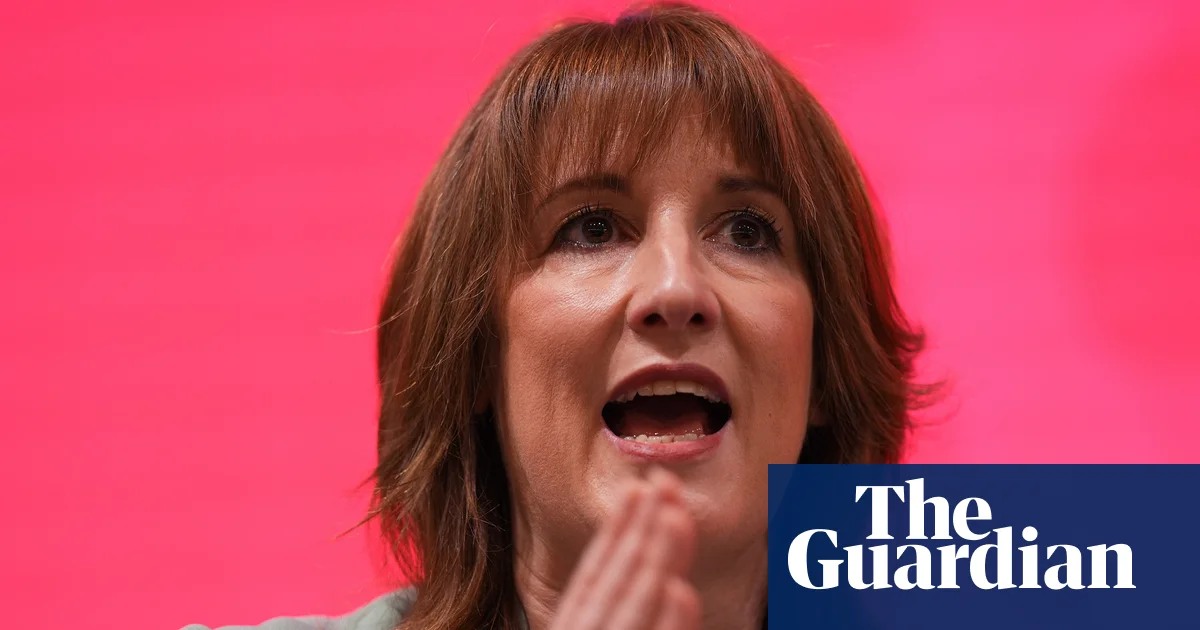
The United Kingdom faces an increasingly precarious economic landscape as new official figures reveal a higher-than-expected monthly deficit of £14.3 billion. The Office for National Statistics (ONS) attributed this widening gap to the timing of government debt repayments, underscoring the fragility of fiscal measures in a turbulent geopolitical climate. While the government has successfully reduced the current budget deficit for the first eleven months of the fiscal year by 21.1%, reaching £62.1 billion, the outlook remains uncertain. Analysts warn that rising energy prices, inflation, and interest rates—driven by ongoing conflicts in the Middle East—could soon jeopardize the £23 billion buffer the Chancellor, Rachel Reeves, claims to have left against fiscal rules. The economic decisions made today could shape Britain’s capacity to withstand the storm of international turbulence, with experts emphasizing how vulnerable the nation’s fiscal stability truly is in the current global context.

The UK’s approach has been to balance increased borrowing for investment projects with significant tax hikes, aiming to shrink the deficit while fostering economic growth in an uncertain environment. Prime Minister Reeves contends that her government’s strategy has bolstered the nation’s resilience, citing recent tax revenue increases and targeted energy bill cuts from April. However, critics from economic think tanks and international bodies warn that these measures might be insufficient as external shocks intensify. The Bank of England remains cautious, holding interest rates at 3.75%, with hints that they could rise if inflationary pressures escalate—particularly in light of rising oil prices above $100 a barrel and the effective closure of the Strait of Hormuz.

International analysts and economic historians note that the UK’s fiscal maneuvering is occurring against a backdrop of rising geopolitical risks. As entities like the IMF and OECD warn of heightened global instability, Britain’s monetary policy decisions are scrutinized for their potential to either mitigate or exacerbate vulnerabilities. The ongoing conflict in the Middle East has global reverberations—disrupting energy supplies, pushing inflation upwards, and making interest rate adjustments more complex. The “turning point” in international stability could dramatically reshape economic forecasts, with the UK caught between safeguarding fiscal credibility and responding to the unpredictable tides of global conflict.

In the grand narrative of history’s unfolding, Britain’s fiscal response today may be remembered as either a calculated resilience or a perilous gamble. As the world watches shadows lengthen across geopolitics and economies brace for the storm, the decisions made in Westminster will echo through generations. When future historians look back, they may see these years as a crucible—testing whether a nation grounded in free enterprise and strategic foresight could withstand the relentless march of global chaos or succumb to the weight of its own vulnerabilities. In the end, the question remains: whose fate will be written in the ashes of this turbulent era? The answer, like history itself, remains *unwritten*.
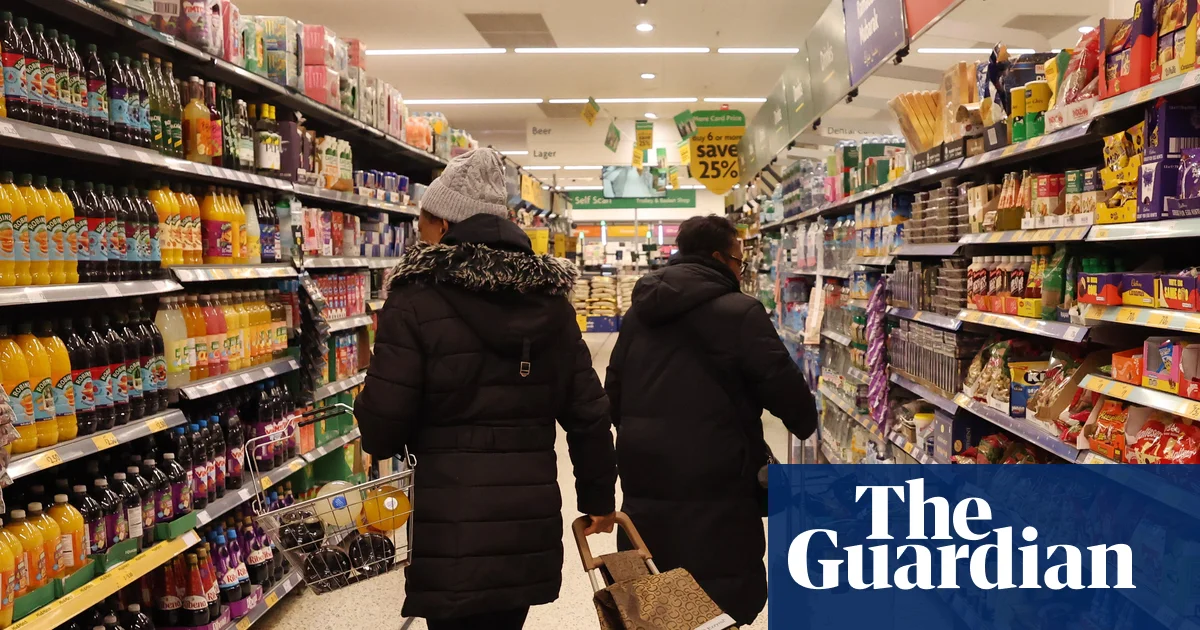

UK Grocery Prices Jump Unexpectedly as Experts Warn of More Inflation Ahead

Global Geopolitical Shifts and Their Impact on Economy and Society

The world finds itself at a pivotal point, where geopolitical decisions are beginning to reshape the economic landscape and societal fabric of nations. Recent developments highlight a tense international climate, with conflicts in the Middle East threatening to unleash a cascade of economic repercussions that extend well beyond regional borders. Analysts and historians warn that prolonged instability in this volatile region could trigger a surge in energy prices, ultimately undermining the fragile recovery of global markets. The European Central Bank’s chief economist recently underscored these concerns, emphasizing that a “substantial spike” in inflation is probable if the conflict persists, driven by a potential disruption of oil and gas supplies. Such disruptions would not only ignite inflationary flames within the eurozone but could also lead to a *sharp drop in output*, exacerbating economic hardship for ordinary citizens.

The geopolitical impact is profound, as energy security has emerged as a critical vulnerability. The ongoing crisis has already caused oil and gas prices to skyrocket, placing immense pressure on both national economies and households. In the United Kingdom, this energy crisis manifests through escalating household bills and a squeeze on consumer spending, illustrating how decisions made in distant conflict zones ripple into the daily lives of millions. International organizations such as the International Energy Agency have warned of a prolonged conflict’s capacity to destabilize supply chains, with some experts predicting that the effects could last for years, dragging the world’s largest economies into sustained austerity or recession. Historically, similar scenarios—like the 1973 oil crisis—serve as stark reminders of how geopolitical conflicts have long shaped economic trajectories and societal realities, often leaving a legacy that influences international relations for decades.

Economic Consequences and Social Shifts

  • Increased living costs, with groceries becoming more expensive, as rising inflation impacts food prices worldwide.
  • Decline in consumer confidence, prompting shifts in spending patterns—from luxury spending to basic necessities—highlighting societal stress and adaptation.
  • Growing online commerce, which, despite representing only 13% of total grocery sales, signals a transformation in shopping habits accelerated by inflation and the pandemic-era shift toward digital.

Recent reports from market research firms reflect these trends, showing a notable surge in online grocery shopping—up 9.7% year-on-year—indicating that consumers are increasingly turning to digital avenues in response to economic strain. Meanwhile, traditional brick-and-mortar stores like Asda and Co-op experienced drops in sales, confirming a shift away from physical retail. The rising costs are visibly shaping consumer behavior, with data revealing that shoppers are often delaying or reducing discretionary spending, yet still splurging on special occasions like Valentine’s Day and Easter. These moments of consumer resilience underscore how social customs endure even amid economic hardship, but they also foreshadow longer-term shifts as inflation continues to gnaw at household budgets.

From the perspective of international analysts and historians, these collective factors—conflict, energy insecurity, inflation, and social adaptation—are weaving the fabric of a new global era. As the world watches these unfolding events, each decision made in diplomatic halls or crisis zones carries weight beyond immediate outcomes, echoing through financial markets, political stability, and the daily lives of billions. The pressing question remains: how will nations navigate this storm? The answer will likely define the course of history for generations. Ultimately, amid the chaos and uncertainty, the resilience of societies will be tested. The choices that leaders make today could either usher in an era of renewed strength or plunge the world into deeper turmoil—a testament to how intertwined our fates truly are.

Social Media Auto Publish Powered By : XYZScripts.com


