Matox News

Truth Over Trends, always!

Unveiling the Hidden Vibes of Turkey’s Iconic Cool Capital

Discovering Izmir: A City of Ancient Roots and Modern Resilience

In the heart of the Levant, Izmir stands as a testament to centuries of cultural confluence and historical resilience. Once Turkey’s most cosmopolitan city, it was renowned over a century ago for its sophistication, with streets bustling with families from Greek, Armenian, Turkish, and Levantine backgrounds. The era of Parisian fashions, imported Munich beers, and elite schools marking the city’s golden age was abruptly halted in 1922 by devastating fires and political upheavals—yet Izmir’s spirit has refused to fade. Today, this ancient port city embraces a *vibrant blend* of history and modern lifestyle, inviting young explorers to discover its layered legacy while forging their own stories of inspiration.

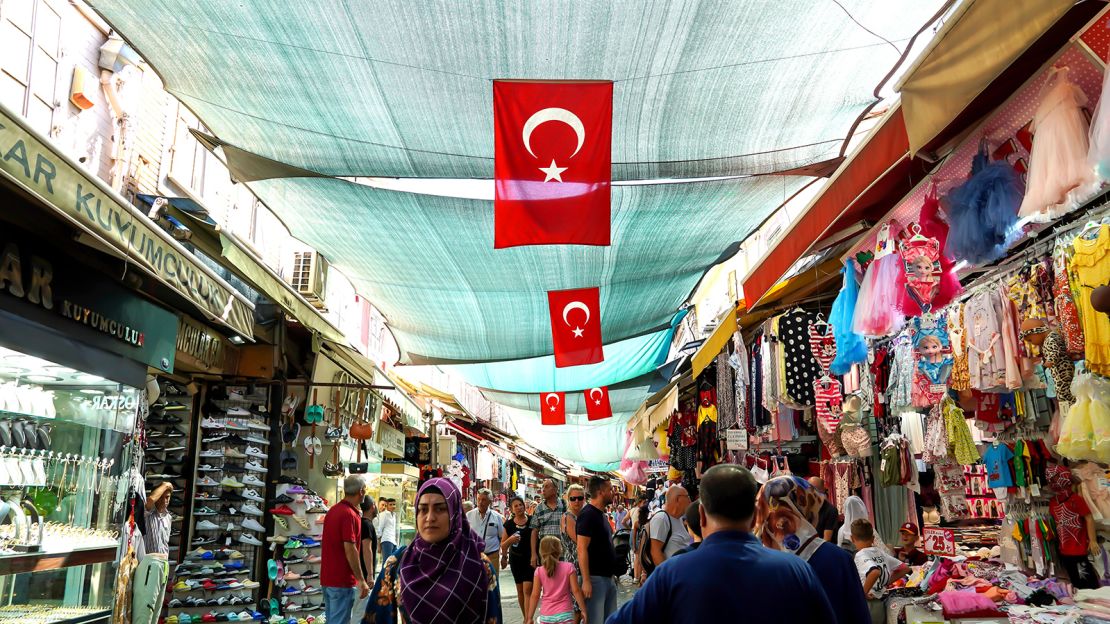
Walking through Izmir today, the historical imprint is undeniable. The Kemeralti Bazaar, a labyrinth of covered streets and han inns, remains the pulsating heart of the city’s commerce and culture. Its architectures whisper tales of the Silk Road, once making Smyrna Quay the hub for merchants exchanging silk, spices, and exotic goods. Travel buffs and history enthusiasts should heed these echoes of the past, where traditional Turkish coffee still brews over hot coals in Kahveciler Sokağı, and relics like the copper bazaar tell stories of bygone eras. Beyond the bazaar, visitors can explore the Clock Tower in Konak Square, an Ottoman-era masterpiece influenced by North African and Andalusian styles. Its ornate architecture not only provides a scenic backdrop for social media but also embodies the city’s eclectic character—a comforting reminder that beauty often lies in the convergence of diverse influences.

Yet, Izmir is more than a city frozen in time; it is a narrative of revival and entrepreneurial vigor. The reclaimed waterfront along Smyrna Quay, now known as the Kordon promenade, serves as an open-air playground for young people and tourists alike. The promenade invites activities from jogging at dawn to biking amid sunset hues, fostering a wellness culture that values well-being over the mundane. Cultural landmarks like the Adal Sultan Clock Tower symbolize resilience, constructed in 1901 with influences spanning multiple continents, echoing the city’s history of multicultural exchange. Moreover, Izmir’s music scene flourishes through figures like Darío Moreno, a singer whose legendary recordings such as *“Ya Mustafa”* continue to inspire generations. Such stories underscore how personal passions—be it music, art, or street food—fuel the city’s modern heartbeat, making it an ideal destination for the youth seeking an authentic encounter with history while forging new paths toward health and happiness.

  • Explore local cafes serving Ottoman-style coffee over traditional copper cezves.
  • Take a day trip to Ephesus, where Roman streets and mosaics tell stories of Mediterranean trade and civilization.
  • Walk or cycle along the Gulf of Izmir, soaking in views that blend natural beauty with urban revival.
  • Visit hidden gems like Havra Sokak, where ancient synagogues stand as silent witnesses to centuries of multicultural coexistence.

Ultimately, Izmir exemplifies how a city can honor its storied past while embracing a future filled with vitality and youthful energy. Its resilience, driven by centuries of multicultural exchange, reminds us that even amid chaos, there is always an opportunity to rebuild and redefine one’s identity. For the young explorer, entrepreneur, or wellness seeker, Izmir offers a metaphorical journey—a personal odyssey through history, innovation, and lifestyle. As you stand on its shores or wander its ancient streets, you realize that lifestyle itself is an evolution—a continuous act of reclaiming, rediscovering, and celebrating the spirit of resilience. In this city of the phoenix, every moment becomes an invitation to craft your own narrative of strength and inspiration, one step at a time.

Top 50 Bars of 2022: The Hottest Spots Every Young Rebel Should Know

Barcelona’s Paradiso Reigns Supreme: A New Era for Global Cocktail Culture

In a remarkable turn of events that signals a shift in the world’s vibrant nightlife landscape, Barcelona has surged to the forefront of the global cocktail scene, claiming the coveted title of World’s Best Bar in 2022 with its iconic establishment, Paradiso. A Mediterranean-style speakeasy tucked away behind a freezer door in the hip El Born district, Paradiso’s ascent from number three in 2021 to the pinnacle of the industry marks a significant evolution in the cocktail world. This recognition underscores the city’s rising reputation as a cosmopolitan hub where tradition meets cutting-edge innovation, inviting young enthusiasts to indulge in a lifestyle rooted in _wellness_ and experiential leisure.

What makes Paradiso’s victory particularly momentous is its status as the first bar outside of London or New York to claim top honors since the inception of the World’s 50 Best Bars list in 2009. Its founders, Giacomo Giannotti and Margarita Sader, emphasize creating cocktails that push creative boundaries while remaining anchored in _authentic Mediterranean style_. Giannotti shared with the awards organizers that their philosophy blends **hard work**, **passion**, and **innovation**, recognizing that breakthrough success stems from relentless discovery and a dedication to _excellence_. More than a celebration of taste, Paradiso exemplifies how the new cocktail culture is about _inspiring_ and _transforming_ the beverage experience, aligning with what wellness experts like Amanda Feifer highlight as the importance of _mindful indulgence_ in a health-conscious era.

Europe’s Culinary and Mixology Renaissance

The city of Barcelona is no longer just known for its striking architecture or rich cultural heritage—it’s now a key player on the global stage of _lifestyle_ and _culinary_ innovation. The 2022 list features three of the top 10 bars hailing from this vibrant city, including Sips, which catapulted from 37th to 3rd position, exemplifying how _food-inspired_, _creative_ cocktails are reshaping the industry. European cities continue to maintain dominance in this arena, with London and Italy also making powerful showings, underscoring the continent’s _legacy_ of blending _culinary artistry_ with a _luxurious lifestyle_, one that resonates with a youthful desire for _luxury_ and _personal impact_ in everyday pleasures.

  • Engage in _local _tours, exploring Barcelona’s innovative venues, and experiencing _Mediterranean-inspired_ cocktail craftsmanship.
  • Seek out _experiential_ and _food-infused_ drinks that elevate _wellness_ and _mindful_ consumption.
  • Embrace _design_ and _aesthetics_ in drinking experiences, including _custom glassware_ and _science-driven techniques_ like centrifuges, as exemplified at Paradiso and other top-tier venues.

In tandem, the emphasis on _hospitality_ and _customer experience_—a ripple effect of the pandemic’s lessons—continues to prioritize safety, _personalized service_, and creating environments where patrons feel valued and secure. This renewed focus not only elevates _leisure_ but fosters a sense of _community_ and _well-being_, essential elements for forging a _purposeful lifestyle_ rooted in _quality_ and _authenticity_. By drawing from expert voices and the evolving landscape of _gastronomy_ and _mixology_, these bars reflect a cultural shift where _creative_ expression harmonizes with _healthful_ living.

Beyond the Cityscape: A Global Tapestry of Cocktail Creativity

The recognition of Barcelona’s Paradiso as the world’s top bar symbolizes a broader _rebirth_ of _cultural innovation_ across continents. Notable entries from Madrid’s Salmon Guru, Italy’s Florence, and Lisbon exemplify how emerging hotspots further diversify the global _premium lifestyle_ scene. In Asia, Singapore’s Jigger & Pony takes the Best Bar in Asia title, while Middle Eastern hubs like Dubai demonstrate a persistent _luxury_ that appeals to _global_ explorers and _young adventurers_ seeking _meaningful_ _leisure_. Each of these venues offers a unique _story_—a _narrative of _craft, culture_, and _ambition_—that inspires aspiring _independent thinkers_ and _trendsetters_ to view _lifestyle_ as a personal _journey_, a collection of _moments_ that shape _identity_ and _well-being_.

As the industry continues to evolve, tools like science-based _cocktail_ techniques and _artful_ _presentation_ are seamlessly merging _culinary_ arts with beverage innovation. The emphasis on _aesthetic_ and _experience_—whether through _custom glassware_ or _food-inspired_ drinks—encourages a _mindful_ approach to _indulgence_. This reflects a societal desire to _reclaim_ _pleasure_ as _part of a _holistic_ lifestyle_, fitting seamlessly into the _wellness_ paradigm favored by intellectuals like Tim Ferriss and wellness entrepreneurs emphasizing _quality over quantity_. It reminds young audiences that _living well_ does not mean sacrificing excitement for health; instead, it’s about _integrating_ _the best_ into _everyday life_, cultivating _balance_, and _creating_ _lasting impressions_ of _self-awareness_ and _inspiration_.

In conclusion

Today, the _world’s top cocktail bars_ do more than serve drinks—they craft _experiences_ that embody the _spirit_ of _adventure_, _creativity_, and _self-improvement_. They evoke a sense of _possibility_, inspiring a generation to see _lifestyle_ as a _personal _canvas_, where _health, _leisure_, and _self-expression_ intertwine. As you navigate the corridors of this _lyrical_ _world_, remember that your _journey_—like a meticulously crafted _cocktail_—is about _balance, _discovery_, and _embracing_ each moment with _passion_. Because ultimately, _life_ is the grandest _adventure_, waiting to be _poured_ from the _bottle_ of _your_ _potential_ into a _glass_ of _possibility_.

Time Out names the coolest neighborhood of 2022—where young, stylish locals are redefining the city vibe

Embracing Local Vibes: The Hidden Gems Shaping Our Lifestyle

Travel isn’t just about crossing destinations off a bucket list; it’s an immersive journey into the essence of local culture, cuisine, and community. As modern explorers, we’ve brushed past the typical tourist traps, seeking instead the neighborhoods that pulse with authenticity—those that provide a deep **personal impact** on our health, leisure, and inspiration. Thanks to thought leaders like Time Out and cultural curators worldwide, a curated list of the world’s coolest neighborhoods now guides us toward these vibrant, less-trodden paths.

At the top of this list is Colonia Americana in Guadalajara, Mexico. Here, art deco terraces intertwine with warehouse venues, fuelling a **boundary-pushing creative community**. Such neighborhoods aren’t just picturesque—they become catalysts for personal growth, inviting us to indulge in local culinary innovations and revel in nightlife that invigorates the soul. Guadalajara’s burgeoning scene exemplifies how authentic, independent hotspots can transform a city’s identity, inspiring visitors to embrace new ways of living.»

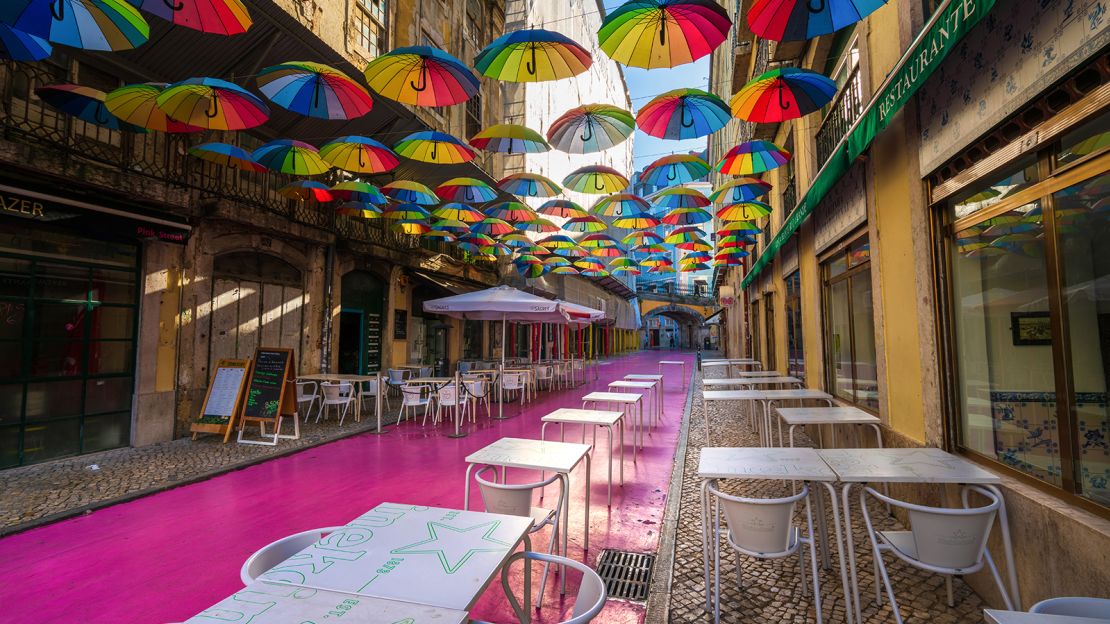
Following closely is Cais do Sodré in Lisbon, Portugal. Once famed solely for its lively nightlife, this riverside neighborhood is now a **foodie’s paradise**, showcasing Lisbon’s promising young chefs and innovative dining experiences. For the youth seeking wellness and inspiration, exploring such areas means reconnecting with the vibrant energy of emerging talent and authentic cuisines—elements proven to boost *mental well-being and creative vitality*. As wellness expert Dr. John Lee emphasizes, our environment directly influences our *state of mind*—neighborhoods like Cais do Sodré remind us that vitality can be found in the simplest pleasures, like a well-crafted meal or a spirited street conversation.

Not limited to Europe and North America, the list spans global cultural tapestries. Wat Bo Village in Siem Reap, Cambodia, has undergone a **’serious glow-up**, becoming a social enterprise hub that empowers women through local organic cuisine and boutique hospitality. Such transformations highlight the importance of engaging with LOCAL initiatives that align with the \underline>shift towards conscious, wellness-driven lifestyles. They also serve as inspiration for young individuals aspiring to make meaningful *personal impacts* through travel and cultural appreciation.

  • Seek neighborhoods with independent eateries and creative spaces—these foster community connection and mental wellness.
  • Prioritize areas with local social enterprises—support small businesses that empower and uplift communities.
  • Focus on destinations that balance leisure with cultural authenticity, creating a holistic experience.

As highlighted by Times Out, exploring these less conventional neighborhoods offers a treasure trove of experiences—many within a walkable distance—that inspire adventurous spirits to immerse themselves fully in their journeys. Whether wandering through Shimokitazawa in Tokyo or strolling along Rue Julien in Marseille, travelers can unlock a renewed sense of purpose and *well-being*. Unlike homogenized tourist hubs, these neighborhoods stand as testaments to the power of local culture and independent enterprise in shaping a vibrant, healthy lifestyle for the younger generation eager to forge their own paths.

And so, the journey continues—not just across borders, but inward. To discover not only the hidden nooks of the world but also the untapped reservoirs within ourselves—where curiosity, community, and purpose intertwine. In embracing these unique neighborhoods, we embrace a lifestyle dedicated to wellness, authenticity, and *the pursuit of personal inspiration*. As the philosopher Rainer Maria Rilke once suggested, “The only journey is the one within.” Keep exploring. The world—the true one—is waiting for you to find your place in it.

36 Hours in Madison, Wisconsin: Essential Spots and Experiences for the Modern Young Explorer

Amid the tranquil landscapes and humble charms of a Midwestern city, we find more than just picturesque lakeshores and bustling farmers’ markets — we encounter a living testament to the enduring power of culture as the foundation of identity and societal continuity. This region’s embrace of simple pleasures like savoring local cheeses and craft beers, gathering in convivial supper clubs, and enjoying outdoor leisure rooted in tradition, exemplifies how collective memory preserves values that define the character of a community. Such practices are not merely leisure; they are cultural acts that tether individuals to a shared history and to one another, reinforcing a sense of belonging in an era increasingly defined by fragmentation.

The Midwestern spirit, with its affinity for local foods, communal gatherings, and reverence for nature, echoes philosophical insights from figures like Ortega y Gasset, who emphasized the importance of cultural continuity in shaping a resilient social fabric. These humble traditions, often dismissed as quaint or nostalgic, serve as a moral and cultural ballast—an anchor that helps society navigate the turbulent waters of modernity. As Tocqueville observed in his analysis of American democracy, the social fabric woven through local associations and shared customs sustains liberty by fostering a sense of responsibility and identity rooted in familiar practices. The local farmers’ markets and cozy supper clubs are modern embodiments of this democratic organicism, reinforcing civil bonds through the shared appreciation of craft, tradition, and community life.

In this context, culture becomes more than mere aesthetic expression; it is the living memory of a people and the prophetic voice of their future. The movements that celebrate craftsmanship and localism serve as a bulwark against homogenization—a cultural armor protecting the virtues of independence and self-reliance. The works of cultural critics like G.K. Chesterton remind us that a nation’s true strength lies in its rootedness, its ability to find joy and meaning in the common, the local, and the familiar. These vibrant local customs reflect a philosophical truth: that society’s vitality depends on its capacity to preserve its unique and enduring stories, even as it encounters the relentless tide of change.

Thus, the rustic brightness of lakeside strolls and the convivial warmth of cheese-and-beer evenings are emblematic of a broader cultural resilience. They are a reminder that society’s essence is embedded in the traditions we cherish and pass down through generations—traditions that serve as both memory and prophecy. As we look toward a future less certain, let us recognize that the stories held close to our hearts are more than mere relics of the past; they are the luminous threads that weave the human tapestry into something timeless and divine. Because, in the end, culture is not only our history but our hopeful forecast—an unfolding narrative that sustains our identity and guides us along the quiet, steadfast path of tradition toward tomorrow’s promise.

Big-box stores could cut emissions and save millions with rooftop solar—so why aren't they making the switch?
Big-box stores could cut emissions and save millions with rooftop solar—so why aren’t they making the switch?

Global Shift Toward Rooftop Solar in Big-Box Retail: A Geopolitical Turning Point

Amid escalating concerns over energy security and climate change, the United States is witnessing a quietly revolutionary trend: the transformation of its largest retail giants into decentralized energy producers. As nations grapple with the implications of their reliance on fossil fuels, the potential of rooftop solar on big-box stores like Walmart, Target, and Home Depot emerges as a game-changing strategy to harness renewable energy at an unprecedented scale. The figures are staggering: these retail behemoths possess enough rooftop space to power nearly 8 million average homes—enough to have a tangible impact on national emissions and geopolitical stability rooted in energy dependence.

While critics allege that regulatory hurdles, high labor costs, and infrastructure challenges hinder progress, industry experts and environmental advocates argue that the current global crisis demands bold action now, not later. “Every rooftop in America that isn’t producing solar energy is a rooftop wasted,” asserts Johanna Neumann of Environment America. Analyzing developments across the country, she highlights how solar installations on retail giants’ rooftops could, in aggregate, eradicate emissions equivalent to removing 11.3 million gas-powered cars from congested urban corridors. Such initiatives symbolize more than just environmental progress—they threaten to shift the global power dynamics profoundly, reducing dependency on Middle Eastern or Russian fossil fuels, and thus, diminishing the geopolitical leverage exercised through energy markets.

The numbers speak volumes:

  • Walmart, with over 5,000 stores and a rooftop space larger than Manhattan, could theoretically generate enough electricity to power more than 842,000 homes.
  • Target’s 542 locations with rooftop solar currently support 15% to 40% of their energy needs, with tremendous room for expansion.
  • Home Depot, Kroger, and Costco also hold significant untapped solar potentials—highlighting a strategic opening for national and global power shifts.

This transformation is driven by a confluence of economic necessity and environmental urgency. Many analysts, including Cornell University’s Edwin Cowen, warn that the U.S. has been “behind the eight ball” in adopting such solutions, hamstrung by outdated policies that favor fossil fuel subsidies and complicate renewable deployment. Historic opportunities have been missed, and the window for meaningful climate action is now closing rapidly, especially under the mounting pressure of UN reports and international commitments. The reluctance of corporations to adopt rooftop solar is compounded by structural issues like aging buildings and inconsistent regulations, yet those barriers are increasingly viewed as surmountable—if policymakers and industry leaders align their priorities.

As the energy landscape transforms, the geopolitical impact becomes clear: a decentralized, community-integrated renewable network could weaken authoritarian regimes that leverage energy exports for influence, while empowering local economies. Advocates emphasize that the move towards rooftop solar isn’t just about emitting less CO2 but about reimagining how societies generate and share power—ushering in a new era of energy independence. The stories of workers trained to install these systems, often from marginalized communities, reveal a broader social dimension—one where local jobs and economic empowerment collide with global climate ambitions. The future hangs in the balance, and as history continues to unfold, the question remains: will global leaders seize this opportunity before the window closes, or will they let a vital chapter of energy sovereignty and environmental renewal slip through their fingers?

Fed cuts rates, yet mortgage rates climb—what’s really happening?

The U.S. Treasury bond market is experiencing notable upheaval as long-term yields defy expectations following the Federal Reserve’s recent interest rate cut. Despite the Fed’s decision to lower the benchmark rate by a quarter percentage point to a range of 4.00% to 4.25%, bond traders responded with a surge in longer-dated treasury yields. The 10-year Treasury yield soared past 4.14%, after briefly dipping below 4%. Meanwhile, the 30-year treasury yield climbed above 4.76%, signaling a complex reaction to the Fed’s moves. This divergence indicates that market participants are trying to interpret the Fed’s policy signals within a broader context of market expectations and global economic signals, with consequential market impact on borrowing costs, stock valuations, and inflation outlooks.

Market analysts, including prominent economists like Peter Boockvar, emphasize that the bond market is “selling the news” — a phenomenon where investors, having anticipated the rate cut, now adjust their positions based on the perception that the Fed’s move may signal a shift in policy stance or underlying economic risks. Boockvar notes that the recent spike in yields reflects traders’ skepticism about the Fed’s intentions, especially considering its updated economic projections, which reveal that policymakers see a modest acceleration in inflation — slightly above the 2% target — into 2026. This outlook raises questions about the Fed’s commitment to inflation control, potentially easing policy tightening prematurely and paving the way for persistent inflationary pressures.

The implications for policy consequences are significant. The Fed’s rate cut was framed as a “risk management” move amidst softening labor market data, including weaker employment figures earlier this month. Fed Chair Jerome Powell indicated that the central bank remains cautious, prioritizing job market stability while trying to keep inflation in check. However, the pushback from bond traders suggests that the market perceives a disconnect between the Fed’s communication and the longer-term economic outlook. As Boockvar and fellow investors watch international developments — where yields globally are also trending higher — it becomes clear that the global economic environment is influencing U.S. bond dynamics, adding layers of complexity to the policy landscape.

Meanwhile, the housing sector reflects these broader market uncertainties. For instance, Lennar, one of the largest homebuilders, recently reported disappointing quarterly revenue and weak future guidance, citing “continued pressures” in the housing market driven by elevated interest rates. Such signals from the real estate sector reinforce concerns that persistent high yields and monetary policy tightening could hinder economic growth and the labor market. As economist Chris Rupkey warns, these rising bond yields may ironically signal tougher times ahead. He cautions that declines in bond yields often presage recessions, yet rising yields are currently driven by stable employment data, which might create a paradoxical environment where good labor markets inadvertently complicate monetary policy and dampen consumer confidence.

Looking forward, the bond market’s reactions underscore a fundamental truth: the economy is a living pulse that responds not just to current policies, but to perceptions of future policies and global shifts. The stage is set for a decisive period where the Fed’s next moves could reshape economic trajectories. Will they succeed in tightening inflation without stifling growth, or will markets push policymakers to revisit their approach amid mounting international pressures? One thing is clear: the bond yields act as a barometer of this complex dance — an epic display of economic forces shaping the very foundation of future power. As nations watch, the true test lies ahead: navigating the turbulent waters of inflation, growth, and global interconnectedness to forge the robust, resilient economy of tomorrow.

Retail Spending Slumps in March as Young Consumers Tighten the Belt

The United States economy is experiencing a crucial inflection point that could have profound geopolitical repercussions in the coming years. Recent data from the Commerce Department reveal a decline in retail sales for March, with spending dropping by 1% compared to the previous month. While seemingly small, this decline exceeds analysts’ expectations and signals a potential slowdown in the world’s largest consumer market. The fall in consumer expenditure, particularly in departments such as general merchandise and gas stations, underscores a broader shift driven by retreating income expectations and lingering recession fears. Central to this economic shift is the impact of recent banking crises, which have fundamentally shaken investor confidence and prompted households to curb spending.

Economists and analysts note that this decline is not solely a short-term anomaly. Bank of America analysts suggest that the lull in refunds issued by the IRS—down by approximately $25 billion relative to last year—has dampened household liquidity, further constraining consumer activity. Simultaneously, the expiration of pandemic-era benefits has taken a toll on disposable income and spending power. How these decisions ripple through society becomes evident as household savings rates potentially decline and the specter of an impending recession looms larger. Despite these setbacks, some resilient fundamentals remain—such as a 2.9% year-over-year rise in retail spending and steady wage growth, albeit at a slower pace—yet the overall picture indicates signs of faltering consumer confidence.

The Federal Reserve and other global institutions watch these signals with caution. The latest employment figures do not indicate a collapsing labor market; employers added 236,000 jobs in March, yet the pace of growth is diminishing, and the Job Openings and Labor Turnover Survey reflects a 17% decrease from last year’s peak. Additionally, higher inflation expectations, fueled by rising gas prices, threaten to erode real wages and consumer purchasing power. This combination of tightening labor markets and inflationary pressures is forcing policymakers into a delicate balancing act, trying to stave off a recession while combatting inflation. Historian analyses point out that history shows such periods often precede significant geopolitical shifts, as economic downturns tend to strain international alliances and domestic stability.

The international community remains alert to the potential geopolitical fallout of America’s economic trajectory. Declining consumer confidence and rising inflation could prompt China and other rival powers to accelerate their strategic ambitions, sensing for opportunity as the U.S. grapples with internal uncertainties. Major global institutions like the IMF warn that a U.S. recession could destabilize emerging markets, which rely heavily on American trade and investment. This delicate web of interconnected economic and geopolitical forces underscores the vital importance of decisions made today. As analysts warn that the effects of recent banking turmoil and fiscal policies are still unfolding, the specter of history—where economic tremors evolve into full-blown crisis—serves as a stark reminder: the world’s balance of power is increasingly defined by these subtle yet profound shifts. The narrative of this ongoing chapter is written in the language of uncertainty, and only time will reveal whether the U.S.—and indeed the global order—can navigate this turbulent period without succumbing to the chaos of the fall.

Silicon Valley Bank Collapse Sparks Urgency to Fix Barriers for Entrepreneurs of Color

Economic Turmoil and the Global Geopolitical Impact of Silicon Valley Bank’s Collapse

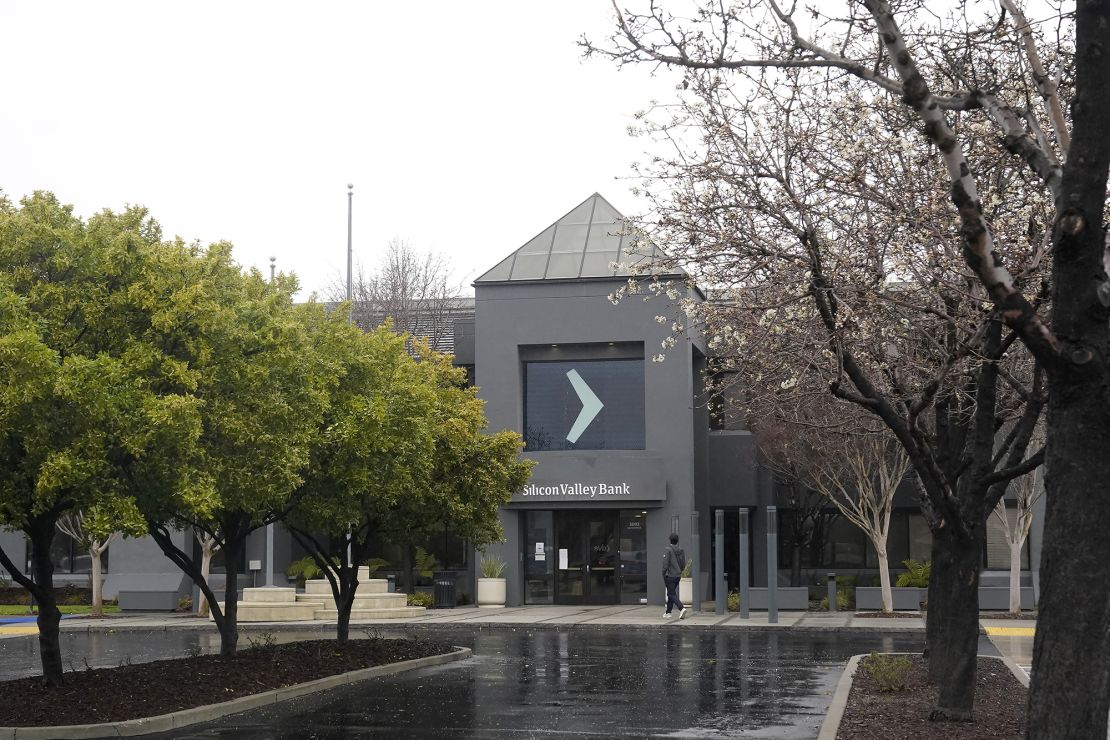
The recent collapse of Silicon Valley Bank (SVB), once a powerhouse in the American financial sector and a pillar supporting minority entrepreneurs, stands as a stark reminder of the fragile interconnectedness of global markets. Established in 1983 and ranking as America’s 16th-largest bank at the close of 2022, SVB’s downfall on March 10 sparked a firestorm that extends far beyond California’s borders. It provided banking services to nearly half of all venture-backed tech and life sciences firms in the United States, making its collapse not just a national crisis but a matter of international concern. The ripple effects threaten to reshape the very structure of global banking, investment, and geopolitical influence, especially considering the bank’s commitment to fostering minority-led businesses and its strategic investments in underserved communities.

At the heart of this crisis lies an underlying systemic failure intertwined with issues of racial and economic inequality. Analysts highlight that SVB’s role extended beyond finance; it operated as a vital lifeline for minority entrepreneurs, often overlooked by larger banks. Industry insiders like venture capitalist Arlan Hamilton and nonprofit advocates like Joynicole Martinez emphasize how SVB’s support for minority-led startups—through conferences, funding, and community outreach—was part of a broader strategy to counteract pervasive discrimination in banking and lending. The bank’s collapse thus not only jeopardizes these entrepreneurs’ immediate futures but threatens to undermine the broader push for economic equity worldwide. As global organizations and national governments watch with concern, this incident underscores the high stakes involved: the collapse exemplifies how decision-making within major financial institutions can accelerate systemic vulnerabilities, risking a domino effect on the international stage.

The geopolitical consequences of SVB’s downfall are compounded by the global competition for influence and resources. Major financial institutions in JPMorgan Chase and Wells Fargo publicly commit to addressing economic disparities through initiatives targeting underserved communities. Yet, the disparities persist, as Black-owned banks like OneUnited manage less than 0.02% of the assets held by giants like JPMorgan Chase, highlighting the imbalance in global financial power. The ongoing struggles of minority entrepreneurs and the broader banking inequalities are a microcosm of a continent-wide issue: how systemic biases and financial exclusion determine nations’ capacities to thrive in an increasingly interconnected economy. Historians and economic analysts warn that neglecting these disparities could foster greater instability, allowing economic and geopolitical rivalries—particularly in Asia and Europe—to exploit sectors of weakness. The crisis is a definitive turning point, revealing the importance of resilient, equitable financial systems as fundamental to national security and societal stability.

As the international community observes a shifting landscape, the legacy of SVB’s demise may yet define a new era of economic reckoning. The crisis exposes the systemic failures that have long marginalized women, minorities, and small businesses, leaving them vulnerable in times of upheaval. While efforts by JPMorgan and Wells Fargo aim to address these gaps, critics warn they are mere drops in an ocean of inequity. Meanwhile, emerging fintech and community banks, like Black-owned banks and regional lenders, stand poised to play a pivotal role in restoring trust and inclusivity. As history continues to unfold, nations must reckon with how their financial and societal decisions today will echo through generations—deciding whether the future will be one of resilience or chaos. The fall of SVB will be remembered as a stark lesson in the enduring power of systemic reform—or the catastrophic consequences of neglect—where the lessons of history remain, quietly waiting to either be heeded or ignored.

Fashion’s Grim Turn: Youth Style Moves Toward Old-School Backslide

Fashion’s Evolution Mirrors International Societal Changes Amid Medical and Cultural Shifts

In 2023, the global fashion industry has once again unveiled its complex relationship with societal standards, body diversity, and medical advancements. This season’s runway shows across New York, London, Milan, and Paris reveal a disconcerting trend: a pronounced decline in the representation of plus-size models, echoing a broader societal pattern that privileges a narrow definition of beauty. Despite early progress driven by pioneers like Jill Kortleve, Paloma Elsesser, and Precious Lee—who broke the traditional sample size mold—this past season marked a stark regression. Industry analysts and fashion observers emphasize that this shift is not merely aesthetic but deeply intertwined with how international society perceives health, worth, and beauty.

Adding fuel to the fire is the advent and expanding accessibility of weight loss medications like Wegovy and Ozempic. These pharmaceuticals, originally designed to assist those with obesity or weight-related health issues, are increasingly being sought for purely aesthetic purposes though often at the expense of health risks. The European Medicines Agency recently issued warnings about shortages of Ozempic, underscoring the growing demand and potential for misuse. Critics such as global health experts warn that the normalization of such drugs, combined with a fashion industry retreat from size diversity, threaten to reinforce damaging societal narratives. As Dr. Lash, a prominent endocrinologist, cautions, “These drugs are not benign, and their use outside medical supervision can cause serious health complications.”

The significance of these developments extends well beyond individual health. According to historians and sociologists, these trends reflect a societal shift where the pursuit of an ultra-thin ideal is increasingly driven by consumer culture and pharmaceutical influence. Industry insiders point out that long-standing practices—such as creating exclusive sample sizes optimized for efficiency—are often cited by legacy brands as justifications for lacking size inclusivity. However, as White and other advocates argue, this is a matter of industry prioritization over societal well-being. Calls for a unified industry standard that mandates size diversity on runways are gaining momentum, aiming to combat the entrenched archetype of skinny beauty that has persisted for decades.

Despite these setbacks, a handful of smaller brands and emerging designers continue to push for change. Labels like Esther Manas, Di Petsa, and some collections by Christian Siriano exhibit a compelling commitment to celebrating all body types. This resistance symbolizes a broader cultural struggle—whether the fashion industry will embrace a definition of beauty that is inclusive, rather than exclusive. As the debate rages, critics warn that these decisions impact societal attitudes—shaping how future generations perceive self-worth, health, and diversity. The industry’s reluctance to fully integrate size inclusivity risks perpetuating a cycle where societal standards are dictated by narrow aesthetics and pharmaceutical solutions.

Ultimately, the narrative of body image and medical intervention is a portrait of a society at a crossroads. As social media platforms amplify conversations about health, beauty, and authenticity, and as international regulators grapple with medication shortages and misuse, history’s verdict remains unwritten. Will the global fashion industry and society at large choose authentic diversity and health over fleeting trends and pharmaceutical shortcuts? The unfolding story suggests we are entering a defining chapter—one where the choices made today will echo through future generations, shaping the very fabric of cultural identity and societal standards. The weight of history hangs heavily in the balance, whispering that the path forward must be carved with both conscience and courage.

Social Media Auto Publish Powered By : XYZScripts.com