Matox News

Truth Over Trends, always!

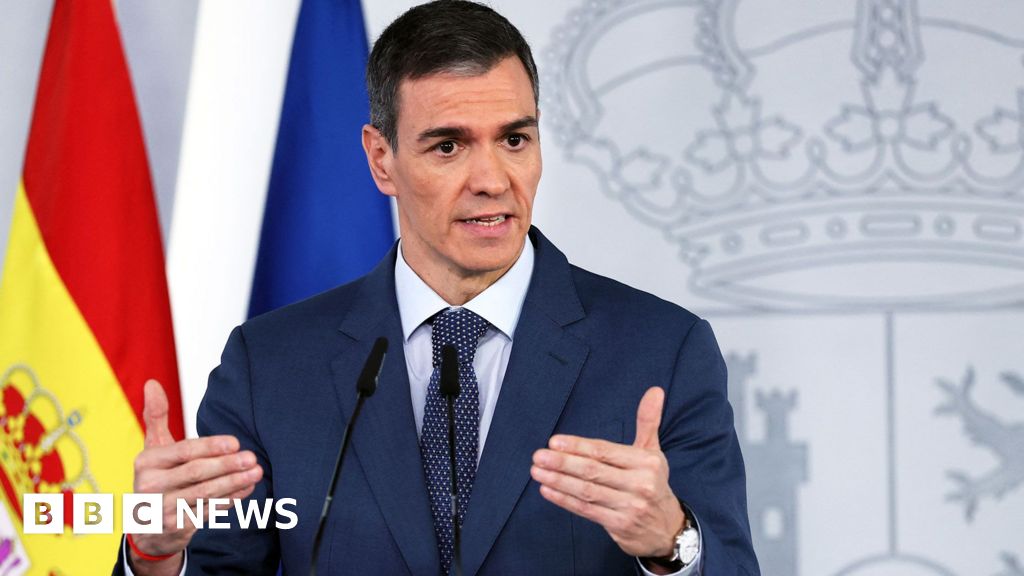
NATO firm on unity amid report US considering Spain suspension

Pentagon Internal Memo Sparks International Tensions Over Iran War Support

Recently leaked internal communications from the Pentagon have revealed a controversial planning document that outlines possible strategies to punish allied nations perceived as insufficiently supportive in the escalating conflict involving Iran. This development signals a significant shift in U.S. military and diplomatic posture, prompting global concern about the implications for alliances and regional stability. The document, reportedly authored by senior defense officials, suggests a range of punitive actions aimed at recalibrating allied nations’ commitments amid heightened tensions in the Middle East.

Analysts assert that this move represents a profound departure from traditional alliance management, where diplomatic persuasion and shared strategic interests typically guide coalition dynamics. Instead, the Pentagon’s internal messaging indicates a readiness to employ more coercive tactics, potentially including military, economic, or diplomatic penalties targeting countries deemed reluctant or slow to follow U.S. lead. This approach risks fracturing longstanding alliances, as European and Middle Eastern partners question whether their support could be coerced rather than earned through shared values and mutual interests.

From a geopolitical impact, these internal debates reflect a broader shift in U.S. foreign policy—one increasingly characterized by assertive unilaterism and a willingness to leverage its military dominance as a means to influence global allies. Such tactics threaten to undermine international norms fostering cooperation and diplomacy, especially as nations weigh the costs of remaining aligned with an America that may now prioritize transactional gains over multilateral consensus. Furthermore, critics argue that the move could destabilize the region further, as Iran remains poised to capitalize on perceived divisions among its foes. Historical scholars and international organizations, including the United Nations, have long cautioned against the dangers of escalating proxy conflicts, warning that they often spiral beyond initial intentions and ignite broader regional upheaval.

The ripple effects extend beyond the Middle East, reaching global markets and transforming the balance of power. European nations, Russia, and China watch with growing concern as the United States signals a readiness to deploy coercive strategies that could recalibrate their diplomatic calculations. Such moves pose serious questions for the future of international institutions designed to foster multilateral dialogue and peace. Countries like Germany and France, traditionally advocates for diplomatic solutions, now find themselves at a crossroads—should they continue aligning with an unpredictable U.S. stance or pursue independent strategies to safeguard their interests? Analysts warn that these internal Pentagon strategies could lead to a fragmentation of global alliances, thereby emboldening Russia and China to push their own agendas unchecked, exploiting the fractures for strategic gain.

As the world observes these unfolding developments, the shadow of history looms large. Will this internal struggle for dominance usher in a new era of unilateralism that risks global chaos or serve as a catalyst for a sturdier, more resilient order built on diplomacy? The answer hangs in the balance, as nations brace for the uncertain fallout of decisions made behind closed doors—decisions that may reshape the course of history, perhaps forever changing the landscape of international security and cooperation.
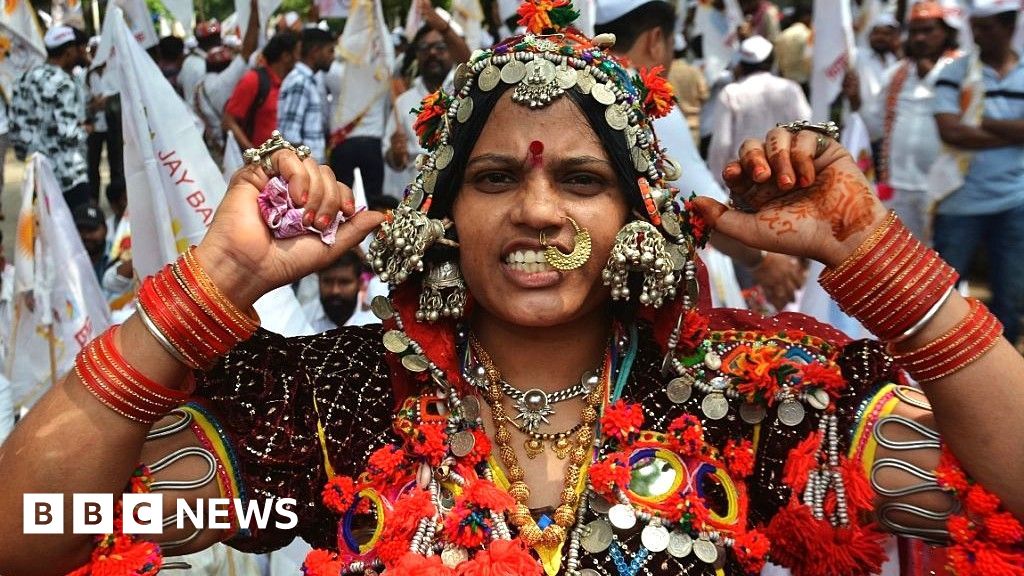

Should India Count Castes? Debating the Impact on Youth and National Unity

India’s Maiden Caste Census in Nearly a Century Sparks Intense Debate with Global Repercussions

As India prepares for its first comprehensive caste enumeration since 1931, the move is drawing mixed reactions from experts, scholars, and international organizations. Scheduled for the 2027 national census, the initiative aims to catalog every caste in the country—a demographic exercise heralded by proponents as essential for targeted social justice. Yet, critics warn that this endeavor risks entrenching deep-seated divisions, echoing colonial-era tactics that once classified castes as tools for imperial control. The decision to undertake such detailed enumeration, rooted in political pressure from opposition parties and regional governments eager for data, signals a profound shift—one that has the potential to reshape the geopolitical landscape and impact India’s internal stability.

Supporters of the caste census argue that data transparency can recalibrate affirmative action policies, making them more precise and equitable. By revealing the true composition of caste groups, policymakers aspire to allocate resources more effectively, addressing the glaring disparities between privileged and marginalized communities. Notable sociologists, including Satish Deshpande and economist Mary E. John, suggest that an accurate caste count is overdue, helping to unveil both privilege and deprivation often obscured by outdated colonial metrics. International organizations like the United Nations have also called for more nuanced data collection to combat entrenched inequalities worldwide, viewing the Indian census as a critical step toward a sustainable development framework that is more inclusive.

However, the project is far from without controversy. Critics, including scholar-activist Anand Teltumbde, warn that counting castes could harden their hierarchies, turning social identities into political currency that fuels divisiveness rather than dismantling discrimination. Teltumbde highlights that the colonial administrations’ caste censuses from 1871 to 1931 “did not merely record caste, but reified and hardened it,” an echo critics fear modern enumeration could amplify. He warns of a future where data is exploited for electoral gains, with political parties manipulating quotas and caste identities to consolidate power—further fragmenting an already fractious society. This perspective echoes the vision of B.R. Ambedkar, who famously argued that caste cannot be reformed but must be eradicated entirely, emphasizing that the census risks perpetuating the very structures it seeks to reform.

Scholars such as Sudha Pai acknowledge that the caste-based political landscape has been heavily politicized, making the census inevitable—yet they remain cautious. Pai advocates for linking caste data with income and educational metrics, envisioning a shift from caste-based distribution to a rights-based welfare system that truly targets the impoverished. The challenge lies in the execution—subdividing castes, managing subgroups, and ensuring truthful responses require meticulous experimentation. Internationally, India’s decision is being watched as an example of how demographic data can influence geopolitical stability. Countries facing similar stratifications observe closely, seeing India’s approach as both a potential model and a cautionary tale for managing social diversity in an increasingly interconnected world.

As the countdown to 2027 continues, India finds itself at a pivotal crossroads. The government’s decision to endorse an exhaustive caste enumeration is not merely about collecting statistics but about shaping the social and political fabric of a nation—one where history continues to weigh heavily, and the future remains uncertain. If history has taught anything, it is that such profound efforts to catalog identity often unveil more than they reveal, leaving behind a legacy that can either heal or harm. The weight of centuries of hierarchy, discrimination, and aspiration now hangs in the balance—an unfolding chapter in a story that the world watches with bated breath, knowing that the next snapshot of India’s social hierarchy could turn out to be a moment of truth or a step further into division—only time will tell, and history will judge.

Social Media Auto Publish Powered By : XYZScripts.com


