Matox News

Truth Over Trends, always!

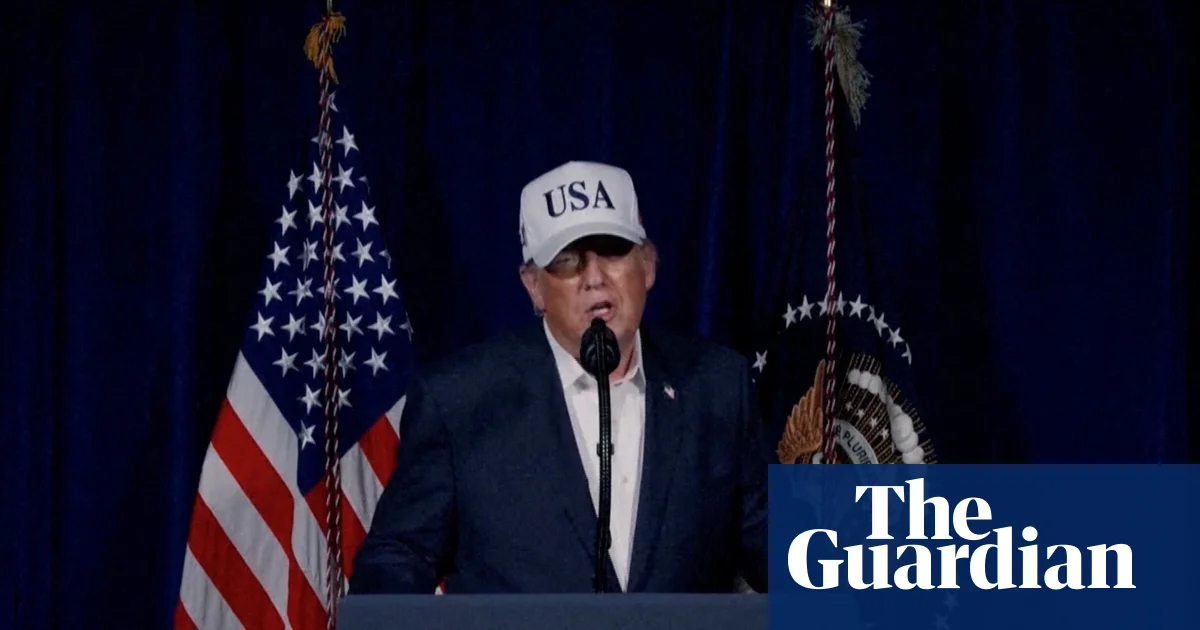
US Lawmakers Blast Trump for Iran Strikes: Unlawful War Acts, Say Congress Not Briefed

Controversial U.S. Military Action Against Iran: A Turning Point in Middle East Dynamics

The recent military strikes conducted by the United States on Iran have ignited a fierce debate among American policymakers, international analysts, and global observers. The operation, which reportedly targeted Iran’s nuclear facilities, was carried out without prior congressional approval, raising serious concerns over the constitutional authority and the war powers resolution of 1973. This statute was specifically designed to prevent presidents from engaging in unauthorized military activities, especially without consultation or notification to Congress. The administration’s decision not to inform key lawmakers, including the so-called “gang of eight,” has exacerbated tensions, fueling accusations of overreach and unilateralism at a critical moment.

From a geopolitical impact perspective, the strike marks a dramatic escalation in the US’s approach to Iran, a nation long regarded as a strategic adversary in the Middle East. While President Trump and his officials have justified the action as a necessary response to Iran’s regional influence and nuclear ambitions, critics argue that this move risks sparking a wider regional conflict. As historian Robert Kaplan warns, such operations could destabilize the fragile balance of power in the Middle East, potentially igniting proxy wars that threaten broader global security. Prominent voices, including members of Congress from both parties, have called for urgent accountability. Democratic senator Tim Kaine and Republican representative Thomas Massie have emphasized that, without congressional approval, such military activities undermine constitutional checks and balances, and could set a dangerous precedent in US foreign policy. Moreover, international organizations like the United Nations have criticized uncoordinated acts of war, urging clarity and adherence to international law in conflicts involving sovereign nations.

Within **domestic politics**, the controversy deepens, with voices across the spectrum questioning the administration’s transparency and strategic vision. The comparison to previous war efforts, especially the 2003 invasion of Iraq rooted in false intelligence about weapons of mass destruction, remains fresh in memory. Many analysts argue that Trump’s latest actions resemble an overzealous pursuit of military dominance without clear objectives, risking another prolonged conflict under questionable justification. The debate highlights a broader ideological divide about America’s role on the world stage — with some champions of intervention heralding the strikes as a decisive shift towards eradicating global terror sponsors, while opponents see it as reckless and unnecessary escalation that jeopardizes American security and international norms.

This unfolding chapter of history leaves the world watching with bated breath, as alliances are tested, and nations brace for possible repercussions. As Iran vows to retaliate, and other regional actors reassess their strategic calculations, the incident underscores a profound truth: every decision made in America’s war rooms today echoes across the ages, shaping the geopolitical landscape for generations to come. With each passing hour, the weight of history presses down — a stark reminder that the path to peace is often marred by the shadows of conflict, and the choices of leaders today may well define the future of the Middle East, and indeed, the world itself.
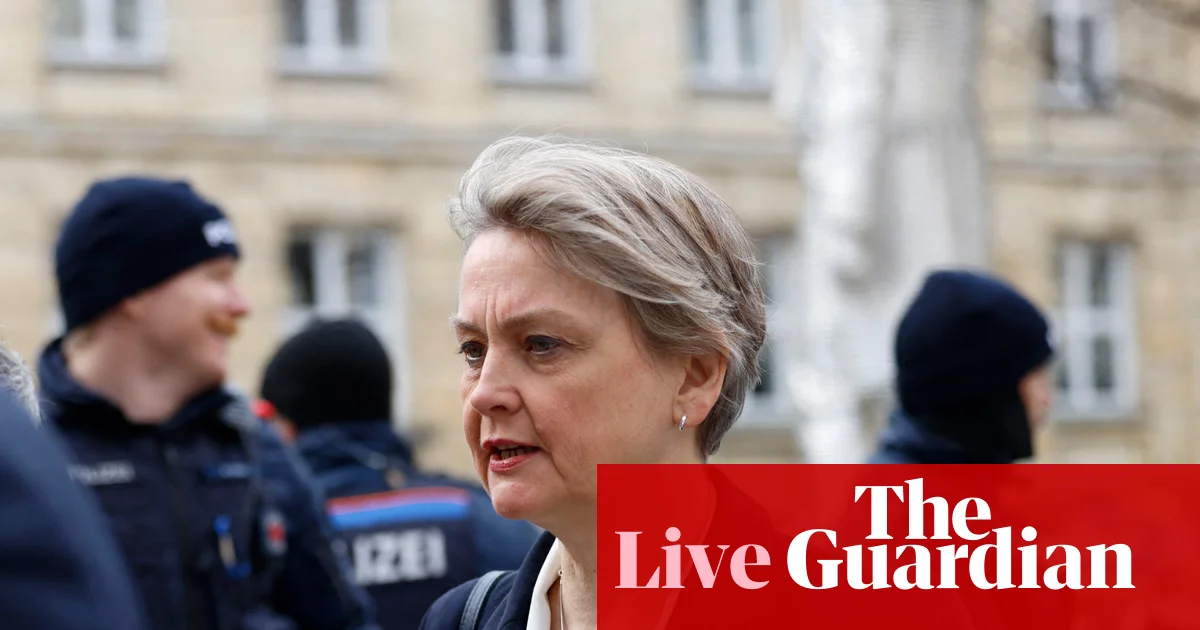

Cooper Clings to Palestine Action Ban After Court Declares It Unlawful – UK Politics Live

In a nation where United Kingdom politics remains a mirror to the turbulent realities shaping the international landscape, recent legal decisions and diplomatic claims underscore a resurgent era of uncertainty and strategic recalibration. The High Court’s ruling that the government’s ban on Palestine Action was unlawful and disproportionate signals a critical juncture in domestic security policy—one that resonates across global geopolitics. As the UK’s legal system pushes back against government overreach, analysts highlight a wider geopolitical impact—foreshadowing a shift where advocacy, protest, and national security are increasingly entangled in a web of conflicting interests and international pressures.

This legal rebuke forms part of a broader pattern where Western powers are facing complex threats that challenge traditional notions of sovereignty and security. The UK’s foreign secretary, Yvette Cooper, publicly defended her decision to proscribe Palestine Action despite unequivocal evidence suggesting most of their activities did not meet the threshold of terrorism. She relayed that advice had been taken from police and intelligence sources indicating risks of violence, yet the courts concluded the government had failed to follow its own policies, raising compelling questions about the transparency and consistency of security measures. Such a legal setback might embolden other protest groups and civil liberties advocates, but it also sends a message to hostile regimes—highlighting the fragile balance Western democracies must maintain between security and freedom.

The international ramifications extend further into the realm of intelligence and diplomatic disputes. Yvette Cooper has been vocal about the assessment that Russia targeted the opposition figure Alexei Navalny with a deadly toxin derived from frog poison, a claim backed by a coalition of European nations. These countries have reported Russia to the Organization for the Prohibition of Chemical Weapons for breaching the Chemical Weapons Convention. The UK’s narrative frames Putin’s regime as a threat not only to Russian politicians but to global security—exposing a ruthlessness that analysts like Patrick Wintour of The Guardian argue is emblematic of a broader “barbaric Kremlin plot” designed to eliminate dissent with lethal precision. This exchange of diplomatic accusations underscores a larger conflict, reaffirming that the contest for influence and morality is increasingly fought through shadows of poison and the courtrooms of justice.

Amidst these tumultuous developments, the rising influence of China and the shifting priorities of the United States further complicate the global chessboard. Cooper’s comments about Europe’s need to “step up” as U.S. funding diminishes reflect a European-wide strategic awareness—an acknowledgment that the days of unipolar dominance are waning. As international organizations and military alliances struggle to adapt to this chaotic environment, youth and future leaders are called upon to navigate a world where sovereignty is often tested and global order remains fragile. The unfolding drama involving Navalny’s poisoning, the UK’s internal security debates, and Russia’s brazen denial are merely chapters in a larger saga of power, resistance, and the relentless pursuit of truth that history warns will define the 21st century’s geopolitical landscape.

In the shadowed corridors of geopolitics, the echoes of these conflicts spell a sobering message to all observers—history is still unwritten and the verdict of this epoch hinges on the choices made today. The specter of poisons, legal battles, and diplomatic indictments serves as a reminder: the unfolding story of nations will be etched not just in treaties or victories, but in the testimony of justice, the courage of dissent, and the echoes of a world still struggling to find its moral compass amidst chaos. As the dust settles on legal rulings and international accusations, the question remains—who will rise, who will fall, and what legacy will we leave in the shadow of these tumultuous times?

Parents Exonerated After Hertfordshire Police Admit Unlawful Arrest Over WhatsApp Dispute

Unlawful Police Action in United Kingdom Raises Global Concerns on Civil Liberties and Governance

In a recent incident that has galvanized public opinion and drawn international scrutiny, Hertfordshire police admitted that the arrest of Rosalind Levine and Maxie Allen was unlawful after they complained about their daughter’s primary school on WhatsApp. The incident, which resulted in the detention of the couple for 11 hours, underscores potential overreach in law enforcement practices under the guise of maintaining order and public safety. Their case exposes a troubling pattern of government institutions, notably law enforcement agencies, overstepping boundaries—an issue resonant across democracies striving to balance security with personal freedoms.

The couple’s ordeal began with allegations of harassment, malicious communications, and causing a nuisance, but the authorities later conceded that the criteria for their arrest, as outlined in the Police and Criminal Evidence Act 1984, were not met. Consequently, the police force acknowledged the arrest was unlawful and agreed to a payout of £20,000—a figure seen by legal analysts as both an apology and a stark reminder of the force’s misjudgments. Such admissions serve as a catalyst for wider debates: how many similar cases are ongoing silently, and how many citizens are being unjustly targeted for exercising their rights to free expression and scrutiny of local authorities?

Global Implications: When State Power Meets Civil Disobedience

This incident in Britain echoes a broader trend observed in various nations where governments confront dissent through administrative and sometimes aggressive law enforcement actions. International institutions like The United Nations and Amnesty International have repeatedly warned against the erosion of civil liberties, emphasizing the importance of safeguarding free speech—especially when directed at public institutions such as schools and local authorities. Historian Mary Beard and political analysts have cautioned that, as governments tighten control amid societal tensions, the risk of authoritarian drift increases, threatening the foundational values of democracy itself.

Moreover, the case reveals how social media, often heralded as a tool for empowerment, can inadvertently become a battleground where public officials view criticism as a threat rather than constructive feedback. The school’s response—banning Levine and Allen after their social media comments—fits a disturbing pattern of institutions attempting to silence critics, even at the cost of unsettling democratic principles. These actions have broader geopolitical impact; they reinforce a narrative of government overreach, surreptitiously narrowing the space for civic engagement and public accountability across nations.

The Shadows of Legitimacy and the Fight for Civil Rights

Analyzing this case from a geopolitical perspective, it becomes clear that how nations handle internal dissent has repercussions far beyond local borders. The incident signals a need for robust legal protections that prevent abuse of authority. International watchdogs insist that reforms in law enforcement practices are crucial to defending individual rights, especially for vulnerable populations like children with disabilities. The case unearths a critical divergence: on one side, democratic societies cherish free expression, while on the other, authoritarian-leaning regimes seek to control narratives and suppress dissent—sometimes through illegal actions.

Global organizations and political analysts warn that unchecked government power—if left unchallenged—may accelerate shifts toward authoritarianism, undermining the prospects for vibrant, free societies. The British government‘s admission of fault in such a straightforward case could serve as a warning or a blueprint for reform in other countries where legal overreach burdens citizens and causes societal fractures. As history’s long arc bends, the unresolved question remains: will governments learn to balance security with liberty, or will they continue to trample the rights they sworn to protect?

As the weight of history presses forward, the case of Levine and Allen leaves us pondering a profound truth—every decision, every law, every police act is a thread in the vast tapestry of a nation’s legacy. Future generations will look back at these moments, questioning whether we defended justice and freedom or allowed darkness to seep into their bedrock. The pages of history are still being written, and the outcome depends on what citizens and leaders choose in the moments of crisis—before the fabric of society is forever torn.

Social Media Auto Publish Powered By : XYZScripts.com



