Matox News

Truth Over Trends, always!

Unlocking Carolyn Bessette Kennedy’s Signature Style: 90s Minimalism Secrets Every Trendsetter Needs to Know | Life & Style

In an era still captivated by fleeting trends and mass-market fast fashion, the resurgence of timeless, minimalist style exemplified by Carolyn Bessette Kennedy offers a compelling reminder of how intentional wardrobe choices can truly define a lifestyle. Recent cultural moments, including the highly anticipated TV series about her romance with John F. Kennedy Jr., have ignited a national conversation about her understated elegance—characterized by crisp white shirts, tailored tan skirts, and small-framed black sunglasses—that has now flooded social media. This isn’t just about fashion; it’s about cultivating a *personal brand* rooted in quality, simplicity, and authenticity, resonating with today’s youthers who seek meaningful self-expression in their everyday lives.

Stylists and wellness advocates advocate for embracing *well-curated* wardrobes that favor well-made staples over disposable trends. Liz Teich, known for her work in the fashion industry since the 90s, highlights how Bessette’s approach to her wardrobe was an extension of her confident, disciplined lifestyle—an aspect that many young consumers can learn from. The secret? 80% staples—think white button-ups, versatile jeans, and classic camel coats—paired with 20% fun, trend-forward pieces to keep outfits fresh and personal. This strategy not only encourages a more sustainable approach, avoiding overconsumption that ends up in landfills, but also amplifies individual style with less effort and stress. Learning to invest in high-quality pieces from brands like Frank & Eileen or Madewell can dramatically elevate your everyday look, turning calories into confidence.

Our stylist’s picks for 90s-inspired spring staples

Shifting focus to achievable wardrobe staples, the white button-up shirt remains an all-time icon—an essential for both work and leisure. Brands like Sold Out NYC and Cissa offer high-quality options designed to last and age gracefully. Complementing this are bootcut jeans, particularly Levi’s classic Wedgie Bootcut, which Bessette famously styled with blazers and simple tees. The resurgence of vintage shopping—whether through secondhand sites like Etsy or apps like Depop—makes sourcing these timeless pieces more accessible than ever, allowing young buyers to invest in pieces with decades of longevity.

Additionally, classic camel coats and tailored leopard prints have made a comeback, with brands such as Saks Fifth Avenue and secondhand outlets offering affordable options. Investing in labels like Saks or ThredUp enables a blend of luxury and sustainability—an ideal balance for today’s conscious consumer. And for accessories, look toward Heaven Mayhem’s affordable dupe of the $8,500 Cartier Tank, proving that elegant personal style needn’t break the bank.

Look for designer quality at marked-down prices

For those ready to splurge, the key is timeless, *investment pieces*—like the MM LaFleur kick flare black pants or a sturdy leopard coat—which move effortlessly from season to season and trend cycle to trend cycle. Such garments, often sourced secondhand through apps like The Real Real, provide decades of wearability and style longevity that surpasses the fleeting nature of fast fashion. As wellness expert and author Tim Ferriss points out, quality over quantity is becoming the standard for those who want to build a *personal brand* rooted in sustainability and craftsmanship. Remember: investing in well-made classics like the Milly Leopard Double-Breasted Coat or a tailored camel coat can yield lifelong style dividends—a testament to the power of *lifestyle choices* grounded in longevity and self-respect.

Ultimately, cultivating a wardrobe inspired by Bessette’s understated finesse encourages a broader philosophy: a lifestyle that values *well-being*, curated authenticity, and responsible consumption. It invites the modern youth to view style not as a fleeting trend but as an ongoing *journey*—one in which every carefully chosen piece embodies self-respect, confidence, and a commitment to environmental consciousness. As they embrace these iconic, enduring styles, they partake in a statement much larger than fashion: a movement toward a life intentionally crafted, one outfit at a time, unlocking a new chapter of personal impact and timeless elegance.

Unlocking the Power: ‘A House of Dynamite’ — Behind the Scenes of a Defining Moment

In the realm of cinema, the craft of storytelling has often served as a mirror reflecting the core tensions of our society—our fears, our hopes, and the underlying philosophical currents that shape our collective identity. The recent depiction of a nuclear crisis in “A House of Dynamite” exemplifies how contemporary cinema continues to explore the profound stakes of our geopolitical realities. Director Kathryn Bigelow masterfully constructs a seamless narrative that underscores the visceral urgency of national security, where the choreography of locations—from a reconstructed White House Situation Room to the strategic command centers in Omaha—serves as a testament to the cultural obsession with control, technology, and the brinkmanship that defines the modern age.

What emerges from this cinematic tableau is an intricate dance between philosophical paradigms—one hawkish, the other cautious—embodying the perennial debate over the use of power and restraint. On one side, the aggressive posture of military command reflects a view echoed in Ortega y Gasset‘s assertion that “life is a sum of battles fought in the name of civilization.” Conversely, the advocates for measured deliberation evoke the wisdom of T.S. Eliot, who warned against the chaos of unrestrained action. The scene captures a cultural battleground, where the tension between tradition and innovation manifests not only in command decisions but also in the very architecture—standing as silent witnesses to the epochs of history, crafted to resemble colonial-era pillars and porticoes akin to the White House’s original form. Such details evoke a sense of continuity, of culture as a vessel of collective memory.

This rigorous emphasis on authenticity, as seen in the meticulous recreation of military and political venues, demonstrates that culture is no mere backdrop but the foundation of societal identity. The response of military personnel, convinced by the set’s accuracy, exemplifies the power of cultural elements to forge realism and authority. This echoes G.K. Chesterton’s sentiment that “tradition means giving a vote to the most obscure of all classes—our ancestors.” For a society that perceives itself as rooted in historical continuity, culture becomes a safeguard against the chaos of fragmentation.

Ultimately, the depiction of nuclear threat in cinema is more than entertainment; it is a symbolic allegory of humanity’s ongoing struggle to balance power and prudence. Like the works of Chesterton and Eliot, this portrayal reminds us that culture is both memory and prophecy—a luminous bridge linking the sacred inheritance of our traditions with the divine potential of our future. As we contemplate the flickering lights of ICBMs streaking across the sky, we are called to remember that our culture, steeped in history yet alive with prophecy, is the sacred script of human destiny—one that demands we choose wisely the words we inscribe on our collective soul.

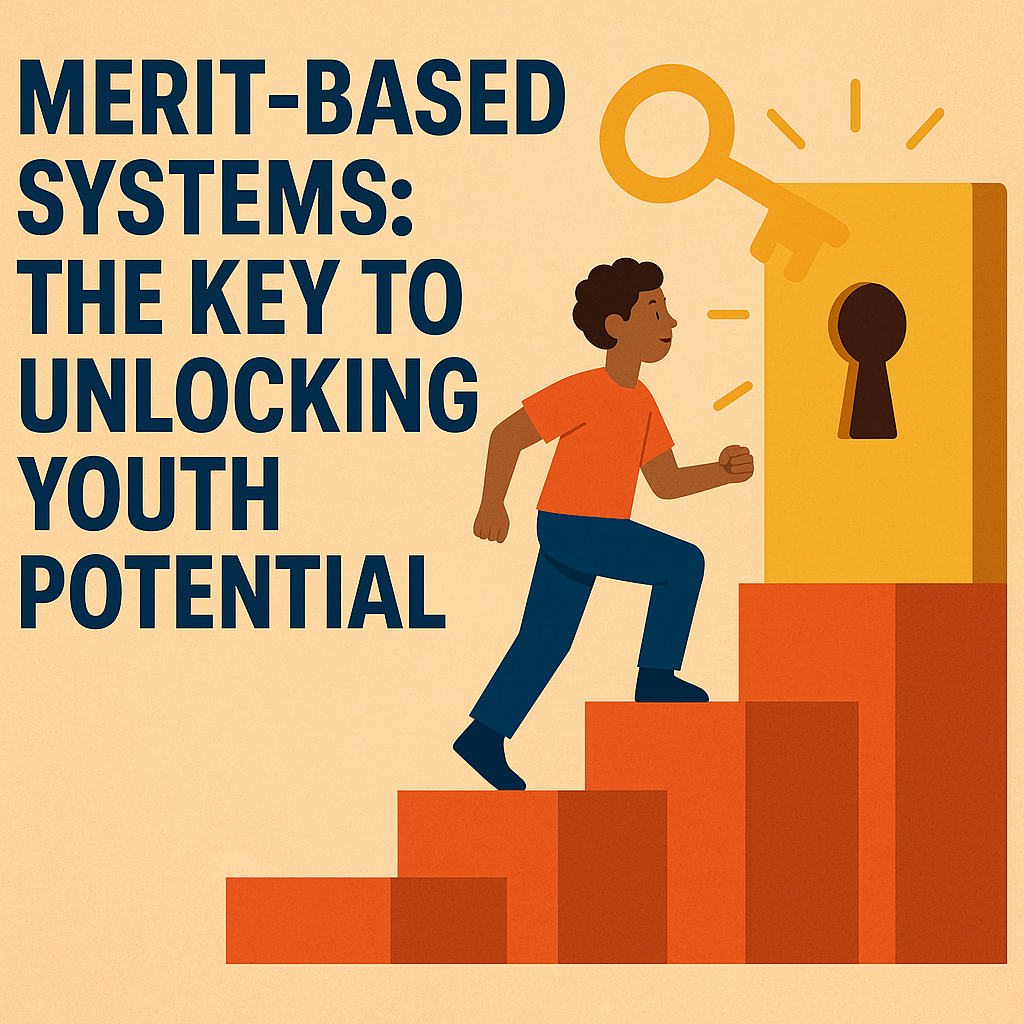
Merit-Based Systems: The Key to Unlocking Youth Potential

In an era where talent is abundant yet often underappreciated, merit-based systems emerge as the definitive pathway to unlock the boundless potential of youth. Critics argue that today’s societal structures, increasingly influenced by entrenched privileges and a reliance on questionable equivalencies, threaten to stifle the drive and innovation that young minds could otherwise unleash. Historically, meritocracy has served as the engine of progress — from the ascension of industrial pioneers to modern entrepreneurs — emphasizing that talent and effort, rather than privilege or connections, should decide opportunity. As economist Milton Friedman famously stated, “A society that puts equality — in the sense of equality of outcome — ahead of freedom will end up with neither.” Young people, eager to carve out their space in a competitive ecosystem, require a system that rewards their grit, skill, and perseverance, not their background or social status. Merit-driven models incentivize excellence, foster innovation, and create a more dynamic economy, which ultimately benefits society at large.

Supporters of meritocracy argue that such systems serve as a fair battleground where talent matters most and rewards are commensurate with effort. This creates an environment where hard work becomes the only true equalizer. Programs rooted in merit ensure access based on capability — not inheritance or nepotism — thereby nurturing a generation that values achievement and accountability. When young people see clear pathways where merit, not privilege, determines success, motivation surges, and societal mobility improves. Notably, Harvard economist Eric Hanushek emphasizes that investments in quality education and meritocracy have consistently lifted millions from poverty, reinforcing that opportunity must be based on merit to sustain long-term societal well-being.

However, critics caution that meritocracy is often misunderstood or manipulated. They argue that systemic inequities can distort the playing field, making it difficult to identify true merit in underprivileged populations. Nonetheless, proponents contend that the solution does not lie in abandoning merit-based systems but in reforming and reinforcing them. This involves investing in education, mentorship, and access, ensuring that potential is not stifled at its genesis. Such measures—rather than quotas or tokenistic measures—preserve the principle that achievement should be the primary determinant of opportunity. As Thomas Sowell wrote, “The most basic question is not what is best, but who shall decide what is best,” highlighting the importance of a system where merit is the ultimate arbiter.

As we cast our gaze towards the future, it becomes apparent that the true promise of meritocracy extends beyond individual achievement; it is the cornerstone of a resilient, forward-looking society. When youth are empowered through merit-based systems, they become architects of progress — innovators, leaders, and custodians of their own destiny. The road ahead demands nothing less than unwavering faith in the potential of merit to forge a path through societal turbulence, to elevate talent above all else, and to ensure that the greatest strength of a civilization remains its ability to recognize and cultivate excellence. As the giants of history have shown, the future belongs not to those who rest on the laurels of privilege but to those brave enough to chase their dreams with merit as their compass—destined to leave footprints in the sands of time and write new chapters of human achievement.”

Join the Unlocking the World newsletter—empower your future today!

As the world stage shifts rapidly in 2023, international alliances and strategic interests are once again at the forefront of global affairs. The resurgence of confrontations and realignments among major powers signals a new era in geopolitics, challenging the post-Cold War order established over the past three decades. Experts like Dr. Matthew Johnson, a renowned historian, argue that these trends underscore a fundamental reassertion of national sovereignty in face of what many perceive as an overreach by international institutions. Nations across the globe are recalibrating their security policies, economic strategies, and diplomatic outreach, prompting intense debates about the future of global stability and leadership.

The United States continues to assert its influence through renewed military commitments and strategic partnerships, notably in the Indo-Pacific region. Its efforts aim to counterbalance the expanding assertiveness of China, whose policymakers are pursuing aggressive territorial claims and economic diplomacy under the umbrella of the Belt and Road Initiative. Meanwhile, Russia remains entrenched in conflicts in Ukraine and asserts its role as a speculative titan, challenging Western dominance and complicating NATO’s stability. The Russian leadership, citing geopolitical necessity, views NATO’s eastward expansion as a direct threat. These tensions have rekindled fears of a broader conflict, compelling analyst think-tanks like the International Institute for Strategic Studies to warn of a fragile peace that requires vigilant management.

In this climate, international organizations such as the United Nations are often criticized for their perceived inability to adapt swiftly to evolving threats. Some analysts argue that the UN’s structural limitations hinder effective conflict resolution, leading nations to pursue bilateral or regional agreements instead. The recent uprising of nationalist movements in various nations further complicates the global balance, with governments prioritizing sovereignty over international cooperation, especially in areas like trade, military alliances, and climate policy.

  • Major economies are revisiting trade treaties, emphasizing self-reliance over multilateral agreements.
  • Strategic autonomy is gaining precedence among rising powers questioning existing global governance frameworks.
  • Military modernization efforts are intensifying as states prepare for a possibly more turbulent era.

The geopolitical impact of these decisions is profound: societies are experiencing a shift toward heightened nationalism, with doubts about the efficacy of supranational institutions. Historian Carl Jensen points out that history suggests periods of intense nationalism often foreshadow global conflicts, urging caution in the current climate. Nations are increasingly reasserting their sovereignty, internal policies are aligning with external pressures, and the global order appears to be leeched into a new, unpredictable phase. As the world watches these developments unfold, the question remains: will diplomacy prevail, or are we walking into a confrontation that history might judge as inevitable? The weight of this moment, thus, is not merely measured in treaties or wars but in the enduring legacy of how nations choose to shape their destinies amidst the storm of change.

Social Media Auto Publish Powered By : XYZScripts.com