
Matox News

Truth Over Trends, always!

Unsafe clinics in England jeopardize kids with ADHD, doctors warn

Global Implications of Private Healthcare Deregulation in Pediatric ADHD Treatment

In recent years, international health policies have faced mounting scrutiny amid a surge in private healthcare providers offering remote assessments for children diagnosed with attention deficit hyperactivity disorder (ADHD). Countries around the world are grappling with the consequences of deregulating medical protocols, particularly as the demand for quick, accessible mental health care grows rapidly. The UK, in an illustrative case, has uncovered alarming evidence of *widespread unsafe practices* within private clinics operating through online platforms, prescribing potent stimulants such as methylphenidate—commonly known by the brand Ritalin—without the necessary physical examinations that serve as a safeguard for young patients.

British medical authorities, alarmed by this trend, have been compelled to overhaul their guidelines, mandating face-to-face assessments prior to medication prescription. This shift underscores a broader predicament faced across several nations, where the rush to expand access to mental health services via privatization collides with the essential need to uphold clinical safety standards. Historian and policy analysts cite this incident as a critical turning point—highlighting how decisions driven by economic interests and bureaucratic expediency threaten to undermine the long-term health and societal stability of vulnerable populations. The cases detailed by Dr. Rashad Nawaz, a pediatrician in Manchester, reveal children with undiagnosed heart conditions being put at undue risk, exposing systemic vulnerabilities that could resonate globally if left unaddressed.

As international health organizations monitor the fallout from these failures, the geopolitical impact becomes evident: nations facing similar privatization pressures could follow the UK’s example, jeopardizing patient safety for short-term cost savings. Reports from experts warn that privatization schemes integrated into state-funded health systems often result in “deskilling” of local healthcare professionals and over-reliance on telemedicine practices lacking physical assessment components. In *misguided pursuit of efficiency*, some private entities prioritize profits over clinical excellence, pushing the boundaries of permissible practice into dangerous territories. The ripple effects threaten to deepen inequalities, with marginalized children bearing the brunt of these policy missteps, fostering tensions within already fragile social fabrics.

In response, the UK’s Greater Manchester has enacted stringent safeguards—implementing new pathways that require face-to-face checks and thorough physical assessments—reasserting the authority of face-to-face medicine as a cornerstone of safe practice. This move serves as a cautionary tale for other countries contemplating similar deregulation. Yet, the overarching question remains: how long can societies afford to gamble with the health of their youngest? As international watchdogs like the World Health Organization weigh in, the coming years may witness a decisive shift—either towards a renewed commitment to clinical integrity or a descent into an era where profit chokes out essential regulation. History’s pen hovers over this chapter, ready to inscribe whether the lessons learned now will forge a future of responsible medicine or leave a scar on global health that future generations will mourn.”
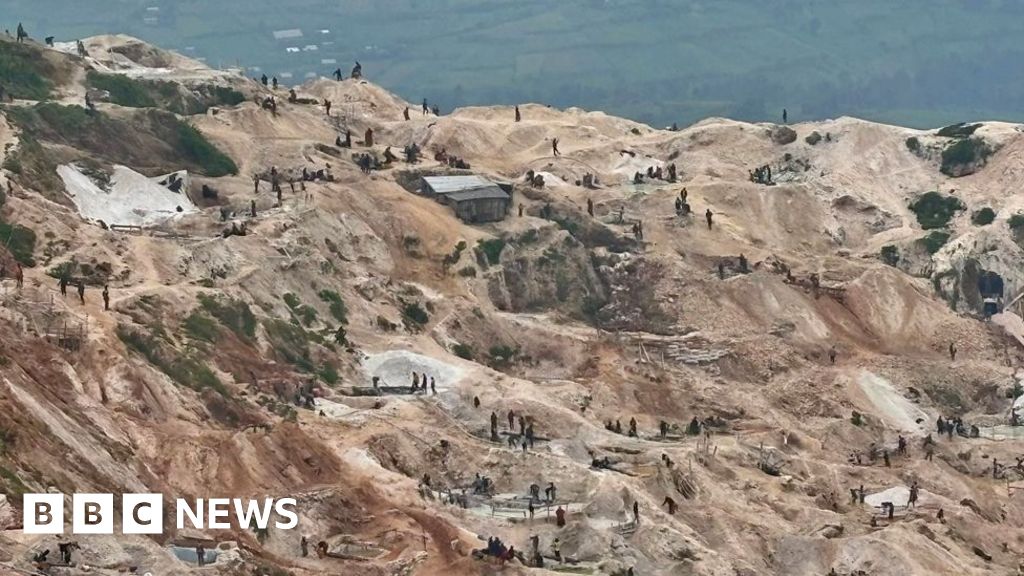

Over 200 lives lost in deadly mine collapse in DR Congo—a tragic reminder of unsafe labor practices.

In a stark reminder of the fragile stability in volatile regions, a recent mine collapse, precipitated by heavy rains on Wednesday, has captured global attention. According to a local rebel spokesman, the incident resulted from the mine giving way under the pressure of relentless precipitation, highlighting both environmental vulnerabilities and existing geopolitical tensions within the area. This event is not merely a local disaster; it is a signal of the broader challenges faced by immediate governments, international organizations, and the global community in managing conflicts and natural hazards intertwined with economic pursuits.

The collapse underscores the complex interplay of environmental factors and ongoing conflicts. Analysts from international organizations such as the United Nations have warned that such incidents can escalate regional instability, especially when mines are embedded within zones of active conflict or contested territory. Historically, mines have been vital to regional economies, often entangled with local power structures and insurgent groups seeking to finance their operations. This particular event exposes the vulnerability of infrastructure in conflict zones, where, as experts warn, neglecting environmental safeguards can trigger devastating consequences. The implications stretch beyond immediate environmental damage, threatening regional economic stability and potentially igniting renewed clashes over resource control.

Furthermore, the incident raises geopolitical questions about the roles of state authorities and non-state actors. The rebel spokesman’s confirmation suggests ongoing power struggles within the region, hinting that the collapse might be a symptom of weaker oversight and compromised safety standards. Meanwhile, global institutions such as the World Bank and International Monitory Fund have, over the years, faced criticism for neglecting the unique needs of conflict zones, often prioritizing economic extraction over ecological and social safeguards. As these events unfold, many experts argue that the lack of coordinated international intervention heightens the risk of further destabilization and human suffering.

  • Key stakeholders are calling for urgent international aid to contain environmental pollution and ensure safety standards are enforced.
  • Environmentalists warn that unchecked resource extraction in conflict zones will exacerbate climate change and biodiversity loss.
  • Historians note that previous resource-related disasters often serve as catalysts for larger geopolitical shifts and conflicts.

As regional leaders grapple with the immediate fallout, the event signals a broader warning: the nexus of resource exploitation, environmental degradation, and conflict remains a tinderbox capable of igniting new crisis points. The collapse not only devastates local communities but also serves as a stark reminder of the urgent need for a comprehensive international framework to regulate resource extraction, especially in unstable regions. Yet, amidst the chaos, the question lingers — who will bear the costs of such failures, and how will history judge those in power who fail to heed the warnings? As the dust settles and the scene shrinks into the background of today’s headlines, the stones of history continue to be laid, waiting for those who will shape the future of this fractured world.

Social Media Auto Publish Powered By : XYZScripts.com


