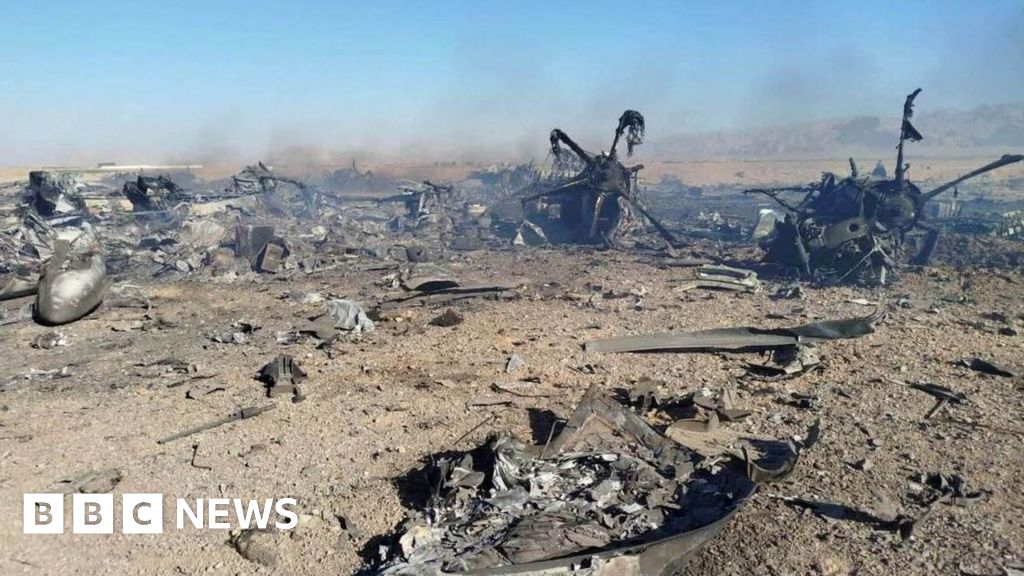

In an extraordinary display of international coordination and military precision, U.S. government agencies executed a covert operation to extract a high-value individual from hostile territory. The operation, which involved a multitude of agencies working seamlessly across intelligence, military, and diplomatic channels, underscores the expanding complexities of modern counter-terrorism and strategic security efforts. As details emerge, analysts suggest this mission represents a pivotal moment in the ongoing evolution of U.S. global security policy, with ramifications that stretch across global geopolitical landscapes.
Historians and security analysts have long debated the implications of such daring operations, indicating that these missions are not only technical maneuvers but also highly symbolic acts of sovereignty and resolve. According to international security experts, the success of this operation stresses the importance of advanced intelligence gathering and rapid deployment capabilities. However, it also highlights the fraught nature of conducting activities within contested zones, where complex alliances and hostilities often blur traditional lines of warfare. The operation was reportedly the culmination of months of covert intelligence gathering, meticulous planning, and real-time coordination among agencies such as the CIA, Department of Defense, and other allied entities. The ability to pull off such a high-stakes rescue in hostile territory demonstrates the U.S. administration’s unwavering commitment to safeguarding its interests and personnel abroad amidst a sea of geopolitical volatility.
This action’s geopolitical impact extends far beyond the immediate tactical success. It sends a clear message to hostile nations and insurgent groups about the reach and resolve of the United States. The operation’s timing, amidst rising tensions in regions like the Middle East and Eastern Europe, signals a recalibration of America’s strategic priorities, emphasizing proactive and surgical interventions. International bodies such as the United Nations have observed cautiously, with some analysts warning that such high-profile missions risk escalating conflicts and further destabilizing fragile regions where sovereignty is often challenged. Meanwhile, adversarial states are likely to reassess their security strategies in response, potentially leading to increased clandestine activities or retaliatory actions.
Experts like military strategists and political scientists interpret this daring rescue as a testament to the evolving nature of international power dynamics. With each successful operation, the calculus of global influence shifts, reinforcing the importance of maintaining technological supremacy and intelligence dominance. Yet, critics argue that such operations may deepen regional instability and fuel anti-Western sentiment, complicating diplomatic efforts. As the world watches, this unfolding chapter in the ongoing saga of international security continues to shape the course of history, with the weight of future conflicts resting on decisions made in secret operations and open diplomacy alike. What lies ahead remains uncertain, but one thing is clear: this event marks a significant turning point in the theater of global power, where covert operations are increasingly defining the competitive landscape. The pages of history are still being written, and this daring rescue could be remembered as both a triumph and a warning—an enduring reminder that, in the shadows of geopolitics, the stakes have never been higher.