Matox News

Truth Over Trends, always!

Trump’s new tariff refund plan kicks off way to pay back billions—US Politics Update

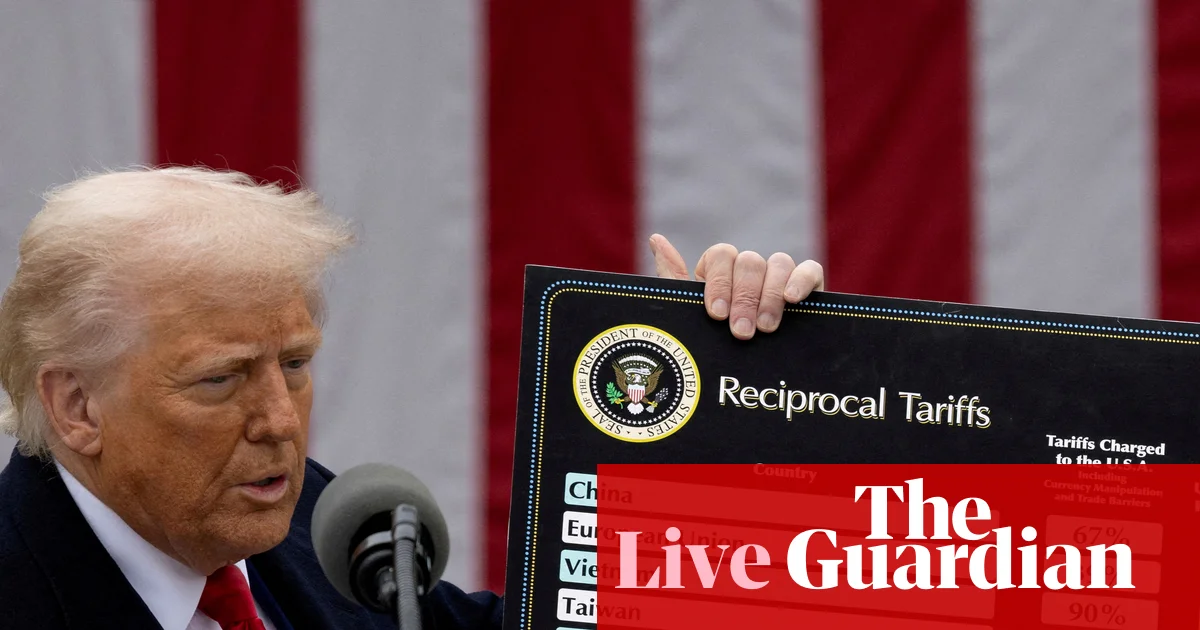
The United States continues to exert profound influence on the global stage through its evolving policies, particularly under the recent actions of the Trump administration. The administration’s decision to establish a portal for tariff refunds represents a significant legal and economic shift, following the Supreme Court’s ruling that questioned the constitutional authority of the government to impose over $166 billion in tariffs. This move, aimed at reimbursing American importers who paid tariffs later invalidated, signals a contentious redefinition of trade and fiscal policy that resonates far beyond U.S. borders. International observers, including analysts from the International Monetary Fund and seasoned historians, warn that such unilateral policy adjustments could unsettle global trade networks and diplomatic relations, especially in volatile regions like the Middle East and Asia.

In an era punctuated by rising geopolitical tensions, the recent U.S. seizure of an Iranian cargo ship near the Strait of Hormuz sent ripples through worldwide markets. Oil prices surged by 4.8%, reaching nearly $95 a barrel, as markets responded to the U.S. assertion of authority in the strategically vital shipping lane. This move, compounded by escalating U.S.-Iranian hostilities, has cast shadows over the prospects of a lasting ceasefire and encouraged countries dependent on Middle Eastern energy supplies to reconsider their energy strategies. European stock markets faltered as traders grappled with the unstable outlook, illustrating a direct geopolitical impact caused by the U.S. demonstration of military and economic resolve. The decision underscores how power struggles and strategic military acts in the Middle East are driving global economic volatility, further destabilizing a fragile world economy seeking equilibrium amid the wave of new alliances and fractures.

Meanwhile, domestic U.S. political debates regarding Section 702 of the Foreign Intelligence Surveillance Act (Fisa) highlight ongoing concerns about privacy and national security. Both chambers of Congress faced a tight deadline to negotiate reforms on this contentious provision, which permits the collection of foreign communications without warrants. Such debates are reflective of broader geopolitical tensions: American lawmakers grapple with balancing civil liberties in an era of aggressive foreign surveillance, especially as impacts ripple into international relations. The inability of leaders like John Thune and Mike Johnson to reach consensus indicates a polarized environment, with implications that extend well beyond U.S. borders. As commentators like analysts from the Council on Foreign Relations suggest, these internal policy disputes could influence global perceptions of U.S. stability and strategic consistency, thus shaping alliances and deterrence capabilities for years to come. The narrative unfolding in Washington and beyond leaves the world perched on the edge of further upheaval, as the history of this era remains unwritten but profoundly consequential.

MAGA Movement Fractures: Trump Warns Iran Risks ‘Entire Civilization’ Over Deal – Live Update | Trump Admin

As President Donald Trump escalates his rhetoric and military threats against Iran, the geopolitical landscape of the Middle East and international diplomacy faces unprecedented turbulence. Trump’s recent threats, including promises to target Iran’s civilian and energy infrastructure if Tehran fails to reopen the Strait of Hormuz, represent a significant departure from traditional U.S. policy. Historically, such threats have been condemned by international watchdogs and analysts who warn that escalating military rhetoric could spiral into a full-scale conflict with widespread consequences. Prominent geopolitical scholars argue that these actions risk destabilizing the already volatile region, with ripple effects extending far beyond Iran’s borders, impacting global energy supplies and regional alliances.

The U.S. administration’s stance appears to have fractured even within Trump’s own political base. As the crisis deepens, voices from the right-wing echo chamber are voicing concerns over the potential for catastrophic escalation. Former Fox News anchor Tucker Carlson condemned the escalation as “vile on every level,” emphasizing that the threats to kill civilians and destroy Iran’s infrastructure are reckless and unprecedented in American foreign policy history. Meanwhile, figures like Marjorie Taylor Greene have openly called for his removal under the 25th Amendment, citing concerns over his mental stability amid these threats. This internal rift underscores a larger pattern of disunity, as even the most conservative factions begin to question the wisdom of Trump’s aggressive approach.

Internationally, responses have been mixed but increasingly alarmed. The European Union and United Nations have expressed concern over the risk of war, with diplomats warning that such threats undermine efforts toward de-escalation. Historically, analysts like Dr. James Dobbins, a retired U.S. diplomat, have emphasized that miscalculations driven by inflammatory rhetoric could escalate into a conflict that would have devastating regional and global consequences. Oil markets have reacted sharply as well; Brent crude prices have surged above $110 a barrel, reflecting fears of supply disruptions given Iran’s strategic importance. Oil experts warn that such instability could trigger a broader energy crisis, reverberating through global markets and economies already fragile from recent disruptions. The geopolitical upheaval around the Strait of Hormuz thus has the potential to reshape international alliances, reduce U.S. influence in the region, and force nations to recalibrate their foreign policies based on security and economic interests.

This crisis unveils a stark reality: the decisions made today could define the future of international order for decades to come. The dramatic threats by Trump, coupled with internal fractures and global unease, serve as a sobering reminder that the course of history remains uncertain. The coming days will test whether diplomatic channels can withstand this storm or if a misstep will plunge the world into conflict. As history continues to unfold, one thing becomes clear—the era of unchecked military bravado risks turning into a chapter marked by irreversible consequences for nations and societies across the globe. The weight of those choices now hangs heavily in the balance, casting shadows over what the future holds for international peace and stability.

Minister hints at support package as energy prices expected to climb in July—UK Politics Update

As the 21st century unfolds, geopolitical landscapes are rapidly transforming, driven by pivotal decisions that redefine alliances, influence societies, and shift global power dynamics. Recent developments highlight an international stage where traditional alignments are being challenged, and emerging powers are asserting new claims—most notably through strategic energy policies and diplomatic realignments. The significance of these shifts is not only in their immediate geopolitical impact but also in how they resonate across economies and societies, setting the stage for future conflicts and cooperation.

One of the most striking indicators of this transformation is the ongoing energy policy debate that echoes across Western and Eastern nations alike. The recent forecast by Cornwall Insight predicts an 18% rise in the energy price cap for UK households in July, indicating a looming escalation in domestic energy costs. This increase—anticipated to reach £1,929—comes amidst growing tensions over energy security and resource dependence. As analyst Craig Lowrey underscores, “how high prices go remains uncertain,” but the timing provides a temporary relief, given the reduction of demand during summer. Yet, the very debate reveals deeper geopolitical undercurrents, where control over energy supplies and access to resources are at the core of national security strategies, especially as regional conflicts threaten supply lines and increase volatility.

Alongside energy conflicts, diplomatic measures are reshaping international alliances. The UK’s decision to review its internal security policies, such as instructing police to cease recording non-crime hate incidents, illustrates a broader trend of governments recalibrating their social policies amid geopolitical pressures. The move, justified by the Home Office as a means to streamline police focus, sparks a debate about balancing societal cohesion with security interests. Empowered by recent reviews from Police Chiefs and policy analysts, this shift could influence how societies respond to internal threats, possibly reflecting a broader move by states to prioritize domestic security over social liberalization—an approach that aligns with a global pattern of assertive national sovereignty.

Priority shifts extend to the internal political arena as well. Keir Starmer chairs a Cobra emergency committee amid escalating tensions over the Iran war. Simultaneously, the Labour leader confronts a critical strike threat from resident doctors, with Prime Minister Rishi Sunak threatening to withdraw NHS training offers within a tight 48-hour window. Such domestic challenges underscore the intertwined nature of global and national crises, where foreign conflicts and economic stability directly impact social cohesion, workforce morale, and public trust. Experts warn that these decisions—particularly in healthcare and national security—can have long-term consequences, influencing societal attitudes and the stability of policy frameworks.

Global repercussions ripple through these domestic and diplomatic shifts, shaping a new international order where cooperation is often overshadowed by strategic competition. International organizations voice concern over the unpredictable energy market and the mounting internal tensions within and between nations. Historians like **Paul Kennedy** highlight that “the current era resembles past moments when resource scarcities and strategic rivalries precipitated prolonged conflicts.” As nations navigate a complex web of alliances, disputes, and internal challenges, the balance of power remains fragile. The unfolding narrative suggests that the decisions taken today—be it energy policies, security reforms, or diplomatic engagements—will not only determine geopolitical trajectories but also define the societal fabric of future generations.

In the shadow of these profound shifts, the world teeters on a precipice where the weight of history presses down. Every treaty, policy amendment, and diplomatic handshake becomes a chapter in a larger story—one of resilience, rivalry, and the persistent pursuit of national sovereignty amidst a volatile tapestry of global change. As history continues to be written, the question remains: which nations will emerge as the true architects of the future, and which will become mere footnotes in the ongoing saga of international power?

Valve’s SteamOS 3.8 update drops, bringing must-have features and Steam Machine support for gamers on the go

Valve Unveils Groundbreaking Features in New SteamOS Update: A Disruptive Leap for Gaming Hardware

In a move that underscores the accelerating pace of innovation in gaming hardware, Valve has rolled out an extensive update to its SteamOS platform, presenting a clear challenge to entrenched industry norms. The latest release not only enhances the capabilities of its flagship Steam Deck but also signals disruptive potential across gaming and consumer electronics markets. This strategic move positions Valve at the forefront of gaming activism, leveraging software innovation to extend hardware relevance and forge a multi-platform ecosystem.

Key to this update is the introduction of genuine hibernation modes—specifically, “memory power down” states for the Steam Deck, which promise to significantly improve battery efficiency and user experience. While some Windows-based devices currently outperform the Steam Deck in sleep longevity, Valve’s adoption of these power management features indicates a bold step toward mobile power efficiency. Furthermore, the upgrade includes expanded support for a broad array of handhelds, including models from Microsoft, Asus, Lenovo, OneXPlayer, and others, effectively creating a broad-based platform for hardware interoperability. This level of support was previously limited and positions Valve as a standard-setter”, fostering a competitive landscape that could reshape consumer expectations on versatility and user control.

Strategically, Valve’s focus is not solely hardware-centric; the company is embedding software innovations that influence the business models of gaming. Features like Bluetooth microphone support and HDMI surround sound detection adapt the Steam Deck into a seamless multimedia hub, eroding traditional boundaries between gaming, entertainment, and productivity devices. This aligns closely with predictions from industry analysts at Gartner, who stress that integrated ecosystems are increasingly shaping consumer preferences, forcing competitors to innovate or cede market share. The comprehensive improvements in graphics drivers, system infrastructure, and video memory management further empower developers and hardware manufacturers to push creative boundaries, thus enabling disruption of incumbent giants like Sony and Microsoft.

Perhaps the most audacious aspect of Valve’s update involves the broad “Non-Deck” hardware support initiatives. Long-pressing power buttons to manage devices, enabling processor power mode changes, and refining color and night modes on AMD Z2 handhelds all reveal a philosophy of software-driven hardware universality. Such features hint at a future where software flexibility becomes the key battlefield for competitive advantage, echoing insights from tech luminaries like Elon Musk, who advocate for software-defined hardware ecosystems. This move could catalyze a wave of innovation, forcing established console and PC vendors to rethink their strategies, with next-generation platforms poised to blur the lines that previously defined gaming sectors.

Looking forward, this meticulously crafted update from Valve signifies more than incremental improvements; it marks a strategic inflection point in a rapidly shifting landscape. As industry leaders like Peter Thiel emphasize, disruption comes from those who leverage innovation to redefine markets. Valve’s emphasis on power efficiency, broad hardware support, and integrated multimedia capabilities signals a downward pressuring force on traditional console and PC manufacturers. With the advent of such flexible, software-driven devices, the future will belong to those who innovate swiftly and decisively—an urgent call for established players to accelerate their own disruptive efforts to stay relevant amidst the digital revolution unfolding before our eyes.

Trump slams Supreme Court on tariffs in late-night social media blast—US politics update

Global Implications Unfold as Donald Trump Challenges Judicial Limits on Tariffs

In an aggressive display of executive assertion, Donald Trump publicly decried the recent Supreme Court ruling which deemed many tariffs imposed during his administration illegal. This confrontation inside the United States highlights a broader geopolitical struggle over economic sovereignty and international trade authority. Trump’s declaration that he possesses the “absolute right” to impose tariffs by alternative legal means underscores a potent assertion of presidential power, capable of unsettling the delicate balance of American constitutional and international law.

Historically, these disputes trace back to vital debates on the limits of executive authority in commerce and crises. Experts like constitutional law scholars note that Trump’s accusations—claiming the judiciary has “unnecessarily RANSACKED” the nation—are more than personal grievances; they reflect a rising trend among nationalists advocating for unrestricted economic sovereignty. International organizations such as the World Trade Organization have warned that such bold assertions could threaten the global trade order, especially in the context of ongoing contentions with China and European countries. As analysts argue, the independent judiciary has acted as a crucial check on presidential overreach, yet Trump’s rhetoric signals a potential shift toward executive dominance over international trade rules.

Recent U.S. government responses—including reinstating tariffs under different statutes—signal an intent to preserve leverage in global markets. The administration’s swift implementation of 10% tariffs under *Section 122 of the 1974 Trade Act* reveals an effort to navigate around judicial setbacks, yet these are only temporary, set to expire in July. Meanwhile, US officials are investigating for new, permanent tariffs, signaling that economic warfare remains a central aspect of America’s geopolitical tactics. The strategic resonance of these moves is felt across continents: as the U.S. flexes its economic muscles, allies and rivals alike brace for the ripple effects of a nation reasserting its tariff sovereignty amidst rising international tensions.

Adding to the global stakes is the Trump administration’s posture toward China and Iran. His hinted delay of a summit with Xi Jinping over the Iran conflict illustrates how domestic legal challenges ripple outward, potentially delaying diplomatic initiatives with major powers. International observers, including European diplomats and think tanks like the International Crisis Group, note that such delays complicate ongoing efforts to stabilize the Middle East and confront regional threats. The intertwining of domestic legal disputes with international diplomacy illuminates the profound turning point in how national leaders exercise power—posing questions about the future of international legality versus unilateral executive action. As the weight of history presses upon this moment, the world watches, knowing that these decisions will echo in geopolitics for decades, shaping alliances, sovereignty, and stability in uncertain times.

Pete Hegseth says Trump’s ‘closing’ Iran conflict as tensions escalate – US politics update

Global Escalation: The US, Iran, and the Future of World Power

In a dramatic turn of events, the United States has launched a major military operation against Iran this week, igniting a complex geopolitical crisis with potentially irreversible consequences. The operation, dubbed Operation Epic Fury, was authorized by President Donald Trump after nearly half a century of Iran’s alleged hostile actions against Western interests. As US officials publicly assert that they are “finishing” what was started long ago, the very fabric of international diplomacy and national sovereignty is being tested like never before, creating ripples that threaten to destabilize the Middle East and reshape global power balances.

From the outset, the US government has framed the conflict as a necessary response to Iran’s persistent threats—rhetoric rooted in accusations of missile proliferation, nuclear ambitions, and regional destabilization. Defense secretary Pete Hegseth has emphasized that this campaign will not be swift, describing the operation as a “big battle space” requiring patience and strategic precision. His assertion that “We didn’t start this war, but under President Trump, we are finishing it,” signals a shift toward a more aggressive posture that bucks the traditionally cautious approach of past administrations. Historically, analysts and war critics warn that such a posture risks spiraling into a regional conflagration from which even nuclear deterrence may not protect the world’s superpowers from entanglement.

The unfolding escalation has prompted urgent responses from Congress, with Democratic leaders demanding a vote under their constitutional authority to limit Trump’s military actions.

  • Top Democratic representatives, such as Gregory W. Meeks, have vowed to oppose the war effort, with some even willing to board planes to oppose what they see as an unconstitutional invasion.
  • Yet, despite these efforts, the administration maintains that it “set the terms of this war from start to finish,” signaling a federal executive branch increasingly willing to bypass Congress and consolidate military authority in a manner reminiscent of imperial overreach.

International organizations, including the United Nations, have expressed concern that the open warfare risks pushing the region into chaos, with war analyst Dr. Laura Hendrick warning that “such unilateral military actions could trigger a regional domino effect, leading to wider conflicts involving neighboring states and geopolitical rivals.” Moreover, the humanitarian fallout—particularly with reports of pregnant immigrant children moved into detention centers—raises questions about legality and human rights abuses under the guise of national security.

As the world watches with wary eyes, both America’s role as a global policeman and Iran’s resilience in the face of relentless pressure are at a critical crossroads. The death of Iran’s Supreme Leader Ali Khamenei, hailed by some U.S. hawks as a “turning point” for regime change, has further inflamed tensions, prompting Tehran to launch missile counterstrikes and hinting at an ongoing, perhaps endless, cycle of violence. Historian Prof. William Carter warns that “Decisions made in the coming weeks will determine whether this is an isolated chapter or the start of a new era characterized by prolonged regional chaos and a realignment of alliances.” The resurgence of military intervention, coupled with the use of AI-driven targeting from agencies like the Pentagon, signals a dangerous precedent—one where technology and brute force threaten diplomacy and peaceful resolution.

As the narrative of war continues to unfold, the weight of history presses down on leaders and nations alike. Will this conflict be resolved before irreversible damage is done, or are we witnessing the dawn of a new era of global instability? The choices made today in Washington and Tehran will echo through time, shaping the destiny of the world and leaving an indelible mark on history’s grand canvas. With war drums echoing across the landscapes of geopolitics, the future hangs precariously, reminding us that in the theater of international power, the stakes have never been higher.

Politics Update: Marles Denies Australia in Iran Strikes; Wong Highlights 115,000 Aussies in Crisis Zone as Flights Drop

The geopolitical landscape of the Middle East has once again shifted into a state of heightened tension, prompting international concern and urgent diplomatic responses. The recent escalation of conflict, coupled with the threat of Iran’s nuclear ambitions, has provoked decisive actions and warnings from many nations. Australia, traditionally cautious in foreign policy stance, finds itself in a precarious position as regional stability teeters on the brink of chaos. Recent updates from the Australian government reveal a sharp shift in posture, emphasizing the safety of its citizens abroad and the stability of its own energy supplies amidst regional turmoil.

In a notable development, Penny Wong, the foreign affairs minister, announced that Australians should brace for significant travel disruptions, as conflict unfolds in Iran and across the broader Middle East. Her statement underscores the severity of the situation, with many Australian nationals currently stranded due to airspace closures and ongoing hostilities. With approximately 115,000 Australians reportedly in the region—including thousands traveling routinely through major hubs—Wong’s warnings reflect the dire implications of the recent hostilities. Australian ambassadorial efforts remain focused on facilitating commercial flights that, as of now, have been largely disrupted or canceled, emphasizing the country’s stance on prioritizing its citizens’ safety.

Meanwhile, Canberra maintains a cautious approach externally, officially supporting efforts to prevent Iran from acquiring nuclear weapons but distancing itself from the recent US-Israeli strikes. Richard Marles, Australia’s defense minister, explicitly stated that Australia was not involved in the recent targeted strikes, including those at joint US facilities located on Australian soil. His comments align with Australia’s long-held policy of non-participation in foreign military interventions unless directly impacted or authorized, yet the clear support for preventing nuclear proliferation signals a nuanced stance. International analysts and think tanks emphasize the geopolitical impact of these moves, which could lead to further regional instability, affecting global markets, especially energy supplies.

Notably, the conflict’s ripple effects threaten to disrupt global energy security, with Barnaby Joyce, a prominent Australian politician, warning of potential petrol shortages. His remarks highlight Australia’s energy vulnerability, given that the nation maintains less than the recommended 90 days of fuel reserves advised by the International Energy Agency. As global tensions drive up oil prices, Australia’s reliance on imported fuel leaves its economy exposed to shocks from the Middle Eastern conflict. This development underscores the broader geopolitical impact of regional unrest, where decisions by powerful nations like the US and Israel resonate worldwide, shaping economic realities and societal well-being.

Within Australia, domestic politics also feel the tremors of foreign turmoil. The government faces pressure to address mounting security concerns, alongside ongoing issues like the state of hospital infrastructure in New South Wales. A recent surprising revelation exposed hundreds of hospitals grappling with serious maintenance problems, including insect infestations and structural damage, which health officials are quick to label as potentially just the “tip of the iceberg” in an overburdened system. Such crises reveal that beyond international conflicts, societal stability depends on internal resilience—yet, as analysts warn, these domestic issues pale in comparison to the harrowing geopolitical battles unfolding abroad. The unfolding story remains a stark reminder: as the empire-building and regional conflicts intensify, the very fabric of society may unravel if nations fail to balance their foreign commitments with the urgent needs of their citizens.

As history continues to write itself, the weight of these decisions hangs heavily in the balance. The fate of Australians overseas, the stability of the Middle East, and the global order itself are intertwined in a narrative that refuses to be easily unraveled. The choices made today—be it in Canberra, Washington, or Jerusalem—will echo through the annals of history, shaping a world in which the calm before the storm is over, and the storm itself has only just begun. In this delicate dance of diplomacy and power, the echoes of past conflicts remind us that the true test of leadership lies not in the words spoken but in the actions taken—actions that will be remembered long after the current flashpoints have faded into history’s shadows.

Minister clashes with Ratcliffe over claim UK built by immigrants – Politics Update

UK Politics in Turmoil as Immigration Debate Sparks Government Backlash

Recent developments in London’s political landscape indicate a notable shift in governmental response to contentious issues surrounding immigration and national identity. The controversy erupted when Jim Ratcliffe, a prominent billionaire and co-owner of Manchester United, made inflammatory remarks claiming that the UK is being “colonised” by immigrants. Such statements, especially from a figure known for his financial influence and subsequent relocation to Monaco to optimize his tax obligations, have ignited a fierce debate within political corridors. The UK government, led by Prime Minister Rishi Sunak, swiftly condemned Ratcliffe’s comments, a departure from previous approaches where officials often downplayed or tacitly supported concerns about immigration.

Revelations from Downing Street suggest a strategic recalibration in the government’s stance on immigration discourse. According to sources close to the administration, the rapid rebuttal signals an emerging desire to distance the government from populist inflammatory rhetoric and to avoid alienating moderate voters. Starmer’s Labour opposition has seized the moment, criticizing the government’s perceived reluctance to confront divisive narratives openly. Meanwhile, New Prime Minister Keir Starmer gains confidence to articulate his progressive instincts more boldly, especially as key figures such as Morgan McSweeney, a former chief of staff of Downing Street, have stepped back from the spotlight, providing space for a shift toward more explicit policy debates on migration. The unfolding scenario underscores a broader geopolitical impact: how national narratives around immigration influence international perceptions and negotiations.

Furthermore, senior officials like Justice Minister Jake Richards escalated the rhetoric against Ratcliffe’s comments, asserting that while everyone has a right to their opinion, inflammatory language like “colonised” is offensive and inaccurate. Richards highlighted the hypocrisy of Ratcliffe, pointing out that the billionaire’s personal move to Monaco—primarily to dodge billions in taxes—renders his critique of immigration hypocritical and tone-deaf to common societal concerns. International analysts warn that such internal political maneuvers have broader geopolitical implications, especially as the UK seeks to maintain its global standing amidst shifting alliances and domestic upheaval. Historically, experts like Dr. Eleanor Clarke, a scholar of British politics, emphasize that the British identity remains malleable, but recent verbal battles threaten to deepen societal divides and challenge the country’s international image.

The domestic agenda remains packed, with key moments planned for the day, including healthcare performance data, local political debates, and visits from ministers to regions hit hard by socio-economic challenges. Yet, the real story is transpiring in the corridors of power—where decisions on how to frame national questions about immigration, sovereignty, and economic fairness are setting the stage for future geopolitical positioning. The weight of history presses down on these fleeting moments of political spectacle, as the UK’s internal divisions threaten to redefine its role on the world stage. How leaders navigate these turbulent waters will determine whether the country emerges united or fractured, shaping the narrative for generations to come.

DHS Officials Confront Lawmakers Over Immigration Funding Deadlock — Live Update

The unfolding news from Washington D.C. underscores a pivotal moment in American and international geopolitics, marked by internal turmoil, high-stakes negotiations, and escalating conflicts over immigration policies. As President Donald Trump faces scrutiny and opposition over aggressive immigration enforcement and recent deadly incidents involving federal agents, the U.S. Congress remains deeply divided on how to proceed with funding for Homeland Security and managing the chaos at the border. This domestic gridlock and upheaval are sending ripples across the global stage, with regional alliances and trade relations hanging in the balance.

The recent testimony by top officials from ICE, CBP, and USCIS before Congress reveals a Department engulfed in crisis. Acting ICE Director Todd Lyons boldly declared that agents are facing “the deadliest operating environment in agency history,” citing unprecedented border crises fueled by policies from the previous administration. Meanwhile, congressional hearings highlighted disturbing accusations of excessive force and lack of accountability, with calls from Democrats for immediate leadership changes. These internal conflicts—alongside revelations of misconduct, such as the pepper spraying of civilians including children—are fueling fears of a wider erosion of trust in U.S. law enforcement and governance.

Simultaneously, the administration’s ongoing negotiations over DHS funding expose a broader struggle for control and authority. With funding set to lapse on February 13th, bipartisan efforts to resolve the deadlock are stymied by fundamental disagreements over immigration enforcement, transparency, and oversight. The GOP insists on measures like expanded vetting and restrictions on protests, whereas Democrats demand reforms to curb abuses and restore public confidence. As analysts warn that a government shutdown would weaken national security, the geopolitical fallout becomes increasingly evident—not just as an internal American matter but as a challenge to U.S. credibility on the world stage.

Adding an international dimension, President Trump’s recent aggressive rhetoric against Canada—threatening to block a vital bridge and falsely claiming that trade with China would include a ban on ice hockey—illustrates his unpredictable approach to diplomatic relations. Formerly a supporter of the Gordie Howe International Bridge, Trump’s threats threaten to disrupt a critically important economic link between the two North American neighbors, jeopardizing regional stability and economic cooperation. Experts at the International Institute for Strategic Studies warn that such provocative tactics risk reigniting old tensions and undermining longstanding alliances. As the geopolitical weight of the U.S. shifts inward amid political chaos, allies and adversaries alike are recalibrating their strategies, watching with cautious suspicion as America’s internal divisions threaten to spill over into global influence.

Historians warn that moments like these—marked by internal disputes, public unrest, and foreign policy unpredictability—are often when nations’ fates are truly decided. Whether the U.S. can address its core issues of accountability and reform will determine not only its future stability but also its standing among the free nations of the world. As the weight of history presses down, the unfolding drama in Washington promises one thing: the next chapter in America’s story is still being written, and the outcome remains painful, uncertain, and profoundly consequential for the arc of global power.

House Democrat Jeffries slams Lemon’s arrest at Minnesota church protest – US Politics Update

Behind the tumultuous headlines of recent days lies an increasingly volatile global landscape, where decisions made within national borders ripple across continents with profound geopolitical impact. As President Donald Trump publicly warns Iran to cease its nuclear ambitions and end violent suppression of protesters, the world watches a familiar pattern of escalation and brinkmanship. Trump’s direct threat to deploy the U.S. military if Iran does not stop its crackdown exemplifies a stark shift towards a more confrontational posture, with analysts warning this could impoverish prospects for diplomatic engagement and ignite a wider regional conflict.

Simultaneously, Trump’s administration demonstrates a distinctive approach to internal dissent, as his nominee for the Federal Reserve, Kevin Warsh, signals intentions to reshape U.S. monetary policy under a President eager to undermine the independence of the institution. The President’s public praise for Warsh, contrasted with his previous criticisms of Fed leadership, underscores an ominous trend: an attempt to wield economic policy as a tool for political control rather than a safeguard of economic stability. Such moves evoke concern among international financial watchers, who warn that politicization of monetary institutions can trigger unpredictable swings in the US dollar and global markets, potentially destabilizing economies worldwide.

Domestically, America remains embroiled in internal struggles over free speech and law enforcement. The recent arrest of veteran journalist Don Lemon by federal agents—an unprecedented attack on the First Amendment—has alarmed international observers and U.S. allies. Critics argue this represents a troubling convergence of government overreach and ideological suppression, echoing the warnings of constitutional scholars who emphasize that the judiciary’s refusal to approve charges against Lemon indicates political interference aimed at diverting attention from ongoing crises, including violent crackdowns in Minnesota and Lebanon. As tensions rise, the question persists: how will the U.S. reconcile its democratic ideals with these alarming acts of repression?

In a broader context, these domestic and international events are intertwined within a shifting global order. The renewed threat from Trump to Iran, coupled with Iran’s readiness to resume diplomatic talks—contingent upon fair negotiations excluding military threats—reflects a world where diplomacy teeters on the brink of collapse. The stakes are high: will continued aggression and reckless rhetoric ignite a regional war, or can states find a path toward de-escalation? The decisions made today, from military posturing to economic policies and civil liberties within the United States, will shape the course of history’s unfolding narrative. It is a stark reminder that the weight of history rests heavily on the choices of current leaders, and the world remains a tenuous balance of power, waiting for its next chapter to be written—one that could either secure peace or ignite chaos.

Social Media Auto Publish Powered By : XYZScripts.com