Matox News

Truth Over Trends, always!

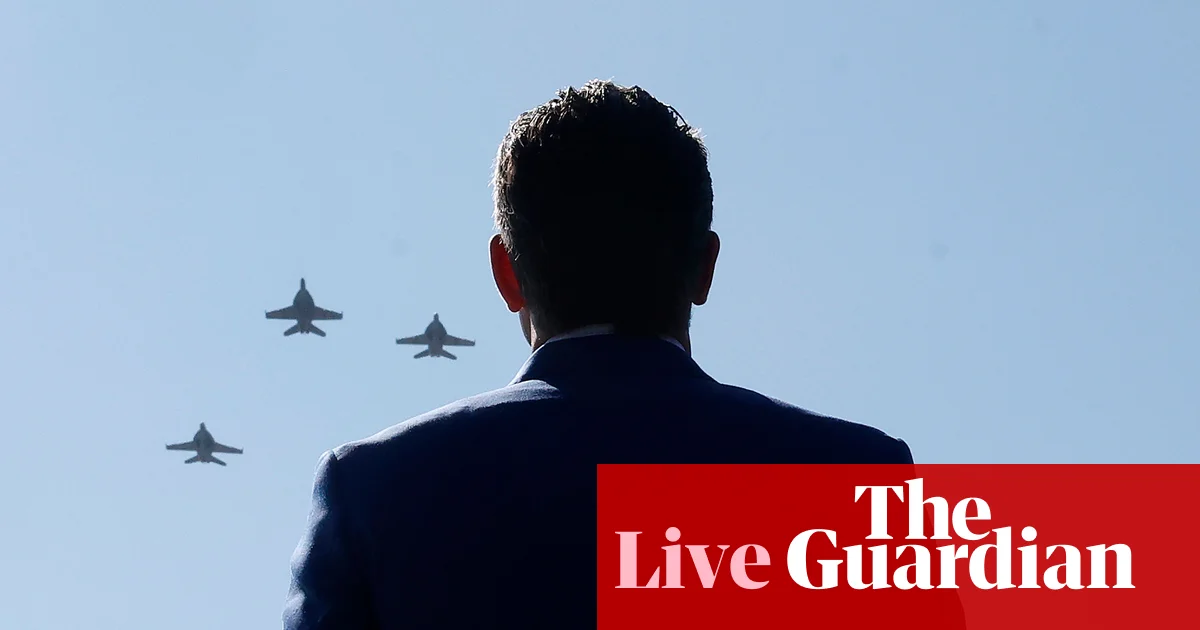
White House Severs Ties with Hegseth Over Threat of Second Strike on Drug Boat—US Politics Update

In a development that underscores the mounting tensions between **United States** and the broader international community, recent military actions in the Caribbean and Pacific have ignited a fierce debate about legality, sovereignty, and the very nature of modern warfare. According to reports, a **US Navy** commander ordered a second round of strikes on an alleged Venezuelan drug vessel on September 2, a move that has drawn sharp criticism with echoes of Cold War-style proxy conflicts. This strike, which aimed to eliminate what the **US** claims was a threat linked to drug trafficking, resulted in a series of complex repercussions both within **America** and in its relations with regional nations, especially **Venezuela**.

While **White House** officials distanced **Defense Secretary Pete Hegseth** from direct orders for the raid, press secretary Karoline Leavitt confirmed that Hegseth authorized the military engagement but denied allegations of a war crime—specifically, the report suggesting he ordered the killing of all individuals aboard the vessel. Critics, including numerous international legal experts and human rights advocates, have questioned the legality of these strikes by pointing out the absence of concrete evidence and the potential violation of international law. Historians warn that such unchecked military actions could set a dangerous precedent, undermining sovereignty and international norms that serve as the foundation of global stability.

The incident highlights a critical turning point in US military policy, as the Trump-era administration has continued its aggressive stance in counter-narcotics, employing unorthodox methods often justified by the perceived threat of drug trafficking organizations. US authorities assert that since September, at least 83 individuals have been killed in similar strikes targeting alleged trafficker vessels, primarily in the Caribbean Sea and eastern Pacific. However, these operations have faced mounting scrutiny, with international organizations such as the United Nations raising concerns over their legality and proportionality. Many geopolitical analysts argue that these actions risk unravelling the delicate balance of power, especially amid rising tensions with **Venezuela**, whose government fiercely denies any involvement in drug trade.

  • The Pentagon defends the strikes as lawful under the **law of armed conflict**, emphasizing that these operations are conducted in **international waters**, which theoretically exempts them from territorial sovereignty restrictions.
  • Both **Senate** and **House** armed services committees have launched probes into the operations amid accusations that the White House has yet to release detailed intelligence or evidence backing their claims.
  • Global reactions are mixed, with allies concerned over the escalation of unilateral military action without international consensus, while detractors contend these policies could spiral into wider conflict or war crimes accusations.

As **international organizations** and **regional nations** watch with mounting alarm, the **geopolitical impact** of these actions could be profound. A military approach rooted in aggressive strikes risks fragmenting alliances, sparking retaliation, and igniting new conflicts in an already volatile region. As scholars like Dr. Laura Simon warn, “If unchecked, this trajectory could lead to a scenario where sovereignty is eroded, and the US’s role as a global enforcer becomes increasingly questionable.” The weight of history hangs heavy as **America** navigates this precarious shadow of military intervention, where every decision echoes across borders, shaping the future of international law and security. With each new strike and probe, the narrative of power, legality, and morality continues to unfold—a story written in the blood and resilience of nations striving to define their place in an unpredictable world.
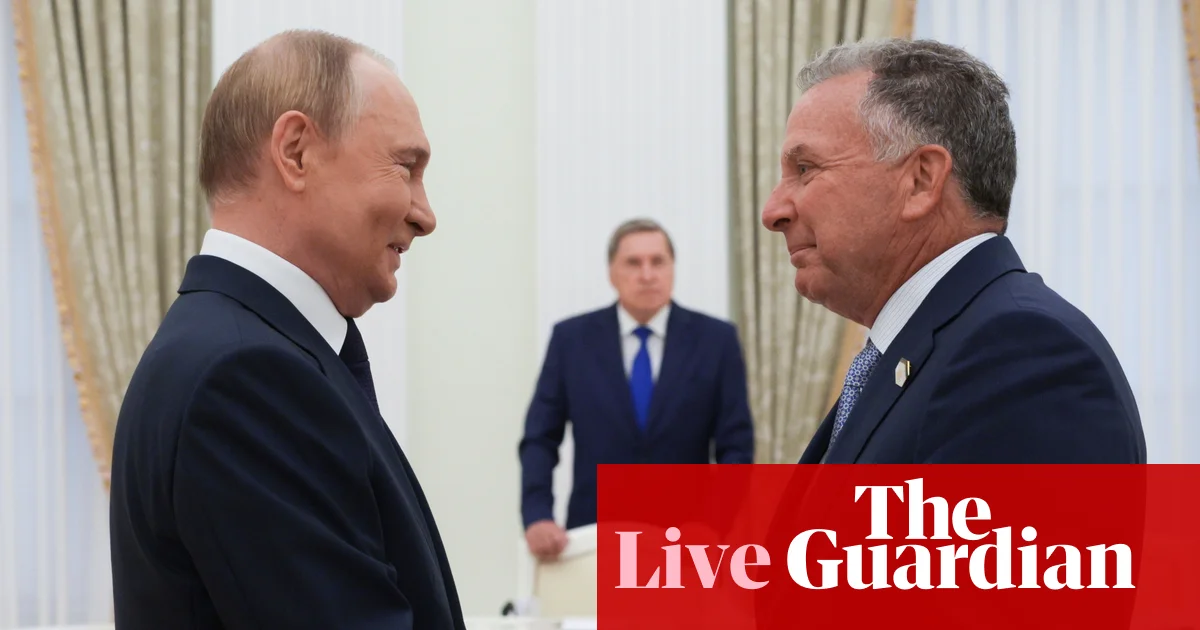
Ukraine War Update: Trump Ally Witkoff to Meet Putin in Moscow as US Pushes for Peace

Rising Tensions and Fragile Diplomacy: The Geopolitical Aftermath of the Ukraine Conflict

The ongoing conflict in Ukraine continues to shape the geopolitical landscape of Eastern Europe and beyond. As Vladimir Putin consolidates control over strategic territories such as Pokrovsk and Vovchansk—key towns believed to have fallen into Russian hands—international observers like NATO and the European Union watch with mounting concern. Despite the Kremlin refusing to confirm these reports, Moscow heralds these advances as successes, while Kyiv insists it remains in full territorial control. This ambiguity underscores the dangerous fluidity of the frontlines as Russia claims to have captured over 19% of Ukrainian territory—a stark increase since 2023—highlighting the persistent threat of a broader regional destabilization.

Amid these developments, Ukrainian President Volodymyr Zelenskyy remains resilient, asserting that Russia “must not be rewarded” for its invasion. His diplomatic efforts frenquently involve engaging with European leaders such as Emmanuel Macron and Friedrich Merz, seeking tangible security guarantees and reaffirmation of sovereignty. However, skepticism shadows these talks. Critics from the EU warn that the recent Putin-Witkoff negotiations risk pressuring Ukraine into concessions that could compromise its sovereignty or territorial integrity, casting a shadow over the fragile prospects for peace.

In this tense climate, Steve Witkoff, an envoy linked to Donald Trump‘s inner circle, plays a pivotal role. His recent meetings with Vladimir Putin in Moscow have reignited debates about the nature of American diplomacy. Analysts like Julian Borger note Witkoff’s controversial approach—advising Kremlin officials that land swaps and territorial concessions might be necessary. This approach has sparked fierce criticism, especially regarding the controversial 28-point peace proposal that seems to favor Moscow’s maximalist demands. The profound influence of such diplomatic maneuvering underscores how outside actors, including the United States, continue to shape the conflict, often blurring the lines between peace efforts and power plays.

The geopolitical implications of these negotiations are profound. As historians and international organizations warn, the consequences extend far beyond Ukraine’s borders. An escalation or miscalculation could ignite a broader conflict, dragging NATO allies into a wider confrontation. Meanwhile, Russia’s military advances have accelerated since 2022, with the fastest territorial gains recorded in recent months. The strategic importance of Pokrovsk as the gateway to Donetsk places immense pressure on Ukrainian forces, which refuse to acknowledge Russian territorial gains and remain committed to defending their sovereignty.

Apart from military conflicts, internal crises burden Kyiv’s efforts. Recent scandals involving corruption within Zelenskyy’s government threaten to undermine diplomatic and military strategies just as negotiations intensify. The recent missile attack by Russia in Dnipro, killing several civilians, reminds the world that the war’s human toll remains devastating. As the crisis unfolds, the balance of power, diplomacy, and internal resilience will determine whether Ukraine will triumph, concede, or endure a protracted stalemate— a chapter of history yet unwritten, teetering on the edge of transformation.

As history watches, the choices made in Moscow, Kyiv, and Western capitals hold the potential to redefine sovereignty and influence for generations. Will diplomacy prevail amid the chaos, or will the specter of escalation forever alter the course of modern geopolitics? One thing remains certain—this is a pivotal moment in the 21st century’s global struggle, with each decision echoing across a battlefield where the true winners and losers are yet to be determined. The unfolding chapter of this conflict reminds us all: the weight of history continues to hang in the balance.

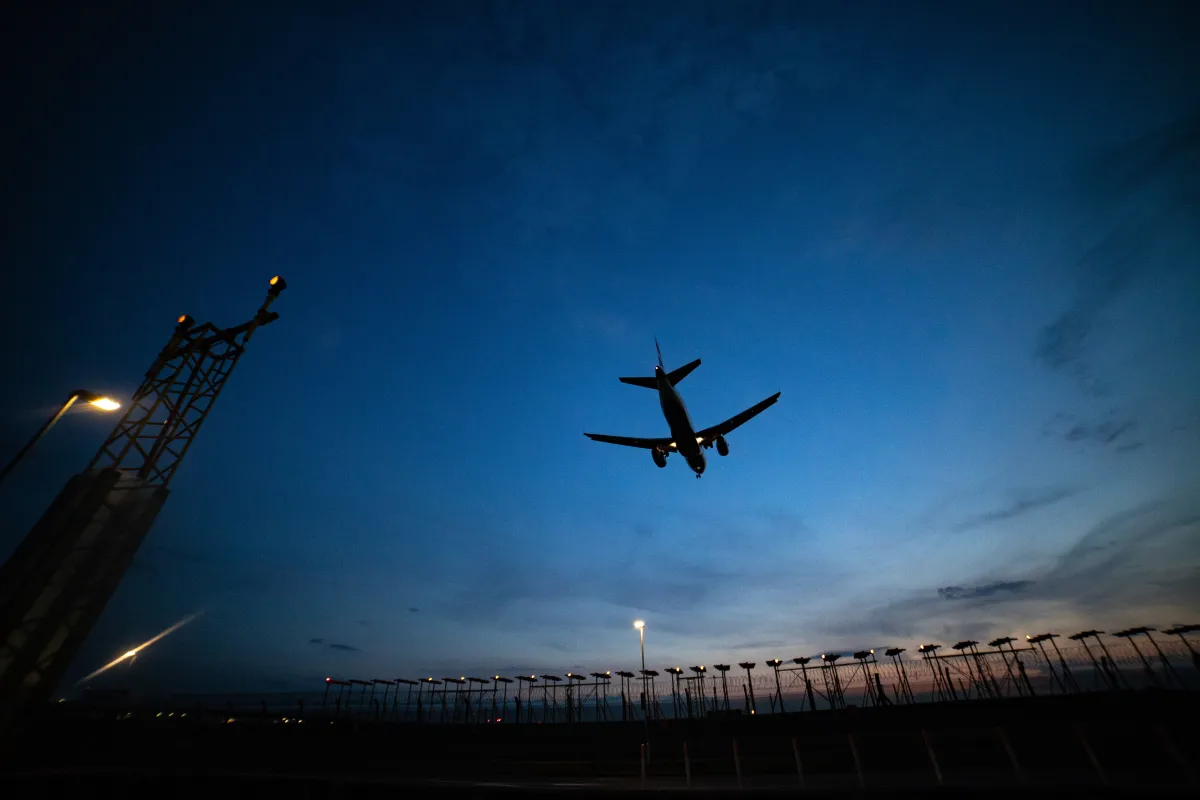
Airbus orders software update for thousands of planes over solar radiation safety concerns

Airbus A320 Fleet Recall Sparks Industry-Wide Disruption and Innovation Push

The aviation industry faces a significant upheaval after Airbus announced a proactive recall affecting approximately 6,000 of its flagship A320 series aircraft. The move, prompted by recent safety concerns linked to advanced solar radiation effects, exemplifies how emergent environmental factors are forcing technological innovation and regulatory adaptation at an unprecedented scale.

According to The Guardian, the recall follows a detailed analysis of a recent incident where a JetBlue A320 lost altitude mid-flight—a situation connected to data corruption caused by solar radiation interference. Airbus’s statement highlights a deliberate effort to **disrupt traditional aviation safety protocols** by integrating more resilient, radiation-hardened systems into their fleets. The move signals a major paradigm shift leveraging **cutting-edge materials engineering** and **software robustness** to disrupt existing standards.

This technical breakthrough is not just a safety upgrade but an industry disruptor poised to redefine fleet management and aircraft certification processes. As Gartner analysts note, such environmental vulnerabilities will accelerate innovation cycles in aerospace and push regulatory bodies to update standards rapidly, fostering a more agile response to emerging threats. The Federal Aviation Administration (FAA) has reportedly mandated an emergency airworthiness directive requiring affected aircraft to revert to older software versions before resuming service, with a subset of planes needing hardware replacements. This layered approach to risk mitigation exemplifies proactive technological transition and points to a future where **fleet safety is tightly integrated with adaptive digital systems**.

Implications for Business and Industry Disruption

  • Operational Delays: The recall has initiated widespread flight cancellations and delays globally, underscoring vulnerability within digital control systems and challenging airline logistics networks.
  • Cost and Supply Chain Impact: The hardware replacements and software rollback will place immense pressure on Airbus’s manufacturing and maintenance ecosystems, likely reshaping procurement strategies and accelerating investments in **digital resilience technologies**.
  • Market Shifts: Industry insiders speculate that this event could accelerate efforts by competitors and startups to develop **more radiation-resilient avionics**, potentially catalyzing a wave of innovation and market disruption in aerospace technology.

Environmental factors such as intense solar radiation—previously underestimated—are now recognized as significant market disruptors, prompting companies like Elon Musk’s SpaceX and Blue Origin to consider broader applications of radiation-hardening technologies. MIT researchers are also exploring hardware innovations that could significantly mitigate these environmental risks, illustrating a convergence of academic and commercial efforts driven by urgent industry needs.

Looking Ahead: Innovation as a Necessity in a Changing Environment

This incident is a clear warning to the entire transportation sector: adaptation is no longer optional but an imperative. As climate-related phenomena grow more unpredictable, the integration of disruptive innovations in digital safety systems will likely become a standard industry requirement rather than an exception. With companies like Airbus leading the charge, the transportation industry is poised at the cusp of a technological revolution that not only enhances safety but also fundamentally transforms how aerospace security and reliability are conceived.

In conclusion, the Airbus A320 recall embodies a broader narrative of **disruption fueled by climate-induced vulnerabilities**—a compelling call to action for industry leaders, policymakers, and innovators alike. The urgency to develop resilient, adaptive technology is paramount if the industry hopes to navigate the turbulence ahead and harness new opportunities in a rapidly changing world.

Australia Politics Update: Labor Tries to Win Greens and Coalition Support on Nature Laws in Final Week of 2025 Parliament

Global Power Dynamics in Flux: A Year of Unprecedented Shifts

As 2025 unfolds, the international arena witnesses a series of transformative developments that will undoubtedly leave a lasting imprint on the course of history. From the reaffirmation of aged alliances to emerging conflicts over resource control, the geopolitical landscape is shifting with unprecedented speed and intensity. Major world powers are recalibrating their strategies amidst the complex web of regional tensions and global challenges, signalling a new era where old paradigms are no longer sufficient to navigate the turbulent waters of the 21st century.

Key among these shifts is the continued resurgence of China and Russia, who are consolidating influence in strategic regions through economic, military, and diplomatic avenues. Western nations, particularly the United States and its NATO allies, are dispatching signals of renewed commitment to their traditional security pacts; however, cracks are beginning to surface within these alliances, driven by internal political shifts and divergent national interests. Yet, the most startling change may be the reassertion of sovereignty by emerging economies and regional powers asserting their independence from Western dominance, transforming previous unipolar narratives into a more multipolar reality.

Within this context, international organizations such as the United Nations and the World Trade Organization face increasing scrutiny and calls for reform, largely because their ability to mediate effectively has been hampered by national self-interests. The global climate crisis adds a layer of urgency to these diplomatic negotiations, with nations balancing the imperative for sustainable development against short-term economic gains. Historians and analysts warn that failure to adapt to these new realities could lead to heightened conflicts over resources and technology, with the potential for widespread instability.

Of particular concern is the escalation of conflicts over critical resources, including rare earth elements, water, and energy supplies, which are vital for technological and military superiority. Countries are increasingly turning inward, prioritizing self-reliance and securing their borders against what many perceive as external threats. This trend signifies a fundamental challenge to the post-World War order and a deliberate move toward geopolitical resilience. As nations navigate these turbulent waters, scholars emphasize the importance of maintaining open channels for dialogue to prevent misunderstandings from spiraling into all-out confrontations. The next few years are likely to be pivotal, as political factions and regional actors push for dominance, making the path forward anything but predictable.

In conclusion, the unfolding history of 2025 is a stark reminder that the decisions made today will echo through generations. As global players recalibrate their positions and face the consequences of their actions, the world stands at a perilous crossroads—where the pursuit of power and security risks eclipsing the common good. The cause-and-effect of these seismic shifts will shape the fabric of international relations for decades to come, leaving behind a legacy that history will scrutinize with relentless scrutiny. In this drama of diplomacy and conflict, the weight of the future remains uncertain, yet undeniably heavy—building a story of resilience, rivalry, and revolution that is still quietly being written in the shadows of the great halls of power.

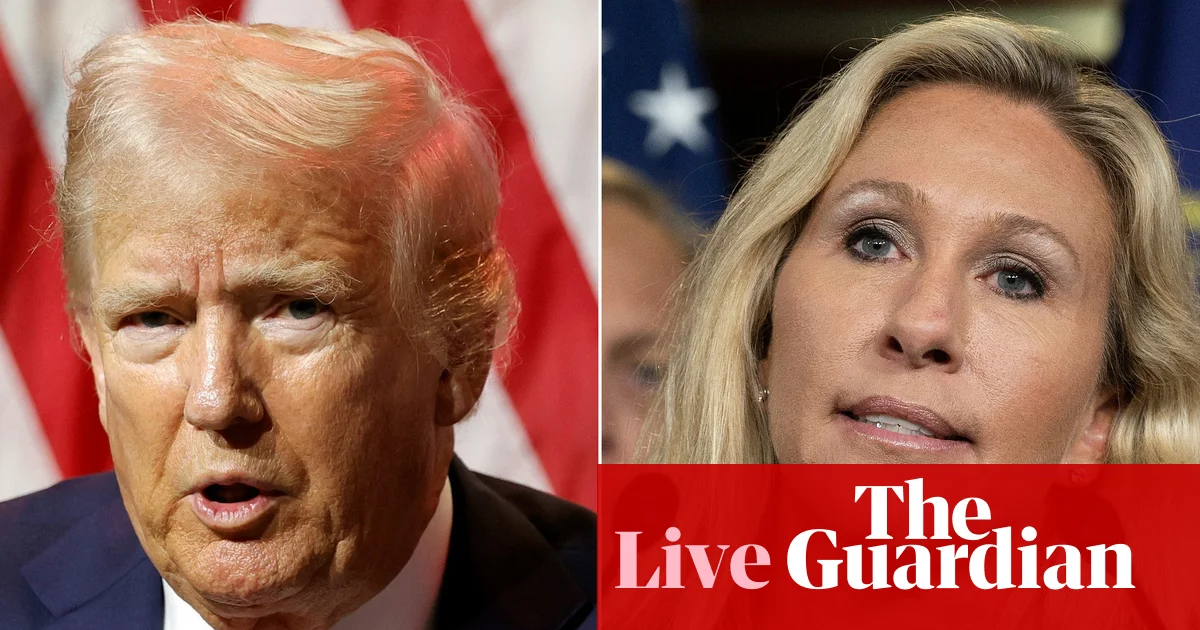
Trump Buries Greene Despite Push to Release Epstein Files—Live Update | Trump Admin

Global Geopolitical Shifts: A Period of Turmoil and Transformation

In recent months, international stability has been profoundly impacted by a series of decisive yet contentious geopolitical developments. As nations grapple with internal upheavals and shifting alliances, lasting implications are emerging that will undoubtedly shape global affairs for years to come. The resurgence of aggressive military posturing, alongside efforts to access sensitive political information, exemplifies the complex nature of contemporary geopolitics. Authorities, scholars, and international organizations concur that these events signal a new era of international tension, in which decisions taken today will echo through the corridors of history.

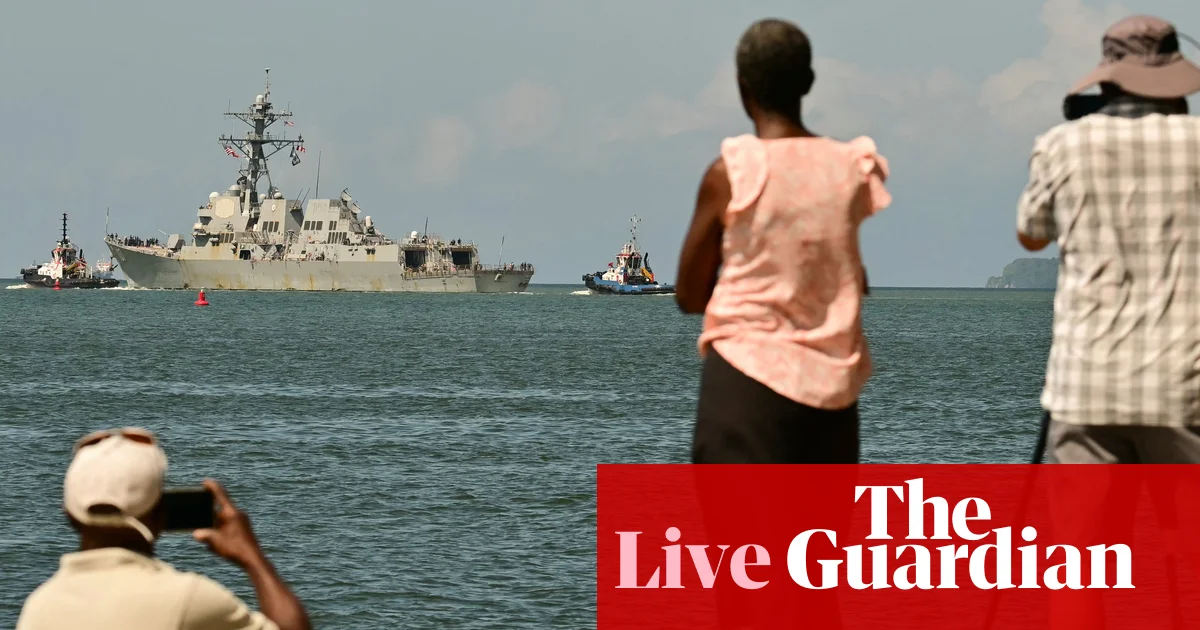
One of the most conspicuous signs of this change is the renewed U.S. military expansion in the Caribbean and Pacific regions. The arrival of the U.S. Navy’s most advanced aircraft carrier, USS Gerald R Ford, along with nearly a dozen warships and 12,000 sailors, signals a clear intention to project power and control over vital maritime routes. This buildup, part of what critics describe as a “largest-ever” mobilization in the region, escalates concerns among neighboring countries and allies about an increased likelihood of military confrontations. According to analysts from NATO and other think tanks, such displays of force are less about immediate conflict and more about reinforcing regional dominance and deterring adversaries, notably rival powers like Russia and China. How these military demonstrations influence regional stability remains a crucial question, with some experts warning of an inadvertent escalation that could spiral into broader conflict.

Shifting Alliances and Rising Tensions

Simultaneously, diplomatic efforts are taking a controversial turn. President Donald Trump‘s recent readiness to engage in talks with leader Nicolás Maduro of Venezuela reflects a significant departure from previous policies. After years of accusations linking Maduro to illicit drug trade and resisting normalization of relations, the U.S. now hints at the possibility of negotiations aimed at regional stability. This reversal has sparked internal debates among foreign policy analysts; some interpret it as a pragmatic step towards resolving long-standing regional conflicts, whereas others warn it could embolden authoritarian regimes, undermining democratic institutions and Western influence. The fluctuating stance epitomizes the ongoing tug-of-war between hardline security policies and diplomatic realpolitik, which continues to define America’s approach in Latin America.

Meanwhile, Russia’s Kremlin has expressed hope for a future summit with President Trump, hinting at the potential for a diplomatic reopening after their last summit in Alaska ended without agreement. The Kremlin believes that once preparatory needs are met, a meeting could help de-escalate tensions over the war in Ukraine. Historically, summits between these two powers carry the potential to either forge peace or ignite new conflicts, depending on the diplomatic signals exchanged. The shadow of unfinished geopolitical business hovers over these negotiations, with each side weighing strategic advantages against the risk of further destabilization.

Controversy and Internal Strife within Superpowers

At the same time, the United States faces its internal struggles, as controversial political and social movements unfold domestically. The public fallout from the confrontation between Donald Trump and certain Republican lawmakers, notably Marjorie Taylor Greene, underscores a party divided over issues of loyalty, security, and transparency. Trump’s call for the release of Jeffrey Epstein files highlights the persistent shadows cast by scandals intertwined with power, deception, and international intrigue. How these revelations influence U.S. domestic politics and international reputation remains to be seen.

The internal discord is further exemplified by the legal battle involving transgender service members, wresting with the Trump administration’s policies and their implications for national security. Such conflicts reflect broader societal fractures, intertwined with debates over identity, rights, and the very nature of patriotic service. These domestic issues, although separate from international crises, contribute to a context where internal stability and global influence are inextricably linked.

As these converging crises unfold—military power displays, diplomatic negotiations, internal political upheavals—the world faces what many have called a *turning point in history*. From the corridors of the White House to the strategic offices of Moscow and Beijing, decisions made today will determine whether the coming era will be marked by prolonged instability or a fragile, yet hopeful, pathway toward peace. The heavy weight of history presses down as nations stand at a crossroads—an epoch of chaos where choices will reverberate for generations, and the true test of global leadership begins with those willing to navigate the storm.

House prepares to vote on shutdown-ending deal as Democrats face division — US politics update | 2025 government showdown

As the United States grapples with its historic government shutdown, global signposts indicate that the geopolitical landscape is entering a new and unpredictable chapter. The recent developments within the US Congress—notably the relentless 50+ days of government paralysis followed by a tentative short-term funding deal—highlight the profound partisan divisions and influence of political factions. Such internal strife, as analysts suggest, does not occur in a vacuum but reverberates around the world, affecting strategic alliances, economic stability, and regional security.

The Joe Biden administration’s handling of the shutdown, coupled with the fiery debates over healthcare subsidies, underscore a broader trend of internal dissonance that echoes across democracies committed to reforms. Meanwhile, the European Union and NATO members watch intently, recognizing that chaos within America’s core institutions compromises collective security. As political commentator and international strategic think tanks warn, the present chaos could weaken the world’s most powerful democracy’s capacity to project power, defend its allies, and uphold a rules-based order.

Meanwhile, abroad, Israel faces its own diplomatic turmoil as President Isaac Herzog receives a letter from Donald Trump urging him to pardon the controversial Benjamin Netanyahu. The plea, based on a perception that legal proceedings against Netanyahu are politically motivated, exemplifies how domestic political battles in one nation can influence geopolitically sensitive decisions. The ongoing trials of Netanyahu, accused in corruption cases, demonstrate how internal legal processes can impact international alliances, especially with a staunch U.S. ally historically central to the Middle East’s stability. Historians argue that such interventions, whether perceived as support or interference, often shape diplomatic landscapes for decades.

Further afield, unprecedented reports allege that Venezuelans deported by the Trump administration to El Salvador endured systematic torture, including sexual assault, and inhumane detention conditions. This revelation shines a stark light on the unresolved dark chapters of U.S. immigration policy, linking human rights abuses to the broader narrative of American influence in Central America. Such actions, condemned by human rights organizations like HRW, threaten to tarnish the global image of the U.S., as critics warn that the patterns of brutality and disregard for international law undermine the moral authority used to justify its foreign policy agenda.

Analyzing these interconnected crises, international relations experts argue that the ripple effects of internal American disputes—from congressional gridlock to diplomatic negotiations—shape the destiny of nations and influence the societal stability of democracies worldwide. As international institutions and watchdogs sound warnings about the erosion of legal norms and human rights, history presses on, reminding us that these moments are not isolated but part of an ongoing, tumultuous saga that tests the very fabric of civilisation. On the horizon, as political leaders, military strategists, and citizens grapple with these unfolding events, one truth remains clear: the choices made today will echo across generations, and the weight of history continues to press down as the future’s blueprint is inscribed with both hope and peril.

Minister blames ‘broken system’ for releasing prisoners, defends David Lammy — UK politics update

UK Prison System Crisis: A Reflection of Broken Governance

The recent controversy surrounding the mistaken release of prisoners in the United Kingdom exposes more than just a scandal—it reveals a systemic failure that holds profound geopolitical implications. At the core, this crisis underscores a Government grappling with inadequate institutional capacity, especially in criminal justice, which in turn affects national stability and international credibility. As international organizations and domestic analysts scrutinize these failures, the message is clear: the world is watching how Britain manages its most vulnerable institutions—because societal stability today reflects a nation’s strength tomorrow.

The government, led by Prime Minister Rishi Sunak and heavily influenced by Home Secretary Suella Braverman, has faced mounting criticism over the recent prisoner release debacle. Critics highlight that this is not just an isolated mistake but rather symptomatic of broader issues—namely, the broken and underfunded system for managing prisoner data and release procedures. David Lammy’s role as the Justice Secretary has come under intensive scrutiny, as reports now suggest that mistakes in prisoner releases—potentially numbering into the hundreds—are linked to an archaic, manual processing system vulnerable to errors. This directly compromises public safety and raises questions about the UK’s ability to project stability and order—elements that are vital in a geopolitically turbulent world where confidence in security institutions influences diplomatic standing.

International Repercussions and Sovereignty Challenges

Internationally, the crisis threatens to deepen the skeptics’ view that the UK is increasingly fragmented in its governance, with historians and analysts warning that such internal instability could embolden adversaries or weaken alliances. The European Union, along with other allies, may question the UK’s capacity for reliable cooperation on law enforcement and counter-terrorism—areas that are essential for collective security. United Nations reports emphasize that the perceived decline in institutional integrity can undermine global efforts to foster peace, especially when a major nation like the UK appears unable to manage its internal safety net effectively.

Furthermore, the domestic turmoil has generated a ripple effect, challenging the rule of law and affecting societal cohesion. As analysts point out, a broken prison system does not merely propagate dangerous offenders; it fosters mistrust among the populace, which in increasingly polarized societies can threaten social stability and national resilience. The situation has prompted leaders like Keir Starmer to defend the government publicly, claiming accountability must be enhanced through increased digitization and improved oversight —a solution that some critics argue echoes the need for a fundamental overhaul rather than band-aid fixes.

Turning Point in Governance

Indeed, this crisis is a pivotal moment—an inflection point that demands leaders and society alike confront the rotten core of a broken system. The decision to digitize and overhaul prison release procedures represents a necessary, albeit long-overdue, forensic cleansing of the judiciary’s administrative machinery. Historians remind us that systemic failures like these often serve as a catalyst for either reform or collapse. Therefore, the weight of history is upon policymakers to heed the warning signs before chaos becomes entrenched. How Britain responds will determine whether it emerges stronger or succumbs to the consequences of political neglect—a lesson echoed by countries that have faced similar crises in the past.

As the world watches in tense anticipation, the question remains: will the decisions taken now forge a resilient future or deepen the cracks in Britain’s societal fabric? The answers will be etched into the annals of history, a stark reminder that in governance, as in life, failure to address systemic flaws inevitably bears its price—a legacy that can either be one of renewal or ruin.

Senate to vote on stopping illegal war against Venezuela — US politics update

As the world watches in increasing concern, the geopolitical landscape in the Western Hemisphere is rapidly transforming into a theater of heightened conflict and strategic maneuvering. At the forefront is the United States, embroiled in a complex web of military posturing, congressional power struggles, and economic warfare, all with profound implications for regional stability and global diplomacy.

Recent developments reveal a concerted effort by the Trump administration to leverage military force, particularly in Venezuela. Reports indicate that discussions within the US government are gravitating toward authorizing land strikes—a move that would sharply escalate the ongoing covert and overt conflicts in the region. The Senate is now poised to vote on bipartisan legislation aimed at barring President Trump from initiating unauthorized military actions against Venezuela, a clear sign of growing congressional concern over unchecked executive power. Such legislation from Senators like Tim Kaine and Adam Schiff, along with Rand Paul’s support, underscores the deep bipartisan unease about the administration’s push for military intervention. Meanwhile, reports of aggressive US military deployments—including an aircraft carrier heading to South American waters and deadly strikes on alleged drug vessels—point to a hardening US posture that many analysts see as a replay of past interventions like Panama in 1989. The echoes of Operation Just Cause are unmistakable as the US seems determined to destabilize the Maduro regime, a move critics argue is driven more by strategic interests than genuine concern for regional sovereignty.

This militarization coincides with an aggressive economic stance. The US Supreme Court recently questioned the legality of Donald Trump’s tariffs imposed under the International Emergency Economic Powers Act (IEEPA). Even the high court’s conservative supermajority appeared skeptical about the president’s authority to levy duties not explicitly authorized by Congress, raising questions about the legality of economic sanctions that have far-reaching effects. Analysts warn that, regardless of the court’s ultimate ruling, these unilateral measures weaken international economic stability and further erode the balance of powers between branches of government. Simultaneously, the ongoing government shutdown threatens to disrupt vital infrastructure, with potential cuts to flights and public services that directly impact both domestic and international mobility, economic stability, and regional security.

On the diplomatic front, Trump’s engagement with China took a notable turn as he reportedly appealed to Xi Jinping to intervene in the case of jailed Hong Kong media tycoon Jimmy Lai. This move signals a broader strategy to simultaneously project US influence and influence global perceptions of China’s internal governance. Meanwhile, the internal chaos within the US government—marked by protests from furloughed workers and legal challenges over detention conditions—exposes a nation divided against itself, with its institutions strained by persistent partisan battles. Historians and international bodies warn that such internal disarray complicates the US’s ability to project power and uphold international commitments, risking a decline in global influence and credibility.

As the chaos unfolds, so too does history a new chapter—one where America’s future remains uncertain, its choices echoing through the corridors of power and the streets of Venezuela, Panama, and beyond. The decisions made today are not just about policy—they are the shaping of a new geopolitical reality, whose true impact will be measured by the stones we cast into the waters of history. In this unfolding drama, the specter of conflict and the struggle for influence loom large, with each gamble drawing the world closer to a precipice. The weight of history presses heavily upon the present—what legacy will today’s leaders leave in the sands of tomorrow?

Discord’s Family Center update empowers parents to keep tabs on weekly spending—gear up for safer, smarter gaming!

Discord Unveils Next-Generation Parental Monitoring Tools, Signaling Industry Disruption

In a move that underscores the increasing importance of youth safety in digital spaces, Discord has rolled out a suite of substantial updates to its Family Center platform. These enhancements, aimed primarily at empowering guardians with deeper insights into their teens’ activity, embody the broader trend of tech giants intensifying parental oversight. At a time when social platforms face mounting scrutiny over youth privacy, Discord’s latest features position it as a disruptive force, potentially reshaping parental engagement across social media.

Among the most notable innovations is the expansion of guardians’ visibility into their teens’ digital behavior, including detailed reports on purchases, interaction patterns, and communication activity. Guardians can now track weekly expenditure within Discord’s Shop and Nitro subscriptions, gaining awareness of how teens allocate both time and money. Additionally, along with showing top interacted users and servers, Discord’s platform provides comprehensive insights into time spent on voice and video calls, reflecting an industry-wide response to the ‘teen safety’ wave fostered by competitors like Meta and Snapchat. The implications for business disruption are significant, as platforms move from passive monitoring to active engagement, potentially increasing user retention through safer environments, while simultaneously appealing to parental authority as a core feature.

Adding to this paradigm shift are enhanced parental controls, which now include restrictions on direct messaging, content filtering, and data privacy management. Guardians can dictate how their teens interact within Discord, a regime that echoes the industry’s strategic emphasis on responsible data practices and privacy. Experts from MIT and industry analysts from Gartner recognize that such features could usher in a new era of product differentiation—a crucial factor for platforms seeking to sustain relevance among younger demographics aware of privacy concerns. Meanwhile, Discord’s flexible reporting options—allowing teens to notify guardians of content reports—highlight an evolving model where transparency and communication become central to platform trustworthiness.

However, the deployment of these tools raises critical questions about industry standards and regulatory impacts. While fostering safer environments, increased oversight may prompt competitors to accelerate innovation, leading to a disruption in the social media landscape. With the backdrop of a sharply competitive market, where Elon Musk’s \href{https://parents.snapchat.com/safeguards-for-teens}{Snapchat} and Meta’s \href{https://techcrunch.com/2024/01/25/meta-teen-controls/}{tighter restrictions} are already reshaping youth interaction, Discord’s strategic move could accelerate the trend toward privacy-first, guardian-centric social spaces.

Future Outlook: Navigating the Next Wave of Social Tech

Looking ahead, the technology sector must brace for a rapid evolution in how digital platforms balance disruption and responsibility. As industry leaders like Gartner forecast an inevitable convergence of youth-centric design and privacy safeguards, Discord’s initiatives serve as a blueprint for the future of social media. In this high-stakes environment, the race is on to develop platforms that not only captivate younger audiences but also foster trust and security—critical ingredients for long-term business sustainability. With regulatory pressures mounting and consumer expectations shifting, developers and investors must act swiftly to secure a competitive edge, or risk being left behind in the digital revolution.

Trump urges Senate to ditch filibuster, push to end shutdown now — US politics update

In what may be remembered as a defining moment of early 21st-century geopolitics, the United States finds itself at a crossroads, with internal debates and international actions shaping a new global landscape. President Donald Trump, freshly returned from a week-long diplomatic tour across Asia, is pressing hard for radical reform within the U.S. Senate—specifically, calling for the abolition of the historic filibuster to end the ongoing government shutdown. His rhetoric on social media underscores a broader push for decisive, even contentious, changes that could, depending on their outcome, significantly reshape the nation’s legislative processes.

This shift in strategy is paired with extraordinary bipartisan reactions that signal mounting frustration. Notably, a handful of Senate Republicans—including Mitch McConnell and Lisa Murkowski—have broken from tradition to join Democrats in voting against Trump’s tariffs on over 100 countries, a move that highlights growing dissent among the political elite about the scope of executive authority and the reach of trade policies. The tariffs, which Trump enacted via executive order, have faced mounting resistance—a reflection of tensions between the executive branch and Congress, which analysts say could lead to a constitutional showdown. Historian and political analysts warn that if the ‘nuclear option’ is employed to eliminate the filibuster, it will dismantle a cornerstone of Senate deliberation, fundamentally altering the legislative landscape and possibly increasing polarization.

Meanwhile, international responses to American military actions have cast a shadow over U.S. global leadership. The UN High Commissioner for Human Rights has condemned recent US military strikes against boats in the Caribbean Sea and Pacific Ocean, alleging that these operations violate international law and constitute extrajudicial killings. This marks a rare, perhaps unprecedented, condemnation from the UN against U.S. military tactics, raising questions about America’s compliance with human rights standards while fighting drug cartels. President Trump, on his part, justifies these strikes as necessary to stem drug flow, yet the mounting civilian casualties, with at least 61 reported deaths, threaten to delegitimize this counter-terrorism effort, especially as it takes place outside the bounds of active armed conflict. Such developments threaten to diminish America’s moral standing on the world stage while emboldening adversaries who question U.S. commitment to international law and human rights.

Compounding these international tensions, the domestic political landscape remains volatile. The Senate’s vote to reject Trump’s Tariffs signifies a pushback not only against trade policies but also against executive overreach. The opposition’s rare bipartisan effort underscores a wider sentiment that the President’s aggressive economic and military strategies risk escalating global conflicts and domestic instability. As analysts warn of a possible escalation towards greater authoritarianism if the Senate’s constitutional boundaries are further eroded, the world watches with bated breath. The sense that the U.S.—once a beacon of liberal democracy—is inching towards uncharted, perhaps perilous, territory hangs heavy in the air. As history’s pages turn, the unfolding drama of these internal struggles and external conflicts will invariably define the foreign policy and social fabric of nations for generations to come. In the shadow of these tumultuous events, one truth remains clear: the shadows of history are lengthening, and the outcome remains unwritten.

Social Media Auto Publish Powered By : XYZScripts.com