Matox News

Truth Over Trends, always!

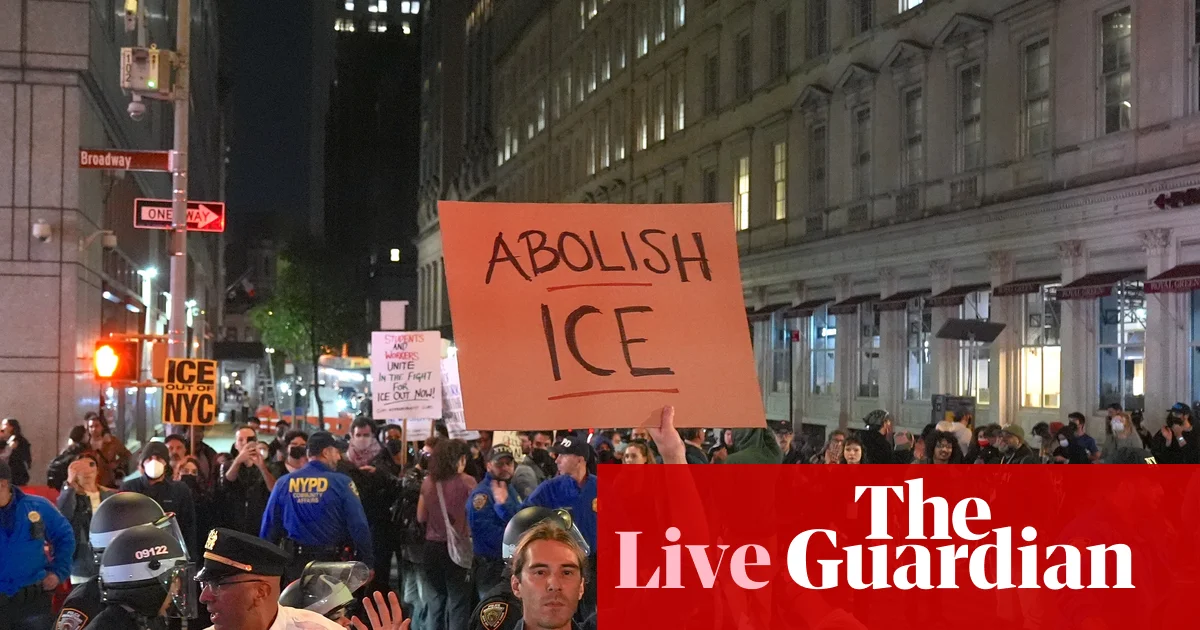
NY Mayor and Police Step Back from ICE Raids as Chinatown Protests Grow — US Politics Update

Global Shifts and Domestic Battles: The Impact of U.S. Immigration Policies and International Alliances

In a dramatic turn that underscores the volatile crossroads of domestic policy and international geopolitics, recent events in New York City and beyond reveal a landscape on edge. The city’s mayor, Eric Adams, has publicly distanced the local government from the controversial ICE raids targeting Chinatown under the pretext of counterfeit goods. Adams’s declaration that New York City has ‘no involvement’ in the federal operation reaffirms the city’s stance of non-cooperation with federal immigration enforcement, emphasizing that undocumented residents pursuing their American dream should not be targeted. This echoes a broader pattern in which local jurisdictions, especially in a nation divided over immigration, are pushing back against federal overreach—yet, the ripple effects threaten to destabilize national unity at a time of intense geopolitical friction.

The scenes in Lower Manhattan were a stark reminder of the simmering conflict between federal authorities and local communities. Protests erupted as hundreds gathered, loudly condemning ICE’s tactics. Video footage captures masked agents detaining individuals in the crowded streets, with onlookers vocally denouncing the operation amid powered-up tensions. The spectacle of armed federal agents and armored vehicles rolling silently through city streets symbolizes a shifting landscape where domestic law enforcement actions are increasingly intertwined with international narratives of migration, sovereignty, and social order. Such incidents influence how societies perceive their governments’ use of power and their obligations to vulnerable populations.

Meanwhile, on the diplomatic front, world leaders gather in diplomatic limbo, with President Donald Trump conducting an array of high-stakes meetings, notably with NATO Secretary-General Mark Rutte. Discussions are centered on military aid and the ongoing conflict in Ukraine, with Western nations coordinating the transfer of weapons often purchased from the United States. These diplomatic maneuvers, viewed through the lens of experts like analysts from the Atlantic Council, demonstrate that global alliances remain in flux—tied closely to the strategic interests of powerful nations shaping the future of Europe and beyond. The promise and perils of such alliances are evident, as NATO’s support for Ukraine intensifies the confrontation with Russia, with broader implications for European security and energy politics.

Domestically, the political landscape remains volatile, with key figures like JD Vance avoiding explicit deadlines for Hamas compliance in Gaza, highlighting the fragile balance in Middle Eastern diplomacy. On the home front, former Marine and political hopeful Graham Platner vehemently denies accusations linking him to extremist symbolism, illustrating the ongoing battleground of ideological identity in American politics. Meanwhile, the withdrawal of figures like Paul Ingrassia from critical government nominations demonstrates the increasing difficulty of confirming officials amidst a polarized political climate. These events, analyzed by political strategists, reveal a nation caught in the tension of internal dissent and international obligations, where each decision has deep and lasting consequences.

As President Trump prepares for a pivotal day at the White House, the weight of history presses upon him. His scheduled meeting with NATO’s Rutte at a time of mounting global instability exemplifies how the boundaries of diplomacy and domestic policy are dissolving into a complex tapestry of power plays and ideological warfare. Whether through false claims about fires in Portland or negotiations with European allies, the decisions made today could chart the course of history—drawing lines in the sand that will define generations. As nations grapple with upheaval and societies face internal divisions, the unfolding story remains a potent reminder: in the theater of world affairs, every move reverberates, and the true impact of these decisions will be felt long after today’s headlines fade into history.”
Gaza Ceasefire Update: JD Vance Heads to Israel as Another Hostage Is Recovered

International Tensions Rise as Israel and Gaza Maintain Fragile Ceasefire Amid Diplomatic Maneuvering

The ongoing conflict between Israel and Hamas has reached a precarious new phase, marked not only by battlefield developments but by an intense diplomatic effort from global powers seeking to stabilize what many describe as a deeply fragile ceasefire. After intense fighting that resulted in over 1,200 deaths and hundreds of hostages captured in October 2023, recent developments indicate that international actors are closely watching each move, understanding the significance of every diplomatic shift in this volatile arena. Yet, despite efforts to uphold peace, underlying tensions remain palpable, with the specter of renewed violence never far from the surface.

The situation intensified when *Israel* announced the successful identification of the remains of Sgt. Major Tal Chaimi, one of the hostages captured during the Hamas-led attacks. The Israeli Prime Minister’s office confirmed that the body, returned from Gaza, was definitively identified. Chaimi was a commander of the Nir Yitzhak kibbutz defense militia and was killed defending his community in the October assault that left approximately 1,200 Israelis dead and 251 taken hostage. His return—along with the remains of other victims—symbolizes an important, yet delicate, step forward in the ongoing negotiations mediated by international players. Meanwhile, Israel remains wary about the ongoing efforts, accusing Hamas of insincerity and insufficient effort in repatriating the remaining 15 bodies of hostages. The Palestinian militant group maintains that *war damage and military restrictions* imposed by Israel hinder their ability to locate all the deceased, underscoring the deep-rooted mistrust fueling the conflict.

Global Diplomacy in the Crossfire: The U.S. and Regional Mediation Efforts

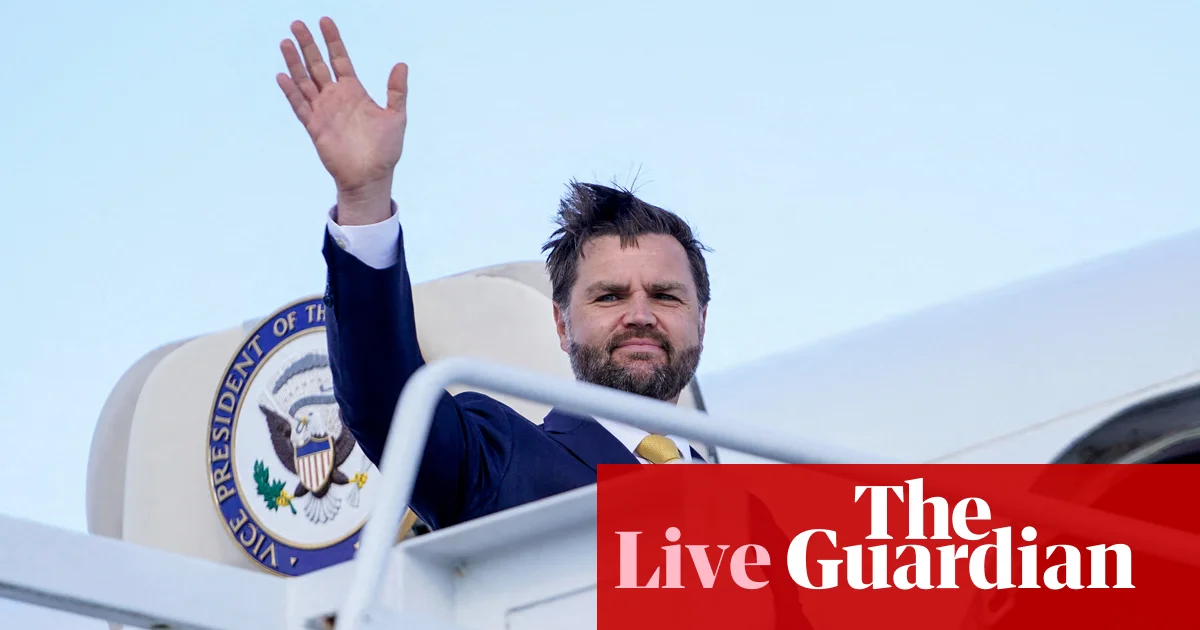
Amidst the tension, the United States has re-entered the scene with high-profile diplomatic initiatives. *US* Vice-president JD Vance is scheduled to visit Israel, a sign that Washington continues to prioritize its role in facilitating negotiations and maintaining the still-vulnerable ceasefire. In a recent speech, Israeli Prime Minister Benjamin Netanyahu outlined America’s ongoing efforts, emphasizing that discussions would focus on *security challenges and diplomatic opportunities*. This cautious rhetoric reflects the broader international anxiety about the potential for either side to trigger a renewed cycle of violence. Alongside U.S. diplomacy, Egyptian, Qatari, and Turkish mediators have been engaged in Cairo, attempting to shepherd a second phase of the Trump-era plan that includes *Israeli troop withdrawals* and *Hamas disarmament*, a proposal met with serious reservations from the militant group. Historians and analysts warn that without genuine cooperation, these negotiations could swiftly unravel, plunging the strip into further chaos.

Furthermore, *Hamas* officials attribute delays to the war’s devastation and Israeli military control over parts of Gaza, complicating efforts to recover all hostages’ bodies. As international mediators call for increased effort and transparency, the escalating warfare—marked recently by Israeli airstrikes and threats of aid cessation—raises alarms about the peace process’s sustainability. The U.N. and various NGOs watch anxiously, emphasizing the humanitarian crisis unfolding in Gaza, with little clarity on aid flows amid ongoing hostilities.

The Broader Geopolitical Landscape and Future Outlook

This ongoing scenario underscores the geopolitical impact of a conflict that has long threatened regional stability. *Israel*’s strategic calculations continue to be influenced by internal security concerns, regional alliances, and external pressures from global superpowers. Meanwhile, *Hamas* remains resolute, refusing to disarm unless their demands—including Israeli troop withdrawals and political concessions—are met. International organizations such as the United Nations and analysts from think tanks warn that these negotiations are often fragile, with the potential for missteps that could ignite full-scale war or ignite wider regional conflicts.

As diplomatic efforts unfold behind closed doors, the weight of history bears down on the region. The recent return of a single hostage’s remains and the limited progress in hostage negotiations serve as stark reminders of the delicate balance between peace and chaos—where a single miscalculation could ignite the next chapter of violent instability. The world watches as acts of diplomacy intertwine with the shadows of war, forever uncertain of how this story, still being written, will end. History is watching, and tomorrow’s decisions will dictate whether the strain in Gaza finally breaks—and what the aftermath will mean for the global order.

Gaza Ceasefire Update: Aid Flows Increase as Hamas Agrees to Release Israeli Hostages Monday Morning

In an unexpected turn of events, Hamas has confirmed it will commence the release of Israeli hostages held in Gaza early Monday morning, marking a significant moment amidst ongoing regional tensions. This development comes as part of a broader ceasefire agreement brokered by a coalition of influential international actors, including the United States, Qatar, Egypt, and Turkey. According to Hamas officials, the prisoner exchange will see the release of twenty Israeli captives in exchange for nearly 2,000 Palestinian prisoners, signaling a potential suspension of hostilities that have lasted for over two years.

The agreement, which Israel’s military claims to have fulfilled its first phase of withdrawal from Gaza, reflects a critical *turning point* in an otherwise tumultuous landscape. Under the ceasefire’s terms, Hamas has until noon Monday local time to release the captives, an act that scholars and analysts see as both a humanitarian step and a calculated political maneuver. This pause in violence is being watched intensely by global leaders and international organizations, with the United Nations warning that such pauses carry the risk of temporary relief but must be followed by sustainable peace efforts. The upcoming summit in Sharm el-Sheikh, chaired by Donald Trump and Abdel Fattah al-Sisi, aims explicitly to “end the war in Gaza” and “usher in a new era of regional stability.” These diplomatic efforts underscore a geopolitical landscape where regional powers recognize that the status quo must evolve, for the sake of both nations and societies.

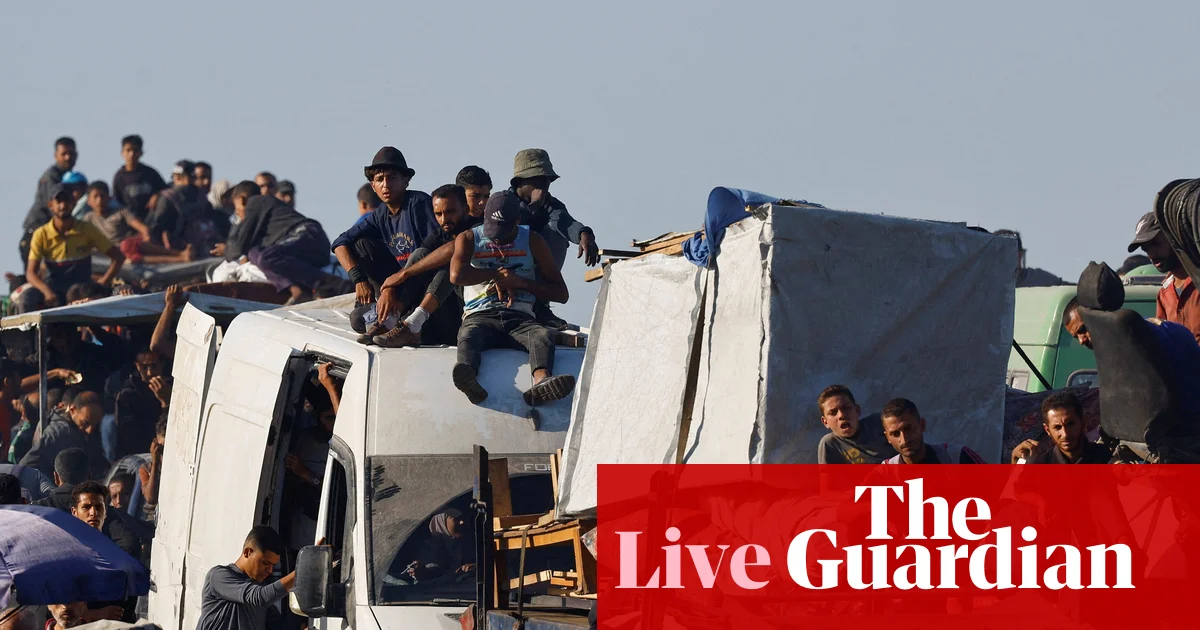
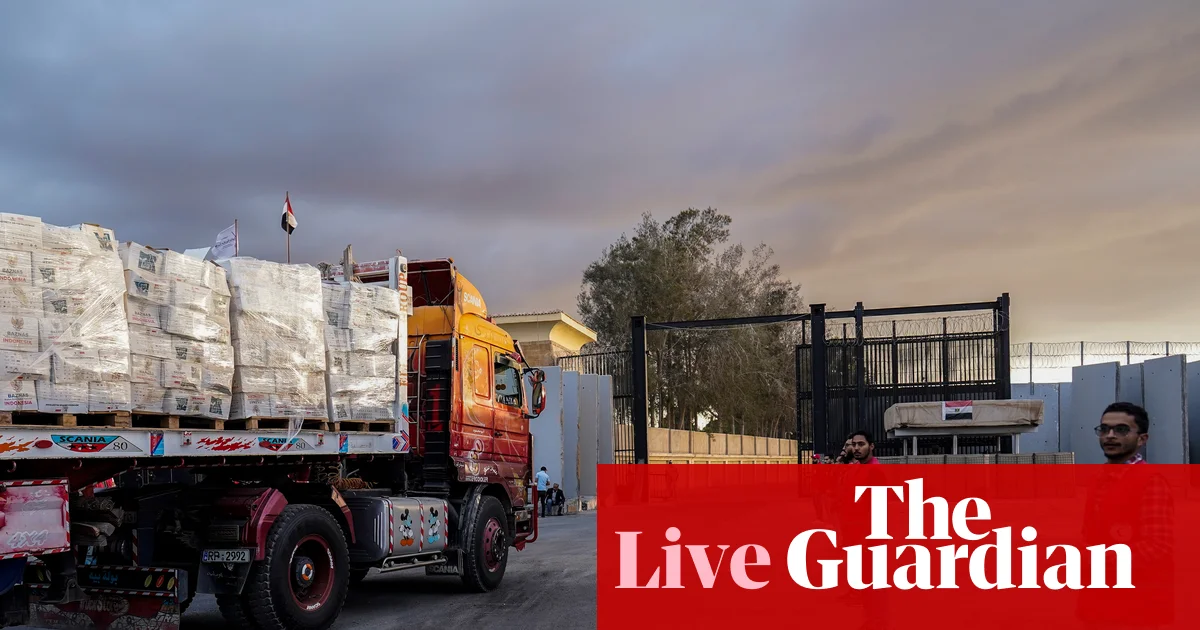
Amid these negotiations, humanitarian aid is beginning to surge into Gaza, which has endured catastrophic destruction and widespread starvation as a consequence of blockade and relentless Israeli strikes. Aid trucks have arrived at the Rafah border crossing with Egypt, with plans to inject approximately 600 truckloads of food and medical supplies daily — a crucial relief in a region suffering from famine and disease. As aid begins to flow, the international community assesses whether this temporary ceasefire will lead to a lasting peace or merely a respite in a broader conflict. Experts warn that such fragile agreements must be closely monitored, as history has shown that ceasefires can often be manipulated or broken, leading to renewed violence that threatens regional stability.

This fragility is further exemplified by the complex dynamics of prisoner releases, particularly involving high-profile figures like Marwan Barghouti and Ahmad Saadat. While Israel plans to release approximately 2,000 Palestinians, **Benjamin Netanyahu**’s government has refused to free Barghouti, a charismatic leader seen by many Palestinians as a future successor to Mahmoud Abbas. His continued imprisonment highlights persistent divisions and the ongoing struggle for Palestinian leadership figures who symbolize resistance and potential sovereignty. The fate of long-serving prisoners like Saadat, a leader of the Popular Front for the Liberation of Palestine, continues to be a contentious issue, reflecting the deep-rooted political and ideological splits that shape the broader conflict.

Analysts and international security experts emphasize that these developments, while momentous, do not guarantee long-term peace. Historians warn that profound geopolitical shifts hinge on decisions made in these high-stakes negotiations, which will reverberate across continents and generations. The decisions taken now will determine whether the region steps toward sustainable peace or plunges deeper into chaos. The unseen shadows of past failures and the weight of unresolved grievances threaten to undo fragile agreements, as history reminds us that in the grand theatre of Middle East diplomacy, the echoes of recent decisions forge the contours of the future — a future still shrouded in uncertainty, where the echoes of past conflicts continue to define the lives of millions. As the world’s eyes turn toward Gaza and the Red Sea resort of Sharm el-Sheikh, the true extent of history’s next chapter remains unwritten, waiting to be shaped in the crucible of diplomacy or chaos.

Trump Signals Broad Agreement on Gaza Ceasefire Next Steps — Live Update

Understanding the New Dynamics in Middle East: A Closer Look at the Gaza Ceasefire and Its Global Ramifications

In a dramatic turn of events, Israel has authorized the United Nations (UN) to scale up humanitarian aid shipments into Gaza, signaling a tentative lurch toward de-escalation amidst ongoing regional tensions. This decision follows intense international diplomacy and a recent ceasefire agreement aimed at halting a two-year conflict, with hopes for a more sustainable peace. Yet, beneath this veneer of progress lies a complex web of strategic interests and deeply entrenched hostilities that continue to shape the geopolitical landscape of the Middle East.

The aid effort, which is set to commence from Sunday, involves the transfer of approximately 170,000 metric tons already stored in neighboring countries like Jordan and Egypt. UN officials, pressed by the dire humanitarian crisis—characterized by malnutrition and famine conditions—have engaged in delicate negotiations with Israeli authorities regarding the volume of aid and the safety of entry points into Gaza. Stéphane Dujarric, a UN spokesperson, confirmed that critical supplies such as fuel and medical resources are already flowing through the Kerem Shalom crossing. These developments underscore the potential for more border crossings to be opened, which could significantly impact the alleviation of suffering among Gaza’s embattled population.

Regional and International Repercussions of the Gaza Ceasefire

While international organizations and regional powers scrutinize the ongoing aid deliveries, the broader question remains: how will the fragile ceasefire influence the region’s power dynamics? Lebanese President Joseph Aoun publicly condemned Israel for recent overnight strikes in southern Lebanon, which targeted civilian infrastructure and resulted in casualties. His comments reflected the persistent volatility, even amidst promises of peace, as Israel continues to conduct military operations against Hezbollah forces aligned with Iran. Despite a supposed ceasefire in November following over a year of open conflict, hostilities have persisted in various forms, with Israeli strikes in Lebanon and the ongoing confrontation with Iran-backed militias serving as stark reminders that the region’s stability remains elusive.

Meanwhile, in Gaza, the Israeli military confirmed the launch of a ceasefire that set free nearly 20 hostages believed to be alive among the total of 48 held by Hamas. Prime Minister Benjamin Netanyahu stated explicitly that the next phase hinges on Hamas disarming and Gaza demilitarizing—an arduous demand that hints at the potential for renewed violence if negotiations fail. Continuing debates over the governance of Gaza and the future of Hamas’s armed capabilities underscore the delicate balance regional and global actors seek to maintain. Analysts warn that any failure to disarm or establish a viable governing authority could reignite hostilities, destabilizing an already volatile arena.

Global Power Play: The Role of the United States and Major Powers

In the international sphere, President Donald Trump has emerged as a pivotal figure, asserting that “for the most part, there is consensus” on the future stages of the Gaza ceasefire plan. Trump indicated that Hamas and Israel are exhausted from the fighting, a perspective that has garnered praise from both sides but remains controversial among critics warning of superficial peace efforts masking deeper conflicts. The anticipated summit of world leaders in Egypt next week exemplifies the high-stakes diplomacy surrounding the crisis, with nations such as Germany, France, the United Kingdom, and regional players like Qatar and the United Arab Emirates participating in the discussions. Notably, Benjamin Netanyahu will be absent from this gathering, highlighting ongoing divisions over the strategy for Gaza and broader regional security.

Analysts emphasize that such diplomatic maneuvers could either forge a path toward enduring peace or serve as mere pauses in a conflict with roots much deeper than surface negotiations. Historically, the Middle East has demonstrated that ceasefires often hold only temporarily before violence erupts anew. As the regional powers navigate their intertwined interests, the world remains acutely aware that the unfolding story in Gaza and Lebanon is far from resolved. History continues to write itself, and the weight of these decisions underscores a future where the echoes of today’s choices will resonate for generations to come.

As history’s pen hovers over the page, every drop of aid, every negotiation, and every missile launched becomes a stroke in the grand canvas of the Middle East—a region perched on the knife’s edge of peace and chaos. The story remains incomplete, with each chapter shaping the destiny of nations and societies that are inextricably linked by conflict and the relentless pursuit of security and sovereignty.

Gaza Ceasefire Update: Trump Predicts Likely Hostage Release Monday; IDF Warns Gaza City Remains ‘Highly Dangerous’

International Spotlight on Gaza Ceasefire: A Tipping Point in Middle East Politics

The recent ceasefire agreement in Gaza, brokered amid intense negotiations involving regional mediators and highlighted by statements from leaders like Donald Trump and Benjamin Netanyahu, marks a critical juncture in the ongoing Middle East conflict. While the specifics of the deal remain cloaked in secrecy, the overarching narrative underscores a potential shift in regional diplomacy with global ripple effects. Such an achievement, claimed by Trump as his “biggest diplomatic accomplishment,” signals both a hope for peace and the profound challenges that lie ahead for world powers invested in stabilizing or controlling the volatile landscape.

The agreement’s foundation revolves around the *return of hostages* in exchange for a *limited Israeli military withdrawal* from Gaza. This early phase, hailed by Hamas and Israeli officials alike, hints at a fragile but meaningful step toward de-escalation. The involvement of mediators from Qatar, Egypt, and Turkey highlights a regional consensus aiming to temper violence, which has persisted for over two years, leaving tens of thousands dead and destabilizing much of the Middle East. Yet, significant questions remain: Will Hamas be disarmed? How will governance of Gaza evolve post-conflict? These are the *hard questions* that could determine whether the current moment leads to a lasting peace or another chapter of chaos.

Historically, peace efforts in this region have been cyclical, often collapsing amid disagreements over militant disarmament and territorial sovereignty. Analysts from international organizations like the United Nations warn that “the stakes have never been higher”, emphasizing the importance of full compliance with the ceasefire terms and the necessity of a political framework that respects the rights of both Israelis and Palestinians. The UN Secretary-General, António Guterres, has called for the *immediate, unimpeded entry of humanitarian aid* and a *credible political path toward a two-state solution*, underscoring that the world cannot afford to remain complacent. This moment presents a *historic opportunity*, but it is simultaneously a testing ground for international resolve amid the persistent specter of renewed violence.

The geopolitical impact extends beyond the borders of the Middle East, reaching the corridors of power worldwide. Leaders from the UK to Japan, recognizing the devastating human toll, have expressed hope and urged all parties to honor their commitments. Yet, the core issues — including Hamas’ future, Israeli security concerns, and Palestinian sovereignty — remain unresolved. Decisions made now will influence regional stability, global diplomatic relations, and spheres of influence for years to come. As history witnesses this unfolding chapter, the weight of responsibility presses heavily on the shoulders of those who hold the keys to peace, for in these momentous days, the very fabric of the Middle East’s future is being rewritten, with the world watching with bated breath — uncertain if this is merely a pause or the dawn of genuine peace.

Outgoing French PM: Strong Will to Reach Budget Deal, No Snap Elections on Horizon | Europe Update

France’s Political Crises Unfold: A Threat to European Stability

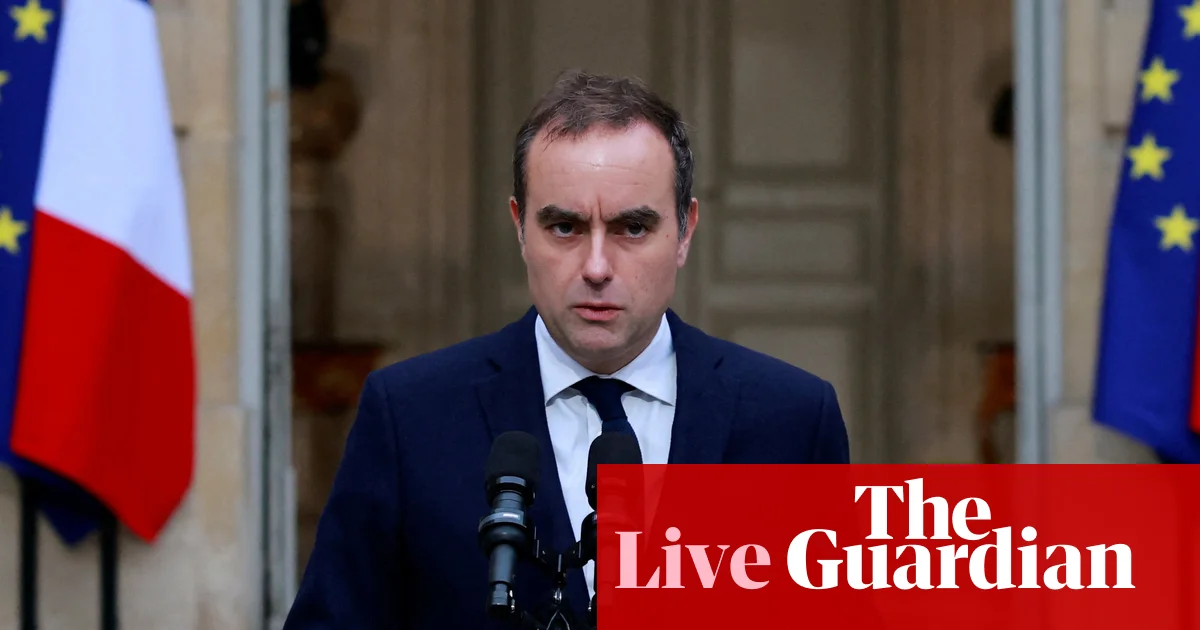
In what can only be described as a deepening crisis within one of Europe’s key nations, France is embroiled in political chaos that threatens its stability and, by extension, the coherence of the European Union. Recent developments reveal a fragile government under President Emmanuel Macron‘s leadership, with the resignation of Prime Minister Sébastien Lecornu marking yet another chapter in a series of tumultuous events since Macron’s re-election in 2022. As the nation grapples with deadlock and discontent, international analysts warn that such internal instability risks emboldening far-right factions like Marine Le Pen’s National Rally, with potentially far-reaching geopolitical consequences.

At the heart of the current turmoil is France’s inability to pass a coherent budget, a dire consequence of a hung parliament and fragmented political alliances. Lecornu, appointed after Macron’s 2022 re-election, has publicly expressed the desire to craft a budget by year’s end, signaling some convergence among diverse political factions. However, the overarching issue remains—the longstanding deadlock has rendered Macron’s presidency increasingly isolated, with mounting calls from within his own camp for early resignation or snap elections. Historian Jacques Dupont notes that this political paralysis could drastically alter France’s constitutional balance of power and erode public confidence.

  • Macron’s refusal to resign amidst plummeting popularity, with polls indicating that 70% of French citizens favor his stepping down, underscores the severity of the crisis.
  • Prime Minister Lecornu’s resignation and subsequent statements have highlighted a stubborn political deadlock, with attempts at coalition-building proving futile.
  • The political landscape in France appears ripe for exploitation by far-right parties, who are gaining popularity, further threatening the foundational stability of the Fifth Republic and the European project itself.

This ongoing crisis signals a pivotal moment for France and its societal fabric. International institutions such as the European Commission and OECD are closely monitoring the situation, understanding that prolonged instability could destabilize European markets and diplomatic ties. Scholars warn that if Macron’s government fails to reassert control, it could accelerate separatist movements, particularly in territories like New Caledonia, where political tensions have already delayed autonomy negotiations. The possibility of political fractures extending from mainland France to its overseas territories illuminates the complex geopolitics at play.

The recent upheaval in France is reminiscent of historic political crises that reshaped nations and continents. Many analysts draw parallels with de Gaulle’s resignation in 1969, an act that reshaped France’s political landscape and set a precedent for presidential accountability. The potential for Macron’s resignation or the dissolution of parliament could usher in a new era—one fraught with uncertainty but also an opportunity for renewal. As Macron prepares to address the nation, the world watches with bated breath, realising that the unfolding chapters in France’s history may well define the geopolitical contours of Europe for decades to come. The weight of history now rests heavily on the shoulders of its leaders, in a country whose decisions continue to echo across the global stage. As the crisis deepens, the question remains: will France find its way back to stability, or will this turmoil ignite a broader upheaval that reshapes the continent entirely?

PM's remarks no threat, minister insists—UK politics update
PM’s remarks no threat, minister insists—UK politics update

Global Impact of UK Political Maneuvering: A New Chapter in International Power Dynamics

As UK internal politics surge with stark policy proposals and fractious debates, the international community watches with trepidation. Recent developments at both major parties’ conferences underscore a potential shift in the nation’s direction that could ripple across global geopolitics, with far-reaching implications for alliances, global commitments, and economic stability. Distinguished analysts and international organizations highlight the tension between Britain’s domestic policies and its place in the wider world stage, marking a pivotal point in contemporary geopolitics.

At the heart of the controversy lies the proposed overhaul of the Climate Change Act 2008, a policy that has long been a cornerstone of the UK’s environmental leadership. The Conservative Party openly states its intention to repeal the Act, with some officials even talking about replacing it without clarifying what would take its place. This move, criticized as a “backwards step” by the CBI and other global economic stakeholders, threatens decades of investment in green economies and renewable technologies. Environmentalists and industry leaders warn that such撤 retraction might weaken Britain’s push toward international climate commitments and erode confidence among investors, potentially jeopardizing the UK’s reputation as a leader in decarbonization.

This domestic policy debate takes on a broader geopolitical significance. As countries around the world struggle to meet climate targets amid global upheavals, Britain’s retreat from green commitments could be perceived as a sign of wavering resolve, emboldening adversaries like China and Russia and diminishing its influence. Some experts warn that abandoning the Climate Change Act may signal to allies a divergence from shared values on sustainability, risking diplomatic fractures and a reevaluation of international alignments. The United Nations and climate watchdogs have expressed concern that such political shifts could undermine global efforts, especially as developing countries look towards Britain for leadership.

Meanwhile, internal debates around migration policies and international diplomacy complicate Britain’s global standing. The rhetoric surrounding immigration, exemplified by proposals to tighten asylum laws and criticisms of political opponents, echoes a wider geopolitical reality—the growing contest over sovereignty, border control, and national identity. Keir Starmer’s call to end what he terms the “golden ticket” of asylum, combined with inflammatory claims by Zia Yusuf suggesting that Politicians’ speeches might incite violence, reveal a nation grappling with its role in a multipolar world increasingly defined by fierce competition for influence and resources.

International observers, including European Union officials and NATO analysts, interpret Britain’s political shifts as both a symptom and a catalyst of wider geopolitical currents. The EU summit in Copenhagen illustrates Europe’s concern with security, migration, and regional cooperation—tasks complicated further by Britain’s evolving stance. Diplomatic sources suggest that Britain’s policies could impact negotiations on Ukraine support, defense strategies, and cooperation on migration, ultimately affecting the stability of the European continent and its global alliances. As the geopolitical puzzle intensifies, the global community remains alert to the weight of decisions made within Westminster, which could either reinforce or destabilize the fragile balance of power.

History and international relations scholars emphasize that whether Britain’s new policies mark a revenge of nationalism or a strategic repositioning, they are shaping a new chapter in the saga of 21st-century geopolitics. The unfolding drama commands the attention of the world’s leaders, who recognize that how Britain navigates this turbulent period will influence the stability of democracy, economic growth, and the fight against global challenges for decades to come. As history’s pen writes these critical lines, the question remains: will Britain seize its moment to lead or capitulate to forces that threaten to redefine the world order?

Fact-Check: Viral claim about Social Media Update is Unverified

Unraveling the Truth Behind Claims on the US Government Shutdown and Healthcare

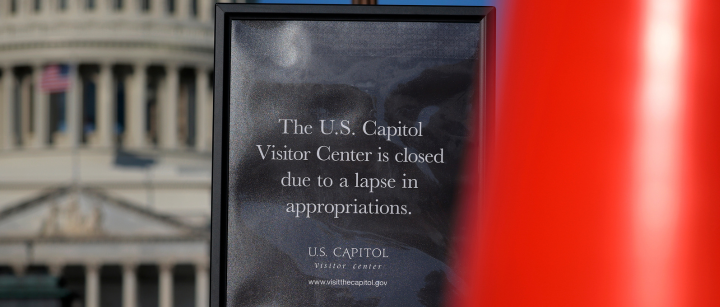
In the wake of the recent government shutdown, a surge of political rhetoric has sought to frame complex healthcare issues into simplistic narratives. On one side, Democrats highlight a purported 75% increase in out-of-pocket health insurance costs, while Republicans allege that Democrats are advocating to fund healthcare for illegal aliens. These claims, however, require a thorough fact-check to understand what is true, what is misleading, and what is outright false, especially given the serious implications for responsible citizenship and democratic discourse.

Assessing the 75% Premium Increase Claim

Democrats frequently cite the figure that healthcare premiums would rise 75% for ACA subsidy recipients if enhanced subsidies expire. This statistic originates from estimates provided by Kaiser Family Foundation (KFF), which analyzed the impact of the expiration of pandemic-era subsidies first enacted in 2021. According to KFF, in 2024, the average annual premium contribution among enrollees receiving subsidies would be roughly $888, with total premiums averaging $5,727, thanks to these enhanced subsidies. Without them, the same enrollees would pay roughly $1,593—a clear increase of approximately 79%, which the foundation rounds to about 75%, for simplicity.

  • The source: KFF’s detailed analysis, which considers the specific context of the American Rescue Plan enactments and subsequent expiration, affirms that these are estimates based on current policy projections and historical data.
  • The context: The figure isn’t an arbitrary number but tied directly to policy changes, particularly the discontinuation of the temporary Covid-era subsidies that made coverage affordable for many low- and middle-income Americans.
  • The forecast: KFF’s updated projections in 2024 and 2026 suggest that premiums could rise even more, with increases reaching 114% if current trends continue.

Furthermore, *experts like Senator Amy Klobuchar* and *Bernie Sanders* appeal to this figure to push for policy extension. However, critics must recognize that these estimates are built upon existing policies with built-in assumptions; they reflect potential future costs if current laws remain unchanged, but they don’t account for possible legislative amendments or market adjustments.

Legality and Demography of Healthcare for Immigrants

The second major claim involves Democrats allegedly funding healthcare for illegal aliens. Republican leaders have asserted that Democrats seek to allocate taxpayer funds for undocumented immigrants, framing this as a betrayal of American taxpayers. Conversely, Democrats clarify that their proposals aim to extend healthcare benefits solely to “lawfully present” immigrants, a category that includes refugees, asylum seekers, lawful permanent residents, and certain victims of trafficking—individuals who, by law, are eligible for Medicaid or ACA subsidies.

  • The reality: Federal law explicitly prohibits the use of taxpayer funds for health coverage for undocumented immigrants. *Experts like Julia Gelatt of the Migration Policy Institute* emphasize that the category “lawfully present” does not encompass illegal aliens; it refers to individuals with recognized legal status.
  • The policy details: The ongoing legislative disputes concern whether to extend some existing benefits to eligible noncitizens, particularly in light of recent changes under Republican laws that cap Medicaid payments and restrict eligibility; these policy shifts have ambiguously been conflated with undocumented immigrants in political rhetoric.
  • Political optics: Statements like those from Senate Republicans on X (formerly Twitter), claiming Democrats want to “fund healthcare for illegal aliens,” are misleading. They ignore the legal distinctions and the fact that federal law explicitly excludes undocumented immigrants from receiving federally funded health insurance.

*Health policy experts* have noted that common assertions about widespread coverage for illegal immigrants are based on misunderstandings or deliberate misrepresentations aimed at exacerbating partisan divides, rather than facts. Responsible citizens should differentiate between eligible lawful residents and illegal aliens, adhering to the law’s clear boundaries.

The Importance of Honest Discourse for Democracy

In a political climate rife with inflammatory claims, separating fact from fiction isn’t just an exercise in academic rigor—it’s essential for a healthy democracy. As investigations by FactCheck.org show, many of these claims are either exaggerated or misunderstood. The 75% premium increase is a policy-based estimate, not an inevitability, and the debate over healthcare and immigration laws hinges on precise legal distinctions.

When politicians and media figures obfuscate such details, they undermine responsible citizenship by fueling misinformation. Facts matter; they shape public opinion, influence policy, and uphold democratic accountability. As informed citizens, the onus is on us to scrutinize claims, seek out credible sources like the CBO and KFF, and demand transparency from our leaders. Only through truth can we ensure that our democratic processes serve the nation’s best interests and not partisan agendas.

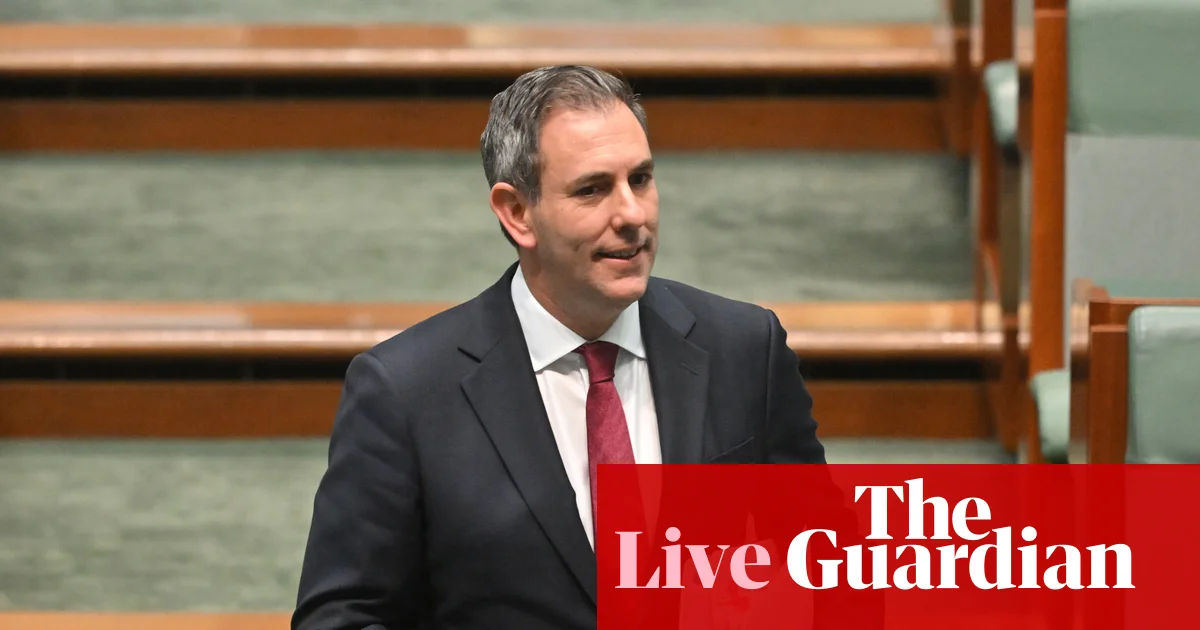
Australia Update: Labor’s First Deficit Lower Than Expected; Rescued Sailors’ Miraculous Return

In a year marked by significant domestic fiscal developments and widespread technological disruptions, the international landscape continues to pivot around pivotal decisions made within nation-states. Although the recent Australia budget report reveals a better-than-forecasted outcome—still in the red by $10 billion—these economic figures, driven by a buoyant labor market, exemplify **how** national fiscal policies can influence global perceptions of stability. Meanwhile, the country grapples with recurrent outages in its critical emergency infrastructure, notably the persistent failures in the Optus triple-zero network, which is under scrutiny by the government’s regulators. Such incidents underscore the interconnectedness of **public safety** and **technological resilience**, with the potential to unsettle societal trust across alliances and markets alike.

Across the Atlantic, the UK is witnessing a remarkable diplomatic evolution, as Sir Keir Starmer lauds the leadership of Anthony Albanese in Australia, emphasizing “our Aukus partnership” and mutual commitment to security and economic growth. Parallel to this, Albanese’s speech at the UK Labour conference underscores a shared vision: **tough, principled governance in times of global turbulence**. Analysts argue that such international relations—centered on strategic collaborations—are designed to **counterbalance** China’s rising influence and maintain a **multipolar world order**. Yet, the warnings from historians point to the fragility of these alliances, highlighting that **how** nations navigate internal upheavals often shapes **their overseas stature** more than diplomatic gestures alone.

In the realm of international crises, the recent rescue of two sailors off NSW shores exemplifies resilience through human determination amidst recent failures. Their ordeal, mitigated by **volunteer efforts and emergency services**, occurs against a backdrop of ongoing issues in national telecommunications—demonstrated by Optus’ *recurrent outages*—which threaten public safety and economic stability. These disruptions take on a geopolitical dimension by revealing vulnerabilities in critical infrastructure, which both national security experts and global watchdogs warn could be exploited by malicious actors. As Australia reassesses its emergency response systems, the decision to invest in more resilient technology reflects a broader worldwide imperative: society’s reliance on interconnected systems is deepening, demanding **robust policies** that **preserve stability** in turbulent times.

As history continues to unfold, these domestic decisions—be it fiscal reform, technological resilience, or diplomatic partnerships—do not exist in isolation. Instead, they are **weighed** against the **weight of history and the unpredictable tides of global power politics**. Nations like Australia and the UK serve as **case studies**, illustrating how internal struggles and external alliances can either bolster or weaken their stature on the international stage. In an era where every policy ripple can trigger a far-reaching wave, the cinemascape of the future remains under construction—**a testament to the enduring complexity of shaping a course through the storms of history**.

Zelenskyy: Russia's Brutal Strike Includes 500 Drones and 40 Missiles on Ukraine – Live Update
Zelenskyy: Russia’s Brutal Strike Includes 500 Drones and 40 Missiles on Ukraine – Live Update

International Tensions Surge as Russia Unleashes Massive Attack on Ukraine and NATO Responds

The ongoing conflict between Russia and Ukraine has entered a perilous new chapter, with Moscow launching an unprecedented barrage of military strikes that threaten regional stability and global order. According to Ukrainian President Volodymyr Zelenskyy, over 500 drones and more than 40 missiles targeted multiple regions at once, causing widespread destruction and civilian casualties. Kyiv, the heart of Ukraine’s resistance, was hit with devastating force—an attack the Ukrainian leader describes as part of Russia’s ‘vile attack’,’ aimed not only at strategic infrastructure but at undermining the resilience of Ukraine itself. Analysts warn that such brute force underscores Russia’s determination to continue the war despite mounting international pressure and economic sanctions.

The geopolitical impact of these events resonates far beyond Ukraine’s borders. Poland’s military responded swiftly, scrambling fighter jets and raising alerts near the border, signaling that the conflict’s reach extends into NATO territory. The alliance, already tense due to recent Russian violations—more than 20 drone incursions into Polish airspace last month and accusations from Estonia and Romania—faces a stark choice: confront Russian aggression directly or allow incremental escalations to dismantle European security one drone at a time. NATO officials and military strategists emphasize that recent violations, including alleged Russian fighter jets over Estonia and near Romanian skies, test the alliance’s resolve and unity. As Andrius Kubilius, EU’s defense commissioner, highlights, Europe is moving rapidly towards establishing a formidable ‘drone wall’ at its eastern flank—an essential defense mechanism to prevent further incursions and signal that Western resolve is unwavering. Historians caution that the current crisis is a pivotal moment reflecting the shift towards a new confrontation of global powers with a Russia emboldened by its energy resources and shadow navy, benefiting from “continuing war and terror.”

Meanwhile, Vladimir Putin’s Kremlin remains unbowed, claiming that their forces targeted Ukraine’s military-industrial complex and infrastructure—an assertion met with skepticism by Western allies, who see this as yet another layer of Russian escalation. Ukraine’s widespread counterattack, including drone strikes and missile attacks, demonstrates the escalating intensity of the conflict, with Kyiv’s residents fleeing to metro stations amid relentless bombardments. This campaign of destruction is a calculated effort to break Ukrainian resistance and demonstrate raw Russian power on the international stage. The strikes send a clear message: Russia intends to fight to the bitter end, wielding military might as a tool of coercion and territorial assertion.

The very fabric of European security is under threat, with NATO members like Poland, Estonia, and Romania raising the alarm. Russia’s recent breaches, in combination with its denied involvement, reveal a clear strategy to destabilize the alliance from within. The escalating tension cautions the West that the time for passive diplomacy may have long passed, replaced by the urgent need for decisive collective action. As geopolitical analysts warn, “The specter of a broader conflict — and perhaps a direct confrontation between NATO and Russia — looms ever larger,” underscoring the gravity of the unfolding crisis. With Russia’s military and political posture in flux, the global community stands at a threshold, witnessing how decisions made today will shape history’s next chapter—whether in the preservation of sovereignty or in the descent into a new era of conflict.

Social Media Auto Publish Powered By : XYZScripts.com