Matox News

Truth Over Trends, always!

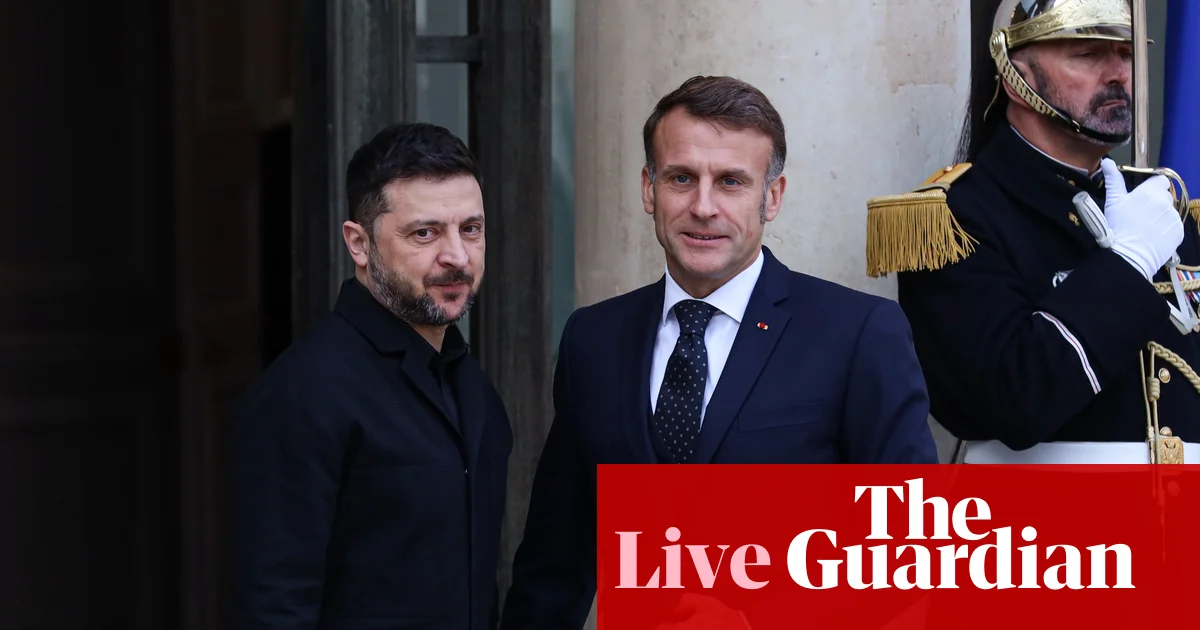
Four Years Later: Zelenskyy States Putin’s Goals Remain Unmet—Europe Updates | Ukraine

Four Years of Conflict: The Evolving Geopolitics of Russia’s Invasion of Ukraine

As Ukraine marks its fourth year of fierce resistance against Russia‘s full-scale invasion, the global community observes a pivotal moment in what has become the defining conflict of the 21st century. Beginning on February 24, 2022, when Russian forces sought to seize the country within mere days, the war has morphed into a protracted struggle that continues to reshape geopolitical alliances and challenge international norms. Despite efforts to rally support and impose sanctions, the conflict remains unresolved, revealing profound fissures within Western-led coalitions and exposing vulnerabilities in diplomatic strategies.

The Ukrainian people, under the steadfast leadership of Volodymyr Zelenskyy, have consistently underscored their resilience and unwavering commitment to sovereignty. In his recent address, Zelenskyy reflected on the enduring spirit of Ukraine, emphasizing that “we have defended our independence, we have not lost our statehood; Putin has not achieved his goals.” Such declarations serve as a stark reminder that, despite relentless aggression and substantial losses, Ukraine has maintained its national identity and territorial integrity. Historians and analysts underscore this narrative as a testament to the resilience of post-Cold War Europe’s most prominent democracy under siege, illustrating how a nation’s united front can withstand even the most formidable foes.

Yet, the geopolitical impact extends far beyond Ukraine’s borders. The ongoing conflict continues to test the cohesion and resolve of NATO and the European Union. Recently, Mark Rutte, NATO’s Secretary General, and Ursula von der Leyen, President of the European Commission, prepared to honor Ukraine’s bravery by convening in Kyiv and via video links. However, controversy has surfaced over the EU’s inability to present a united front: Hungary’s Viktor Orbán vetoed a new set of sanctions aimed at intensifying pressure on Russia over separate disputes involving oil transit through Ukraine. International organizations like the EU face critical scrutiny, as this political sabotage underscores internal divisions that threaten to undermine the collective effort to support Ukraine and uphold global stability.

Historical and geopolitical analysts warn that such divisions could be a turning point—that if Western alliances falter, the balance of power in Eurasia could be permanently altered. The war’s broader implications include the realignment of global influence, renewed tensions in Eastern Europe, and a warning that failure to sustain unified pressure may embolden Russia and other revisionist powers. Meanwhile, the clandestine efforts of allied intelligence agencies, notably the CIA and MI6, to intercept Putin’s plans prior to the invasion reveal a complex web of intelligence failures and miscalculations. Shaun Walker’s investigative reporting sheds light on how Western intelligence underestimated the Russian president’s intentions, highlighting the dangerous costs of complacency in an era where information wars are as critical as military ones.

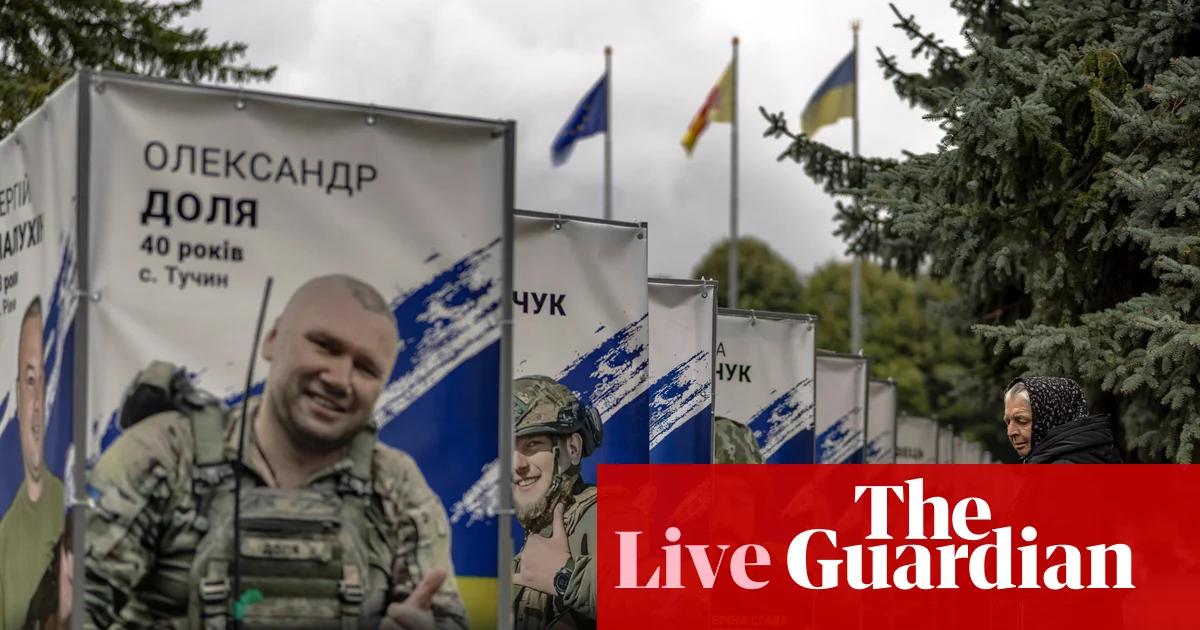
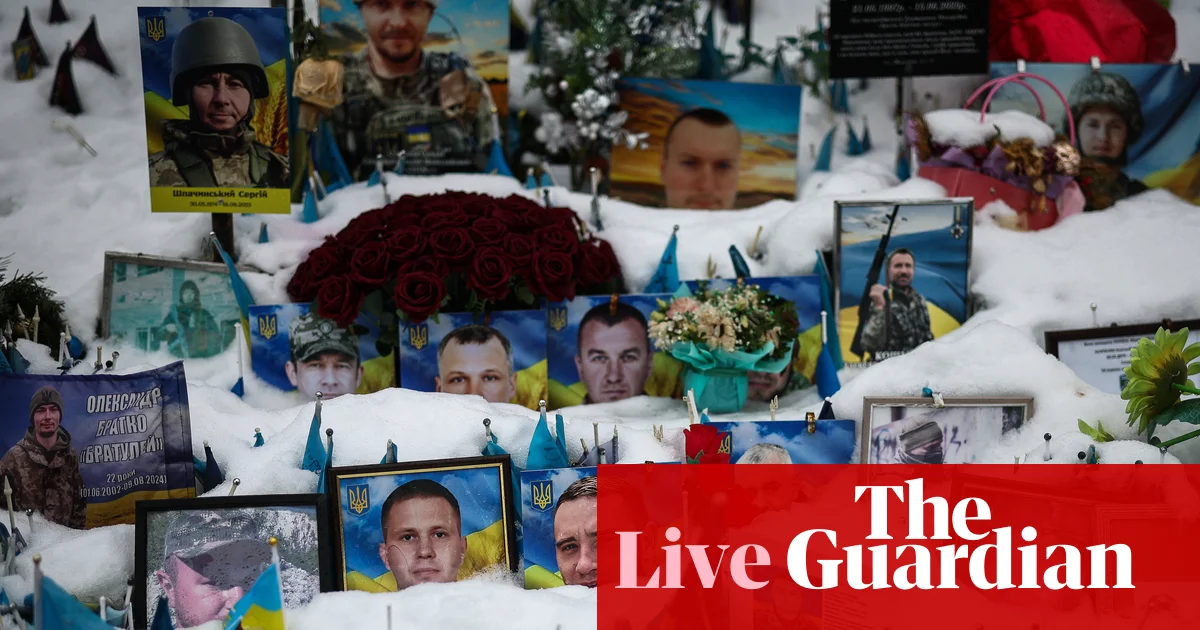
As history continues to unfold, the unresolved tensions and unresolved conflicts stake their claim on the future of Europe and beyond. The voices from Kyiv, Brussels, and Washington echo with warnings of what might come if the present momentum diminishes. The city of Kyiv itself, bearing signs of resilience like the symbolic “Bravery Made in Ukraine,” stands as a testament to the unyielding human spirit amid the chaos of war—yet, the shadows of discord within Western alliances threaten to cast long-term consequences that could reshape continents. For now, the world holds its breath—watching as the pages of history are written, one day at a time, in the blood and hope of nations fighting for sovereignty and peace—and knowing full well, that this story is far from over.


Australia updates: Dural ‘stronghold’ tied to Baghsarian kidnapping, NSW police reveal; Angus Taylor calls to ditch ‘net zero’ push

As 2026 unfolds, the world witnesses a series of seismic shifts that threaten to redefine geopolitics and global stability. From internal political tremors in Australia to sweeping changes in Europe and fragile peace negotiations in the Middle East, nations grapple with decisions that will echo through history. The choices made today set the trajectory for generations, and their impacts extend far beyond borders.

The recent developments in Australia exemplify the turbulence faced by democracies under pressure from both domestic political narratives and international expectations. The controversial shift by Angus Taylor and the Liberal Party’s declaration to abandon the previously embraced ‘net zero’ commitment signals a departure from global climate consensus. While the government asserts that this move offers flexibility, critics argue it undermines efforts coordinated through international climate accords. Analysts warn that this divergence could weaken Australia’s diplomatic standing and erode trust with allies committed to sustainability, further isolating a nation vital to the Indo-Pacific strategy. Historians caution that such policy reversals might be remembered as a pivotal moment where economic interests overrode environmental responsibility, casting shadows on the country’s global reputation.

Meanwhile, in the United Kingdom, the arrest of Andrew Mountbatten-Windsor at Sandringham on suspicion of misconduct has cast a spotlight on questions of accountability within the British monarchy. This unprecedented event ignites debates about tradition versus transparency, with international observers questioning whether the monarchy can adapt to the demands for moral integrity today. The fallout, if allowed to deepen, could influence Britain’s soft power and diplomatic alliances, especially as Europe faces its own challenges with regional unity and economic stability. Experts from the European Union warn that such internal struggles might embolden nationalist factions and threaten the unity of the bloc at a time when global powers are recalibrating their alliances.

Contrasting these internal political crises are the ongoing conflicts and security concerns in the Middle East. Reports from Syrian and Iraqi authorities confirm that over 5,000 detainees, including suspected former Islamic State fighters, have been transferred across borders. The potential for unrest or resurgence in extremism remains a troubling prospect for regional stability, drawing concern from international organizations like the United Nations. The transfer underscores the fragile balance of power in a region where diplomacy and military might intertwine dangerously. Should extremism reignite, it could trigger a broader security crisis impacting Europe and the United States, emphasizing how even regional disputes have global consequences.

In this high-stakes landscape, the decisions of today are shaping a world on the brink. The intertwined fates of nations—whether they choose resilience or retreat—carry implications far beyond their own borders. As the great historians of tomorrow sift through these moments, they may recount 2026 as a defining year—a year when the delicate fabric of international order trembled under the weight of rash decisions and forgotten commitments. History, with all its weight and consequence, continues to unfold, leaving a stark reminder: in geopolitics, the stakes are nothing less than the future of civilization itself.

Super Bowl 2026: Seahawks Clash with Patriots — Live Updates from Super Bowl LX

In a year marked by unprecedented international upheavals, major geopolitical shifts continue to reshape the global landscape, raising questions about the future stability of nations and societies. The recent decision by the United States to reconsider longstanding alliances has sent ripples through diplomatic circles worldwide. Traditionally, alliances such as NATO have been pillars of Western security, yet recent rhetoric from Washington hints at a possible re-evaluation of commitments, at a time when global threats demand cohesive responses. Analysts from the International Crisis Group warn that these moves could embolden revisionist powers, destabilizing the delicate balance that has maintained relative peace since the end of the Cold War.

Meanwhile, China continues its assertive expansion into the Indo-Pacific, challenging traditional power structures and fomenting regional tensions. Recent military exercises near contested waters are viewed by many experts as a calculated show of strength, signaling an intentional shift in the balance of power. Countries like India and Japan are caught in the middle, reassessing their defense postures amidst fears of escalation. The International Monetary Fund warns that these geopolitical tensions could have profound economic consequences, disrupting supply chains and affecting global markets—yet, for nations involved, these strategic calculations are increasingly critical to their national security and sovereignty.

In addition, Russia has continued its relentless influence operations across Eastern Europe and the Middle East, underlining a trend that many see as a direct challenge to the post-World War II international order. From the annexation of Crimea to complex entanglements in Syria, Moscow’s actions are pushing Western policymakers into difficult alliances and decisions. Historians like Anne Applebaum argue that these responses could revive Cold War-era dynamics, with dangerous implications for global stability. United Nations diplomats face increasing pressure to mediate, but some warn that existing diplomatic efforts are too fractured to stem the tide of confrontation.

These international shifts are reshaping more than just diplomacy; they are fundamentally affecting societies worldwide. The decisions made by powers like the US, China, and Russia influence everything from economic stability to the daily lives of civilians. As leaders grapple with the new reality, future historians may see this period as a pivotal chapter—a time when global alliances fractured and reformed, and the very fabric of international peace was tested. The decisions taken today could well define the next century, as the weight of history presses heavily upon the world’s shoulders, leaving humanity to navigate an uncertain path through the shadows of its own making.

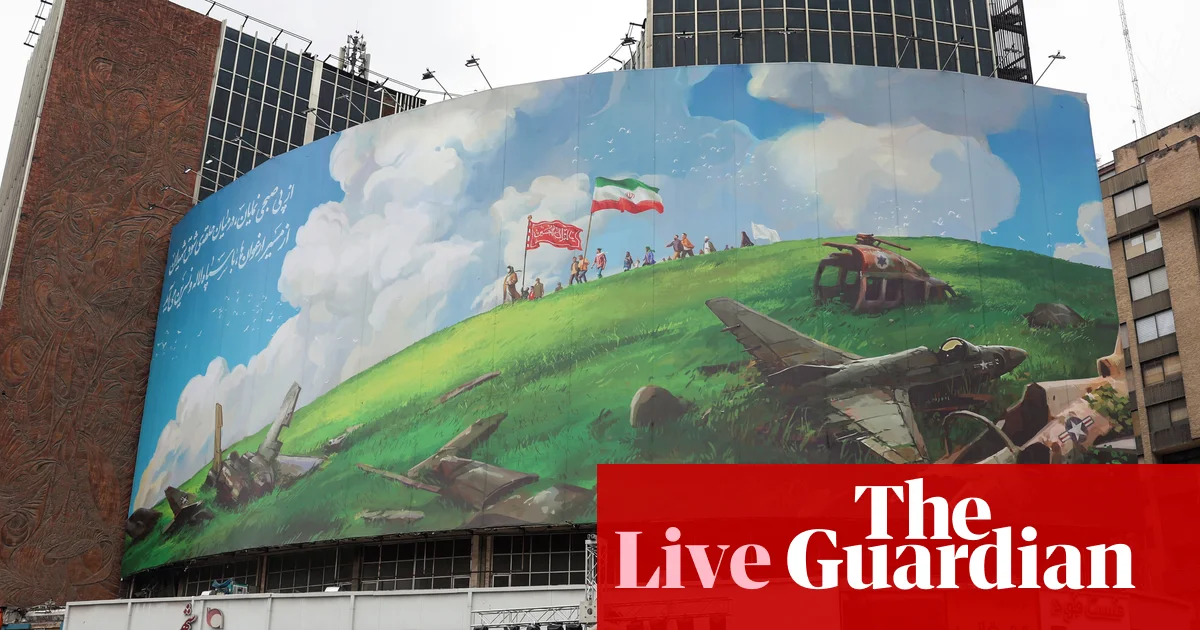
US and Iran Prepare for Nuclear Talks in Oman as Trump Warns of Military Action — Live Updates | Iran

Geopolitical Tensions Escalate as Iran and United States Face Off Ahead of Critical Negotiations in Oman

Amidst a backdrop of simmering regional conflict and shifting alliances, the upcoming U.S.-Iran nuclear negotiations in Oman are poised to be a decisive moment in the ongoing struggle for influence and security in the Middle East. High-stakes diplomacy is unfolding against a tense landscape marked by military posturing and deep mistrust. As Iran enters the talks with a firm stance, US military movements in the region continue to underscore the volatility of this diplomatic push for stability. The international community, including analysts from institutions such as The International Institute for Strategic Studies, is watching with bated breath, recognizing that the outcomes could shape the global picture for years to come.

Recent days have seen a noteworthy escalation of military activity, with the deployment of a formidable US naval task force including an aircraft carrier strike group near Iran. This build-up is widely interpreted as a warning of possible military intervention, a reality that Tehran appears to be well-aware of. The Iranian foreign minister Abbas Araghchi, speaking from Istanbul, reaffirmed Iran’s determination, stating, “We engage in good faith and stand firm on our rights.” He emphasized that durable agreements rely on respect and mutual commitments—principles that Tehran perceives as being frequently violated by inconsistent US policies. The juxtaposition of Iran’s diplomatic rhetoric with its unwavering maximalist position underscores the geopolitical game at play—where each side is testing the other’s resolve in a high-stakes negotiation that could either steer the region toward stability or plunge it into further chaos.

Adding to the uncertainty and volatility, recent incidents in international waters have only intensified tensions. The US military claimed to have shot down an Iranian drone approaching the USS Abraham Lincoln in the Arabian Sea, claiming it was an act of self-defense. Iran disputed this, asserting the drone was conducting surveillance in international waters. Meanwhile, US President Donald Trump has kept the rhetoric incendiary, asserting that the US “armada” in the region is larger than what was deployed to topple Venezuela. Trump’s comments reflect a calculated bluff—or perhaps a test of Iran’s willingness to escalate. As experts like Dr. Laura Jayes warn, such displays of military strength make it clear that the region remains on the brink, with a single misstep potentially igniting wider conflict.

Of particular concern is Iran’s unwavering position on limiting negotiations solely to nuclear issues, dismissing US demands to address its ballistic missile program and regional sponsorship of terrorist organizations. The US, led by Secretary of State Marco Rubio, insists on an all-encompassing approach, intensifying the risk of deadlock. Iran’s Foreign Minister Abbas Araghchi’s announcement that negotiations will proceed underscores an expectation that compromises are unlikely in the short term. As international diplomats deliberate, many analysts warn that the failure of these talks could result in a return to open hostility. Yet, with each side holding maximalist positions, the outcome remains shrouded in uncertainty, poised to define the geopolitical balance in the Middle East and beyond. It is a reminder that history often hinges on pivotal moments like this—a fragile, fleeting window in which peace could either be preserved or shattered, leaving a scar on the pages of history for generations to come.

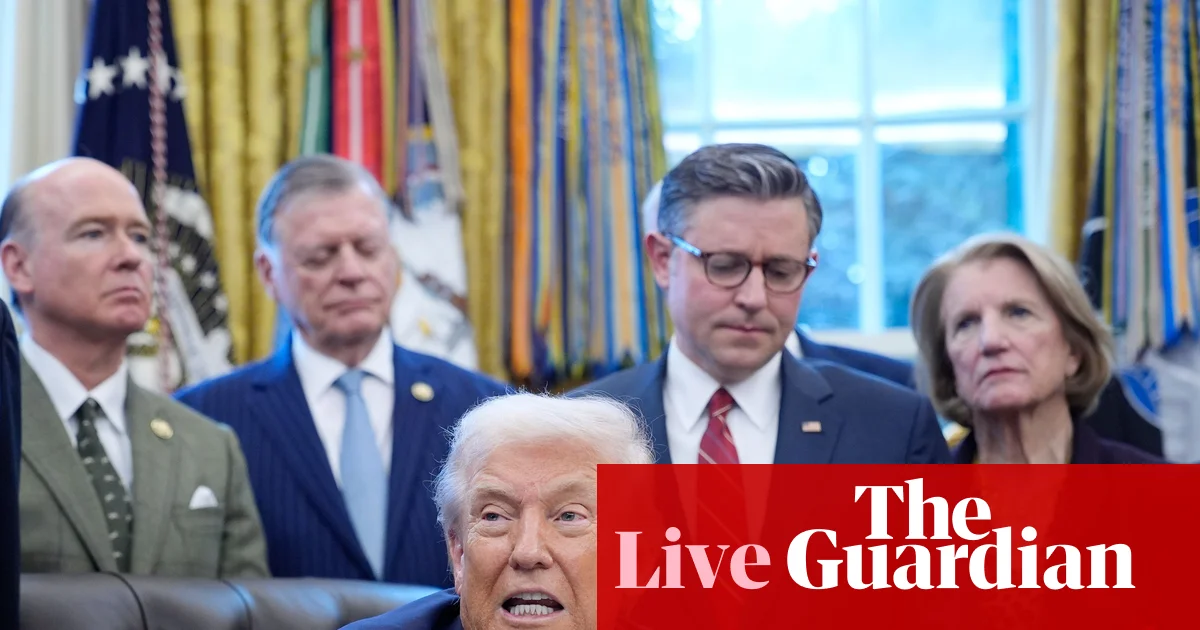
Trump calls Pretti and Good ‘not angels’ as he hints at milder immigration stance — US politics updates

In a tumultuous era marked by shifting alliances and ideological battles, United States actions continue to reshape the global geopolitical landscape. The recent reaffirmation of religious and national values by President Donald Trump at the 74th National Prayer Breakfast underscores a broader ideological push to reinforce traditional faith-based identities amidst a rapidly evolving international order. This event—an annual convergence of political, social, and business elites—serves more than just spiritual purposes; it is a platform where Trump emphasizes his commitment to defending religious freedoms, pushing back against what he characterizes as the divisive policies of the current Biden administration. Analysts argue that such rhetoric aims to rally the conservative base while projecting strength abroad, signaling a deliberate departure from progressive social policies that have faced increasing global scrutiny and resistance.

Beyond the religious rhetoric, American strategy on the world stage reflects a calculated effort to counterbalance China’s rising dominance, especially in critical sectors such as minerals essential for modern weaponry and high-tech industries. The Trump administration’s initiative to establish a critical minerals trading bloc with allies demonstrates its intent to leverage economic and strategic tools to diminish China’s geopolitical influence. This move, supported by tariffs and trade agreements, highlights a concerted effort to safeguard supply chains crucial for electric vehicles, missiles, and cutting-edge defense technology. International organizations, including some from Europe and Asia, are watching these developments closely, recognizing that control over vital resources translates into political leverage—an arena where Great Powers compete fiercely for dominance. Economists warn that this tripwire could solidify a new era of resource nationalism, profoundly affecting society through increased costs and reshaped alliances.

Meanwhile, the internal political dynamics of the United States reveal an ongoing ideological struggle that extends beyond foreign policy. The controversy surrounding immigration enforcement in Minnesota, where ICE agents face opposition from local and national figures, exemplifies the deep societal divide regarding law and order. Recent statements by Donald Trump acknowledging that Renee Good and Alex Pretti were “not angels” but affirming unwavering support for law enforcement, strike a tone of toughness and reassurance to his conservative supporters. Trump’s call for a “softer touch” in immigration enforcement suggests an attempt to balance strict policies with public relations, aiming to preserve his political narrative of law and order—a message that resonates powerfully in a society grappling with safety and national unity. As Senator Chuck Schumer and others demand complete withdrawal of federal agents, the societal tension reveals the fragility of domestic consensus amid international and ideological pressures shaping the nation’s future.

As the world watches, the chessboard of geopolitics continues its relentless advance. Negotiations between Moscow and Kyiv in the shadow of Russian missiles highlight the ongoing \u201cwar of attrition\u201d—a grim reminder that conflicts are no longer confined to battlefield trenches but extend into cyber, economic, and diplomatic realms. Concurrently, the US seeks to form strategic alliances to curb China’s burgeoning influence, while Britain grapples with internal scandals involving past figures linked to Jeffrey Epstein, exposing the persistent scars of political trust and morality. These developments evoke a somber reflection on history—an ongoing saga where decisive decisions today will resonate through generations. The weight of history presses upon every leader in every capital, and the narrative continues to unfold with unpredictable intensity, leaving the global community poised at a crossroads where the future of nations, societies, and values hangs in the balance, teetering on the edge of history’s next great chapter.

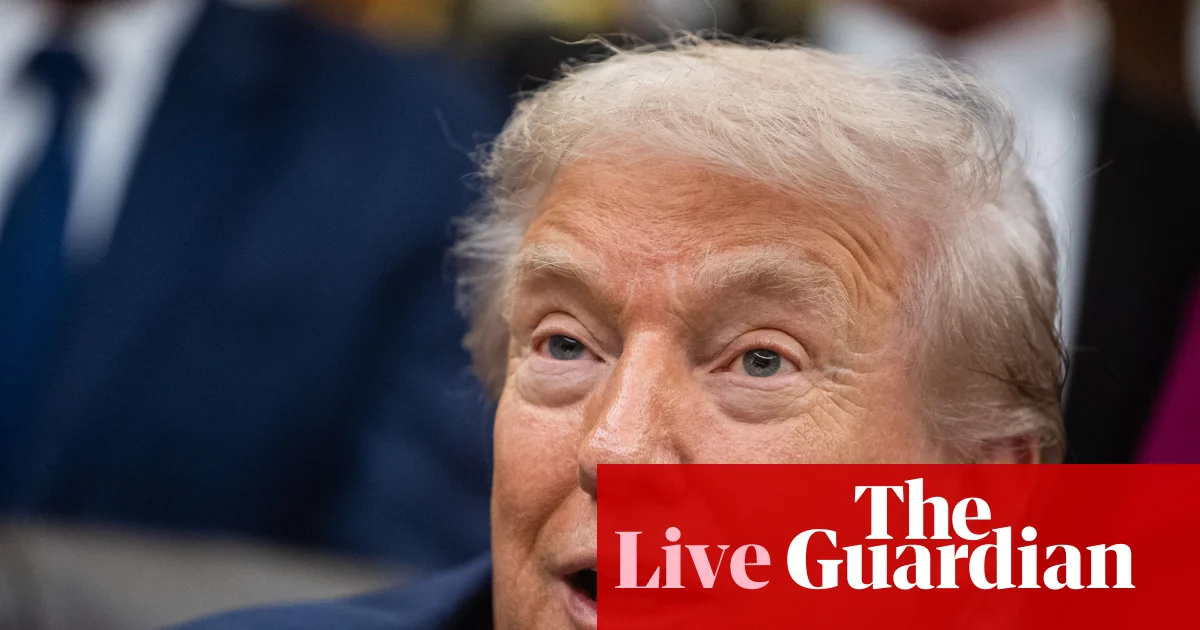
Trump faces backlash over controversial comments on Rob Reiner and wife Michele – latest updates

The international stage continues to unravel in a complex tapestry of diplomacy, conflict, and political posturing. The recent developments surrounding Ukraine and U.S. negotiations underscore the persistent drive for peace amid ongoing territorial disputes. According to Ukraine’s top negotiator, Rustem Umerov, there have been “constructive and productive” talks, with hopes of forging a lasting peace. Yet, behind these diplomatic efforts lie intractable issues, notably the contested control of Donetsk and Luhansk regions, which remain pivotal in the broader conflict. Analysts from various think tanks and international organizations warn that unresolved territorial disputes could prolong the war, with repercussions that ripple far beyond Eastern Europe.

Meanwhile, the U.S. continues to exert influence over Ukraine’s territorial negotiations, demanding that Kyiv cede control of the Donbas regions as a precondition for peace talks. Reports from Reuters and AFP reveal that US negotiators are maintaining this stance, asserting that Russia’s primary objective is to reclaim territory—an assertion that Kyiv vehemently rejects. This insistence by Washington reflects a deeper strategic positioning, revealing how geopolitical interests are entwined with territorial sovereignty. In stark contrast, Russian President Vladimir Putin is said to prioritize territorial expansion, seeking to consolidate control over areas critical to Russia’s national security. The conflicting demands exemplify a broader chess game involving multiple nations, each vying to shape the future of a region that increasingly symbolizes the battleground of post-Cold War influence.

The European leaders, led by Friedrich Merz of Germany, actively participate in these talks, hosting discussions with Ukrainian President Volodymyr Zelenskyy and other key figures. The presence of Trump’s envoy, Steve Witkoff, and Jared Kushner underscores the continued interest from U.S. factions seeking a role in resolving the conflict — although their involvement is contentious amidst concerns over biases and diplomatic effectiveness. This dynamic illustrates the shifting boundaries of influence and the perilous dance of diplomacy in a Europe teetering on the edge of prolonged instability.

Simultaneously, domestic policy debates in America reveal a nation deeply divided on how to approach foreign conflicts and internal crises. Notably, the rhetoric of Donald Trump and Ilhan Omar exemplifies the tumult within U.S. politics—ranging from accusations of “disgusting” statements to allegations of government overreach. Recent reports highlight Trump’s plans to sign executive orders reclassifying marijuana, signaling a possible pivot that could reshape America’s drug policy landscape. Yet, as analysts warn, these decisions carry profound implications for international perceptions of U.S. stability and leadership in safeguarding democratic values.

In this ever-unfolding chapter of history, the fate of nations hangs precariously in the balance. As Ukraine‘s leaders wrestle with territorial sovereignty and U.S. policymakers grapple with internal divisions, the echoes of past conflicts and missed opportunities reverberate across continents. The meticulous power struggles and diplomatic negotiations of today are but threads woven into the larger fabric of history—each decision, each bold move, shaping the future of global stability. As world leaders convene in Berlin and elsewhere, the question remains: how long can the fragile veneer of peace hold before the next chapter of conflict demands its place in the annals of history?

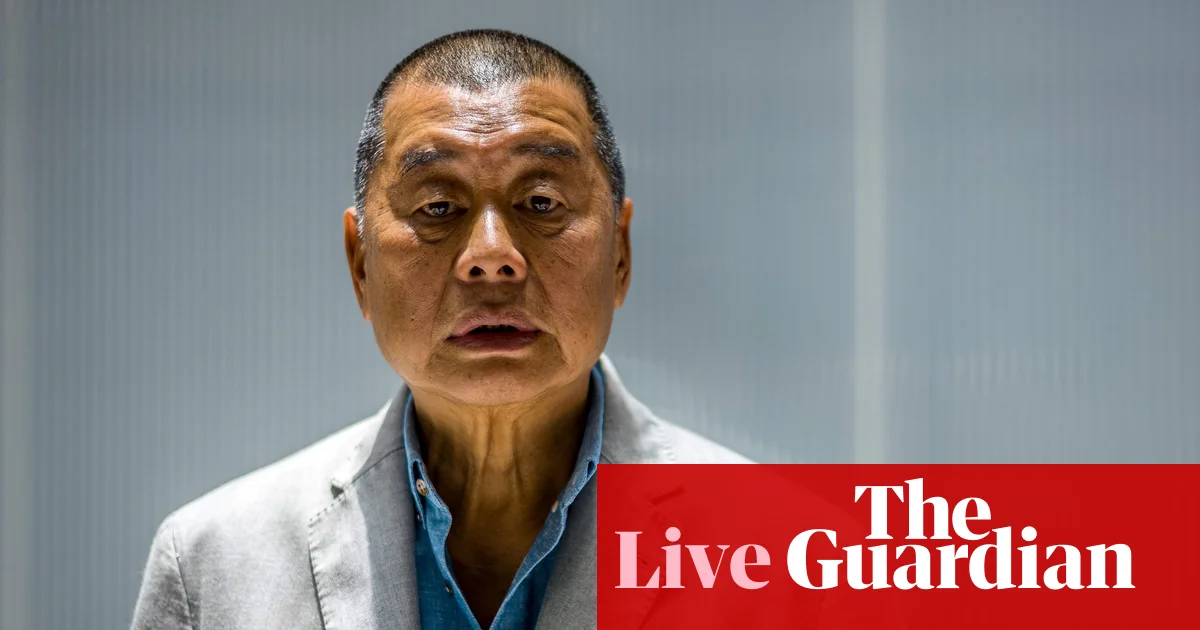
Jimmy Lai’s conviction signals the end for Hong Kong’s press freedom, warns Amnesty — live updates | Jimmy Lai

The recent verdicts against Jimmy Lai, the prominent Hong Kong media mogul and ardent supporter of democracy, mark a watershed moment in the ongoing struggle over press freedom and human rights in one of the world’s most geopolitically sensitive regions. Lai’s conviction on charges relating to national security – specifically conspiracy to collude with foreign powers and conspiracy to publish seditious content – follows a trial that has lasted over two years, culminating in what many see as a symbolic suppression of independent journalism in Hong Kong.

The response from international organizations and regional governments underscores the geopolitical significance of this event. Amnesty International, the Committee to Protect Journalists, and Human Rights Watch have all condemned Lai’s sentencing as emblematic of a broader campaign by Beijing and the Hong Kong authorities to dismantle the city’s once-vibrant democratic institutions. They describe Lai as a prisoner of conscience and warn that his incarceration not only threatens individual liberty but signals a systematic erasure of free expression in Hong Kong—a place once seen as a beacon of autonomy outside Chinese control.

This crackdown’s profound geopolitical impact extends beyond the city itself. Taiwan’s Mainland Affairs Council openly called Lai’s trial a “death knell” for Hong Kong’s democracy, emphasizing how the erosion of rights in Hong Kong sets a dangerous precedent for international law and the global fight for liberty. By weaponizing the judicial process against Lai, Beijing sends a clear message that any challenge to its authority—whether through media, protests, or civil society—will be met with severe punishment, regardless of international outcry. This shift in Hong Kong’s political landscape aligns with China’s broader strategy to expand authoritarian control, challenging the norms established under numerous international agreements and treaties.

Historians and geopolitical analysts highlight that the Lai case symbolizes the waning influence of Western-style democracies in the face of China’s rising power. As Lai’s health deteriorates in solitary confinement, global democratic powers face a stark choice: respond with concrete action or witness the gradual extension of authoritarianism into territories long considered bastions of freedom. Lai’s fate underscores how decisions made in Beijing and Hong Kong’s courts directly influence societal freedoms, press independence, and international relations—altering the geopolitical terrain in Asia and beyond. The outcome of his appeal and the potential sentencing will determine whether this moment signifies a retreat into darkness or a rallying cry for democracy worldwide.

In the shadow of Lai’s conviction, the question remains: will the international community finally recognize the threat posed to the principles of free speech and sovereignty, or will it continue to allow authoritarian regimes to rewrite the rules of justice and human dignity? As history unfolds in the courts of Hong Kong, the world is left to ponder how this chapter will be remembered: as a testament to the resilience of free societies or as a tragic turning point in the global fight for liberty. For now, the echoes of Lai’s trial serve as a reminder that the price of free press in the modern age is paid in endurance and courage, amid the relentless tide of rising authoritarianism.

BREAKING: Bondi Beach terror attack leaves at least 16 dead, including a child, and 40 injured—that's a shocking assault on our community—more updates to come.
BREAKING: Bondi Beach terror attack leaves at least 16 dead, including a child, and 40 injured—that’s a shocking assault on our community—more updates to come.

Bondi Beach Terror Attack: A Turning Point in Global Security and Society

The recent terror assault on Bondi Beach, an iconic Australian landmark, has sent shockwaves across the international community, highlighting the persistent threat of radical extremism in an era where geopolitical tensions often appear to fuel hate and violence. The attack, which resulted in at least 16 fatalities—including a child—and dozens wounded, marks one of the most horrific acts of violence Australia has faced in decades. As details unfold, analysts and global leaders alike are examining the incident not just as a tragic outlier but as a reflection of deeper, troubling trends in international security.

Prime Minister Anthony Albanese described the attack as a ‘horrendous act of terror,’ and international leaders have echoed this sentiment, framing it within the broader context of rising antisemitic violence worldwide. The attack is distinguished not merely by its brutality but by its clear targeting of Jewish Americans and Australians during Hanukah—a festival of light and resilience—therefore emphasizing the dangerous potential of ideological extremism to threaten societal cohesion. World organizations, including the United Nations, have issued condemnations, calling for urgent international cooperation to combat hate-motivated acts.

  • Australia’s internal security apparatus has declared the incident a terrorist attack, triggering special legislation and intensifying efforts to trace the origins and motivations behind the assault.
  • Suspected links to violent extremist ideologies have prompted joint investigations by Australian police and global counterterrorism units, emphasizing international collaboration in preventing further violence.
  • Prominent figures such as French President Emmanuel Macron and Israeli leader Isaac Herzog expressed solidarity, labeling the atrocity as an act of hatred and terrorism that transcends national borders.

How the Decision to Recognize a Palestinian State Influences Global Narratives

Adding a complex layer to the geopolitical landscape, Australia’s recent recognition of a Palestinian state—an unprecedented move in Western foreign policy—appears to be intertwined with ongoing regional tensions. This shift has exacerbated debates about the global challenge of extremism and the way geopolitical decisions influence perceptions and acts of violence. Historians argue that such gestures, while aimed at fostering peace, can concurrently serve as catalysts for extremist narratives, which exploit perceived betrayals or alliances to justify their actions.

Expert analysts warn that the incident at Bondi is a grim indicator of how ideological conflicts—whether rooted in regional disputes or historical grievances—are increasingly manifesting as domestic terrorism across Western democracies. The attack’s timing during Hanukah, along with the discovery of suspected incendiary devices, has amplified concerns about how cultural and religious tensions are exploited by malicious entities to destabilize societies. This tragedy underscores the necessity for governments to foster resilience and unity, championing security without surrendering core freedoms or tolerating hatred.

As history unfolds, the legacy of this attack will serve as a test for Australia’s national resolve and the international community’s ability to confront the rising tide of ethnoreligious violence. The heroism of individuals who intervened, risking their lives to prevent further carnage, reminds us that the battle against terror is fought not only through military means but also through unwavering societal strength. The voices of global leaders today echo a pressing warning: the light of hope and unity must shine brighter than ever, for in this darkness, the true test of a civilization’s character is measured. The world’s eyes remain fixed on Bondi, a battleground where the hopes for peace clash against the shadows of hatred—an ongoing saga that will shape the course of history for generations to come.

Ukraine War Updates: Macron denies warning Kyiv of US betrayal—what’s really going on?

In a world vigilantly watching the shifting tapestry of international power, recent developments reveal a landscape fraught with tension and strategic recalibration. France’s President Emmanuel Macron has publicly dismissed reports suggesting he warned of possible US betrayal in the ongoing support for Ukraine. During a diplomatic visit to China, Macron emphasized that unity between Europe and the United States is crucial for sustaining Ukraine’s defense efforts. Yet, behind closed doors, reports from German Spiegel have surfaced, citing confidential conversations where European leaders voiced skepticism of US-mediated peace negotiations with Russia. Such discrepancies signal a brewing rift within Western alliances—an echo of doubts that could fracture the unified front in Europe’s most pivotal geopolitical challenge in decades.

Meanwhile, Germany’s parliament has approved a controversial new military service law to bolster its armed forces amid increasing Russian aggression. The legislation sets ambitious targets, aiming to expand military personnel to 260,000 active soldiers by 2035—an unmistakable message that Western capitals are preparing for a protracted confrontation. On the eastern front, Russia has assertively captured the village of Bezimiane in Donetsk, declaring control over 85% of the region. President Vladimir Putin has dismissed any prospects of compromise, insisting that Ukrainian troops either surrender or face violent annexation. Such stark declarations underscore Putin’s resolve to reclaim disputed territories by force, turning the conflict into a brutal struggle for what remains of Ukraine’s eastern lands, which Moscow considers vital.

The geopolitical ripple effects are profoundly felt beyond Ukraine’s borders. India and Russia have strengthened their alliance, with Putin reaffirming continued energy exports and expanding trade beyond oil and defense—a clear signal to the West amid increasing sanctions and diplomatic marginalization. Conversely, Western efforts are focused on a fragile attempt to aid Ukraine financially, exemplified by Sweden‘s decision to prioritize direct support, pledging over $1 billion in aid to Ukraine while cutting development aid to other nations. These shifts reveal a multipolar world where alliances are tested, and strategic interests clash over whether to support Kiev or pursue accelerated regional alliances that could shift the balance of global power.

Above all, the cascading consequences of these decisions reveal a pivotal climax in the unfolding drama of geopolitics. As Vladimir Putin presses his territorial ambitions, and European nations grapple with internal political debates and external threats, history bears witness to a period of profound instability. The diplomatic stratagems, military mobilizations, and shifting alliances are not merely fleeting news but chapters in an ongoing saga—each move sowing seeds that will determine the course of history. The world stands at the crossroads, where the choices of today will echo into the future, leaving us all to ponder the legacy of this turbulent era: a moment when the balance between peace and conflict teeters on a razor’s edge, and the weight of history continues to unfold.

German Chancellor warns leaders: Ukraine decisions now will shape Europe's future — live updates
German Chancellor warns leaders: Ukraine decisions now will shape Europe’s future — live updates

In an era marked by escalating tensions and shifting alliances, Europe’s security landscape has been dramatically reshaped by recent developments between NATO members and Russia. The strategic move by Norway to bolster its defenses through a groundbreaking deal with the UK exemplifies the renewed focus on undersea warfare and infrastructural resilience. Norwegian Prime Minister Jonas Gahr Støre recently visited London to formalize a pact aimed at “hunting Russian submarines” and safeguarding vital undersea cables—lifelines of modern communication and energy—highlighting the mounting threat Russia poses beneath the waves. This new accord, symbolically named “Lunna House,” pays homage to covert WWII operations, but today signifies a modern response to Russia’s assertiveness in the Arctic and North Atlantic domains.

The geopolitical impact of this alliance extends beyond bilateral cooperation. It underscores a broader NATO strategy to counter Moscow’s influence, especially as Vladimir Putin describes ongoing Ukraine peace negotiations as “necessary,” yet riddled with “unacceptable” proposals. The Russian leader’s cautious endorsement of these talks reflects Moscow’s recognition of the economic and military pressures intensifying from Western allies. Meanwhile, key NATO players, particularly Germany and France, are urging unity in the face of an aggressive Russia, with German Chancellor Friedrich Merz warning that the decisions made today “will decide Europe’s future” amid fears of imperialist ambitions from the Kremlin.

Adding layers to this geopolitical chessboard, France’s Emmanuel Macron recently engaged in high-stakes diplomacy with Xi Jinping of China. During his visit to Beijing, Macron emphasized the importance of cooperation to “end the war in Ukraine” and foster economic and environmental stability. This move is part of a broader French effort to shore up its influence and secure commercial advantages in a global arena increasingly polarized by U.S.-China rivalry. Meanwhile, China, positioning itself as a “reliable partner,” seeks to navigate trade frictions with the EU while presenting an alternative global market, even amidst tensions over its subsidized electric vehicle industry. The international stage is thus set for a complex web of diplomacy, with European leaders caught in the crossfire of Russia’s eastern ambitions and China’s rising global influence, both vying for strategic dominance.

The American perspective remains sharply divided, as former President Donald Trump suggests that Moscow’s recent peace negotiations are “reasonably good,” indicating that Putin may prefer a deal under current circumstances. Yet, the uncertainty over what comes next underscores a fragile international order, with US and European policymakers unsure whether diplomacy can contain an increasingly aggressive Russia. And with the European Union embroiled in debates over the fate of frozen Russian assets—some nations, like Belgium, resisting the EU’s proposals—an internal fracture threatens to undermine collective resolve. The EU leaders are working desperately to reach consensus in the upcoming summit, aware that their decisions could have long-lasting consequences for the continent’s geopolitical future.

As the world watches these unfolding events, the shadow of history looms large. Each alliance forged, each negotiation held, echoes past conflicts and silent struggles for dominance. The relentless march of history has brought us to a precipice, where today’s choices could define generations. With Europe’s destiny hanging in the balance and the great powers maneuvering beneath the surface, one thing remains clear: the voyage through this turbulent era is far from over, and the tides of geopolitics continue to forge a new chapter—one that history will either laud or condemn.

Social Media Auto Publish Powered By : XYZScripts.com