Matox News

Truth Over Trends, always!

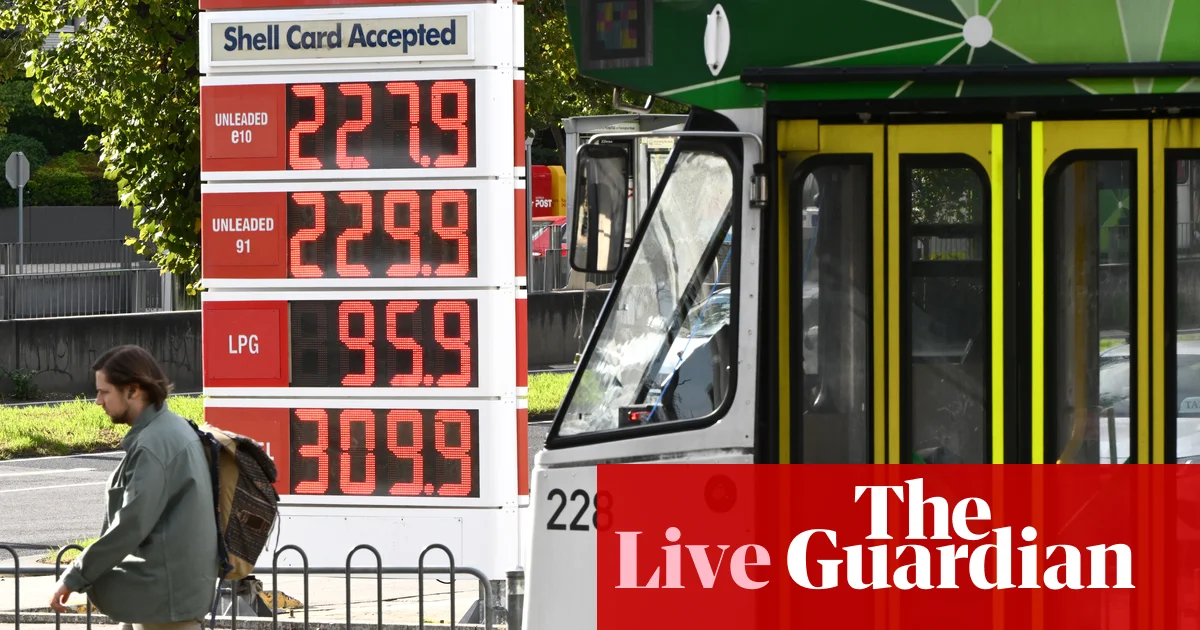
Australia Updates: Free Public Transit Extended in Victoria, Man Charged with Murder in NSW

Global Impact Unfolds as Regional Policies and International Tensions Shape the Future

In a move reflective of the broader geopolitical currents shaping the 21st century, Victoria, Australia, has announced an extension of its ambitious public transport relief program. This measure, which initially aimed to combat rising fuel costs and provide a cost-of-living shield for residents, now extends until the end of May with subsidized fares set to continue through the year. The decision echoes a global trend among youth-oriented governments seeking populist support ahead of key elections, but it also underscores a deeper crisis of economic resilience in the face of shifting energy markets. With $400 million allocated in the upcoming budget, Victoria’s policymakers attempt to navigate the wider fiscal storm impacting many similar jurisdictions worldwide.

Yet, as these domestic moves play out, international tensions continue to simmer under the surface, with a particularly stark example emerging from the Strait of Hormuz. The former Australian Nationals leader David Littleproud has openly called for Australia to intervene in this strategic waterway. Given that roughly 20% of global oil shipments pass through this narrow corridor, the closure of the Strait threatens to trigger catastrophic spikes in global energy prices and, by extension, economic fallout on a scale reminiscent of the 1970s oil crises. Littleproud’s plea for Australia to “interject” aims to restore the “safe navigation” of tankers, warning that a failure to act could induce a worldwide recession, with analysts like those at the International Energy Agency warning of potential chaos if tensions escalate further.

This international dispute fuels the broader narrative of a fractured liberal order, where regional conflicts threaten to ignite larger alliances and rivalries. The specter of a destabilized Middle East, combined with global energy dependency, is prompting thoughtful voices—such as respected historians and foreign policy analysts—to warn that the decisions made today will determine the trajectory of global stability for decades. Furthermore, the political actors in Australia, increasingly aware of their geopolitical importance, are urged to balance regional security interests with the national imperative to avoid entangling military conflicts. The danger of such conflicts spilling into broader proxy wars or economic sanctions underscores the fragility of international peace efforts.

Domestic Turmoil and International Dilemmas Intersect

While political leaders debate intervention in foreign disputes, domestic issues—the tragic loss of life at Melbourne’s Supanova convention and the ongoing investigation into a woman’s murder in New South Wales—highlight the societal challenges faced by nations in turmoil. The incident outside Melbourne Showgrounds, where a pedestrian was tragically killed, and the arrest of a 25-year-old man on murder charges, serve as a grim reminder that social stability remains an elusive goal amidst economic and geopolitical upheaval. These local tragedies resonate globally, prompting international observers to question the societal fabric and the effectiveness of law enforcement strategies.

Conclusion: The Unfolding Tapestry of Today’s World

As the Victoria government extends its economic relief measures and Australia contemplates international intervention, the shards of a fractured global order become painfully evident. Each decision—domestic or foreign—intertwines in the complex, unpredictable fabric of history—a fabric that will define the lives of future generations. The tension in the Strait of Hormuz and the local tragedies on Australian soil serve as stark symbols of a world at a crossroads — where youthful governments seek to reassure their citizens, and powerful nations grapple with the consequences of their actions. In this moment, history whispers again: the choices of today will echo eternally into the uncertain dawn of tomorrow.

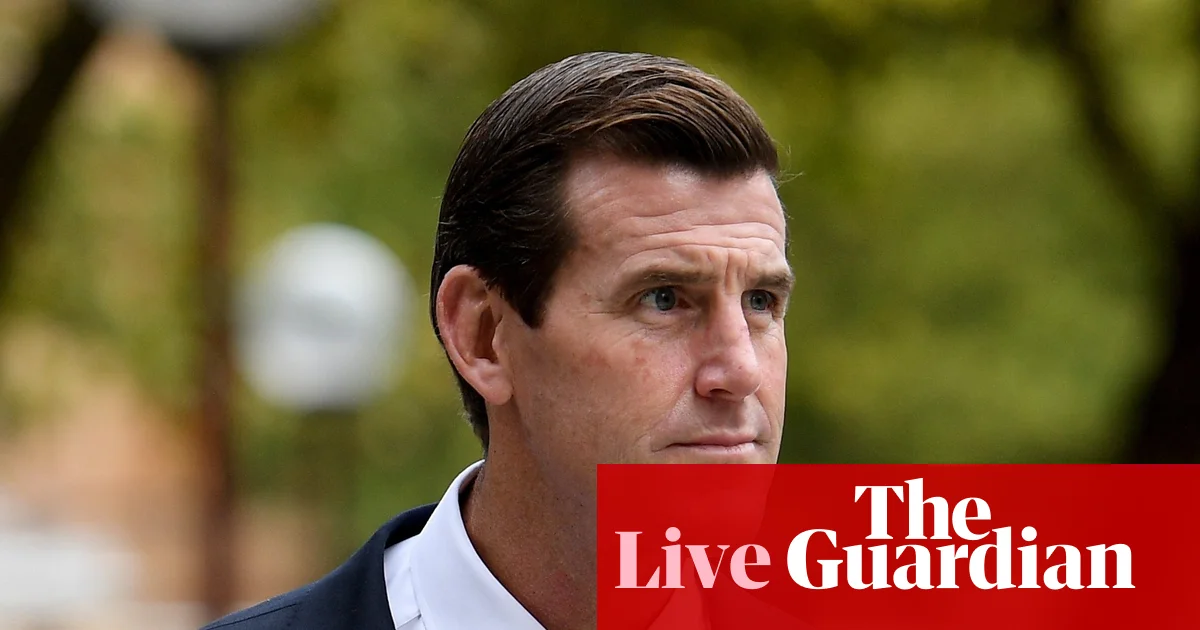
Australia updates: War crimes suspect Ben Roberts-Smith in bail hearing; PM confirms no harsher fuel rules after refinery fire

In a year marked by pivotal geopolitical shifts and domestic upheavals, the international landscape continues to reverberate with profound consequences. Strong leaders and rising nations are increasingly asserting their influence, with decisions made in capitals shaping societies worldwide. Recent developments underscore this reality, as nations grapple with internal crises while vying for supremacy on the global stage. These events serve as a stark reminder that the weight of history is still unfolding, and the decisions of today will echo through future generations.

Across Australia, a nation of both immense natural resources and strategic importance, the government faces significant challenges. The detention and upcoming bail decision for Ben Roberts-Smith, a decorated soldier embroiled in war crime allegations, encapsulate a period of internal conflict and judicial scrutiny. His case draws national attention to issues of military accountability and the societal debate surrounding justice for alleged atrocities committed in Afghanistan. While this legal saga unfolds within Australian borders, it perfectly exemplifies how domestic legal processes are intertwined with international perceptions and diplomatic relations. The outcome could influence Australia’s defense policies and its global standing in addressing war crimes—a matter closely watched by analysts and historians who underscore the importance of accountability in maintaining moral legitimacy.

Simultaneously, the country’s critical fuel infrastructure has been rocked by a fire at the Viva Energy refinery in Corio, Victoria. The blaze, which temporarily reduces petrol and diesel supplies, has ignited fears of escalating energy shortages amid ongoing geopolitical tensions involving the Middle East. The Australian Prime Minister, Anthony Albanese, has reassured the nation that the event will not escalate into harsher fuel restrictions, highlighting the government’s proactive measures to stabilize markets. These include securing extra fuel supplies from regional partners and backing private corporations like BP, which have committed to international investment schemes to boost domestic reserves. Such decisions reflect a broader strategy—one that balances national security with economic resilience, all while navigating global conflicts that threaten regional stability.

International reactions are equally telling. Former U.S. President Donald Trump renewed accusations that Australia had not done enough to support U.S. efforts in the Middle East, casting a shadow over the already tense alliance. America’s role as a geopolitical stabilizer is under scrutiny, particularly as allied nations such as Japan and South Korea ramp up their military spending in response to rising regional threats. Meanwhile, European nations face concerns about the resurgence of classic interstate rivalries with Russia’s renewed assertiveness and China’s expanding influence. International organizations warn that these internal and external disputes threaten to redraw the map of global alliances, pushing nations into new layers of uncertainty. Historians suggest that these conflicts could define the geopolitical narrative of the 21st century, where sovereignty and international power are in a constant state of flux.

As the world stands at this crossroads of history, the decisions made behind closed doors in courts and cabinets today will shape the fabric of societies for decades. The verdict on Ben Roberts-Smith may determine how justice is perceived in military conduct, while energy measures reflect a nation’s resilience amid upheaval. Meanwhile, the dance of diplomacy and accusations between Australia, the U.S., and other powers reveals a fragile international equilibrium—one that could tip into chaos or cohesion depending on the choices of leaders. The unfolding story is a testament to the enduring truth that in the theater of geopolitics, every act echoes in the chambers of history, and the true measure of a nation’s strength lies in how it faces its trials, both close to home and in the shadows of distant conflicts.

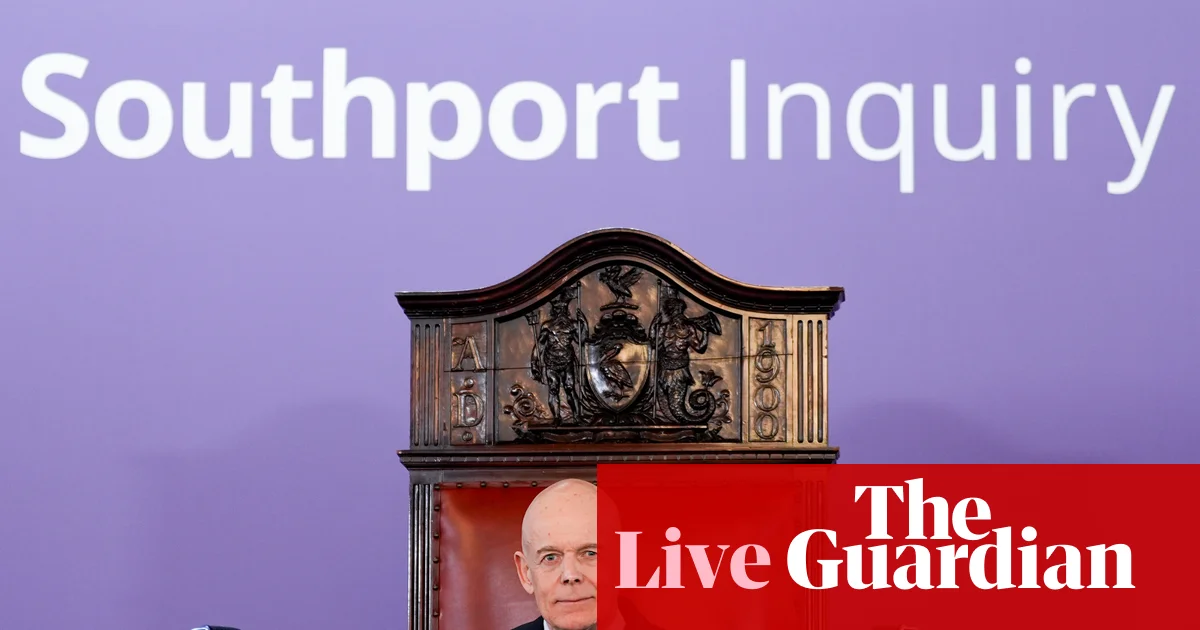
Southport Attack: Govt Agencies’ Failures Spark Outrage — Live Updates

In an era marked by escalating international tensions and growing societal unrest, recent revelations from the United Kingdom regarding a devastating attack have sent shockwaves through global consciousness. A comprehensive report, led by Sir Adrian Fulford, has exposed catastrophic failures across multiple agencies—failures so profound that they enabled a young man’s deadly rampage at a youth activity in Southport. This tragedy, far from an isolated incident, exposes a recurring pattern of institutional neglect and irresponsible parenting that threatens to destabilize the social fabric of societies worldwide.

The inquiry, which meticulously scrutinized the cascade of events leading up to the attack, pointedly condemns a “culture of passing the buck,” urging urgent reforms. Analysts warn that such systemic dysfunction not only endangers innocent lives but also jeopardizes the credibility of international institutions tasked with safeguarding their populations. The report highlights how, despite numerous warning signs, combined failures in social care, mental health, and counter-terrorism agencies created a perfect storm—one that culminated in the tragic loss of innocent children, including six-year-old Bebe King and nine-year-old Alice da Silva Aguiar. The geopolitical impact of this failure resonates beyond Britain, underscoring the critical need for international cooperation to overhaul counter-radicalization protocols.

Many esteemed experts and international organizations have expressed concern over the troubling parallels in other nations. Historians remind us that history’s darkest moments often stem from collective inaction—when governments neglect early warning signals or dismiss warning signs as insignificant. Moreover, the inquiry’s stark findings echo warnings from global security analysts who argue that the “missed opportunities” in the UK reflect broader vulnerabilities entrenched across Western democracies. The refusal of agencies to accept responsibility and the superficial treatment of complex cases only deepen the crisis, making it imperative that nations reassess their approaches. How the UK responds—whether with genuine accountability and reform or continued complacency—will shape the trajectory of societal resilience or collapse.

As the world looks on, history writes itself anew—at a crossroads where decisions could either forge a path to renewal or deepen the chasms of chaos. The political leaders, military strategists, and civil society actors now face the defining challenge: to confront their failures head-on with transparency and resolve. The weight of this unfolding narrative is heavy, for it tests the very foundations of justice and societal trust. In this dark hour, the question remains: will humanity learn from its mistakes, or are we destined to repeat the tragedies of the past? The echoes of Southport’s lessons will reverberate through history’s corridors—an enduring reminder that neglect and fear of accountability threaten to undo the progress of generations.

WireGuard Dev Blocked by Microsoft, Puts Updates on Hold—Youth Tech World Reacts

Microsoft’s Account Lockout Crisis Disrupts Critical Open Source Projects, Signals Industry Wake-Up Call

In a troubling development for the open-source and cybersecurity communities, WireGuard, a leading VPN protocol powering security solutions like Mullvad and adopted globally for its lightweight yet robust security features, has been effectively sidelined. The creator, Jason Donenfeld, reports being locked out of his Microsoft developer account, rendering him unable to ship vital updates for WireGuard for Windows. This incident underscores a broader and disturbing trend of unannounced account suspensions impacting crucial software projects and raising questions about the resilience of the infrastructure that supports digital innovation and security.

The impact of this lockout extends beyond WireGuard. Industry observers point out parallels with other high-profile cases, such as VeraCrypt, a widely used encryption tool with hundreds of thousands of users. Both projects faced sudden account termination without prior warning, halting updates and potentially exposing users to vulnerabilities. Mounir Idrassi, the VeraCrypt developer, highlighted the significant risk posed by such disruptions, noting that the inability to push critical updates due to account suspension threatens the very security guarantees that open source promises its user base. This phenomenon demonstrates a worrisome shift in industry power dynamics, where even open source projects—traditionally considered resilient—are vulnerable to unilateral platform decisions.

Innovation and Disruption in the Tech Infrastructure

This incident marks a pivotal moment for the broader software and security ecosystem. Microsoft‘s new mandatory account verification process, supposedly designed to enhance security, inadvertently introduces significant operational risks for developers. As Donenfeld explained, he was subjected to an “access restricted” error despite having verified his identity through third-party verification providers. The process, part of Microsoft’s Windows Hardware Program, required developers to upload government-issued IDs, a move that aligns with efforts to combat counterfeiting and malicious hacks, but also concentrates immense power in Microsoft’s hands—power that can disrupt entire projects if misused or misjudged.

  • Developers unable to ship updates, leaving software exposed to potential vulnerabilities.
  • Open-source projects face higher risks of operational failure due to platform dependency.
  • Potential threats to security and user trust if critical updates are delayed or blocked.

Industry analysts like Gartner increasingly warn about the consequences of over-centralization in platform control, emphasizing that *innovation thrives in environments that balance security with developer autonomy*. The lockout incidents at Microsoft exemplify the tipping point where cloud and platform monopolies threaten to undermine that balance, pushing open source and innovative startups into precarious positions.

Implications for the Future of Tech and Industry Response

While Microsoft’s support team has indicated that the verification program has concluded and that efforts are underway to resolve these issues, the incident underscores an urgent need for industry-level reforms. The ongoing sidelining of key projects signals a fundamental question: How resilient is the modern software ecosystem to platform policies and algorithmic gatekeeping? Tech entrepreneurs, led by visionary figures like Elon Musk and Peter Thiel, stress the importance of decentralization, open standards, and resilient infrastructure as vital countermeasures to preserve innovation in a rapidly converging digital future.

Forward-looking industry leaders acknowledge that this crisis is a wake-up call. If the industry does not develop mechanisms to prevent such disruptions—such as decentralized identity verification, regulatory safeguards, or alternative distribution channels—the risk of stagnation and security compromise will only grow. The clock is ticking for developers, enterprises, and policy makers to rethink reliance on monolithic platform ecosystems. An era of disruption driven by platform dependency is upon us, and the need for resilient, open, and flexible technological infrastructure has never been more urgent.

The coming months will be critical as stakeholders work to restore the affected projects and explore resilient avenues of software deployment. As the industry stands at this crossroads, reflective of an entrenched oligopoly, the battle for control and security in the digital age is only intensifying. The choices made now will define the landscape of innovation for years to come—marking a period where agility, autonomy, and resilience become the strategic pillars of technological progress.

Oscars 2026: Full Winners List — Live Updates

Global Significance of Cultural Celebrations in a Shifting World

As the world turns its gaze toward the latest installment of a renowned entertainment ceremony, the focus on film and artistic achievement offers more than just a moment of celebration. These events, often seen as cultural milestones, have historically served as a mirror to the prevailing socio-political currents across nations and regions. However, in the backdrop of turbulent geopolitical shifts, the awards season now commands a deeper analytical lens, revealing how soft power, national identity, and global influence intertwine through the arts.

International analysts and global organizations now contend that such ceremonies are increasingly a platform for soft diplomacy, where the recognition of certain films, stars, and artistic visions can subtly influence international perceptions. Countries like the United States and South Korea leverage their cinematic achievements to project cultural dominance, but this cultural export also sparks debates on cultural imperialism and national sovereignty. Meanwhile, China and Russia continue to refine their narratives, seeking to shape global image through curated artistic displays, further fueling the ongoing struggle for influence.

Historian John Merrick recently emphasized that such awards are more than superficial recognitions—they are pivotal in asserting a nation’s cultural narrative amid the current geopolitical upheavals. As international institutions like the United Nations observe this spectacle, some argue that it underscores both the potential and the limits of culture as a tool for national diplomacy. The recognition of certain films and stars often reflects broader ideological allegiances, with recent years witnessing a rise in political resonance behind Hollywood versus emerging regional cinemas seeking to redefine global narratives.

Yet, amidst this complex socio-political tapestry, the film industry remains a battleground for ideological contestation and cultural influence. Major studios and national governments both understand that artistic exports can shape the perceptions of billions worldwide; thus, the awards ceremony transcends entertainment, becoming a strategic chessboard where perception is power. As the curtains fall and the winners are unveiled, the cultural landscape of the future is subtly but undeniably being rewritten, with each accolade poised to influence international discourse for years to come. History watches on, waiting to see which visions will shape the saga of nations in an era of unprecedented global realignment.

Australia updates: Hybrid car sales surge as youth shift from petrol; Iranian footballer departs despite asylum offer

In a compelling turn of events, Australia finds itself at the crossroads of shifting geopolitical and societal dynamics, as recent reports reveal a significant increase in the adoption of hybrid and electric vehicles, paralleled by the controversial departure of Iranian women’s football squad members seeking asylum. The latest data from the Australian Automative Association (AAA) underscores a transformative moment in the nation’s motor industry, with hybrid vehicles reaching record sales—a clear testament to the global push towards greener mobility. In the final quarter of 2025, hybrids accounted for 19.13% of all new light vehicle sales, outperforming traditional petrol cars which now constitute a mere 66.3% of the market, down from over 70%. Such figures are emblematic of Australia’s broader aim to lead in environmental transition while grappling with its geopolitical obligations, especially amidst surging fuel prices attributable to regional tensions in the Middle East.

Parallel to this shift, the geopolitical impact becomes starkly evident in the recent decision by several Iranian women’s football team members to leave Australia after being granted asylum—an act illustrating the nation’s delicate positioning on human rights, international diplomacy, and domestic security. The Australian government, led by Catherine King, publicly expressed that these women faced “enormous pressures” both from their homeland and global circumstances, which compelled them to make “incredibly hard” decisions. historians and analysts suggest this episode reflects shifting international expectations around asylum policies and human rights, especially as nations face increased scrutiny over their response to politically sensitive issues. The dilemma underscores how decisions by athletes—once confined to sporting arenas—now serve as microcosms of a larger geopolitical narrative, wherein societal values and foreign policy intersect with the personal stories of those seeking refuge.

Amid these tensions, Australia prides itself on strategic preparations to mitigate global turmoil. Minister Catherine King reassures that the country is well-positioned to withstand potential disruptions in energy markets, with reserves totaling 37 days of petrol, 30 days of diesel, and nearly 29 days of jet fuel. Such measures are a response to recent global fears triggered by unrest in the Middle East, which temporarily inflated fuel prices and prompted the government to release nearly 20% of its fuel stockpile. This strategic reserve is designed to balance the nation’s energy security against an increasingly volatile international environment, a move that demonstrates the nation’s resolve to safeguard its economy and social stability at a time of international flux. As analysts highlight, these preparatory actions reveal how a society’s resilience hinges on prudent international engagement and internal policy strengths—factors that could determine whether Australia continues its trajectory of stability or succumbs to the chaos brewing elsewhere.

In the grand tapestry of current events, the unfolding story of Australia’s energy transition and human rights stance may well be the prologue to future history—a chapter penned by decisions that will resonate across generations. As the world watches, these developments embody a broader truth: the balance of power and morality in a rapidly shifting geopolitical landscape hinges on the decisions of those in government and society, enduring challenges that threaten to redefine global order. The weight of history presses upon this moment, and the outcome remains unwritten, a testament to the perpetual struggle of nations striving to secure their future amid uncertainty.

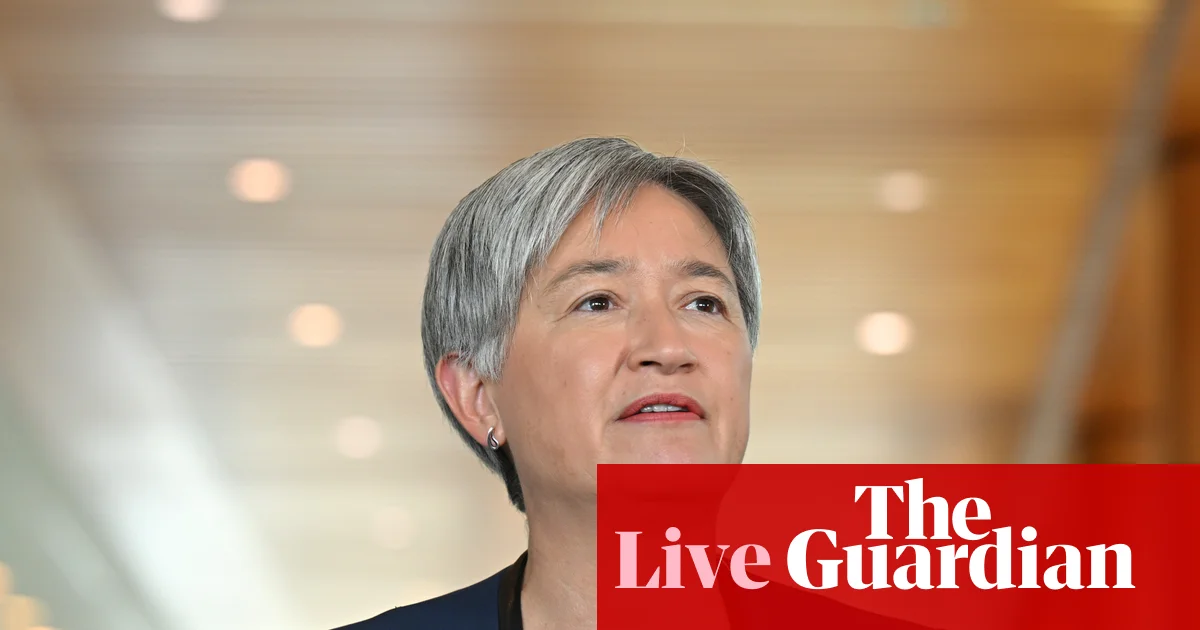
Australia updates: Wong hints at military aid in Middle East — no plans for offensive action against Iran, Victoria

Geopolitical Impact of Middle East Conflict and Domestic Unrest: Australia’s Strategic Position

In an era marked by escalating international conflicts, Australia is carefully recalibrating its foreign and military policies amidst a complex web of regional tensions. Penny Wong, the nation’s foreign minister, has clarified that Australia will not engage in offensive actions against Iran, emphasizing instead Australia’s potential role in providing defensive military support to countries under threat. As regional powers like Iran ramp up missile and drone attacks, and non-participating nations face attacks through proxy tactics, the geopolitical landscape becomes even more volatile. The international community, including respected analysts and organizations like the United Nations, watches closely as Australia aims to balance its regional security commitments with prudent diplomacy, striving to avoid entanglement in a broader conflict.

The Australian government’s stance illustrates a cautious yet firm approach. Wong’s statements underscore a commitment to defending allies without crossing into offensive operations, a stance echoed by military strategists who warn against unnecessary escalation. The potential for “defensive military assistance” reflects a strategic necessity to safeguard regional stability, especially given Iran’s ongoing missile and drone deployment targeting non-participating countries. This approach signals a wider trend among Western allies, aligning with US and Israeli policies, but with an explicit limit: no ground troops. The decision—highlighted by analysts as a calculated move—aims to counter Iran’s expanding influence while avoiding a direct confrontation that could spiral into a larger regional war.

Domestically, Australia is experiencing its own turmoil, with violent incidents and political debates over security measures illuminating the broader societal impact of regional conflicts. Recent tragedies, including a savage knife attack at a Melbourne train station which resulted in the death of a bystander, have prompted urgent discussions about youth violence and community safety. Political figures like Mary-Anne Thomas and opposition spokespersons criticize what they call failures of the current community safety policies, invoking a heightened sense of urgency. This internal strife underscores how international crises often cast long shadows over social cohesion, as governments grapple with balancing national security with the need to restore public trust and safety.

  • Wong’s declaration that Australia could step in defensively in the Middle East, without offensive engagement
  • Iran’s relentless missile and drone assaults prompting regional instability and international responses
  • Australian repatriation efforts mobilized amidst rising regional violence—over 1,500 Australians evacuated from the Middle East
  • The internal crisis in Victoria, with youth violence and community safety at the forefront of political discourse

Historical scholars and international analysts warn that such strategic decisions carry profound geopolitical impact. The careful stance Australia adopts today could shape the future of regional alliances and influence global responses to Iran’s aggressive posture. Meanwhile, domestic unrest threatens to ignite larger societal debates about law, order, and national identity in a time of global upheaval. As policymakers walk this tightrope, the weight of history presses down—reminding us that the choices made in this volatile period will echo through generations.

The unfolding drama in the Middle East and within Australia’s borders leaves the world perched at a crossroads. Will this be a moment of restraint or the spark that ignites a broader conflict? As figures like Wong emphasize transparency and caution, the true test lies ahead—whether diplomacy prevails or history plunges into chaos, the next chapter remains unwritten. Humanity watches, holding its breath as the delicate balance between peace and war flickers in the shadows of history’s latestturning point.

Four Years Later: Zelenskyy States Putin’s Goals Remain Unmet—Europe Updates | Ukraine

Four Years of Conflict: The Evolving Geopolitics of Russia’s Invasion of Ukraine

As Ukraine marks its fourth year of fierce resistance against Russia‘s full-scale invasion, the global community observes a pivotal moment in what has become the defining conflict of the 21st century. Beginning on February 24, 2022, when Russian forces sought to seize the country within mere days, the war has morphed into a protracted struggle that continues to reshape geopolitical alliances and challenge international norms. Despite efforts to rally support and impose sanctions, the conflict remains unresolved, revealing profound fissures within Western-led coalitions and exposing vulnerabilities in diplomatic strategies.

The Ukrainian people, under the steadfast leadership of Volodymyr Zelenskyy, have consistently underscored their resilience and unwavering commitment to sovereignty. In his recent address, Zelenskyy reflected on the enduring spirit of Ukraine, emphasizing that “we have defended our independence, we have not lost our statehood; Putin has not achieved his goals.” Such declarations serve as a stark reminder that, despite relentless aggression and substantial losses, Ukraine has maintained its national identity and territorial integrity. Historians and analysts underscore this narrative as a testament to the resilience of post-Cold War Europe’s most prominent democracy under siege, illustrating how a nation’s united front can withstand even the most formidable foes.

Yet, the geopolitical impact extends far beyond Ukraine’s borders. The ongoing conflict continues to test the cohesion and resolve of NATO and the European Union. Recently, Mark Rutte, NATO’s Secretary General, and Ursula von der Leyen, President of the European Commission, prepared to honor Ukraine’s bravery by convening in Kyiv and via video links. However, controversy has surfaced over the EU’s inability to present a united front: Hungary’s Viktor Orbán vetoed a new set of sanctions aimed at intensifying pressure on Russia over separate disputes involving oil transit through Ukraine. International organizations like the EU face critical scrutiny, as this political sabotage underscores internal divisions that threaten to undermine the collective effort to support Ukraine and uphold global stability.

Historical and geopolitical analysts warn that such divisions could be a turning point—that if Western alliances falter, the balance of power in Eurasia could be permanently altered. The war’s broader implications include the realignment of global influence, renewed tensions in Eastern Europe, and a warning that failure to sustain unified pressure may embolden Russia and other revisionist powers. Meanwhile, the clandestine efforts of allied intelligence agencies, notably the CIA and MI6, to intercept Putin’s plans prior to the invasion reveal a complex web of intelligence failures and miscalculations. Shaun Walker’s investigative reporting sheds light on how Western intelligence underestimated the Russian president’s intentions, highlighting the dangerous costs of complacency in an era where information wars are as critical as military ones.

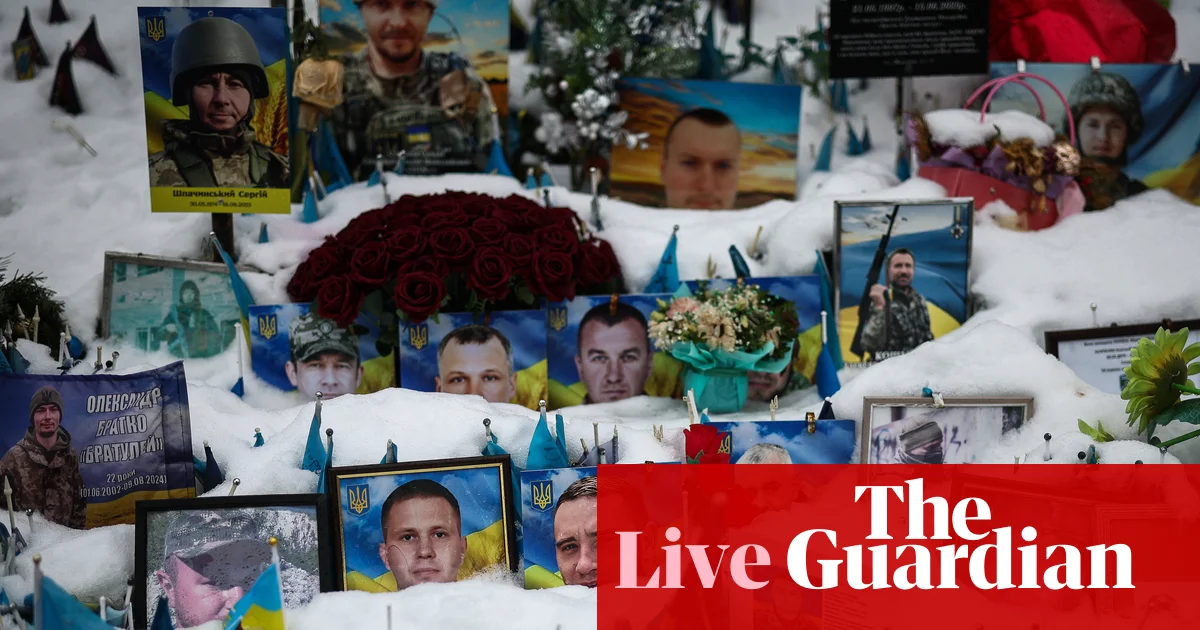
As history continues to unfold, the unresolved tensions and unresolved conflicts stake their claim on the future of Europe and beyond. The voices from Kyiv, Brussels, and Washington echo with warnings of what might come if the present momentum diminishes. The city of Kyiv itself, bearing signs of resilience like the symbolic “Bravery Made in Ukraine,” stands as a testament to the unyielding human spirit amid the chaos of war—yet, the shadows of discord within Western alliances threaten to cast long-term consequences that could reshape continents. For now, the world holds its breath—watching as the pages of history are written, one day at a time, in the blood and hope of nations fighting for sovereignty and peace—and knowing full well, that this story is far from over.

Australia updates: Dural ‘stronghold’ tied to Baghsarian kidnapping, NSW police reveal; Angus Taylor calls to ditch ‘net zero’ push

As 2026 unfolds, the world witnesses a series of seismic shifts that threaten to redefine geopolitics and global stability. From internal political tremors in Australia to sweeping changes in Europe and fragile peace negotiations in the Middle East, nations grapple with decisions that will echo through history. The choices made today set the trajectory for generations, and their impacts extend far beyond borders.

The recent developments in Australia exemplify the turbulence faced by democracies under pressure from both domestic political narratives and international expectations. The controversial shift by Angus Taylor and the Liberal Party’s declaration to abandon the previously embraced ‘net zero’ commitment signals a departure from global climate consensus. While the government asserts that this move offers flexibility, critics argue it undermines efforts coordinated through international climate accords. Analysts warn that this divergence could weaken Australia’s diplomatic standing and erode trust with allies committed to sustainability, further isolating a nation vital to the Indo-Pacific strategy. Historians caution that such policy reversals might be remembered as a pivotal moment where economic interests overrode environmental responsibility, casting shadows on the country’s global reputation.

Meanwhile, in the United Kingdom, the arrest of Andrew Mountbatten-Windsor at Sandringham on suspicion of misconduct has cast a spotlight on questions of accountability within the British monarchy. This unprecedented event ignites debates about tradition versus transparency, with international observers questioning whether the monarchy can adapt to the demands for moral integrity today. The fallout, if allowed to deepen, could influence Britain’s soft power and diplomatic alliances, especially as Europe faces its own challenges with regional unity and economic stability. Experts from the European Union warn that such internal struggles might embolden nationalist factions and threaten the unity of the bloc at a time when global powers are recalibrating their alliances.

Contrasting these internal political crises are the ongoing conflicts and security concerns in the Middle East. Reports from Syrian and Iraqi authorities confirm that over 5,000 detainees, including suspected former Islamic State fighters, have been transferred across borders. The potential for unrest or resurgence in extremism remains a troubling prospect for regional stability, drawing concern from international organizations like the United Nations. The transfer underscores the fragile balance of power in a region where diplomacy and military might intertwine dangerously. Should extremism reignite, it could trigger a broader security crisis impacting Europe and the United States, emphasizing how even regional disputes have global consequences.

In this high-stakes landscape, the decisions of today are shaping a world on the brink. The intertwined fates of nations—whether they choose resilience or retreat—carry implications far beyond their own borders. As the great historians of tomorrow sift through these moments, they may recount 2026 as a defining year—a year when the delicate fabric of international order trembled under the weight of rash decisions and forgotten commitments. History, with all its weight and consequence, continues to unfold, leaving a stark reminder: in geopolitics, the stakes are nothing less than the future of civilization itself.

Super Bowl 2026: Seahawks Clash with Patriots — Live Updates from Super Bowl LX

In a year marked by unprecedented international upheavals, major geopolitical shifts continue to reshape the global landscape, raising questions about the future stability of nations and societies. The recent decision by the United States to reconsider longstanding alliances has sent ripples through diplomatic circles worldwide. Traditionally, alliances such as NATO have been pillars of Western security, yet recent rhetoric from Washington hints at a possible re-evaluation of commitments, at a time when global threats demand cohesive responses. Analysts from the International Crisis Group warn that these moves could embolden revisionist powers, destabilizing the delicate balance that has maintained relative peace since the end of the Cold War.

Meanwhile, China continues its assertive expansion into the Indo-Pacific, challenging traditional power structures and fomenting regional tensions. Recent military exercises near contested waters are viewed by many experts as a calculated show of strength, signaling an intentional shift in the balance of power. Countries like India and Japan are caught in the middle, reassessing their defense postures amidst fears of escalation. The International Monetary Fund warns that these geopolitical tensions could have profound economic consequences, disrupting supply chains and affecting global markets—yet, for nations involved, these strategic calculations are increasingly critical to their national security and sovereignty.

In addition, Russia has continued its relentless influence operations across Eastern Europe and the Middle East, underlining a trend that many see as a direct challenge to the post-World War II international order. From the annexation of Crimea to complex entanglements in Syria, Moscow’s actions are pushing Western policymakers into difficult alliances and decisions. Historians like Anne Applebaum argue that these responses could revive Cold War-era dynamics, with dangerous implications for global stability. United Nations diplomats face increasing pressure to mediate, but some warn that existing diplomatic efforts are too fractured to stem the tide of confrontation.

These international shifts are reshaping more than just diplomacy; they are fundamentally affecting societies worldwide. The decisions made by powers like the US, China, and Russia influence everything from economic stability to the daily lives of civilians. As leaders grapple with the new reality, future historians may see this period as a pivotal chapter—a time when global alliances fractured and reformed, and the very fabric of international peace was tested. The decisions taken today could well define the next century, as the weight of history presses heavily upon the world’s shoulders, leaving humanity to navigate an uncertain path through the shadows of its own making.

Social Media Auto Publish Powered By : XYZScripts.com