Matox News

Truth Over Trends, always!

OBR suspects 'outsider' behind budget leak as cyber expert steps in – UK politics updates
OBR suspects ‘outsider’ behind budget leak as cyber expert steps in – UK politics updates

Unfolding Geopolitical Ripples in the UK: Budget Leak and Domestic Policy Shifts

In a dramatic turn of events that underscores the fragile interplay of digital security and national governance, Richard Hughes, chair of the Office for Budget Responsibility (OBR), disclosed that an external individual may have inadvertently caused the early leak of the UK’s latest fiscal report. This incident, which surfaced just minutes before the Chancellor of the Exchequer, Rachel Reeves, formally announced the budget, has ignited concerns over cyber security at a time when international stability increasingly hinges on the integrity of government communications.

As Prof Ciaran Martin, former head of the UK’s National Cyber Security Centre, has been called in to oversee the investigation, critics warn of far-reaching geopolitical implications. This breach at the heart of the UK’s financial oversight not only raises questions about internal security protocols but also signals potential vulnerabilities that, if exploited, could ripple across allied nations and global markets. Analysts suggest that this incident is a stark reminder of how digital threats are reshaping the landscape of international politics, compelling leaders worldwide to revisit cybersecurity treaties and cooperation frameworks.

Domestic Politics and International Consequences

  • The UK government’s handling of fiscal transparency is now a subject of international scrutiny, especially within institutions such as the International Monetary Fund (IMF) and the G7.
  • Meanwhile, Rachel Reeves has defended her budget, emphasizing that none of her fiscal measures are designed to stimulate growth, a stance that contrasts sharply with the assessments of the Institute for Fiscal Studies (IFS). While she insists that her policies are designed to protect existing social frameworks, critics argue that her refusal to break manifesto promises on tax hikes risks exposing growing societal inequalities.
  • International observers, including leading economists and security experts, warn that such domestic discord, combined with vulnerabilities like the recent leak, can undermine Britain’s strategic alliances and its credibility in rallying international support for coordinated economic policies.

The Broader Impact: Rising Tensions and Evolving Alliances

This security lapse exemplifies the broader geopolitical shift where digital sovereignty and cyber diplomacy are now as critical as traditional military alliances. The incident offers a stark warning that how decisions inside nations’ borders influence global stability. With emerging powers like China and Russia deploying cyber tactics to bolster or destabilize existing structures, Western countries must accelerate efforts to forge resilient cybersecurity agreements.

Historical analyses by geopolitical scholars warn that such incidents could catalyze a new era of digital confrontation, compelling nations to rethink traditional alliances. According to the UNESCO, international cooperation in cyber governance must adapt swiftly to defend shared interests, lest fragile democracies fall victim to asymmetrical warfare that erodes trust in essential institutions.

Conclusion: The Unfolding Narrative of Power and Security

As the UK navigates this turbulent chapter, with its political landscape now under the shadow of cyber vulnerabilities and contentious fiscal policies, the weight of history presses heavily upon its future trajectory. The incident serves as a stark reminder that in an interconnected world, choices made within the vaults of London’s government chambers reverberate across continents, shaping the destiny of societies. The unfolding story — of leaks and policies, trust and treachery — leaves the global observer pondering: how resilient are the foundations of power in an age where information itself becomes the battlefield?
Trump vows to sue BBC over speech edit, claiming he has a duty to set the record straight—latest updates

Global tapestry of Power, Media, and Political Battles: The Shifting Geopolitical Landscape of 2025

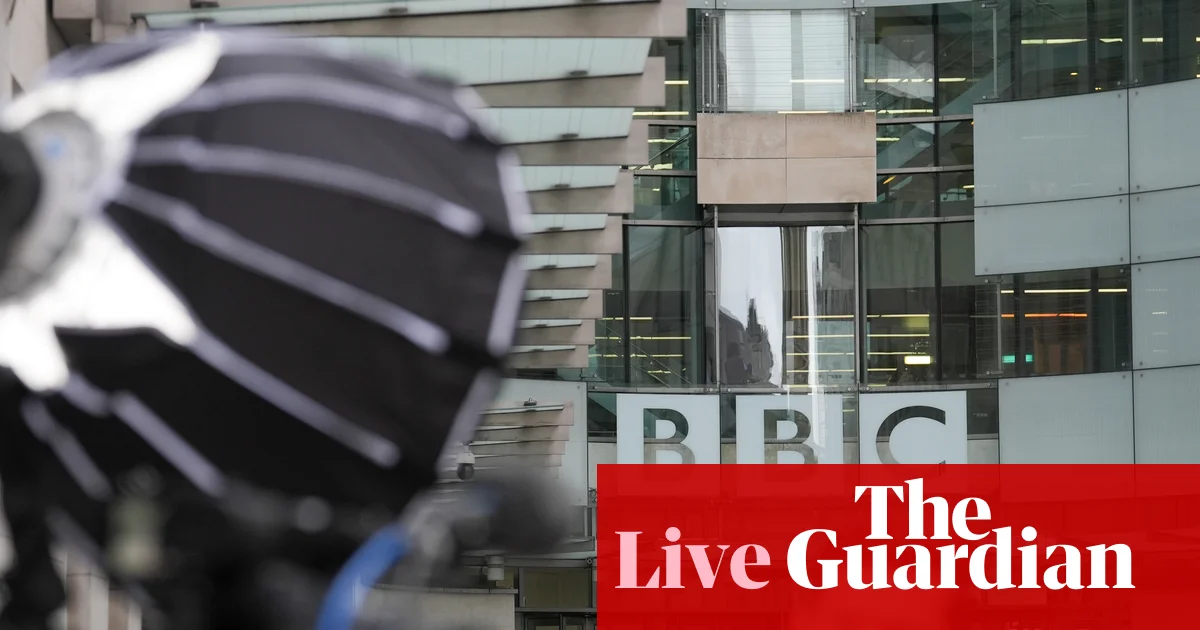
As 2025 continues to unfold, an intricate web of international conflicts, media controversies, and political power plays underscores a world in flux. Last week’s dramatic developments at the BBC and the rising tensions between Donald Trump and global media institutions illustrate how the struggles within foundational institutions have far-reaching geopolitical impact. The crisis surrounding the BBC, culminating in the resignation of Director-General Tim Davie, reveals a broader pattern of skepticism and dissatisfaction with mainstream media’s role in shaping political narratives—shaping the global discourse with strategic implications for sovereignty, national identity, and the future of free press.

Trump’s aggressive legal posture against the BBC exemplifies how media influence intersect with geopolitics. The former U.S. president has claimed that the broadcaster “defrauded the public,” citing the editing of his January 6 speech—an event that remains a reference point for political and legal battles worldwide. Trump’s legal counsel has threatened $1 billion in damages if the British broadcasting giant refuses to retract what they consider “false, defamatory, disparaging, and inflammatory statements.” Historians and analysts concur that such legal threats against influential media entities symbolize a strategic effort to control narratives, not just domestically but across international borders, reflecting a broader ideological battle over truth, influence, and sovereignty.

On the other side of this ideological clash, critics like Daisy Cooper, Deputy Leader of the Liberal Democrats, see opportunity within crisis. Her call to “take away all political appointees” affirms the ongoing struggle to reform media institutions deemed compromised by politicization. Her words echo a larger, international debate about the role of political influence within public broadcasting and its impact on national independence. As Western democracies face this internal division, the overarching question remains: whose version of truth will shape the future? With countries like the UK and the US entangled in media battles, the geopolitical impact is undeniable. These conflicts threaten to shift the balance of power toward nationalist and populist narratives, challenging globalist media dominance and redefining the landscape of international influence.

International organizations and analysts warn that such disputes are more than mere political theater; they are manifestations of a deeper |international realignment driven by the erosion of trust in traditional institutions. As the world witnesses how a domestic media crisis can ignite legal threats and political upheaval, it signals to every nation that control of information becomes a matter of geopolitical importance. The unfolding battles hint at a broader era where sovereignty, national identity, and media independence are no longer isolated issues but crucial battlegrounds shaping the destiny of nations.

In this rapidly transforming world, the stakes are extraordinary. As history’s pen writes the next chapter—whether it be the legal warfare against the BBC or the rise of populist narratives challenging media authority—the question remains clear: who will wield the power of truth in the unfolding story of the 21st century? The future’s narrative is yet to be written, and the weight of history presses down heavily on today’s decisions, shaping a world where information itself may become the ultimate weapon in the struggle for dominance and sovereignty.

Europe Observes Armistice Day Amid Rising Tensions as Russia Bombs Ukraine Overnight — Live Updates

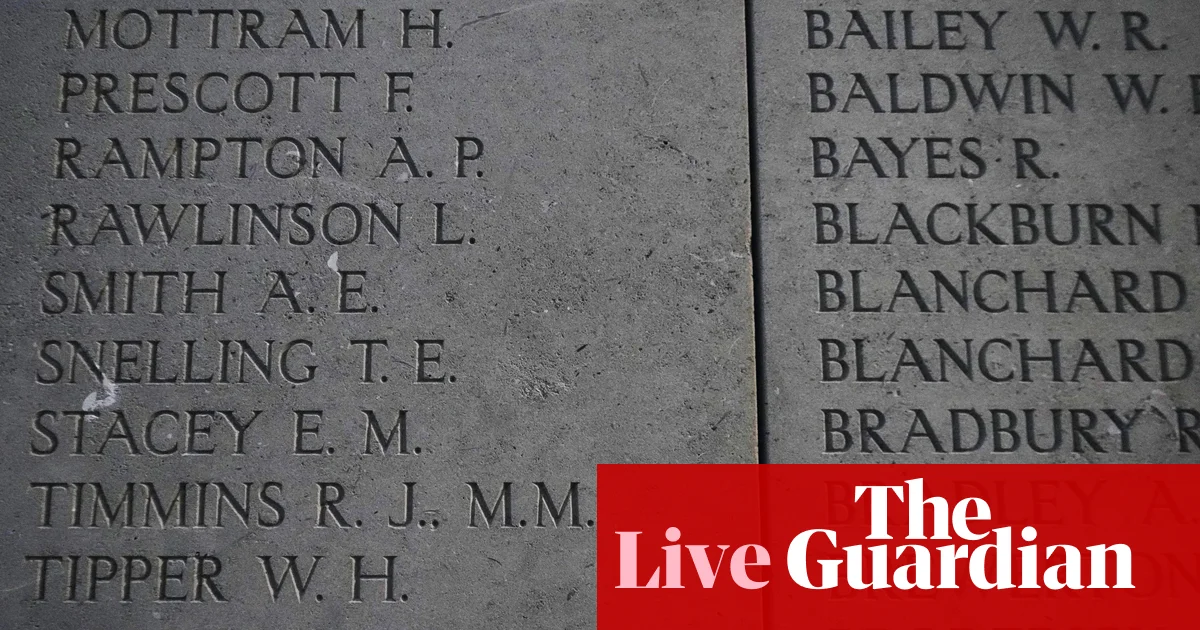
As Europe commemorates Armistice Day, a day historically rooted in ending the devastations of war, the continent finds itself embroiled in a new era of geopolitical turmoil. The recent claims from Russia’s Federal Security Service (FSB) of thwarting a clandestine operation by Ukrainian and British spies underscore the fragility of peace in an age dominated by shifting alliances and covert warfare. The alleged plot to commandeer a MiG-31 fighter equipped with hypersonic Kinzhal missiles, purportedly to be flown toward a NATO border in Romania, reveals a fresh dimension in the persistent Ukraine conflict. While Western nations mourn and honor the fallen, the shadows of espionage, sabotage, and ongoing military confrontations cast a pall over traditional commemorations, exposing a continent at a crossroads of peace and chaos.

  • Russian authorities claim to have intercepted an attempt by Ukrainian and British operatives to destabilize the region by stealing a highly advanced Russian jet, which was allegedly to be flown toward a NATO base in Romania, an escalation that could have drawn NATO directly into conflict.
  • The Russian state TV broadcast purported evidence—including messages and recordings—allegedly linking Ukrainian and British intelligence to the plot, with reports of a payment of $3 million to Russian pilots willing to defect. These claims, however, remain unverified by independent outlets like The Guardian and Reuters.
  • The incident reveals how the Russia-Ukraine conflict has transformed into a broader proxy battleground, with accusations of espionage and sabotage characteristic of post-Cold War warfare. Analysts warn that such narratives serve to justify further escalations while complicating diplomatic dialogue.

Geopolitical Ripples and Rising Tensions

The European Union and NATO are closely watching these developments, aware that any escalation could have profound repercussions for regional security and for global stability. Historian and geopolitical analyst Dr. Maria Jensen warns that such alleged plots, whether fully verified or not, serve to deepen the divide between Western powers and Russia, fueling narratives of insidiou conspiracy and imminent threat. Meanwhile, France’s President Emmanuel Macron and Polish authorities mark Armistice Day with solemn ceremonies—yet the shadows of ongoing conflict threaten to distort the very symbolism of reconciliation and peace.

Adding to the tense atmosphere, Romania reported a Russian drone incursion near its border with Ukraine, which the Romanian President, Nicușor Dan, dismissed as an accident. This incident underscores the underlying risk of unintended escalation as military activities become increasingly aggressive and unpredictable. Conflicts that once were confined to local terrains are quickly evolving into interconnected crises, with Ukraine’s battlefield and Romania’s border zones acting as potential flashpoints for broader confrontation. International institutions warn that the escalation fuels a spiral of mistrust and military posturing, threatening to unravel ongoing diplomatic efforts.

The Broader Impact—History’s Unfinished Narrative

In this tumultuous context, the annual observances across Europe—such as the marches in Warsaw and ceremonies at the Arc de Triomphe—serve as stark reminders of the price paid for peace. Yet, beneath the commemorations lies a sobering reality: the continent is navigating a delicate, volatile chapter where decisions made today will echo through history. Within geopolitical circles and diplomatic corridors, experts deliberate on the potential for these incidents to either ignite a larger conflict or serve as catalysts for renewed dialogue and mutual understanding.

The unfolding story of Ukraine, Russia, and the broader European theater is still being written, with each new claim and counterclaim adding lines to a narrative that history will scrutinize for generations. As world leaders grapple with the aftermath of their choices, the shoulders of future generations bear the weight of today’s decisions—decisions that could either forge enduring peace or plunge the continent into an abyss of perpetual conflict. The question remains: how will the pages of history remember this turbulent age, and what lessons will it carve into the collective memory of humanity?

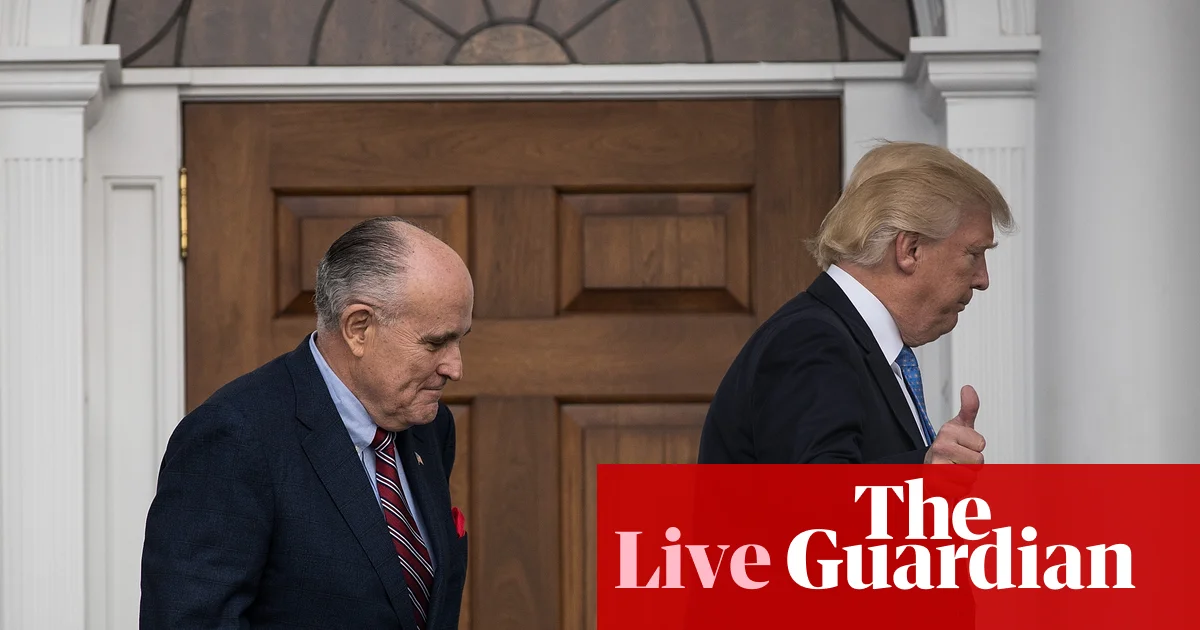
Trump clears Giuliani and allies charged with election interference — latest updates

In recent days, the international stage has witnessed a series of seismic events that underscore the shifting landscape of global power and domestic stability, particularly within the United States. The dramatic pardoning by Donald Trump of his allies linked to efforts to overturn the 2020 election has sent ripples across both U.S. politics and the broader geopolitical arena. The pardons, including high-profile figures such as Rudy Giuliani and Mark Meadows, are viewed by many analysts as a calculated move to reassert influence and weaken institutional accountability, challenging the notions of rule of law and sovereignty. While none of those pardoned faced federal charges, critics argue this controversial decision could usher in a precedent where future administrations find immunity from prosecution, thereby eroding the integrity of the American legal system and emboldening authoritarian tendencies.

Simultaneously, the domestic crisis has been compounded by ongoing government shutdowns— the longest in U.S. history—affecting hundreds of thousands of workers, with flights canceled en masse and essential services disrupted. According to top officials, the shutdown continues due to political gridlock between the Democratic and Republican senators, despite efforts to pass a stopgap measure that would fund the government only until January. This short-term funding, essentially a Band-Aid solution, underscores the deep divisions that threaten the fabric of American governance, with the specter of a prolonged stalemate looming large. Historians warn that such political discord contributes to a climate where societal trust diminishes and chaos undermines the national stability vital to global order.

On the international front, President Trump made headlines with a historic visit to the White House by Syrian President Ahmed al-Sharaa, marking the first such diplomatic engagement since Syria’s independence in 1946. This summit, cloaked in secrecy, signals a potential realignment of American foreign policy amid a broader reshuffling of alliances in the Middle East and beyond. While specifics of discussions remain under wraps, the unspoken message is clear: the U.S. aims to recalibrate its stance on Syria, employing a strategy that includes sanctions and high-stakes diplomatic negotiations. Such diplomatic shifts are likely to recalibrate regional power balances, influencing allies and adversaries alike, especially in an era when assertive national interests are reshaping traditional diplomacy.

Brazilian and Latin American geopolitics are also in flux, with U.S. military operations expanding their reach — striking alleged drug trafficking vessels and known narco-terrorist groups in international waters, according to Pentagon statements. Such actions demonstrate an increasingly assertive U.S. military posture aimed at combating illicit networks that threaten stability beyond American borders, directly impacting regional sovereignty and security frameworks. The use of extrajudicial measures, including lethal strikes, raises concerns among international legal experts about sovereignty and the potential for escalation that could destabilize entire transit routes linking South America and the broader Western Hemisphere. These actions highlight the United States’ willingness to operate unilaterally in the name of national security, often outside traditional legal boundaries—a move with profound geopolitical implications that ripple through international institutions and diplomatic norms.

The entire sequence of events unfolding in Washington and around the globe reveals a pivotal epoch in history—a period where decisions by a single nation threaten to reshape the international order, challenge the rule of law, and redefine the future of liberty and governance. As history continues to be written in the crucible of reckless diplomacy and domestic chaos, the world watches with bated breath, recognizing that these are not mere isolated incidents but the echoes of a larger clash for influence, sovereignty, and the soul of democracy itself.

Google Maps gets a major boost for India with Gemini updates and safety alerts

Google Elevates Maps with Gemini AI Integration in India: A Game-Changer for Digital Navigation

In a bold move to disrupt traditional navigation paradigms, Google has begun integrating its innovative Gemini AI technology into Google Maps, specifically tailored for the Indian market. This strategic deployment signifies a major leap in AI-powered navigation, transforming how millions of users plan routes, access real-time safety alerts, and explore localities. The rollout, which commenced in the U.S. and is now expanding to India, underscores Google’s relentless drive to lead in disruption and innovation—with national localization and contextual awareness at its core.

By embedding Gemini—a sophisticated generative AI model—into Maps, Google is redefining user interactions. The new features include contextual route suggestions, hands-free AI assistance, and comprehensive location details. Miriam Daniel, Google Maps’ vice president, emphasizes that localization extends beyond language translation; it involves adapting to India’s unique geographical, linguistic, and cultural landscape. The service will support nine Indian languages initially, ensuring broad accessibility while enhancing the navigational experience. This approach enables hyper-personalized guidance, empowering users with smarter, more intuitive routes.

The business implications of this innovation are profound. Google’s partnership with India’s National Highways Authority of India (NHAI) exemplifies a strategic move to harness near real-time data for enhanced safety. New features include accident-prone zone alerts supported by visual and audio warnings, designed in collaboration with local authorities. Such safety-centric updates are not only crucial for user trust but represent a strategic shift toward integrating AI with infrastructure data—ushering in a new era of disruption in transportation safety systems. Furthermore, proactive notifications about route disruptions and delays, extended to major urban centers like Delhi, Mumbai, and Bengaluru, position Google Maps as an indispensable tool for urban mobility—reshaping the very business model of how navigation services generate revenue and user engagement.

While these technological strides highlight Google’s aggressive innovation agenda, concerns over reliability persist—in particular, instances like the tragic accident involving an unfinished bridge in Uttar Pradesh have cast shadows over trust in digital navigation systems. Google’s proactive approach, including partnerships with local agencies to improve data accuracy, exemplifies an industry-wide recognition that trust and safety remain critical to long-term disruption. Industry analysts such as Gartner suggest that this fusion of AI and real-world data signifies a pivotal shift, driving a new wave of smart, adaptive infrastructure—though not without inherent risks. As AI continues to evolve, so does the industry’s need to address safety, accountability, and transparency standards.

Future Outlook: The Race Toward Ubiquitous, AI-Driven Navigation

Looking ahead, the integration of Gemini AI into Google Maps signals a seismic shift in how digital navigation intersects with daily life. With ongoing enhancements like voice-supported flyover navigation and speed limit alerts, Google is setting the stage for a future where AI doesn’t just assist but actively manages and predicts real-world conditions. Analysts from MIT and industry veterans like Peter Thiel underscore that this trajectory—marked by rapid innovation and disruptive potential—requires startups and incumbents alike to accelerate familiarity with AI-driven solutions or risk obsolescence.

This year’s developments underscore an undeniable trend: The future belongs to those who leverage AI to transform infrastructure, safety, and mobility. Market shifts favor proactive adaptation, and companies that ignore this wave risk falling behind. Awaiting just beyond the horizon are enhanced autonomous systems, smarter cities, and seamless, real-time digital-physical integration. As Google’s initiative demonstrates, the imperative is clear: disruption is accelerating, and the race to dominate the AI-powered landscape is more urgent than ever.

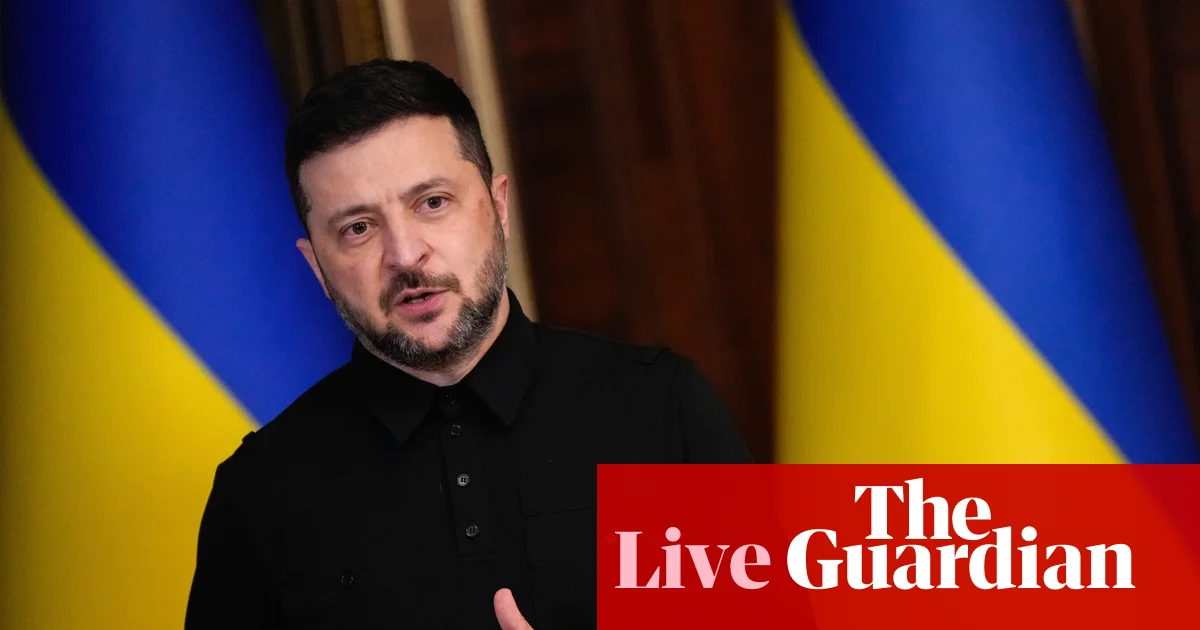
Zelenskyy names new Odesa leader after mayor’s Russian passport scandal – Europe updates | NATO

In the heart of Eastern Europe, Ukraine continues to be a focal point of geopolitical tension, with the recent appointment of Sergiy Petrovich Lysak as the new head of Odesa’s city military administration signaling an escalation of the Ukrainian government’s efforts to strengthen its regional security measures. This move follows the Ukrainian president Volodymyr Zelenskyy’s announcement on Tuesday to establish a dedicated military administration in the strategic port city, citing a critical need for increased protection amidst ongoing hostilities. Zelenskyy emphasized, “Odesa deserves greater protection and greater support,” highlighting the nation’s commitment to fortifying its vital Black Sea corridor against persistent threats.

The political upheaval in Odesa is part of a broader, tumultuous battle for sovereignty, as Kyiv revokes the citizenship of local officials suspected of dual loyalties. The dismissal of Hennadiy Trukhanov, who denies holding a Russian passport, underscores Ukraine’s rigid stance against dual citizenship, aiming to eradicate divisive figures potentially compromised by Moscow. This domestic strategy unfolds amid escalating military confrontations on multiple fronts, where Russian forces have claimed control over settlements like Oleksiivka and Novopavlivka, signaling a persistent push to consolidate territory amid mounting international support for Ukraine’s resistance.

All Eyes on NATO and Russia’s Rising Threat

As the Russian invasion enters its second year, NATO’s defense ministers convened in Brussels to address the rising threat of Russian airspace violations and the Kremlin’s ongoing aggression. NATO Secretary General Mark Rutte and other allies discussed intensifying their support for Ukraine, with the US contemplating the deployment of long-range missiles such as the Tomahawk to Kyiv—a move that, if realized, could significantly alter the dynamics of the conflict. US Defense Secretary Pete Hegseth indicated a collective commitment to bolster Ukraine’s defenses, emphasizing that more military aid, including advanced drones and weaponry, is forthcoming. Meanwhile, Russia’s military efforts have persisted, with reports of attacks on Ukrainian energy infrastructure—targets like power plants and gas facilities—aimed at debilitating Ukraine’s war effort and sowing chaos in civilian life.

Notably, Russia’s largest petrochemical complexes in Bashkortostan sustained attacks by Ukrainian drones, yet regional officials assert they continue to operate normally, illustrating the resilience of Moscow’s industrial backbone amidst setbacks. Yet, intelligence from Finland’s defense minister indicates that Russian forces are amassing anew and becoming more reliant on China—a sign that Moscow’s military resource pool might be primarily preoccupied with Ukraine, but still remains a formidable threat to NATO’s eastern flank. The gathering of NATO defense ministers highlighted concerns that Russia’s strategic posture could persist long after Ukraine’s war ends, cementing its role as a persistent destabilizer in the region.

Shifts in International Power and the Waning Kremlin Influence

Meanwhile, in the Middle East, Vladimir Putin’s attempt to project influence through the postponed Russia-Arab World summit backfired spectacularly, with only a handful of leaders attending, underscoring Moscow’s declining influence in the region. Instead, global attention shifted to Egypt, where a Gaza peace summit, attended by Donald Trump and regional leaders, signaled a geopolitical shift away from Moscow’s long-standing regional dominance. Pjotr Sauer of The Guardian notes that this diplomatic retreat reflects the reality: as the war in Ukraine presses on, Russia’s influence in the Middle East diminishes, revealing the limits of Putin’s strategy to assert global leadership.

Furthermore, the European Union is moving to confront its own internal crises, with Brussels set to propose regulations tackling short-term rentals—a social matter that, if unaddressed, could fuel populist discontent and threaten the unity of the bloc. As European nations grapple with economic stagnation, demographic declines, and social tensions, the trajectory of their resolve on international issues remains uncertain. The coming months could define whether Western alliances remain resilient or fragment under the weight of economic and geopolitical pressures.

In this unfolding chapter of history, decisions made in the corridors of power—whether in Kyiv, Brussels, or Moscow—will resonate well beyond their borders. As Ukraine’s struggle persists and NATO faces its future, the shadow of Russia’s resurgence lingers, hinting at a protracted contest that will test the resolve of Western unity, the resilience of Ukrainian sovereignty, and the shifting sands of global influence—a story that is still being written, as the world watches with bated breath, the weight of history pressing down on an uncertain horizon.

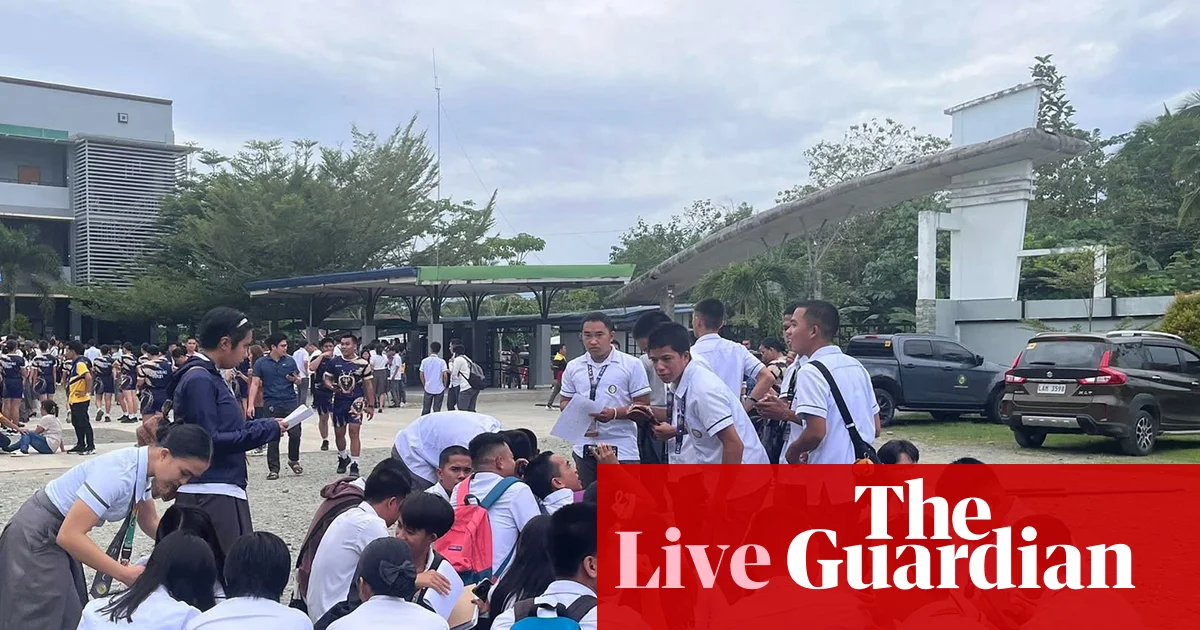
Philippines rocked by 7.6 quake amid tsunami alert for coasts, including Indonesia – latest updates

Global Tensions Surge as Asia-Pacific Faces Catastrophic Earthquake and Tsunami Threats

The Philippines has been rocked by a powerful 7.4 magnitude earthquake targeting the southern island of Mindanao, causing widespread panic and immediate evacuations in coastal communities. The seismic event initiated a tsunami warning across the region, prompting governments and international agencies to brace for possible waves exceeding three meters in some areas, especially near the earthquake epicenter. The Philippine Seismology Agency reports significant damage, with reports of collapsed buildings and injured civilians, as authorities scramble to mount rescue efforts amidst ongoing aftershocks. This catastrophe comes mere weeks after the last devastating quake in Cebu, which claimed more than 70 lives, underscoring the region’s vulnerable geopolitical position within a seismically active zone.

Meanwhile, neighboring Indonesia has issued its own tsunami warning for North Sulawesi and Papua regions, highlighting a regional escalation of what analysts call a “cascade effect” of tectonic instability. The Indonesian government warned of hazardous waves potentially reaching 3 meters, forcing thousands in coastal settlements to evacuate inland. The Pacific Tsunami Warning Center in Honolulu underscored the danger, describing waves as “life-threatening” with the possibility of destruction within a 300km radius of the epicenter. As international organizations like the United Nations Office for Disaster Risk Reduction coordinate emergency responses, experts warn that the sequence of seismic activities may signal a tectonic shift with broader geopolitical consequences for Indo-Pacific stability.

Regional Power Dynamics and International Reactions

This natural disaster occurs against a backdrop of simmering geopolitical tensions in the Asia-Pacific, where China and the United States vie for regional influence amid claim disputes and strategic alliances. Some analysts argue that the timing of these seismic events could be exploited by regional powers to justify military posturing or to accelerate diplomatic negotiations under the guise of humanitarian aid. The Philippine President, Ferdinand Marcos, has already mobilized multiple agencies, including the armed forces and coast guard, to assist in evacuations and damage assessment, emphasizing a “national unity” stance. Yet, the rapid mobilization reflects an underlying reality: the region’s fragile security architecture, where natural calamities can deepen existing divides or, conversely, serve as opportunities for cooperation.

Historians specializing in Indo-Pacific geopolitics note that these events expose how climate and natural disasters are increasingly influencing international stability. The clustering of seismic activity along the Pacific Ring of Fire exemplifies the tectonic vulnerabilities that threaten to redraw regional power maps. As governments in Jakarta, Manila, and even Taipei reevaluate their strategic priorities, voices within international organizations warn that the compounding effects of ongoing natural hazards could destabilize fragile political terrains, making the next few years critical for shaping the geopolitical future of the region. The unfolding crisis reminds the global community that the forces of nature remain an unpredictable weapon of change—one that can alter societies faster than any diplomatic negotiation.

The Weight of History and the Unfolding Future

With each tremor, history seems to pause—holding its breath, waiting to see whether these events trigger a new chapter of regional resilience or a descent into chaos. The Philippines, Indonesia, and their neighbors find themselves at a critical juncture, where their responses will not only determine immediate survival but will also set precedents for regional solidarity or conflict in the face of climatic and tectonic upheavals. As experts warn of larger aftershocks and potential further waves, global observers are compelled to ask: how will nations adapt to a world where natural disasters are becoming the catalysts of geopolitical change?

As the skies darken with the weight of history still unfolding, one question remains unavoidable: in the face of nature’s fury, will humanity choose the path of division or unity? The answers lie buried beneath the shifting plates of our restless Earth—a reminder that the true battle for stability is fought not only in geopolitics but in our resilience and resolve to confront the forces shaping our collective destiny.

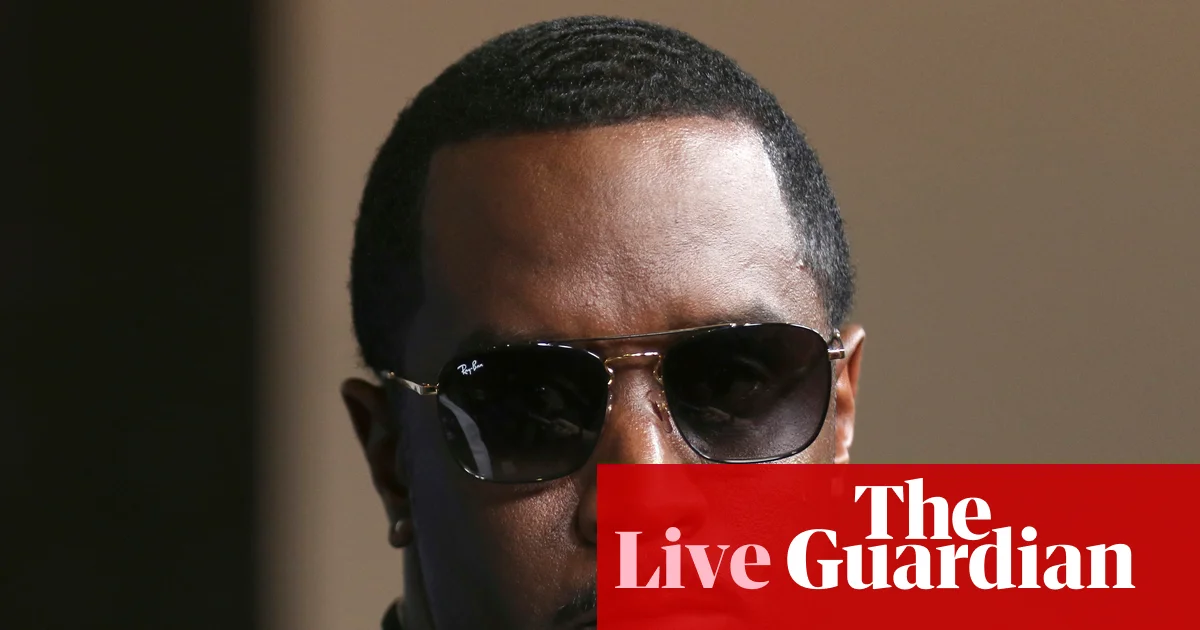
Sean ‘Diddy’ Combs Faces Sentencing After Plea for Second Chance — Live Updates

International Witness: The Geopolitical Ripple of Judicial Decisions and Power Struggles

In a world where the actions of Western celebrities often serve as mirrors to shifting societal and international norms, the recent developments involving Sean “Diddy” Combs exemplify how individual legal outcomes can ripple through global geopolitics. As Combs faces federal sentencing in Manhattan after his conviction related to prostitution charges, the ramifications extend well beyond the courtroom, touching on issues of international influence, legal sovereignty, and the moral fabric of societies worldwide.

Combs’ case highlights the intricate dance between law, influence, and global perceptions, especially considering his personal ties to political figures and potential presidential pardons. Reports suggest that supporters have appealed to the Trump administration for clemency, illustrating a blurred line between celebrity power and political interventions. This act of leveraging legal privileges underscores a broader phenomenon—the way in which powerful individuals can attempt to sway international perceptions, impacting diplomatic relations and the image of national justice systems. As historian and geopolitical analysts note, such cases are often more than personal; they are strategic vectors in the arena of soft power, shaping societal values and international trust in judicial institutions.

Meanwhile, the case’s domestic consequences are equally significant. The victims’ statements and the evidence presented reveal a disturbing pattern of violence and abuse intertwined with issues of morality, control, and societal decay. The amplification of victim voices in the courtroom underscores a global trend toward holding influential figures accountable, a movement with profound geopolitical impact—especially when combined with the potential for international clemency and diplomatic negotiations. International organizations, such as the United Nations, have raised concerns about the way powerful personalities influence justice, often at the cost of societal trust and societal norms.

As legal proceedings continue and Combs’ legal team considers appeals, the international community observes with bated breath. This is a turning point—one that signals the potential for a new era of accountability, yet warns of the risks of politicizing justice. In an era where societal values are in flux and the lines between celebrity influence and political power are increasingly blurred, each decision echoes across nations, societies, and generations. The unfolding story reminds us that the true weight of history is not solely in the verdicts rendered, but how those verdicts shape the course of nations and the moral compass of societies—a narrative still being written in the shadowed corridors of power and justice.

Israel shuts down Gaza’s last southern route as military offensive intensifies on Gaza City — live updates

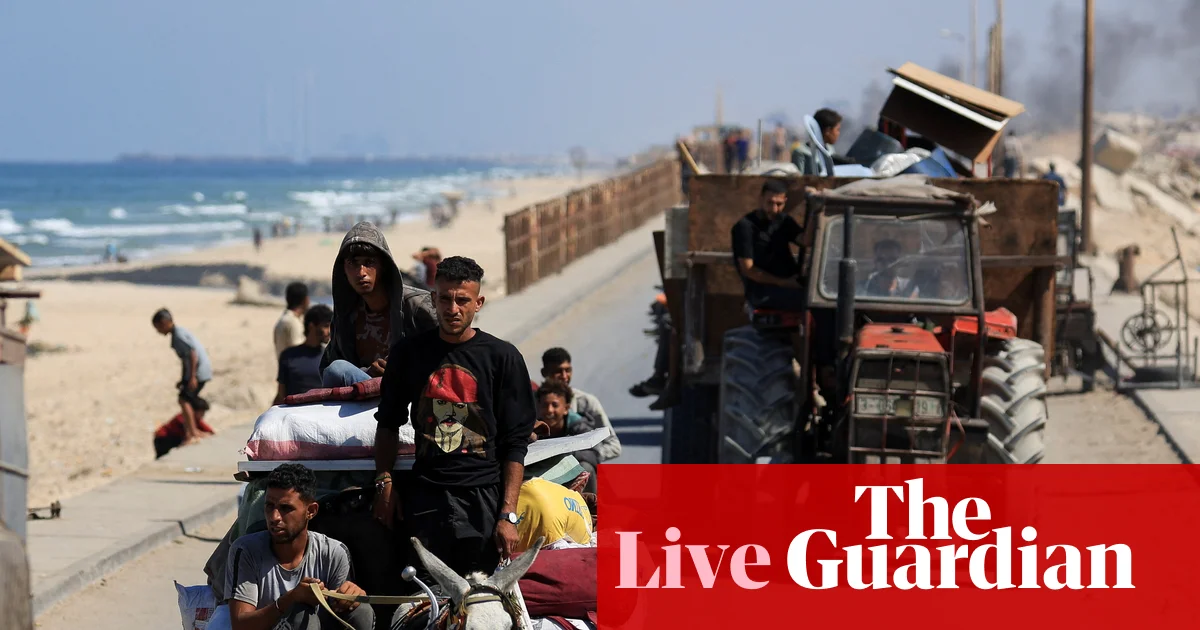
The ongoing Israeli military offensive in Gaza marks a significant escalation in the Middle East crisis, with profound geopolitical impact that threatens regional stability and influences the world’s power dynamics. As Israel moves to cut off access routes from Gaza’s south to north, the humanitarian toll continues to mount, with the UN reporting over a quarter of a million displaced residents in just the past month. The latest military decisions, including the closure of critical transit routes and increased aerial and ground operations, underscore a strategic shift that may shape future Israeli-Palestinian relations for generations.

Simultaneously, Hamas is reviewing a recent plan presented by Donald Trump in Washington, which many view as a pivotal turning point. Israeli and Arab leaders have broadly supported the 20-point proposal, which aims to de-escalate the violence, yet Hamas’s response remains uncertain. Trump has presented an ultimatum, declaring that Hamas has “three or four days” to accept or face severe repercussions. This high-stakes diplomatic maneuvering directly affects not only the immediate conflict but also regional alliances, with many analysts warning that the failure or acceptance of the plan may determine whether the region slides further into chaos or begins a fragile path toward peace.

Globally, reactions to the crisis reveal divisions and strategic calculations. The Australian government, accused of enabling Israel’s military actions through tepid critiques, faces mounting international pressure, with critics asserting that such policies embolden atrocities and undermine international law. On the ground, the human cost is staggering: the Palestinian health ministry reports over 66,000 deaths and hundreds of thousands injured since October 2023, emphasizing the severity of the humanitarian catastrophe. Meanwhile, the recent attack by Yemen’s Houthi rebels on a Dutch-flagged cargo ship, which caused substantial damage and injuries, demonstrates that regional conflicts are intertwining, further destabilizing an already volatile situation.

In the broader global context, the Middle East remains a hotspot of tension, with Iran facing renewed sanctions over its nuclear program, and Yemen becoming a theater of proxy conflict as the Houthis threaten Western interests with their assault on shipping lanes. The Global Sumud Flotilla attempting to break the naval blockade of Gaza reports being threatened and impeded by unidentified vessels, illustrating the high risks and escalating confrontations at sea. This layered and interconnected instability leaves history at a crossroads, with the choices made today echoing into the future of international order, justice, and peace, as the world watches with bated breath—the weight of history still unfolding.

Social Media Auto Publish Powered By : XYZScripts.com