Matox News

Truth Over Trends, always!

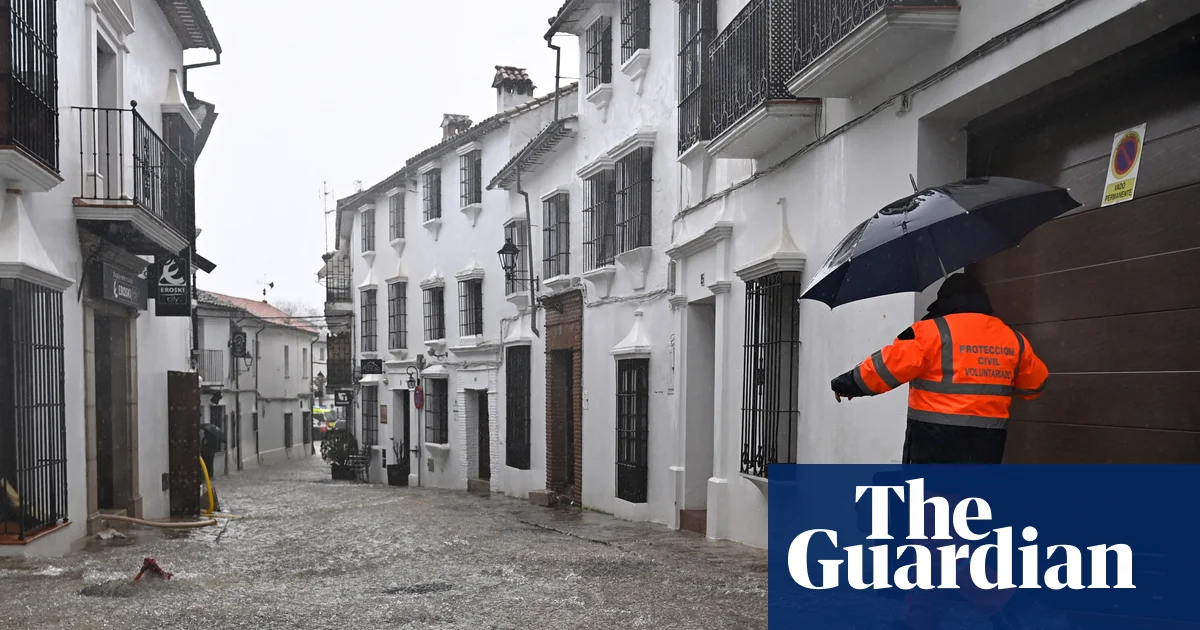
Europe urged to brace for 3°C rise: Challenges ahead but still within reach

Europe Confronts the Harsh Realities of Climate Change: A Wake-up Call for Global Leaders

Amidst mounting evidence and urgent warnings from climate scientists, Europe is witnessing an unsettling acceleration of extreme weather events that threaten its societal fabric and economic stability. Maarten van Aalst, a leading member of the European Scientific Advisory Board on Climate Change (ESABCC), has declared that safeguarding the continent from the devastating impacts of rising global temperatures is a task that, remarkably, “is not rocket science.” His comments underscore a stark truth: the methods required are straightforward and within reach but demand political will and coordinated action. The recent reports from the ESABCC highlight an alarming trajectory—by 2100, temperatures in Europe could soar by 2.8-3.3°C, surpassing the commitments made during the 2015 Paris Agreement, which aimed to limit warming to well below 2°C. Current efforts, they observe, are largely insufficient, characterized by incremental measures that arrive too late to confront the scale of the crisis. This glaring discrepancy between intent and action signals a profound risk to the societal stability of Europe and, by extension, the global order.

The recent history of weather extremes in Europe exemplifies nature’s wrath and the fragility of human resilience. Catastrophic floods in Germany’s Ahr valley in 2021, which killed 134 people, and the deadly storms in Spain’s Valencia region in 2024, claiming 229 lives, serve as stark warnings. Studies attribute half to two-thirds of these fatalities to heat-induced conditions intensified by fossil fuel pollution. Fires that ravaged more land than ever recorded also punctuate this tragic trend. Governments across the continent are under increasing pressure to draw up comprehensive climate adaptation plans, yet many remain unprepared for the severity of the threats. Portugal, for example, recently faced an unprecedented storm series resulting in over €775 million (£675m) in damages and at least 16 fatalities, emphasizing the immediate need for nations to upgrade infrastructure and early-warning systems. The European Union, facing its own political and economic challenges, is urged by analysts and international organizations not to dilute its green commitments in the guise of economic revival, but to prioritize resilience against climatic upheavals.

Expert voices, including historians and climate analysts, emphasize a sobering reality: the window for effective intervention narrows rapidly. Van Aalst notes that twenty years ago, extreme weather primarily threatened poorer nations, but today, Europe itself has become vulnerable, especially to anomalies it has not previously encountered. The ESABCC recommends mandatory climate risk assessments and the integration of resilience strategies into all policy sectors—yet, the critical question remains: how much are nations willing to invest in protecting their societies from impending catastrophe? Beyond just responding to crises, the focus must shift toward prevention and adaptation. The latest IPCC report underscores a disturbing trend—reaching the limits of adaptation if decisive action isn’t taken soon. As the world teeters on the brink of irreversible change, the global community faces a stark choice: act comprehensively or watch as history’s most ambitious climate accord continues to falter. The stakes could not be higher.

In this unfolding chapter of human history, Europe serves as both a warning and a mandate for action. The confluence of rising seas, lethal heatwaves, and relentless wildfires paints a grim picture—a future where modern civilization’s resilience is tested like never before. The decisions made in the coming years will resonate through generations, shaping the legacy of a society caught between its technological achievements and its environmental responsibilities. As climate history continues to be written, the world waits in tense anticipation—will humanity rise to meet this defining challenge or succumb to the chaos of neglect? The answer remains shrouded in the ever-warming shadows of the future, a narrative still unwritten, yet deeply felt: the weight of history is shifting, and the clock is ticking.
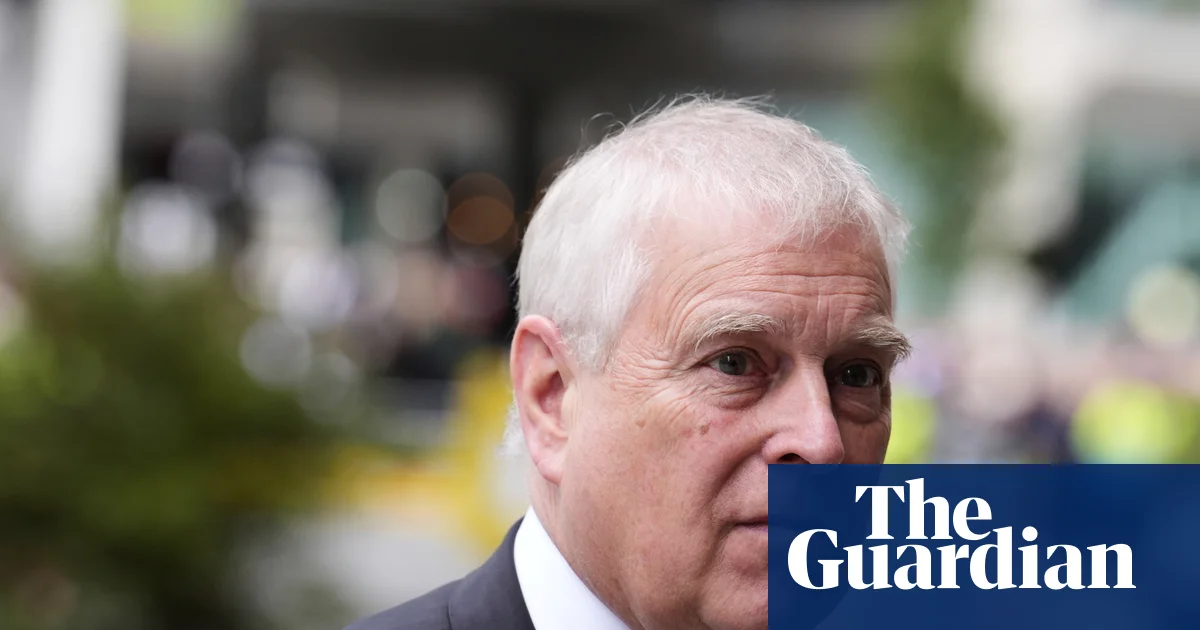
Police urged to investigate: Will Prince Andrew face questions over Epstein ties?

The unfolding revelations surrounding Prince Andrew and his alleged connections to Jeffrey Epstein have ignited a firestorm across international political landscapes, revealing the darker underbelly of elites and the far-reaching geopolitical impact of scandal and secrecy. As investigations intensify, questions about How deep character and institutional complicity run threaten to redefine perceptions of royal authority, diplomacy, and Britain’s global standing. Academic analysts and organizations like Interpol and Amnesty International warn that such exposures could undermine *public trust* in both monarchy and democratic institutions—a formidable challenge for nations that value transparency but are reluctant to confront their shadows.

The UK is at a pivotal crossroads. Growing pressure from lawmakers, international partners, and victim advocacy groups compels a reconsideration of longstanding narratives surrounding the royal family’s immunity. Evidence uncovered by investigative journalists suggests links between Mountbatten-Windsor and clandestine flight operations through UK airports, allegedly involving vulnerable women transferred via private planes owned by Epstein. Former Victims’ Commissioner Vera Baird emphasized that *the police must pursue these leads vigorously*, warning that *political inaction or institutional cover-ups* could fatally erode **faith in democratic systems**. The repercussions extend beyond Britain, affecting alliances with Commonwealth nations and influencing perceptions of Western governance on the world stage.

This scandal also strikes a blow to the monarchy. During a week marked by intense scrutiny, King Charles and his courtiers publicly declared a *“profound concern”* while asserting their willingness to cooperate with law enforcement. Yet, critics—including human rights advocates and anti-monarchy activists—highlight that *the royal family’s historical distance from accountability* complicates efforts for justice. As multiple emails and photographs come to light, depicting Prince Andrew in compromising situations, experts warn that *the very institutions that once shielded royal misconduct are now under siege*. The question of whether elite privilege can withstand the weight of these allegations remains an open, and unsettling, one.

Meanwhile, international organizations warn that this scandal illustrates the **new geopolitical terrain**, where *private wealth, power, and influence are intertwined with criminal activities*. The情况 shows how *transnational networks* operate under the veneer of diplomatic missions and global business, with China and Hong Kong among critical nodes in Epstein’s complex web—an area now being scrutinized for possible foreign influence and corruption. Historian Dr. Thomas Gray notes that *these scandals highlight the erosion of soft power* when elites abuse their positions, marking a dangerous turning point where diplomatic relations could falter. As investigations broaden, the world watches, awaiting the verdict that might reconfigure international diplomacy and the very narrative of justice itself.

As the pages of history continue to turn, the weight of these revelations lingers—an ominous reminder that *the truth often emerges from the shadows in moments of crisis*. The ongoing inquiry into Prince Andrew’s dealings, and those linked to Epstein, becomes more than a tale of individual misconduct; it is an unfolding saga that questions the integrity of power structures, the resilience of accountability, and the destiny of societies at their crossroads. Will this be a turning point—a moment to confront the shadows and forge a new path toward justice? Or will it fade into the silence of history’s forgotten corridors, as the forces of privilege and denial attempt to preserve their legacy? Only time will tell, but the future remains unwritten, and the echoes of these events will undoubtedly resound for generations to come.

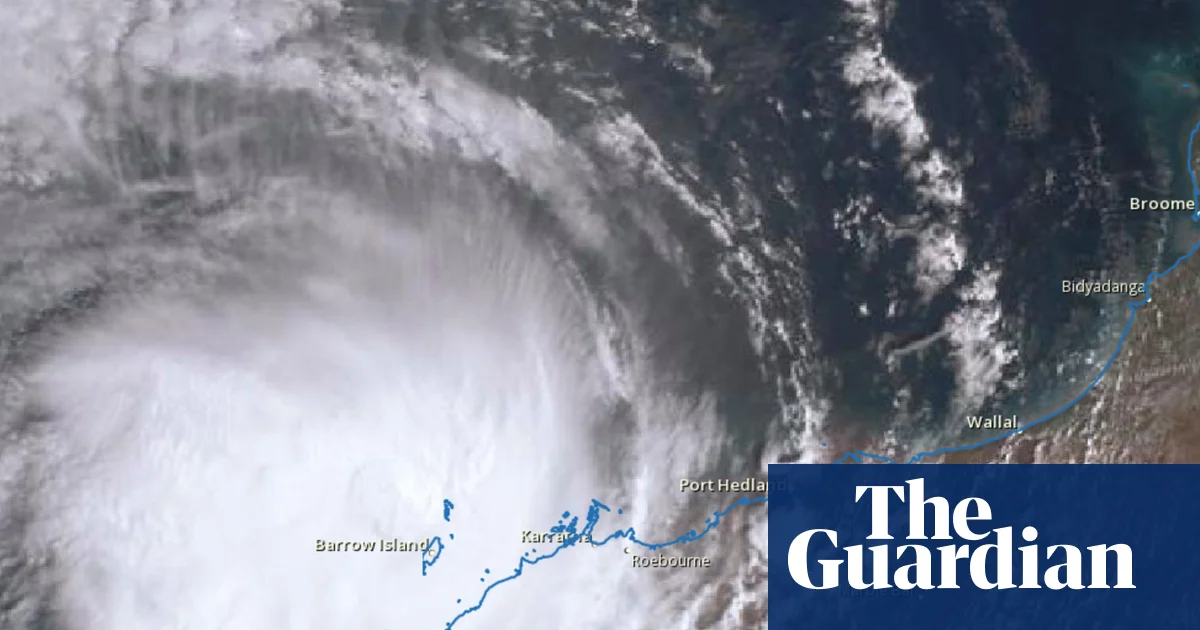
Pilbara residents warned: Tropical Cyclone Mitchell unleashes fierce winds, shelter now urged

The Unfolding Power of Nature: Cyclone Mitchell Threatens Australia’s Pilbara Coast

Amidst the shifting global climate landscape, Severe Tropical Cyclone Mitchell presents a stark reminder of nature’s raw power and its geopolitical implications. Currently approaching the Pilbara coast of Australia, this cyclone is forecasted to sustain its intense category 3 status as it barrels southward along the western coast, forcing governments and communities into emergency preparedness. According to the Bureau of Meteorology, Mitchell’s winds are surging at 120 km/h near its center, with gusts soaring up to 165 km/h, highlighting the severity and danger posed to coastal regions.

This impending landfall serves as a pivotal moment in the ongoing discussion about climate resilience and international security. Australia’s strategic ports and critical infrastructure in the Pilbara are vulnerable to the widespread damage that such storms can inflict, with authorities mobilizing evacuation centers and issuing cyclone emergency warnings from Dampier to Onslow. Historically, these regions are susceptible not only to natural disasters but also to the socio-economic repercussions that follow. As noted by analysts, the increasing frequency and severity of these events, potentially amplified by climate change, threaten to destabilize local economies and strain national resources. Future international cooperation on climate resilience measures will undoubtedly influence the hemisphere’s geopolitical stability, especially as alarms about rising sea levels and destructive weather patterns grow louder.

Global Climate Dynamics and Regional Security

The impact of Cyclone Mitchell extends beyond the immediate danger zone, symbolizing broader geopolitical shifts driven by climate phenomena. The recurring pattern of tropical cyclones in Australia, including recent passings by Fina, Hayley, Koji, and Luana, underlines a complex narrative—fewer storms may form in a warming climate, but the proportion of severe events is projected to increase, according to international climate assessments. This alignment of evidence has prompted warnings from climate scientists and international organizations such as the United Nations that climate-induced disasters will become more unpredictable and devastating, reshaping geopolitical landscapes.

The widespread hazards caused by Mitchell—such as flash flooding, high tides, and infrastructure threats—are a stark manifestation of how natural calamities can destabilize societies. Historically, nations with vulnerable infrastructure and limited emergency response capacity find themselves at increased risk, fueling regional instability. Recognized analysts emphasize that climate change acts as a threat multiplier in geopolitics, exacerbating existing tensions and displacing populations, thus impacting international security. The interdependence of nations now hinges on their ability to adapt to these evolving environmental threats, which signal a shift in global power dynamics. The decisions made today—whether to invest in climate mitigation or to ignore the warnings—will determine the stability of future generations.

Turning Point or Tipping the Balance?

As the cyclone’s wrath approaches and the world watches, the question remains whether humanity will heed the rising alarms or continue down a path of shortsightedness. Historians and climate experts warn that this is a turning point: a moment where international cooperation and immediate action could either fortify societies against future storms or leave them vulnerable to an uncertain, more violent climate regime. The unfolding events in Australia reflect a broader narrative—one where natural forces test human resilience and geopolitical resolve. The legacy of today’s decisions will either be one of adaptation and strength or of chaos and catastrophe, etching their mark into the pages of history as the planet’s turbulent climate saga continues to unfold.

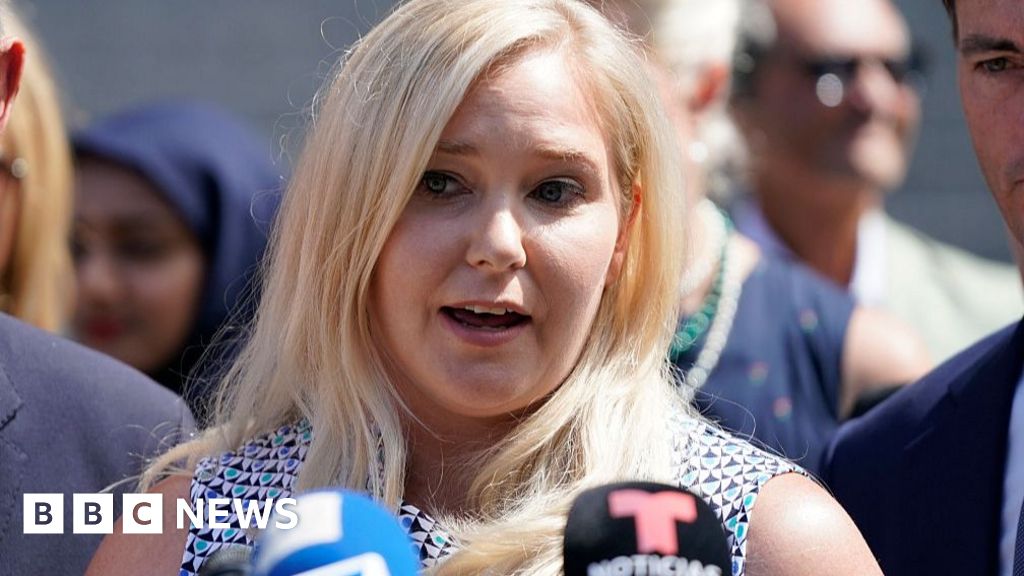
Prince Andrew urged to come forward with his account of Epstein abuse, co-author tells BBC

In the ornate tapestry of British history, few threads are as dark and revealing as the recent revelations surrounding Prince Andrew, a figure whose reputation has become an emblem of a broader cultural crisis—one where honor and morality are challenged by the insidious influence of power and greed. The contentious disclosures in Virginia Giuffre’s posthumous memoir, Nobody’s Girl, cast a stark light on a web of corruption intertwined with the sordid pursuits of Jeffrey Epstein. While the prince denies direct involvement, the details evoke echoes of historical tales where the thick fabric of tradition is pulled apart by the threads of scandal, forcing a nation to confront its values anew.

Beyond individual guilt, this saga raises fundamental questions about the relevance of culture as a custodian of societal virtue. As philosopher Ortega y Gasset highlighted, a society’s true fabric is woven from its shared beliefs, its sense of identity rooted in enduring moral frameworks. When these are compromised—be it through scandal or neglect—the entire social order risks unraveling. The royal family, once seen as a pillar of societal stability, now faces the difficult task of re-establishing its moral authority. The voluntary abdication of Prince Andrew from his titles and membership in the Order of the Garter signifies a symbolic gesture in this ongoing struggle—a recognition that history is a mirror, and the reflection demands accountability. Yet, symbols alone cannot heal the wounds inflicted by the abuse of privilege; institutions must be prepared to confront and learn from the past if they are to endure.

  • Culture as Memory: The traditions and narratives we hold dear are repositories of collective memory, shaping our identity and aspirations.
  • Culture as Prophecy: Our shared cultural symbols serve as blueprints for the future, guiding generations through lessons learned and values upheld.
  • Historical Parallels: Societies embroiled in scandal—akin to the fall of Rome’s decadence or the upheaval of the ancien régime—remind us that moral decay invites systemic crises unless confronted with truth and reform.

In the words of T.S. Eliot, true culture is “the memory of a civilization,” one that demands vigilance and honesty. Today’s challenge lies not in erasing the stain of scandal but in strengthening the moral foundation that underpins our societal institutions. As Chesterton once observed, “A true society is built not on the superficial veneer of power, but on the bedrock of principle,” urging us to look beyond fleeting symbols towards the enduring core of human dignity. The ongoing controversy acts as a reminder that culture is both a reflection and a prophecy: it reflects where we stand morally, and it foretells what we risk losing—our shared humanity—if we fail to confront our shadows. As we stand at this crossroads, may we remember that in the depths of scandal lurks the possibility of renewal, for history teaches us that from the ruins of arrogance and silence, a new society can yet emerge, rooted in truth and humility—a future where the memory of our virtues guides the prophecy of what humanity can become.

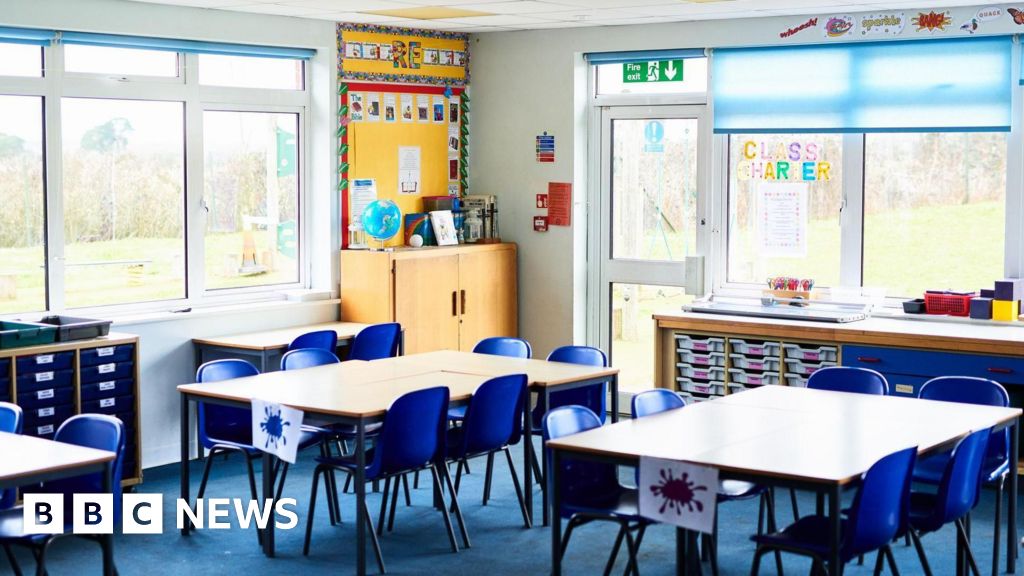
Most missing students at local school found—community urged to stay vigilant

In recent weeks, the Educational Authority (EA) of Northern Ireland has revealed a harrowing glimpse into the ongoing crisis affecting the region’s families and communities. The EA published a list of more than 50 children across the UK and Ireland who have been unaccounted for in the school system since the start of the academic year. Of particular concern is the case of Harryville Primary in Ballymena, where 24 students, all from the same school, disappeared without clear documentation of their whereabouts. Although some have been traced and returned, a significant number remain missing, intensifying fears of a looming social catastrophe that extends beyond mere truancy to the social fabric itself.

This phenomenon of persistent absence is not isolated but signals a broader breakdown in safeguarding systems. According to social commentators and sociologists, such as Dr. Jonathan Driver, these issues are symptomatic of systemic failures rooted in economic hardship, social unrest, and cultural tensions. When families are fractured by socio-economic disparities or violence, children often become collateral damage—stripped from the safety of their institutions and forced into uncertain situations. The case of Ballymena, a town scarred by recent riots and social unrest, exemplifies how social tensions can ripple through generations, threatening to undermine the stability of its community and the education system at large.

‘Tip of the iceberg’: A societal warning sign

The NI Children’s Commissioner, Chris Quinn, warned that the visible numbers are merely the “tip of the iceberg.” “I fear that large numbers of children are slipping through the cracks, and we are sleepwalking into a community crisis,” he said, emphasizing that this issue is likely a wider systemic problem affecting the entire region. This concern is echoed by social historians who warn that unchecked social despair can lead to further alienation and radicalization if left unaddressed. The troubling images of protests and riots, including those in Ballymena, reflect a society struggling to reconcile differences and maintain cohesion amidst upheaval—divisions that threaten to fragment communities along lines of ethnicity, socio-economic status, and cultural identity.

Politicians and community leaders have spoken out, with Alliance MLA Sian Mulholland expressing her concern that the large number of missing children represents a direct consequence of ongoing social unrest. She asserted that school is often a sanctuary for vulnerable children, especially for those from marginalized or immigrant families, and its erosion can lead to social disintegration. Particularly, the displacement of Roma families following violent riots underscores the social tensions that persist beneath the surface of Northern Irish society. The departure of these families, as confirmed by MP Jim Allister, highlights the fragile social fabric and raises questions about the long-term implications of such community upheavals.

In a society where demographic shifts and cultural tensions are increasingly prominent, the challenge is to reconcile the need for security with the preservation of community integrity. The focus must shift from merely tracing missing children to addressing the root causes—inequality, social dislocation, and cultural alienation—that fuel societal discontent. As history shows, when communities are strained beyond resilience, the result can be a cycle of mistrust and violence that leaves lasting scars. Yet, amidst this turmoil, the hope for societal renewal exists in the capacity of communities, policymakers, and educators to forge pathways toward comprehensive social healing. Bridging gaps of division and restoring faith in institutions will be the true test of society’s moral resilience, and in this endeavor, the focus must always be on safeguarding the future of our children.

Social Media Auto Publish Powered By : XYZScripts.com