Matox News

Truth Over Trends, always!

OpenClaw Founder Urges AI Innovators to Embrace Playfulness and Take Their Time to Improve

AI Innovation Disrupts Tech Landscape: Insights from Industry Pioneer

In an era marked by rapid technological evolution, personal AI agents are redefining the boundaries of digital interaction and productivity. Peter Steinberger, renowned as the creator of the viral AI project OpenClaw, and now associated with OpenAI, emphasizes the importance of experimentation and playful exploration in advancing AI capabilities. His insights underscore a trending shift within the industry — innovation is no longer a linear process but a dynamic journey fueled by curiosity and iterative learning.

Steinberger’s experience illustrates the disruptive potential of personalized AI solutions, especially when harnessed for real-world applications. During a recent trip to Marrakesh, he highlighted how AI-powered tools enhanced his convenience, bypassing traditional limitations, such as unreliable internet connectivity, through platforms like WhatsApp. The ease of finding restaurants, managing communications, and accessing information exemplifies how AI integration can create seamless user experiences. Market analysts, including Gartner, forecast that such context-aware AI agents are poised to become essential for redefining user engagement and establishing new revenue streams for tech giants and startups alike.

Critically, Steinberger advocates for an approach to AI development rooted in innovation through playful experimentation. He compares mastering AI prompt engineering to learning to play guitar — skill-based, requiring patience and practice. His warning against superficial “vibe-coding” reflects a broader industry concern: meaningful disruption demands genuine skill, not shortcuts. As companies like Microsoft and Google race to integrate these AI breakthroughs into cloud computing, productivity tools, and enterprise solutions, the foundational skillset becomes a competitive advantage. Industry veterans and emerging developers must embrace this shift, investing in learning curves that, while steep, promise immense strategic value.

Looking forward, the trajectory points to a fundamental transformation of the tech industry. As Steinberger advises, innovation flourishes when fueled by playful experimentation and relentless curiosity. For the youth of tomorrow, those willing to take risks and build boldly are positioned to lead the disruption. With market leaders pushing substantial investments into AI research and startups racing to commercialize new features, the tempo of technological advancement accelerates — and those who adapt quickest will shape the digital future. The cost of inaction could be losing ground in a landscape where disruption is the new normal. The imperative for today’s developers, entrepreneurs, and industry giants: harness this momentum now, or be left behind in the wake of relentless innovation.

Union Chief Urges Ministers to Drop Foolish Pay Restraints on Civil Service

Challenges Facing Society’s Core Institutions and Families

In an era marked by rapid technological advancement and shifting socio-political landscapes, public institutions stand at a critical juncture. The civil service, tasked with implementing policies that shape everyday life, faces a crisis rooted in underfunding and regulatory undermine. Union leader Mike Clancy has issued a stark warning: if Ministers do not end the misguided restraints on civil service pay, the essential pool of technical and digital specialists will continue to erode. These professionals are the backbone of effective governance, yet low pay and limited career progression threaten to disarm the very institutions designed to serve society. Clancy emphasizes that the government’s outdated approach—such as equating civil service pay at senior levels with that of the Prime Minister—is both “barking mad” and self-sabotaging. Such policies not only hinder recruitment but also compromise the quality of public service that families depend upon for stability and fairness.

The Impact on Education, Environment, and Community Trust

Across the fabric of our communities, resource shortages translate into tangible delays and neglected responsibilities. According to recent reports, agencies like Natural England and the Environment Agency are unable to meet critical deadlines—delays that directly impact families and local environments. For example, over half of planning application responses have missed their targets, primarily due to insufficient staffing and expertise. This is not just a bureaucratic failure; it is a breakdown in the social contract that holds communities accountable and ensures their well-being. As sociologists like Michael Sandel argue, trust in civic institutions is foundational to societal cohesion. When residents see their requests ignored, especially on issues like housing or infrastructure, the consequences deepen social divides and foster cynicism towards authorities meant to protect them.

Underlying Social Tensions and the Need for a Cultural Shift

At the heart of these issues lies a profound cultural shift—one where regulation is misinterpreted as an obstacle rather than a safeguard. Clancy warns against the simplistic view that deregulation and austerity will boost productivity, asserting instead that “regulators are builders, not blockers.” The misallocation of resources and the neglect of institutional capacity threaten to unravel the moral fabric of society, where fairness, opportunity, and progress for families and workers are paramount. The push by some business groups to weaken worker protections, such as the Employment Rights Act, exemplifies how economic interests often overshadow social stability. It highlights a need for a societal narrative that recognizes the importance of equitable pay, strong regulations, and invested public services as pillars of a resilient, forward-looking nation.

In this fragile landscape, the challenge is to balance economic vitality with social justice, ensuring that families are not sacrificed on the altar of deregulation. As historian and social commentator David Hackett Fischer notes, societies flourish when they invest in their human capital; neglecting this investment leads to disillusionment and decline. The path forward demands courage—rejecting right-wing tropes that trivialize the vital role of civil servants, and embracing a vision where communities are active agents, not passive recipients of government policy. Only through such a cultural renaissance can society begin to mend its fractured trust and cultivate a hopeful future where societal resilience is built on fairness, resourcefulness, and shared purpose.

White House urges Iran to strike deal as U.S. boosts military presence

Amid escalating international tensions, reports emerging from US media indicate that President Donald Trump has engaged in high-level discussions with national security advisers regarding potential military action. Sources reveal that an attack could be launched as early as Saturday, underscoring the precarious state of global stability. These developments unfold against a backdrop of complex geopolitical maneuvering, where the decision of an influential superpower carries profound consequences for regional and world order alike.

The possibility of a preemptive strike highlights a critical juncture in international relations, raising questions about the escalation of conflicts and the fragility of diplomatic channels. Historically, decisions by superpowers to resort to military force have often recalibrated the global chessboard, leading to unpredictable repercussions. Experts suggest that such an action, if undertaken, would be indicative of America’s intent to project strength and deter perceived threats, but also increases the risk of unintended consequences, including a broader regional conflict. International organizations and foreign governments continue to monitor the situation closely, aware that the decision will reverberate across multiple theaters of geopolitical interest.

Analysts argue that the geopolitical impact of such a strike would not be confined to the immediate target. Historically, when the US has engaged in unilateral military actions, it has precipitated shifts in alliances, economic sanctions, and diplomatic realignments. Countries in the region, especially those with vested interests in stability, are bracing for the possibility of escalation. Senior international diplomats and security analysts warn that rushed decisions could undermine long-standing efforts at diplomacy and increase instability, especially if aligned with broader narratives of national security and sovereignty. The drama unfolding now underscores the delicate balance of power and the perilous path toward conflict, where every decision writ large shapes the lives and societies of millions.

As the wheels of war turn ominously closer, history reminds us of the destructive power of unchecked military cravings and the ripple effects that follow. The shadow of past conflicts looms large, where once hesitant diplomacy was abandoned for force, leaving nations fractured and communities scarred. The world watches with bated breath as America’s leadership grapples with this decisive moment, bearing the weight not only of immediate strategic interests but of the historical trajectory they forge. The unfolding story offers a stark reminder: in the arena of international power, every decision is a chapter in the ongoing narrative of history—one that could end in chaos or the hard-won stability of peace, depending on the choices made in these critical hours.

Netanyahu urges Iran to stop enriched uranium and halt production now

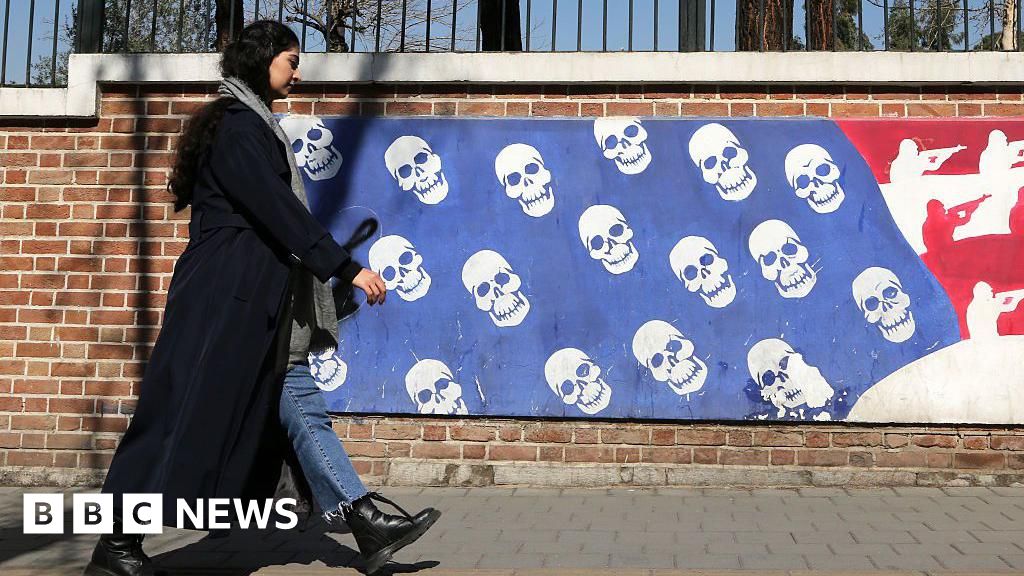
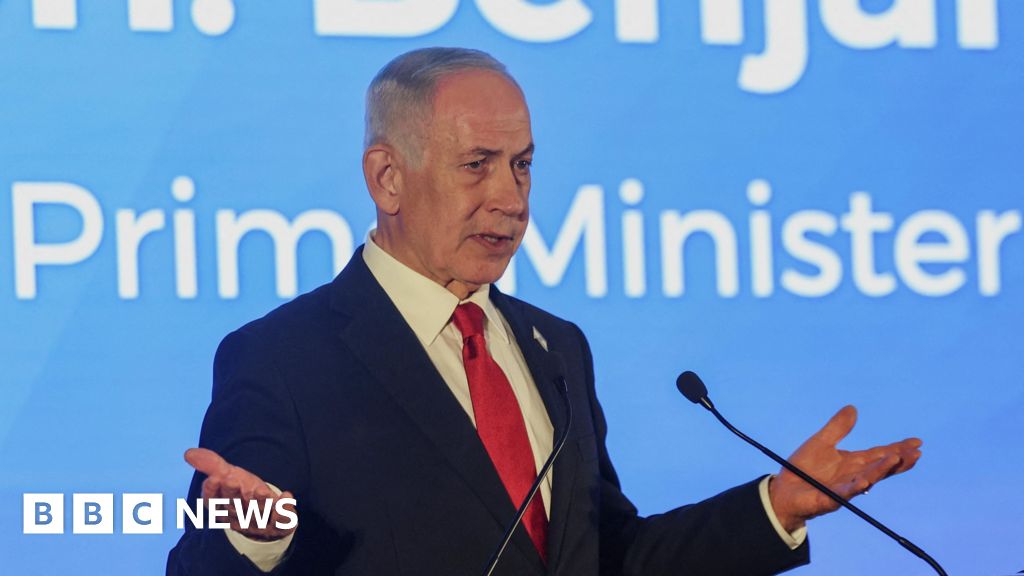
In an escalating chapter of the ongoing struggle for regional and global stability, the remarks made by Israeli Prime Minister just days before the scheduled Iran-U.S. negotiations in Geneva underscore the fragility of diplomacy amidst rising tensions. As tensions between Tehran and the United States intensify over Iran’s nuclear program, the international community remains perched on a knife’s edge, wary of a broader conflict that could reshape the geopolitical landscape for decades to come.

The upcoming talks mark a critical junction, potentially serving as a turning point in the pursuit of a diplomatic resolution regarding Iran’s nuclear ambitions. The Joint Comprehensive Plan of Action (JCPOA), once hailed as a framework for preventing nuclear proliferation, has been all but dismantled in recent years, with recent U.S. and Iranian actions widening the chasm of mistrust. American diplomats insist that negotiations aim to reinstate limits on Iran’s nuclear activities, while Tehran remains determined to safeguard what it perceives as its sovereign right to develop nuclear technology. Analysts warn that any misstep could allow Iran to accelerate its nuclear capability, posing a direct threat to the Middle East and beyond, especially with the region’s volatile alliances.

Israel, led by Prime Minister Benjamin Netanyahu, has repeatedly expressed firm opposition to any agreement that would leave Iran’s nuclear infrastructure intact, warning of the dire consequences for regional security. Israeli officials frequently cite Iran’s support for militant groups like Hezbollah and Hamas as evidence of its destabilizing ambitions. Israel’s insistence that any deal must effectively dismantle Iran’s nuclear capabilities or impose comprehensive monitoring reflects its perception of an existential threat. This stance remains a significant diplomatic obstacle, exacerbating fears that the negotiations could be exploited diplomatically by Iran to temporarily appease Western powers while continuing clandestine nuclear activities.

International organizations and diplomatic analysts continue to scrutinize the unfolding developments with grave concern. The United Nations and European Union have called on both sides to pursue diplomacy, emphasizing that failure to reach a consensus could ignite a broader regional conflict. Historically, unresolved nuclear disputes have demonstrated how fragile peace can be when trust erodes, and the stakes, as suggested by strategic experts like former officials and analysts, far surpass the immediate parties involved. The diplomatic landscape is paying close attention to the shifting alliances and international pressures, with several states weighing the potential consequences of a renewed conflict or a fragile diplomatic détente.

As history continues to unfold in Geneva, the world faces a defining moment—one that could either lead toward renewed diplomacy and stability or plunge the Middle East into further chaos. The decisions made here will reverberate across continents, shaping the global order for generations. Watches are being kept on the evolving diplomatic efforts, but the shadows of past conflicts serve as a stark warning: history’s weight is ever-present, and the path forward remains fraught with peril, as nations stake their claims amidst the unyielding rush of unfolding events.

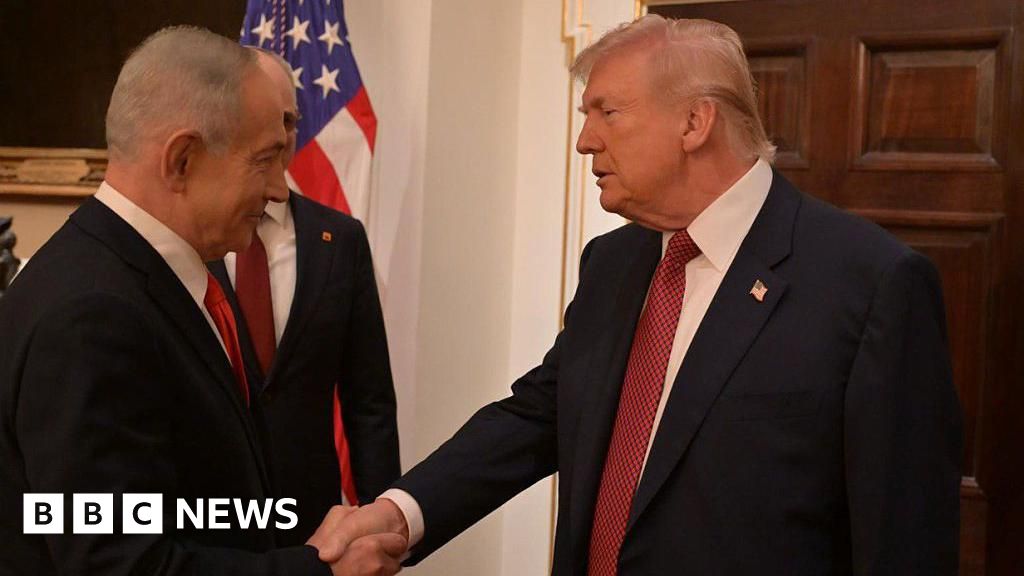
Trump urges Netanyahu: Keep Iran nuclear talks alive

In a rapidly evolving landscape of international diplomacy, Israel has voiced its profound concerns regarding the ongoing negotiations with Iran. Jerusalem fears that the current diplomatic approach, driven by the desire to reach a timely deal, might ultimately fall short of addressing critical issues such as Iran’s missile programs and its extensive network of proxy groups across the Middle East. This hesitation highlights a broader strategic dilemma shared by many nations in the region—whether economic concessions and temporary agreements will truly curtail Iran’s expanding military capabilities and regional influence.

Leading analysts, including Daniel Byman, a scholar at Georgetown University, warn that the negotiations risk producing a deal that is too lenient or incomplete. “Israel is concerned that in the haste to get a deal with Iran, the president might embrace a deal that doesn’t address Iran’s missile programme or support for proxy groups, or that allows it to have some remnant of its nuclear programme,” Byman explained. This underscores a critical turning point in international diplomacy—one where hurried agreements could unwittingly pave the way for continued regional instability rather than securing genuine peace. The implications extend far beyond Iran’s borders, threatening to redefine the delicate balance of power in the Middle East.

Global organizations and foreign governments are closely watching these developments. The United States and European Union have engaged in intense negotiations, balancing diplomatic pressure with strategic priorities. While some argue that diplomacy remains the only viable path to prevent nuclear proliferation, others emphasize the necessity of including robust provisions addressing Iran’s missile technology and support for proxy militias. The United Nations and regional watchdogs warn that failure to impose comprehensive restrictions could embolden Iran’s military ambitions, increase missile proliferation, and escalate conflicts in countries like Iraq, Syria, and Lebanon. As the geopolitical stakes escalate, the world must contend with the prospect that clandestine nuclear development might continue under the cover of any loosened treaty terms.

Historically, international negotiations have often been at a crossroads—each decision shaping the future trajectory of global security. As Israel and its allies remain vigilant, some analysts warn that concessions without enforceable safeguards risk creating a long-term insecurity dilemma. The ongoing debate is not simply about nuclear technology; it encapsulates a wider contest of regional dominance, national sovereignty, and ideological confrontation. As the dust of diplomatic accord settles, history’s ink will record whether these decisions have laid the foundation for peace or whether they have merely delayed the inevitable wake of unrest.

The world continues to watch with bated breath, knowing that the axes of conflict are shifting beneath our feet. The decisions made in the coming weeks will determine whether history advances towards hope or chaos—none can say for certain, but the weight of the moment hangs heavy. It is a fragile, uncertain dawn—one that could either illuminate a path to lasting peace or plunge the region, and perhaps the world, into the shadows of renewed conflict.

U.S. urges Russia and Ukraine to end war by June, Zelensky says

Amid escalating tensions in Eastern Europe, the Ukrainian leadership has publicly acknowledged the persistent and complex challenges facing the nation as it continues to defend itself against relentless Russian aggression. Recent reports detail a series of Russia’s renewed strikes on vital energy infrastructure, an alarming development that underscores the strategic objective of destabilization and coercion. Ukrainian officials emphasize that, despite diplomatic efforts and international aid, the path toward peace remains fraught with difficulty, as Moscow’s military campaign adapts to increasingly severe circumstances.

These actions by Russia are not isolated but part of a broader geopolitical strategy aimed at undermining Ukraine from within. According to seasoned analysts and respected international think tanks, Russia’s focus on energy facilities reflects a calculated move to erode civilian morale and cripple Ukraine’s economic resilience. The disruption of energy supplies further complicates Ukraine’s efforts to sustain its military and civilian populations, with critical infrastructure under siege amidst a winter season that threatens to deepen humanitarian crises. This pattern of targeted strikes not only aggravates the immediate suffering but also signals a prolonged conflict that could reshape regional security arrangements for years to come.

Furthermore, the unfolding crisis holds profound geopolitical impact, resonating far beyond Ukraine’s borders. Western nations, led by the United States and the European Union, have condemned Russia’s actions and ramped up military and financial support to Kyiv. However, international organizations—in particular the United Nations—have expressed concern, while some voices warn of the dangerous precedent set by Moscow’s willingness to target civilian infrastructure. Historian and geopolitical analyst Dr. Michael Harper points out that the conflict’s ongoing nature risks fragmenting geopolitical alliances and intensifying global instability, especially as nations grapple with energy security and the specter of a wider proxy confrontation.

Decisions made in the coming months will ultimately determine the future landscape of international order. As diplomacy falters and military escalations continue, the conflict transforms into more than a regional dispute—it becomes a test of Western resolve and a stark warning about the limits of diplomatic rhetoric in an increasingly divided world. In the words of global security expert Dr. Laura Chen, “History will remember how the world responded in these critical moments. Will it be remembered as a failure to act decisively, or as a pivotal turning point for sovereignty and national dignity?” As the narrative of Ukraine continues to unfold, the weight of history presses heavy on the shoulders of leaders and nations alike—each decision echoing through the corridors of time, shaping the future in ways we are only beginning to understand.

Savannah Guthrie urges proof of her missing mother's survival in Arizona—Join the push for truth.
Savannah Guthrie urges proof of her missing mother’s survival in Arizona—Join the push for truth.

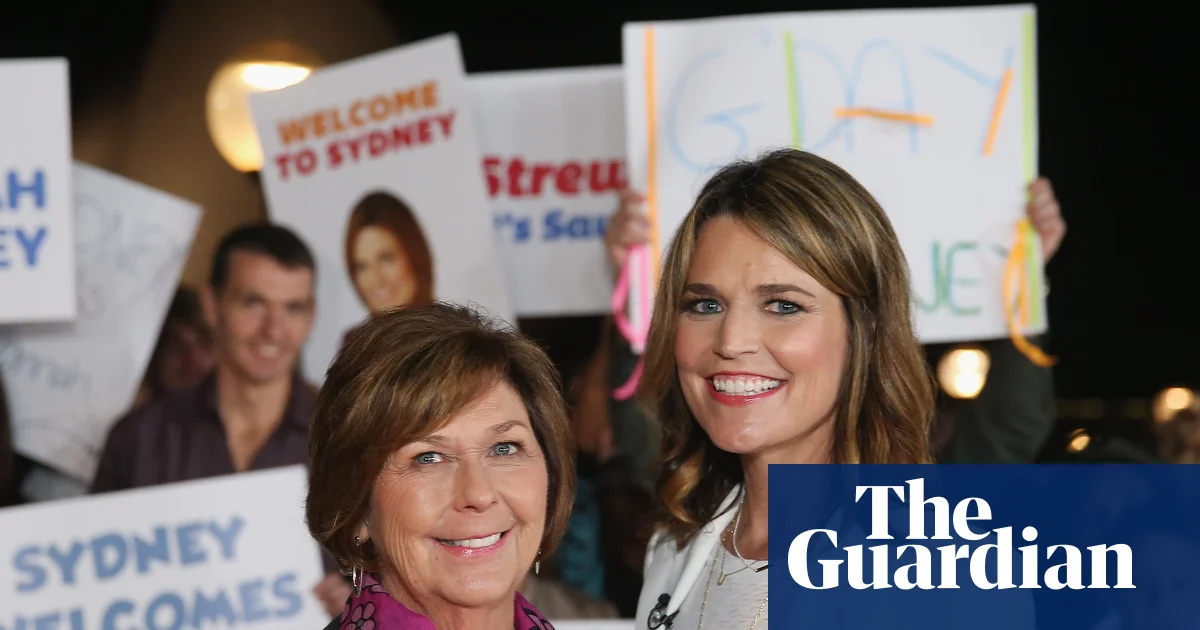
In recent days, a deeply personal crisis involving U.S. television host Savannah Guthrie has captured international attention, highlighting the profound intersections between societal values, national security, and the power of media influence. Guthrie’s public appeal for the safe return of her 84-year-old mother, Nancy Guthrie, who disappeared near Tucson, Arizona, underscores a broader narrative about community vigilance, law enforcement mobilization, and the potential threats lurking in domestic borders. As authorities scramble to determine whether foul play is involved, the incident serves as a stark reminder of the vulnerabilities that face societies on multiple levels, and the international implications tied to the preservation of safety within sovereign nations.

The unfolding case reveals a complex web of local law enforcement inquiries, national political reactions, and global concern over border security. The Pima County sheriff, Chris Nanos, has confirmed the presence of a crime scene, emphasizing suspicions of foul play and intelligence suggesting that Nancy Guthrie’s disappearance might not be incidental. This incident has elicited responses from prominent figures, including former President Donald Trump, who has pledged to deploy “all resources” through major federal agencies to ensure her safe return. Such expressions of concern are not just personal—they resonate across the international stage, raising questions about how nations address missing persons cases amidst rising tensions and domestic instability.

Analysts note that this case underscores the geopolitical weight of security and law enforcement in the United States. The coordinated efforts involving volunteers, border patrol, and the FBI exemplify the integration of multiple agencies responding to threats that could have broader consequences. This situation also occurs against a backdrop ofincreased border mobility, regional drug trafficking issues, and internal socio-political unrest. The case’s progression could influence future policies on immigration, surveillance, and law enforcement authority—not only within America but across allied nations that monitor how their borders and citizens are protected in an era of unpredictable threats.

International organizations and regional analysts are watching closely, noting that the stability of a nation’s interior security impacts the geopolitical landscape at large. As the spectacle unfolds, historians warn that moments like these serve as poles of societal reflection, exposing **the delicate balance between civil liberties and security measures**. Governments across the globe face a choice: prioritize individual rights or embrace more authoritarian strategies to safeguard their populations. This episode in Arizona echoes a broader theme, illustrating how domestic incidents can ripple outward, affecting diplomatic relations, regional stability, and the collective sense of safety that underpins modern civilization.

As the story continues to develop—whether Nancy Guthrie is found safe or deeper, more troubling truths surface—the weight of history remains profound. The decisions made in this moment could define how societies confront internal crises, balance security with liberty, and determine the resilience of their social fabric in an era where threats evolve faster than institutions can adapt. Behind the headlines and social media pleas lies a stark reminder: history’s next chapter is being written, and the outcome will reverberate well beyond the quiet streets of Tucson. It is a testament to the ongoing struggle between chaos and order, reminding every nation that their future depends on the choices of today.

Minneapolis Youth Protest ICE, Gen. Walz Urges Trump to Pull Back

Global Ripple Effects as U.S. Immigration Crisis Unfolds in Minneapolis

The ongoing turmoil in Minneapolis has transcended local concerns to become a flashpoint with far-reaching geopolitical implications. Following the tragic shooting of Alex Pretti, a legal gun owner and community nurse, the unrest symbolizes broader divisions within America’s approach to immigration, law enforcement, and civil liberties. As protests swell across cities nationwide, international attention has shifted to how Washington manages internal conflicts, with critics asserting that federal tactics threaten the fabric of American society.

At the core of the controversy are federal immigration agencies such as ICE, whose aggressive operations have ignited fierce resistance from local authorities. Minnesota Governor Tim Walz and Minneapolis Mayor Jacob Frey find themselves embroiled in a constitutional and political stand-off against the Trump administration. The President publicly demanded local officials to “cooperate fully” with federal agents, calling for the deportation of criminal illegal aliens, and echoed his broader stance that sanctuary cities serve as safe havens for lawbreakers. Such rhetoric not only exacerbates divisions domestically but also prompts international observers to question America’s commitment to due process and human rights.

Global Impact of Internal U.S. Policies and the Shift in Diplomatic Dynamics

Analyzing these developments through a geopolitical lens, experts warn that the U.S. internal crisis could weaken its global standing. Institutions like the United Nations and European Union routinely scrutinize American human rights practices; the scenes of federal agents engaging protesters, with reports of tear gas and stun grenades, are stirring concern abroad about democratic accountability. Many international officials and analysts have expressed alarm that America’s leadership may be eroding its moral authority on issues of justice and personal freedoms, especially at a time when global adversaries seek to exploit perceived internal vulnerabilities.

Furthermore, historical perspectives demonstrate that such internal conflicts have historically served as catalysts for international shifts in alliances and diplomacy. The unfolding crisis in Minneapolis, amplified by high-profile figures like Donald Trump and Homeland Security officials, reveals a nation at a crossroads—torn between its foundational ideals and mounting internal pressures. As some European nations ruminate on whether similar crackdowns threaten long-term stability, the international community watches with concern that the U.S. may be heading toward further polarization, undermining coalitions built on shared values of ordre and justice.

Uncertainty Looms as the World Awaits Its Next Move

As the story remains in flux, with key figures entangled in accusations, subpoenas, and mounting protests, the weight of history presses heavily on the shoulders of future generations. The narrative of Minneapolis—a city emblematic of America’s racial, political, and social divides—may well shape the trajectory of the nation for decades to come. The international community’s cautious gaze underscores a sobering truth: every decision made today bears the potential to redefine the global order. The unfolding saga of internal unrest, government overreach, and the fight for justice is not merely American history in the making; it is a chapter in the enduring story of nations grappling with the universal challenges of sovereignty, social cohesion, and the quest for liberty amid chaos.

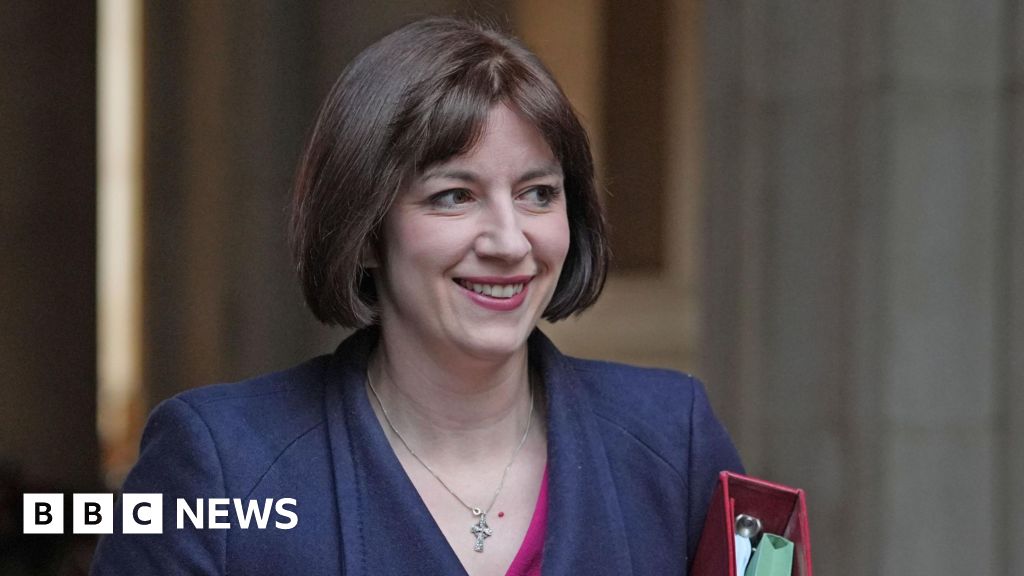
Phillipson urges teachers to ban phones during school hours to protect our youth’s focus and values

Society at a Crossroads: The Mobile Phone Debate and Its Impact on Families and Communities

In recent months, a wave of policy changes and societal debates have highlighted the pressing challenges surrounding technology’s role in our education system. The UK Government, under the leadership of Education Secretary Bridget Phillipson, has taken a firm stance advocating for a total ban on mobile phones in schools across England. Her recent directives, including the implementation of strict phone-free zones during the entire school day, reflect a broader societal concern about how digital distractions are shaping the moral and educational fabric of future generations.

This initiative comes amidst a backdrop where social media’s pervasive influence continues to deeply alter the traditional structures of families, peer groups, and community interactions. The government’s move to monitor schools’ phone policies through inspections signals a desire to restore order and focus within classrooms, aiming to curb the encroachment of fragmented digital interactions that often distract students from core learning and social development. Social commentators, sociologists, and education experts argue that excessive screen time erodes face-to-face communication skills, essential for cultivating empathy, resilience, and community cohesion—values that are increasingly under threat in a culturally shifting landscape.

While some educational leaders acknowledge the importance of enabling an environment conducive to learning, they also caution against what they see as overreach. The National Association of Head Teachers and the Association of School and College Leaders have expressed concerns that heavy-handed government inspections may undermine the expertise of local educators and lead to a climate of surveillance rather than support. Initial guidance on phone use, introduced by the previous Conservative government, lacked clarity, prompting the current administration to take a firmer stance. Critics argue that this top-down approach risks alienating educators and stripping away the autonomy necessary to foster trust and tailored solutions within diverse school communities.

Across the UK, the social media consultation and phone policies reveal a cultural divide: while England adopts a more prescriptive anti-phone stance, devolved regions like Wales, Northern Ireland, and Scotland emphasize local discretion. These variations underscore a larger societal tension—how to balance children’s safety and digital literacy with the preservation of individual freedoms and parental rights. In Wales, the government supports schools setting their own policies, whereas Northern Ireland advocates delaying smartphone ownership until age 14 to protect childhood innocence, highlighting the moral questions about the appropriate age for digital independence.

This ongoing debate underscores a societal challenge: how do we build resilient communities that nurture human connection and moral growth amidst technological upheaval? It is in these formative years—within homes, classrooms, and neighborhoods—that the future of social cohesion is forged. While policy provides guidance, it is transparency, community engagement, and moral leadership that will ultimately determine whether these efforts lead to societal renewal or deeper fragmentation. As the world stands at this crossroads, society must ask itself: what values do we wish to pass on to the next generation, and how do we ensure they grow up in a society that values human connection over digital distraction? In this reflection lies hope—that amidst doubt and debate, the collective will to forge a society rooted in moral clarity and community resilience can still prevail.

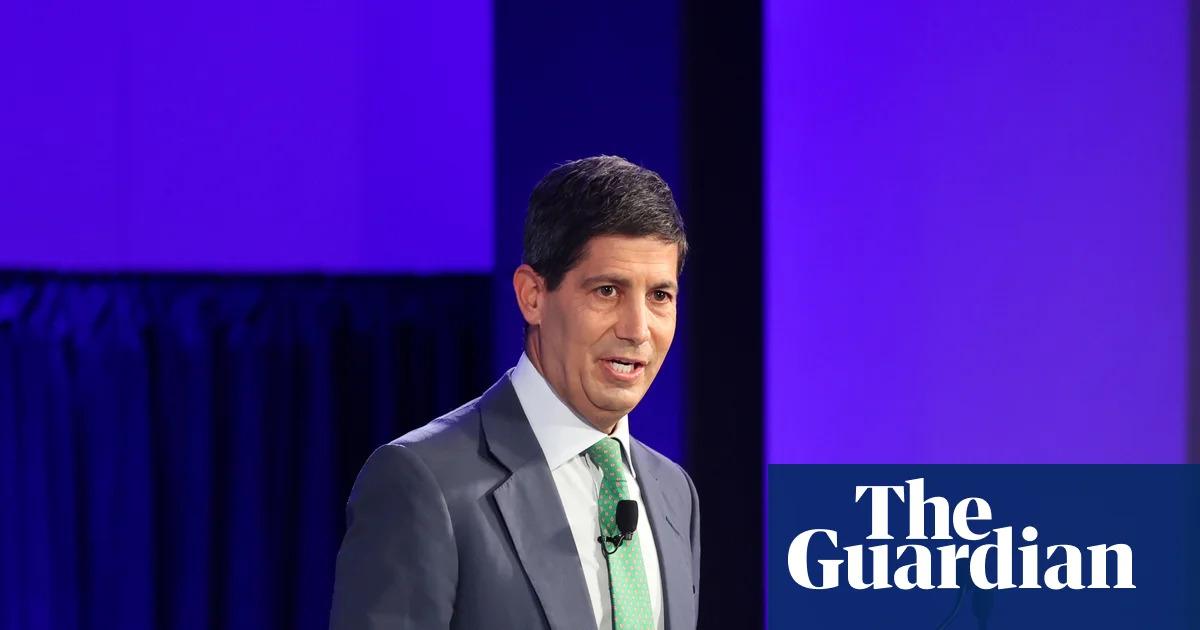
Trump urges Fed to heed his voice as he chooses new leader: ‘I’m a smart voice’

The United States finds itself in a turbulent era where the traditional independence of its central bank is being pushed to the brink. President Donald Trump has openly declared that he “should be listened to” by the Federal Reserve, signaling a bold challenge to the institution’s historical autonomy. As Trump weighs potential candidates to lead the Fed—most notably former Fed governor Kevin Warsh—the political pressure is mounting, with implications reverberating far beyond America’s borders. This unprecedented move underscores a larger trend where economic policy decisions are increasingly tangled with political agendas, raising alarms among global economists and analysts.

Traditionally, the Federal Reserve has operated as an independent entity, insulated from the political whims of sitting presidents. However, Trump’s vocal interference, including public attacks on current Chair Jerome Powell and attempts to influence rate-setting decisions, threaten to erode this independence. Powell’s cautious approach—resisting Trump’s calls for drastic rate cuts—has become a focal point of intra-governmental conflict. The president’s direct involvement in choosing a successor hints at a shift where economic stability and global markets could become pawns in political struggles. Analysts warn that this interference might diminish the credibility of the Fed, which could lead to increased market volatility and a loss of investor confidence worldwide.

The geopolitical impact of these developments cannot be overstated. As America grapples with internal political pressure, its relationship with key international economic institutions becomes more strained. The potential for a Fed influenced by partisan politics raises concerns among allied nations and rival powers alike. In particular, China and Russia, observing America’s internal turmoil and the potential weakening of its economic governance, may seek to exploit this vulnerability. The International Monetary Fund and other global monitors have started to warn that politicized monetary decisions could spark ripple effects, destabilizing the already fragile post-pandemic recovery in emerging markets and shifting the global economic balance of power.

Historically, figures such as Ben Bernanke and Janet Yellen emphasized independence of central banks as vital for maintaining economic stability. Today, Trump’s push to curtail this independence signals a shift that might redefine the very role of monetary policy in the 21st century. The analysis of geopolitical strategists suggests that the internal fight over the Fed’s leadership is an indicator of larger shifts towards greater nationalistic control over economic institutions. Whether this marks an inevitable deterioration or a turn towards a more politically accountable central banking system remains a question with profound implications. As the world watches, the unfolding saga of the US’s monetary leadership stands as a potent reminder that the decisions made in Washington will echo across borders, shaping the future of international monetary stability and societal prosperity.

In the grand theater of history, this chapter may be remembered as the moment where an economic empire’s internal integrity was tested by political ambitions. The clash between independent monetary policy and political interference sets the stage for a tumultuous era—one in which the outcome could determine the fate of global economic governance for generations. With each passing day, the weight of history presses heavily upon the shoulders of policymakers, and the world holds its breath to see if the next chapter will forge a path towards stability or descend into chaos—a testament to the enduring struggle between power and prudence in shaping our shared destiny.

Social Media Auto Publish Powered By : XYZScripts.com