Matox News

Truth Over Trends, always!

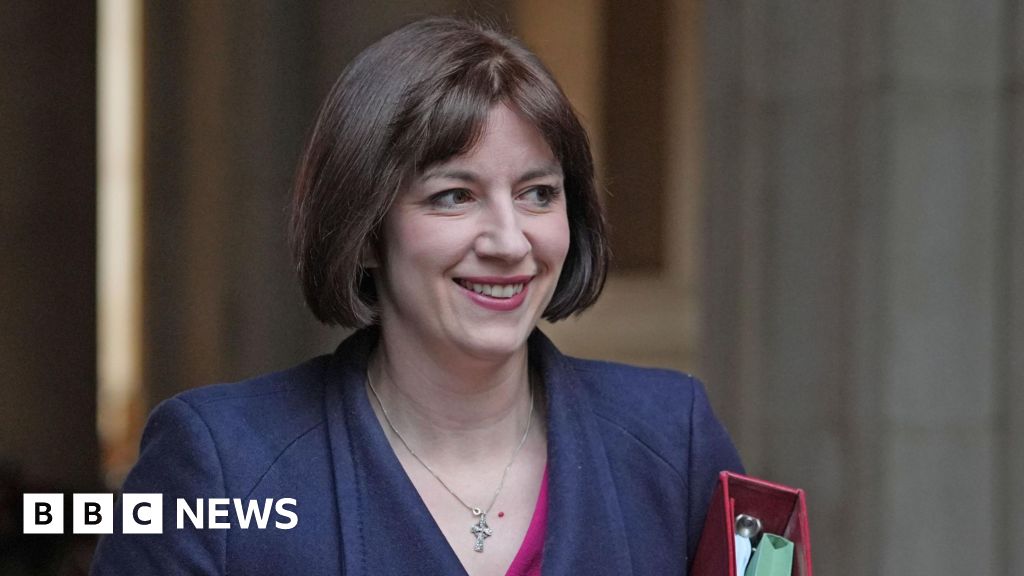
Phillipson urges teachers to ban phones during school hours to protect our youth’s focus and values

Society at a Crossroads: The Mobile Phone Debate and Its Impact on Families and Communities

In recent months, a wave of policy changes and societal debates have highlighted the pressing challenges surrounding technology’s role in our education system. The UK Government, under the leadership of Education Secretary Bridget Phillipson, has taken a firm stance advocating for a total ban on mobile phones in schools across England. Her recent directives, including the implementation of strict phone-free zones during the entire school day, reflect a broader societal concern about how digital distractions are shaping the moral and educational fabric of future generations.

This initiative comes amidst a backdrop where social media’s pervasive influence continues to deeply alter the traditional structures of families, peer groups, and community interactions. The government’s move to monitor schools’ phone policies through inspections signals a desire to restore order and focus within classrooms, aiming to curb the encroachment of fragmented digital interactions that often distract students from core learning and social development. Social commentators, sociologists, and education experts argue that excessive screen time erodes face-to-face communication skills, essential for cultivating empathy, resilience, and community cohesion—values that are increasingly under threat in a culturally shifting landscape.

While some educational leaders acknowledge the importance of enabling an environment conducive to learning, they also caution against what they see as overreach. The National Association of Head Teachers and the Association of School and College Leaders have expressed concerns that heavy-handed government inspections may undermine the expertise of local educators and lead to a climate of surveillance rather than support. Initial guidance on phone use, introduced by the previous Conservative government, lacked clarity, prompting the current administration to take a firmer stance. Critics argue that this top-down approach risks alienating educators and stripping away the autonomy necessary to foster trust and tailored solutions within diverse school communities.

Across the UK, the social media consultation and phone policies reveal a cultural divide: while England adopts a more prescriptive anti-phone stance, devolved regions like Wales, Northern Ireland, and Scotland emphasize local discretion. These variations underscore a larger societal tension—how to balance children’s safety and digital literacy with the preservation of individual freedoms and parental rights. In Wales, the government supports schools setting their own policies, whereas Northern Ireland advocates delaying smartphone ownership until age 14 to protect childhood innocence, highlighting the moral questions about the appropriate age for digital independence.

This ongoing debate underscores a societal challenge: how do we build resilient communities that nurture human connection and moral growth amidst technological upheaval? It is in these formative years—within homes, classrooms, and neighborhoods—that the future of social cohesion is forged. While policy provides guidance, it is transparency, community engagement, and moral leadership that will ultimately determine whether these efforts lead to societal renewal or deeper fragmentation. As the world stands at this crossroads, society must ask itself: what values do we wish to pass on to the next generation, and how do we ensure they grow up in a society that values human connection over digital distraction? In this reflection lies hope—that amidst doubt and debate, the collective will to forge a society rooted in moral clarity and community resilience can still prevail.
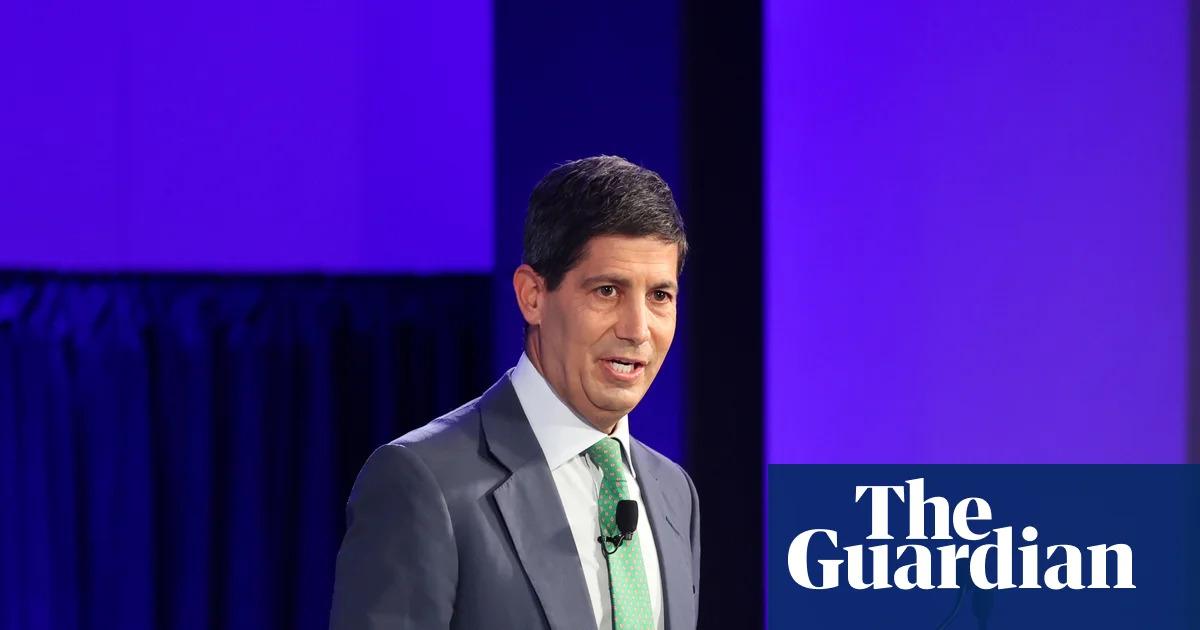
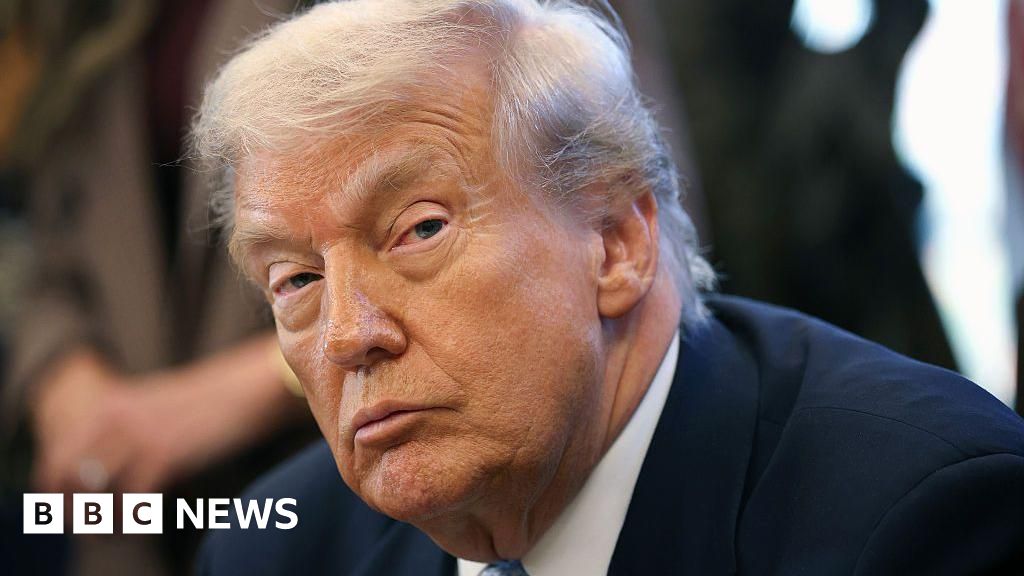
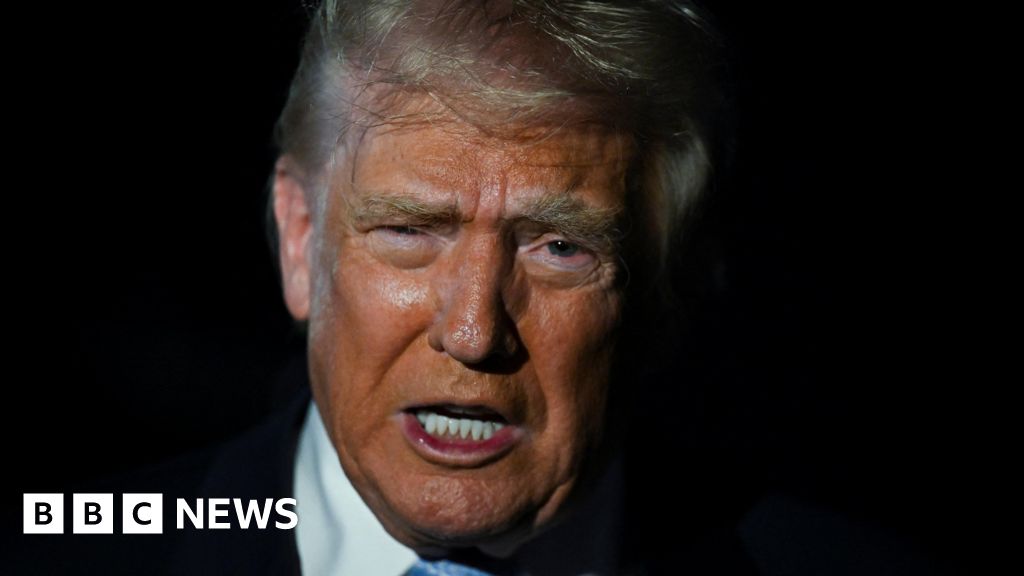
Trump urges Fed to heed his voice as he chooses new leader: ‘I’m a smart voice’

The United States finds itself in a turbulent era where the traditional independence of its central bank is being pushed to the brink. President Donald Trump has openly declared that he “should be listened to” by the Federal Reserve, signaling a bold challenge to the institution’s historical autonomy. As Trump weighs potential candidates to lead the Fed—most notably former Fed governor Kevin Warsh—the political pressure is mounting, with implications reverberating far beyond America’s borders. This unprecedented move underscores a larger trend where economic policy decisions are increasingly tangled with political agendas, raising alarms among global economists and analysts.

Traditionally, the Federal Reserve has operated as an independent entity, insulated from the political whims of sitting presidents. However, Trump’s vocal interference, including public attacks on current Chair Jerome Powell and attempts to influence rate-setting decisions, threaten to erode this independence. Powell’s cautious approach—resisting Trump’s calls for drastic rate cuts—has become a focal point of intra-governmental conflict. The president’s direct involvement in choosing a successor hints at a shift where economic stability and global markets could become pawns in political struggles. Analysts warn that this interference might diminish the credibility of the Fed, which could lead to increased market volatility and a loss of investor confidence worldwide.

The geopolitical impact of these developments cannot be overstated. As America grapples with internal political pressure, its relationship with key international economic institutions becomes more strained. The potential for a Fed influenced by partisan politics raises concerns among allied nations and rival powers alike. In particular, China and Russia, observing America’s internal turmoil and the potential weakening of its economic governance, may seek to exploit this vulnerability. The International Monetary Fund and other global monitors have started to warn that politicized monetary decisions could spark ripple effects, destabilizing the already fragile post-pandemic recovery in emerging markets and shifting the global economic balance of power.

Historically, figures such as Ben Bernanke and Janet Yellen emphasized independence of central banks as vital for maintaining economic stability. Today, Trump’s push to curtail this independence signals a shift that might redefine the very role of monetary policy in the 21st century. The analysis of geopolitical strategists suggests that the internal fight over the Fed’s leadership is an indicator of larger shifts towards greater nationalistic control over economic institutions. Whether this marks an inevitable deterioration or a turn towards a more politically accountable central banking system remains a question with profound implications. As the world watches, the unfolding saga of the US’s monetary leadership stands as a potent reminder that the decisions made in Washington will echo across borders, shaping the future of international monetary stability and societal prosperity.

In the grand theater of history, this chapter may be remembered as the moment where an economic empire’s internal integrity was tested by political ambitions. The clash between independent monetary policy and political interference sets the stage for a tumultuous era—one in which the outcome could determine the fate of global economic governance for generations. With each passing day, the weight of history presses heavily upon the shoulders of policymakers, and the world holds its breath to see if the next chapter will forge a path towards stability or descend into chaos—a testament to the enduring struggle between power and prudence in shaping our shared destiny.

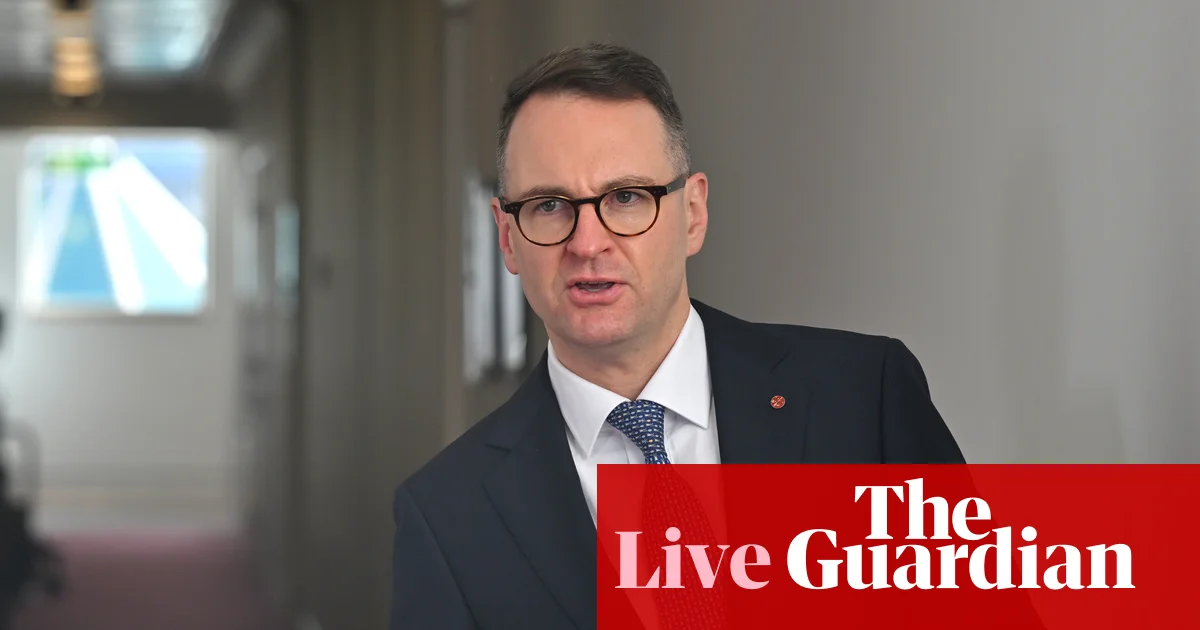
Australia news live: Bragg urges youth to support housing boom — says every backyard can host a new home or granny flat, tying Liberals’ future to housing growth

In a compelling display of how geopolitical decisions and national policy shifts ripple through societies, recent developments in Australia exemplify a nation grappling with internal challenges while positioning itself on the global stage. As the climate crisis intensifies, leading to devastating bushfires, and as domestic debates over housing affordability and social safety nets dominate political discourse, the international community watches with keen interest. The tragic loss of a firefighter at Bulahdelah underscores the vulnerability of Australian communities and the urgent need for both domestic resilience and international cooperation.

Within the political arena, the Liberal Party faces a generational crossroads. Shadow Minister Andrew Bragg, a leading moderate, openly links the party’s future to adopting a robust housing policy centered on upzoning and density reforms. At a Sydney conference, Bragg emphasized that short-term housing supply solutions—such as increasing density in single-family neighborhoods—could alleviate soaring prices and curb depopulation in traditional strongholds. This stance highlights a critical decision point for Australia’s policymakers: whether to prioritize economic growth and modernization or preserve entrenched community norms. Historians and analysts suggest that such policy shifts could have long-lasting effects on international perceptions of Australian stability, especially as the nation confronts its climate-induced emergencies.

Amid these internal debates, the ongoing bushfire crises reveal the international impact of environmental policies and resource management decisions. The death of a firefighter at Bulahdelah, along with the destruction of homes in Tasmania and NSW, serve as sobering reminders of how climate change exacerbates natural disasters, compelling Australia to reassess its commitments to climate resilience. The response by state leaders like NSW Premier Chris Minns and federal officials underscores the layered challenge of balancing immediate urban safety with long-term ecological strategies. According to climate analysts, Australia’s approach now could influence regional stability, resource allocation, and even migration patterns—effects that extend well beyond its shores.

Similarly, a domestic social crisis unfolds with the report that over 130,000 Australians with psychosocial disabilities remain unsupported—navigating a healthcare landscape fraught with gaps. The Grattan Institute advocates for a new national program to address this support deficit, emphasizing the importance of rebalancing resources both inside and outside existing frameworks. Such social policy choices are closely scrutinized within the broader international dialogue on social safety and human rights. As advocates and critics debate, the true test will be whether Australia can translate these internal reforms into a model for regional stability, showcasing resilience in the face of multifaceted crises and demonstrating leadership in global forums that emphasize social justice.

Finally, these domestic and environmental crises are a chapter in a larger unfolding narrative—one where geopolitical stability, climate adaptation strategies, and social cohesion become intertwined on the global stage. As international authorities advise caution and urge for collaborative solutions, Australia’s choices in policy, safety, and climate resilience will leave an indelible mark on history. The sacrifices of its emergency personnel, the debates over housing reform, and the ongoing battle against nature’s fury are not isolated incidents—they are the threads of a story that will define the resilience or vulnerabilities not just of Australia, but of the modern world itself. The pages of history are still being written, and the weight of this moment reverberates far beyond the shores of the Pacific.

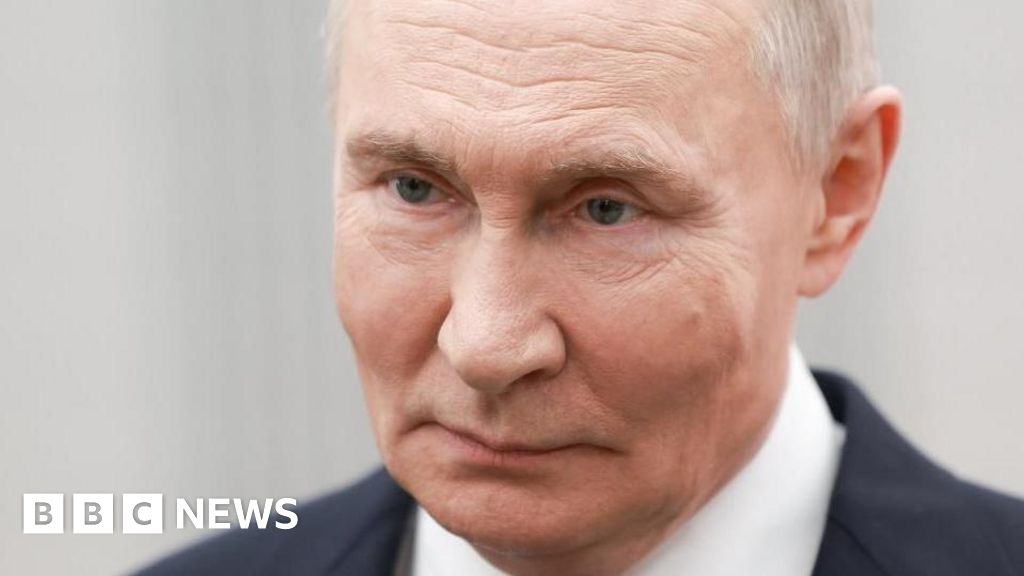
Ukraine urges Putin to stop stalling after U.S. talks in Moscow

The year 2025 marks a pivotal chapter in the ongoing saga of Russia’s invasion of Ukraine, a conflict whose repercussions ripple across the global geopolitical landscape. Diplomatic efforts, primarily driven by U.S.-Russia negotiations and European strategic shifts, underscore the complex dynamics shaping the future of international security. Following recent high-stakes talks at the Kremlin, the absence of concrete agreements highlights the stubborn resilience of entrenched positions, especially concerning territorial integrity and security guarantees.

Despite the lack of substantive breakthroughs, key players remain committed to dialogue, indicating that the conflict’s resolution remains an elusive but urgent goal. The U.S. delegation, including special envoy Steve Witkoff and Jared Kushner, engaged in nearly five hours of negotiations with Vladimir Putin and his advisors. While they reported a “thorough, productive” meeting, Moscow’s senior policy adviser Yuri Ushakov quickly tempered expectations, remarking that “no compromise” was reached, with significant points such as the territory seized by Russia and security assurances for Ukraine remaining fiercely contested. The division over Ukraine’s potential NATO membership remains a core stumbling block, with Russia vehemently opposed and Western nations insisting that such guarantees are vital for deters future aggression.

Meanwhile, the European Union is rapidly pivoting towards greater independence, exemplified by its recent agreement to phase out Russian gas imports by 2027. EU officials, including Ursula von der Leyen, hail this move—part of a broader strategy to weaken Russia’s economic blackmail and bolster energy security. As Europe distances itself from Russia’s energy leverage, the geopolitical question of Russia’s influence over European stability becomes even more pronounced. Simultaneously, NATO ministers emphasize the necessity for Kyiv to maintain its resolve in the face of continuing Russian advances, while advocating for Ukraine’s eventual membership in the alliance—something Moscow labels a direct threat.

Experts and analysts warn that the unfolding interactions—a mix of diplomacy, military reinforcement, and economic sanctions—are shaping a new era of geopolitical confrontation. History’s watchful eyes see parallels with past conflicts where protracted negotiations eventually gave way to decisive shifts. The European Commission proposes a €90 billion support package for Ukraine, designed to sustain its military and economic resilience, an initiative met with cautious approval. Yet, tensions linger; Belgium’s resistance to using frozen Russian assets as reparations underscores the legal and moral quandaries faced by the West. As battling continues in eastern Ukraine, with Russia consolidating gains and claiming strategic cities like Pokrovsk, the path to peace is shrouded in uncertainty, and the weight of history presses heavily upon global shoulders.

In this tense and volatile landscape, the decisions made today—whether in Moscow, Brussels, or Washington—will echo through generations. The future of Ukraine’s sovereignty, the integrity of NATO, and the role of energy in international power struggles are now intertwined with the fate of nation-states and their people. As history unfolds, the question remains: will diplomacy prevail, or are we witnessing the prelude to a new global territorial reshuffle? The answer hangs in the balance, with the world watching with bated breath and the weight of history still unfolding.

Trump urges airlines to treat Venezuelan airspace as closed territory

Intensifying US-Venezuela Conflict Signals a Turning Point in Latin American Stability

Amid escalating tensions in Venezuela, President Donald Trump has recently issued a provocative statement: he declared the airspace around the South American nation as “closed in its entirety.” While technically this edict has no legal standing—since the United States cannot unilaterally close foreign sovereign airspace—the implications are profound. The announcement aims to create travel and operational uncertainties for airlines, drug traffickers, and human traffickers alike—effectively escalating a diplomatic confrontation that many analysts warn could spiral into a regional crisis.

This rhetoric is unfolding amidst an active build-up of US military forces in the Caribbean, including the deployment of the USS Gerald Ford aircraft carrier and approximately 15,000 troops— the largest post-[Panama invasion](https://en.wikipedia.org/wiki/United_States_invasion_of_Panama)_ since 1989. The Biden administration insists these measures are geared toward combating drug trafficking, a perennial bogeyman used to justify interventionist policies. Meanwhile, President Nicolás Maduro dismisses US claims of drug trafficking and political subversion, framing the intensified military presence as an attempt at regime change. Historians and international observers note that US actions in Venezuela echo Cold War-era interventions, aiming to install geopolitical sway over the resource-rich nation, and threaten to destabilize the entire region.

Venezuela’s Response and International Ramifications

On Wednesday, Venezuela responded by banning six major international airlines, including Iberia, TAP Portugal, and Turkish Airlines, after they failed to meet flight resumption deadlines. The move reflects an assertion of sovereignty amid increased US pressure. The Federal Aviation Administration (FAA) also issued warnings about “heightened military activity,” further complicating regional stability. This dual escalation—military deployments and airspace threats—resonates with a broader international concern about a possible renewed geopolitical chessboard in Latin America. The confrontational stance risks a broader destabilization that could have ripple effects across neighboring countries, particularly those vulnerable to US influence and regional alliances.

Adding fuel to the fire, the US government has designated Venezuela’s alleged Cartel de los Soles as a foreign terrorist organization. The move grants US agencies enhanced powers to dismantle what it claims is Maduro’s financial backbone, effectively criminalizing much of Venezuela’s political and military leadership. Venezuela vehemently rejects the designation, asserting it’s a politically motivated label aimed at undermining the government. Many international law experts warn that policies branding entire organizations as terrorists are often used to justify aggressive military and economic actions, further polarizing the conflict.

Implications for Global and Regional Stability

The unfolding events in Venezuela have wide-reaching geopolitical impact, especially as major powers and regional actors navigate the delicate balance of influence and sovereignty. Some analysts see the US-led military build-up as a return to interventionist tactics reminiscent of Cold War geopolitics, with Latin America once again becoming a battleground for superpower interests. The Venezuelan crisis serves as a wake-up call—how the international community responds now will define regional stability for decades to come. The shadow of history looms large, reminding the world that the unfolding drama in Caracas may yet reshape the contours of sovereignty, freedom, and conflict—leaving a legacy where the true implications of today’s decisions will be etched indelibly into history’s fabric.

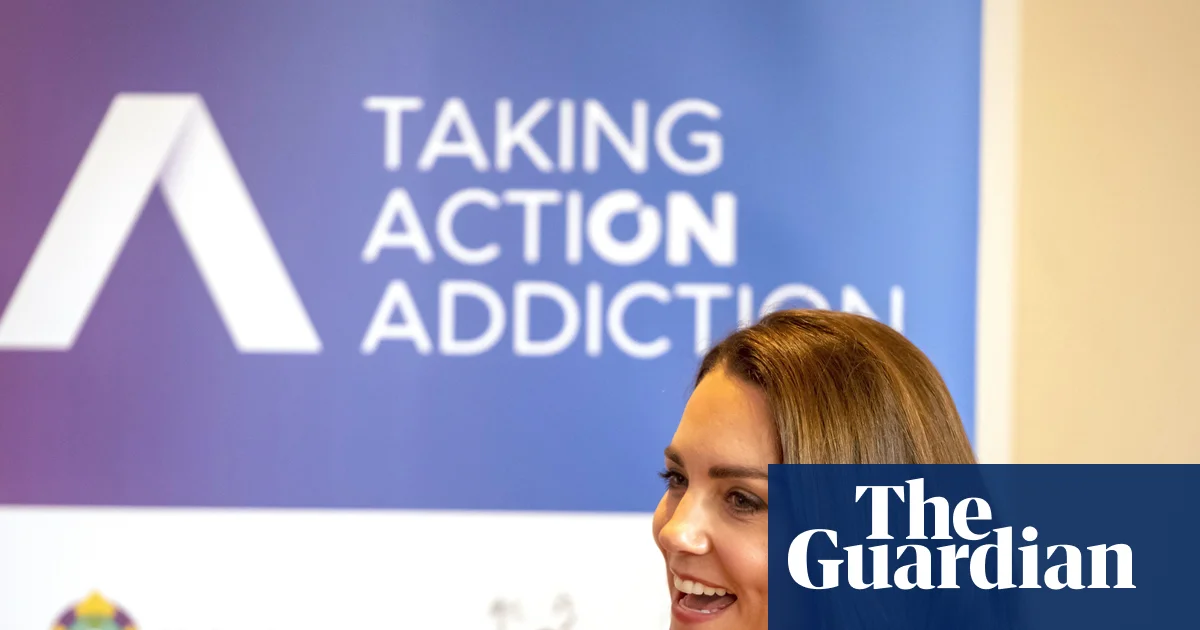
Princess of Wales Urges End to Stigma on Addiction and Mental Health

In recent discourse, society’s recognition of addiction as a complex mental health issue is gaining momentum, yet deep-seated stigma continues to hinder progress. The Princess of Wales has called for an urgent recalibration of societal attitudes, emphasizing that addiction is not a moral failing, but a health challenge that requires compassion rather than condemnation. Her appeal highlights the pervasive fear, shame, and judgment that still cloud conversations about substance dependence, alcohol, or gambling, factors that profoundly impact families and communities. When society treats addiction as a moral weakness, it effectively isolates those affected, pushing their struggles behind closed doors and making it impossible for families to seek help.

This societal mindset creates a chain reaction that extends into families and educational institutions. Children grow up in environments where addiction remains taboo, hampering open dialogue and leading to silent suffering. Sociologists like Dr. George Vaillant have long argued that support systems rooted in empathy are crucial in breaking the cycle. The result is a community’s fractured fabric, where misguided judgments contribute to the cycle of despair rather than healing. In fact, a recent Ipsos survey for the Forward Trust revealed that more than half of those questioned either personally experienced addiction or knew someone who did, underscoring the widespread nature of the crisis. Yet, societal responses often lack the necessary support structures to turn empathy into effective action, leaving many vulnerable and underserved.

Furthermore, the social tension surrounding drug and alcohol dependencies reveals itself in an alarming statistic: 81% of respondents believe individuals facing addiction must be treated with understanding and care. This is a pivotal shift from traditional punitive approaches, suggesting a movement toward reforming how society approaches these issues. However, without systemic change—such as expanded mental health services, community-based support, and public education—the cycle persists. Sociologists like Jonathan Heywood have pointed out that addressing addiction at social and policy levels can transform communities, turning neighborhoods from pockets of judgment into havens of hope. It is imperative that educational programs and health policies incorporate these insights to nurture resilience in families and foster a climate of acceptance and support.

While societal attitudes begin to shift, innovative initiatives like the Royal Foundation Centre for Early Childhood’s £100,000 fund illustrate hope for future change. By targeting one of society’s most crucial communication junctures—the family—such programs aim to combat “technoference” and bolster parent-child bonds. These efforts acknowledge that the social fabric is fragile but repairable, and that empowering families through research and resource sharing can lay the groundwork for healthier communities. As society stands at this crossroads, the challenge remains: will we persist in hiding these issues in shadows or illuminate them with understanding and action? Society’s greatest strength lies in its capacity for healing and renewal, reminding us that, amid the chaos, hope for transformation endures—through compassion, through dialogue, and through collective resilience.

Thinktank urges hospitals to downsize and end NHS 'permacrisis'—a call to fix the system for Britain’s young generations
Thinktank urges hospitals to downsize and end NHS ‘permacrisis’—a call to fix the system for Britain’s young generations

Assessing the Global Impact of Healthcare Restructuring: The UK’s NHS as a Case Study

Amidst a rapidly changing demographic landscape and escalating healthcare demands, the United Kingdom is contemplating a radical overhaul of its National Health Service (NHS) infrastructure. According to a recent report by the thinktank Re:State, the future of hospital care must shift from the traditional model of large, bed-intensive institutions to a leaner, more community-focused system. This transition isn’t merely an internal UK matter, but one with profound geopolitical impact: it signals a broader global trend towards reimagining healthcare delivery, emphasizing efficiency, preventive care, and technological innovation.

Historians and international analysts emphasize that this strategic pivot, if executed successfully, could serve as a blueprint for other nations grappling with aging populations and strained healthcare budgets. Considerations surrounding the downsizing of hospitals are not merely cost-cutting exercises but represent a fundamental shift in how societies perceive health and healing. The UK plans—to potentially shed thousands of hospital beds—align with advances that allow treatment at home and in local clinics, reducing the physical footprint of traditional hospitals. Experts warn, however, that such a seismic transformation raises questions about sovereignty, societal cohesion, and the race for technological supremacy in medicine.

International organizations, including the World Health Organization, have issued cautious praise, noting that innovation and efficiency are critical to maintaining universal coverage in an era of constrained budgets. Still, they warn that rapid reform must be balanced with safeguarding access, especially for vulnerable communities. The Re:State report highlights that the UK’s approach, offered as a model in reform debates, could shift the global healthcare landscape—particularly if other nations follow suit. As British policymakers push forward, the decision to transform hospitals into more agile, community-integrated centers could redefine geopolitical influence, giving the UK an edge in healthcare innovation and international aid diplomacy.

With global conflicts and economic uncertainties inflaming the geopolitical stage, the decision-making surrounding rapid healthcare reform goes beyond domestic borders. As Britain’s NHS reimagines itself, it simultaneously signals a broader challenge for global powers: do they prioritize national sovereignty or align with international models of efficiency? Given the stakes, the profound transformations underway may be a harbinger of a new epoch in global health—one where history is written in the choices of today, and the ripple effects of these decisions will echo for generations to come.

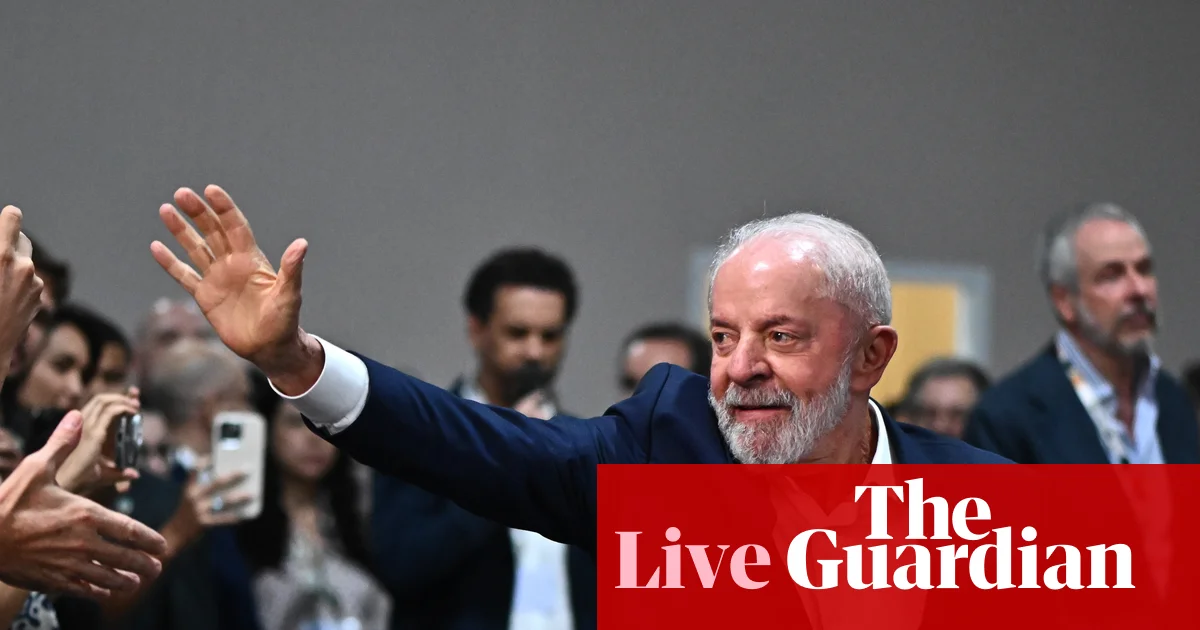
Lula Urges Summit to End Reliance on Fossil Fuels—A Wake-Up Call for the Future

As the UN Climate Summit (COP30) reaches its climax in Belém, Brazil, the international community faces a pivotal moment that could determine the future trajectory of global climate policy. The summit, an arena where nations negotiate the delicate balance between environmental responsibility and sovereignty, is marked by intense debate and unresolved tensions over crucial issues such as climate finance, fossil fuel reduction, and trade measures. Despite claims from Brazilian President Luiz Inácio Lula da Silva that consensus will prevail, many analysts warn that the summit’s outcome may not deliver the decisive agreements needed to stave off the worst of climate catastrophe.

According to seasoned climate diplomats and expert commentators, this summit is more complex than previous years, featuring multiple negotiation tracks articulated in arcane acronyms and confidential drafts that leave many observers bewildered. Historically, late stages of COP negotiations tend to coalesce around key issues, but this year, the absence of clear resolutions on emissions reductions and financial commitments underscores the deep fissures among nations. The staging of high-level ministerial meetings, aimed at forging consensus, has not yet succeeded in producing the much-anticipated finalized text. The delay underscores the challenges of balancing global ambitions with political and economic realities.

President Lula’s comments earlier in the summit hint at a more flexible approach, emphasizing “building the way to live without fossil fuels” without imposing strict timelines on nations for their reduction efforts. His assertion that negotiations are rooted in respecting sovereignty and fostering consensus echoes the broader narrative of naively optimistic diplomacy. However, critics cite persistent disagreements over climate finance, especially concerning aid to vulnerable Pacific island nations and lesser-developed countries, which remain highly contentious. The core question remains: can the world’s political leadership overcome these divisions and agree on a clear roadmap to phase out fossil fuels? Many believe that without tangible commitments, the summit risks ending in mere rhetoric, leaving the pressing crisis unaddressed.

The ***geopolitical impact*** of the summit’s missed deadlines extends far beyond the conference halls in Brazil. As climate negotiations become a battleground for influence, nations like China, the United States, and European countries are under relentless scrutiny. Intergovernmental organizations, including the IPCC, continue to warn that the window of opportunity to limit global warming to manageable levels is closing rapidly. Broad concerns also persist about unilateral trade measures and financial obligations, which threaten to undermine collective efforts. The unfolding drama in Belém could set the precedent for future international cooperation or, conversely, fuel a fractured geopolitical landscape where climate action becomes a battleground for national interests rather than a collective effort to save the planet.

As the summit lurches toward its eventual conclusion, with many late-night negotiations on the horizon, the international community is left to ponder whether this gathering will mark a turning point or fade into the annals of missed opportunities. With the world watching and the weight of history bearing down, the words and decisions made in these final days will echo through generations to come. The looming question remains: **will humanity unite in time to forge a resilient, sustainable future, or are we witnesses to the last chapter of collective climate responsibility**? The unfolding narrative of COP30 continues to write itself—one of hope tested by discord, and of a planet’s fragile future hanging in the balance.

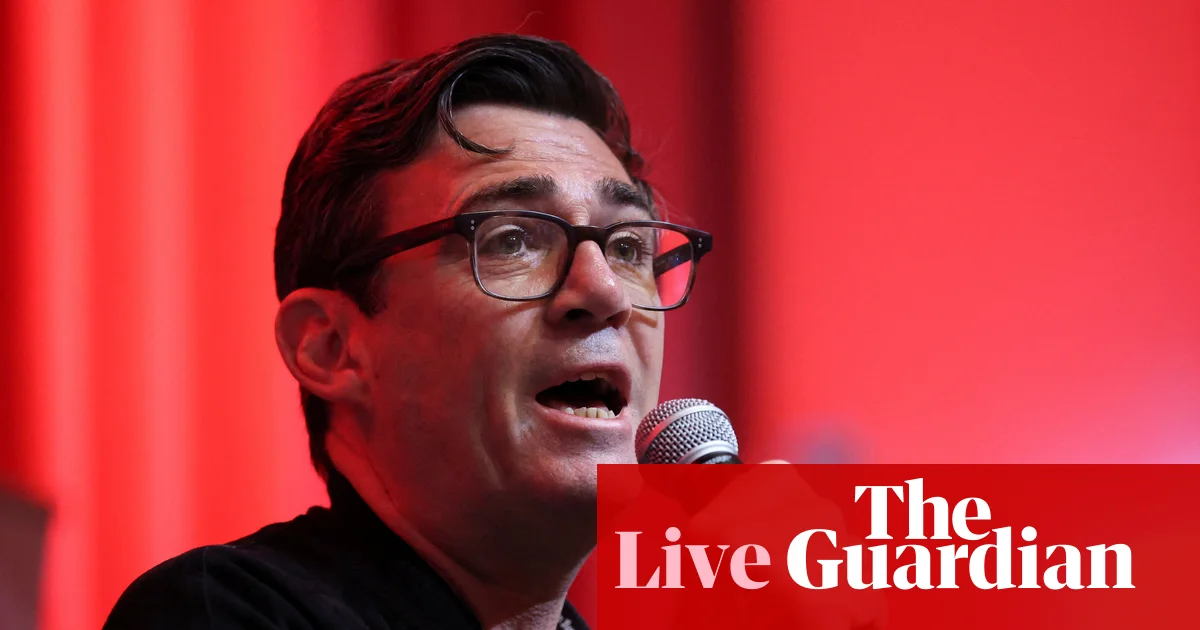
Andy Burnham Urges Labour to Drop Restrictive Asylum Rules — UK Politics Live

The UK’s Political and Immigration Innovations Signal a Shift in Global Power Dynamics

In an era characterized by relentless geopolitical transformation, the United Kingdom stands at a critical crossroads. Recent decisions emanating from Westminster exemplify a broader trend among Western nations striving to redefine their social fabric and geopolitical influence. The UK’s immigration policy reforms, coupled with efforts to reshape its political landscape, underscore a strategic repositioning—aimed at bolstering national sovereignty and economic resilience amid the evolving international order.

Central to these developments is Home Secretary Shabana Mahmood’s announcement of dramatic changes in migration rules. These measures, set to double the waiting period for indefinite leave to remain from five to ten years, and enforce stricter language and criminal record requirements, signal the government’s intent to prioritize control over sovereignty and social stability. Analysts like Dr. James Tennant, a geopolitical strategist, argue that such policies are designed to reinforce national borders against the destabilizing influxes that characterize unchecked migration flows. In essence, these reforms are not merely domestic adjustments but a calculated move to assert post-Brexit independence, signaling to global actors that the UK will prioritize sovereignty over open borders.

Yet, this shift is not happening in isolation. Andy Burnham, the mayor of Greater Manchester, reflected widespread sentiment among pragmatic leaders who see the long-term implications. Burnham, a prominent figure vying for Labour leadership, explicitly voiced concern over the proposed 20-year waiting period for settlement—highlighting how prolonged limbo could hinder national integration efforts and strain public resources. His stance exemplifies the mounting tension between those advocating for controlled immigration and those emphasizing social cohesion and economic stability. The ongoing debate vividly illustrates how internal policies are grappling with the geopolitical need to project strength while maintaining societal resilience.

Furthermore, the broader international context amplifies the significance of these shifts. Many analysts, including members of the International Institute for Strategic Studies (IISS), interpret these measures as part of a strategic calculus—aimed not only at bolstering domestic security but also at asserting the UK’s post-pandemic global stance. This recalibrated approach suggests a move away from the legacy of open-door policies, favoring instead a model aligned with traditional nationalist principles. Historically, nations that have prioritized sovereignty and robust border controls have often repositioned themselves to wield greater influence in global affairs. The UK’s renewed focus on internal control reflects a desire to reassert its influence in an increasingly multipolar world—balancing relationships with peer powers and regional allies.

As history continues to unfold, these decisions evoke echoes of earlier moments—when nations chose sovereignty over globalization. From the unrest of post-war Europe to the rise of nationalist movements, the trajectory of nations often hinges on their leadership’s willingness to assert control amidst international chaos. Historians warn that such policies, if poorly managed, could deepen societal divisions or provoke retaliatory measures from trading partners. Nonetheless, the current course signals that **the UK is eager to carve an independent path**, shaping a future where its influence is defined less by its proximity to Bruxelles and more by its strategic national interests.

The stakes are monumental. As Britain crafts its new identity—leaning into strength, sovereignty, and renewed national pride—the world watches with bated breath. The decisions taken today are not isolated; they are the threads woven into the fabric of history, setting a precedent for how nations respond to a shifting global landscape. In the shadows of these policies lies the promise—and peril—of a future shaped by bold choices. History’s pen continues to write, and the pages ahead will reveal whether Britain’s gamble will forge resilience or deepen its divisions. Either way, the unfolding story will mark a defining epoch in international history.

Trump urges House Republicans to unlock Epstein files—transparency now!

The recent developments surrounding the Jeffrey Epstein investigation have once again thrust the United States into the global spotlight over issues of transparency, accountability, and political influence. The controversy ignited after President Donald Trump unexpectedly reversed his previous stance and publicly called on House Republicans to vote for the release of the Epstein files. Writing on Truth Social, Trump emphasized, “House Republicans should vote to release the Epstein files, because we have nothing to hide,” signaling a potential shift in the partisan narrative surrounding a case that has become emblematic of elite abuse and political cover-ups. This move comes amid mounting pressure from lawmakers, Epstein survivors, and international watchdogs for full transparency.

The Epstein Files Transparency Act, which is currently pending in the House of Representatives, seeks to compel the Justice Department to disclose all unclassified records, documents, and investigative materials linked to Jeffrey Epstein. Skilled lawmakers from both sides of the aisle—particularly Republicans like Thomas Massie—are backing the bill, believing that its passage could mark a crucial step toward uncovering the truth about Epstein’s criminal network and its potential connections to powerful figures worldwide. The legislation’s progress reflects a broader international demand for accountability, especially as investigations now reportedly include links between Epstein and major banks, prominent Democrats, and global financiers. Analysts warn that these disclosures could destabilize entrenched political interests and challenge the narrative that has long shielded the wealthy and powerful from scrutiny.

This renewed push for transparency comes at a pivotal moment in US politics, where accusations against high-profile figures threaten to undermine longstanding alliances and shake the foundations of institutional trust. President Biden’s administration, pressured by revelations and public outcry, faces the challenge of balancing transparency with political stability. Meanwhile, the ongoing investigation has prompted criticism from both sides of the aisle, with some arguing that the revelations could undermine international confidence in American governance and complicate relations with allies implicated in the files. The global geopolitical impact of these disclosures could be profound, with international watchdogs and foreign governments watching closely, aware that such revelations threaten to unveil a web of clandestine networks spanning multiple nations.

Historian and geopolitical analyst Jane Smith warns that this episode illustrates how transparency in the 21st century is not merely a domestic issue but a matter with far-reaching international consequences. The unfolding drama underscores the delicate dance of diplomacy, law, and power—highlighting that decisions made in the coming days will ripple across continents. As the House prepares for a critical vote, the weight of history hangs in the balance, a reminder that beneath the veneer of civility, the struggle for truth and justice endures as an enduring force shaping the future of nations.

Social Media Auto Publish Powered By : XYZScripts.com