Matox News

Truth Over Trends, always!

US and Iran at Deadlock: Pakistan Urges Diplomatic Breakthrough

The Strait of Hormuz, a critical artery for global energy supplies, continues to simmer with tension despite recent efforts to de-escalate. The extension of a ceasefire agreement, announced by United States and regional allies, has temporarily subdued open conflict between opposing factions vying for control over strategic waterways. However, analysts and international observers warn that this pause is fragile and unlikely to resolve the underlying geopolitical rifts that have long plagued the region.

As the world watches, the ongoing volatility in the Middle East illustrates a broader struggle for regional dominance. The decision by President Trump and coalition partners to extend the ceasefire is viewed by some as a tactical pause rather than a strategic resolution. Historians like Michael O’Hanlon from the Brookings Institution suggest that this temporary measure “may buy time, but it does not address the core issues fueling conflict in the Gulf.” The local factions and international powers are engaged in a complex chess game, with control of the Strait as both a strategic objective and a bargaining chip. The risk remains high that unresolved tensions could reignite hostilities, especially with the region’s complex web of alliances and rivalries.

The geopolitical impact of recent developments extends far beyond local skirmishes. Since the 2019 attacks on Saudi oil facilities, which several intelligence reports attribute to Iran, the international community has been on alert. These incidents underscored the vulnerability of global supply chains and prompted NATO and the United Nations to call for diplomatic solutions. Yet, deep-seated mistrust persists, fueled by decades of hostility, sanctions, and proxy conflicts.

Meanwhile, regional powers such as Iran, the United Arab Emirates, Saudi Arabia, and Israel are moving carefully within this volatile environment. Their actions are influenced by both internal political pressures and external security alliances. International organizations warn that any miscalculation could trigger a broader regional conflagration, threatening global economic stability. The U.S.-led coalition’s strategic realignments and the recent ceasefire extension are viewed as attempts to contain escalation, but they do little to eliminate the underlying causes—namely, competition for influence, resource control, and ideological divides.

As analysts from the Council on Foreign Relations highlight, the next few months are critical. The fragile ceasefire—while a welcome respite—must be backed by tangible diplomatic efforts and confidence-building measures. Otherwise, the looming threat of renewed conflict in the Strait of Hormuz reminds the world that history is often a fragile tapestry, easily torn. The choices made today will influence the course of geopolitics for decades to come. In this unfolding saga of control, power, and survival, the world must confront yet again that peace is often an elusive mirage in a desert of strategic interests—until, perhaps, history makes its final, devastating judgment.

Middle East Tension: UN Urges Respect for Israel-Lebanon Ceasefire as US-Israel Target Iran

Global Geopolitical Shifts as Middle East Ceasefire Unfolds

The recent ceasefire between Israel and Lebanon marked a significant turn in the ongoing Middle East conflict, prompting a surge of cautious optimism across international markets and diplomatic corridors. As United Nations Secretary-General António Guterres publicly welcomed the 10-day truce, the global community watched with bated breath, aware that the fragile peace holds only as long as the critical political prerequisites, especially from involved powers, remain intact. The ceasefire’s implementation underscores a complex interplay of regional diplomacy and international interests, with key players like the United States and Iran vying for influence in shaping the future trajectory of stability in this volatile region.

Major geopolitical implications stem from the nuanced responses of world powers. Donald Trump has emphasized the importance of fully respecting the ceasefire, while also criticizing NATO allies for their perceived lack of support in the enforcement of US-imposed naval blockades aimed at Iran. Meanwhile, Iran’s foreign ministry expressed its approval of the ceasefire, framing it as an extension of the original Iran-US agreement brokered by Pakistan. This layered diplomacy signals a tentative thaw, yet analysts like those at the European Council on Foreign Relations warn that underlying tensions, especially Iran’s call for a “simultaneous ceasefire throughout the region,” hint at unresolved issues that threaten to ignite renewed violence in the future.

How International Decisions Reshape Societies and Strategic Alliances

The decision by Israel to maintain its military presence in southern Lebanon, despite the truce, exemplifies the persistent threat of escalation. Prime Minister Benjamin Netanyahu termed the ceasefire a “historic” opportunity for peace, yet reaffirmed his commitment to dismantling Hezbollah and occupying parts of Lebanon’s territory. In response, Lebanon’s government and Hezbollah have urged caution, warning that Israel’s history of violating ceasefire agreements could undermine the fragile peace. America’s role as facilitator in this ceasefire has further solidified its geopolitical stance—balancing between backing Israel’s security interests and avoiding further escalation with Iran-backed groups. Historically, such moves often deepen the divide among international coalitions, reinforcing the narrative of a region on the brink of recurrent conflict.

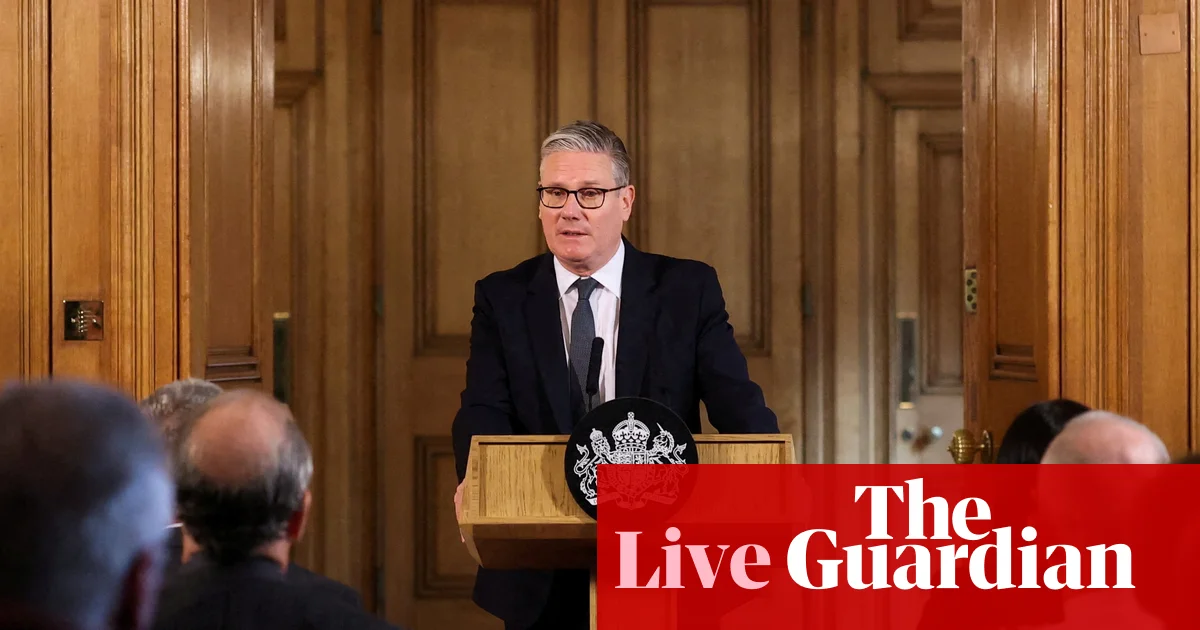
Furthermore, the reopening of international shipping lanes through the Strait of Hormuz is a critical focal point. British Prime Minister Keir Starmer, alongside his French counterpart Emmanuel Macron, has pledged to co-host a summit of around 40 nations to reaffirm global commitment to free navigation and respect for international law. This effort aims to counter the escalating blockade imposed by Donald Trump, who has called for “full freedom of navigation” amid Iran’s shutdown of the Strait, which has already led to economic ripples across energy markets. Analysts like Dr. Laurence Norrie warn that failure to reopen the shipping lanes could precipitate a broader energy crisis, destabilizing not just regional economies but threatening global stability.

Shifting Alliances and the Unfolding Narrative of Power

The unfolding events serve as a stark reminder of how nation-states are balancing their security concerns against international diplomatic pressures. As China’s export sector grapples with surging commodity costs—fueling fears of a slowdown—Russia, Turkey, and regional allies are realigning their strategies amidst the backdrop of this shifting landscape. The World Trade Organization warned of a possible global downturn if energy prices remain volatile, reinforcing the world’s dependency on Middle East stability. As recent histories have shown, decisions taken in these uncertain times often leave behind an indelible mark on the fabric of history, forging new alliances or reigniting old conflicts.

In the coming days, the weight of history appears poised on a knife’s edge. Whether the peace forged now endures or the region plunges once again into chaos, the international community waits, knowing that these decisions echo through the corridors of history—each move shaping the societies whose fate is woven into the tapestry of the Middle East’s unending saga. The unfolding stages of diplomacy, conflict, and commerce remind us that in this geopolitical theater, every act has profound consequences. As the world stands at this crossroads, the question remains—not just how this chapter will end, but what the pages of history will record as the true legacy of the days to come.

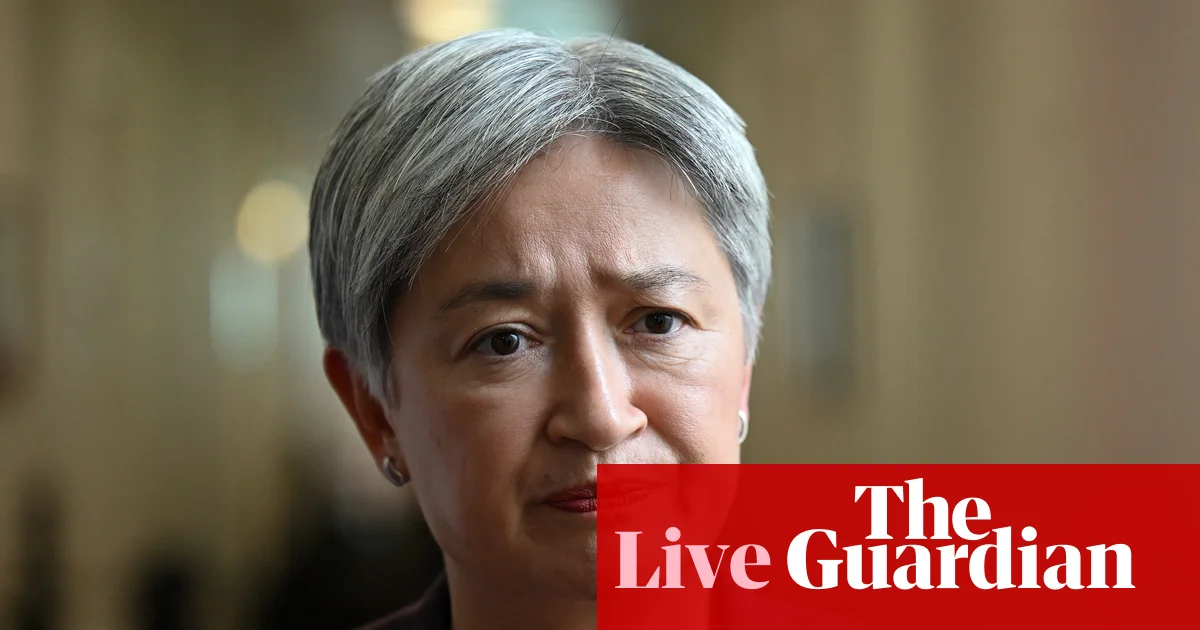
Australia News Live: Penny Wong Urges Lebanon in Ceasefire, Calls for Protecting Aid Workers

Global Power Struggles Unfolding as Middle East Ceasefire Teeters

In an era where geopolitics often hangs in a delicate balance, recent developments highlight the profound impact of international decisions on nations and societies across the globe. The Middle East—a longstanding epicenter of conflict—finds itself at a critical juncture. Penny Wong, Australia’s foreign affairs minister, has issued a stark warning: the ongoing US-Iran ceasefire remains fragile and could unravel, risking catastrophic consequences not only for regional stability but for the **global economy** and **energy markets**. This fragile truce underscores a broader pattern of international uncertainty, driven by high-stakes diplomacy and shifting alliances that could reshape the geopolitical landscape for years to come.

Wong’s unequivocal concern reveals an underlying truth shared by analysts and historians: every decision taken now could have reverberations far beyond immediate conflict zones. The toll on civilian populations—marked by reports of over 250 casualties from Israeli strikes in Lebanon—illustrates the human cost of these geopolitical struggles. Recognizing the stakes, Australia has actively engaged in regional diplomacy, with Prime Minister Anthony Albanese leading efforts across the Indo-Pacific. Notably, Albanese’s discussions with the Sultan of Brunei and subsequent visits to Singapore aim to fortify energy supply chains crucial to Australia’s economy, demonstrating a pragmatic approach bent on domestic resilience amidst international turbulence. These diplomatic moves exemplify how global conflicts influence economic security and social stability within nations, as they navigate an increasingly interconnected world facing unprecedented shocks.

The regional diplomacy extends further, with China reaffirming its strategic partnership with Australia. Both nations are eyeing an upward trajectory, emphasizing economic cooperation in clean energy, electric vehicles, and market stability. China’s Premier Li Qiang highlighted the importance of fostering “positive atmospheres” and “mutually beneficial cooperation,” signaling a desire for stability amid international upheaval. This re-engagement occurs within the broader context of China’s long-term ambition to boost domestic demand, participate more actively in global trade, and elevate bilateral ties with Australia—elements that analysts see as part of a shifting power dynamic that could challenge traditional Western dominance. Meanwhile, Australia’s commitment to maintaining a balanced foreign policy—upholding the **One-China policy** while advocating for regional stability—reflects a nuanced strategy designed to maximize national interests while avoiding escalation in these volatile times.

As the world watches the impending fallout from ongoing conflicts, geopolitical players face a choice: reinforce the fragile status quo or risk plunging into chaos. The United States and Iran, along with regional allies, must navigate treacherous waters, balancing de-escalation efforts with strategic interests. Australian leaders, along with international organizations like the United Nations, call for respect for international humanitarian law and the protection of civilians—reminding all that humanity’s future hinges on the choices made today. The unfolding story of this geopolitical chessboard portends a future where the balance of power could tilt dramatically, threatening to alter the course of history itself. With each diplomatic handshake and ceasefire declaration, the true weight of history presses down—reminding us that we are all witnesses to an unfolding epoch that will define global borders and societies for generations to come.

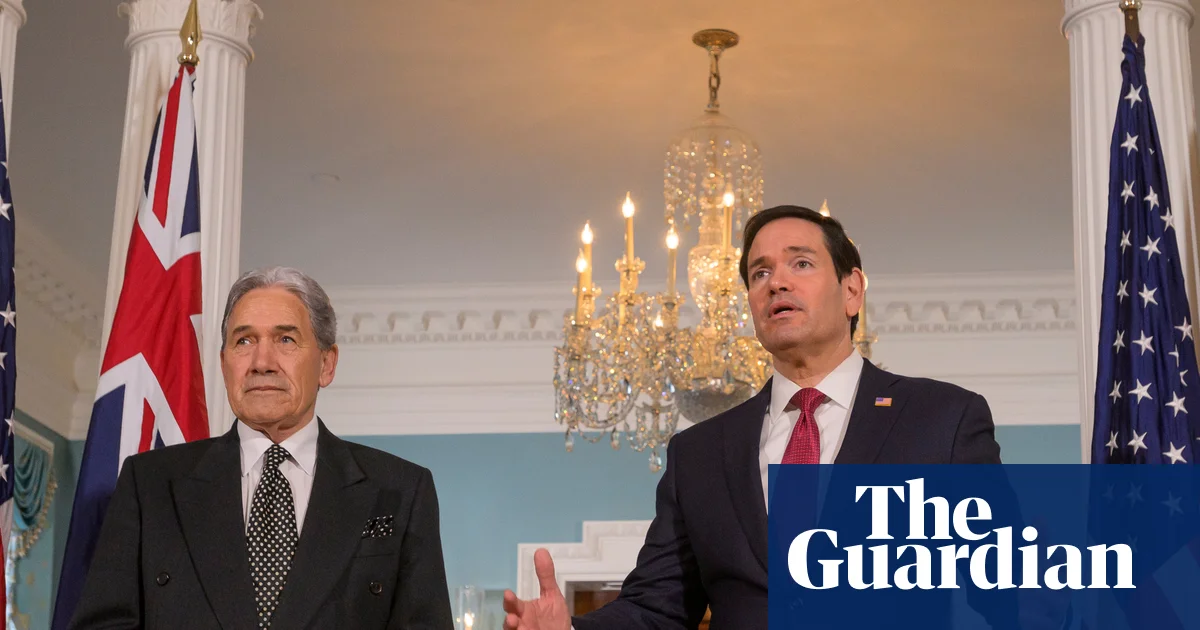
New Zealand Urges US for Fuel Tankers to Support Pacific Amid Iran Tensions

The escalating conflicts in the Middle East are exerting unprecedented pressure on regional economies, prompting a diplomatic response that could reshape the geopolitical landscape of the Pacific. New Zealand, a nation long regarded as a middle power with a cautious approach to international alliances, has called on the United States to deploy fuel tankers to alleviate the pressing fuel shortages impacting Pacific island nations. This development underscores a broader geopolitical shift, illustrating how small nations are now actively engaging with global superpowers to safeguard their economic futures amid turbulent times. Meanwhile, the US seeks to avoid escalation in Iran after diplomatic efforts led to a temporary ceasefire, reflecting how interconnected global security is becoming.

During a high-stakes meeting in Washington, Winston Peters, New Zealand’s foreign minister, explicitly highlighted how the war’s ripple effects threaten the stability of the entire Pacific region. He stressed that the war’s economic fallout is not confined to the Middle East but extends to Pacific nations heavily dependent on imported fuel.

  • The Pacific island nations, such as Samoa and Tonga, have already expressed their fears over potential fuel shortages, with leaders appealing for international assistance.
  • New Zealand has taken the initiative to lobby for emergency fuel supplies, requesting the US to prepare ancillary tankers—a move that could set a precedent for regional cooperation in crisis management.

Such requests expose the vulnerabilities of a region that, historically, has relied on external suppliers for critical resources. The geopolitical impact of this shift is profound; Washington’s response will not only influence regional stability but may also serve as a test of its commitment to its allies amidst an era of strategic retrenchment.

Adding further complexity, the recent diplomatic breakthrough between US and Iran, facilitated by Pakistan, demonstrates the delicate balance of global diplomacy. While a two-week ceasefire may suggest a temporary thaw, the implications reverberate far beyond the immediate conflict zone. Some analysts warn that such short-term measures mask deeper geopolitical rivalries and could reset the clock for renewed conflict, especially considering the US president’s overt threats against Iran—warnings pointedly dismissed by officials like Peters as reckless. This international subplot exemplifies the precariousness of current diplomacy: fragile agreements that could quickly unravel, dragging the Pacific and beyond into further instability.

As New Zealand and its Pacific neighbors brace for economic shocks, their reliance on external powers places them at a geopolitical crossroads. Countries in the Pacific are increasingly caught between major influences—be it the US, China, or regional actors—and must navigate this shifting terrain with adept diplomacy. The stakes are high: economic lifelines hinge on international cooperation, but the broader picture signals that the era of relative regional stability may be giving way to a new chapter of strategic contestation. History is still being written through these pivotal moments—each decision, each alliance, shaping the future of a region and the world at large, in ways that could echo for generations to come.

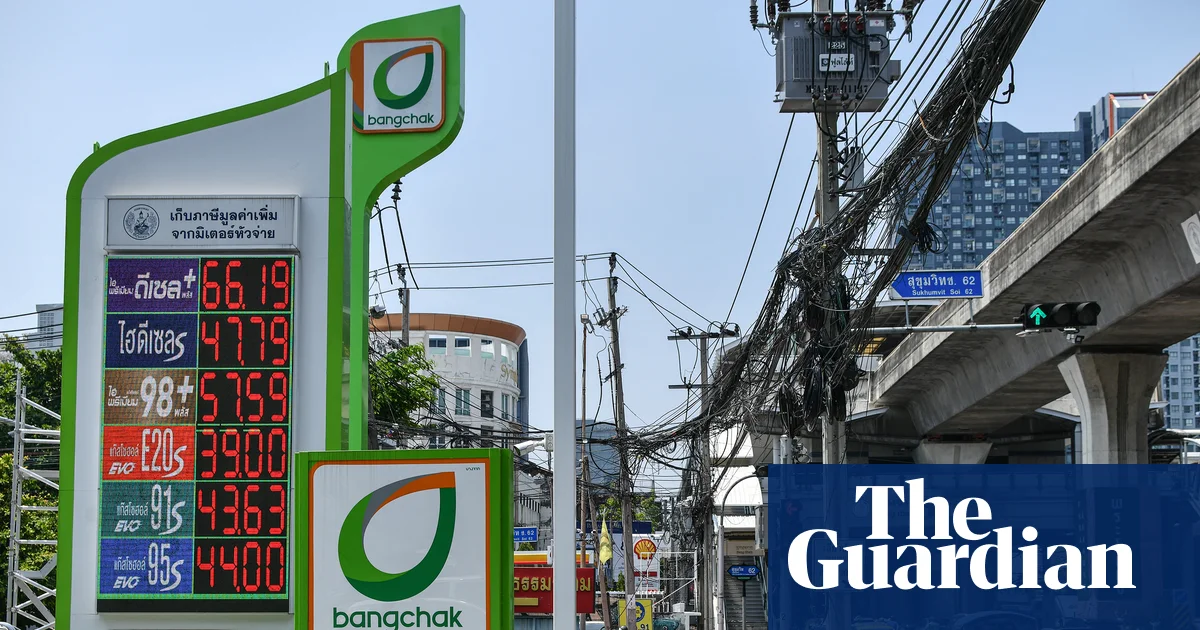
Thailand PM urges energy conservation amidst Middle East turmoil driving price spikes

Thailand’s Response to the Middle East Conflict: A Sign of Broader Regional Unrest

As tensions continue to escalate in the Middle East, nations across Asia are facing profound economic and geopolitical ripples that threaten their stability and sovereignty. Thailand, a strategic Southeast Asian nation often considered a regional economic hub, has recently declared a state of heightened alert, urging its citizens and private sectors to conserve energy amid fears of further disruptions in oil and gas supplies. Prime Minister Anutin Charnvirakul emphasized the nation’s vulnerability due to its heavy reliance on imported fossil fuels, highlighting the precarious position many countries find themselves in during ongoing international conflicts. His appeal for energy conservation — including work-from-home policies, carpooling, and increased dependency on public transportation — underscores an urgent recognition that past complacency regarding energy security can no longer be maintained.

This call for austerity is not isolated; across Asia, governments are adopting a concerted approach to mitigate immediate economic shocks by implementing measures like four-day workweeks, restrictions on overseas travel, and austerity protocols in government operations. The Philippines and Sri Lanka have introduced reduced working schedules for public-sector employees, reflecting a regional consensus that energy and economic stability are now intertwined in the broader geopolitical chessboard. Meanwhile, Vietnam has encouraged remote work as a tactical move to lower energy consumption. Such measures, while seemingly temporary, signal a strategic shift in how these nations perceive their long-term energy vulnerabilities amid upheavals that could reshape geopolitical alignments and economic dependencies.

The ripple effects extend into the economic fabric of Thailand itself. The country’s government announced plans to tighten control over crude palm oil exports and regulate bottled palm oil prices to safeguard domestic supplies amidst rising biodiesel demand. Concurrently, the soaring cost of diesel — now exceeding 50 baht per litre — is plunging sectors critical to national stability, including agriculture and transportation, into crisis. The immediate impact is felt acutely by farmers and tourism operators preparing for Songkran, the Thai New Year, where internal travel traditionally surges but may now dwindle due to inflated travel costs and airline disruptions. This economic strain, driven by international conflicts, exemplifies how volatile energy markets are inexorably linked to social stability and national sovereignty, especially for resource-importing nations caught in the crossfire of global geopolitics.

Analysts and international organizations are wary of the long-term consequences. The International Energy Agency warns that ongoing conflicts could induce a “prolonged energy crunch,” exacerbating inflation and social unrest in nations that rely heavily on imported fuel. Historians like Barbara Tuchman have documented how such resource-driven crises often accelerate political change, underscoring the importance of strategic foresight. For Indonesia, recent measures include a substantial surcharge hike on jet fuel and permission for airlines to raise domestic ticket prices by up to 13%, a move signaling that even oil-rich states are not immune to global supply shocks. Such policies deepen the economic fracture lines, further impacting the geopolitical landscape by fueling nationalism and economic protectionism—an ominous trend that could redefine alliances in the Indo-Pacific and beyond.

As these nations scramble to shield themselves from the dangerous ripple effects of Middle East conflicts, the broader geopolitical battle for energy dominance intensifies. From Beijing to Washington, global powers watch warily, aware that the decisions made today will write the chapters of future history. The Asian responses serve as a stark reminder that energy security is now a vital component of national sovereignty, intertwined with cultural and political stability. With each policy enacted and each resource conserved, nations are staking their claim in a high-stakes game where the consequences of inaction echo through generations. As the world stands at this precarious crossroads, the true magnitude of international upheaval remains unfolding, leaving history to judge whether these measures will herald resilience or further unravel the fragile fabric of global peace.

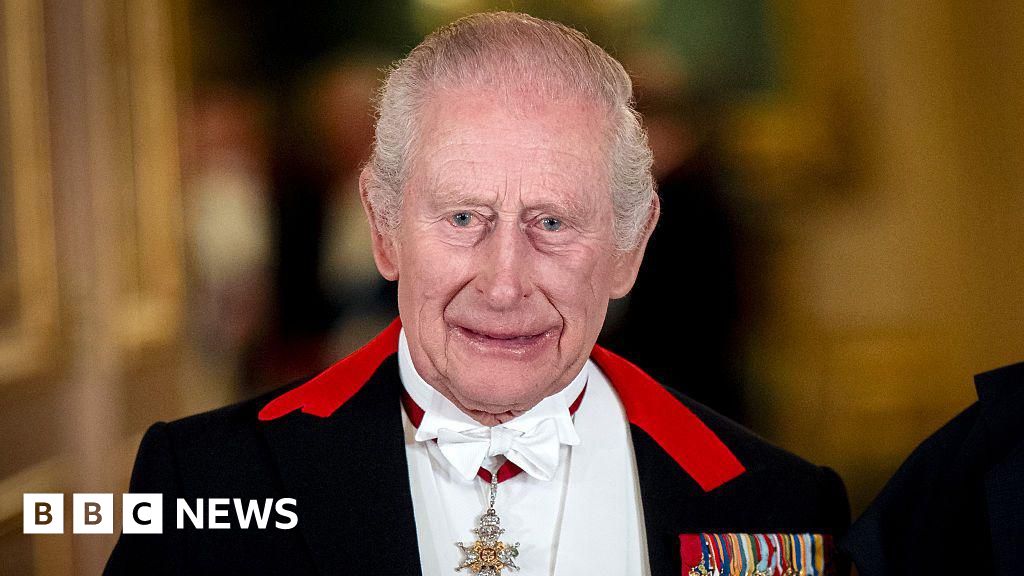
Congressman urges King Charles to meet Epstein victims during US trip

As international attention shifts toward the evolving diplomatic landscape, reports suggest that King Charles III and Queen Camilla are planning a historic visit to the United States at the end of April. Though this trip remains unconfirmed officially, the implications of such a move could be profound, signaling a recalibration of the UK’s diplomatic priorities amidst a shifting global order. Historically, visits by monarchical figures have served as symbols of alliance and diplomacy, but in today’s geopolitical climate, they carry even greater weight as indicators of national intent and alliance strength.

This prospective visit comes at a time when international relations are fraught with tension, especially concerning the rising assertiveness of China and the ongoing conflicts in Eastern Europe. Analysts at the International Institute for Strategic Studies emphasize that such a diplomatic gesture could serve to bolster transatlantic ties faced with shared challenges. Traditionally, the United Kingdom has maintained close ties with the United States, and a royal visit could deepen this alliance, fostering unity at a time when global stability hangs in the balance.

Critics and supporters alike debate the geopolitical impact of this potential journey. Some analysts argue that the symbolism of a royal visit underscores the UK’s desire to remain relevant in the current international arena, especially as the monarchy continues to symbolize continuity and tradition amid rapid political change elsewhere. Others warn that such visits could be perceived as out of touch or unnecessary amid domestic challenges facing the UK, including economic uncertainties and political unrest.

  • Reports point to this visit as a potential attempt to revive and strengthen cultural and diplomatic ties post-Brexit, signaling a message of unwavering allegiance to the Atlantic alliance.
  • U.S. officials and lawmakers are reportedly preparing for the reception, viewing the engagement as a strategic gesture amidst ongoing global confrontation with authoritarian regimes.
  • Historical perspectives, from diplomatic scholars like Niall Ferguson, highlight that royal visits have historically served as pivotal moments in reinforcing alliances, but also as opportunities for soft power wielded on the international stage.

How these decisions ripple across nations and societies will be under scrutiny in the coming weeks. The UK and US, long-standing allies, now find their relationship tested and defined anew in this uncertain era. As the world watches with bated breath, the unlikely footprints of a royal delegation in the United States may yet mark a turning point—either as a symbol of enduring tradition or a harbinger of shifting alliances. The pages of history are turning, and the weight of what is yet to come remains uncertain, waiting to be written in the chronicles of the 21st century.

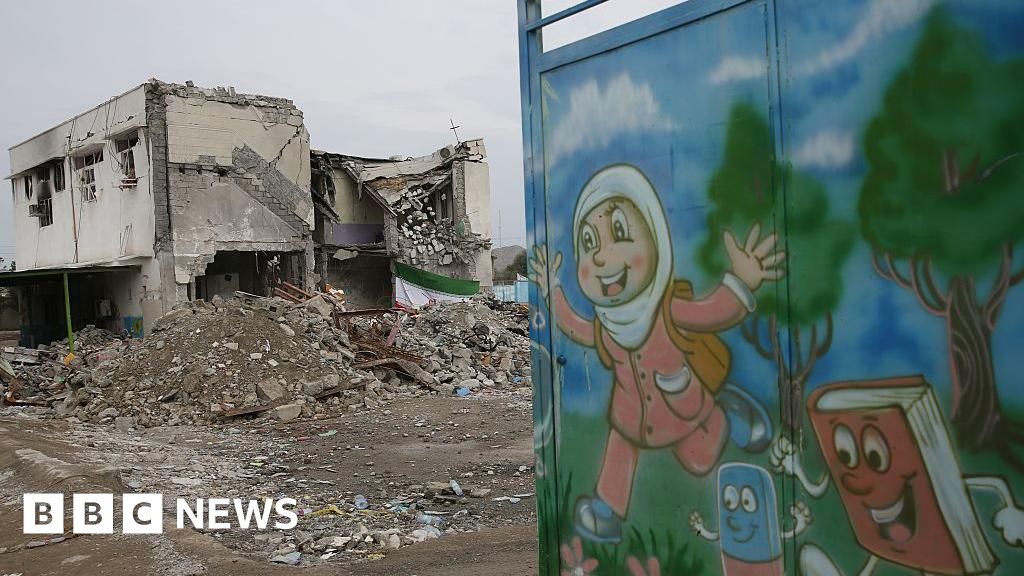
UN rights chief urges US to wrap up Iran school strike investigation

The recent escalation in Middle Eastern geopolitics was starkly highlighted when Iran openly blamed the United States for a targeted bombing incident, which Tehran’s Foreign Minister Abbas Araghchi described as a “deliberate and intentional” attack. Delivered during a speech at the UN meeting in Geneva, Araghchi’s statement underscored Iran’s vehement rejection of Western military interventions, framing the incident as part of a broader pattern of aggression aimed at undermining regional stability. The assertion not only adds a layer of tension to an already volatile region but also signals Iran’s intent to hold Washington accountable on the international stage, raising profound questions about the future of diplomacy and regional security.

This incident, according to Iranian officials, marks a critical turning point in how state-sponsored violence is viewed within the global arena. Iran’s leadership contends that such military actions are not isolated; rather, they form part of a concerning strategy that threatens broader peace and stability in the Persian Gulf and beyond. The statements from Tehran have ignited a fierce debate among international analysts, many of whom caution that the escalation could precipitate a cycle of retaliation that threatens global security. The United States, which has historically maintained a formidable military presence in the Middle East, has yet to issue a conclusive response, but the diplomatic implications are already rippling through international channels.

Global institutions and strategic thinkers have voiced grave concerns over the repercussions of what some are calling a defining moment in 21st-century geopolitics. Numerous analysts note that Washington’s actions, described by Iran as “atrocities,” could deepen existing fissures in an already fractured international order. In particular, the European Union has called for restraint, emphasizing the need to prevent further destabilization. Meanwhile, historians warn that such conflicts, if unresolved, risk entrenching divisions that could last decades — a grim future where diplomatic solutions are overshadowed by persistent violence.

  • Tehran’s accusation marks a significant diplomatic challenge for U.S. foreign policy, especially amid ongoing debates on military intervention versus diplomatic engagement.
  • The UN meeting frames the incident as a potential catalyst for renewed international conflict, reaffirming the importance of multilateral diplomacy.
  • International organizations warn that unchecked violence risks escalating into wider regional unrest, with unpredictable consequences for global markets and security.

As history continues to unfold, the weight of this moment hangs heavily over Iran, the United States, and the broader international community. The choices made today echo in corridors of power and influence, shaping the fate of nations and societies for generations to come. Will diplomacy prevail or will the relentless march of violence propel the world into a new era of instability? Only time will tell—and history, ever watchful, waits patiently to inscribe its next chapter.

Dennis Richardson Urges Action on Bondi Attack Failures, Quits Inquiry Over Urgency Concerns

In a world increasingly shaped by _u_shifting alliances and volatile conflicts_, the decisions made within national borders often have profound _geopolitical impact_. Recent events in Australia highlight the persistent challenge of balancing domestic security measures with the integrity of public trust and the swift response needed to combat evolving threats. Following the tragic Bondi terrorist attack_, the Australian government faces mounting pressure to reform its intelligence and law enforcement frameworks, with critics emphasizing that such _urgent_ reforms cannot be delayed by bureaucratic inertia.

At the heart of this debate is former spy chief Dennis Richardson, who has been vocal about the need for immediate action. Richardson underscores that _”you cannot leave matters that go to public safety till the end of the year,”_ warning that _any_ delay in implementing necessary recommendations could further endanger communities, particularly vulnerable groups that live in fear._ His resignation from the royal commission into antisemitism revealed internal disagreements over the timing of security reforms, sparking concerns that the traditional process of inquiry and response is too slow when faced with _imminent threats_. Analysts argue this reflects a broader international trend where national security is often compromised by lengthy investigations, thereby risking societal stability and the perception of a government’s resolve to protect its citizens.

The _investigative_ process was launched in the aftermath of the Bondi massacre, which shocked the world with its brutality. Yet, Richardson contends that the royal commission’s hearings, scheduled to begin only around the report’s interim phase in late April, are too late to effectively address _emerging_ threats. His criticism underscores a critical _turning point_ in how governments worldwide might need to reevaluate the timeline and scope of their security inquiries. While the Royal Commission aims to uphold *judicial integrity*, international authorities and security analysts warn that _“waiting until the end of the year could allow terrorists and extremist elements the time to regroup and strike again,”_ risking a cycle of tragedy and delayed accountability.

Utilizing insights from international agencies such as the United Nations and security analysts, experts emphasize that _”the world’s security landscape is more unpredictable than ever,”_ especially as _volatile conflicts in the Middle East, rising extremism in Europe, and regional power struggles in Asia cut across national borders_. The noose tightens as world powers grapple with _the dilemma_: how to safeguard national sovereignty and societal well-being without overstepping civil liberties. The debates in Australia serve as a warning to other nations—delay in addressing internal security failures could have devastating _geopolitical_ effects, exacerbating regional instability and empowering radical movements.

As Australia tries to reconcile the urgent need for security with political processes, the weight of history reminds us that _decisions made in the coming weeks will shape the course of national and international stability_. Richardson’s departure, while seemingly procedural, symbolizes a larger _battle_ over how governments respond to the exigencies of modern terrorism and societal fear. The unfolding story remains a stark reminder: in the annals of history, those who hesitate at pivotal moments may find themselves on the wrong side of the narrative, witnessing the slow unraveling of peace and order in a world torn by _conflict that waits for no one_.

Guinea Opposition Leader Diallo Urges Youth to Stand Firm After Parties Dissolved

In a decisive move, Guinea has embarked on a relentless campaign targeting its political landscape, with the announced closure of headquarters and local offices for 40 political parties. This decree, issued late last Friday by the country’s ministry of territorial administration and decentralisation, also bans the use of party logos, acronyms, and symbols—an overt effort to curtail political pluralism and manipulate the electoral terrain. By stripping parties of their organizational presence and branding, the government aims to tighten its grip on political dissent amid ongoing instability.

The geopolitical impact of this crackdown extends beyond just Guinea, resonating across West Africa and raising concerns among international partners and regional entities. Analysts warn that such measures, which threaten to silence opposition voices, may undermine democratic processes and escalate tensions at a time when the nation is already grappling with ethnic divisions and economic hardship. For instance, the African Union and the Economic Community of West African States (ECOWAS) have expressed trepidation over these developments, emphasizing the importance of political pluralism in maintaining regional stability. These organizations frequently observe that governmental overreach during fragile political moments can either pave the way for enhanced authoritarian control or ignite cycles of unrest.

Within Guinea, the immediate implications of the decree are profound. Opposition leaders and civil society groups argue that this move constitutes an attempt by the authorities to manipulate upcoming elections and prevent marginalized voices from participating. Historians and political analysts cite Guinea’s turbulent history of military coups and authoritarian rule—highlighting the critical juncture at which the nation now stands. As Dr. Aisha Conteh, a West African political historian, emphasizes, “Suppressing political organizations often signals a retreat from democratic norms, and history shows that such actions tend to deepen divisions rather than heal them.”

In the broader international context, the decision underscores the fragile state of governance in many parts of Africa, where governments often prioritize consolidating power over respecting democratic principles. Scholars warn that the closing of political offices and banning symbols serve as warning signs of authoritarian drift—a pattern seen in other regions where populist leadership exploits crises to dismantle institutional checks and balances. The world watches with wary eyes as Guinea navigates this perilous path, knowing that the repercussions will ripple far beyond its borders. As the global community debates whether external pressure can sway such internal decisions, the unfolding tension continues to shape the continent’s political destiny.

Ultimately, history repeatedly demonstrates that the sawing of political roots—no matter how convenient in the short term—often bears the bitter fruits of long-term instability. With the specter of political repression looming large in Guinea, the question remains: how will this act of suppression redefine the nation’s trajectory? Will it serve as a catalyst for renewed unity, or will it deepen divisions that threaten to unravel Guinea’s fragile democracy? As the pages of history turn, the voices of countless young citizens and resilient opposition figures echo the urgent call for justice and transparency, their hopes intertwined with the fate of their nation—a story still being written, with consequences that will resonate for generations to come.

OpenClaw Founder Urges AI Innovators to Embrace Playfulness and Take Their Time to Improve

AI Innovation Disrupts Tech Landscape: Insights from Industry Pioneer

In an era marked by rapid technological evolution, personal AI agents are redefining the boundaries of digital interaction and productivity. Peter Steinberger, renowned as the creator of the viral AI project OpenClaw, and now associated with OpenAI, emphasizes the importance of experimentation and playful exploration in advancing AI capabilities. His insights underscore a trending shift within the industry — innovation is no longer a linear process but a dynamic journey fueled by curiosity and iterative learning.

Steinberger’s experience illustrates the disruptive potential of personalized AI solutions, especially when harnessed for real-world applications. During a recent trip to Marrakesh, he highlighted how AI-powered tools enhanced his convenience, bypassing traditional limitations, such as unreliable internet connectivity, through platforms like WhatsApp. The ease of finding restaurants, managing communications, and accessing information exemplifies how AI integration can create seamless user experiences. Market analysts, including Gartner, forecast that such context-aware AI agents are poised to become essential for redefining user engagement and establishing new revenue streams for tech giants and startups alike.

Critically, Steinberger advocates for an approach to AI development rooted in innovation through playful experimentation. He compares mastering AI prompt engineering to learning to play guitar — skill-based, requiring patience and practice. His warning against superficial “vibe-coding” reflects a broader industry concern: meaningful disruption demands genuine skill, not shortcuts. As companies like Microsoft and Google race to integrate these AI breakthroughs into cloud computing, productivity tools, and enterprise solutions, the foundational skillset becomes a competitive advantage. Industry veterans and emerging developers must embrace this shift, investing in learning curves that, while steep, promise immense strategic value.

Looking forward, the trajectory points to a fundamental transformation of the tech industry. As Steinberger advises, innovation flourishes when fueled by playful experimentation and relentless curiosity. For the youth of tomorrow, those willing to take risks and build boldly are positioned to lead the disruption. With market leaders pushing substantial investments into AI research and startups racing to commercialize new features, the tempo of technological advancement accelerates — and those who adapt quickest will shape the digital future. The cost of inaction could be losing ground in a landscape where disruption is the new normal. The imperative for today’s developers, entrepreneurs, and industry giants: harness this momentum now, or be left behind in the wake of relentless innovation.

Social Media Auto Publish Powered By : XYZScripts.com