Matox News

Truth Over Trends, always!

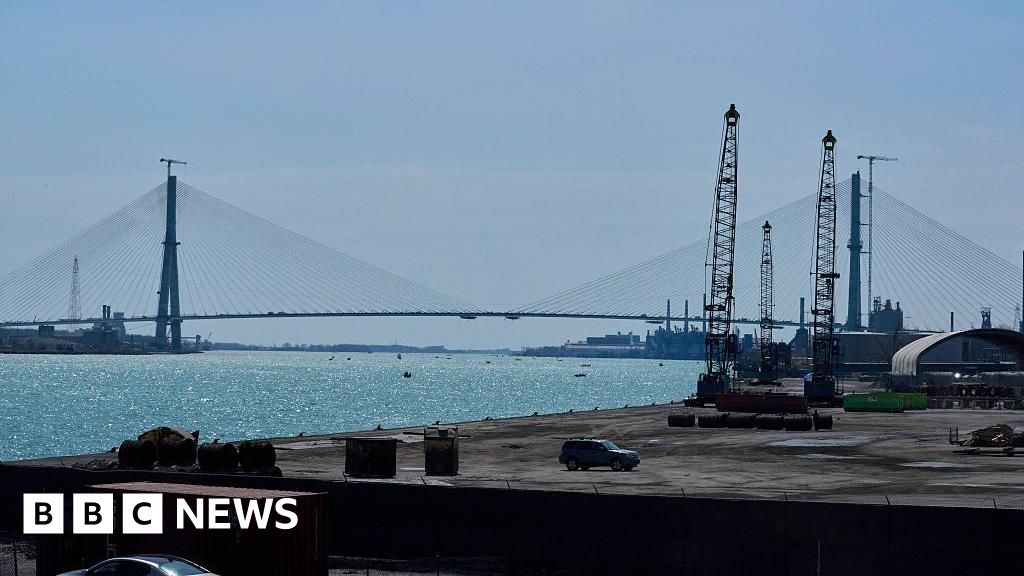
Trump warns: US-Canada bridge opening may be blocked

Former Michigan Governor Rick Snyder, a key figure during the initial stages of critical infrastructure negotiations, recently proclaimed in an op-ed published by the Detroit News that the current arrangements represent “a great deal for America.” His enthusiastic endorsement pinpoints a broader debate over the strategic value of infrastructure projects that transcend local borders to shape global geopolitical alignments. Snyder’s comments underscore a vital feature of this ongoing saga: how domestic decision-making in nations like the United States echoes far beyond their immediate precincts, influencing global alliances and regional stability.

The controversy revolves around a series of strategic hold-ups, often perceived as attempts to leverage infrastructure investments for political ends, which threaten to paralyze vital transportation links. Critics argue that these disruptions, whether deliberately orchestrated or a consequence of diplomatic friction, threaten international trade flows and regional cooperation. Analysts from institutions like the International Institute for Strategic Studies warn that such delays could embolden foreign powers to fill the leadership vacuum. For example, China’s expanding Belt and Road Initiative could actively capitalize on perceived American indecisiveness, further stretching geopolitical influence and contesting long-standing American economic interests.

Meanwhile, U.S. policymakers remain sharply divided on the right course of action. Some advocate maintaining strict negotiations rooted in national sovereignty, emphasizing the importance of protecting critical infrastructure from becoming tools of foreign influence. Conversely, proponents highlight the potential economic gains and strategic partnerships forged through open and resilient international cooperation. Historically, leaders like Rick Snyder have championed infrastructure investments as foundational for national security and economic vitality. Yet, as critics point out, the current global environment is marked by rising geopolitical tensions, resource competition, and territorial disputes that threaten the delicate balance of international stability.

Furthermore, international organizations such as the United Nations have begun issuing cautions, suggesting that continued disruptions could undermine the principles of free trade and collective security. As history demonstrates, when critical infrastructure becomes entangled in political disputes, the consequences often extend well beyond immediate economic losses, impacting the societal fabric of nations involved. The decisions made today—whether to facilitate collaboration or retreat into geopolitical blocs—will undeniably shape the trajectory of global power dynamics for decades to come. As the world watches these developments unfold, the weight of history looms ever larger, a reminder that choices made in this moment may well define the shape of international order for generations.
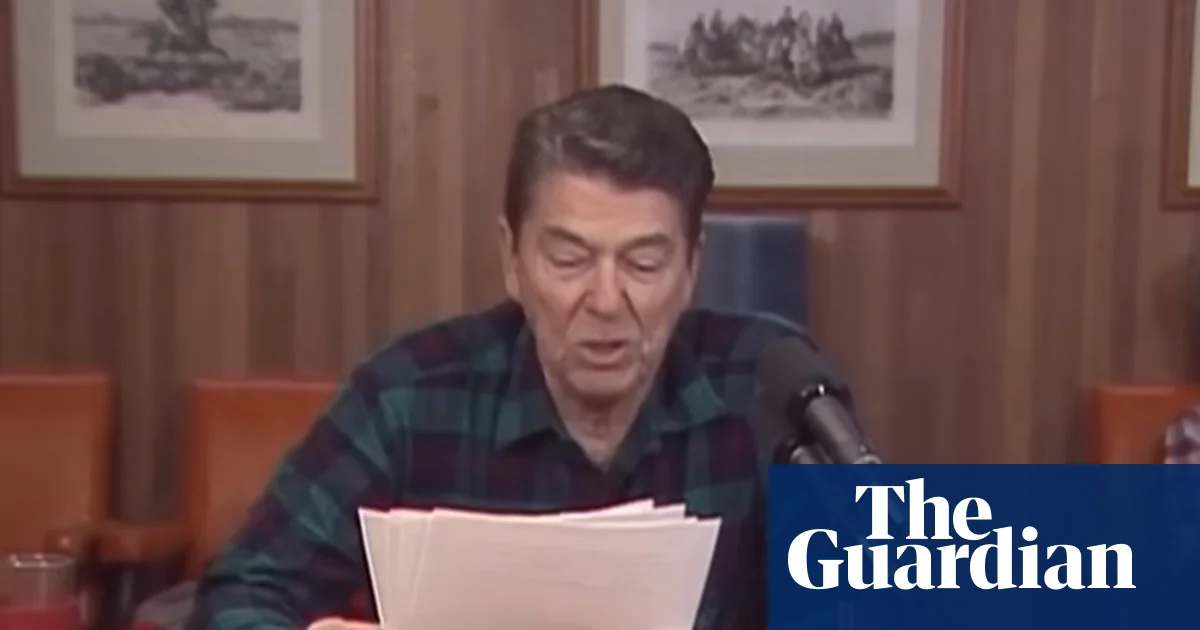

US-Canada clash over Reagan-era tariff attack as trade talks stall — Trump administration step in

Geopolitical Turmoil: Canada’s Trade Rift with the US Sparks International Reckoning

The recent escalation in trade tensions between Canada and the United States marks a significant turning point in international relations, highlighting the fragile nature of economic diplomacy in an era dominated by unilateral decision-making. The controversy began when the Ontario government ran a political advertisement featuring a historical speech by Ronald Reagan, emphasizing his stance that “trade barriers hurt every American worker”. The move, aimed at engaging US audiences on the impact of tariffs, unexpectedly ignited a diplomatic firestorm after Donald Trump responded with accusations of a “fraudulent” ad and, ultimately, the outright suspension of all trade negotiations with Canada. This sequence of events demonstrates how historical narratives can be weaponized in modern geopolitics, with repercussions that resonate far beyond the initial dispute.

The US-Canada trade relationship, long regarded as a cornerstone of North American stability, now faces an uncertain future. With the US imposition of 35% tariffs on Canadian steel, aluminum, and other key sectors, and Canada’s retaliatory measures, the economic fabric of both nations risks unraveling. Experts like Chris Sands, director of the Center for Canadian Studies at Johns Hopkins, warn that these developments could mark the cessation of meaningful negotiations. “Can we stop trade talks? Yes, but there was no evidence we were going anywhere anyway,” he notes, underscoring the perceived dead-end nature of current policy. The American move, fueled by political calculations amidst upcoming judicial hearings on presidential tariff authority, signifies a shift from Reagan’s ideals of free trade to a protectionist stance that threatens to destabilize the longstanding continental economic framework.

Moreover, this diplomatic breakdown occurs amid critical international deadlines. The scheduled review of the United States-Mexico-Canada Agreement in July 2026, coupled with U.S. Supreme Court hearings on Trump’s emergency tariff powers, underscores a pivotal moment for North American integration. The decision by the Canadian government to pivot towards building new partnerships in Asia reflects a broader strategy: diversifying economic reliance away from the tumultuous US market. As analysts observe, Canada’s stance is emblematic of a larger pattern—asserting sovereignty and safeguarding national interests against unpredictable American policies. Canada’s leadership now walks a tightrope, balancing domestic political pressure, regional unity, and its long-term strategic interests. These shifts will undoubtedly influence the global order, challenging established alliances and redefining how nations navigate shared economic destinies.

As history cast its long shadow over the present, the unfolding saga of North American trade relations raises a stark question: Will the echoes of Reagan’s optimistic free-trade vision be drowned out by the harsh realities of 21st-century protectionism? Or is this the beginning of a deeper reordering of global economic alliances? Only time will reveal whether these recent flashpoints are fleeting moments or the prelude to a fundamental transformation—where history’s lessons are either heeded or dismissed, and the world’s balance of power is reshaped by decisions made in moments of crisis. The weight of the future hangs heavy, as the pages of history continue to turn, writing a new chapter that will be remembered for generations to come.

Social Media Auto Publish Powered By : XYZScripts.com


