
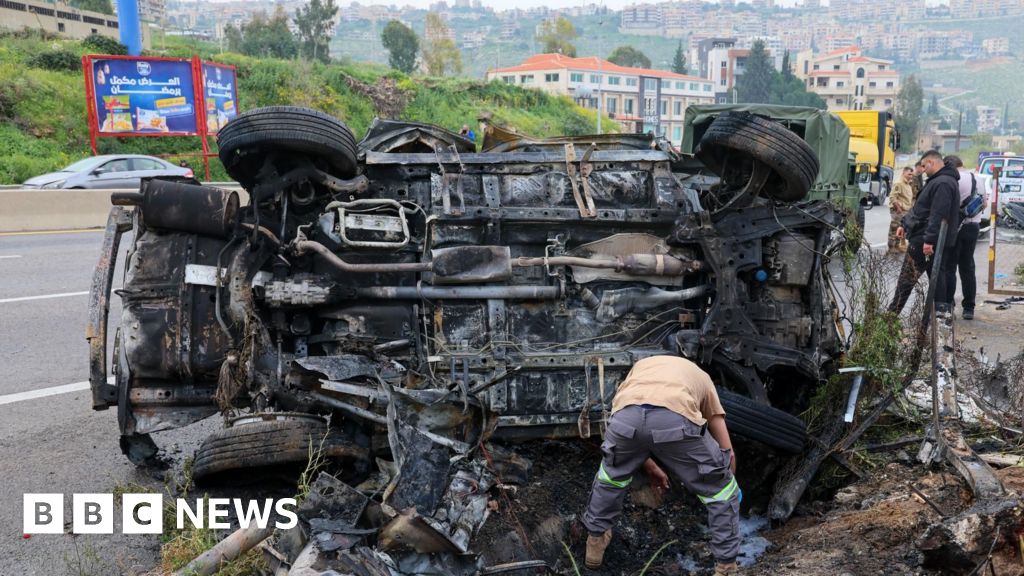

In a dramatic turn of events, Israel has launched a series of strikes targeting southern Lebanon, marking a significant escalation in the ongoing Middle East conflict. These military actions follow a period of rare direct negotiations, which had briefly raised hopes for de-escalation in a region long plagued by hostilities. Meanwhile, Hezbollah, the Iran-backed Lebanese militia, responded aggressively by firing rockets at Israeli territory, signaling that diplomacy has yet to translate into a lasting ceasefire.
The recent surge in violence underscores a fragile geopolitical balance in the Levant, with Israel asserting that its strikes are aimed at suppressing militant activity and deterring further attacks. Officials in Tel Aviv emphasize that their operations are targeted and precise, yet the repercussions are felt far beyond Israel’s borders. The United Nations has called for restraint, warning that rising tensions risk unleashing a broader regional conflict with devastating consequences.
Analysts caution that these incidents serve as a stark reminder of the region’s volatile nature. Historically, moments of diplomatic briefings—like the recent negotiations—have often been followed by a resurgence of violence, reflecting the complex web of alliances and unresolved grievances. As international organizations and key powers, including the United States and Russia, observe closely, experts warn that a failure to achieve sustainable peace could plunge the region into renewed chaos with profound geopolitical impact. It could threaten to destabilize neighboring countries, fuel extremist narratives, and threaten global security more broadly.
From the perspective of historians and political analysts, this cycle of aggression illustrates a recurring pattern in Middle Eastern diplomacy—where short-lived ceasefires give way to renewed conflict, often driven by unresolved territorial disputes, ideological clashes, and external influences. The recent exchanges between Israel and Hezbollah have _not_ only reaffirmed the volatility of the border regions but also underscored the importance of strategic resilience for regional and global stability. As the world watches, the decisions made in the coming days will shape the course of history, with many wary of the possibility that this latest confrontation may ignite a much larger and more destructive conflict.
As the skies over southern Lebanon darken with the echoes of explosive bursts and rocket salvoes, history’s pen continues to write a chapter of relentless upheaval. Despite efforts toward diplomacy, the undercurrent of hostility reminds the world of the fragile veneer over a landscape built on longstanding grievances and external influences. The question remains: will this cycle of violence persist, or can the foundations of peace finally be laid? Ultimately, the choices in this crucible of conflict will resonate through the centuries, shaping the future of nations and societies in an unpredictable and turbulent Middle East.






